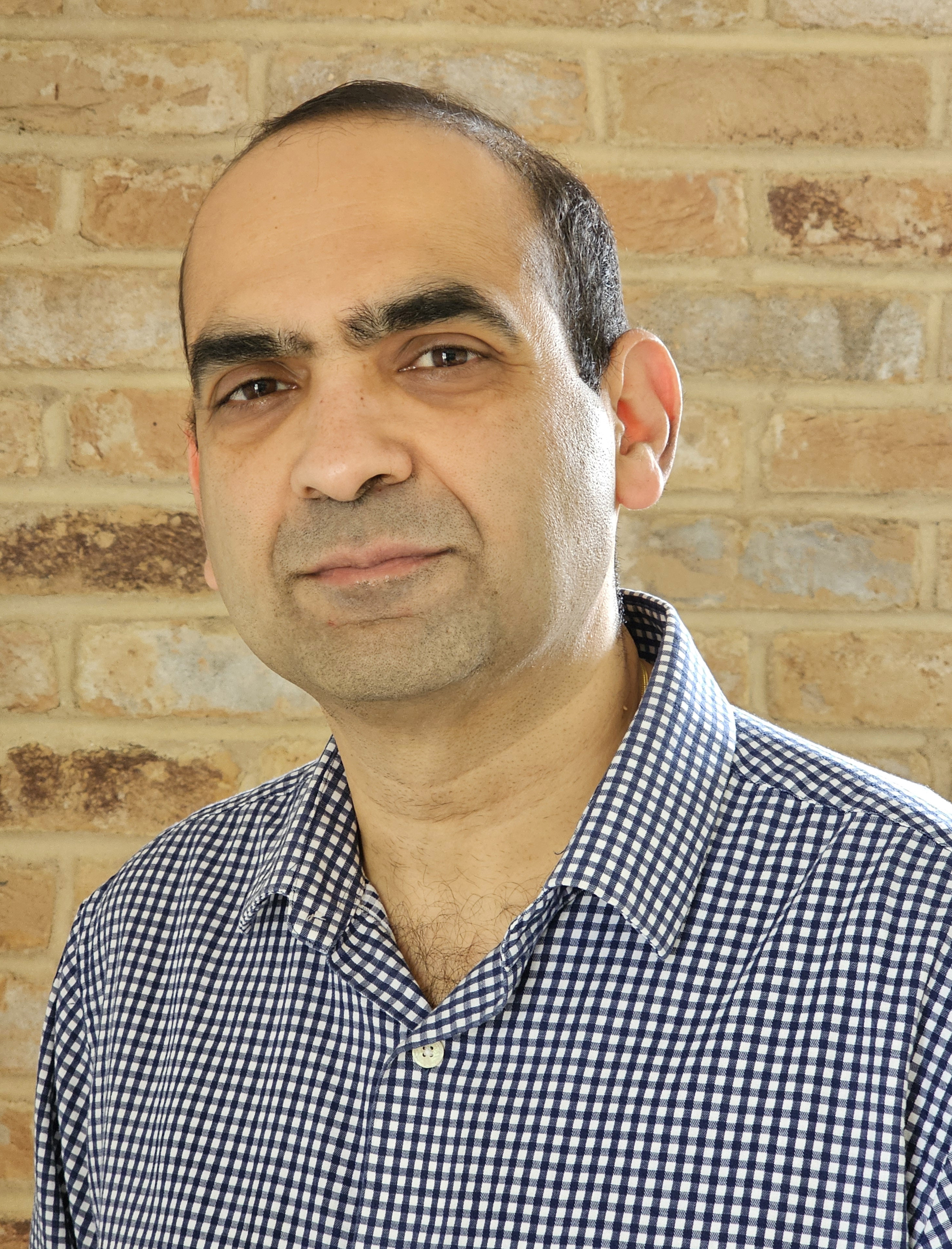
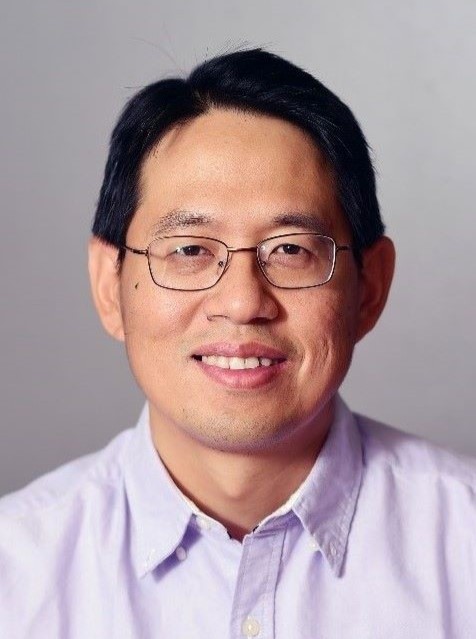
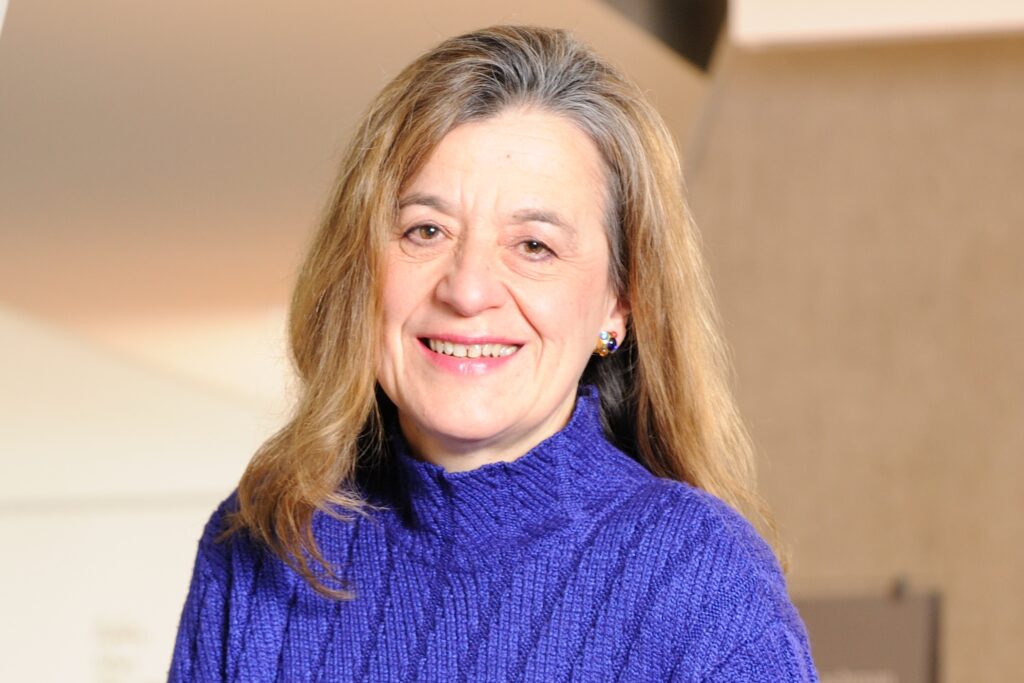
Seth Lichter is a Professor of Mechanical Engineering at Northwestern University, specializing in molecular-scale dynamics. His research focuses on polymer dynamics, surface diffusion, and energy-related phenomena. He holds a Ph.D. and M.S. from MIT in Mechanical and Aerospace Engineering, respectively, and a B.A. in Engineering and Applied Physics from Harvard University. His current projects include collaborations on polymer dynamics with Prof. Chris Goedde and Prof. Anupam Garg, as well as studies on liquid-surface interactions under shear. Lichter emphasizes analytical modeling and closed-form solutions to complex problems, combining computation with physical insight. He teaches courses such as Modeling Energy in Society , Molecular Motors in Biology , and the interdisciplinary Nonlinear Dynamics , which spans eight departments across Engineering and Arts & Sciences. Notable awards include the Office of Naval Research Young Investigator Award and the Clemens Herschel Prize for Excellence in Engineering.
Yves Leterrier is a Senior Scientist and lecturer at École Polytechnique Fédérale de Lausanne (EPFL), where he has been a faculty member since 1993. He works in the Laboratory for Processing of Advanced Composites (LPAC) within the Institute of Materials at the School of Engineering. His academic career spans over three decades with significant contributions to sustainable materials science and polymer composite technologies. Senior Scientist, Laboratory for Processing of Advanced Composites (LPAC) Teaching roles in SMX and EDMX programs PhD program committee member for Materials Science and Engineering Author of over 300 technical articles including 145 peer-reviewed journal papers Leterrier's research focuses on sustainable materials and processes, particularly in polymer composites, multilayer and hybrid materials, photopolymerization and sol-gel processes, mechanics of thin films on polymers, and roll-to-roll process methods. His work bridges fundamental materials science with practical applications in flexible electronics, renewable energy, and sustainable packaging. He has pioneered techniques for creating bioinspired surfaces, diffusion-barrier coatings, and cost-effective manufacturing processes for advanced materials. His recent publications reveal a strong emphasis on water permeation monitoring in bioelectronic implants, fluorine-free superhydrophobic surfaces, and biobased composites using nanocellulose. His research shows a clear trajectory toward sustainable materials solutions with applications in medical devices, flexible electronics, and environmentally friendly packaging. The consistent theme across his work is the development of reliable, high-performance materials through innovative processing techniques and composite design. Leterrier actively contributes to the academic community through editorial roles, including serving on the editorial board of Applied Surface Science since 2012 and as Associate Editor for Frontiers in Materials since 2014. He coordinates EPFL's Minor on 'Engineering for Sustainability' and has been President of the EPFL Materials Science Library commission since 2000. His leadership extends to industry collaboration through multiple funded research projects. His current research portfolio includes significant projects such as BioPack (biobased packaging materials), FLEXCAN (flexible encapsulation of active implants), 3DP4PEACE (sustainable 3D printing), and DuPrintProtect (advanced manufacturing). Previously, he led projects including XinoCaps, UltraCeal, SUNLITE, and REFLEX, demonstrating consistent funding success across diverse materials science applications. He also serves on the board of the French Adhesion Society and has organized international symposia on materials and micro-technologies. Leterrier leads the Laboratory for Processing of Advanced Composites, where his team develops cutting-edge materials processing techniques. His work on photo-hyphenated methods, UV nanoimprint lithography, and electro-fragmentation analysis represents the laboratory's focus on innovative characterization and manufacturing approaches for advanced materials.
Ian C. Bourg is an Associate Professor at Princeton University with dual appointments in the Department of Civil and Environmental Engineering and High Meadows Environmental Institute . He directs undergraduate studies in CEE and leads the Interfacial Water Group , focusing on atomistic-level simulations and macroscopic modeling of environmental systems. His concurrent affiliations include the Princeton Institute for the Science and Technology of Materials and Chemical and Biological Engineering department. Education Ph.D. in Civil and Environmental Engineering, University of California-Berkeley (2004) MSc in Chemical Engineering, INSA Toulouse (1999) B.Eng. in Chemical Engineering, INSA Toulouse (1999) Research Interests span clay mineral surface geochemistry, geologic CO 2 sequestration, kinetic isotope effects, water behavior at interfaces, and coupling geochemistry with geomechanics in porous media. His work integrates molecular simulations with experimental validation to study environmental phenomena like contaminant transport, soil carbon storage, and water dynamics in clays. Publications from 2023-2025 reveal expertise in molecular dynamics of clay-water systems, organic contaminant partitioning, cement hydration, and isotope fractionation. Key themes include Environmental Nanoscience , Geochemical Modeling , and Soft Matter Physics applications to environmental systems. Scientific Recognition NSF CAREER Awardee (2018) Advising includes mentoring 12 current and former PhD/postdoc researchers, with notable alumni at institutions like Cornell, University of Poitiers, and Oak Ridge National Laboratory. His group has produced 20+ undergraduate advisees now in academia and industry. Laboratory develops multiscale simulation tools like HybridBiotInterFoam and HybridPorousInterFoam, with active collaborations in nuclear waste management, soil remediation, and sustainable construction materials.
Professor Alberto Saiani is a distinguished academic in molecular materials and biomaterials science at the University of Manchester's Division of Pharmacy & Optometry. He holds a PhD in Polymer Physics from the University of Strasbourg and has held postdoctoral positions in Japan, the UK, and Belgium. Previously a lecturer at Blaise Pascal University (2000–2002), he joined Manchester's Department of Materials in 2002, co-founding the Polymers & Peptides Research Group. In 2022, he transitioned to Pharmacy & Optometry to advance translational biomaterial research for clinical applications. Education: MSc in Soft Condensed Matter Physics, University Louis Pasteur, Strasbourg, France PhD in Polymer Physics, University of Strasbourg Research Focus: His work centers on self-assembling peptides and hydrogels for biomedical applications, including drug delivery, tissue engineering, and regenerative medicine. Key innovations include the PeptiGels® technology commercialized via Manchester BIOGEL (2014–2023), now under Cell Guidance Systems. His research bridges fundamental polymer science with clinical translation, addressing challenges in biomaterial design and biocompatibility. Awards & Fellowships: JSPS Postdoctoral Fellowship (Japan) RAEng Industrial Fellowship (2006) EPSRC 5-Year Research Fellowship (2013) Fellow of the Royal Society of Chemistry (2016) Grants & Projects: Co-Investigator on three BHF PhD Studentships (2017–2023), focusing on cardiovascular and regenerative medicine. His work is supported by interdisciplinary collaborations within the Manchester Institute of Biotechnology and the Advanced Materials in Medicine platform. Labs & Groups: Leads the Polymers & Peptides Research Group, pioneering peptide-based biomaterials for 3D cell culture, bioprinting, and combination therapies. Active in the Manchester Regenerative Medicine Network and Christabel Pankhurst Institute.
Vikram Deshpande is a Professor in the Department of Engineering at the University of Cambridge, UK, where he has been employed since 2010. He also maintains significant international connections, having served as a Visiting Professor at the Technical University of Eindhoven (2009-2017) and previously holding positions at the University of California, Santa Barbara and Brown University. His research spans multiple disciplines within solid mechanics and materials science, focusing on fundamental mechanisms that govern material behavior across different scales. His research interests encompass Mechanobiology , where he explores cellular organization mechanisms; Solid mechanics with applications to impact and failure; Data-driven mechanics approaches; Microarchitectured solids including mechanical metamaterials; Fluid-structure interaction in impact scenarios; Chemo-mechanics of battery materials; and Dislocation mechanics for understanding material deformation. His work uniquely bridges fundamental physics with practical engineering applications, particularly in developing materials with tailored mechanical properties. The analysis of his recent publications reveals a strong focus on mechanical metamaterials, cellular mechanics, and electro-chemo-mechanical phenomena in energy storage systems. His research demonstrates a consistent pattern of addressing fundamental scientific questions while maintaining strong connections to practical engineering applications, particularly in materials design, protective systems, and energy technologies. His publications frequently combine experimental approaches with sophisticated modeling techniques across multiple scales. 2024 Zdeněk P. Bažant Medal for Failure and Damage Prevention 2023 Fellow, Royal Academy of Engineering and International Member US National Academy of Engineering 2022 Warner T. Koiter Medal and William Prager Medal 2022 European Research Council (ERC) Advanced Grant 2021 Gili Agostinelli Prize and IIT Bombay Distinguished Alumnus Award 2020 Fellow, Royal Society of London and Rodney Hill Prize Professor Deshpande has served on numerous editorial boards including the Journal of the Mechanics and Physics of Solids (current Associate Editor), Modelling and Simulation in Materials Science and Engineering, and Proceedings of the Royal Society A. He chairs the Royal Society Sectional Committee 4 and serves on the Advisory Board of the European Mechanics Society EUROMECH. His leadership extends to directing the International Conference on Fracture and chairing the EUROMECH Mechanics of Materials Conference committee. His research group at Cambridge, accessible through cambridgesolidmechanics.co.uk, focuses on developing fundamental understanding of material behavior to enable the design of next-generation engineering materials.
Dr. Julie Liu is an Associate Professor of Chemical Engineering at Purdue University, with a courtesy appointment in Biomedical Engineering. She is affiliated with the Global Engineering Program and serves on the Engineering Leadership Team. Her research focuses on biomaterials science, tissue engineering, and regenerative medicine, particularly in developing collagen-based hydrogels, protein-inspired adhesives, and bioelastomers for clinical applications. Recent work emphasizes tunable biomaterials that modulate cellular behavior in inflammatory environments and enhance tissue repair. Dr. Liu also contributes to STEM education outreach, promoting chemical engineering identity among young women through hands-on polymer activities. Her research interests include: Design of bioadhesives mimicking natural proteins Development of chondrogenic hydrogels for cartilage repair Controlled macromolecular transport in biomaterials Integration of stem cells with engineered matrices Redox-responsive and pH-sensitive hydrogels Recent publications highlight advancements in mussel-inspired adhesives, elastin-based bioelastomers, and chondroitin sulfate-modified scaffolds. These materials address challenges in cartilage regeneration, inflammation suppression, and tissue mimicry. Dr. Liu's work bridges chemical engineering principles with biomedical applications, emphasizing both material innovation and clinical translation.
Chuan-Fu Lin is an Associate Professor in the Department of Mechanical Engineering at The Catholic University of America (CUA), School of Engineering. His research focuses on energy storage systems , nanotechnology , and materials innovation for renewable energy and advanced manufacturing . He founded and directs the Energy Materials Innovations Laboratory (EMI-Lab) , which develops solid-state electrolytes , Li/Na metal anodes , and low-cost eco-friendly energy storage solutions through atomic layer deposition (ALD) and thin film engineering . 2024 : Secured $637k DOE grant to study interfacial kinetics of conversion materials 2023 : Published on fluorinated SEI layers for sodium batteries 2022 : Advanced LiPON protection strategies 2021 : Developed Al2O3-coated Mg anodes 2020 : NSF collaborative award with Prof. Rubloff and Qi His work spans solid-state batteries , aqueous battery systems , and conversion electrode materials , with a strong emphasis on preventing corrosion , enhancing cycling stability , and reducing overpotential . Key projects include polymer/ceramic hybrid electrolytes , in-operando characterization cells , and scalable current collector designs . Notable scientific awards include the 2024 Charles H. Kaman Award and NSF support for collaborative research.
Graham Ormondroyd is a Professor at the School of Environmental and Natural Sciences , Bangor University , specializing in the Biocompounds department. His research focuses on innovative wood modification techniques, sustainable biomaterials, and environmental impact assessments. Current projects include scaling waste-based composites for infrastructure and developing Welsh wool applications. Collaborations span academia-industry partnerships like Bangor University and Zentia Ltd KTP. Research Trends: His 2025 publications emphasize multi-scale resin diffusion analysis and UK wood recycling frameworks, while 2024 work explores laser incising and phenolic resin-NMR interactions. Recent studies also address VOC emissions from formaldehyde-free composites. Professional Activities: He chairs academic panels (e.g., International Panel Products Symposium) and reviews publications. Projects focus on net-zero construction and climate resilience.
Anna C. Balazs is Distinguished Professor and John A. Swanson Chair of Engineering in the Department of Chemical Engineering at the University of Pittsburgh, with an adjunct appointment in Chemistry and visiting professorships at Scripps Research Institute, UT-Austin and Oxford University. In 2025 she receives the €10,000 Gutenberg Research Award from Johannes Gutenberg University Mainz (JGU) for her pioneering theoretical work on smart soft materials. She earned an A.B. in Physics from Bryn Mawr College (1975) and a Ph.D. in Materials Science from MIT (1981), followed by post-doctoral research at Brandeis, MIT and UMass. Research interests span theoretical and computational soft-matter physics, focusing on: Statistical-mechanical modelling of polymer blends and composites Self-oscillating and chemo-responsive hydrogels Active matter, enzyme-powered swimmers and self-propelling sheets Self-healing, shape-morphing and bio-inspired materials Computer simulation of colloidal and interfacial phenomena Recent publications (2023-2025) demonstrate a clear trend toward integrating chemistry, fluid mechanics and elasticity to create life-like, autonomous soft machines. Key contributions include: Harnessing enzyme pumps to drive macroscopic sheet locomotion Designing chemically communicating micro-post arrays Creating dissipative materials with programmable, hierarchical 3-D architectures Scientific awards include: Gutenberg Research Award 2025 Polymer Physics Prize, American Physical Society SF Boys-A. Rahman Award, Royal Society of Chemistry Langmuir Lectureship Award, American Chemical Society Election to the U.S. National Academy of Sciences (2021) She serves on the Advisory Board of the DOE-BES Materials Council and on editorial boards for Langmuir , Soft Matter and Polymer Reviews . Her group collaborates closely with experimental teams world-wide, including the DFG-NSF “Confine” partnership with JGU and the CoM2Life Cluster of Excellence initiative.
Professor Kenneth S Schweizer is the G. Ronald and Margaret H. Morris Professor of Materials Science and Engineering, and holds concurrent professorships in Chemistry, Chemical and Biomolecular Engineering, and the Materials Research Laboratory at the University of Illinois at Urbana-Champaign (UIUC). He earned his B.S. (summa cum laude) from Drexel University and his Ph.D. in Physics from UIUC. His research focuses on statistical mechanics of soft materials, including polymers, colloids, and complex fluids, with emphasis on their thermodynamics, phase transitions, and nonlinear rheology. Key contributions include theories of glass transition dynamics, nanoparticle-polymer suspensions, and vitrimer networks. Schweizer has received prestigious awards such as the American Academy of Arts and Sciences membership (2021), APS Polymer Physics Prize (2008), and Hildebrand Award (2016). He has led major NSF-funded initiatives, including the Nanoscale Science and Engineering Center for Directed Assembly of Nanostructures. His work bridges fundamental theory and practical material design, addressing challenges in energy storage, biomaterials, and nanotechnology. Research interests span structural organization in soft materials, dynamic arrest phenomena, and the interplay between thermodynamics and relaxation processes. Recent studies explore ion transport in polymerized ionic liquids, activated dynamics in colloidal suspensions, and elastic properties of vitrimers. His theoretical frameworks, such as elastically collective activated dynamics and self-consistent hopping models, provide predictive tools for material innovation. Teaching and advising excellence is highlighted by UIUC awards including the 2022 Campus-wide Award for Excellence in Graduate Teaching. Schweizer’s labs and collaborations involve interdisciplinary teams addressing cutting-edge topics like biomolecular condensates and nanoconfined systems.
Professor M. Grae Worster is a renowned academic in fluid dynamics and geophysics, affiliated with the University of Cambridge's Department of Applied Mathematics and Theoretical Physics (DAMTP) within the Faculty of Mathematics. He holds the title of Professor and specializes in fluid mechanics, solidification processes, and geophysical flows. His research focuses on buoyancy-driven flows, magma dynamics, sea ice evolution, and phase-change phenomena in porous media. Worster earned his Ph.D. in 1983 from Cambridge University with a thesis on "Convective Flow Problems in Geological Fluid Mechanics." His work bridges theoretical and experimental approaches, addressing complex fluid dynamics in natural systems like magma chambers, lava lakes, and sea ice formation. Key areas of expertise include mushy-layer convection, premelting dynamics, and viscous gravity currents. His research interests span fluid mechanics, solidification physics, and environmental fluid dynamics, with a strong emphasis on geophysical applications. Recent studies explore hydrogel mechanics, grounding-line dynamics in ice sheets, and thermal regelation in colloidal systems. He has authored over 140 peer-reviewed articles and co-edited influential works like Perspectives in Fluid Dynamics and Understanding Fluid Flow . Worster's contributions to fluid dynamics include groundbreaking studies on sea ice dynamics, where he developed models for brine drainage and ice growth mechanisms. His work on solidification processes in alloys and colloidal suspensions has advanced materials science and geophysics. Collaborations with experimentalists ensure his theoretical models are grounded in empirical validation.
Professor Hao Wang is a distinguished academic and researcher in materials science and manufacturing at the University of Southern Queensland (UniSQ). He holds the position of Professor (Materials and Manufacturing) within the School of Engineering and serves as the Theme Leader for Functional Materials at the Centre for Future Materials. His career spans over 30 years, with a PhD from the University of Queensland (2001) and a GCertEd from Queensland (2005). Professor Wang’s research focuses on advanced materials, including carbon fiber composites, flame retardants, CO2 conversion technologies, and green concrete (geopolymer). He has authored over 450 papers, earning a Google Scholar H-index of 100 and recognition as a Clarivate Highly Cited Author (2023) and Top 2% World Scientist. He leads the Asian-Australasian Association for Composite Materials and was Chair of the 2018 Asian-Australasian Conference on Composite Materials. His recent publications emphasize sustainable materials, recyclable polymers, and fire-safe composites. Over 150 doctoral students have been supervised under his mentorship, focusing on topics like CO2 electrolysis, geopolymer concrete, and flame-retardant epoxy resins. His work bridges academia and industry, addressing global challenges in materials innovation and environmental sustainability.
Dr. Shuya Wei is an Assistant Professor in the Department of Chemical and Biological Engineering at the University of New Mexico (UNM). She holds a Ph.D. in Chemical Engineering from Cornell University (2017) and a B.Eng. in Bioengineering from Nanyang Technological University (2013). Her research focuses on advancing electrochemical energy storage technologies, including next-generation batteries for energy and environmental applications. Key areas include developing high-energy batteries using earth-abundant materials, carbon capture through electrochemical processes, and nanomaterials design. Education: Ph.D., Chemical Engineering, Cornell University, 2017 B.Eng., Bioengineering, Nanyang Technological University, 2013 Research Interests: Electrochemical fundamentals and interfaces Rechargeable batteries (e.g., Li-CO₂, Al-CO₂, iron batteries) Carbon capture and conversion via electrochemical systems Design of nanocomposites and biomaterials for energy storage Notable Awards: Materials Research Society (MRS) Graduate Student Silver Award (2017) UNM Women in STEM Awards (2022) NASA MPLAN Prize (2024) NSF EPSCoR Track 2 Funding (2021) Advising & Grants: Advises graduate students (e.g., Chris Fetrow, Jianda Wang) and postdocs (e.g., Raju Vadthya). Secured grants including NSF awards for electrochemical methane conversion and carbon dioxide management. Lab Activities: The Wei Lab at UNM emphasizes interdisciplinary research, with projects like developing low-cost chemical waste batteries and optimizing porous zinc anodes. Recent achievements include breakthroughs in aluminum-CO₂ batteries and gel polymer electrolytes for sodium-sulfur systems.
Prof. Wolfhard Janke is a Professor at the Institute of Theoretical Physics, University of Leipzig. His research focuses on computational statistical physics, particularly Monte Carlo simulations of polymers, phase transitions, and complex systems. He co-organizes the annual NTZ Workshop CompPhys series and leads projects like the SFB/TRR 102 Summer School on synthetic/biological macromolecules. Janke has developed advanced simulation techniques and authored influential review articles on topics like generalized ensemble methods and polymer collapse dynamics. His work bridges theoretical physics with computational methodologies, emphasizing first-order phase transitions and aging phenomena in non-equilibrium systems. Active in education, he teaches courses on computer simulations and supervises graduate research in computational physics.
Philippe Moireau is a Full Professor in the Department of Applied Mathematics at École Polytechnique, where he is also affiliated with the Center for Applied Mathematics (CMAP). He serves as the head of the Inria Project-Team MΞDISIM (Mathematical and Mechanical Modeling with Data Interaction for Simulation in Medicine) and holds the distinguished position of Ingénieur Général of The Corps des Mines. His primary research focuses on inverse problems and data assimilation for partial differential equation models, with particular emphasis on: Observer-based methods from optimal control perspectives Stabilization approaches for evolution equations Numerical analysis of time-dependent control problems Digital twin applications in cardiovascular medicine Professor Moireau's publication portfolio demonstrates consistent focus on mathematical methods for physical systems, with recurring themes in: Data assimilation techniques for PDE-based models Numerical stabilization and discretization methods Cardiovascular biomechanics and hemodynamics Stochastic modeling of biological systems Epidemiological forecasting and control He leads the ANANKΞ project-team at Inria focused on Analysis And Numerics of physical-Knowledge-based Estimation. His educational contributions include lectures on data assimilation theory at CEMRACS and courses on mathematical modeling in cardiac biomechanics at Institut Polytechnique de Paris.