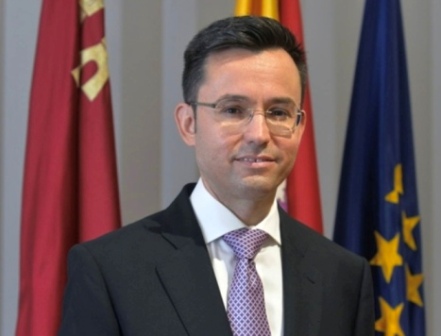
Dr. Francisco Barceló Galindo is a Professor of Psychology at the University of the Balearic Islands , where he has held a position since 2010. He earned his PhD in Psychology from the University of Southampton (1993) and has been a leading figure in Cognitive Neuroscience, Neuropsychology, and Psychobiology. Education: Bachelor’s in Psychology (University of Murcia, 1989), PhD in Psychology (University of Southampton, 1993). His research focuses on human cognition using non-invasive brain activity recording techniques (EEG, MEG) combined with neuropsychological assessments to study attention, memory, and decision-making in healthy individuals and patients with brain damage. He has pioneered computational models based on information theory to quantify cognitive novelty across neural processing levels (sensory, motor, sensorimotor). Analysis of his 15 most recent publications reveals trends in cognitive control mechanisms, task-switching paradigms, prefrontal cortex function, gene-brain interactions (COMT, ANKK1, DAT1), and neuroplasticity in frontal lobe patients. His work spans Q1 journals like Neuron (IF=13.26) and Nature Neuroscience (IF=8.86). Dr. Barceló has secured significant grants, including a €199,065 project from Fundació La Marató de TV3 (2012–2014) and a €69,000 grant from MINECO (2014–2016). He supervises doctoral theses and has directed four completed ones.
Pedro Soto Acosta is a Full Professor at the University of Murcia , holding the Department of Business Organization and Finance . He earned a European Doctorate in Business Administration, a Master’s in Technology Management, and dual bachelor’s degrees in Business Administration and Accounting & Finance from the University of Murcia and Manchester Metropolitan University. He has also completed postgraduate courses at Harvard University and participated in the Leonardo da Vinci program in Bradford. His research focuses on Digital Transformation Information Systems Management Knowledge Management Green Innovation Entrepreneurship E-business and has published extensively in Q1 journals like Journal of Knowledge Management and Technological Forecasting and Social Change . His work on AI, sustainability, and organizational change has earned awards such as the Premio ABG and Stanford University's Top 2% Influential Researchers . He serves as Editor-in-Chief of Benchmarking: An International Journal and holds editorial roles in 10+ journals. Pedro has held leadership positions including Chief Budget and European Funds Officer for the Region of Murcia and Vice-Chancellor Coordinator at the University of Murcia. With an h-index of 59 , his recent articles explore AI-driven innovation, pandemic digital acceleration, and social media's role in entrepreneurship, reflecting trends in digital resilience and sustainable ecosystems.
Eduardo Antonio Ahedo Galilea is a Full Professor in the Department of Aerospace Engineering at Universidad Carlos III de Madrid (UC3M), leading the Plasmas and Space Propulsion Team (EP2). His research focuses on plasma propulsion systems, particularly Hall thrusters, magnetic nozzles, and helicon plasma thrusters, with expertise in plasma dynamics, wave-plasma interaction, and spacecraft-plume effects. Current projects: MLPLUS-CM (2025-2028), PROPULSION ELECTROMAGNETICA POR EFECTO HALL (2023-2026) International collaborations: European Commission, Airbus Defense and Space, SENER His recent publications analyze non-stationary plasma expansions, electron cooling mechanisms, and magnetic nozzle physics across multiple thruster designs. He supervises theses on turbulent transport, wave-plasma interaction, and fluid-kinetic thruster modeling. Grants include funding from the European Commission Research Executive Agency, Agencia Estatal de Investigación (AEI), and regional programs like RIS3-CAM.
Javier Esparcia Pérez is a Full Professor ( Catedrático de Universidad ) in the Department of Geography at the University of Valencia, within the Faculty of Geography and History. He is the director of the UDERVAL (Unit for Rural Development and Evaluation of Public Policies), a recognized research group integrated into the Inter-university Institute for Local Development (IIDL). His academic and research profile is deeply rooted in regional and rural geography, with a strong focus on territorial development, social capital, and public policy evaluation, particularly in the context of European rural development programs such as LEADER. His research interests are centered on the socio-economic transformation of rural areas, the role of social networks and leadership in territorial governance, and the evaluation of rural development policies. He has extensively explored the dynamics of local action groups, social innovation, and the application of Social Network Analysis (SNA) to understand capital formation and governance structures in rural settings. His recent work addresses pressing issues such as rural depopulation, rural-urban synergies, and the sustainability of local development models. His publication record over the past five years reveals a clear trend towards analyzing depopulation, civil society engagement, media narratives on rural decline, and the application of network analysis in both rural development and healthcare. His work spans interdisciplinary domains, including geography, sociology, political science, and public policy. He has made significant contributions to understanding innovation diffusion in organic farming and the structure of public-private partnerships in maternal healthcare, showcasing the versatility of his methodological approach. President of the University Teaching Accreditation Commission (E-19), ANECA (2016–present) Area Coordinator for Scientific Journal Evaluation, FECYT (2016) Member and former President of CNEAI (2013–2015) Spanish Representative in the European Science Foundation's Social Sciences Standing Committee (2007–2013) European Commission Research Evaluator (since 1998) He has supervised several doctoral students, including J. Serrano and J. Escribano, and has directed master's programs in local development. He has led and participated in numerous competitive research projects funded by the European Commission and the Spanish Ministry of Science and Innovation. His leadership extends to editorial roles, such as Sub-director of AGER-Revista de Estudios sobre Despoblación y Desarrollo Rural , and active participation in the peer review process for high-impact journals in rural studies and geography. He has also contributed to academic reform, particularly in the design and implementation of Geography degrees in Spanish universities in the context of the European Higher Education Area (EHEA).
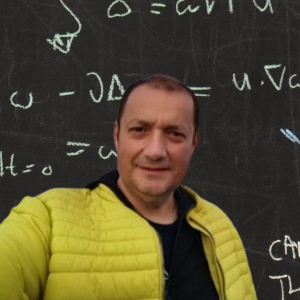
Sergio Segura de León is a full Professor in the Faculty of Mathematics at the University of Valencia, Spain. He is affiliated with the Department of Mathematical Analysis and is a member of the EDPNOL (Nonlinear Partial Differential Equations) research group. He obtained his PhD from the University of Valencia in 1988. PhD: University of Valencia, 1988 His primary research interests lie in nonlinear partial differential equations, particularly focusing on elliptic and parabolic equations involving the p-Laplacian and 1-Laplacian operators, singular terms, gradient growth, and asymptotic behavior as p → 1. His work combines deep analytical techniques from functional analysis, operator theory, and calculus of variations. Applications of his research include image processing, such as MRI denoising, and geometric problems like inverse mean curvature flow. The 15 most recent publications highlight a consistent trend in studying singular limits (especially p → 1), existence and uniqueness of solutions for equations with L1 or measure data, and problems with nonlinear boundary conditions such as Robin or absorption terms. The research spans theoretical analysis of eigenvalues, Gelfand-type problems, and evolution equations, often involving variational methods and renormalized or entropy solutions. No scientific awards are explicitly mentioned in the provided text. Sergio Segura de León has collaborated extensively with leading researchers including Fuensanta Andreu, José M. Mazón, Daniela Giachetti, Anna Mercaldo, and Cristina Trombetti. His work has been supported by various national and international research projects, though specific grants are not detailed. He has advised PhD students, contributing to the training of new researchers in nonlinear PDEs. He is a key member of the EDPNOL research group, which focuses on the analysis and applications of nonlinear partial differential equations, particularly those arising in physics, engineering, and image processing.
Dr. Juan José Martín García is a Professor of Contemporary History at the Universidad de Burgos , Faculty of Humanities and Communication. He specializes in economic history, social history, and emigration research, with particular focus on Castile's industrial heritage and rural-urban dynamics. Key research areas: Textile industry, population studies, rural economics Active in online teaching for History, Spanish Language, and Political Science degrees His article trends show deep engagement with Castile's socio-economic transformations, including textile manufacturing (1720-1939), rural press (1866-1936), and Guardia Civil infrastructure (1844-1936). Notable works examine population underreporting in 19th-century Burgos and the survival of pre-industrial economic practices.
Liviu Ignat serves as a Visiting Professor at the University of Deusto, actively contributing to the Deusto Center for Computational Mathematics (DeustoCCM) in Bilbao, Spain. His work bridges theoretical mathematics with computational applications, focusing on advanced numerical methods for complex physical systems. His academic credentials include: PhD in Mathematics (2006) from Universidad Autonoma de Madrid, Spain Master's Degree (2003) from Universidad Autonoma de Madrid, Spain Bachelor in Mathematics (2001) from University of Craiova, Romania Ignat's research spans partial differential equations, evolution equations, and Fourier analysis, with recent emphasis on asymptotic properties of diffusion processes on quantum graphs. This work addresses fundamental challenges in mathematical physics through innovative numerical frameworks, particularly examining how diffusion behaves on networked structures. His methodologies combine rigorous analytical techniques with practical computational implementations. His 2025 publications demonstrate a concentrated effort on finite element approximations of critical functional analysis constants, establishing optimal convergence rates for the Hardy and Sobolev constants. These contributions advance computational mathematics by providing sharper error estimates and theoretical foundations for numerical solutions in unbounded domains. No information is available regarding student supervision or research grant funding in the provided materials. As an integral member of the DeustoCCM research team, Ignat collaborates on cutting-edge computational mathematics projects, recently presenting seminar work on constant approximations at the center's April 2025 event.
Marta Vivar Garcia serves as a Contracted Professor within the Department of Electronic and Automatic Engineering at the University of Jaén, actively contributing to the Center for Advanced Studies in Earth Sciences, Energy. Her work centers on the Research and Development in Solar Energy group, where she pioneers hybrid photovoltaic-water treatment technologies with global sustainability applications. She earned her PhD from Universidad Politécnica de Madrid in 2009 with a dissertation on Optimization of Euclidean Concentration Photovoltaic Technology , supervised by Dr. Gabriel Sala Pano. Her academic foundation integrates electronics engineering with renewable energy systems. Vivar Garcia's research focuses on solving critical water-energy challenges through innovations like the SolWat system, which simultaneously generates electricity and disinfects water using photovoltaic modules. Her work spans solar disinfection kinetics, hybrid system optimization, IoT-based monitoring for remote installations, and practical implementations in arid regions and refugee camps. She emphasizes scalable solutions for developing communities while addressing environmental and economic viability. Analysis of her 15 most recent publications reveals three dominant trends: (1) Evolution from basic SolWat prototypes to grid-integrated wastewater treatment systems compliant with EU regulations; (2) Increasing sophistication in pathogen-specific disinfection modeling using UV-LEDs and solar optics; (3) Strategic expansion into IoT-enabled mass monitoring for off-grid solar systems in resource-constrained settings. Her work consistently bridges fundamental engineering principles with urgent global sustainability needs. As leader of the Research and Development in Solar Energy group, she directs projects focused on photovoltaic-water synergy, with field trials spanning Mexico's rural communities to Saharawi refugee camps. Her team specializes in converting theoretical solar energy concepts into field-deployable technologies that address both electricity access and water safety challenges.
Prof. Niek van Hulst is a Professor at the Institute of Photonic Sciences (ICFO), leading the Molecular Nanophotonics group. His research focuses on nanoscale optical fields, single emitters, and ultrafast spectroscopy, leveraging nanoantennas and femtosecond techniques to control light-matter interactions. Key interests include emission control, nano-focusing, and nanoscale imaging. He collaborates with institutions such as ETH Zürich, CSIC, and the University of Twente. Notable awards include the 2003 European Science Prize from the Körber Foundation. His research employs advanced tools like heterodyne near-field microscopes, femtosecond lasers, and pulse shapers. Funding comes from ICREA, the European Research Council (ERC), and the MICINN. His work bridges plasmonics, quantum optics, and nanotechnology, with applications in energy transfer, bio-nano interfaces, and ultrafast imaging. Key achievements include pioneering studies on exciton dynamics in 2D materials, hot-carrier cooling in graphene, and spatiotemporal tracking of charge carriers. His lab integrates cutting-edge facilities like the ICFO-NPL NanoPhotonics Lab for nanofabrication and advanced optical characterization.
Cesare Righi is an Assistant Professor at Pompeu Fabra University's Department of Economics and Business, with affiliations to the Barcelona School of Economics and UPF Barcelona School of Management. His research focuses on strategy, economics of innovation, intellectual property rights, and technology standards. Research Interests : Righi's work examines how patent systems interact with technological standards and corporate strategy. Key areas include continuation patent practices, standard essential patents (SEPs), and the economic impacts of information technology investments. His studies reveal strategic post-standardization patent filings and how intangible investments affect industry dynamics. Scientific Contributions : Recent publications analyze opportunistic behavior in patent continuations, examiner specialization effects, and SSO policy impacts on litigation. Working papers extend to IT's role in firm employment and the balance between deepening and broadening of inventive activity post-standardization.
Harindra J. Fernando is a Professor at Arizona State University (ASU), where he has held roles from Assistant Professor (1984–1987) to his current position since 1992. He is also the Wayne and Diane Murdy Endowed Professor of Engineering and Geosciences at the University of Notre Dame (since 2010) and an Emeritus Professor at ASU. His research focuses on geophysical turbulence, urban environmental dynamics, and fluid mechanics in complex systems. Education: B.S. in Mechanical Engineering (UNESCO Gold Medal recipient, 1979) M.A. and Ph.D. in Fluid Mechanics (Johns Hopkins University, 1982–1983) Postdoctoral training at California Institute of Technology (1983–1984) Research Interests: Urban air pollution, double diffusive phenomena, internal waves, and climate change mitigation. Current projects include 10 active studies on topics like turbulence measurements and nuclear power-related environmental issues. Awards and Honors: UNESCO Gold Medal for Best Engineering Student (1979) Gilman Fellow (Johns Hopkins University, 1980) Wayne and Diane Murdy Endowed Professorship (2010) Labs and Affiliations: Director (1994–2009) of ASU's Center for Environmental Fluid Dynamics. Currently leads the Environmental Fluid Dynamics Group at Notre Dame. Active in interdisciplinary projects linking urban systems, climate science, and oceanography.
Daniel Nagy is an Assistant Professor at the Department of Electronics and Computing within the Higher Polytechnic School of Engineering at the University of Seville. His research focuses on nanoelectronics, semiconductor device simulation, and TCAD technologies. He leads the ARQCOMP research group, specializing in computer architecture and novel transistor design. Education details are not explicitly provided in the texts, but his academic focus suggests advanced training in electronics engineering or related fields. His research interests include quantum transport phenomena, nanoscale device variability analysis, and computational modeling of FinFETs, nanowire FETs, and nanosheet transistors. He has extensively contributed to TCAD simulation frameworks such as NESS (Nano-Electronic Simulation Software), emphasizing open-source tools. Research Trends: His work emphasizes transistor scaling challenges for sub-2nm nodes, device variability mitigation, and the development of modular simulation tools. Key topics include nanosheet FET optimization, POM-based molecular memory systems, and benchmarking of emerging transistor architectures. His studies often bridge quantum mechanics (via Schrödinger equation modeling) with classical transport phenomena. No scientific awards are mentioned in the provided texts. He has advised no publicly listed PhD/Master’s students. His ARQCOMP group collaborates on next-generation electronic device architectures and simulation methodologies. Labs/Teams: The ARQCOMP group focuses on advancing computer architecture and nanoelectronic device simulation through interdisciplinary approaches, integrating computational physics, materials science, and electrical engineering.
María Belén Derqui Zaragoza is a Full Professor at the Department of Business Management, IQS School of Management, Ramon Llull University, where she conducts research and teaches in the field of consumer behavior. Her work integrates neuromarketing, sustainability, digital transformation, and crisis response, contributing to both academic and business communities. University: Ramon Llull University School: IQS School of Management Department: Department of Business Management Academic Rank: Professor Email: belen.derqui@iqs.url.edu Her research interests center on understanding consumer decision-making through interdisciplinary lenses. She applies neuromarketing tools such as EEG and eye-tracking to study emotional and cognitive responses to branding, advertising, and sustainable products. She also investigates the impact of digitalization, the gig economy, and global crises like the pandemic on consumer behavior. The trends in her recent publications reflect a consistent focus on sustainability, digital innovation, and behavioral insights. Her work spans neuromarketing applications, green consumerism, ethical branding, and technology adoption, often using neurophysiological methods to uncover subconscious drivers of choice. She is actively involved in several research projects funded by AGAUR and internal university grants, including: Conhative: Consumer Behavior Perspectives (2022–2025) EcoHarmony (2024–2027) NEUROSOLV: Neuromarketing Solutions (2024) MAGIC3RF: CO2 Capture Materials (2024–2025) The Impact of the Covid-19 Crisis on Local Products (2020) GIG Economy Study (2019) While no specific awards are listed, her sustained research productivity and leadership in multi-year, funded projects indicate recognition within her academic community. She collaborates with researchers across disciplines, suggesting an advisory or mentoring role, though specific student names are not provided. Her ORCID is 0000-0003-4882-129X . She is a key member of research groups such as CONHATIVE and contributes to interdisciplinary teams in projects like MAGIC3RF and EcoHarmony, which involve collaboration between business, engineering, and environmental sciences. Her work bridges academic research and practical applications in the Catalan and broader European business ecosystem.
Marta Otero Cabero is a Full Professor at the University of León, specializing in Environmental Chemistry and Water Treatment Technologies within the Faculty of Biological and Environmental Sciences. Her research focuses on wastewater treatment, waste valorization, and sustainable materials development through adsorption processes and photocatalytic methods. University: University of León School: Faculty of Biological and Environmental Sciences Department: Applied Chemistry and Physics Academic Rank: Professor Education: PhD in Physical Chemistry (2000), University of León, thesis: "Utilization of sewage sludge: use of thermogravimetry for monitoring combustion and stabilization processes: manufacturing of new materials" Research Interests: Marta's work addresses critical environmental challenges through innovative approaches. She develops advanced adsorbent materials from industrial and agricultural wastes (brewery residues, paper sludge, olive oil cake) for removing pharmaceuticals, antibiotics, and toxic metals from water. Her research integrates circular economy principles by transforming waste streams into functional nanocomposites (magnetic activated carbons, biochars, polymer hybrids) while evaluating ecological impacts using bioassays. Publication Trends: Recent articles highlight her expertise in: (1) magnetic adsorbent synthesis from waste biomass, (2) solar-driven photocatalytic systems for contaminant degradation, (3) factorial design optimization of adsorption parameters, (4) ecotoxicity assessments with zebrafish embryo tests, and (5) upcycling lignocellulosic wastes into hierarchical porous materials. Key pollutants addressed include antibiotics, pharmaceuticals, heavy metals, and synthetic dyes. Additional Contributions: Marta has pioneered continuous-flow treatment systems, explored bioflocculant applications, and developed analytical methods for contaminant quantification. Her interdisciplinary work bridges chemical engineering, environmental toxicology, and sustainable material design.
Miguel de Simón Martín is an Associate Professor in the Department of Electrical Engineering, Systems and Automation at the University of León, Spain, within the School of Industrial, Informatics and Aerospace Engineering. His research focuses on Renewable Energy, Electrical Power Systems, and Electrical Energy Management, with particular emphasis on solar energy, photovoltaic systems, and energy communities. His educational background includes: Doctorate from the University of Burgos (2015) with thesis on "Characterisation of solar diffuse irradiance on vertical surfaces" Industrial Engineering from the University of León (2009-2011) Mechanical Engineering from the University of Burgos (2006-2009) Professor de Simón Martín's research centers on sustainable energy systems, particularly renewable energy integration, microgrid management, and energy communities. His work spans from fundamental solar resource characterization to practical energy management systems for buildings and communities. He has made significant contributions to the understanding of solar energy potential on building facades, photovoltaic system performance, and the economic feasibility of renewable energy projects. His recent work increasingly focuses on the integration of energy storage, electric vehicles, and hydrogen technologies into sustainable energy systems, addressing both technical and economic aspects of the energy transition. His publication record shows a clear evolution from fundamental solar energy research toward integrated energy systems and energy communities. The most recent publications demonstrate a strong focus on practical applications of renewable energy technologies, with particular attention to economic viability, system resilience, and the integration of multiple energy vectors. His work often combines technical analysis with economic assessment, reflecting a holistic approach to sustainable energy systems. His notable scientific achievements include: 2022 Award for the Transfer of Research Results to Society, Consejo Social de la Universidad de León 2021 and 2019 1st Prizes in Open Data Competitions, Junta de Castilla y León 2016 Doctorate Extraordinary Award from the University of Burgos 2015 Award T-CUE Doctorate from the University of Burgos and Knowledge Transfer Office Professor de Simón Martín has supervised numerous theses and final projects in electrical engineering, with a focus on renewable energy applications. His teaching has been recognized with "Very Favorable" ratings in the University of León's Teaching Activity Evaluation Process. His research has been supported by multiple funding sources, including participation in collaborative projects focused on smart grids, energy communities, and renewable energy integration. He has been actively involved in the GISIGE research group (Sistemas Inteligentes de Gestión de la Energía) and has collaborated with international research teams on energy systems analysis. His laboratory work centers around the analysis and simulation of Smart Microgrids, with a flexible test-bed pilot facility for research purposes. He has been involved in the development of tools for high precision PV degradation monitoring and supervision, as well as software applications for optimizing solar tracking systems. His team's work bridges theoretical research with practical implementation, often collaborating with industry partners to ensure real-world applicability of their findings.