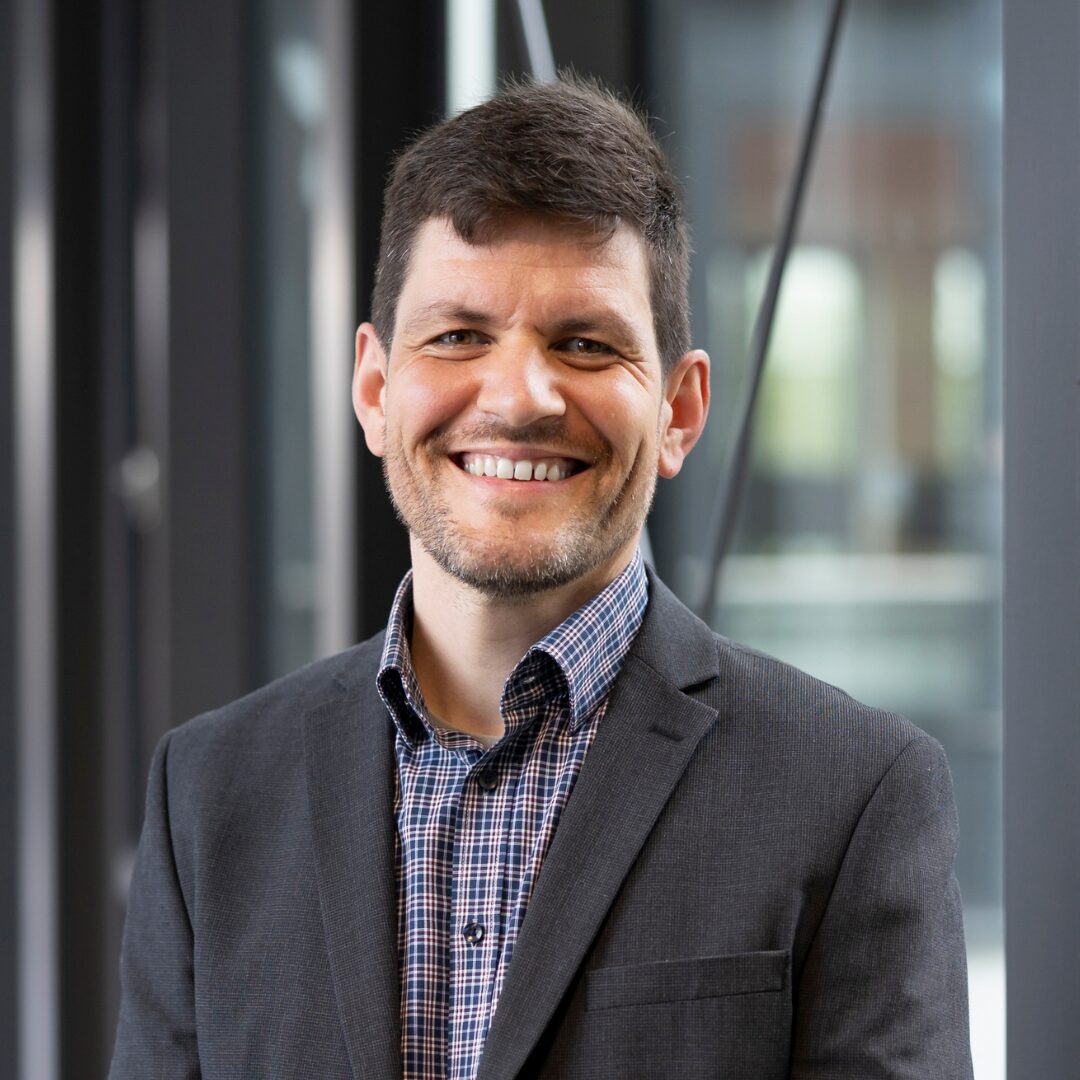
Paul Tjossem is a Professor in the Physics Department at Grinnell College , specializing in experimental physics with a focus on electromagnetic phenomena, laser spectroscopy, and combustion diagnostics. His work bridges classical electromagnetism with modern optical measurement techniques. Current Research: Non-linear laser spectrometry, trace atom detection, and electromagnetic puzzles His research has produced significant publications spanning 1983-2019, with recent work on the candle seesaw resonance phenomenon (2019) and parametric feedback in coupled oscillators (2017). Earlier work explores photodissociation dynamics (1992), combustion diagnostics (1990-1991), and Rydberg state spectroscopy (1988-1989). Educational Background Postdoc (Molecular Physics), National Institute of Standards and Technology (1987-89) Ph.D. (Applied Physics), Cornell University (1987) M.S. (Applied Physics), Cornell University (1983) B.A. (Physics), Swarthmore College (1981) Student Collaborations V. Cornejo '98: Thomson's Jumping Ring K. Ni '09: Computed Tomography and the Radon Transform F. Friesen '10: FPGA applications E. C. Brost '10: Optimizing Thomson's Jumping Ring
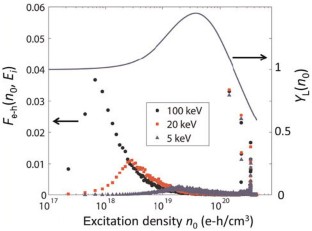
William Newman is a Professor in the Department of Earth, Planetary, and Space Sciences at the University of California, Los Angeles (UCLA), currently on sabbatical at the Institute for Advanced Study in Princeton. His primary academic home resides within UCLA's geoscience and planetary science division. His educational credentials include: B.Sc. (Hon.) in Physics from the University of Alberta, Canada (1971) M.Sc. in Physics from the University of Alberta, Canada (1972) M.S. in Astronomy and Space Science from Cornell University (1975) Ph.D. in Astronomy and Space Science from Cornell University (1979) Professor Newman applies theoretical physics and applied mathematics to solve critical real-world problems across multiple disciplines. His research spans statistical techniques for climate change assessment, earthquake hazard modeling, solar system evolution (including collision risks from trans-Jovian bodies), astrophysical jet dynamics, and pattern emergence in complex systems. This interdisciplinary work bridges geophysics, planetary science, and astrophysics through rigorous mathematical frameworks. His publication record (2024-2016) reveals three dominant research thrusts: (1) Semiconductor electron emission physics (GaAs nanotips, photoemission sources), (2) Solar system dynamics and celestial mechanics (N-body simulations, impact hazards), and (3) Complex systems analysis (earthquake patterns, statistical record-breaking events). These intersect physics, earth sciences, and computational mathematics through shared methodologies in statistical modeling and nonlinear dynamics. At UCLA, Newman developed innovative courses including a natural disasters undergraduate GE course (satisfying diversity requirements) and graduate-level planetary atmospheres and continuum mechanics curricula. His academic contributions include over 100 refereed papers and graduate textbooks published by Princeton and Cambridge University Presses, focusing on mathematical methods for geophysics and space physics.
Prof. Christian Liebscher is a Professor of Advanced Transmission Electron Microscopy at the Ruhr University Bochum , affiliated with the Faculty of Physics and Astronomy and the Research Center Future Energy Materials and Systems (RC FEMS). His work focuses on developing cutting-edge TEM techniques to understand energy-related materials' atomic-scale structure-functionality relationships. He combines aberration-corrected scanning TEM (STEM), 4D-STEM, and in-situ microscopy with machine learning to analyze complex material datasets. Education and Career: 2000–2006: Study of Materials Science at the University of Bayreuth. 2006–2010: PhD at the University of Bayreuth (summa cum laude) with a thesis on phase and dislocation analysis in superalloys. 2011–2014: Postdoc at the University of California, Berkeley, and the National Center for Electron Microscopy (Lawrence Berkeley National Laboratory). 2014–2015: Staff scientist at the University of Duisburg-Essen. 2015–2024: Group leader at the Max Planck Institute for Sustainable Materials in Düsseldorf. Research Interests: Prof. Liebscher’s research bridges microscopy innovation and materials understanding. He emphasizes atomic-scale characterization of interfaces, defects, and grain boundaries in metals and alloys using advanced STEM and 4D-STEM. His work addresses how structural features—like segregation, strain, and phase transitions—impact material properties. He also pioneers machine learning tools to automate data analysis from microscopy and tomography, advancing materials dataspaces. Key topics include energy materials (e.g., PEM fuel cells), high-entropy alloys, and nanomaterials for applications like semiconductors and electromagnetic absorption. Scientific Contributions: His publications highlight trends in grain boundary phase transitions, microstructure-property correlations, and integration of AI into microscopy. For example, recent work explores how grain boundary complexions affect mechanical strength in alloys and how in-situ TEM reveals deformation mechanisms under realistic conditions. He has contributed significantly to methodologies like scanning precession electron diffraction tomography and unsupervised machine learning for atomic-resolution datasets. Labs and Collaborations: Prof. Liebscher leads the Advanced Transmission Electron Microscopy group at RUB, building on his previous leadership at the Max Planck Institute. His lab collaborates with institutions like the Lawrence Berkeley National Laboratory and integrates interdisciplinary approaches combining experimental microscopy with computational modeling.
Daniela Calvetti is the James Wood Williamson Professor in the Department of Mathematics, Applied Mathematics, and Statistics at Case Western Reserve University. Her research focuses on large-scale scientific computing, computational inverse problems, uncertainty quantification, and predictive modeling in neuroscience, metabolism, and cellular physiology. She holds a PhD from the University of North Carolina-Chapel Hill. Her work integrates advanced mathematical techniques with biomedical applications, including brain energy metabolism modeling, MEG/EEG source reconstruction, and computational methods for medical imaging. Notable contributions include Bayesian hierarchical algorithms for inverse problems and interdisciplinary collaborations bridging mathematics with neuroscience and physiology. Recent research highlights include developing sparsity-promoting Bayesian models for tomography, computational frameworks for neuromuscular control variability, and predictive models of disease dynamics like post-pandemic COVID-19 recurrence. Her methodologies emphasize statistically inspired preconditioning and adaptive meshing techniques to enhance computational efficiency in solving complex inverse problems. Dr. Calvetti has published extensively across computational science, inverse problems, and biomedical applications. She leads a research group advancing interdisciplinary computational methods with applications in neuroscience, virology, and metabolic systems.
Dr. Ernesto Elias Vidal Rosas is a Lecturer at the School of Electronics and Computer Science, University of Southampton. Previously, he was a Postdoctoral Researcher at UCL Medical Physics and Biomedical Engineering Department. He specializes in neuroimaging and optical technologies with extensive expertise in near-infrared spectroscopy (NIRS), diffuse optical tomography (DOT), and wearable brain imaging systems. He is currently accepting PhD students. Research Focus: Dr. Vidal-Rosas leads research in neuroimaging methodologies and brain-computer interfaces. His work emphasizes wearable technologies for clinical and home-based monitoring, with applications spanning from neonatal care to motor rehabilitation. Key research domains include: Development of high-density diffuse optical tomography (HD-DOT) systems Integration of EEG and fNIRS for brain-computer interfaces Real-time processing algorithms for neurofeedback applications Non-invasive monitoring of therapeutic responses in oncology He is currently involved in the Horizon Europe PUREMIND project focused on preventing mental illness through multimodal biomarker analysis. Academic Activities: Actively advises PhD candidates in Computer Science and teaches undergraduate courses including Healthcare Technology Design (ELEC2231) and Digital Control System Design (ELEC3206). His pedagogical research includes developing virtual tools for engineering education. Affiliations: Member of the Digital Health and Biomedical Engineering research group and the Institute for Life Sciences at Southampton.
Jungeun (Jenny) Won is an Assistant Professor of Research in the Department of Biomedical Engineering at the School of Engineering and Applied Sciences, University at Buffalo. Her research focuses on optical imaging , biomedical device development , medical image analysis , and artificial intelligence in OCT . She leads the Translational Biophotonics Laboratory , where she develops advanced OCT techniques for medical applications such as diabetic retinopathy , otitis media , and biofilm analysis . Contact: 215J Bonner Hall, Buffalo NY 14260, jungeunw@buffalo.edu Related Links: CV PDF , Google Scholar , Lab Website Her recent work involves high-resolution OCT for longitudinal studies on retinal degeneration, VISTA OCTA for blood flow analysis, and 3D motion correction algorithms to enhance image quality. She also explores multimodal imaging combining OCT with Raman spectroscopy for bacterial differentiation and microplasma-based therapies for ear infections.
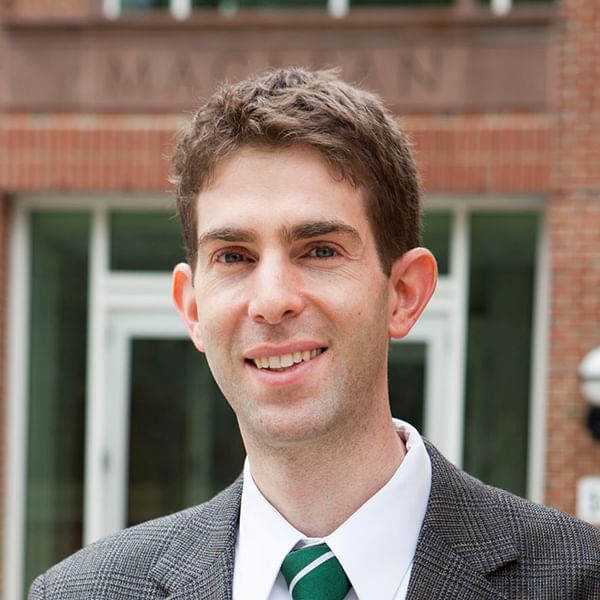
Keith D. Paulsen is the MacLean Professor of Engineering at Dartmouth College’s Thayer School of Engineering and holds the title of Professor of Radiology & Surgery at the Geisel School of Medicine. He serves as Scientific Director of the Center for Surgical Innovation at Dartmouth-Hitchcock Medical Center and Co-Director of the Translational Engineering in Cancer Research Program at the Norris Cotton Cancer Center. His roles emphasize interdisciplinary collaboration between engineering, medicine, and oncology. Paulsen earned a BSc in Biomedical Engineering from Duke University (1981), followed by MS (1984) and PhD (1986) degrees in Engineering Sciences from Dartmouth College. His research focuses on biomedical imaging, cancer therapeutics, and image-guided surgery, with particular expertise in optical and electromagnetic methodologies. He has pioneered technologies such as fluorescence-guided surgery, quantitative scatter imaging, and non-linear image reconstruction techniques, aiming to enhance surgical precision and cancer diagnosis. His awards include fellowships from OSA, SPIE, AIMBE, IEEE, and the National Academy of Inventors. Paulsen’s work has led to startups like CairnSurgical (where he serves as CTO) and InSight Surgical Technologies, translating research into clinical tools. Key projects include intraoperative imaging systems for brain and spine surgery, microwave imaging for breast cancer, and optical molecular imaging for real-time surgical guidance. Paulsen teaches advanced computational methods (ENGS 205, 105) and courses on medical device innovation (ENGM 189.1/2). His lab, part of Dartmouth’s Optics in Medicine cluster, collaborates with radiology, surgery, and oncology departments to develop clinical technologies funded by NIH, NCI, and DoD grants.
Dr. Wenjing Jia is an Associate Professor at the University of Technology Sydney (UTS), affiliated with the School of Electrical and Data Engineering within the Faculty of Engineering and IT. She holds a PhD in Computing Sciences (UTS, 2007), Master's in Communications and Information Systems (Fuzhou University, 2002), and a Bachelor's in Communications Engineering (Jilin University, 1999). Her research focuses on image analysis, computer vision, and AI applications in healthcare, transport, and defense. Key areas include text detection in challenging environments, medical image super-resolution, and crowd surveillance systems. She leads projects with industry partnerships, securing over $900K in funding. Dr. Jia is also a recognized educator with 12+ years of teaching experience, specializing in internetworking subjects. She organizes international conferences (e.g., ICDAR2019, TrustCom-2017) and serves as a Cisco Certified Instructor Trainer. Awards include the Science and Technology Award and a finalist spot in the Cisco Women in IT Academia Award. Education: PhD in Computing Sciences, UTS (2007) MSc in Communications and Information Systems, Fuzhou University (2002) BEng in Communications Engineering, Jilin University (1999) Research Highlights: Developed algorithms for low-light text detection and medical image enhancement Advanced crowd counting and violence detection in surveillance systems Contributions to OCT image super-resolution and LiDAR point cloud analysis Teaching & Leadership: Lead CI of Teaching & Learning grants Legal Main Contact for UTS Cisco Networking Academy Deputy Head - Teaching and Learning (secondee) Awards: Excellent Thesis Award, Science and Technology Award (2019), and recognition in Women in IT Academia. Her work bridges academia and industry, with over 130 publications and active roles in conference organization and technology transfer.
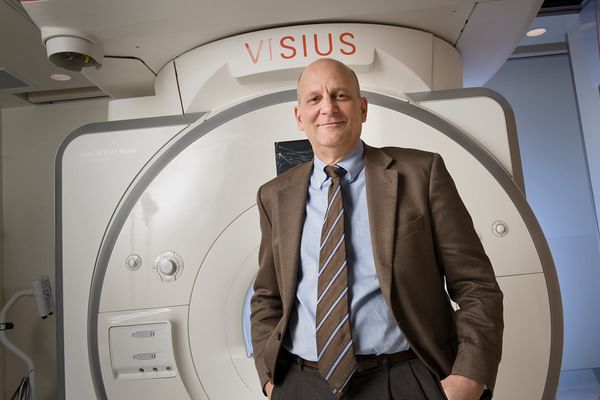
Solomon G. Diamond is an Associate Professor of Engineering at Dartmouth College's Thayer School of Engineering, serving as Co-Director of the Design Initiative at Dartmouth. He holds degrees from Dartmouth (AB 1997, BE 1998) and Harvard (SM 2001, PhD 2004). His research focuses on biomedical imaging, functional neuroimaging, and magnetic nanoparticle imaging, with emphasis on diagnostic technologies and medical device development. He has received awards including the 2023 Outstanding Service Award and the 2002 Derek Bok Teaching Award. Research projects include neurovascular coupling studies, clinical optical-electric probes, and magnetic nanoparticle imaging. He co-founded Lodestone Biomedical, a medtech company advancing nanoparticle-based biosensors. His work bridges engineering and medicine, with notable contributions to magnetic nanoparticle characterization and imaging array systems. He teaches courses like ENGS 90 (Engineering Design Methodology) and ENGS 29 (Computer-Aided Design & Kinematics). Recent work includes a 2024 study on salt concentration effects in magnetic nanoparticle biosensors with PhD candidate Gabby Moss. He holds patents for technologies like magnetic susceptibility tomography and in-bed exercise machines. His interdisciplinary collaborations span biomedical engineering, materials science, and clinical diagnostics.
Barbara Shinn-Cunningham is the Glen de Vries Dean of the Mellon College of Science at Carnegie Mellon University (CMU) and holds professorships in Psychology, Biomedical Engineering, and Electrical and Computer Engineering. She is also the founding director of CMU's Neuroscience Institute. Her research focuses on auditory neuroscience, particularly auditory attention, binaural hearing, and multisensory integration, with applications to hearing disorders and assistive technologies. Shinn-Cunningham earned her B.S. from Brown University and her M.S. and Ph.D. from MIT in Electrical and Computer Engineering. Education: B.S., Electrical Engineering, Brown University (1986) M.S., Electrical & Computer Engineering, MIT (1988) Ph.D., Electrical & Computer Engineering, MIT (1994) Research Interests: She investigates how the brain processes sound in complex environments, including spatial hearing, auditory attention deficits in aging and clinical populations, and the neural mechanisms underlying cochlear synaptopathy. Her work integrates behavioral studies, neuroimaging (EEG, fMRI), and computational modeling to bridge basic science and translational research. Awards & Recognition: Fellow, Acoustical Society of America (2009) Alfred P. Sloan Research Fellow (2000) National Security Science and Engineering Faculty Fellow (2008) Helmholtz-Rayleigh Interdisciplinary Silver Medal (2019) Advising & Grants: She mentors a diverse team of graduate students and postdocs, focusing on training the next generation of auditory neuroscientists. Her grants include funding from NSF, NIH, and the Department of Defense. She leads the LiMN Lab, which explores neural mechanisms of sensory processing and attention. Labs & Teams: Director of the Lab in Multisensory Neuroscience (LiMN) at CMU, part of the Carnegie Mellon Neuroscience Institute. Collaborates with engineers, clinicians, and marine biologists to advance auditory technology and neuroimaging techniques.
Professor Andrew Maiden is a faculty member at the University of Sheffield's School of Electrical and Electronic Engineering, specializing in Computational Imaging. He leads the Semiconductor Materials and Devices Research Group. His research focuses on advancing optical systems through computational methods like ptychography, which enhances microscopy and imaging precision. With a PhD from Durham University (2005) and an MEng from the University of Birmingham (2001), Maiden's career includes pioneering work with Professor John Rodenburg on ptychography and a brief industry stint commercializing microscopy technologies. He teaches Digital Signal Processing (DSP) to third-year students and advises researchers such as Cao S (PhD graduate). Research interests include Coherent Diffractive Imaging (CDI), electron microscopy phase imaging, and inverse problem solutions. His work bridges computational algorithms with practical applications in optics and materials science. Maiden has contributed to over 50 peer-reviewed publications and holds patents on ptychography-related imaging techniques. His lab focuses on developing high-resolution imaging tools without traditional lenses, emphasizing low-dose radiation and high-throughput bio-imaging. Teaching and mentorship play key roles in his academic contributions, shaping future engineers in signal processing and computational methods. Collaborations span academia and industry, reflecting his dual focus on innovation and real-world application.
Lei Tian is an Associate Professor in the Department of Electrical and Computer Engineering and the Department of Biomedical Engineering at Boston University's College of Engineering. He leads the Computational Imaging Systems Lab and maintains affiliations with the Neurophotonics Center, Photonics Center, Center for Information & System Engineering, Rafik B. Hariri Institute for Computing, and Nanotechnology Innovation Center. His educational background includes: PhD, Massachusetts Institute of Technology, 2013 MS, Massachusetts Institute of Technology, 2010 Professor Tian's research integrates optics and computation to overcome physical limitations in imaging systems. His work spans computational imaging and sensing, computational microscopy, imaging in scattering media, phase retrieval, and neurophotonics. He develops next-generation imaging systems with applications in biomedical microscopy, neuroscience, semiconductor metrology, and advanced vision applications, emphasizing the joint design of optical components and computational algorithms. His publication record shows a strong progression from fundamental computational imaging techniques to practical applications, with increasing integration of deep learning approaches to solve challenging imaging problems in scattering media and neural environments. His work consistently bridges theoretical advances with real-world applications. Professor Tian has received numerous prestigious awards: Boston University Provost's Scholar-Teacher of the Year Award (2025) Optica Fellow (2025) Early Career Excellence in Research, BU College of Engineering (2021) NSF CAREER Award (2019) Dean's Catalyst Award (2018) The Fumio Okano Best 3D Paper Prize (2018) As an advisor, he has successfully mentored at least 10 PhD students to completion as of mid-2025, with recent graduates including Jeffrey Alido, Jiabei Zhu, Chang Liu, Hao Wang, and Joseph Greene. His research is supported by substantial funding including a $2 million NIH grant for the Computational Miniature Mesoscope (CM2), a $1.75M grant from NIBIB for cancer cell metabolism research, and funding from the Chan Zuckerberg Initiative. His Computational Imaging Systems Lab pioneers innovative imaging techniques that synergistically combine optical hardware with computational algorithms, making significant contributions to computational microscopy, intensity diffraction tomography, neural imaging systems, and deep learning applications in optical imaging for both biomedical and industrial applications.
Dr. Gregory Bizarri is a Reader (equivalent to Associate Professor) in Material Science at Cranfield University, UK, where he serves as Head of the Surface Engineering and Precision Centre (SEPC), one of six centers within the Manufacturing theme of the School of Aerospace, Transport and Manufacturing and Materials (SATM). Prior to joining Cranfield in 2017, he was a Staff Scientist at the Lawrence Berkeley National Laboratory (USA) from 2009-2017, where he conducted research on scintillator materials and radiation detection technologies. Dr. Bizarri's research sits at the confluence of multiple disciplines: material science, detector physics, and instrumentation. His work promotes a multidisciplinary approach combining synthesis, characterization, instrumentation design, and modeling to investigate energy transport and conversion processes in materials for applications ranging from medical imaging to energy sectors. His expertise spans scintillator physics, radiation detection, optical materials, and sensor technology, with emphasis on developing novel detector materials through crystal growth and material engineering. His recent publications demonstrate a strong trajectory toward improving radiation detection systems, particularly for time-of-flight positron emission tomography (ToF-PET). His work on heterostructured scintillators, 3D-printed plastic scintillators, photonic crystal integration, and nanocomposite development represents cutting-edge approaches to enhance detection efficiency, resolution, and speed. This research bridges fundamental materials science with practical applications in medical imaging and radiation detection. As Head of the Surface Engineering and Precision Centre, Dr. Bizarri leads a research team dedicated to developing materials for sustainable and fair societal applications. His leadership involves managing large national and international collaborations focused on the design, development, and engineering of detector materials. The center's work integrates advanced materials development with precision engineering techniques to address challenges in aerospace, healthcare, and energy sectors.
Tobias Ritschel is a Professor of Computer Graphics at University College London . His research spans advanced rendering techniques, perceptual modeling, and data-driven graphics, with a focus on bridging physical accuracy and artistic flexibility in visual computing. Key research themes include: Interactive Global Illumination : Real-time simulation of complex lighting effects on GPUs Perceptual Graphics : Human vision-driven rendering and display optimization Non-physical Graphics : Beyond-photorealistic techniques for artistic expression Data-driven Graphics : Leveraging large datasets for novel rendering and modeling approaches His recent work emphasizes neural rendering , differentiable graphics , and X-ray tomography , with applications in 3D reconstruction , NeRF manipulation , and holographic imaging . Notable scientific achievements include the Eurographics Young Researcher Award 2014 and Eurographics Thesis Award 2011 . He has advised multiple PhD students including Philipp Henzler (EG PhD Award 2024) and Thomas Leimkühler (Otto Hahn Medal 2019), while actively contributing to conference leadership as co-chair for EGSR 2024 and Pacific Graphics 2024 . His team collaborates on X-ray reconstruction with Pablo Villanueva-Perez and works on 3D perception with Anthony Steed.
Dr. Paul Carney is a Professor of Pediatrics and Neurology at the University of Missouri School of Medicine, serving as Director of the Comprehensive Pediatric Epilepsy Program and Chief of the Pediatric Neurology Division. His work uniquely integrates engineering, neuroscience, and clinical medicine to develop innovative therapies for neurological disorders, with a primary focus on epilepsy affecting over 60 million people globally. His educational background includes a Medical Degree from Universidad de Valparaiso, residency in Pediatric Neurology at Case Western Reserve University School of Medicine, and dual fellowships in Clinical Neurophysiology and Pediatric Neurology at the University of Michigan Medical School. Dr. Carney's research centers on seizure detection and prediction using nonlinear dynamical system theory, functional and structural organization of brain circuitry, control of brain hyperexcitability, and sleep disorders. He is a leading expert in epilepsy surgery/neuromodulation and neurogenetics, driving the translation of novel research into cutting-edge patient care for children with neurological conditions. His recent publications demonstrate a strong interdisciplinary approach spanning epilepsy treatment in genetic models, global health initiatives for childhood epilepsy in resource-limited settings, gene therapy for seizure control, advanced neuroimaging techniques for brain tumors, and connectivity studies in temporal lobe epilepsy. Dr. Carney has received extensive recognition for his contributions: Fellow (elected), American Epilepsy Society (2019) Charter member, NIH Acute Neural Injury and Epilepsy Study Section (2017-2021) National Professional Advisory Board Member, Epilepsy Foundation of America (2014-2021) Castle Connolly Top Doctors in America (2008-2017) B.J. and Eve Wilder Endowed Professor in Epilepsy Research (2007-2016) American Pediatric Society ‘Most Outstanding’ New Member Award (2011) American Neurological Association Fellow (2010) Faculty Research Prize in Clinical Science, University of Florida (2009) As Division Chief and Program Director, Dr. Carney mentors medical students, residents, and fellows in pediatric neurology while leading significant NIH-funded research initiatives. His work bridges clinical practice with engineering innovation to address critical gaps in neurological care. He directs the Comprehensive Pediatric Epilepsy Program, a multidisciplinary hub providing advanced care in epilepsy, stroke, sleep disorders, and neuromuscular conditions. His team focuses on translating research findings into clinical applications while expanding services to improve outcomes for children and families across Missouri.