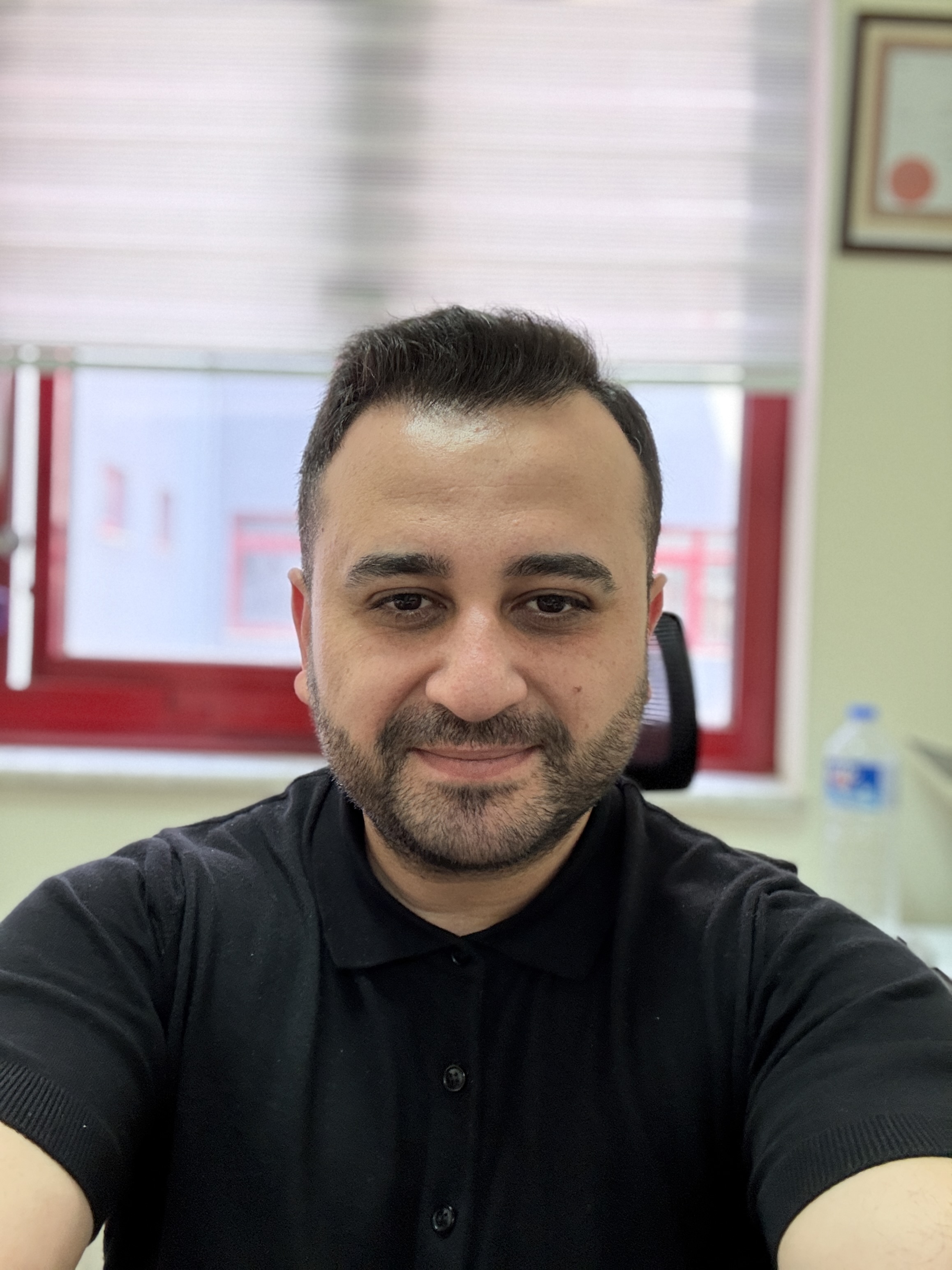
KEMAL OZAN LÜLE is an Assistant Professor at Gaziantep University, Faculty of Medicine, Department of Internal Medicine , with an email contact at ozan@gantep.edu.tr . He holds an ORCID identifier and is registered in the YÖK Academic Information System. Education: Medical License from Dokuz Eylül University (2009–2016), Medical Specialization from Gaziantep University (2017–2021). Professional Experience: Specialist at Gaziantep Abdulkadir Yuksel State Hospital (2021–2024), General Practitioner at Arapgir Ali Özge State Hospital (2016–2017). Administrative Roles: Member of Measurement and Evaluation Board (2024), Internal Medicine Internship Education Coordinator (2024), English Medicine Assistant Coordinator (2024). His research focuses on Internal Medicine , with emphasis on Diabetes , Fatty Liver Disease , Neurocognitive Effects of diabetes treatments, Cancer Development linked to food preparation, Irritable Bowel Syndrome , and Adrenal Incidentaloma . Book Chapters: Development and Natural Course of Diabetic Fatty Liver Disease (2025), Effects of Pharmacological Agents on Neurological Functions (2023), Food Preparation Methods and Cancer (2023). He has co-authored multiple proceedings papers on topics including Temporal Arthritis , Lymphoma , Behçet’s Disease , and Fahr Syndrome , presented at national and international conferences.
Sapha Barkati, MD, MSc is an Assistant Professor at the Department of Medicine, Faculty of Medicine and Health Sciences, McGill University , and an Investigator at the RI-MUHC Glen site . Her work bridges clinical practice and research in tropical medicine, focusing on parasitic diseases affecting vulnerable populations. Affiliations: Assistant Professor, McGill University Investigator, Research Institute of the McGill University Health Centre (RI-MUHC) McGill International Tuberculosis Centre Research Focus: Specializes in neglected tropical diseases like strongyloidiasis and tegumentary leishmaniasis, particularly among migrants and immunocompromised individuals. Studies include: Physician awareness of Strongyloides screening Prevalence patterns in non-endemic countries HTLV-1 co-infection treatment response Cost-effective screening strategies Scientific Contributions: Key publications address tropical disease management in non-endemic settings, mpox outbreak dynamics, and SARS-CoV-2 immunity patterns. Her work emphasizes evidence-based guidelines for: Parasite screening in transplant recipients Leishmaniasis treatment protocols Traveler disease prevention Collaborative Networks: Partners with institutions like Universidad Peruana Cayetano Heredia and participates in GeoSentinel surveillance. Leads studies on: Covid-19 health disparities Vaccine effectiveness against variants Remote patient monitoring systems
Dr. Ali Nazmi is an Assistant Professor in the Department of Animal Sciences and the Food for Health Discovery Theme at The Ohio State University. He holds affiliations within the College of Food, Agricultural, and Environmental Sciences (CFAES). His research focuses on nutritional immunology, host-pathogen interactions in poultry and pigs, and the metabolic roles of intestinal immune cells. Nazmi obtained his B.Sc. in Poultry Production and M.Sc. in Poultry Breeding from Ain Shams University (Egypt), followed by a Ph.D. in Animal Biology from UC Davis (2017). He completed postdoctoral training in mucosal immunology at Vanderbilt University Medical Center before joining OSU in 2021. His recent work includes studies on intraepithelial lymphocytes in intestinal health, enteric disease resistance in poultry, and swine T cell biology. Key publications address mechanisms of necrotic enteritis in chickens, unconventional T cell subsets, and cytokine regulation in colitis models. Collaborations span avian immunology, swine immunology, and semen cryopreservation techniques. Education: B.Sc. (Ain Shams), M.Sc. (Ain Shams), Ph.D. (UC Davis) Postdoc: Vanderbilt University Medical Center (mucosal immunology) Key Research Themes: Nutritional Immunology, Mucosal Immunity, Avian/Porcine Health
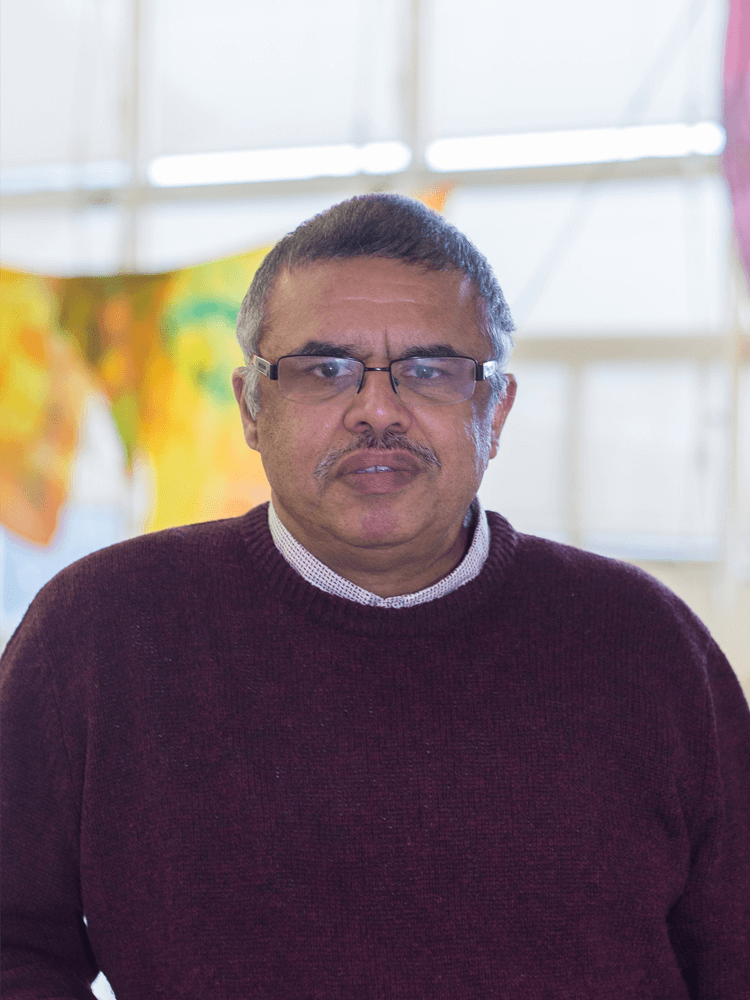
Dr. Praveen Bhugra is a Senior Lecturer in Pharmacology at the University of Sunderland , where he has taught graduate courses including MPharm since 2006. His expertise spans cardiovascular, central nervous system, and autonomic pharmacology with a focus on receptor regulation in disease states. MSc (Pharmacology) from The Maharaja Sayajirao University of Baroda, India PhD (Medical Pharmacology) from Sardar Patel University, India His research integrates experimental pharmacology, molecular techniques (cell culture, calcium flux analysis), and biochemical approaches. Notably, he supervised PhD candidate Thomas Cherian (awarded 2014) on ureteral motility mechanisms. He authored the widely used textbook MCQs in Pharmacology (2000) and contributed to cardiovascular research during a 2000-2001 Visiting Scientist fellowship at the Institute of Cardiovascular Research, University of Manitoba, Canada. Recent publications (2015-2001) emphasize neurodegenerative pharmacology , hypertension mechanisms , and lipid mediator roles in cardiovascular disease . His work has been recognized with awards from the Indian Pharmacological Society and the International Society for Heart Research. Jaypur Prize (1985-86) C.L. Malhotra Research Prize (1994) Ahmedabad Branch Prizes (1996, 2001) National Academy of Medical Sciences Membership (2000) He has also contributed to public health research on probiotics in Clostridium difficile infection and participated in systematic reviews of substance abuse patterns in youth. Contact: praveen.bhugra@sunderland.ac.uk
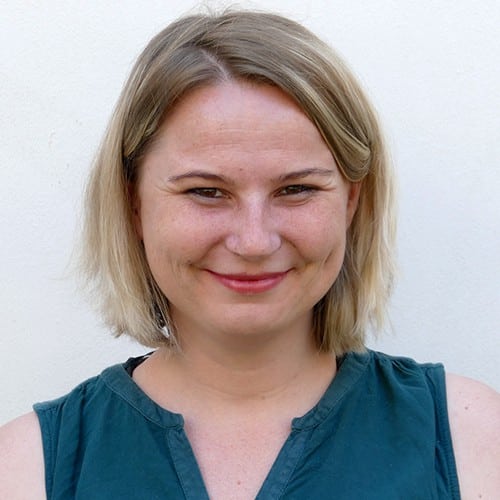
Martina Wade is a Researcher in the Department of Epidemiology of Microbial Diseases at Yale School of Public Health. Her work focuses on infectious diseases, particularly malaria and antibiotic resistance, with a global health perspective emphasizing sub-Saharan Africa. She collaborates on projects in Cameroon, Uganda, and Burkina Faso, addressing drug resistance mechanisms, diagnostic innovations, and public health interventions. Her research spans clinical trials (e.g., ivermectin mass drug administration protocols), microbiota analysis in livestock and human populations, and environmental transmission dynamics of pathogens. She has published extensively on malaria treatment efficacy, microbiome disruptions from antibiotic use, and novel diagnostic technologies like photoacoustic detection. Her work bridges laboratory science with field epidemiology, aiming to improve clinical outcomes and public health strategies. Key collaborations include Sunil Parikh, Justin Goodwin, and Fangyong Li, focusing on antimalarial resistance tracking and pediatric infection dynamics. Her laboratory is located at 60 College Street, Ste Room 711, New Haven, CT. Contact: martina.wade@yale.edu.
Dr. Martin Lange is part of the Project Group Ecological Epidemiology within the Department of Ecological Modelling at the Helmholtz Centre for Environmental Research (UFZ). His research focuses on computational epidemiology, particularly in wildlife and livestock systems. Key areas include disease transmission dynamics, surveillance strategies, and the development of predictive models for infectious diseases like African Swine Fever (ASF) and Bovine Viral Diarrhea Virus (BVDV). Affiliations: UFZ, Department of Ecological Modelling; EcoEpi research group. Education: PhD in Veterinary Epidemiology (2013, TU Bergakademie Freiberg). Research interests span ecological epidemiology, wildlife disease control, and the application of agent-based and individual-based models to understand pathogen spread. Notable contributions include modeling ASF in wild boar populations and BVDV eradication strategies in Ireland. Awards: Received the 2018 UFZ-Wissenstransferpreis (shared with H.H. Thulke) and the Konrad-Bögel-Nachwuchsförderpreis for his doctoral work on eco-epidemiology of wild boar diseases. Also recognized at the DACh Epidemiologietagung 2011. Publications: Over 50 peer-reviewed articles since 2006, emphasizing interdisciplinary approaches to disease modeling and environmental systems. Recent work includes digital twin frameworks for biodiversity monitoring and Python-based model coupling tools like FINAM. Labs/Teams: Active in the EcoEpi group and contributes to projects like BioDT (Biodiversity Digital Twin) and CauSES (Causation in Social-Ecological Systems).
Professor Rachel Gibson is a Professor and Head of School in the Allied Health Administration at the University of Adelaide. Her work focuses on gastrointestinal toxicity, chemotherapy-induced adverse effects, and microbiome interactions with diet and health. She leads research in mucositis management, drug delivery systems, and nutritional pathways in oncology care. Her research interests include the gut microbiome's role in chemotherapy toxicity, mechanisms of gastrointestinal damage, and translational applications of intestine-on-chip models. She has contributed to international clinical guidelines on mucositis assessment and palliative care innovations during the pandemic. Publications span 2016-2025, emphasizing chemotherapy-induced diarrhea, microbiome-drug interactions, and dietary interventions. She has pioneered digital health solutions for nutrition support and explored genetic predictors of adverse drug reactions. Current efforts address pain management in pediatric cerebral palsy and optimizing supportive cancer care pathways. Grants and collaborations involve multidisciplinary teams in oncology, bioengineering, and public health. She advises on translational research bridging basic science to clinical practice, with a focus on improving patient outcomes through personalized interventions.
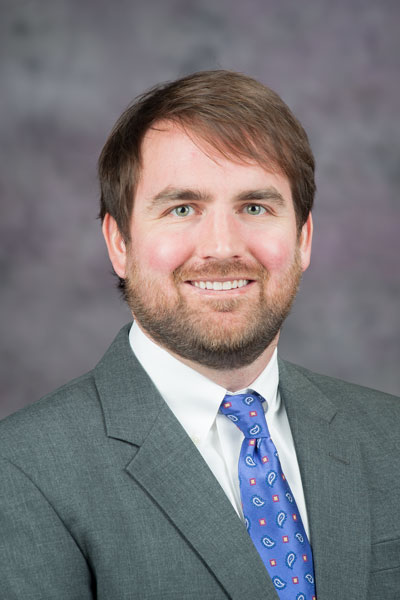
Dr. Chad Paulk is an Associate Professor in the Department of Grain Science and Industry at Kansas State University. His research focuses on Feed Processing Technologies, Monogastric Nutrition, and Quality Assurance/Feed Safety. He holds a B.S. from the University of Georgia (2009) and M.S./Ph.D. degrees from Kansas State University (2011/2014). Previously, he served as an Assistant Professor of Swine Nutrition at Texas A&M University (2014–2017). His current role involves 60% research and 40% teaching, including courses like GRSC 100 (Foundations in Grain Science) and GRSC 650 (Nutritional Impacts of Processing). He advises Feed Science undergraduate students and co-leads the Feed Science Club. Key research themes include optimizing feed processing parameters, mitigating pathogen risks in feed systems, and evaluating novel feed ingredients like Kernza® grain. Recent work emphasizes viral pathogen detection in feed mills (e.g., African swine fever virus), enzyme supplementation effects, and the impact of feed particle size/pelleting on nutrient digestibility. He collaborates with industry partners to enhance feed safety protocols and sustainable practices. Laboratory affiliations include the BIVAP Feed Quality Assurance Lab and the O.H. Kruse Feed Technology Center. His research has addressed critical issues like mitigating porcine epidemic diarrhea virus contamination and optimizing feed formulations using thermal processing and organic additives.
Neel S. Joshi is an Associate Professor in the Department of Chemistry and Chemical Biology at Northeastern University's College of Science. His research focuses on engineered living materials, microbial engineering, and synthetic biology, with applications in gut therapeutics, bioremediation, and bioplastics. He leads the Joshi Lab, which develops materials from genetically programmed microbial cells, emphasizing self-healing, environmental responsiveness, and scalability. Education and affiliations include Northeastern University's Institute for Chemical Imaging of Living Systems, where he collaborates on imaging tools for disease diagnostics. Notable projects include compostable plastics and probiotic-based therapies for childhood diarrhea. Joshi has been recognized as a TIER1 Awardee for innovative research. His work bridges biomaterials science and synthetic biology, with media coverage highlighting breakthroughs like living materials for space habitats and biodegradable plastics. Awards and grants are not explicitly listed, but his lab's funding supports interdisciplinary projects. He advises students through Northeastern's graduate programs and collaborates with industry and academic partners. The lab also explores applications in wearable X-ray shielding and light-driven chemical production in yeast biohybrids.
Beate Conrady is an Associate Professor in Infectious Disease Epidemiology and Animal Health Economics at the Department of Veterinary and Animal Sciences, Faculty of Health and Medical Sciences, University of Copenhagen, where she joined in April 2021. She has been affiliated with the Centre for Sustainable Health (CSH) since May 2020. Previously, she led the working group on Epidemiology and Animal Health Economics at the University of Veterinary Medicine in Vienna for eight years. Her research focuses on the development and application of mathematical and economic models to assess prevention and intervention strategies for infectious diseases in veterinary and public health contexts. Key areas include zoonoses, cattle disease control, biosecurity, and One Health. She has extensive experience in international consultancy, including with EFSA, the Austrian Government, and European scientific networks. Beate's recent publications (2020–2024) demonstrate a strong emphasis on disease transmission modeling, surveillance systems, and economic evaluation of health interventions. Her work spans Salmonella, foot-and-mouth disease, Cryptosporidium, and vector-borne diseases, often employing advanced modeling techniques and large-scale data analysis. She has received more than 11 scientific awards for her contributions to infectious disease epidemiology and animal health economics. Consultant for European Food Safety Authority (EFSA) Member of international scientific committees (Med-Vet-Net, DISCONTOOLS) Principal investigator and consortium leader with over 7.5 million EUR in research funding, including more than 1 million EUR in third-party funds She is actively involved in editorial and peer-review activities for leading journals and contributes to policy development in animal health and zoonotic disease control.
Overview Dr. Stephanie Langel is an Assistant Professor in the Department of Pathology at Case Western Reserve University School of Medicine, with a joint appointment in the Center for Global Health and Diseases. Her research focuses on mucosal immune responses, particularly IgA antibodies at maternal-neonatal interfaces and their role in protecting against viral pathogens like influenza, rotavirus, and SARS-CoV-2. She leads a multidisciplinary team using single-cell technologies, animal models, and human clinical samples. Education PhD in Virology/Immunology from The Ohio State University (2018), MS in Immunology from Virginia Tech (2013), BS in Animal Sciences from The Ohio State University (2011). Research Interests Maternal immunization strategies to boost breast milk immunity Mechanisms of maternal antibody interference in vaccine responses Mucosal immunization to block airborne virus transmission IgA immunobiology in the female reproductive tract Publications & Awards Over 20 peer-reviewed publications, including high-impact journals like Cell Host & Microbe and Mucosal Immunology . Recognized with awards including the 2022 Distinguished Alumni Award and Seed Fund Award. Active in professional societies like the Society for Mucosal Immunology. Labs & Collaborations Langel Research Team at the Center for Global Health and Diseases. Collaborates on projects involving mucosal immunity, maternal-neonatal health, and vaccine development for respiratory viruses.
Dr. Berend Jan Bosch is an Associate Professor at Utrecht University's Faculty of Veterinary Medicine, affiliated with the Department of Biomolecular Health Sciences, Infectious Diseases & Immunology. His research focuses on coronavirus-host interactions, viral entry mechanisms, and therapeutic development against emerging viruses including SARS-CoV-2, MERS-CoV, and porcine epidemic diarrhea virus (PEDV). His core research interests include coronavirus spike protein dynamics, host receptor interactions, viral evolution, and the development of antibody-based therapeutics and vaccines. Bosch investigates how coronaviruses jump between species and evade immune responses, with significant work on sialic acid binding domains and fusion activation mechanisms. Analysis of his 15 most recent publications reveals strong emphasis on: 1) Structural characterization of viral proteins, 2) Development of nanobodies and monoclonal antibodies against coronaviruses, 3) Host factor identification through genetic screens, 4) Novel vaccine platforms including nanoparticle displays, and 5) Cross-species transmission mechanisms. His work consistently bridges basic virology with therapeutic applications. Dr. Bosch has received the ESCMID Research Award 2015 for his contributions to infectious disease research. He leads the Bosch research group within the Utrecht Molecular Immunology Hub, collaborating extensively on international coronavirus research initiatives and therapeutic development projects.
Ted Morton is a Professor in the Department of Clinical Pharmacy and Translational Science at the University of Tennessee Health Science Center, College of Pharmacy. He serves as the Infectious Diseases Pharmacy Residency Director and is board certified in infectious diseases pharmacy (BCIDP). His clinical and research work is closely affiliated with St. Jude Children's Research Hospital, where he contributes to antimicrobial stewardship and pediatric infectious disease initiatives. His research interests center on antimicrobial stewardship , pediatric infectious diseases , and pharmacotherapy in immunocompromised children . He has extensive expertise in optimizing antibiotic use, managing healthcare-associated infections, and guiding clinical responses to emerging pathogens like SARS-CoV-2 in vulnerable pediatric populations. His work often bridges clinical pharmacy practice with translational research to improve patient outcomes. The recent publications reflect a strong focus on pediatric infectious disease management, particularly in oncology and immunocompromised settings. Themes include antimicrobial dosing (e.g., vancomycin), infection prevention, and evidence-based guidance for treating viral infections like COVID-19 in children. His collaborative work with national task forces underscores his role in shaping clinical guidelines. Scientific Awards and Recognitions: Living Our Values award recipient, St. Jude Children's Research Hospital (2024) Clinical Care Improvement Award for Clinical Pharmacy Services, St. Jude (2020) Innovative Practice Award (Team), Tennessee Society of Health-System Pharmacists (2018) Excellence in Teaching Award, UT College of Pharmacy (2005) Teacher of the Year, P-2 Class, UT College of Pharmacy (2005) Residents’ Choice Award, UT Department of Medicine (2005) Preceptor of the Year, UT College of Pharmacy (2004) Pharmacist of the Year, Tennessee Society of Health-System Pharmacy (2003) Ted Morton has played a significant role in clinical pharmacy education and residency training, evidenced by multiple teaching and preceptor awards. He advises pharmacy residents and contributes to curriculum development, particularly in infectious diseases. His work is supported through institutional affiliations and likely internal or collaborative grants related to antimicrobial stewardship and pediatric pharmacotherapy. He serves on key committees including the Antimicrobial Utilization and Improvement Committee and Infection Prevention and Control Committee at St. Jude. Laboratories, Teams, and Collaborative Groups: Dr. Morton collaborates extensively with multidisciplinary teams at St. Jude Children's Research Hospital and participates in national consortia such as the Pediatric Infectious Diseases Society and the Society of Infectious Diseases Pharmacists. He is a member of the Pediatric COVID-19 Therapies Taskforce and contributes to the American College of Clinical Pharmacy and the American Society of Health-System Pharmacists. His work is embedded within clinical teams focused on infection control, antimicrobial optimization, and pediatric pharmacotherapy.
Jason Shahin is an Assistant Professor at the Department of Medicine , Faculty of Medicine and Health Sciences , McGill University . He serves as an Investigator at the Research Institute of the McGill University Health Centre (RI-MUHC) , specifically within the Translational Research in Respiratory Diseases Program . His academic and clinical work bridges critical care medicine and respiratory medicine at the McGill University Health Centre (MUHC) . Research Focus: Dr. Shahin specializes in risk prediction in intensive care units (ICU) , with particular emphasis on prediction tools for complex populations , including the chronic critically ill and potential organ donors . His work integrates clinical data science with translational approaches to improve ICU outcomes. Article Trends: His publications span critical care medicine , sepsis , mechanical ventilation , and organ donation . Recent studies focus on machine learning applications , probiotics in infection prevention , and blood conservation strategies in ICU settings. Key Collaborations: He contributes to large-scale trials like the LOVIT , PROSPECT , and FORECAST studies, collaborating with networks such as the Canadian Critical Care Trials Group and REVA Network .
Laura Pendergast serves as an Associate Professor at Temple University's College of Education and Human Development, where she teaches graduate courses including Tests and Measurements (EPSY 5529) and Clinical Supervision Seminar in School Psychology (SPSY 9687). Her academic work centers on advancing equity in psychological and educational assessment through rigorous psychometric methodologies. Her research program focuses on evaluating cross-cultural equivalence of social, emotional, and behavioral constructs using multivariate statistics, with particular emphasis on applications in school psychology and international contexts. She investigates how measurement science can improve decision-making processes in educational settings, especially in low-resource environments where assessment tools require cultural validation. Analysis of her 15 most recent publications (2018-2024) reveals consistent themes in validating cognitive and behavioral assessment instruments across diverse populations, with significant contributions to understanding environmental impacts on child development through the MAL-ED international study. Her work demonstrates methodological expertise in measurement invariance testing and scale development for global applications. Dr. Pendergast's research has secured substantial funding from major organizations: Society for the Study of School Psychology Institute for Education Sciences Spencer Foundation Foundation for the National Institutes of Health Bill and Melinda Gates Foundation Her laboratory work involves large-scale international collaborations examining child development trajectories, with particular focus on cognitive assessment validity in low- and middle-income countries. Current projects investigate the interplay between environmental factors, nutritional status, and neurodevelopmental outcomes using sophisticated psychometric modeling techniques.