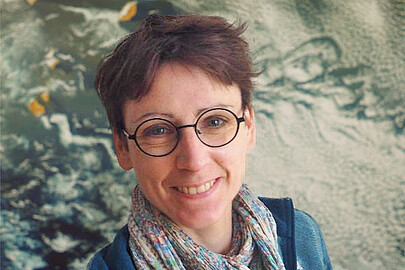
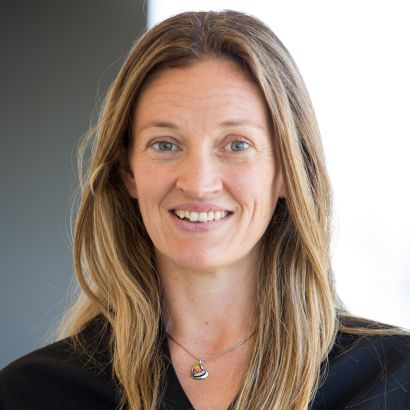
Dr. Bin Zhu is a Research Fellow in the School of Mechanical Engineering Sciences at the University of Surrey, affiliated with the Centre for Engineering Materials. He obtained his PhD from the same institution, focusing on multiscale residual stress evaluation and mechanical property characterization using microscopy and large-scale facilities. His research develops techniques for harsh environments to enhance material longevity by managing manufacturing-induced residual stress, with applications in nuclear fusion components. Education PhD, University of Surrey (Research focus: Multiscale residual stress evaluation and mechanical property characterization) Research Focus Dr. Zhu's research centers on three interconnected areas: 1) Multiscale residual stress evaluation using advanced techniques like plasma-focused ion beam and neutron diffraction; 2) In situ mechanical testing under extreme conditions; and 3) Computational modeling for predicting stress distributions and material behavior. His work primarily addresses nuclear fusion reactor challenges, particularly laser-welded Eurofer97 steel components, where residual stress critically impacts structural integrity. Publication Trends Dr. Zhu's recent publications (2021-2025) demonstrate three key themes: 1) Advanced residual stress analysis in nuclear materials using machine learning, neutron imaging, and synchrotron techniques; 2) High-temperature mechanical performance of welded joints for fusion reactors; and 3) Biomimetic material characterization, including bioinspired composites and biological light-diffraction mechanisms. His methodologies consistently integrate multiscale experimental approaches with computational modeling.
Dr. Morten Ibsen serves as an Associate Professor at the University of Southampton's Optoelectronics Research Centre (ORC), a world-leading institution in photonics research. His academic profile demonstrates extensive involvement in cutting-edge optical technologies with significant contributions to fiber optics and laser systems. Dr. Ibsen's research focuses on advanced optical sensing technologies, particularly in fiber Bragg gratings, bi-doped fiber lasers, and optical refractometers. His work spans applications from environmental monitoring (heavy metal detection) to high-speed explosives diagnostics and navigation systems. The research demonstrates exceptional versatility across fundamental photonics and practical engineering applications. His publication record from 2018-2020 reveals consistent high-impact output in top photonics journals, with recurring themes in fiber laser development, optical sensor optimization, and novel measurement techniques. The research shows strong international collaboration patterns with institutions across Europe and Asia. Dr. Ibsen actively supervises PhD candidates including Robin Elliott and Sergei Shevtsov within the ORC's doctoral program. His research projects have attracted substantial funding from major organizations including the Royal Society, EPSRC, and the European Union's FP7 program. As a core member of the Fibre Bragg Gratings and Smart Lasers research groups, he contributes to the ORC's reputation as a global leader in photonics innovation. His experimental work bridges theoretical optics with practical engineering solutions for real-world sensing challenges.
Professor Derrick Crook is a leading academic in medical microbiology at the Nuffield Department of Medicine , University of Oxford, while also serving as an Infectious Diseases Physician at Oxford University Hospitals NHS Trust. He combines clinical practice with cutting-edge research on pathogen genomics and antimicrobial resistance. Education : Medicine (University of Witwatersrand); Diploma of Tropical Medicine (London); Internal Medicine Specialization (University of Virginia); Infectious Diseases Fellowship (Tufts New England Medical Center) His research focuses on translating whole pathogen sequencing into clinical practice, studying Mycobacterium tuberculosis , Escherichia coli , and Clostridium difficile . Key projects include the CRyPTIC program (20-country tuberculosis resistance analysis) and development of AI-powered rapid diagnostics. Recent publications demonstrate his team's leadership in using genomic data to predict drug resistance and analyze disease trends through electronic health records . The research emphasizes practical applications for infection control and antibiotic stewardship. Scientific Contributions : NIHR Health Protection Research Unit Global Pathogen Analysis System (GPAS) Mykrobe Predictor software development As co-director of Oxford Biomedical Research Infection Theme, he leads a multidisciplinary team working to modernize infection diagnostics and treatment approaches.
William Wadsworth is Professor of Physics at the University of Bath, affiliated with the Centre for Photonics and Photonic Materials. His research focuses on photonic crystal fibres (PCFs) and hollow-core fibre technologies, with applications spanning quantum information, medical imaging, and fundamental metrology. Research Expertise Professor Wadsworth designs and fabricates microstructured optical fibres enabling unprecedented light control. His work centers on: Development of hollow-core anti-resonant fibres for deep ultraviolet guidance Supercontinuum generation across UV-to-infrared spectra Medical applications including UV light therapies and malaria diagnostics Quantum optical systems using alkali-metal vapours in fibres Research Impact His recent publications (2024-2025) demonstrate cutting-edge advances in hollow-core fibre technology for deep-UV applications and medical diagnostics. Key trends include resonance-free supercontinuum generation, integration of AI with photonics for malaria detection, and novel fibre designs enabling quantum applications. These innovations directly support UN Sustainable Development Goals in health and clean energy. Grants and Supervision Professor Wadsworth leads 24 research projects including: U-Care (2021-2026): Deep Ultraviolet Light Therapies (EPSRC) International Collaboration Awards (2020-2023): Clean Air (Royal Society) Plasmon-Enhanced Alkali-metal Vapours (2017): Quantum optical applications He has supervised 18 doctoral students and currently accepts new PhD candidates in photonics and fibre optics. Research Environment As core faculty in Bath's Centre for Photonics and Photonic Materials, he collaborates internationally with institutions in quantum optics, air pollution analysis, and medical instrumentation, maintaining active partnerships across Europe and Asia.
Anne-Mette Hvas is Professor and Dean at the Faculty of Health, Aarhus University, Denmark, where she leads academic and administrative initiatives in health sciences. Her role places her at the forefront of institutional strategy, research development, and interdisciplinary collaboration within clinical and translational medicine. Research Interests: Her work spans hematology, coagulation, platelet biology, neonatal hemostasis, and endocrinology. She investigates thrombotic and bleeding disorders in clinical contexts such as nephrotic syndrome, pregnancy, cancer surgery, and stroke. Her research integrates physiological, pharmacological, and clinical perspectives to improve patient outcomes. The recent publications reflect a strong focus on thrombin generation, platelet reactivity, endothelial dysfunction, and red blood cell behavior in acute and chronic conditions. These studies often involve multicenter collaborations and contribute to evidence-based practices in thromboprophylaxis, surgical safety, and stroke management. Scientific Contributions: Active research in hemostasis and thrombosis across diverse patient populations Leadership in clinical studies on anticoagulation, HIPEC, and neonatal platelet function Investigations into hormonal and cardiovascular aspects of Turner syndrome Advising and Grants: While specific advisees are not listed, her leadership in multiple funded research projects suggests mentorship of junior researchers and clinicians. She has led projects on platelet function in preterm neonates and coagulation in surgical oncology, indicating grant acquisition and team coordination capabilities. Labs and Teams: Though specific lab names are not mentioned, her work implies collaboration with clinical research teams in hematology, neonatology, oncology, and obstetrics at Aarhus University Hospital and affiliated centers.
Sara Schaefer, MD, MHS, FAAN is an Associate Professor of Neurology at Yale School of Medicine, where she serves as Program Director for the Movement Disorders Fellowship and Adult Neurology Residency Program Director. She specializes in treating patients with movement disorders including Parkinson's disease, tremors, chorea, dystonia, and Huntington's disease, and evaluates patients for deep brain stimulation surgery. Dr. Schaefer is also deeply involved in medical education innovation, having designed interactive video-based curricula used worldwide. Dr. Schaefer's educational background includes: ScB from Brown University (2007) MD from The Ohio State University College of Medicine (2012) Internship in Medicine at Yale-New Haven Hospital (2013) Residency in Neurology at Yale-New Haven Hospital (2016) Chief Residency in Neurology at Yale-New Haven Hospital (2016) MHS with focus on medical education from Yale University (2019) Dr. Schaefer's primary research interests center on movement disorders and medical education. She has a particular focus on developing innovative educational tools for neurology training, including video-based curricula and podcasts. Her work aims to improve how movement disorders are taught to medical students, residents, and practicing physicians, with the goal of reducing diagnostic delays and improving patient care. She has designed an interactive, video-based online training curriculum in movement disorders that is used by learners worldwide and co-founded the MDS podcast. She also founded The Grey Matter Project, a virtual high school neuroscience club engaging students globally. Dr. Schaefer's scholarly work demonstrates a clear trajectory from clinical research in movement disorders toward an increasing focus on medical education innovation. While her early publications addressed specific movement disorder conditions and treatments, her more recent work centers on educational methodology, curriculum development, and assessment in neurology training. Her research bridges clinical neurology with educational science, creating practical tools that have been implemented across multiple institutions. Dr. Schaefer has received numerous honors and awards for her work: Fellowship Director of the Year from American Academy of Neurology (2025) Burton A. Sandok Visiting Professor of Neurologic Education from Mayo Clinic Department of Neurology (2024) Attending of the Year from Yale Department of Neurology (2023) Education Innovation Poster Award at Yale Medical Education Day (2018) Creative Expression of Human Values in Neurology award from American Academy of Neurology (2016) Alpha Omega Alpha Honor Medical Society (2012) Gold Humanism Honor Society (2012) As an educator and program director, Dr. Schaefer has mentored numerous neurology residents and fellows. She serves as co-founder and deputy editor of the MDS podcast, launched in January 2019, and founder and producer of the Neurology Nuts and Bolts: Constructing your Career podcast, launched in February 2022. She is the Movement Disorders Section Head of the Annual Academy of Neurology Resident In-Service Training Examination (RITE) Committee and CME editor for the Movement Disorders Journal. Her educational initiatives have received institutional support through Yale's educational infrastructure, though specific grant funding isn't detailed in the provided text. Dr. Schaefer founded The Grey Matter Project, a virtual high school neuroscience club that engages students worldwide with lectures, career panels, and projects related to neurology. She is also actively involved with the Movement Disorders Society Education Committee and has contributed to developing educational resources through this professional organization.
Sumit Chopra is an Associate Professor at the Grossman School of Medicine , affiliated with the Department of Radiology at New York University. His work focuses on integrating machine learning and artificial intelligence with medical imaging to enhance diagnostic accuracy and clinical decision-making. Research interests include: Deep learning applications in prostate cancer imaging and MRI reconstruction Development of open-access medical imaging datasets (e.g., FastMRI Prostate) Improving biopsy decision strategies via representation learning AI-driven Alzheimer's disease risk prediction using electronic health records Advancements in radiologic assessment for pancreatic cystic lesions Email: Sumit.Chopra@nyulangone.org
Pierre Maechler is a Professor at the University of Geneva's Faculty of Medicine in the Department of Cell Physiology and Metabolism. His research focuses on mitochondrial metabolism in pancreatic beta cells and its critical role in diabetes pathogenesis, with particular emphasis on glutamate dehydrogenase function and regulation. His laboratory investigates the molecular mechanisms of insulin secretion and beta-cell failure in Type 2 diabetes. Maechler's research interests span mitochondrial metabolism, energy homeostasis, and the molecular pathways linking nutrient sensing to insulin secretion. His work has established crucial connections between glutamate metabolism, beta-cell function, and diabetes development. He investigates how metabolic stressors like glucotoxicity and lipotoxicity impair beta-cell function through mitochondrial dysfunction. His research has expanded to include the role of glutamate dehydrogenase in multiple organs including brain, liver, and muscle, revealing systemic metabolic implications. Analysis of Maechler's publication record shows a sustained focus on beta-cell metabolism with evolving scope. Early work established fundamental mechanisms of glutamate signaling in insulin secretion, while recent publications demonstrate expansion into multi-organ metabolic regulation. His research has identified novel biomarkers for beta-cell mass, explored therapeutic targets for diabetes, and revealed unexpected roles for glutamate dehydrogenase in diverse physiological processes from muscle regeneration to brain function. The consistent thread through his work is understanding how mitochondrial metabolism governs cellular and systemic energy homeostasis. Professor Maechler has mentored numerous PhD students and postdoctoral fellows who have gone on to publish significant work in diabetes research. His laboratory collaborates extensively with clinical researchers to translate basic findings into potential therapeutic approaches for diabetes. Funding for his work likely comes from Swiss National Science Foundation and other European research agencies, supporting investigations into metabolic diseases. Maechler leads the Mitochondria and Energy Metabolism research group at the University of Geneva. His team employs a multidisciplinary approach combining molecular biology, metabolomics, and physiology to investigate metabolic regulation in health and disease. The laboratory maintains strong connections with clinical diabetes researchers, facilitating translational applications of their findings. Current work focuses on identifying novel therapeutic targets for preserving beta-cell function in diabetes.
Dr. Ken Ferens is an Assistant Professor in the Department of Electrical and Computer Engineering at the Price Faculty of Engineering, University of Manitoba. He serves as the Computer Engineering Champion in the Centre for Engineering Professional Practice and Engineering Education and directs the Applied Cognitive Intelligence (ACI) Research Group. Dr. Ferens is a senior member of the Institute of Electrical & Electronics Engineers (IEEE), Chair of the EduManCom Chapter of the IEEE, Vice-Chair of the Computer and Computational Intelligence Chapter of the IEEE, and Chair of the Industry, Teaching Assistants, and Student Forums for Engineering Curriculum Review and Improvement. Ph.D. (Computer Engineering), University of Manitoba, 1996 M.Sc. (Computer Engineering), University of Manitoba, 1991 B.Sc. (Electrical Engineering), University of Manitoba, 1989 Dr. Ferens has over 33 years of research experience in computational intelligence, focusing on cognitive machine learning, artificial intelligence, cognitive computational intelligence, chaos theory applications, agent-based models, and various optimization algorithms including simulated annealing, genetic algorithms, artificial neural networks, and particle swarm optimization. His research applies these techniques to develop software and hardware intrusion detection systems for cybersecurity applications. He teaches graduate-level courses on Computer Network Security and Applied Computational Intelligence, providing students with theoretical background and hands-on experience in state-of-the-art security methods. Analysis of Dr. Ferens' recent publications reveals a strong focus on applying cognitive and chaotic computational techniques to cybersecurity challenges, particularly malware detection and network intrusion detection. His work increasingly integrates complexity theory, fractal analysis, and hybrid optimization approaches to enhance security systems' effectiveness. There's a clear progression toward more sophisticated machine learning architectures applied to increasingly complex security scenarios, with growing emphasis on real-world IoT and network security applications. Best Paper Award at IEEE International Conference on Cognitive Informatics and Cognitive Computing (ICCI*CC 2022) Best Paper Award at IEEE International Conference on Cognitive Informatics and Cognitive Computing (ICCI*CC 2015) Best Journal Paper Award for 2013 (Journal of ICT Research and Applications) Best Poster Award at 12th International Conference on e-Health Networking, Application & Services (2010) Best Paper Award at IASTED International Conference on Computer, Electronics, Control, and Communication (1991) Dr. Ferens collaborates with national and international industry partners including the Department of Advanced Information Management, Content Technology Canadian Tire Corporation (CTC), and Magellan Aerospace. His research group has received funding supporting the Cyber-security Research Program, developing practical applications of computational intelligence for security systems. He has supervised numerous graduate students in the Electrical and Computer Engineering department, focusing on research at the intersection of machine learning and cybersecurity. Dr. Ferens leads the Applied Cognitive Intelligence (ACI) Research Group within the Department of Electrical and Computer Engineering, which focuses on applying cognitive, chaotic, and computationally intelligent algorithms to build intrusion detection systems. The group collaborates with industry partners to develop practical security solutions while providing students with hands-on research experience in cutting-edge security technologies. Their work spans both theoretical algorithm development and practical hardware implementation for real-world security applications.
Professor Michael W. Shaw is a distinguished academic at the University of Reading's School of Agriculture, Policy and Development, Department of Plant Sciences, with a research career spanning over two decades. His expertise lies at the intersection of plant pathology, disease epidemiology, and sustainable disease management strategies. Shaw's research interests encompass plant-pathogen interactions , particularly focusing on fungal diseases affecting major crops. His work investigates the epidemiology of plant diseases , fungicide resistance mechanisms , biological control strategies , and asymptomatic pathogen infections . He has made significant contributions to understanding pathogen evolution, host specificity, and the environmental factors influencing disease development. His recent publications demonstrate a consistent research trajectory examining the molecular, ecological, and epidemiological aspects of plant diseases. Shaw's work spans multiple pathosystems including Botrytis cinerea (gray mold), Venturia inaequalis (apple scab), begomoviruses affecting okra, and banana Xanthomonas wilt. His research integrates molecular techniques, field studies, and mathematical modeling to address complex plant health challenges. Professor Shaw has contributed significantly to the understanding of fungicide resistance development, particularly in cereal pathogens, and has explored innovative approaches to disease management through biological control agents and integrated strategies. His work on asymptomatic infections has revealed novel insights into host-pathogen relationships that extend beyond traditional disease paradigms. His collaborative research network spans internationally, with co-authors from multiple countries, reflecting the global relevance of his work in plant health and food security. Shaw's research has practical applications for sustainable agriculture and crop protection strategies worldwide.
Soumendra N. Basu is a Professor of Mechanical Engineering and Associate Division Head of the Division of Materials Science and Engineering at Boston University. He earned his Ph.D. in Materials Science from MIT in 1989 and an M.S. in Materials Science from Case Western Reserve University. Basu leads two research labs and one undergraduate lab, focusing on materials degradation, coatings, and interface stability. High Temperature Oxidation Laboratory : Investigates oxidation behavior up to 1,600°C using advanced equipment. Microscopy Laboratory : Prepares electron-transparent samples for TEM analysis. Undergraduate Materials Laboratory : Trains students in metallography and materials testing. His research spans environmental barrier coatings for silicon-based ceramics, plasma-sprayed thermal barrier coatings , and photonic materials like InGaN alloys. He studies microstructural evolution, defect analysis, and degradation mechanisms under extreme conditions. Recent work includes modeling residual stresses and optimizing coatings for durability. Scientific Collaborators include: MIT Lincoln Labs Boston University colleagues: M. Gevelber, D. Wroblewski, V.K. Sarin UCLA's V. Gupta Basu has advised numerous graduate students, including Guosheng Ye and Dharanipal Doppalapudi , and his labs have received funding from NSF, DOE, and LANL. He also contributes to cricket, having won the MVP trophy for the Melbourne Cricket Club.
Professor Ali Yapar is a faculty member at Istanbul Technical University in the Electronics and Communication Engineering department. His research focuses on Electromagnetics , Microwave Engineering , and Antenna Technologies , with a particular emphasis on inverse scattering problems and microwave imaging for biomedical applications. He has supervised numerous graduate students and led projects related to breast cancer treatment and rough surface imaging. PhD in Electronics and Communication Engineering from Istanbul Technical University (1997) MSc in Electronics and Communication Engineering (1995) His recent publications analyze advanced techniques for microwave hyperthermia systems, reverse time migration methods, and Newton-based solutions for electromagnetic inverse scattering. Key projects include TUBITAK-funded initiatives on microwave tomography and brain stroke imaging. He serves as a project investigator and executive for electromagnetic research programs. Research areas span Electromagnetic Wave Propagation , Green's Function Applications , and Dielectric Material Analysis . Collaborations include IEEE members and international researchers in computational electromagnetics.
Gregory M. Shaver is the Reilly Professor of Mechanical Engineering and Director of Herrick Laboratories at Purdue University's School of Mechanical Engineering. He holds a Ph.D. (2005) and M.S. (2004) in Mechanical Engineering from Stanford University, and a B.S. (2000) from Purdue University where he graduated with highest distinction. His research focuses on model-based control of sustainable transportation systems, with emphasis on: Commercial vehicle powertrain optimization Internal combustion engine and after-treatment controls Flexible valve actuation for diesel/natural gas engines Connected/automated vehicle systems Battery modeling for energy storage Fundamental areas include thermodynamics, combustion, and control systems, applied to sustainable energy and transportation challenges. Publication analysis reveals consistent focus on engine efficiency innovations (cylinder deactivation, valve control), electrified transportation (hybrid systems, battery modeling), and emission reduction strategies. Recent work emphasizes real-world applications in medium-duty vehicles and thermal management. Awards and honors: 2014 Early Career Excellence in Research Award (Purdue Engineering) 2014 University Faculty Scholar 2011 Max Bentele SAE Award for Engine Technology Innovation Purdue BSME with Highest Distinction (2000) He leads research initiatives at Herrick Laboratories, supervising graduate students in projects funded by industry and government grants. Current work explores AI-enabled control for hybrid vehicles and low-emission combustion strategies.
Dr. Gaël Kermarrec is a researcher at the Boundary Layer Meteorology Group , part of the Institute of Meteorology and Climatology within the Faculty of Mathematics and Physics at Leibniz University Hannover . His work focuses on atmospheric turbulence, GNSS applications, and remote sensing for environmental monitoring. Boundary layer meteorology Turbulence theory GNSS signal processing Terrestrial laser scanning Climate change impacts Geodetic time series analysis His research integrates advanced mathematical models like LR B-splines and Matérn covariance with large eddy simulations to study: Atmospheric turbulence effects on optical/GNSS signals Hydrospheric mass loading Deformation analysis of terrain/port infrastructure Climatic sea-level changes Machine learning for remote sensing The 15 most recent articles (2025-2023) demonstrate his focus on: GNSS-based turbulence detection AI-enhanced climate mapping Advanced surface approximation techniques Multi-sensor data fusion Stochastic modeling of geodetic observations Environmental impacts on optical measurements He has developed tools like the Klimascanner QGIS plugin for urban climate resilience and contributes to: Understanding atmospheric scale lengths Improving TLS/GNSS deformation monitoring Analyzing hydrospheric changes Wavefront modeling Ionospheric corrections
Rada Savic is a Professor in the Department of Bioengineering and Therapeutic Sciences at the University of California San Francisco (UCSF), with a focus on computational pharmacology and precision medicine. She serves as Codirector of the Pharmaceutical Sciences and Pharmacogenomics Graduate Program (PSPG) and is affiliated with the Quantitative Biosciences Institute (QBI). PhD, Pharmacometrics, Uppsala University (2008) MS, Biomedical Sciences, Uppsala University (2004) BSc, Pharmacy, University of Belgrade (2003) Her research integrates computational methods to study drug-disease interactions across molecular to whole-body scales, particularly in tuberculosis, HIV, malaria, and pediatric pharmacology. Key areas include pharmacometrics, systems pharmacology, precision dosing, and translational modeling. Recent work examines drug penetration in tuberculosis lesions, regimen optimization for drug-resistant infections, and pregnancy-related pharmacodynamic models for malaria. She has published extensively in journals like Nature Communications , Clinical Infectious Diseases , and Antimicrobial Agents and Chemotherapy . Leon I. Goldberg Early Investigator Award (2021) UCSF KL2 Career Award (2013) PhRMA Foundation Research Grant (2013) She leads NIH-funded tuberculosis consortia and contributes to global health initiatives through malaria and HIV pharmacology studies. Her collaborations span institutions including University of Belgrade, Uppsala University, and CDC Tuberculosis Trials Consortium.