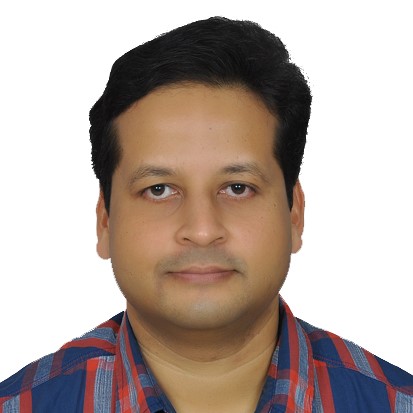
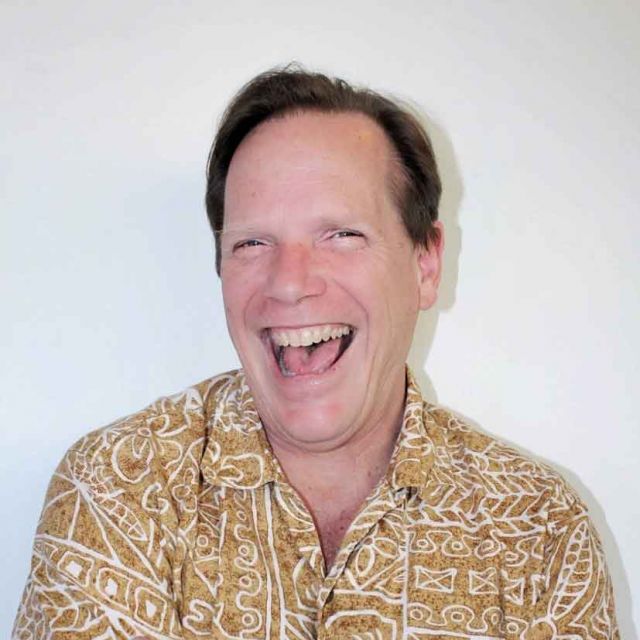
Kaushik Nayak is an Associate Professor in the Department of Electrical Engineering at the Indian Institute of Technology Hyderabad . His research spans semiconductor device physics, mesoscopic electronics, and electro-thermal effects in nanoscale transistors, with recent work on diamond MOSFETs, 2D material contacts, and thermal resistance in nano-sheet FETs. Ph.D., Indian Institute of Technology Bombay M. Tech., Microelectronics, IIT Bombay B.E., Electronics & Telecommunication, Utkal University He teaches advanced courses on semiconductor device modeling, mesoscopic electronics, and electromagnetic wave propagation. His publications focus on nanoelectronics, device variability, and high-temperature operations. Contact: knayak@ee.iith.ac.in .
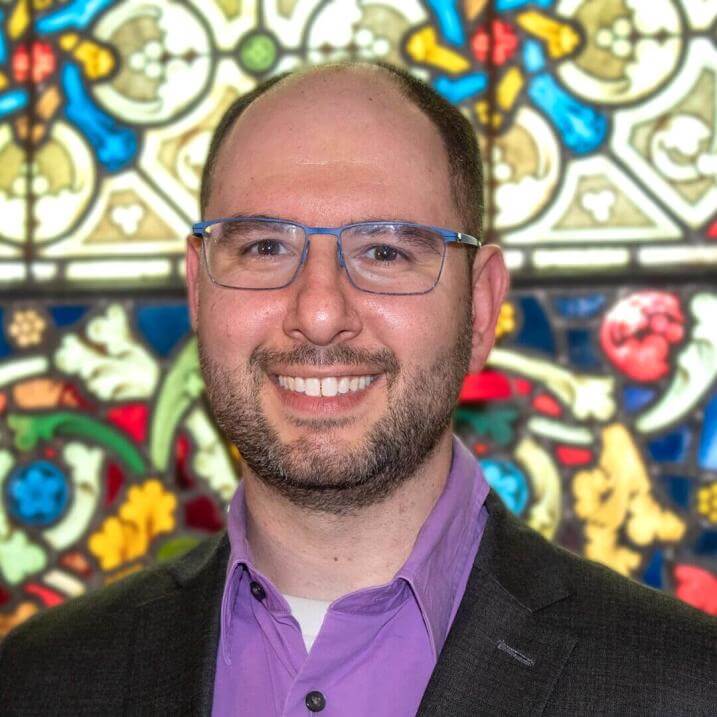
Dr. Vahid Hosseini is an Associate Professor and Graduate Program Chair in the School of Sustainable Energy Engineering at Simon Fraser University (SFU). His research focuses on sustainable energy systems, urban air pollution, and clean mobility solutions. He holds a Ph.D. in Mechanical Engineering from the University of Alberta (2008), and M.A.Sc. and B.Eng. degrees from Sharif University of Technology (Iran). His academic roles include leadership in graduate academic programs and engineering education. Key research areas include thermo-fluid systems analysis, vehicle emissions reduction, and urban air quality modeling. He is actively involved in projects addressing real-world driving emissions, emission inventory development, and the impact of cold climates on transportation energy consumption and pollution. Notable contributions include studies on retrofit emission control devices for motorcycles, high-emitter vehicle identification, and policy recommendations for emission reduction. His work integrates experimental methods, computational fluid dynamics (CFD), and machine learning to tackle complex environmental challenges. Teaching interests span thermodynamics, fluid mechanics, and air pollution control engineering. Current courses include SEE 325 D100 Mechanical Design and Finite Element Analysis . Research highlights include collaborations on Tehran’s air quality management, particulate matter (PM2.5) source apportionment, and the development of high-resolution emission inventories. He contributes to international conferences and journals, with a focus on practical solutions for sustainable urban transportation systems.
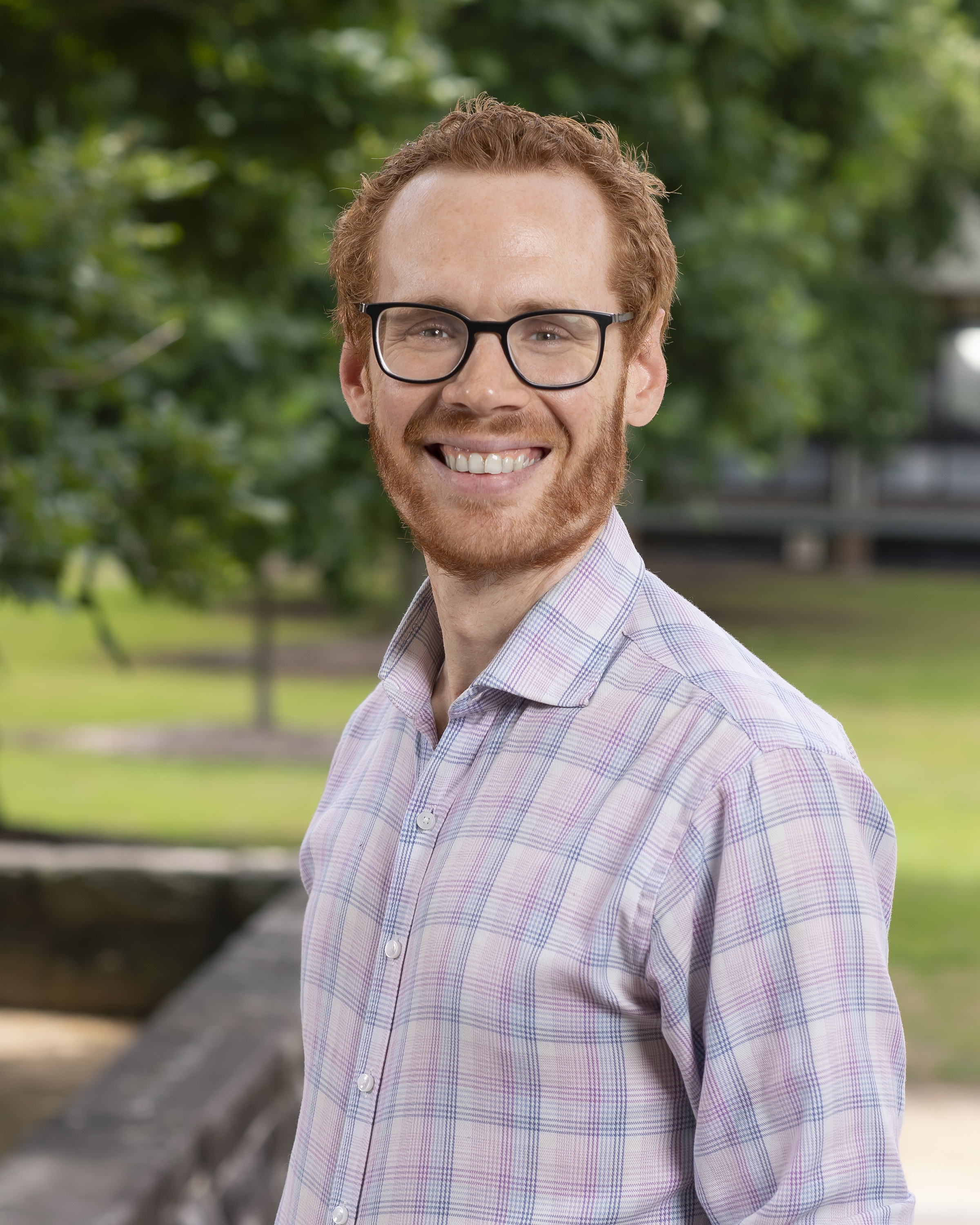
Ke Wu is a Professor in the Department of Computer Science and Engineering at the University of Michigan. Their research focuses on the intersection of machine learning, biostatistics, and healthcare technology, with an emphasis on mobile health interventions, causal inference, and Bayesian methods. They lead a small, hands-on research group mentoring PhD students and postdocs. Key interests include developing predictive models for health outcomes, improving treatment effect estimation, and leveraging mobile technology for caregiver support. Their work has addressed critical challenges in clinical decision-making, public health surveillance, and healthcare innovation. Research projects span synthetic data generation for electronic health records, mHealth app development for care partners of traumatic brain injury patients, and algorithmic fairness in reinforcement learning. Ke Wu emphasizes interdisciplinary collaboration and has contributed to global health studies, including analyses of pneumonia etiology in low-resource settings and the PERCH study. Their group's methodologies often integrate wearable sensor data and machine learning to address real-world health challenges. Advising priorities include fostering student independence while maintaining close mentorship, with expectations for consistent research productivity and professional development. Students are encouraged to pursue teaching roles (e.g., GSI positions) and internships aligned with career goals. Funding support for conference participation is available through institutional and external grants. Ke Wu's contributions extend to statistical methodology, including Bayesian latent class models and dynamic risk prediction frameworks. They actively engage in translational research, bridging computational methods with clinical and public health applications, and prioritize open-source software development to advance reproducible research practices.
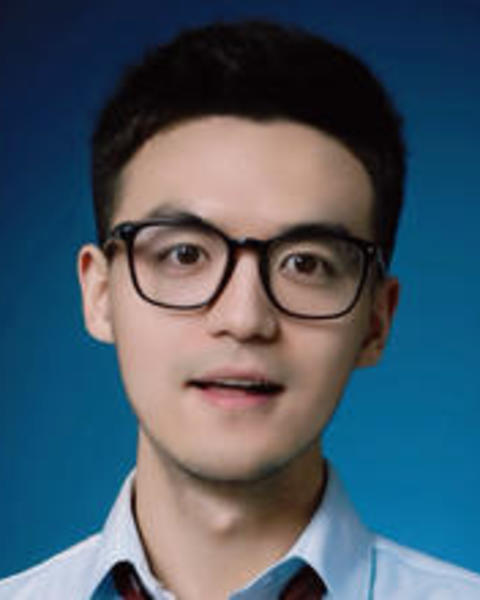
Xiaofeng Liu is an Assistant Professor at Yale University School of Medicine in the Departments of Radiology & Biomedical Imaging and Biomedical Informatics & Data Science. He is also an Associate Member at the Broad Institute of MIT and Harvard. Previously, he held faculty positions at Harvard Medical School and research roles at Massachusetts General Hospital and Beth Israel Deaconess Medical Center. PhD in Mechatronics from University of Chinese Academy of Sciences Dual Bachelor's degrees in Automation (Wang-Daheng Elite Class) and Communication from University of Science and Technology of China His research integrates trustworthy AI, medical imaging, and data science to improve diagnosis, prognosis, and treatment monitoring for neurological disorders, cancer, and cardiovascular diseases. Key focus areas include domain adaptation techniques, diffusion models, and interpretable AI systems. Led special issues in IEEE Transactions on Pattern Analysis and Medical Image Analysis Developed novel frameworks like Ordinal UDA and Memory-Consistent Adaptation Scientific accolades include the Trailblazer R21 Award (NIBIB), OpenAI Research Award, and National Artificial Intelligence Research Resource Pilot Award. He serves as Associate Editor for IEEE Transactions on Neural Networks and Learning Systems and actively contributes to MICCAI and NIH review panels. His lab at Yale (XLiu Lab) investigates neural basis of intelligence to inspire AI development, with applications in brain tumor segmentation, cardiac imaging, and cross-modal medical diagnostics.
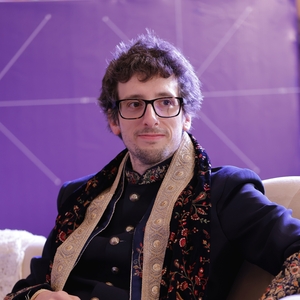
Stefano Gogioso is a Departmental Lecturer at the University of Oxford , specializing in quantum theory and quantum software. He holds a DPhil in Computer Science from Oxford (2013–2017) and advanced degrees from Cambridge (MASt, BA) and the University of Genova (MSc, BSc). As a Fellow at Kellogg College and co-founder of Hashberg Ltd , he develops quantum programming tools and focuses on quantum causal structures, quantum field theory, and natural language processing applications. His research bridges foundational quantum theory with practical applications, including near-term quantum computing and educational outreach through visual methods like Quantum in Pictures . Research Interests: Quantum foundations, quantum software, categorical quantum mechanics, quantum field theory, and quantum causality. His work emphasizes pictorial formalisms and compositional methods, with contributions to indefinite causality, quantum cellular automata, and quantum natural language processing (QNLP). Key Contributions: Published over 25 papers, including works on causal polytopes, categorical Feynman diagrams, and QNLP pipelines. Co-developed Hashberg 's quantum programming tools and serves as a mentor for AI initiatives at CDL-Oxford. His thesis introduced dynamics in categorical quantum mechanics, addressing symmetry and quantum clocks. Teaching: Teaches quantum computing courses for MSc/MFoCS students, professionals, and continued education. Courses include Quantum Software , Quantum Computing for Software Engineers , and bespoke corporate training. Labs/Teams: Part of the Oxford Quantum Group and involved in collaborative projects with industry and academia. Advising: Supervised students like Nicola Pinzani (causal orders) and Maria Stasinou (quantum field theory). Grants/Awards: Not explicitly listed, but recognized for contributions to quantum foundations and education.
Robert D. Gregg, IV is a Professor of Mechanical Engineering, Robotics, and Electrical & Computer Engineering at the University of Michigan. He serves as Associate Director for Graduate Education at Michigan Robotics and directs the Locomotor Control Systems Laboratory. His research focuses on control systems for wearable robots, prosthetics, and orthotics, emphasizing biomimetic principles and nonlinear control theory. Gregg holds a PhD from the University of Illinois at Urbana-Champaign (2010) and prior academic roles at the University of Texas at Dallas and Northwestern University. Education: PhD, Electrical and Computer Engineering, University of Illinois at Urbana-Champaign, 2010 MS, Electrical and Computer Engineering, University of Illinois at Urbana-Champaign, 2007 BS, Electrical Engineering and Computer Sciences, University of California, Berkeley, 2006 Research Interests: Gregg’s work spans control mechanisms for bipedal locomotion, wearable robotics, nonlinear control theory, and rehabilitation engineering. His lab develops high-performance control systems for prosthetic legs and exoskeletons to enhance mobility for individuals with disabilities. Key areas include energy-efficient control strategies, adaptive impedance systems, and biomechanical modeling of human movement. Grant & Award Highlights: $3M NIH R01 Grant (2023): Modeling and control of agile powered prosthetic legs for varied activities. $1.7M NIH R01 Grant (2021): Modular powered orthoses for broad patient populations. NSF CAREER Award (2017) NIH New Innovator Award (2013) Advising & Labs: Gregg mentors PhD students in robotics and biomechanics, emphasizing independent research and collaborative team environments. His lab supports over 15 researchers and has produced notable alumni like Dr. Cara Welker (University of Colorado Boulder faculty). The lab’s work is supported by NIH, NSF, and industry partnerships. Recent Contributions: Recent work includes phase-variable control for stair climbing, energy shaping methods for exoskeletons, and open-source robotic leg platforms. Gregg also chairs major robotics conferences (e.g., IROS 2023) and advises on clinical translation of wearable robotics.
Zeljko Pantic is an Associate Professor in the Department of Electrical and Computer Engineering at North Carolina State University. He holds a Ph.D. from NC State (2013) and B.S./M.S. degrees from the University of Belgrade (1998/2007). Before joining NC State in 2019, he served as an Assistant Professor and Associate Director of the Electric Vehicle and Roadway Research Facility at Utah State University. He is actively involved in editorial roles for IEEE Transactions on Transportation Electrification and serves on the IEEE IAS Transportation Systems Committee. Education: Ph.D., Electrical Engineering, North Carolina State University (2013) M.S., Electrical Engineering, University of Belgrade (2007) B.S., Electrical Engineering, University of Belgrade (1998) Research: Dr. Pantic specializes in electrified transportation systems, wireless power transfer (WPT), power converter design, and DC microgrid technologies. His work addresses challenges in EV charging infrastructure, magnetic circuit optimization, and energy conversion principles for transportation electrification. Recent projects include autonomous wireless charging systems for UAVs, marine DC microgrids, and road-embedded DWPT solutions. Awards & Recognition: 2019 IEEE JESTPE Second Prize Paper Award 2017 Outstanding Teacher of the Year (USU) 2012 NC State Mentored Teaching Assistantship Award Advisees & Grants: While specific student names are not listed, Dr. Pantic has advised graduate students on projects spanning WPT systems, EV infrastructure, and battery management. His work has been supported by grants focusing on dynamic charging, magnetic materials, and autonomous observatory nodes. Labs & Facilities: He leads research at NC State's Electric Vehicle and Roadway facility, focusing on roadway-integrated wireless charging and high-power WPT systems. Collaborations include ocean observatory development and autonomous system integration.
Professor El Mustapha Lahlali is a distinguished academic at the School of Languages, Cultures and Societies, University of Leeds, where he holds the position of Professor of Applied Linguistics and Media. His research and teaching focus on Arabic media discourse, critical discourse analysis, translation, ideology, and pedagogy. Education: BA in Applied Linguistics MA in Applied Linguistics PhD in Critical Discourse Analysis and Classroom Discourse His research interests span Arab media and society, discourse analysis in educational and political contexts, appraisal theory, translation and ideology, and teaching Arabic as a foreign language. He has published extensively on media discourse, political rhetoric, and translation practices in Arabic contexts, contributing significantly to the understanding of linguistic strategies in media and political communication. His recent publications reflect a strong focus on discourse in conflict, media framing, translation challenges, and pedagogical development. These works collectively emphasize critical analysis of Arabic media, political transitions, and intercultural communication, revealing trends in ideological representation and linguistic power dynamics. Scientific Awards: No specific awards listed in the text. Professor Lahlali has supervised 27 PhD students to completion and currently mentors several more on topics including media translation, ideology, discourse analysis, and pedagogy. He has served as internal and external examiner for over 100 PhD theses across the UK and internationally. He has secured and contributed to numerous research grants in Arabic, linguistics, and Middle Eastern studies. His leadership extends to organizing over 45 academic events, including conferences and workshops. He is actively involved in research groups and welcomes PhD applicants in areas related to Arabic media, discourse analysis, and translation. He is a key figure in professional associations such as BATA (Founder and President), BRISMES, UCML, and APETAU.
Kevin W. Plaxco is a Professor in the Department of Chemistry & Biochemistry at the University of California, Santa Barbara (UCSB), leading the Plaxco Group. His research focuses on protein folding, biomolecular engineering, and the development of electrochemical aptamer-based (EAB) sensors for real-time molecular monitoring in vivo. These sensors enable high-resolution measurements of drugs and biomarkers in biological fluids, with applications in pharmacokinetic analysis, feedback-controlled drug delivery, and biomedical diagnostics. The lab also investigates protein-surface interactions to enhance biotechnological applications. Research interests include: Protein folding mechanisms and their application to sensor design Electrochemical sensor technology for in vivo diagnostics Real-time pharmacokinetic monitoring and closed-loop drug delivery systems Biophysics of biomolecules at surfaces Advising and Lab Contributions: The Plaxco Group has mentored numerous graduate students, postdoctoral researchers, and visiting scholars, contributing to over 200 publications. The lab is affiliated with UCSB’s Center for Bioengineering and collaborates across disciplines to advance sensor innovation and biophysical studies. Labs/Teams: The Plaxco Group operates within the Department of Chemistry & Biochemistry, emphasizing interdisciplinary approaches to biomedical engineering and molecular sensing.
Rachel N Clark is a Lecturer in the School of Physics at the University of Bristol, actively contributing to the Quantum Engineering Technologies research group with a focus on quantum photonics and quantum light source development. Education: Master of Physics (MPhys) Master of Science (MSc) Doctor of Philosophy (PhD) Her research spans Quantum Engineering , Quantum Optics , and Photonics with concentrated expertise in solid-state quantum emitters—particularly aluminum nitride color centers—and single photon source engineering. Key investigations include evanescent-field photon collection enhancement, room-temperature quantum emitter characterization, and nanofabrication of quantum photonic devices for improved efficiency and integration. Analysis of her 13 publications (2022-2025) reveals dominant trends in aluminum nitride quantum emitter development, with 60% of works addressing room-temperature quantum light sources and photon collection efficiency. Her research bridges fundamental quantum optics with practical quantum technology applications, emphasizing scalable fabrication methods and metrology standards for quantum photonic systems. No scientific awards were documented in the provided materials. Information regarding graduate students, research grants, or specific laboratory teams beyond her Quantum Engineering Technologies affiliation was not indicated in the source texts.
Matthew Price is the George W. Albee Green & Gold Professor of Psychological Science and Director of the Clinical Psychology Training Program at the University of Vermont's College of Arts and Sciences. He holds a B.A. from SUNY Binghamton (2004), an M.A. (2006), and Ph.D. (2011) from Georgia State University. His research focuses on expanding clinical care access for trauma survivors and anxiety disorder patients via technology-driven interventions. Key areas include mobile health applications, wearable sensors, and acute trauma care in Emergency Departments. His interdisciplinary approach involves collaborations with computer science, bioinformatics, and medicine. Current projects explore digital biomarkers (e.g., heart rate variability), technology adoption barriers, and culturally adapted therapies. He leads the Center for Research on Emotion, Stress, and Technology, emphasizing translational frameworks bridging basic research and clinical practice. Recent work includes randomized controlled trials evaluating mobile apps like 'Bounce Back Now' for disaster-related PTSD, and sleep-monitoring studies using wearable devices. Over 150 peer-reviewed articles highlight his focus on trauma mechanisms, symptom networks in veterans, and tech-enabled mental health innovations. His lab actively addresses global mental health disparities through mHealth solutions.
Dr. Michael Stevens is a Senior Lecturer at University of New South Wales (UNSW) Canberra , where he focuses on advanced manufacturing and biomedical device control systems . His work bridges digital manufacturing for SMEs with smart artificial heart technologies , emphasizing industry collaboration and translational research. Specializes in physiological control systems for rotary blood pumps Develops unobtrusive fall detection systems for dementia patients Leads international projects on total artificial heart development Education : B.Eng (Medical - First Class Honours), Queensland University of Technology (2010) PhD in Physiological Control for Biventricular Assist Devices, University of Queensland (2014) Research Trends show consistent focus on: Machine learning for biomedical diagnostics (2018–2025) mmWave radar and thermal sensors in patient monitoring (2021–2024) Computational fluid dynamics in artificial heart modeling (2016–2024) Physiological control algorithms for rotary blood pumps (2011–2025) Scientific Awards : UNSW Scientia Education Award (2021) for contextual teaching Heart Foundation Runner-up for "Smart Artificial Hearts" pitch (2021) ARC PGC Supervisor Award (2017) for mentoring Grants & Supervision : Holds over $6 million in competitive funding including MRFF and ARC grants. Currently supervises 4 PhD students while maintaining industry partnerships with VitalCare and BiVACOR. Labs & Facilities : Works across UNSW Engineering labs and Graduate School of Biomedical Engineering platforms, including mock circulation loops and high-performance computing clusters for CFD simulations.
Ezio Preatoni is a Senior Lecturer in the Department for Health at the University of Bath, where he serves as Director of Internationalisation and Biomechanics Group coordinator. He holds affiliations with the Centre for Health and Injury and Illness Prevention in Sport, Bath Institute for the Augmented Human, and Centre for Bioengineering & Biomedical Technologies. His educational background includes a Master of Engineering in Biomedical Engineering and Doctor of Engineering in Bioengineering from Politecnico di Milano. Dr. Preatoni's research focuses on biomechanical analysis of human movement, motor coordination, and variability in relation to athletic performance and injury prevention. His work integrates neuro-motor assessment, sports biomechanics (rugby, walking, jumping), footwear technology, and health-focused wearable sensors. He employs dynamical systems approaches to understand movement adaptation and injury mechanisms. Recent publications demonstrate strong emphasis on wearable sensor validation (2025), including ear-based inertial measurement units for gait analysis, deep learning applications for joint moment estimation, and fatigue effects on movement coordination. This research advances quantitative methods for sports performance monitoring and clinical movement assessment. Awards & Honors: 2017 Internship Grant, International Society of Biomechanics in Sports Faculty Recognising Excellence Award (2022) Best Student Presentation Award at MobiUK 2025 (co-author) ISBS New Investigator Award finalist (2021) He leads multiple funded projects including FAL-VITAE (falls assessment using video/IMU technology) and Texo-Skeleton (textile-based exoskeletons). Currently accepting PhD students for projects in applied biomechanics, motor control, and sports technology. External roles include Board membership at International Society of Biomechanics in Sports and academic boards at University of Brescia.
Elliot Hawkes is an Associate Professor in the Department of Mechanical Engineering at the University of California, Santa Barbara (UCSB). His research bridges design, mechanics, and non-traditional materials to develop robust, adaptable, human-safe robots for uncertain environments. He leads the Hawkes Lab, focusing on bio-inspired microstructured adhesives, nonlinear compliant mechanisms, soft actuators, exoskeletons, and growing robots. PhD from Stanford University, 2015 Postdoctoral Scholar at Stanford's CHARM Lab, 2015-2016 Assistant Professor at UCSB since 2016 Current projects include: Material-like robotic collectives with spatiotemporal control Variable friction shoe for locomotor therapy High-force soft actuators for industrial applications Vine-inspired robots for search and rescue Growing robots for biomedical and environmental use Recent publications in Science and Nature highlight breakthroughs in soft robotics and human-safe actuation. His team has received multiple NSF GRFP awards and a UCSB Regents Fellowship. The lab holds patents in adhesive gripping, soft actuation, and reconfigurable robotics.
Marco Pirola is a Full Professor at the Department of Electronics and Telecommunications (DET) of the Polytechnic University of Turin, Italy. He is a member of the Interdepartmental Center 'CleanWaterCenter@PoliTo' and actively contributes to research in high-frequency electronics and microwave engineering. His work focuses on power amplifiers, device characterization, and advanced microwave circuit design. Research Interests: Microwave power devices, GaN technology, 5G/mm-Wave applications, space communications, and smart pipeline monitoring systems. Awards: IEEE Fellow (since 2019), IEEE Senior Member. Recent Publications address topics like Ka-band MMIC amplifiers for SAR systems, broadband Doherty amplifiers using GaN, and harmonic analysis of current-mode power stages. His projects include STARGATE (European GaAs power architectures) and Millimetre-Wave GaN Radar for UAV detection. Teaching: He leads courses on 'Radio Frequency Integrated Circuits' and 'Advanced Devices for High Frequency Applications' at the Polytechnic University of Turin. Supervised PhD students include Wenjun Zhang and Abbas Nasri, who worked on III-V HEMT circuits and GaN power amplifiers.