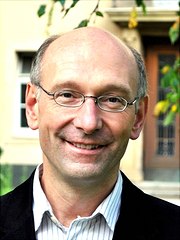
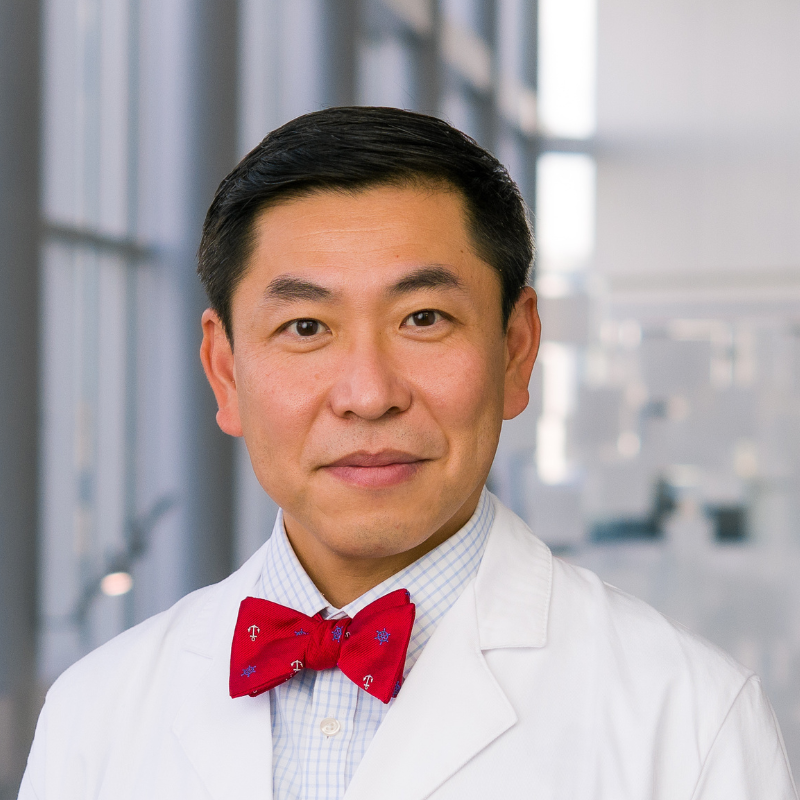
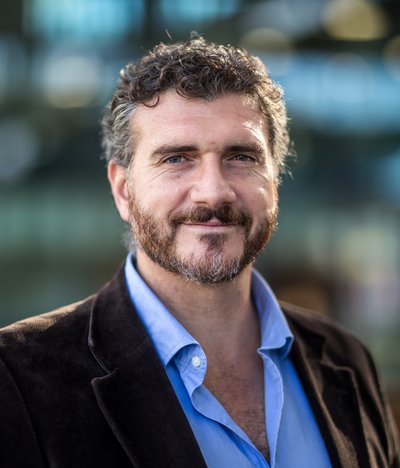
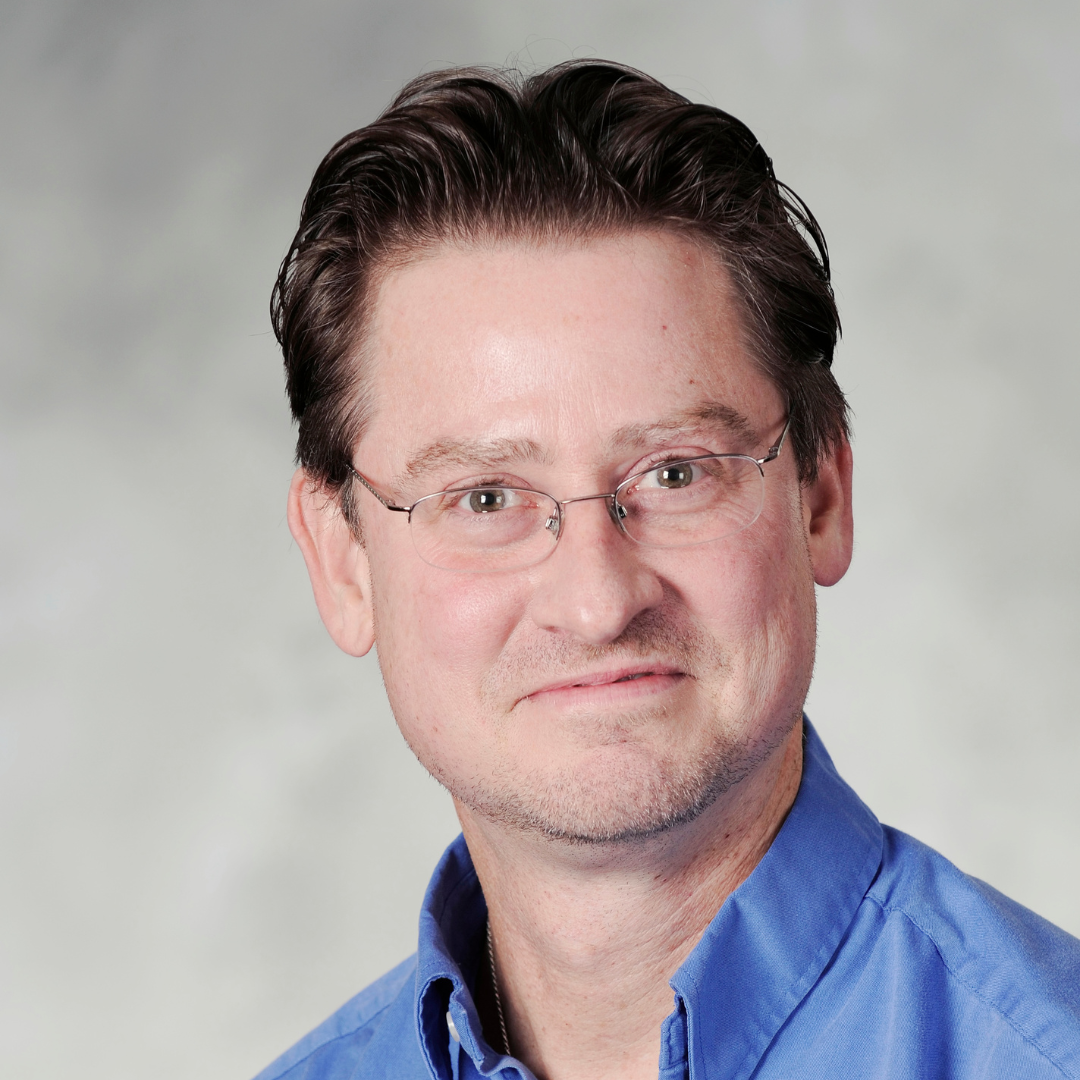
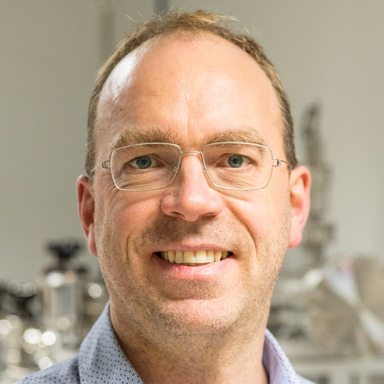
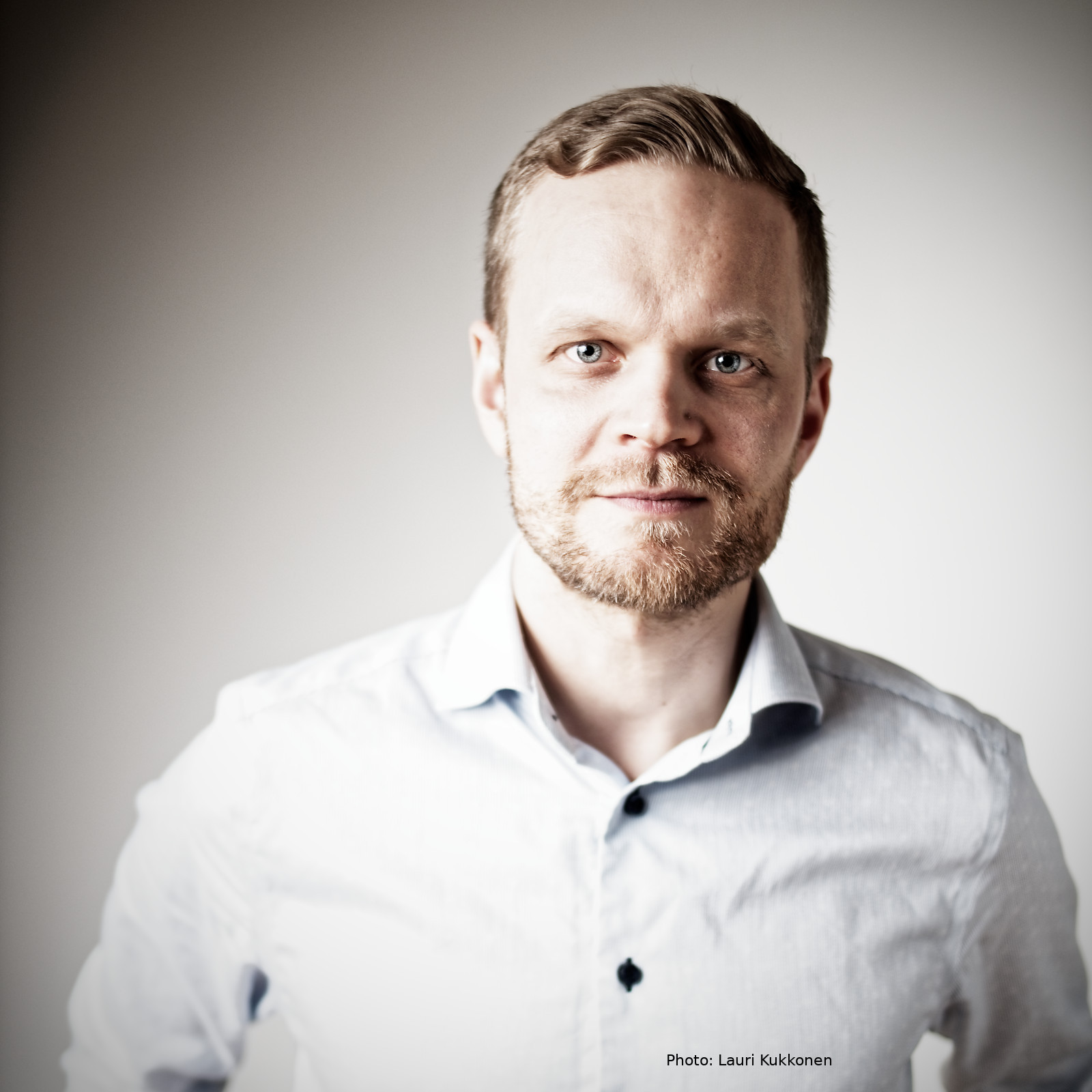
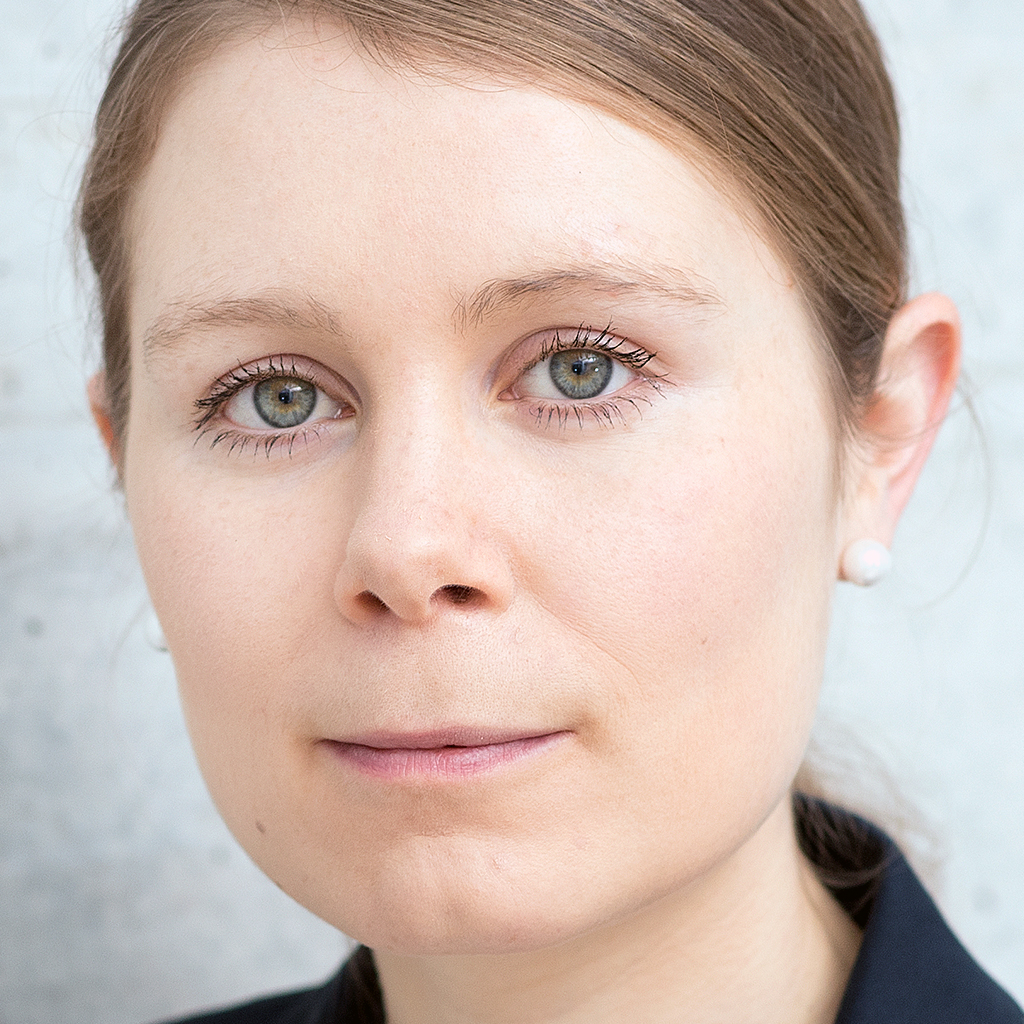
Dr. Robert D. Moser is a Professor at the University of Texas at Austin and holds the W.A. "Tex" Moncrief, Jr. Chair in Computational Engineering and Sciences I. He is affiliated with the Thermal and Fluid Systems program, the Institute for Computational Engineering and Sciences (ICES), and serves as Director of the DOE-funded Center for Predictive Engineering and Computational Sciences (PECOS). Ph.D. in Mechanical Engineering from Stanford University (1984) His research focuses on computational methods for turbulence modeling, cardiovascular fluid mechanics, and uncertainty quantification in complex physical simulations. He develops large-eddy simulation techniques for aerospace applications and biological flow analysis, while pioneering methods to characterize uncertainties in reentry vehicle simulations and turbulence modeling. Dr. Moser leads interdisciplinary research at PECOS and ICES, combining computational engineering with biomedical applications. His work spans theoretical turbulence physics, numerical methods for Navier-Stokes equations, and practical implementations for aerodynamic and medical device design.
Lynford L Goddard is a Professor at the University of Illinois at Urbana-Champaign , affiliated with the Grainger College of Engineering and the Department of Electrical and Computer Engineering . He serves as Associate Dean for Diversity, Equity, and Inclusion and previously directed the Institute for Inclusion, Diversity, Equity, and Access. His work bridges photonics, semiconductor devices, and nanofabrication with applications in sensing, metrology, and data processing. Education: PhD in Physics with minor in Mathematics, Stanford University (2005) His research interests focus on photonic systems for sensing and computation. The Photonic Systems Laboratory develops advanced fabrication techniques for lithium niobate modulators , 3D photonic integrated circuits , and gradient index optics , with applications in hydrogen detection , CO2 sensing , and optical metrology . Recent work explores volumetric photonic integration and machine learning applications in nanophotonics. Key publication trends span photonics-based sensing , high-precision metrology , and novel fabrication methods , emphasizing thin-film lithium niobate and 3D photonic structures . His awards include Presidential Early Career Award (PECASE) NSF CAREER Award OSA and SPIE Fellowships IEEE Senior Member As an educator , he has received multiple teaching recognitions and leads courses like ECE 329: Fields and Waves I . His patents cover innovations in photochemical etching , photonic nanojets , and 3D optical integration . Current projects include SCRIBE technology for micro-printing and DEI initiatives through the IDEA Institute.
Craig Shultz is an Assistant Professor in the Department of Electrical and Computer Engineering at the University of Illinois Urbana-Champaign (UIUC), where he joined in January 2024. He is affiliated with the College of Engineering and conducts research through the Interactive Display Lab, which he founded upon joining UIUC. Prior to his academic position, Shultz co-founded Fluid Reality and served as VP of Research and Development at Tanvas, where he developed electroadhesive touchscreens based on his research at Northwestern University. Dr. Shultz's educational background includes: Ph.D. in Mechanical Engineering from Northwestern University (2017) M.S. in Mechanical Engineering from Northwestern University (2015) B.S. in Electrical Engineering from the University of Tulsa (2011) Shultz's research focuses on advancing human-computer interaction through innovative haptic technologies. His work centers on developing tactile interfaces that leverage electrostatic actuation and novel input/output devices to create immersive user experiences. His primary research areas include: Human-Computer Interaction - Exploring contemporary use cases and building novel input and output devices Electrostatic Actuation - Modeling and characterization of moderate to high voltage electrostatic actuators Haptic Technology - Designing and evaluating tactile interaction devices Interactive Embedded Systems - Creating systems that respond to human touch in sophisticated ways Shultz's research has demonstrated how haptic technologies can enhance user experiences across various domains including virtual reality, mobile devices, and interactive displays. His work aims to elevate haptic rendering to the sophistication level of graphics and audio systems through practical hardware and software solutions. Dr. Shultz has received numerous prestigious awards for his research contributions: IEEE Robotics and Automation Society Technical Committee on Haptics Early Career Award (2025) TCH Early Career Award at World Haptics 2025 Sony Faculty Innovation Award for Finger Mounted Haptic Displays (2025) Multiple Best Paper awards at premier ACM and IEEE conferences (2014-2022) As an educator and mentor, Shultz has advised multiple graduate students in the Interactive Display Lab, including Jung-Hwan (the lab's inaugural member), Seung Heon, and Yanjun (his first PhD student). His research has attracted significant attention, being featured in major media outlets including NBC Nightly News, TechCrunch, and Engadget. Shultz teaches courses such as ECE 210 (Analog Signal Processing), ECE 211 (Analog Circuits & Systems), ECE 445 (Senior Design Project Lab), ECE 598 CS (Interactive Haptic Systems), and ME 470 ZJ3 (Senior Design Project). The Interactive Display Lab, housed in room 3038 of the Electrical and Computer Engineering building at UIUC, is equipped with electronics assembly and debugging equipment, a prototyping lab, optical bench, student offices, and a photo and VR studio. The lab benefits from access to departmental mechanical, electrical, and clean room fabrication facilities. Current research directions include developing fast interactive soft buttons (DynaButtons), high-resolution haptic gloves (Fluid Reality), and flat panel haptics with embedded electroosmotic pumps.
Maxime Malnou is a Senior Research Fellow in the Advanced Microwave Photonics Group, focusing on quantum-limited microwave amplifiers and parametric circuits for quantum computing and dark matter detection applications.
Miloš Racković serves as a full Professor in the Department of Mathematics and Informatics at the University of Novi Sad, Serbia. He maintains active academic engagement through the Laboratory for the development of information systems, with his office located in the Information technologies and systems office (DMI&DF) on the second floor, room 49. Contact is available via telephone (485)-2868 or email rackovic@dmi.uns.ac.rs, and his personal website (http://www.is.pmf.uns.ac.rs/rackovicm/) provides additional resources. His research spans foundational and applied computer science, with seminal contributions in fuzzy database systems including PFSQL query language development and prioritized fuzzy logic for relational databases and XML. He has pioneered deep learning methodologies through innovative classification techniques using negative and missing features in convolutional neural networks. Additional expertise includes high-performance computing implementations of Lattice Boltzmann methods using OpenCL, robotics (symbolic modeling and trajectory planning), and blockchain applications for Industry 4.0 production processes. His sports analytics work applies neural networks to basketball player and referee movement analysis. Analysis of his 2012-2025 publications reveals a strategic evolution toward interdisciplinary applications, particularly in industrial transformation (blockchain-enabled traceability) and sports analytics. His work consistently bridges theoretical computer science with practical implementations, demonstrating increasing focus on real-world problem solving while maintaining strong foundations in database theory and computational methods. Professor Racković leads the Laboratory for the development of information systems, which focuses on advancing information system methodologies through formal modeling extensions (including Petri net innovations) and practical implementations for uncertainty management. The laboratory's work spans from foundational research in fuzzy logic systems to applied projects in high-performance computing and blockchain integration, fostering innovation in information technology development.
Weiqing Sun is a Professor in the Computer Science and Engineering Technology Program within the Department of Engineering Technology at the College of Engineering, University of Toledo. He serves as the Program Director for the Master's Programs in Cyber Security and is also the Cyber Security Faculty Fellow for UT DTAS (Division of Technology and Advanced Solutions). His office is located in NE 1627 at the University of Toledo. Dr. Sun earned his Ph.D. degree from the Computer Science Department at Stony Brook University (SUNY at Stony Brook) in 2008. He completed his undergraduate and master's education in China, holding both B.E. and M.E. degrees in Computer Science and Engineering from Tongji University, Shanghai. Dr. Sun's primary research focuses on computer and network security, with particular emphasis on malware defense and detection, security policy development, security testbed creation, and intrusion detection systems. His work extends to enhancing security across various critical infrastructure systems including smart grids, cloud computing environments, software-defined networks, unmanned aerial vehicles, healthcare information systems, and transportation networks. His research approach combines theoretical foundations with practical implementations, often developing simulation testbeds to evaluate security solutions in realistic scenarios. Analysis of Dr. Sun's publication record reveals a consistent focus on practical cybersecurity solutions across multiple domains. His work shows evolution from foundational security mechanisms toward specialized applications in emerging technologies like UAV networks, smart grids, and connected vehicles. A notable trend is his development of simulation testbeds for security evaluation, demonstrating his commitment to bridging theoretical security concepts with real-world implementation challenges. His research increasingly incorporates machine learning and deep learning techniques for intrusion detection and anomaly identification. Dr. Sun has been actively involved in mentoring students and developing curriculum in cybersecurity. His teaching portfolio includes advanced courses in computer and network security, software engineering, programming languages, and web services. He has contributed to cybersecurity education through the development of hands-on lab environments that provide practical security experience for students. His research has received support from the Ohio Department of Transportation and the University of Toledo, enabling his work on critical infrastructure security. Dr. Sun leads research initiatives focused on creating secure environments for emerging technologies and critical systems. Dr. Sun directs the Cyber Security Research Lab at the University of Toledo, where his team works on developing innovative security solutions for various platforms and systems. The lab focuses on practical security implementations, often creating simulation environments to test security mechanisms before real-world deployment.
Prof. Dr. Wolfgang Hillert is a leading physicist at the University of Hamburg , serving as the Bjørn-Wiik Professor for Accelerator Physics since 2016. Affiliated with the Institute of Experimental Physics under the Faculty of Mathematics, Informatics and Natural Sciences, he specializes in Accelerator Physics , Superconducting Accelerator Technology , and Free-Electron Lasers (FEL) . His work focuses on polarized electron beams, SRF cavity optimization, and gravitational wave detection methods. Education: Physics degree from University of Bonn (1987), Promotion in Atmospheric Physics (1992), Habilitation in Physics (2001) Leadership Roles: Head of Accelerator Physics Group (2016–present), Managing Director of Institute of Experimental Physics (2019–2021) Research Trends: His recent work spans superconducting RF cavities for gravitational wave detectors ( 2025 ), resonant slow extraction in electron boosters, and atomic layer deposition of superconducting thin films. Publications highlight advancements in beam dynamics , cryogenic systems , and terahertz generation . Teaching & Outreach: He has lectured on Accelerator Physics since 2002 and engaged in public science communication, including talks on Physics of Music (2005–2021) and teacher training programs at DESY. Labs & Collaborations: Leads the Accelerator Physics Group at DESY, collaborates on projects like XFELO and BGO-OD beamline , and contributes to international schools (CAS) and symposia.
Andrew Z. Wang, M.D., is a tenured Professor and holds the A. Kenneth Pye Professorship in Cancer Research at the University of Texas Southwestern. He serves as Vice Chair for Translational Research and Commercialization in the Department of Radiation Oncology, having joined UTSW in August 2021. Previously, he held faculty positions at the University of North Carolina, where he rose from Assistant to Tenured Professor. Dr. Wang's research integrates biomedical engineering with oncology to develop innovative cancer diagnostics and therapeutics. His work focuses on: Nanotechnology-enabled drug delivery systems Cancer immunotherapy and vaccine development Biomaterial applications in oncology Liquid biopsy technologies for treatment monitoring Radiotherapy-enhancing strategies His 128+ publications demonstrate consistent focus on translational nanomedicine, with recent works advancing combination therapies (chemoradiation-immunotherapy), 3D-printed medical devices, and machine learning applications in oncology. Clinical publications emphasize optimizing radiation techniques for genitourinary/gastrointestinal cancers. Major scientific recognitions include: Fellow of the American Association for the Advancement of Science (AAAS) Fellow of the American Institute for Medical and Biological Engineering (AIMBE) Fellow of the American Society for Clinical Investigation (ASCI) A. Kenneth Pye Professorship in Cancer Research Dr. Wang leads a prolific research program generating 38 patents and founding three biotechnology startups. Clinically, he specializes in advanced radiation techniques (IMRT, SBRT, brachytherapy) for genitourinary and gastrointestinal malignancies.
Ramiro Serra is an Associate Professor at the Department of Electrical Engineering at Eindhoven University of Technology (TU/e) in the Netherlands. He is affiliated with the Electrical Energy Systems group and the High Tech Systems Center , focusing on Power Conversion and Electromagnetics . Research Interests include Electromagnetic Compatibility (EMC) , Statistical Electromagnetics , Wireless Coexistence , and Interference Studies . His expertise spans the design, modeling, and operation of Electromagnetic Mode-Stirred Reverberation Chambers , noise propagation in IC substrates, and EMC aspects in large infrastructures. Notable Contributions involve novel methods for EMI Reduction in mixed electrical class modules, VNA-Based TRP Measurements , and quantifying Loading Effects in reverberation chambers. His work impacts domains like Consumer Electronics , Automotive , and Medical Devices . Academic Leadership includes roles in international committees such as the International Steering Committee of EMC Europe , Chair of URSI Commission E , and Secretary of the General National URSI Committee . He also contributes to standardization efforts via IEC 61000-4-21 and CIRED/CIGRE joint working groups.
John D. Cressler is a Regents Professor and Schlumberger Chair in Electronics at the Georgia Institute of Technology's School of Electrical and Computer Engineering. He earned his B.S. in Physics from Georgia Tech (1984) and Ph.D. in Applied Physics from Columbia University (1990). After pioneering SiGe research at IBM (1984-1992), he joined academia at Auburn University before moving to Georgia Tech in 2002. His research specializes in silicon-germanium heterojunction technology, with focuses on: RF/microwave/mm-wave circuits Radiation effects in electronics Cryogenic semiconductor behavior Device reliability physics Compact modeling for SiGe devices His 700+ publications demonstrate consistent innovation in SiGe HBT design, radiation-hardened circuits, and millimeter-wave systems. Recent work emphasizes radiation tolerance for space applications, high-frequency circuit optimization, and novel fabrication techniques. Major Awards: IEEE Fellow (2001) IEEE Leon K. Kirchmayer Graduate Teaching Award (2011) ONR Young Investigator Award (1994) IEEE Third Millennium Medal (2000) He leads Georgia Tech's SiGe research group with extensive industry collaborations and teaches courses including ECE 3040 (Microelectronic Circuits), ECE 6444 (SiGe Devices), and interdisciplinary courses on science/religion dialogue.
Jonathan Freund is Professor of Mechanical Science and Engineering and Aerospace Engineering at the University of Illinois at Urbana-Champaign, holding the Donald Biggar Willett Professorship since 2016. He serves as Head of Aerospace Engineering (2020-present) and is Co-Director of the Center for Exascale-enabled Scramjet Design (CEESD). His academic journey began with all three degrees in Mechanical Engineering from Stanford University (B.S. 1991, M.S. 1992, Ph.D. 1998), followed by faculty positions at UCLA (1997-2001) before joining UIUC. Freund's research spans fluid mechanics with applications in biomedical systems, aeroacoustics, and materials science. His work focuses on computational modeling of cellular blood flow, jet noise control, plasma-coupled combustion, uncertainty quantification, and nanoscale material processing. He develops advanced simulation tools to investigate phenomena ranging from atomically thin liquid films to spacecraft propulsion systems. His laboratory leverages high-performance computing to solve complex multiphysics problems requiring exascale capabilities. Analysis of his recent publications reveals a strong emphasis on computational fluid dynamics applied to biological systems (35%), aeroacoustics and jet noise (25%), materials processing at nanoscale (20%), and uncertainty quantification methods (20%). His work consistently bridges fundamental fluid mechanics with practical engineering applications, particularly in medical technologies and advanced propulsion systems. Donald Biggar Willett Professor (2016-present) Kritzer Faculty Scholar (2011-2016) Fellow of the American Physical Society (2011) Campus Excellence in Faculty Mentoring Award (2017) APS DFD Gallery of Fluid Motion Winner (2000) Associate Fellow of AIAA (2012) Freund has advised numerous graduate students and received multiple teaching honors including the Engineering Council Award for Excellence in Advising (2008, 2012) and repeated recognition on the List of Excellent Teachers. His research has been supported by agencies including the Department of Energy's National Nuclear Security Administration. He leads the CEESD center which develops physics-faithful predictive simulations for scramjet design using advanced high-temperature composite materials.
Xin Li is a Professor in the Department of Electrical and Computer Engineering at Duke University and serves as the Associate Vice Chancellor at Duke Kunshan University. He holds a Ph.D. from Carnegie Mellon University (2005) and has held leadership roles in research consortia like the FCRP Focus Research Center and the Center for Silicon System Implementation (CSSI). His research bridges integrated circuits , machine learning , and cyber-physical systems , with applications in autonomous driving, battery lifetime prediction, and smart buildings. Education : Ph.D., Carnegie Mellon University (2005); M.S., Fudan University (2001); B.S., Fudan University (1998) His work emphasizes robust design methodologies for analog/RF circuits, data-driven predictive modeling , and Bayesian inference for high-dimensional variation spaces. Recent publications focus on generative adversarial networks for circuit design, multi-view imputation for incomplete data, and knowledge-driven autonomous systems . He has received numerous accolades, including the NSF CAREER Award (2012) , IEEE Donald O. Pederson Best Paper Awards (2013, 2016) , and IEEE Fellow (2017) . He has served as Editor for journals like IEEE Transactions on Biomedical Engineering and as Chair for conferences including ISVLSI and CAD/Graphics.
Robin Ras is a Professor and Head of Department at the Department of Applied Physics at Aalto University, where he leads the Soft Matter and Wetting research group. His work focuses on surface science, particularly superhydrophobic and superoleophobic materials, with applications spanning renewable energy, biomedical engineering, and agricultural science. Ras earned his Master's degree in Engineering and Technology from Catholic University of Leuven in 1999, followed by a Doctoral degree from the same institution in 2003. His academic journey has positioned him as a leading researcher in wetting phenomena and nanoscale surface engineering. His research interests center on understanding and manipulating liquid-solid interactions at micro and nanoscales. Ras's work explores how surface topography and chemistry affect wetting behavior, with particular focus on superhydrophobic surfaces, droplet dynamics, and liquid-repellent materials. His group develops innovative approaches for creating surfaces with controlled wettability for applications ranging from self-cleaning materials to advanced biomedical devices. The research trends evident in Ras's recent publications show a strong focus on precision control of liquid-solid interfaces, with increasing attention to underwater applications, molecular-scale surface engineering, and biomimetic approaches. His work bridges fundamental surface science with practical applications in energy, healthcare, and sustainability. Among his notable scientific achievements: Anton Paar Research Award for Instrumental Analytics & Characterization (2018) for Scanning Droplet Adhesion Microscopy invention Academy of Finland Research Fellow (2011-2016) ERC Consolidator Grant (2017) Ras has secured significant research funding including the ERC Consolidator Grant for the SuperRepel project (2017-2022) focused on superslippery liquid-repellent surfaces, and the Academy of Finland project 'Electric Field; an Active Method to Control Phase Change' (2019-2022). His research group actively collaborates with international institutions and industry partners to translate fundamental discoveries into practical applications. The Soft Matter and Wetting research group under Ras's leadership combines experimental and theoretical approaches to investigate surface phenomena. The team utilizes advanced imaging techniques, precision surface fabrication methods, and computational modeling to understand and engineer surfaces with tailored wetting properties. Their work has applications across multiple sectors including renewable energy, biomedical devices, and sustainable agriculture.
Pyry Kivisaari is a Postdoctoral Researcher at the Department of Neuroscience and Biomedical Engineering, Aalto University, specializing in computational modeling of optoelectronic semiconductor devices. His work bridges theoretical physics and engineering applications with significant contributions to light-emitting diode and solar cell technologies. His primary research domains include: Optoelectronics and photonics Semiconductor device physics Nanoscale optoelectronic structures Numerical simulation frameworks Light-matter interaction in resonant cavities Efficiency enhancement mechanisms Analysis of his 15 most recent publications (2019-2024) reveals a consistent focus on thin-film and nanoscale optoelectronic devices, particularly examining carrier dynamics, light emission characteristics, and efficiency limitations in LED and solar cell architectures. His work frequently employs advanced simulation techniques to investigate novel device concepts like nanotree LEDs, double diode structures, and thermophotonic systems, with strong emphasis on practical engineering solutions for performance optimization. Dr. Kivisaari maintains active collaboration with leading researchers in semiconductor physics and has published in high-impact journals including Applied Physics Letters, Physical Review Applied, and Nano Letters, demonstrating sustained scholarly productivity in optoelectronic device research.
Dr. Christina Haag is a postdoctoral researcher at the Institute for Implementation Science in Health Care , affiliated with the Faculty of Medicine at the University of Zurich . She leads interdisciplinary projects at the intersection of mental health, digital health, and computational linguistics, focusing on chronic illnesses like multiple sclerosis (MS). Her work leverages free text, sensor data, and advanced analysis techniques such as hierarchical modeling and natural language processing (NLP). Doctorate from the Institute of Psychology, University of Zurich Research experience at the MRC Cognition & Brain Sciences Unit, University of Cambridge Her research explores: Daily-life mental and physical health indicators in MS Development of NLP methods for text classification and topic modeling Digital biomarker creation using wearable sensor data Mindfulness interventions for affective executive control Implementation of remote monitoring tools in healthcare Her recent publications highlight trends in applying NLP and machine learning to unstructured health data, analyzing MS activity patterns, and refining interdisciplinary research methodologies. She contributes to DSI communities including AI & Law , Health , and Ethics , and collaborates on projects like BarKA-MS and DSI-Approach . She is a core member of the UZH Digital & Mobile Health Group , working under Prof. Viktor von Wyl.