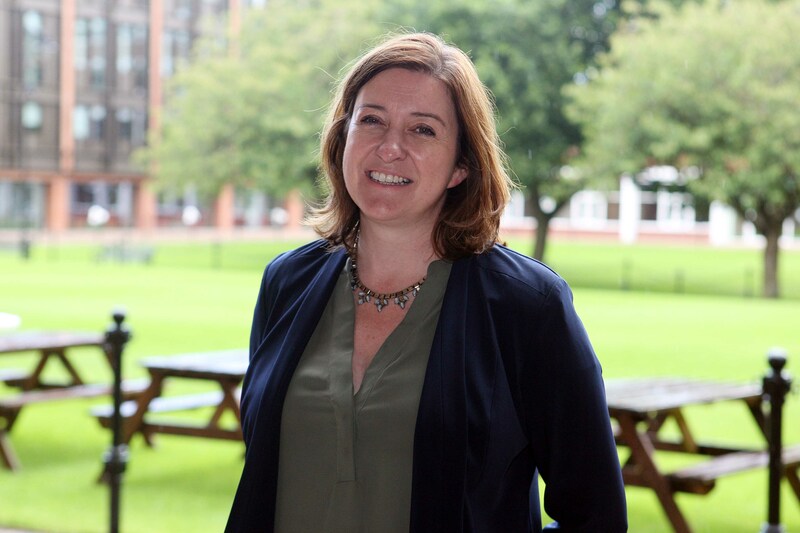
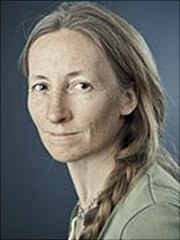
Zoe Given-Wilson is a Postdoctoral Researcher in the Department of Psychology at Royal Holloway, University of London. Her work focuses on legal psychology, asylum systems, and memory processes, contributing to UN Sustainable Development Goals related to justice and human rights. She collaborates internationally on topics like AI in legal contexts, trauma effects, and cross-cultural investigative practices. Her research interests center on the intersection of psychology and legal systems, including asylum seeker experiences, cognitive biases in legal decision-making, and the impact of technology on justice processes. Recent work explores AI ethics in immigration systems, emotional factors in interpreter accuracy, and trauma's role in memory reliability during legal proceedings. Dr. Given-Wilson has supervised one academic project. Her studies frequently engage with interdisciplinary teams, including collaborations with experts in criminology, computer science, and human rights advocacy. She has published widely in journals such as Applied Cognitive Psychology and Psychology, Crime and Law .
Dr. Sham'ah Md-Yunus is a Professor in the Department of Curriculum and Instruction at Eastern Illinois University (EIU), with dual roles in Teaching, Learning, and Foundations. Her office is located in Buzzard Hall (Room 2203), and she can be reached at smdyunus@eiu.edu. She joined EIU in 2005 after earning her PhD in Elementary Education from Indiana State University. Her research focuses on early childhood education, particularly the care and education of immigrant children and families. She employs frameworks like culturally sensitive care, developmentally appropriate practice, and the Critical 'Immigration' theoretical framework (rooted in Positioning Theory and the Model Minority concept) to inform policy and practice. Key areas include Asian American student experiences, immigrant family dynamics, and Montessori education outcomes in Taiwan. Dr. Md-Yunus is active in professional organizations such as WIDA, the American Educational Research Association (AERA), and the National Association for the Education of Young Children (NAEYC). She teaches courses like EDU 5050: Seminar in Educational Research and ELE 5310: Foundations of ESL/Bilingual Education , and supervises 11 research projects. Her work bridges theoretical insights with practical implications for educators and policymakers.
Dr. Laura Dunne is a Senior Lecturer and Reader at Queen's University Belfast within the School of Social Sciences, Education and Social Work, part of the Faculty of Arts, Humanities and Social Sciences (AHSS). Her research focuses on child health, wellbeing, and development in schools and communities, early childhood development (ECD) in low-and-middle-income countries (LMICs), and program evaluation. She is a Chartered Psychologist and leads the LINKS Project, a global initiative linking ECD to peacebuilding. Current roles include Deputy Director of Innovation Zones, Fellow of the Senator George J. Mitchell Institute for Global Peace, and Programme Director for the MEd Educational Studies. Her extensive research includes projects in LMICs such as Viet Nam, East Timor, and Palestine, alongside collaborations with UNICEF, Yale, and Harvard. Notable grants include the NIHR Global Health Research Group on ECD for Peacebuilding (£2 million), and evaluations of programs like Nuffield Early Language Intervention and Peep Learning Together. Awards include the Athena SWAN Bronze Award (2016) and shortlisting for the QUB Staff Excellence Award (2025). Dr. Dunne’s work emphasizes interdisciplinary collaboration, policy impact, and global health equity. She contributes to teaching at the postgraduate level, including courses on research design and early childhood critical perspectives.
Prof. Dr. Ingrid Bähr is a Professor of Education with a focus on Movement Promotion in Educational Institutions at the University of Hamburg's Faculty of Education. She holds a W2 professorship and leads research in areas such as educational activation, uncertainty in teaching processes, cooperative learning, and early childhood movement development. Her work bridges sport pedagogy, early childhood education, and transformative learning theories. She has authored numerous publications on these topics and serves in key academic roles including Chair of the decentralized examination board for teacher training programs and Deputy Chair of MA courses. Education: She earned her PhD in Philosophy (2004) from the University of Bremen after completing her teaching degree (1996) and a research focus in dramatic play (1999). She has held academic positions at universities in Bremen, Frankfurt, and Würzburg before joining Hamburg in 2010. Notably, she also served as a teacher and principal at a Freinet alternative school (2017–2019). Research focuses include the transformative potential of educational uncertainty, activation in physical education, and gender aspects in movement learning. She supervises doctoral candidates exploring topics like activation criteria in physical education and early childhood exploration. Her involvement in projects like 'AUFTAKT' emphasizes the transfer of research into practice. Professional activities include editorial roles for journals such as Zeitschrift für Sportpädagogische Forschung and memberships in organizations like the German Olympic Sports Confederation's Expert Network for Gender Equality. Her work emphasizes interdisciplinary collaboration, evidenced by projects with international partners in Spain and Luxembourg.
Jenny Guidi, Ph.D. , is an Associate Professor of Clinical Psychology at the Department of Psychology 'Renzo Canestrari' within the University of Bologna . She is also a certified Psychosomatic Specialist (ICPM) and a certified Well-Being Therapy Specialist and Trainer (AWBT). Her academic journey includes a laurea with laude in Psychology (2002), a 4-year Health Psychology specialization at the University of Bologna, and a Ph.D. in Clinical Psychology from the same institution in 2011. Current affiliation: University of Bologna (Department of Psychology 'Renzo Canestrari') Previous roles: Research Associate at Massachusetts General Hospital – Harvard Medical School (2016–present, Honorary Consultant) Certifications: Psychosomatic Specialist (ICPM), Well-Being Therapy Specialist and Trainer (AWBT) Her research focuses on clinical psychology , psychosomatics , and psychopharmacology , with a particular emphasis on treatment resistance in depression, euthymia, allostatic overload, and the integration of pharmacotherapy with psychotherapy. Guidi has authored/co-authored over 80 articles in high-impact journals and maintains an h-index of 36 (Scopus). Key publications explore clinimetric tools, stress-related hormonal responses, and behavioral toxicity in psychiatric treatments. Recent articles highlight: Transdiagnostic applications of euthymia and mental pain Comparative analyses of benzodiazepine efficacy Psychosomatic links in endocrine and cardiovascular disorders Methodological advancements in psychotherapy trials Notable contributions include validating the Italian version of the Exercise Dependence Questionnaire and examining hyperandrogenic states in adolescents. She has received no explicitly listed awards but has been recognized through her role as an Honorary Consultant at Harvard-affiliated institutions. Contact: Institutional email: jenny.guidi2@unibo.it Personal email: jguidi@libero.it Office hours: Mondays and Wednesdays after classes (2024/2025 academic year) at Viale Europa 115, Cesena
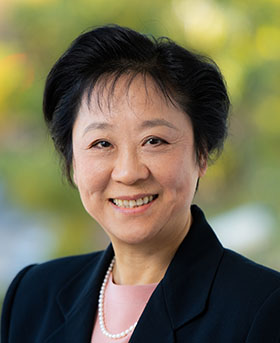
Dr. Jin Li is Professor of Education and Human Development at Brown University, specializing in cross-cultural studies of learning beliefs and child development. Her research bridges Western and East Asian perspectives on education, with a focus on how cultural contexts shape children's learning beliefs, parental socialization, and academic achievement across diverse populations including Chinese, Taiwanese, Chinese American, and European American families. Educational Background: B.A. in German from Guangzhou Institute of Foreign Languages (1982) First Ed.M. in Education from University of Pittsburgh (1988) Second Ed.M. in Administrative Planning and Social Policy from Harvard University (1991) Ed.D. in Human Development and Psychology from Harvard University (1997) Dr. Li's research focuses on East Asian virtue-oriented and Western mind-oriented learning models and their impact on children's development across the lifespan from early childhood through college. Her work examines how cultural values shape learning beliefs, parental socialization practices, and educational outcomes. She has conducted extensive comparative research across China, Taiwan, the United States, and other international contexts, revealing fundamental differences in how children from different cultural backgrounds conceptualize learning, achievement, and self-development. Her recent publications demonstrate a continued evolution from studying basic cultural differences in learning models toward more complex examinations of immigrant adaptation, parental socialization strategies, and the philosophical underpinnings of self-concept in Eastern and Western traditions. The research increasingly integrates psychological, educational, and philosophical perspectives to provide a comprehensive understanding of how culture fundamentally shapes human development. Notable Awards and Honors: The President's Award for Excellence in Faculty Governance, Brown University (2024) Xiaojia Ge Lifetime Achievement Award from the SRCD Asian Caucus (2021) Erin Phelps Award from the Society for the Study of Human Development (2017) Inaugural Fellow at Center for Advanced Study in the Behavioral Sciences, Stanford University (2015-2016) Young Scholars Award from the Foundation for Child Development (2006-2008) Dr. Li has secured significant research funding from major foundations including the William T. Grant Foundation, Spencer Foundation, Foundation for Child Development, and Chiang Ching-Kuo Foundation. Her longitudinal studies have followed children from diverse backgrounds across multiple developmental stages. She has mentored numerous doctoral students and collaborated with researchers internationally, particularly focusing on how low-income immigrant families navigate educational systems while maintaining cultural values. Her work extends beyond traditional academic settings through collaborations with institutions like Tsinghua University's Schwarzman College and presentations to international audiences across a dozen countries. Dr. Li's research has practical implications for educators seeking to understand and support culturally diverse learners.
Jonathan Campbell is Professor and Director of the PsyD program at Western Carolina University's College of Education and Allied Professions. A licensed psychologist with over 20 years in neurodevelopmental disabilities, his research focuses on autism spectrum disorder (ASD), peer attitudes, and law enforcement interactions. He previously trained at Yale Child Study Center and served on Kentucky's ASD Advisory Council. Education: PhD in Clinical Psychology, University of Memphis MA in Clinical Psychology, Western Carolina University BA in Psychology, University of North Carolina at Chapel Hill Research Focus: Develops assessment tools for ASD stigma, evaluates training programs for law enforcement, and studies inclusive education models. Editorial board member for four psychology journals. Clinical Expertise: Conducts validity studies of ASD screening instruments and develops interventions for school-clinical coordination.
Dr. Ellen Bialystok is a Distinguished Research Professor of Psychology and Walter Gordon Research Chair at York University, with an affiliation as an Associate Scientist at the Rotman Research Institute. Her work focuses on bilingualism's impact on cognitive processes across the lifespan, including neuroimaging studies of brain networks and the delayed onset of dementia symptoms in bilingual older adults. Research Interests: Bilingualism's effects on cognitive development, executive function, and aging; neuroimaging techniques (EEG/MRI). Awards: Killam Prize (2010), Hebb Award (2011), Honorary Doctorate from University of Oslo (2017). Her lab, the Lifespan Cognition and Development Lab at York’s Department of Psychology, investigates bilingualism's effects on healthy and patient populations. Notable students include Dr. Matthias Berkes and Dr. Ashley Chung, both of whom have advanced to postdoctoral roles. Dr. Bialystok’s work bridges cognitive science and neuroscience, providing foundational insights into language’s role in cognition.
Dr. Yasmin Zakiniaeiz is an Assistant Professor of Psychiatry at the Yale School of Medicine, specializing in addiction neuroscience with a focus on neuroimaging techniques like fMRI and PET. Her research investigates the neural and molecular mechanisms underlying substance use disorders (e.g., alcohol, tobacco, cocaine) and high-risk populations, emphasizing sex as a biological variable. She holds affiliations with the Yale Combined Program in the Biological and Biomedical Sciences (BBS), Interdepartmental Neuroscience Program, and Translational Brain Imaging Program. Education: PhD in Neuroscience, Yale University (2018) BA in Biology and Psychology, Hunter College (2013) Postdoctoral Fellowship in Radiology and Biomedical Imaging, Yale University (2020) Research Interests: Dr. Zakiniaeiz explores dopamine receptor availability, systemic inflammation effects on dopamine, and cognitive deficits in addiction. Her work bridges basic science and clinical applications, aiming to inform personalized treatments. Key areas include: Sex differences in addiction neurobiology Neuroimaging biomarkers for treatment response Co-occurring disorders (e.g., PTSD, pain) Awards & Recognition: 2024 Travel Fellowship Award (Society of Biological Psychiatry) 2022 Young Investigator Memorial Travel Award (ACNP) 2021 Enoch Gordis Research Recognition Award (RSA) 2014 NSF Graduate Research Fellowship Collaborations & Grants: Works closely with researchers like Sherry McKee, Kelly Cosgrove, and Marc Potenza. Involved in initiatives such as the SCORE Career Enhancement Core to advance sex-based research. Her projects address translational challenges in addiction neuroimaging and clinical outcomes. Labs/Teams: Active in Yale’s Translational Brain Imaging Program and Interdepartmental Neuroscience Program, fostering interdisciplinary research.
Meredith Protas is an Associate Professor of Biology at the University of San Francisco, holding the Fletcher Jones Endowed Chair. Her research focuses on the genetic basis of eye and pigment loss in cave-dwelling crustaceans, particularly Asellus aquaticus. She investigates evolutionary mechanisms across independently evolved cave populations to identify genetic changes responsible for phenotypic variations. Her research interests span evolutionary genetics, developmental biology, and adaptation in extreme environments. Protas examines how genetic variations contribute to phenotypic changes in isolated populations, with implications for understanding evolutionary processes. Her publications consistently explore themes of genetic adaptation, phenotypic evolution, and comparative transcriptomics in subterranean ecosystems. Recent work demonstrates a pattern of investigating convergent evolution through genomic approaches. Protas maintains an active research laboratory studying crustacean models to uncover fundamental principles of evolutionary development in challenging environments.
Roslyn Holly Fitch is a distinguished Professor in the Department of Psychological Sciences at the University of Connecticut, where she maintains an active research laboratory (Fitch Lab) focused on developmental neuroscience and neurodevelopmental disorders. Her work bridges basic science with clinical applications, particularly in understanding the neural mechanisms underlying developmental disabilities. Dr. Fitch's research interests center on rodent models of developmental disability and neonatal brain injury, with specific focus on the modulating effects of hormones and experience on neurodevelopment, and neuroprotective strategies. Her laboratory investigates the genetic and neural bases of dyslexia and related language processing disorders, using sophisticated behavioral and neuroanatomical approaches with rodent models. Analysis of Dr. Fitch's recent publications reveals a strong emphasis on genetic models of neurodevelopmental disorders (particularly dyslexia susceptibility genes like DYX1C1 and DCDC2), sex differences in brain injury outcomes, and the development of therapeutic interventions for neonatal hypoxic-ischemic injury. Her work consistently integrates behavioral, anatomical, and molecular approaches to understand the complex interplay between genes, brain development, and cognitive function. Dr. Fitch has been recognized with numerous prestigious awards including the CLAS Excellence in Teaching Award (2012), being a Finalist for CTC Women of Innovation in Academic Innovation (2014), and the National Dyslexia Research Foundation Award for Distinguished Young Researcher in Cognitive Neuroscience (1993). She mentors numerous graduate students and postdoctoral researchers, many of whom have become first authors on significant publications. Her teaching portfolio includes undergraduate courses in Physiological Psychology and graduate seminars in Neurodevelopment and Plasticity, as well as grant writing instruction. The Fitch Lab continues to be at the forefront of research connecting basic neuroscience with clinical applications in developmental disorders.
Dr. Nick Neave is a Professor of Psychology at Northumbria University, specializing in hoarding behaviors, conspiracy beliefs, and the psychological aspects of soccer officiating. He leads the Hoarding Research Group and chairs the UK Hoarding Partnership. His teaching focuses on hoarding, parapsychology, and hormones & behavior. With a PhD in Neurosciences from Durham University (1995), he has supervised multiple PhD students exploring hoarding, conspiracy theories, and superstition. His research spans digital hoarding’s implications for cybersecurity, workplace culture, and mental health. He has published extensively on topics like prenatal androgen effects on sports performance and trauma’s role in hoarding severity. Education: PhD in Neurosciences, Durham University (1991–1995) Research Interests: Hoarding behaviors (both physical and digital), conspiracy beliefs, superstitious behaviors, and the psychological traits of sports officials. His work bridges clinical psychology, cognitive science, and societal impacts. Grant and Advising Trends: Focus on interdisciplinary grants addressing hoarding’s social and organizational challenges, with notable collaborations on digital data management and public health implications. Currently supervising PhD projects on hoarding behavior mechanisms and conspiracy theory propagation. Labs/Teams: Hoarding Research Group (Northumbria University)
Charalampos Spilianakis is an Associate Professor at the University of Crete with a research affiliation at the Institute of Molecular Biology and Biotechnology (IMBB) of the Foundation for Research and Technology - Hellas (FORTH). His work focuses on the three-dimensional organization of the genome and its critical role in gene regulation within immune cells, particularly T cells. Dr. Spilianakis earned his PhD in 2003 from the University of Crete in Biochemistry, Molecular Biology, Cellular and Developmental Biology. His academic career has been dedicated to understanding how nuclear architecture influences cellular function and gene expression patterns. His research program investigates both cis and trans regulatory mechanisms of gene expression, with particular emphasis on how protein complexes generate and maintain long-range chromosomal interactions in immune cell populations. His laboratory employs an integrated approach combining biocomputing, molecular techniques, biochemical assays, advanced imaging, and genetic analyses to explore the field of 3D epigenetics. This work has significant implications for understanding immune cell differentiation and function. Analysis of Dr. Spilianakis' publication record reveals a consistent research trajectory focused on chromatin architecture and transcriptional regulation in immune cells. His contributions include developing protocols for chromosome conformation capture in primary T cells, elucidating SATB1's role in shaping the 3D enhancer network during T cell development, and investigating the nuclear periphery's role in microRNA gene localization. His work bridges molecular biology, immunology, and genomics to advance spatial genomics understanding. Based at IMBB-FORTH (Office A251, Lab A204), Dr. Spilianakis leads a research group that serves as an important hub for investigating the relationship between nuclear architecture and gene expression in the immune system. His laboratory combines cutting-edge molecular and imaging technologies to address fundamental questions about genome organization and its functional consequences in health and disease.
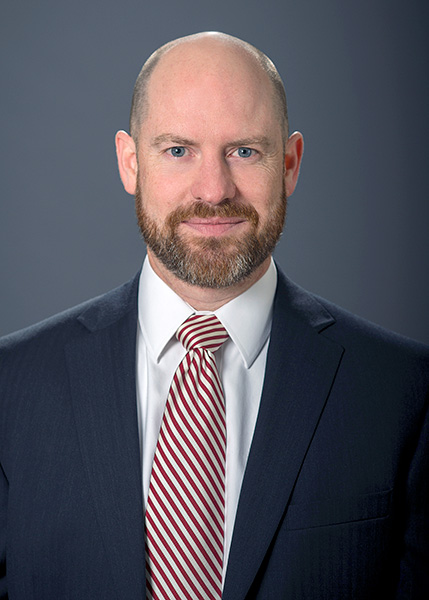
Ben Ashby is an Associate Professor in the Department of Mathematics at Simon Fraser University's Faculty of Science. His research focuses on mathematical biology, particularly the ecology and evolution of host-parasite interactions. He uses mathematical models to study parasite spread, virulence evolution, and the impact of host traits like resistance or mating strategies. Education: DPhil in Zoology from the University of Oxford (2014). Research Interests: Ben’s work spans infectious diseases, the evolution of diversity, sexual selection, and niche evolution. He explores how traits evolve in response to pathogens and how ecological factors influence evolutionary dynamics. His models address topics like defensive symbionts, age-structured resistance, and coevolutionary timescales. Labs/Teams: He is part of the Mathematics, Genomics & Prediction in Infection & Evolution (MAGPIE) group at SFU, applying mathematical approaches to infectious disease challenges. Teaching: Currently teaches MATH 360 D100 (Introduction to Biomathematics) in Fall 2025. Past courses include advanced topics in epidemiological modeling and evolutionary dynamics. Office & Contact: Located in K9525, reachable at ben_ashby@sfu.ca or via his research website ecoevotheory.com .
Dr. Chris Nicholson is a Senior Lecturer and Head of the Department of Psychosocial and Psychoanalytic Studies at the University of Essex. He specializes in therapeutic communities, trauma recovery, and childhood studies, with a focus on applying psychoanalytic theory to clinical and educational settings. His academic roles include overseeing undergraduate programs and developing innovative courses like BA Therapeutic Care and BA Childhood Studies. Nicholson has extensive experience in children’s services, including therapeutic care for traumatized adolescents and co-founding the Junction Young Person’s service for Colchester MIND. Education: PhD in Higher Education from University of Northampton (2007) BA in English Literature/Philosophy from University of Kent (1994-1997) Research Interests: Psychodynamic approaches to care-leavers Therapeutic communities and competency frameworks Literary analysis of trauma (Robert Graves, Hemingway) Enabling environments in higher education Professional Activities: He chairs the Consortium of Therapeutic Communities Executive Board, advises on TC training in Greece and India, and co-founded the Essex Refugee Wellbeing Network. His training model 'Active Education Events' is used in prisons, armies, and residential childcare. Advising & Grants: Supervised doctoral theses on topics like school grief education and teenage sexting. Active in curriculum development and institutional well-being initiatives. Labs/Teams: Runs a Royal College of Psychiatrists-validated TC training program in Athens and collaborates with the Robert Graves Society’s Gravesiana journal.