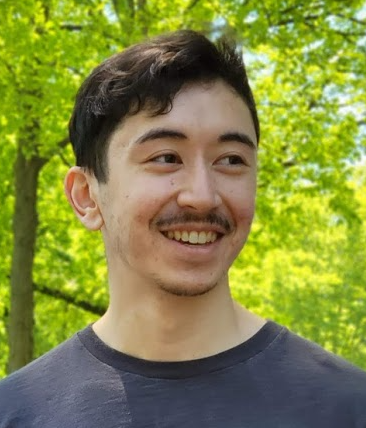
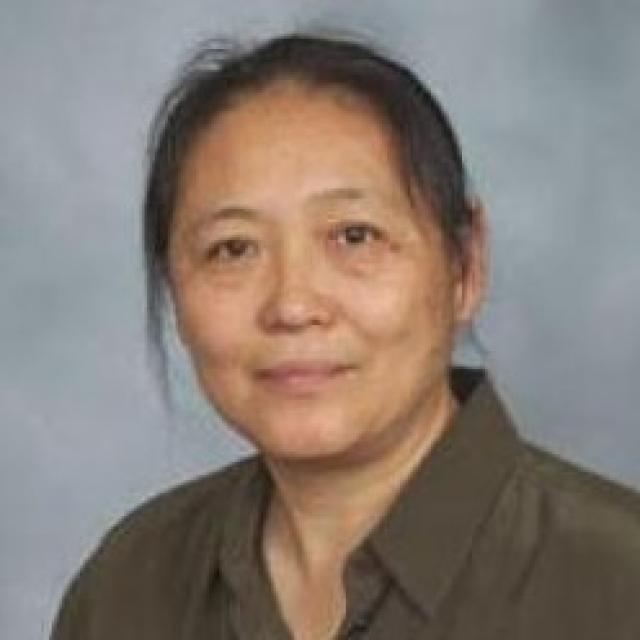
Professor Melanie Dirks is the Department Chair of Psychology at McGill University, specializing in Clinical Psychology and Developmental Science . Her research focuses on mapping social and emotional skills across childhood, adolescence, and young adulthood, with emphasis on peer/sibling relationships and their impact on psychological symptoms. Uses multimodal methodologies: observational studies, daily diaries, emotion recognition tasks Current projects: friendship quality maintenance, interpersonal victimization in youth, emotional communication dynamics Key research themes from publications include: Peer Relationships : Dissolution patterns, prosocial behavior, bullying, and dating aggression Emotional Processing : Vocal emotion recognition, neural reward responses, stress-neuroimaging links Contextual Influences : Family dynamics, socioeconomic status, post-pandemic social changes Her lab ( CASC Lab ) trains students in advanced social-emotional assessment techniques, with notable advisees including *Morningstar, *Gilbert, and *Santucci. Google Scholar articles (2014-2025) demonstrate expertise in developmental psychopathology, social neuroscience, and cross-cultural mental health determinants.
Dr. Charles Bailey is a Senior Research Fellow at the University of Sydney's Central Clinical School, Department of Medicine, and an affiliated researcher at the Centenary Institute of Cancer Medicine & Cell Biology. His work focuses on cancer biology, epigenetics, and molecular mechanisms underlying genetic diseases. Dr. Bailey leads projects investigating CTCF protein functions in cancer, alternative splicing regulation, and therapeutic targeting of cancer-related pathways. Research Interests: Dr. Bailey's research spans cancer epigenetics (particularly CTCF and chromatin remodeling), gene therapy development, protein-protein interaction networks, and molecular mechanisms of tumor suppression. His work combines experimental models (mouse and cell cultures) with clinical data analysis to bridge basic science and translational medicine. Recent Directions: His articles from 2023 highlight clinical trials for novel cancer drug combinations (e.g., olaparib/durvalumab) and mechanisms of embryo development. Earlier work revealed critical roles for CTCF in genome regulation, while 2022 studies advanced understanding of NuRD complex interactions and lens development pathways. Grants & Awards: Recipient of multiple grants including Tour de Cure's Pioneering Research Awards (2023, 2022, 2021) and Cancer Council NSW support. Projects focus on exploiting genomic vulnerabilities in pancreatic/endometrial cancers and developing gene therapy delivery systems. Collaborations: Active collaborations across Sydney's medical research community, including work with Prof. John Rasko on gene therapy vectors and Prof. Michelle Semsarian on heart disease mechanisms.
Julia Beaumont is an Honorary Visiting Researcher in the Faculty of Life Sciences at the University of Bradford, where she focuses on stable isotope analysis. She transitioned to academia after 30 years as a dentist and orthodontist, retiring from clinical practice in 2013. Known as the 'Bradford Tooth Fairy', her research investigates maternal-infant diet and physiology through dental tissues. Her research explores breastfeeding, weaning, and nutritional stress through carbon and nitrogen isotope analysis of bone, dentine, and hair keratin. She examines physiological responses to historical famines and develops high-resolution methods for studying diet and stress markers. Collaborative projects include work with Durham and Aberdeen Universities on mineralization pathways, and modern studies through the Tooth Fairy Project. Education: MSc and PhD completed part-time at University of Bradford Her research spans archaeological sites from medieval London to post-Medieval Sudan, employing isotopic methods to reconstruct life histories. She investigates physiological responses to historical events like the Great Irish Famine and Industrial Revolution, using both ancient remains and modern clinical samples.
Dr. Yan Shen is an Associate Professor and Academic Director of the MGB program at the Peter B. Gustavson School of Business, University of Victoria. She specializes in expatriates, cross-cultural careers, mentoring, and leadership development. Her research emphasizes globalization’s impact on career trajectories and the role of developmental relationships in diverse cultural contexts. Dr. Shen holds a BA in English for Science and Technology and BS in Engineering from Dalian University of Technology, a Master of Law from East China University of Politics and Law, and a Doctorate in Business Administration from Boston University. Her research focuses on expatriate adaptation, repatriation, and cross-cultural career dynamics, with particular attention to China and emerging economies. Key areas include mentorship networks, career success schemas, and HR strategies for global talent management. Notable awards include the 2014 Academy of Management Best Applied Paper Award and multiple international recognition for her expatriate studies. She has led grants on topics such as low-skilled newcomers in Canada (2018–2024), careers in China (2017–2019), and Asian expatriates in the U.S. (2014–2015). Her teaching includes courses on global leadership, international business, and cultural intelligence. Dr. Shen’s work bridges academia and practice, offering insights into global career development and organizational strategies for diverse workforces.
Associate Professor Fatemeh Vafaee is a leading researcher at the University of New South Wales (UNSW) , holding appointments as Associate Professor in the School of Biotechnology and Biomolecular Sciences (BABS) and Deputy Director (Science) of the UNSW AI Institute . She previously served as Deputy Director of the UNSW Data Science Hub (uDASH) and has held academic positions at the University of Toronto and the University of Sydney. PhD in Artificial Intelligence from University of Illinois at Chicago Postdoctoral Fellowships at University of Toronto and University of Sydney Founded the AI-Enhanced Biomedicine Laboratory in 2017 Her research focuses on deploying advanced AI techniques to address biomedical challenges through: Biomarker Discovery for cancer and neurodegenerative diseases Single-Cell Multi-Omics data integration and analysis Computational Drug Repositioning and network pharmacology Multi-Omics Data Fusion and temporal network modeling Recent publications demonstrate expertise in liquid biopsy development , single-cell imaging , and AI-driven cancer diagnostics . Her methodological contributions include novel deep learning architectures for omics data analysis and graph neural networks for drug synergy prediction. Scientific accolades include: Winner, Women in AI Asia-Pacific Health Award (2023) Runner-Up, WAI-APAC Innovator of the Year (2023) Top 10 Women in AI in Asia-Pacific (2023) Australian Bioinformatics and Computational Biology Society Research Excellence Award (2023) She supervises PhD candidates across computational biomedicine and AI in healthcare , with significant grant achievements exceeding $17M in competitive funding, including schemes from ARC Discovery , NHMRC , and Medical Research Future Fund .
Dawn Rose is a Lecturer at the Lucerne School of Music, part of Lucerne University of Applied Sciences and Arts (HSLU) in Switzerland. Her primary academic focus is music psychology with specialties in music’s role in health and wellbeing. She holds adjunct roles as External Examiner for WaterBear College of Music (Falmouth University, UK) and is affiliated with organizations including the Swiss Society for Music Medicine and the International Judo Research Unit (iDojo). Education: Rose holds a PhD and MSc in Music, Mind and Brain from Goldsmiths, University of London, supervised by Prof. Pam Heaton. Her doctoral work explored musical development in children and adults. Prior to academia, she was a professional drummer and taught at BIMM (British & Irish Modern Music Institute). Research: Her work bridges music psychology and healthcare, focusing on Parkinson’s disease management through rhythmic interventions and musician wellbeing. Key projects include the Songlines for Parkinson’s co-developed intervention and studies on room acoustics’ effects on musicians. She also investigates music’s role in movement synchronization and imagery use among Parkinson’s patients. Awards & Grants: Notable recognition includes AGORA Grants (2023), Parkinson Schweiz funding (2021), and multiple travel/engagement awards from Goldsmiths and the Wellcome Trust. Labs & Teams: Leads the CC Music Performance Research group at HSLU and collaborates with interdisciplinary teams in Switzerland and internationally. Active in public dissemination through BBC documentaries and science festivals, including a featured role in the 'Meltdown Festival' Power of Music discussion.
Dr. Sarah Berger is a Full Professor at the College of Staten Island, CUNY. Her research focuses on infant development, particularly the interplay between motor skills, sleep, and cognitive processes. She leads the Child Development Lab, exploring how locomotion and postural control influence problem-solving and learning in infants. Her educational background includes a PhD and MA from New York University and a BA from the University of Texas. Notable awards include National Science Foundation grants (2020-2023, 2016-2021) and a Fulbright Research Fellowship (2010-2011). Research interests include cognition-action trade-offs, sleep's role in motor learning, and the impact of motor delays on learning. Collaborations involve Dr. Anat Scher (University of Haifa) on sleep and locomotion, and Dr. Regina Harbourne (Duquesne University) on postural control and motor interventions. She also partners with Nanit for sleep-motor development studies. Key findings highlight sleep's role in enhancing problem-solving after learning, and the cognitive demands of balancing during reaching tasks. Her work bridges developmental psychology, physical therapy, and neuroscience. Scientific Awards: NSF Awards (2020-2023, 2016-2021), Fulbright Fellowship Advising: Mentor to over 20 students in experimental and observational studies Labs/Teams: Child Development Lab, collaborations with NYU and Duquesne University
Dylan J. Altschuler is a Research Fellow in the Department of Mathematical Sciences at Carnegie Mellon University, mentored by Konstantin Tikhomirov. He completed his PhD in Mathematics at New York University (Courant Institute) under Jonathan Niles-Weed and holds a B.A. in Mathematics from Princeton University, advised by Allan Sly. His research focuses on probability theory, particularly high-dimensional phenomena, with applications to statistical physics, combinatorics, algorithm design, and geometric analysis. **Education**: PhD in Mathematics, New York University (Courant Institute), 2023, advised by Jonathan Niles-Weed B.A. in Mathematics, Princeton University, 2018, senior thesis advised by Allan Sly **Research Interests**: Dylan’s work explores the interplay between probability, geometry, and combinatorics, addressing challenges in metric embeddings, random matrix theory, and phase transitions in high-dimensional systems. His recent contributions include resolving long-standing gaps in dimension reduction modulus, analyzing nonlinear spectral gaps, and studying critical phenomena in random graphs and perceptrons. **Key Contributions**: His publications span topics such as universal thresholds for tree embeddings, non-embeddability of random regular graphs, and spectral properties of inhomogeneous matrices. He has also contributed to foundational results in discrepancy theory and the development of combinatorial frameworks for nonlinear spectral analysis. **Grants & Awards**: While no explicit awards are listed, his research has been recognized through collaborations with leading institutions and his active participation in academic seminars, including the UPenn Optimization Seminar. His work frequently involves interdisciplinary approaches, bridging theoretical mathematics with applications in data science and algorithm design. **Labs/Teams**: Dylan collaborates extensively with researchers in probability and geometry, including Pandelis Dodos, Konstantin Tikhomirov, and Konstantinos Tyros. His current research is supported by his postdoctoral fellowship at CMU.
Yuping Zhang is an Associate Professor at the Department of Sociology and Anthropology , Lehigh University , where she has been employed since completing her PhD in sociology from the University of Pennsylvania in 2007. Her work bridges social stratification , gender inequality , and educational dynamics in China. Education : PhD in Sociology, University of Pennsylvania (2007) Research Grants : Recipient of multiple Lehigh University Faculty Research Grants (2008, 2010, 2011, 2012), Pre-tenure Research Fellowship (2010), and earlier fellowships at the University of Pennsylvania and Fulbright Scholar-in-Residence program Her research focuses on educational stratification and gender inequality in labor markets , emphasizing how parental and teacher influences shape educational outcomes in rural China, and how marriage/parenthood affect gender disparities. Recent publications analyze rural youth’s perceptions of love, marriage, and family , intergenerational transmission of gender attitudes , and comparative studies of returns to education across East Asian countries. Her academic output spans refereed journals , book chapters, and translations, including works on gender differences in mortality , class and family roles , and educational policy . She has presented at major conferences like the American Sociological Association, Comparative International Education Society, and Association for Asian Studies. Scientific awards include Judith Rodin Fellowship (University of Pennsylvania), Otto and Gertrude K. Pollak Summer Research Fellowship, and British Council Exchange Scholar status. She has also delivered invited talks on gender and globalization, urban labor markets, and educational inequality.
Douglas M. Teti is a Professor and Department Head in the Department of Human Development and Family Studies at the College of Health and Human Development , The Pennsylvania State University. He also holds joint appointments as Professor of Psychology and Pediatrics. His research spans developmental science, focusing on infant and early child development, parenting practices, and the role of sleep in socioemotional and academic outcomes. Education : B.S. in Psychology, St. Joseph's College (1976) M.S. in General Experimental Psychology, Villanova University (1980) Ph.D. in General Psychology (Developmental Psychology), University of Vermont (1984) NIMH Post-Doctoral Fellow, University of Utah (1984-1986) Research Interests : Dr. Teti investigates the interplay between infant sleep and parenting quality , examining how these factors influence attachment security , behavioral competencies , and diurnal cortisol activity . His work emphasizes household chaos , parental mental health , and socioeconomic status in shaping child outcomes. He also explores coparenting dynamics and intervention strategies for improving family sleep practices and transition to kindergarten. Publications and Research Trends : Dr. Teti’s recent work focuses on Project SIESTA (sleep-attachment linkages), Project SIESTA-K (sleep in kindergarten adjustment), and Project SIESTA-FF (coparenting interventions). These studies, funded by the NICHD , utilize longitudinal designs and video-recorded parenting interactions to analyze bidirectional influences between biological factors and environmental contexts . Collaborative publications span journals like Pediatrics , Developmental Psychology , and Journal of Family Psychology , highlighting interdisciplinary approaches integrating Developmental Science , Sleep Medicine , and Family Systems . Grants and Affiliations : Principal Investigator on NICHD-funded R01 grants (R01HD052809, R01HD087266, R01HD088566) Affiliated with the Edna Bennett Pierce Prevention Research Center and Child Study Center at Penn State Laboratory and Collaboration : Dr. Teti’s lab trains graduate and undergraduate students in interdisciplinary research, fostering co-authorship opportunities and expertise in attachment theory , sleep assessment , and family dynamics . His team includes co-investigators from Penn State’s departments of HDFS , Psychology , and Pediatrics , as well as the University of California, Davis.
Mitul Mehta is a Professor of Neuroimaging & Psychopharmacology and Director of the Centre for Innovative Therapeutics at King's College London, within the Institute of Psychiatry, Psychology & Neuroscience (IoPPN). He leads the Neuropharmacology Group and Section in the Department of Neuroimaging and serves as Theme Lead for Experimental Medicine and Novel Therapeutics at the NIHR Maudsley Biomedical Research Centre. His work focuses on pharmacological neuroimaging and drug mechanisms in psychiatric/neurological disorders, leveraging MRI and PET techniques. Education & Career: Post-doctoral researcher at King’s (2003), MRC Training Fellow at Imperial College, transition supported by a Wellcome Trust award. Affiliations: Director, C-FIT; Head, Neuropharmacology Group; KORGI committee member. Research Interests: Brain modulation via pharmacological agents, drug effects on dopamine, serotonin, and other neurotransmitters, and translational therapeutics for ADHD, schizophrenia, depression, and Parkinson’s. His projects include ATTENS (eTNS for ADHD), e-BRAIN (early adversity & brain maturation), and the EDEN trial (ketamine for depression-anorexia). Recent Articles Trends: Focus on neurostimulation (e.g., TNS in ADHD), ketamine antidepressant mechanisms, and neuroimaging biomarkers for mental health. Studies integrate functional connectivity, drug-induced brain changes, and clinical outcomes. Awards: British Association for Psychopharmacology Young Investigator Award, Wellcome Trust Value in People Award. Grants/Advisory Roles: Leader of multi-million grants (e.g., £4.1M auditory hallucinations study), industry collaborations, and advisory boards. Labs/Teams: Neuropharmacology Group, C-FIT, and interdisciplinary KORGI initiative promoting open research practices.
Chantal van den Berg is an Assistant Professor in the Department of Criminal Law and Criminology at the Faculty of Law, VU University Amsterdam, and a researcher and program leader at the Netherlands Institute for the Study of Crime and Law Enforcement (NSCR). Her work bridges empirical research and normative studies in criminology, with a strong focus on victimology and the social consequences of criminal behavior. VU University Amsterdam – Assistant Professor, Criminology (2017–present) NSCR – Researcher and Program Leader, Victimology (2022–present) Leiden University – Assistant Professor, Criminology (2014–2015) She earned her BSc and MSc in Criminology from VU University Amsterdam and completed her PhD there in 2015, studying the long-term criminal careers of juvenile sex offenders and their life transitions. Her research centers on sexual offending (particularly by juveniles) , sexual victimization , labor market discrimination against ex-offenders , risk assessment , and the collateral consequences of criminal conviction , especially regarding the Certificate of Conduct (VOG). She employs advanced statistical methods and field experiments to investigate how criminal records and personal characteristics affect employment outcomes and social integration. Her recent publications (2023–2025) reveal a strong trend toward studying digital disclosures of sexual victimization (e.g., during the #MeToo movement), employment barriers for cybercrime offenders , and evidence-based rehabilitation in criminal record screening. These works highlight her interdisciplinary approach, combining criminology, sociology, and data science. She co-supervises two PhD candidates: Marleen Gorissen , researching online disclosure of sexual victimization, and Nora van Buitenen , analyzing comorbidity in mentally ill prisoners using network methods. She also contributes to major research projects such as Evidence-based interventions for victims . Member, Examination Board, Faculty of Law, VU University Amsterdam Former Chair, Programme Committee (OLC) Criminology (2017–2021) Co-editor, What works. Effectieve ondersteuning voor slachtoffers (2023) Chantal teaches Victimology at the BSc level and advanced courses in multivariate analysis and research methods for both BSc and MSc Criminology students. Her academic service includes editorial and peer-review roles, as well as frequent academic presentations on juvenile sex offending and rehabilitation. She is actively involved in research collaboration through NSCR and VU, with a growing network in victimology, labor market reintegration, and digital justice. Her work continues to influence both academic discourse and policy development in criminal justice and victim support.
Dr. Alisa Lowrey is a Professor in Special Education at the University of Southern Mississippi. She earned her Ph.D. from the University of Illinois (2003) and a Master of Education (MED) from Northwestern State University of Louisiana (1999). Ph.D. in Special Education, University of Illinois (2003) MED in Special Education, Northwestern State University of Louisiana (1999) Her research focuses on Universal Design for Learning (UDL) , Autism Spectrum Disorders , and improving educational outcomes for students with intellectual and developmental disabilities . A key theme in her work is the application of UDL frameworks to create inclusive classrooms and address gaps in life skills training for severely disabled students. From 2011 to 2019, her publications examine curricular shifts, UDL implementation tools, and national policy goals. These works highlight the urgency of adapting educational practices to meet diverse needs through evidence-based methods and student-centered approaches. Professional Affiliations : Council for Exceptional Children, American Association for Intellectual and Developmental Disabilities, Division on Autism and Developmental Disabilities, UDL Implementation and Research Network Dr. Lowrey teaches courses like SPE 600: Single Subject Research in Educational Settings , SPE 655: Children and Youth with Autism Spectrum Disorders , and SPE 442: Transition/Life Skills: Students with Disabilities . Her expertise spans curriculum development, inclusive education, and UDL frameworks.
Tianmin Fu is an Associate Professor in the Department of Pathology at UMass Chan Medical School, with additional appointments in Biochemistry and Molecular Biotechnology, RNA Therapeutics Institute, and multiple graduate programs including Biophysical Chemical and Computational Biology. His research focuses on structural and molecular mechanisms of biological processes, particularly in anti-phage defense systems, RNA-guided DNA targeting, and membrane protein function. UMass Chan Medical School - Pathology T.H. Chan School of Medicine - Biochemistry and Molecular Biotechnology RNA Therapeutics Institute Morningside Graduate School of Biomedical Sciences Research Trends (2018-2025): Fu’s work spans structural biology, molecular mechanisms of immune signaling, and anti-viral/anti-phage defense systems. Key contributions include cryo-EM studies on TRPM2 channels, V-ATPase regulation, inflammasome activation, and CRISPR-Cas interplay between nuclease and protease activities. His recent publications emphasize anti-phage defense architectures (e.g., HerA-DUF, Gabija) and DNA-guided DNA targeting by DdmDE.
Ninan Abraham is a Professor at the Department of Zoology, University of British Columbia, and affiliated with the Life Sciences Institute. His research focuses on immunology and cell biology, particularly the role of interleukin-7 (IL-7) in lymphocyte development, immune responses to viral infections, and cancer immunology. He leads the Abraham Lab, which investigates mechanisms of immune suppression in tumors, T cell differentiation, and cytokine signaling pathways. Research Trends: His recent work examines how tumor-secreted CCL5 drives immunosuppression in lung cancer (2022), the role of CD4⁺ Trm cells in anti-tumor responses, and peripheral blood biomarkers for immune checkpoint therapy efficacy. Earlier studies (2011-2016) explored IL-7Rα signaling pathways, STAT5's role in lymphomagenesis, and glucocorticoid regulation in lymphoid organs. Key Collaborations: Affiliated with the Canadian Society for Immunology and involved in cross-disciplinary projects at the intersection of zoology, microbiology, and immunology research.