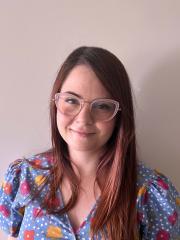
Dr. Ellen Potoczky is a Postdoctoral Research Fellow at the Institute for Molecular Bioscience, University of Queensland, specializing in cellular and molecular mechanisms of epithelial biology. Her educational background includes: Bachelor of Biomedical Science from the University of Adelaide Bachelor (Honours) of Biomedical Science from the University of South Australia Doctoral (Research) in Developmental Biology from the University of South Australia Her research focuses on Cell Biology, Molecular Biology, and Epithelial Biology, investigating how adherens junctions mediate mechanical force sensing through EGFR-ERK signaling pathways. This work has significant implications for understanding tissue integrity in development and disease contexts like cancer metastasis. Her recent publication in Science Signaling demonstrates how epithelial cells co-opt growth factor signaling for mechanotransduction, revealing novel crosstalk between adhesion complexes and signal transduction networks. Dr. Potoczky is actively involved in academic mentoring as an associate advisor for PhD research on epithelial surveillance against cell aberration, contributing to UQ's research training programs.
Dr. Francisco Barceló Galindo is a Professor of Psychology at the University of the Balearic Islands , where he has held a position since 2010. He earned his PhD in Psychology from the University of Southampton (1993) and has been a leading figure in Cognitive Neuroscience, Neuropsychology, and Psychobiology. Education: Bachelor’s in Psychology (University of Murcia, 1989), PhD in Psychology (University of Southampton, 1993). His research focuses on human cognition using non-invasive brain activity recording techniques (EEG, MEG) combined with neuropsychological assessments to study attention, memory, and decision-making in healthy individuals and patients with brain damage. He has pioneered computational models based on information theory to quantify cognitive novelty across neural processing levels (sensory, motor, sensorimotor). Analysis of his 15 most recent publications reveals trends in cognitive control mechanisms, task-switching paradigms, prefrontal cortex function, gene-brain interactions (COMT, ANKK1, DAT1), and neuroplasticity in frontal lobe patients. His work spans Q1 journals like Neuron (IF=13.26) and Nature Neuroscience (IF=8.86). Dr. Barceló has secured significant grants, including a €199,065 project from Fundació La Marató de TV3 (2012–2014) and a €69,000 grant from MINECO (2014–2016). He supervises doctoral theses and has directed four completed ones.
Jörg Menche holds a full Professor position (Univ.-Prof.) at the University of Vienna, with dual appointments in the Faculty of Mathematics, Department of Mathematics, and Max Perutz Labs, Department of Structural and Computational Biology. His work bridges mathematical modeling and biomedical research through network-based approaches to complex disease mechanisms. Primary research interests include Network Biology, Computational Systems Medicine, and Immunometabolism, with specific focus on proteomic signatures in neuropathic pain, metabolic reprogramming in obesity, and autoimmunity networks. He develops innovative computational tools like VRNetzer for virtual reality network analysis and BioProfiling.jl for high-content imaging data integration, targeting intersections between metabolism, immunity, and environmental exposures. Recent publications (2019-2024) reveal a dominant trend in multi-omics network medicine, particularly in autoimmunity (AutoCore framework), cardiometabolic diseases, and rare genetic disorders. His work demonstrates exceptional translational impact, with multiple papers highlighted by news outlets and patents (e.g., 3 patents referencing 2021 research). While the text indicates involvement in one project (2016) and 13 activities, grant specifics and student mentoring details remain undisclosed. His collaborative network spans immunology, neuroscience, and toxicology, evidenced by co-authorships with clinical and computational teams. Menche operates within Max Perutz Labs, a premier molecular biology research center in Vienna. His team integrates computational biologists, cell biologists, and clinicians to develop network cartography methods for disease module identification, with strong emphasis on virtual reality interfaces and multi-omics validation.
Maria Akhmanova is an Assistant Member in the Cell Biology Program at Memorial Sloan Kettering Cancer Center (MSKCC), with affiliations to the Gerstner Sloan Kettering Graduate School of Biomedical Sciences. Her research focuses on understanding how cells invade and migrate through tissues in vivo, integrating live imaging, biomechanical techniques, and computational modeling. Key areas include macrophage infiltration dynamics, tissue resistance mechanisms, and the role of cortactin and actin cytoskeleton regulation. Dr. Akhmanova holds a PhD from Lomonosov Moscow State University and has been recognized with the Austrian Science Fund (FWF) Lise Meitner fellowship (2018-2019). Her lab includes researchers such as Emily Pratt (GSK Graduate Student), Jonah Rosas (Research Scholar), and Xiaoqun Zhang (Senior Research Scientist), with lab alumni including Jayant Asthana. Her work spans disciplines like immunology, biomechanics, and computational biology. Recent studies highlight topics such as mitochondrial bioenergetics in macrophage invasion and Fos signaling in cortical actin regulation. Collaborative projects include work on auxin signaling in plant roots and collagen-based biomaterials for tissue regeneration. Key awards: Lise Meitner Fellowship (2018-2019) Lab members: Emily Pratt (PhD student), Jonah Rosas, Xiaoqun Zhang Collaborations: The lab employs interdisciplinary approaches blending experimental and theoretical frameworks. Her publications emphasize mechanistic insights into tissue-level cell migration, with implications for cancer immunology and regenerative medicine.
Marjo den Broeder is a Researcher and Teacher in the Department of Biology at Utrecht University, Faculty of Science, specializing in Developmental Biology. She serves as the head of the Aquatic Facility, where she supports zebrafish-based research in toxicology, fundamental biology, and biomedical studies through expert guidance in experimental design and animal care. University: Utrecht University School: Faculty of Science Department: Department of Biology Position: Researcher and Teacher Role: Head of Aquatic Facility Her research focuses on developmental processes in zebrafish, particularly adipogenesis, lipid metabolism, epigenetic regulation, and the effects of environmental chemicals. She employs advanced techniques such as stimulated Raman scattering microscopy and collaborates widely on topics including obesity, circadian biology, and reproductive development. The recent publications highlight a strong trend in using zebrafish as a model organism to study metabolic diseases, epigenetic mechanisms, and environmental toxicology. Her work spans molecular embryology, signal transduction (e.g., Hedgehog pathway), and innovative imaging technologies. Interdisciplinary themes include photodynamic therapy for cancer and hormonal regulation of spermatogenesis. Marjo den Broeder has not been publicly recognized with scientific awards in the provided text. She actively contributes to research and mentoring within the Biology department, particularly through her leadership in the Aquatic Facility. While no formal grants are mentioned, her consistent publication record suggests active participation in funded research projects. Her collaborations with prominent scientists like Juliette Legler and Leonie Kamminga underscore her integration into the research community. As head of the Aquatic Facility, she leads a critical infrastructure unit that provides zebrafish husbandry and technical support to researchers across disciplines, ensuring high-quality standards in animal care and experimental methodology.
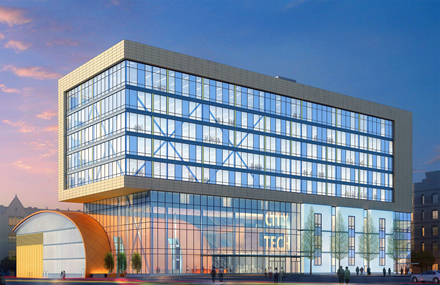
Alba Rossi-George is a Lecturer in the Department of Social Science at the School of Arts & Sciences, City University of New York (CUNY). Her academic training includes a Ph.D. and M.S. in Biopsychology and Behavioral Neuroscience from Rutgers University, followed by three postdoctoral fellowships in Psychiatry, Environmental and Occupational Health Sciences, and Pharmacology and Toxicology at institutions in New Jersey. Ph.D., Biopsychology and Behavioral Neuroscience, Rutgers University M.S., Biopsychology and Behavioral Neuroscience, Rutgers University Postdoctoral Fellowship, Psychiatry, University of Medicine and Dentistry of NJ Postdoctoral Fellowship, Environmental and Occupational Health Sciences, EOHSI, NJ Postdoctoral Fellowship, Pharmacology and Toxicology, Rutgers School of Pharmacy Her research centers on the neurobehavioral and neuroimmune impacts of environmental toxins such as lead and copper, particularly in animal models. She investigates how exposure to these toxicants influences neurodegenerative processes, stress responses, HPA axis regulation, and nitric oxide signaling in microglial cells. Her work bridges behavioral neuroscience with molecular toxicology, offering insights into the biological mechanisms linking environmental exposures to neurological dysfunction. The recent publications highlight a consistent focus on metal toxicity (especially lead and copper), neuroinflammation, and cellular signaling pathways. A dominant theme is the interaction between environmental stressors and toxicants, with multiple studies examining how prenatal or lifetime exposure to lead, combined with stress, alters neurochemical and behavioral outcomes. Several papers employ BV2 microglial cell models to explore redox and nitrosative signaling disruptions caused by copper. The research trajectory reflects a deep engagement with mechanistic neurotoxicology and the long-term health implications of early-life exposures. No scientific awards were mentioned in the available text. There is no information provided about student advising or research grants. However, her extensive collaborative work, particularly with researchers like DA Cory-Slechta and MB Virgolini, suggests active participation in team-based neuroscience and toxicology research. She teaches courses such as Introduction to Psychology and Health Psychology, contributing to undergraduate education in psychological and behavioral sciences. While no formal lab or research team is named, her publications indicate sustained involvement in a research group focused on environmental neurotoxicology and stress interactions, likely based at or affiliated with Rutgers and CUNY institutions.
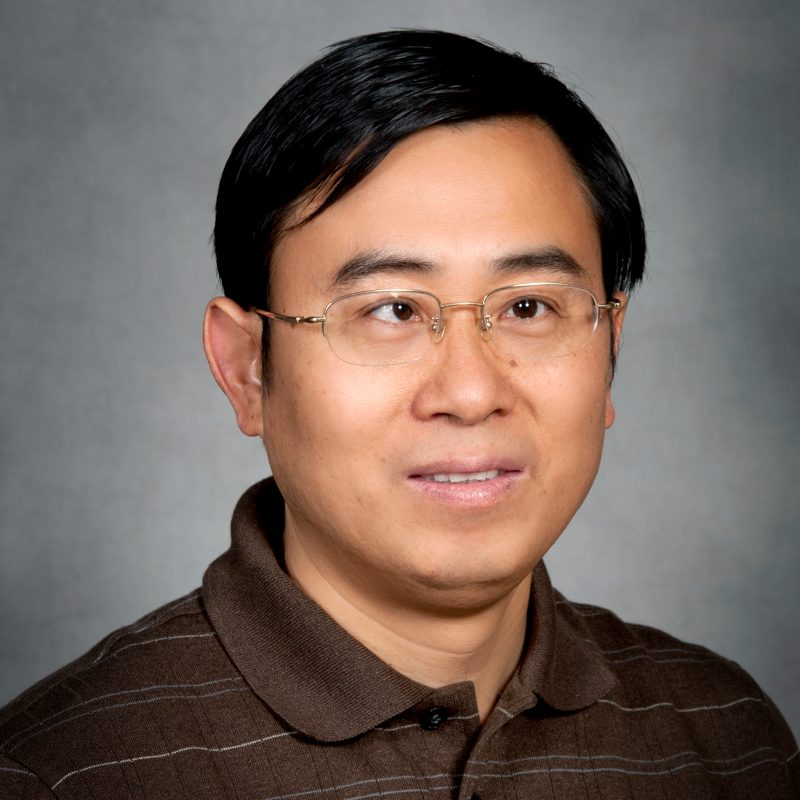
Jianmin Su, Ph.D., is a Research Assistant Professor at the Fralin Biomedical Research Institute at Virginia Tech Carilion (VTC), affiliated with the Weston Lab. His research is focused on the cellular and molecular mechanisms underlying synapse formation, including synaptic targeting, differentiation, and maturation. He is actively involved in neuroscience research with a strong emphasis on synaptic organization and neural circuit development. Education: Ph.D. in Medicine, Fudan University Postdoctoral Fellowship, Virginia Commonwealth University, Medical School/Anatomy Dr. Su's research interests center on synaptic development, particularly the role of extracellular matrix proteins, transmembrane collagens, and signaling molecules such as Reelin and fibroblast growth factors in neural connectivity. His work integrates molecular biology, neuroanatomy, and developmental neuroscience to understand how precise synaptic circuits are established in the brain. His recent publications highlight a consistent focus on synaptic assembly in various brain regions, including the cerebellum, hippocampus, and visual system. Key themes include the role of matricryptins, integrin signaling, and region-specific expression of structural proteins in synaptogenesis. His work often involves mouse models and detailed molecular analysis. Dr. Su has collaborated extensively with Dr. Michael A. Fox and other researchers, contributing to high-impact journals such as Journal of Neuroscience , Cell Reports , and Frontiers journals. While no scientific awards are listed, his publication record demonstrates sustained scholarly output in molecular neuroscience. He advises no listed students, but his role as a research faculty suggests involvement in mentoring junior researchers and lab personnel. His work is supported through institutional affiliations and likely grant funding, though specific grants are not mentioned. Dr. Su is based in the Weston Lab, which focuses on neural development and synaptic function, contributing to a collaborative and interdisciplinary research environment.
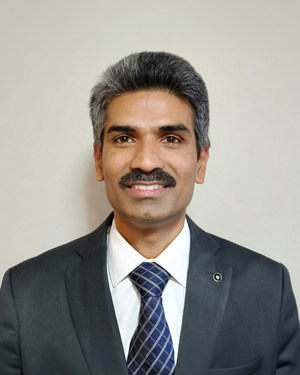
Dr. Narasimman Gurusamy is an Assistant Professor at the Barry and Judy Silverman College of Pharmacy, Nova Southeastern University, specializing in Pharmaceutical Sciences. He holds a Ph.D. in Pharmaceutical Sciences from Niigata University of Pharmacy and Applied Life Sciences (Japan) and completed postdoctoral training at UConn Health Center, Harvard Medical School, and University of Tennessee Health Science Center. Education: M.Pharm (Tamil Nadu Dr. MGR Medical University, India), Ph.D. (Niigata University, Japan) Research Focus: Epigenetic mechanisms in cardiac diseases, non-coding RNA regulation, exosome therapy, stem cell biology, and gene-environment interactions His work explores how long non-coding RNAs and epigenetic modifiers influence cardiac repair, particularly through induced mesenchymal stem cells and their exosomal signaling . Current projects investigate dietary and environmental impacts on epigenetic changes in the heart. Recent publications highlight advancements in RNA-based therapies and metabolic interventions for cardioprotection. Scientific Awards: American Heart Association Career Development Award, Young Research Scientist Award, Travel Awards Dr. Gurusamy serves as Grant Reviewer for the American Heart Association, Associate Editor for Frontiers in Cardiovascular Medicine , and Vice-Chair for the Communication Committee of the Society for South Asian Heart Research (SAHR). His lab employs in-vitro, in-vivo, and clinical trial approaches, utilizing PCR, ELISA, flow cytometry, and genomic repository analyses.
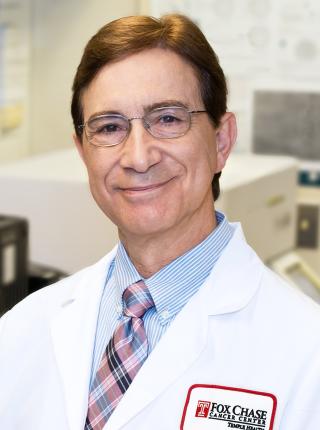
Joseph R. Testa is a Professor and Senior Member at Fox Chase Cancer Center, where he holds the Carol and Kenneth E. Weg Chair in Human Genetics. He serves as Chief of Genomic Medicine and Director of the Clinical Cytogenomics Laboratory within the Cancer Prevention and Control program. His research is centered on the molecular genetics of malignant mesothelioma and the oncogenic role of the AKT pathway. University: Fox Chase Cancer Center School: Cancer Prevention and Control Department: Genomic Medicine Academic Rank: Professor Dr. Testa’s research focuses on hereditary and somatic mutations in cancer, particularly in mesothelioma. He discovered germline mutations in the BAP1 gene, leading to the identification of the BAP1 tumor predisposition syndrome. His lab uses genetically engineered mouse models to study gene-environment interactions, tumor development, and preclinical drug testing. Key interests include AKT signaling, NF2 inactivation, and inflammation-driven oncogenesis. His work has revealed mechanisms of chemoresistance and potential therapeutic targets such as FAK and RIPK3. His recent publications (2020–2025) reflect a strong focus on molecular mechanisms in mesothelioma, T-cell lymphoma, and cancer immunology. Trends include the use of transgenic models, epigenetic regulation, and pathway crosstalk (e.g., Wnt, cholesterol synthesis). He actively explores immunogenicity, targeted therapy, and synthetic lethality in genetically defined cancers. Scientific awards include: AACR Most-Cited Article (2018) Pioneer Research Award, MARF (2013) Wagner Medal, IMIG (2012) Elected Fellow, AAAS (2012) Landon-AACR Innovator Award (2008) Irving Selikoff Award (1999) Dr. Testa has mentored numerous researchers and leads a multidisciplinary lab team. He has received continuous grant support for studies on mesothelioma genetics and signaling. His lab collaborates internationally, particularly in BAP1 syndrome research. He is an editorial board member for multiple journals and has served on the NCI Board of Scientific Counselors. His work bridges basic discovery and clinical translation, influencing genetic testing and therapeutic strategies. The Testa Lab includes key personnel such as Yuwaraj Kadariya, Eleonora Sementino, Ujjawal Shrestha, and Yinfei Tan, focusing on mouse models, cytogenetics, and molecular mechanisms of tumorigenesis.
Rikard Blunck is an Accredited Professor in the Department of Physics at the University of Montreal, affiliated with the Faculty of Arts and Sciences. His research focuses on ion channel biophysics, membrane protein dynamics, and structural biology. He employs advanced techniques like fluorescence spectroscopy, molecular dynamics simulations, and single-molecule imaging to study voltage-gated potassium channels, mechanosensitive channels, and disease-related mutations in ion channels. Key research interests include the structural determinants of ion channel function, mechanisms of channel inactivation, and the impact of genetic variants on channel physiology. His work spans from fundamental biophysics to clinical implications in neurology and cardiology, particularly in channelopathies linked to epilepsy, migraine, and ataxia. Notable contributions include studies on the Shaker Kv channel, TACAN pain sensors, and structural analysis of Kv2.1/Kv6.4 heterotetramers. His methodologies include voltage-clamp fluorometry, single-subunit counting, and computational modeling to probe conformational changes during channel activation and inactivation. Blunck has published extensively, with recent work investigating cooperative C-type inactivation mechanisms, KCNG4 genetic variants in migraine, and stoichiometry determinations of ion channel complexes. His research bridges molecular mechanisms with clinical applications, aiming to identify therapeutic targets for channel-linked disorders.
Dr. Sotirios Fragkostefanakis is the Head of the HeatStress-Lab at Goethe University Frankfurt's Faculty of Biological Sciences, Department of Molecular Cell Biology. His research focuses on plant stress biology, particularly heat stress responses and epigenetic regulation in crop resilience. As part of the RECROP COST Action, he leads efforts to enhance crop adaptation to climate change. His group investigates molecular mechanisms underlying cellular homeostasis and surveillance, leveraging plant models like tomato and Arabidopsis. Key topics include heat stress transcription factors, RNA splicing regulation, and epigenetic control of genome organization. Collaborations with international networks aim to translate fundamental discoveries into strategies for climate-smart agriculture. Dr. Fragkostefanakis chairs the RECROP initiative, fostering global research to improve crop resilience. His team's work has been recognized through awards, such as Zahide Aslan's Best Plant Science Master's Thesis prize for heat stress research. Labs under his leadership include the HeatStress-Lab and contributions to the RiboBio-Lab, DynaMem-Lab, and Cyano-Lab consortia.
Steven Woods is a Researcher in the Division of Cell Matrix Biology & Regenerative Medicine at the University of Manchester. His work focuses on molecular mechanisms governing chondrocyte function in skeletal development and diseases like osteoarthritis, with a focus on microRNA regulation and extracellular matrix proteins. He completed his PhD at Newcastle University under Prof. David Young and now works in Prof. Susan Kimber’s group, using patient-derived iPSCs to model cartilage diseases. His techniques include CRISPR-Cas9, RNA-seq, and optogenetic tools. Education: PhD in skeletal development pathways at Newcastle University (2014). Awards include the 2017 Cartilage Gordon Conference Oral Prize and 2016 UK MSC Best Presentation Award. He is a member of the British Society of Matrix Biology. Research interests span chondrogenesis, stem cell differentiation, and translational applications in regenerative medicine. His recent work explores optogenetic control of BMP signaling and graphene oxide’s effects on chondrocytes. Over 21 peer-reviewed publications and preprints address cartilage biology, disease modeling, and nanomaterial interactions.
Professor Bertie Göttgens is Director of the Cambridge Stem Cell Institute and holds the Chair of Molecular Haematology at the University of Cambridge. He leads a research group focusing on cellular decision-making in blood stem cells and leukaemia. His work integrates experimental and computational approaches, with key contributions to understanding blood development and leukaemia pathogenesis. Current research emphasizes stem cell differentiation dynamics, leukaemogenic mutations, and computational models of haematopoiesis. Education: DPhil in Biological Sciences from the University of Oxford (1994). Postdoc at the University of Cambridge (1994–2001). Subsequent roles included Leukaemia Research Fund Lecturer (2002–2007) and Reader in Haematology (2007–2011) before becoming full Professor in 2011. Research Interests: Mechanisms regulating blood stem cell function Functional consequences of leukaemogenic mutations Single-cell genomics and computational modelling of haematopoiesis Early blood development and progenitor cell differentiation Grants & Funding: Supported by MRC, Wellcome Trust, Blood Cancer UK, Cancer Research UK, NIH, and the Aging Biology Foundation. Over 40 publications in high-impact journals like Cell Stem Cell , Nature , and Nature Cell Biology . Labs/Teams: Directs the Göttgens Group at the Jeffrey Cheah Biomedical Centre, comprising 15+ researchers including PhD students and postdocs. Key lab members include Hiromitsu Harimoto, Tomoya Isobe, and Luke Harland.
Celine Valant is an Associate Professor (Research) in Drug Discovery Biology at Monash University's Faculty of Pharmacy and Pharmaceutical Sciences. She holds a concurrent Post-doctoral Fellow position within the Monash Institute of Pharmaceutical Sciences. Her research focuses on muscarinic acetylcholine receptors (mAChRs), GPCRs, and allostery, with applications to neurocognitive disorders, schizophrenia treatment, and gastrointestinal motility disorders. Valant has led multiple projects including investigations into M4 muscarinic receptor modulation for schizophrenia (2023-2026) and endogenous opioids for gut disorders (2023-2026). She has published extensively in journals like Journal of Medicinal Chemistry and British Journal of Pharmacology , with recent work emphasizing biased agonism, allosteric modulator design, and receptor structural biology. Her awards include the 2015 Citation Award and 2012 Denis Wade Johnson & Johnson New Investigator Award. Valant has reviewed for ACS Chemical Biology and organized events like the 2018 MP-GPCR conference. Current research themes include M1/M4 receptor therapeutic potential, ligand-directed signaling, and GPCR structural dynamics.
Jocelyn Côté is a Full Professor in the Department of Cellular and Molecular Medicine at the University of Ottawa, holding a concurrent role as Assistant Dean, Research and Special Projects in the Faculty of Medicine. His research focuses on the role of arginine methylation in RNA-binding proteins and its implications in neurodevelopmental disorders, neuromuscular diseases, and cancer. He leads studies on the molecular pathways underlying spinal muscular atrophy, myotonic dystrophy, and cancer progression, with particular emphasis on Tudor domain-containing proteins and PRMT enzymes. Education: B.Sc. Biochemistry (Université de Sherbrooke, 1992), Ph.D. Molecular Biology (Université de Sherbrooke, 1998), Postdoctoral Fellowships at Washington University and McGill. Research interests include: (1) arginine methylation regulation in RNA processing, (2) Tudor domain protein functions in disease, and (3) cancer-related epigenetic pathways. His work integrates cell biology, molecular genetics, and proteomics to identify novel therapeutic targets. Publications emphasize RNA biology and disease mechanisms, with recent work highlighting Staufen1's role in myotonic dystrophy and PRMT7's contribution to breast cancer metastasis. While no awards are explicitly listed, his research has implications for neuromuscular and oncological therapies. He collaborates with the Centre for Neuromuscular Diseases and the uOttawa Brain & Mind Research Institute, advancing translational research in neurodegenerative and neuromuscular disorders.