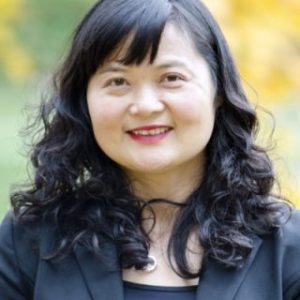
Guofang Li is a Professor in the Department of Language and Literacy Education at the Faculty of Education, affiliated with the Centre for Early Childhood Education & Research (CECER). Her work centers on bilingual development and literacy education within multicultural contexts, particularly focusing on Chinese-Canadian communities. Her research interests include: Early bilingual development Family literacy practices Early literacy instruction methodologies Early education for minority learners Teacher education for multilingual classrooms Analysis of her 2021-2025 publications reveals a concentrated focus on Chinese-Canadian children's bilingual development, examining home literacy environments, digital technology impacts, and pandemic-related disruptions. She consistently advocates for equity-focused approaches in superdiverse educational settings, emphasizing translanguaging practices and critical perspectives on linguistic justice. Scientific Awards: No awards explicitly mentioned in source materials Advising and Grants: No specific student names or grant information provided in source materials Labs and Teams: Centre for Early Childhood Education & Research (CECER): An interdisciplinary hub facilitating collaborative research between academics, educators, and community partners focused on advancing evidence-based early childhood education practices through longitudinal studies and community-engaged projects.
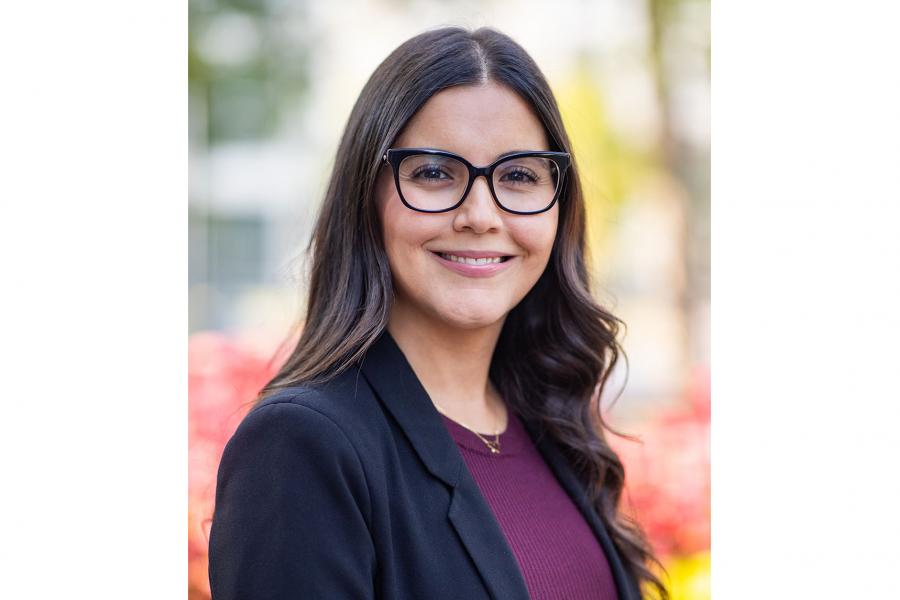
Dr. Laura Pacheco is an Assistant Professor at the School of Social Work at Memorial University. She holds a BSW and MSW from McGill University and a PhD in Rehabilitation Medicine from the University of Alberta. Her research focuses on reproductive justice, intellectual disability and parenting, structural violence against women with disabilities, neurodiversity in aging, and social justice within health and social service systems. She has conducted post-doctoral work on support needs for parents with intellectual disabilities and has been a clinician, advocate, and program coordinator in parenting services for over 14 years. She teaches courses emphasizing critical social work practice, anti-oppression, and disability studies. Her funded research includes studies on neurodiverse aging (2020–2023) and service pathways for parents with intellectual impairments (2018–2021). She is an executive member of the International Association on the Scientific Study of Intellectual Disability (IASSIDD) and has contributed to international workshops and conferences. Her work bridges academic research with community engagement, advocating for systemic equity and inclusive policies.
Laurie Ford is an Associate Professor at the University of British Columbia , affiliated with the Faculty of Education and the Department of Educational and Counselling Psychology, and Special Education . She serves as the SACP Admissions Coordinator , Director of Training , and Director of Early Childhood Education . Her work bridges Child and Adolescent Development with Family-School-Community Partnerships , emphasizing culturally responsive practices. Dr. Ford’s research focuses on Early Childhood Assessment , Multi-disciplinary Teams , and Supporting Vulnerable Populations , including immigrants, refugees, and children with chronic health conditions like IBD. She leads the Children, Families, and Communities Lab , where students explore topics such as Cognitive Assessment , Family Engagement , and Community-level Child Development . Her recent publications analyze psychometric tools in diverse populations, assessment feedback communication, and community factors influencing child development. She has presented nationally and internationally on topics like Indigenous Family Engagement and School Belonging for Refugee Students . Dr. Ford has supervised over 75 graduate theses and collaborates with global institutions, including the University of Melbourne on the KIDS in Communities Study (KICS) . Current projects examine school belonging for immigrant/refugee families , supporting children with inflammatory bowel disease , and cross-national assessment norms . She advocates for collaborative approaches to address Early Childhood Mental Health and Multi-cultural Considerations in educational environments.
K.S. Joseph is a Professor in the Department of Obstetrics & Gynaecology at the University of British Columbia, Faculty of Medicine, and an active staff member at BC Women's Hospital. He is affiliated with the BC Children's Hospital Research Institute and contributes to the department's Maternal Fetal Medicine and Reproductive Endocrinology & Infertility divisions. His research focuses on maternal and child health outcomes, reproductive epidemiology, and population health sciences. Key areas include: Women's and Children's Health Sciences Reproductive and Developmental Sciences Population and Public Health Dr. Joseph supervises graduate students in thesis-based programs including Master of Science and Doctor of Philosophy degrees in Population and Public Health and Women+ and Children's Health Sciences, as well as the dual Master of Public Health and Master of Science in Nursing program. He maintains active involvement in the department's educational initiatives and research supervision within UBC's Graduate and Postdoctoral Studies framework, with program affiliations spanning Reproductive and Developmental Sciences, Population and Public Health, and Women+ and Children's Health Sciences.
Dr. Nancy L. Sin is an Associate Professor in the Department of Psychology within the Faculty of Arts at the University of British Columbia. She teaches undergraduate and graduate courses in health psychology and supervises students at multiple levels. She is Co-Chair of the Antiracism Task Force for the Society for Biopsychosocial Science and Medicine and a member of the Steering Committee at the UBC Edwin S.H. Leong Centre for Healthy Aging. Previously, she served on the Executive Committee for the American Psychological Association's Division on Adult Development and Aging and established the Diversity Mentorship Program. PhD, University of California, Riverside, 2012 Dr. Sin's research focuses on biological and behavioural pathways linking daily well-being and stress to health. Her work demonstrates that emotional responses to daily stressors are associated with inflammatory, neuroendocrine, and autonomic mechanisms implicated in aging-related conditions like cardiovascular disease. She investigates daily positive events as protective factors for stress processes and health, with particular interest in emotional well-being and aging, stress-sleep cycles, and health equity. Her research spans multiple disciplines including health psychology, gerontology, and social psychology. Analysis of Dr. Sin's recent publications reveals consistent focus on daily stress processes, positive emotions, and health outcomes across the lifespan. Her work increasingly examines pandemic-related stressors, social determinants of health, and health disparities, with strong emphasis on methodological rigor through daily diary and longitudinal approaches. The publications demonstrate interdisciplinary collaboration across psychology, public health, and medicine, with growing attention to diversity, equity, and inclusion in health research. Distinguished Alumni Award, Department of Psychology, University of California, Riverside (2025) Fellow, Gerontological Society of America (2025) Innovative Research on Aging Award (Bronze Award) from the Mather Institute (2021) Michael Smith Foundation for Health Research Scholar (2020) Springer Early Career Achievement Award in Research on Adult Development and Aging (2019) Gerontological Society of America's Behavioral and Social Sciences Student Research Award Editor's Choice article at Annals of Behavioral Medicine Dr. Sin actively supervises undergraduate, MA, and PhD students, with a current focus on Health Psychology graduate students specializing in adult development and aging, stress, and health equity/disparities. Her research has been supported by significant grants as PI or Co-I from the U.S. National Institute on Aging, Social Sciences and Humanities Research Council of Canada, Canadian Institutes of Health Research, Canada Foundation for Innovation, and the Michael Smith Foundation for Health Research. She has established a strong research program examining daily experiences and their health implications across adulthood. Dr. Sin directs the UPLIFT Health Lab (Understanding Pathways Linking Inter- and Intraindividual Factors To Health), which explores psychosocial well-being and biobehavioural mechanisms underlying healthy aging. The lab investigates how daily positive events promote health through lower inflammation, adaptive cortisol profiles, and better health behaviors, with particular attention to how positive emotions buffer stress processes. The lab actively recruits community participants for studies on daily experiences and health, contributing to intervention development for promoting psychological and physical well-being across adulthood.
Rasha Baruni is an Assistant Professor in the Department of Psychology at the University of Manitoba's Faculty of Arts. She teaches courses including Seminar in Behaviour Modification (PSYC 4540/8240) and Seminar in Basic Operant Research (PSYC 4540/8270). Her academic background includes a PhD in Applied Behaviour Analysis from the University of South Florida (2023), an MS in Applied Behaviour Analysis from St. Cloud State University (2012), and a BA Honours in Psychology from York University (2007). PhD (Applied Behaviour Analysis), University of South Florida, 2023 MS (Applied Behaviour Analysis), St. Cloud State University, 2012 BA Honours (Psychology), York University, 2007 Baruni's research focuses on applied behavior analysis for child safety , particularly in digital environments. She develops and evaluates behavioral skills training (BST) and conjugate reinforcement schedules to address physical and digital safety threats (e.g., firearms, social media risks). Her work extends to staff training methodologies and procedural fidelity in intervention implementation. Recent publications analyze conjugate reinforcement dynamics, remote safety training efficacy, and BST adaptations. Research trends show emphasis on digital safety threats , cross-cultural interventions , and technology-assisted training for both children and practitioners. She actively explores ways to improve stakeholder accessibility to safety programs. Currently accepting Master’s and PhD students, Baruni collaborates with international institutions on behavioral safety initiatives and maintains active research connections through platforms like Google Scholar and ResearchGate.
Dr. Steven P. Miller is a Professor and Head of the Department of Pediatrics at the University of British Columbia's Faculty of Medicine. He also serves as the Chief of Pediatric Medicine at BC Children's Hospital & Sunny Hill Health Centre under the Provincial Health Services Authority. Additionally, he holds the Hudson Family Hospital Chair in Pediatric Medicine and is an Investigator at BC Children's Hospital. Dr. Miller's research focuses on neonatal neurology, particularly brain development and injury in newborns. His work utilizes advanced magnetic resonance techniques and bedside brain monitoring to understand how a baby's critical care experience influences their risk of brain injury and developmental trajectory. His research areas include birth defects, concussion, preterm labor, and steroid effects on neonatal brain development. Analysis of Dr. Miller's recent publications reveals a strong emphasis on understanding the relationship between neonatal pain exposure, analgesia, and brain development in preterm infants. His work also extensively examines neurodevelopmental outcomes in infants with congenital heart disease, exploring how fetal hemodynamics, surgical interventions, and brain imaging findings correlate with long-term cognitive outcomes. A significant portion of his research investigates the impact of socioeconomic status on brain development and neurocognitive outcomes in preterm infants. Dr. Miller is actively involved in graduate education, supervising students in Neuroscience and Women+ and Children's Health Sciences programs at UBC. His research group, part of the Brain, Behaviour & Development Research Theme and the Neurodevelopmental and Neurological Disorders Visualizing the Brain Research Group, has published extensively in top-tier journals across neurology, pediatrics, and neuroscience.
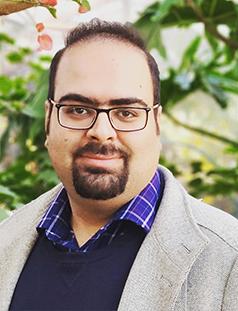
Dr. Mohsen Yoosefzadeh Najafabadi is an Assistant Professor in the Department of Plant Agriculture at the University of Guelph, Ontario Agricultural College. He holds a PhD in Plant Breeding from the University of Guelph (2022), following M.Sc. and B.Sc. degrees from the University of Tehran. His research focuses on dry bean breeding, computational biology, and integrating omics technologies to enhance crop resilience and productivity. Key areas include developing stress-tolerant dry bean varieties, leveraging remote sensing for trait prediction, and optimizing genomic selection methods. He leads the Dry Bean Breeding & Computational Biology Program and has contributed to over 30 peer-reviewed publications since 2017. Education : PhD, Plant Breeding, University of Guelph (2022) M.Sc., University of Tehran B.Sc., University of Tehran Research interests emphasize computational tools development (e.g., AllInOne preprocessing framework), omics-based selection strategies, and non-Mendelian heredity mechanisms. His lab combines machine learning with field phenotyping to address agricultural challenges such as disease resistance and climate adaptation. Collaborative projects include soybean cold stress analysis and cannabinoid profile prediction in cannabis. Publications span genomic approaches to crop improvement, remote sensing applications, and transcriptomic studies. He teaches courses in plant breeding methodologies and actively engages in technology transfer initiatives. Lab activities include developing high-yielding dry bean cultivars resistant to biotic/abiotic stresses and advancing data-driven pipelines for crop breeding. Future work aims to synergize AI with multi-omics data to enhance crop resilience in diverse environments.
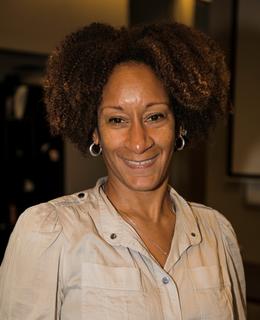
Dr. Jennifer Adams is a Professor at the University of Calgary with dual appointments in the Werklund School of Education and the Faculty of Science’s Department of Chemistry. She holds a Tier II Canada Research Chair in Creativity, Equity, and STEMM. Her work focuses on equity in STEM education, postsecondary faculty education, and transdisciplinary approaches. Dr. Adams earned her PhD in Urban Education from The Graduate Center, CUNY, and has prior roles including Associate Professor at Brooklyn College and leadership in informal science institutions like the American Museum of Natural History. Education: PhD Urban Education (2006), MS Nutrition (1996), MA Education (1995), BA (not specified) Her research emphasizes anti-deficit and justice-oriented pedagogies, with a focus on marginalized communities. Key areas include racial equity in STEM, sociocultural theory, and critical transdisciplinary methods. Dr. Adams leads the Creativity, Equity, and STEM Lab, advancing equity through community-based and arts-infused approaches. She edits academic journals such as the International Journal of Informal Science and Environmental Learning and has collaborated on projects like the Resilient Schools Consortium (RiSC). Recent publications explore belonging in STEM, anti-racist education frameworks, and transdisciplinary methodologies. Her work bridges formal and informal learning environments to address systemic inequities. Dr. Adams actively engages in policy advocacy and community partnerships to foster inclusive STEM ecosystems globally.
Dr. Lauren Emberson (she/her/hers) is an Associate Professor in the Department of Psychology at the University of British Columbia, Faculty of Arts. She directs the Baby Learning Lab, which is part of UBC's Early Development Research Group, a consortium focused on infant and child development. Prior to her position at UBC, Dr. Emberson was an Assistant Professor at Princeton University where she co-founded and co-directed the Princeton Baby and Princeton Kid Labs. Education: Postdoctoral Associate, University of Rochester (PI Aslin) Ph.D, Cornell University (PIs Amso, Goldstein, Spivey) B.Sc, University of British Columbia Dr. Emberson's research focuses on learning, perception (audition, vision, crossmodal or multisensory), language development, face/object perception, and attention in infants. She investigates these capacities using behavioral and neuroimaging techniques, particularly fNIRS (functional near infrared spectroscopy), working primarily with very young infants (birth through 1 year) and preterm/premature infants. Her work examines how infants' learning capacities contribute to rapid development of perception in ecological contexts, with implications for understanding how early life experiences affect later outcomes. Analysis of Dr. Emberson's recent publications reveals a consistent focus on infant perception, learning mechanisms, and neuroimaging methodology. Her work increasingly incorporates advanced fNIRS techniques while maintaining focus on fundamental questions about how infants learn from their environment. There's a growing emphasis on individual differences, cross-cultural comparisons, and applications to infants facing developmental challenges. Dr. Emberson serves on the editorial board of Infancy (journal of the International Congress of Infancy Studies) and is a consulting editor for the Journal of Cognitive Neuroscience . Her research has been published in top journals including PNAS, Current Biology, Psychological Science, Cognition, Developmental Science, and the Journal of Neuroscience. Dr. Emberson has secured significant research funding from prestigious organizations including the Bill and Melinda Gates Foundation, James S. McDonnell Foundation, Natural Sciences and Engineering Research Council (NSERC), Canadian Institutes of Health Research (CIHR), and the National Institutes of Health (NIH). She collaborates with clinicians at BC Women's and Children's Hospitals to understand how different early life experiences impact learning and brain development. Dr. Emberson is currently accepting graduate students into her research program. The Baby Learning Lab, under Dr. Emberson's direction, is part of UBC's Early Developmental Research Group and collaborates with multiple institutions. The lab strives to provide interactive research experiences for infants and families while advancing scientific understanding of early cognitive development. The lab acknowledges that it operates on the traditional, ancestral, and unceded territory of the xʷməθkʷəy̓əm (Musqueam) people.
Rachelle Hole is a Professor at the School of Social Work, Faculty of Health and Social Development, University of British Columbia Okanagan. She serves as the Director of the Canadian Institute for Inclusion and Citizenship (CIIC) and leads the Social Inclusion and Equity Research Cluster at the Institute for Community Engaged Research. As an Associated Health Researcher with CREST.BD, she bridges mental health and disability studies through community-based participatory research. UBC Tier 1 Principal's Research Chair in Critical Disability Studies Director, Canadian Institute for Inclusion and Citizenship Social Inclusion and Equity Research Cluster Leader Associated Health Researcher, Collaborative RESearch Team (CREST.BD) Her research integrates critical disability studies with community-based participatory methodologies to advance social inclusion for marginalized populations, particularly focusing on individuals with intellectual/developmental disabilities, Indigenous communities, and bipolar disorder patients. She explores employment equity, self-advocacy, and digital health tools like the PolarUs app for mental health. Her work emphasizes ethical participatory theatre and policy-informing research. Recent publications and grants (2018–2025) include multi-million-dollar partnerships with Canadian Institutes for Health Research, Social Sciences and Humanities Research Council, MITACS, and Vancouver Foundation. Key projects: Tide Project (youth employment), Impact 2.0 (summer employment), and Evidence to Inform Policy (community living sector). Her 15 most recent Google Scholar articles span employment barriers, digital health, research-based theatre, and policy analysis. Scientific awards include UBC Okanagan Health Researcher of the Year (2019). She has supervised numerous graduate students and collaborated with institutions like Community Living British Columbia, Aspire, and CREST.BD.
Stephen D. Hart is a Full Professor in the Department of Psychology at Simon Fraser University, with expertise in clinical-forensic psychology. His work focuses on assessment in criminal and civil settings, particularly violence risk and psychopathic personality disorder. He has also served as a Visiting Professor at the University of Bergen since 2000 and provides violence risk assessment and management services through Protect International Risk and Safety Services. Dr. Hart completed his education at the University of British Columbia, obtaining a BA in 1984, MA in 1987, and PhD in 1993. He began teaching at Simon Fraser University in 1990 and was appointed a regular faculty member in 1994. His primary research interest is clinical-forensic assessment, with specific focus on violence risk (including intimate partner violence, sexual violence, stalking, workplace violence, and terrorism) and psychopathic personality disorder. He co-developed the Structured Professional Judgment (SPJ) approach to violence risk assessment and has co-authored numerous SPJ violence risk assessment guides including HCR-20, RSVP, SVR-20, SARA, B-SAFER, SAM, PATRIARCH, MLG, and EARLI. He also developed the Comprehensive Assessment of Psychopathic Personality (CAPP) concept map with colleagues at Glasgow Caledonian University and the University of Liverpool. His publication record shows consistent output with significant contributions to understanding violence risk assessment across cultures and settings, as evidenced by his work on cases like Ewert v. Canada. His recent publications focus on economic analysis of crime costs associated with psychopathic personality disorder, stalking recidivism, and online stalking behaviors. Distinguished Contributions Award, American Academy of Forensic Psychology (2019) Distinguished Achievement Award, Association of Threat Assessment Professionals (2009) Career Achievement Award, Section on Clinical Emergencies and Crises (Section VII) of the Society of Clinical Psychology (2003) Jerome Fisher Memorial Lecture Award (2001) Saleem Shah Award for Early Career Research Excellence (1995) Dr. Hart has supervised numerous graduate and undergraduate students at Simon Fraser University and other institutions, and has acted as external examiner for graduate students worldwide. His research has received substantial funding, enabling the development and validation of multiple assessment instruments that have become standards in forensic practice. He has also served as Editor of the Journal of Threat Assessment and Management, further demonstrating his leadership in the field. Dr. Hart leads or significantly contributes to research teams focused on violence risk assessment and psychopathy assessment, collaborating with international colleagues across multiple disciplines including psychology, psychiatry, criminology, and law. His work bridges academic research and practical application in forensic settings globally.
Gilles Hickson is a Full Professor at the Université de Montréal’s Faculty of Medicine, Department of Pathology and Cell Biology. He is affiliated with the Azrieli Research Center at CHU Sainte-Justine and serves as Deputy Director of Academic Affairs, Co-director of the Microscopy Imaging Platform, and responsible for the Molecular Biology Program. His research focuses on understanding molecular mechanisms of cytokinesis, particularly the transition from contractile rings to midbody rings, and the roles of anillin, septins, and actomyosin dynamics in cell division using Drosophila as a model. His work has implications for cancer biology and drug development. Education: BSc (Manchester), PhD (University of Glasgow), Postdoctoral training (UCSF). Research Interests: Cytokinesis mechanisms, cytoskeletal coordination, cell division errors in cancer, and developmental variations in cytokinesis. His awards include the FRQS Senior Researcher Fellowship and multiple grants from CIHR and NSERC. He supervises graduate students and has mentored over a dozen researchers. His lab employs genetic tools and high-resolution microscopy to dissect cytokinesis machinery. He also contributes to teaching, including courses in molecular medicine and microscopy. Awards: Komen Postdoctoral Fellowship, Leukemia & Lymphoma Special Fellow, Cole Foundation Transition Award. Grants: Ongoing CIHR and NSERC funding (2022–2027) for cytokinesis research. Hickson collaborates with institutions like the CHU Sainte-Justine and leads projects on cytokinesis networks, septin assembly, and actomyosin coordination. His lab is part of the Azrieli Center and the Microscopy Imaging Platform.
Aurélie Labbe is a Full Professor in the Department of Decision Sciences at HEC Montréal, holding the prestigious FRQ-IVADO Chair in Data Science. Appointed as Co-Scientific Director – Academic Partnerships at IVADO in October 2023, she plays a key leadership role in establishing connections between IVADO and partner universities. Her academic journey includes a PhD in Statistics from the University of Waterloo, a Master's degree in Statistics from the University of Montreal, and dual Bachelor's degrees in Applied Mathematics and Social Sciences from Paris-Dauphine University and Pure Mathematics from Versailles-St Quentin University. Her research spans multiple interdisciplinary domains with a focus on developing advanced statistical and machine learning methodologies for big data analysis. Labbe's work bridges theoretical statistics with practical applications across diverse fields including genomics, neuroscience, transportation systems, and health informatics. She has made significant contributions to kernel methods, matrix factorization techniques, random forest applications, and spatiotemporal data analysis, with publications appearing in top journals across multiple disciplines. Analyzing her recent publications reveals a clear trend toward methodological innovation applied to complex real-world problems. Her work demonstrates expertise in handling high-dimensional data from diverse sources including neuroimaging, transportation networks, and genomic studies. The interdisciplinary nature of her research connects statistical theory with applications in healthcare, transportation safety, and biological sciences, reflecting her ability to develop methods that address domain-specific challenges while advancing statistical methodology. Holder of the FRQ-IVADO Chair in Data Science Member of the Center for Mathematical Research Training Professor Labbe actively mentors the next generation of data scientists, supervising numerous doctoral and master's students. Her supervision portfolio includes 1 doctoral thesis (2023), 4 master's theses (2022-2024), and 32 supervised projects spanning 2019-2025. Her students' work covers diverse applications including transportation safety, healthcare analytics, financial modeling, and environmental analysis. Through her leadership of the FRQ-IVADO Chair in Data Science, she coordinates research activities that integrate mathematical, statistical, and computer science expertise with domain knowledge from various data-generating fields. As Co-Scientific Director at IVADO, Professor Labbe leads efforts to establish connections with faculties and departments across five partner universities, integrating them into IVADO's research and knowledge transfer activities. Her leadership role positions her at the forefront of advancing data science research and applications in Quebec's academic ecosystem.
Dr. Eunice Eunhee Jang is a Professor in the Department of Applied Psychology and Human Development at the Ontario Institute for Studies in Education (OISE), University of Toronto. Her research focuses on synergistic learner modeling, dynamic assessment systems, and the intersection of language testing with educational measurement. PhD with specializations in language testing, educational measurement, and program evaluation Develops interactive digital assessment interfaces for struggling readers Author of "Focus on Assessment" (2014) and co-author of OECD Reviews on Evaluation and Assessment in Education Research Interests Dr. Jang's work explores prismatic assessment analytics to understand learner potential and predict learning pathways. She integrates natural language processing and machine learning to create diagnostic feedback systems that support cognitive, metacognitive, and affective growth in technology-rich classrooms. Scientific Awards Jacqueline Ross TOEFL Dissertation Award Caroline Clapham IELTS Master’s Award Tatsuoka Measurement Award Professional Contributions She has served on major advisory boards including EQAO provincial assessments and TOEFL Committees of Examiners. Currently, she is an elected board member for the International Language Testing Association and contributes to the Broader Measures of Success Advisory Committee for People for Education.