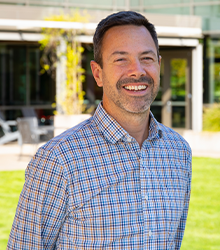
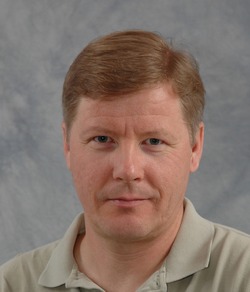
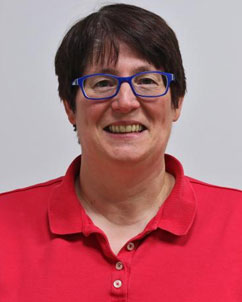
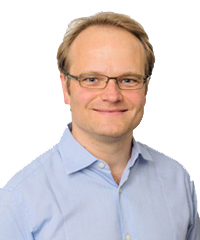
Dr. Ben Clarke is an Associate Professor and Department Head of Special Education and Clinical Sciences at the University of Oregon’s College of Education. His research focuses on mathematical development, assessment systems, and school-based interventions to support student achievement. He has led over 20 federally funded grants totaling ~$55 million, emphasizing early numeracy interventions and multi-tiered instructional models. Clarke’s work bridges theory and practice, with publications on mathematics instruction, assessment, and RTI frameworks. Education: PhD (2002), MA (2001) in School Psychology/Special Education from University of Oregon; BS (1997) in Psychology from Wabash College (Phi Beta Kappa). Research Interests: Mathematics intervention design and efficacy Early numeracy assessment Multi-tiered systems of support (MTSS) Technology in education Equity in mathematics education Publications highlight his focus on intervention fidelity, tiered models, and outcomes for students with learning difficulties. Awards include the AERA Special Education SIG Research Award and recognition for academic excellence. Grants and Advising: Principal Investigator on ~$55M in federal grants; advises graduate students in School Psychology and Special Education. His lab develops evidence-based tools like the KinderTEK iPad program and contributes to national practice guides (e.g., IES RTI for Mathematics). Labs/Teams: Leads research teams focused on early mathematics intervention and MTSS implementation, collaborating with schools and policymakers to scale effective practices.
Risto Miikkulainen is a Professor of Computer Science and Neuroscience at the University of Texas at Austin and VP of AI Research at Cognizant AI Lab. He directs the UTCS Neural Networks Research Group and is currently on leave from UT, working on Evolutionary Computation and Deep Learning at Sentient Technologies, Inc. Education: Ph.D. in Computer Science, UCLA, 1990 M.S. in Applied Mathematics, Helsinki University of Technology (now Aalto University), 1986 Risto Miikkulainen's research focuses on biologically-inspired computation such as neural networks and evolutionary computation. His work spans three main areas: (1) Neuroevolution, evolving complex deep learning architectures and recurrent neural networks for sequential decision tasks in robotics, games, and artificial life; (2) Cognitive Science, developing models of natural language processing, memory, and learning that shed light on disorders such as schizophrenia and aphasia; and (3) Computational Neuroscience, studying the development, structure, and function of the visual cortex, episodic memory, and language processing. His research combines theoretical understanding of biological information processing with practical applications for developing intelligent artificial systems. His recent publications (2025) show a strong focus on evolutionary approaches to AI development, particularly in neural architecture search, loss function optimization, and explainable AI. Many papers explore the intersection of evolutionary computation with deep learning, creating more efficient and transparent AI systems. His work spans theoretical foundations and practical applications in areas ranging from environmental control systems to cognitive modeling. Scientific Awards: College of Fellows, International Neural Network Society, 2024 Best Pathway to Impact Award, NeurIPS Climate Change workshop, 2024 AAAI Fellow, 2023 IEEE CIS Evolutionary Computation Pioneer Award, 2020 Gabor Award, International Neural Network Society, 2017 Outstanding Paper of the Decade Award, International Society for Artificial Life, 2017 IEEE Fellow, 2016 Multiple Best Paper Awards at GECCO, CIG, and CEC conferences Deployed Application Award, AAAI/IAAI-2013, AAAI/IAAI-2018 Miikkulainen has extensive experience mentoring students through undergraduate research courses like CS378 Computational Intelligence in Game Design I and II, where students develop independent research projects on the OpenNERO research platform. He has received multiple awards for deployed applications, demonstrating the practical impact of his research. His work has led to the development of the NERO game platform, which serves as both an educational tool and research platform for AI. He directs the UTCS Neural Networks Research Group, which focuses on neuroevolution, cognitive science models, and computational neuroscience. The group has developed the NERO (Neuro-Evolving Robotic Operatives) platform, a machine learning game that allows users to train intelligent agents through evolutionary computation. The group's work spans theoretical research and practical applications in AI, with connections to both academic and industry partners.
Silvia Santos is a Group Leader at the Francis Crick Institute, leading the Quantitative Stem Cell Biology Lab since January 2018. Her research focuses on understanding cell decision-making during transitions, specifically cell division and differentiation in early development using human embryonic stem cells. She combines experimental techniques with theoretical approaches, including advanced microscopy, genomics, and computational modeling. Education and Career: PhD in Molecular and Cell Biology from EMBL-Heidelberg (2008), followed by postdoctoral training at Stanford University (2009-2014). She held an MRC Career Development Award at Imperial College London (2014-2017) before joining the Crick. Her work emphasizes interdisciplinary methods to study cellular processes in health and disease. Research Interests: Spatial-temporal control in cell decisions, stem cell differentiation, cell cycle regulation, and modeling embryonic development. She advocates for women in science and mentorship programs for early-career researchers. Key Achievements: Recipient of Marie Curie E-Star, EMBO, and HFSP fellowships. Recognized with the BioModels’ Model of the Year 2023 for contributions to systems biology. Her lab develops models like gastruloids to study embryonic development. Grants and Mentorship: Supported by MRC and other grants. Committed to fostering excellence in training and mentorship, previously chairing mentorship initiatives at Imperial College London. Labs and Teams: Quantitative Stem Cell Biology Lab at the Crick, collaborating with interdisciplinary teams on projects involving proteomics, genomics, and high-throughput screening.
Beth St. Jean is an Associate Professor and Faculty Director of the Carillon Community in Health Justice at the University of Maryland’s College of Information Studies (College Park). She holds a PhD and MS in Information from the University of Michigan School of Information and a BA in Mathematics from Smith College. Her research focuses on improving health outcomes through understanding health-related information behaviors, health literacy, and self-efficacy. She co-authored Understanding Human Information Behavior (2021) and leads projects like HackHealth to enhance youth health literacy. Education: PhD in Information, University of Michigan School of Information (2012) MS in Information (LIS), University of Michigan School of Information (2006) BA in Mathematics, Smith College (1988) Research Interests: Health informatics, health justice, consumer health information behavior, health literacy, youth digital practices, and information literacy. Her work emphasizes addressing health disparities through information access and education. Recent Research Trends: Her publications explore topics like long-haulers’ information needs (2024), pandemic-era health justice (2023), and social media’s role in predicting health disparities (2022). She also investigates patient-generated health data challenges (2022) and library roles in promoting health equity (2020). Awards and Recognition: ASIS&T SIG-USE Innovation Award (2017) ACM SIGCHI Excellent Reviewer (2017) ALISE/LMC Paper Award (2015) Beta Phi Mu/LRRT Research Award (2014) Teaching and Grants: Teaches courses on information behavior, research methods, and consumer health informatics. Co-PI on grants like HackHealth 2.0 (NIH, $123K) and youth health literacy initiatives ($68.5K). Also serves as Assistant Director of the Information Policy & Access Center and Senior Fellow at CASCI. Labs and Initiatives: Leads the Carillon Community in Health Justice and collaborates on projects like the HackHealth after-school program to engage disadvantaged youth in health entrepreneurship.
Rainer Watermann is a Full Professor for Empirical Research in Education at the Free University of Berlin since 2011, previously serving as Full Professor for Education and Empirical Research in Schools at Georg-August University of Göttingen (2005-2011). His academic career includes significant research positions at the Max Planck Institute for Human Development in Berlin (1997-2005). Watermann earned his Diploma in Educational Science from the University of Münster (1996), followed by a Dr. phil (2002) and Habilitation (2005), both from Freie Universität Berlin. His educational background established the foundation for his extensive research in educational transitions and disparities. His research focuses on educational transitions, particularly from primary to secondary school and into higher education, examining motivational factors, social background influences, and achievement goal development. Watermann's work consistently addresses how social disparities affect educational opportunities and outcomes, with particular attention to gender differences and longitudinal developmental patterns. His methodological expertise includes latent class analysis, structural equation modeling, and large-scale assessment design. Watermann's publication portfolio reveals consistent research trajectories examining motivational frameworks (particularly expectancy-value theory), educational transitions, social disparities in education, and political socialization. His work spans both theoretical development and practical applications for educational policy and practice, with increasing focus on intervention effectiveness in recent years. As an active member of the academic community, Watermann serves on multiple editorial boards including the Swiss Journal for Educational Sciences and Empirical Educational Science , and regularly reviews for major educational and psychological journals. He has also contributed to significant research centers, including serving as spokesman for the Center for Empirical Research on Teaching and Learning in Schools (ZeUS) at the University of Göttingen (2008-2010). Watermann maintains an active research program with numerous collaborations across Germany and internationally, evidenced by his consistent publication record through 2025. His work bridges educational psychology, sociology of education, and policy-relevant research, maintaining strong connections between theoretical frameworks and practical educational contexts.
Dana Pe'er is a Professor and Chair of the Computational and Systems Biology Program at the Sloan Kettering Institute (SKI) of Memorial Sloan Kettering Cancer Center. She is also an Investigator of the Howard Hughes Medical Institute and holds the Alan and Sandra Gerry Endowed Chair. Dr. Pe'er leads an interdisciplinary research group that combines advanced genomics approaches with machine learning to address fundamental questions in biomedical science, with particular focus on cancer biology, developmental biology, and immunology. Dr. Pe'er earned her PhD from Hebrew University in Jerusalem, Israel. Her academic journey includes a postdoctoral fellowship with George Church at Harvard Medical School. Before joining Memorial Sloan Kettering Cancer Center in 2016, she held faculty positions at Columbia University. Dr. Pe'er's research focuses on understanding cellular plasticity, the consequences of intra-tumor heterogeneity, cancer evolution and metastasis, and the mechanisms by which regulatory circuits go awry in disease. Her lab combines single-cell and spatial profiling technologies with machine learning approaches to investigate gene regulation, cellular plasticity, and cell-cell communication in the contexts of cancer, immunity, and development. They are particularly interested in how organisms develop from a single cell to generate diverse cell types, how epigenetic control rewires during development, and how cells communicate to execute multicellular responses. Analysis of Dr. Pe'er's recent publications reveals a strong focus on developing computational methods for single-cell and spatial genomics data analysis. Her work spans cancer types including pancreatic, prostate, colorectal, and breast cancer, with emphasis on tumor heterogeneity, metastasis mechanisms, and cellular plasticity. A significant portion of her research involves creating novel algorithms and tools like CellRank, REUNION, and SEACells that enable researchers to extract meaningful biological insights from complex genomic datasets. 2023 Class of 2023 Inductee - American Academy of Cancer Research (AACR) Academy 2023 Innovator Award - International Society for Computational Biology (ISCB) 2021 Fellow - International Society for Computational Biology (ISCB) Howard Hughes Medical Institute Investigator (2021) 2019 Ernst W. Bertner Memorial Award - University of Texas MD Anderson Cancer Center 2016 Lenfest Distinguished Faculty Award - Columbia University 2014 Director's Pioneer Award - National Institutes of Health 2014 Overton Prize - International Society for Computational Biology (ISCB) Dr. Pe'er is known for her dedicated mentorship approach, describing herself as "a mama bear" who cares deeply about her trainees while expecting independence, innovation, and hard work. She mentors numerous PhD students and postdocs in her lab. Her HHMI Investigator award provides approximately $9 million over seven years, enabling ambitious research directions. She also collaborates extensively with the Single-cell Analytics and Innovation Lab (SAIL) at MSK to generate new data from emerging technologies, working closely with wet-lab collaborators at MSK and beyond to apply computational methods to cutting-edge datasets across multiple disease areas. The Pe'er Lab is an interdisciplinary group of computational biologists with diverse backgrounds ranging from pure mathematics to clinical medicine. They work closely with wet-lab collaborators to apply their computational methods to cutting-edge datasets across cancer, immunology, and developmental biology. The lab is described as open, supportive, collaborative, and fun, with access to world-class facilities at the Sloan Kettering Institute. Dr. Pe'er's work continues to push the boundaries of computational biology and cancer research, with the ultimate goal of developing more effective, personalized therapies for cancer patients.
Ralf Haefner is an Assistant Professor in the Departments of Brain & Cognitive Sciences and Physics & Astronomy at the University of Rochester, holding this joint appointment since 2014. His interdisciplinary research bridges neuroscience and physics to investigate computational principles of perception and decision-making. Education and professional background: PhD, Oxford University, 1999 Visiting Research Fellow, Department of Neurobiology, Harvard Medical School Swartz Fellow, Sloan-Swartz Center for Theoretical Neurobiology, Brandeis University Haefner's research program centers on computational neuroscience , with primary focus on how the brain forms perceptual beliefs and uses them for decisions through Bayesian modeling . He employs machine learning tools to construct mathematical models explaining neural responses and behavior, particularly in the visual domain. His work addresses neural representation of uncertainty, causal inference mechanisms, and probabilistic computation in cortical circuits. Analysis of recent publications (2023-2025) reveals three dominant trends: (1) causal inference frameworks applied to motion perception and segmentation, (2) Bayesian modeling of perceptual biases and confidence computations, and (3) integration of generative and discriminative neural computations. His work extends beyond traditional neuroscience into scientific methodology through 'Generative Adversarial Collaborations' for improving research discourse. Honors and Awards: Swartz Fellowship, Sloan-Swartz Center for Theoretical Neurobiology NSF CAREER Award (2022) for 'Approximate inference at the intersection of neuroscience and machine learning' Haefner secured significant research funding through his NSF CAREER award, which supports foundational work on probabilistic inference at the neuroscience-ML interface. While specific students aren't listed, his active publication record and lab infrastructure suggest ongoing mentorship of graduate students and postdocs. His research has clinical relevance as shown by studies on perceptual abnormalities in autism spectrum disorder, indicating translational potential for understanding neurological conditions.
Anna Levina is an Assistant Professor for Computational Neuroscience at the University of Tübingen , affiliated with the Department of Computer Science under the Faculty of Science. Her research focuses on the self-organization of neuronal activity, critical dynamics in neural networks, and the excitation/inhibition balance in cortical circuits. Current positions: Assistant Professor (since 2018), Group Leader (2017-2018), Equality Officer (Computer Science) Previous roles: IST Fellow (2015-2017), Associated Researcher (2011-2015), Postdoc/PI (2011-2015), Postdoc (2008-2011) Her research integrates mathematical modeling , statistical physics , and computational neuroscience to study criticality phenomena, neural avalanches, and adaptive network dynamics. Key interests include: Self-organized criticality in neural systems Excitation/Inhibition balance mechanisms Network topology and dynamics Timescale analysis in neural processing Stochastic modeling of neural activity Recent publications reveal trends in understanding critical dynamics across biological and artificial networks, with applications to memory systems, sensorimotor integration, and disease modeling. She has received recognition as an IST Fellow .
Peter Gordon is an Associate Professor of Neuroscience and Education and Cognitive Science in Education at Teachers College, Columbia University. He directs the Language and Cognitive Neuroscience Lab and holds affiliations with Biobehavioral Sciences, Human Development, and other departments. His research focuses on language acquisition, developmental neuroscience, cross-cultural numerical cognition, and MRI-based studies of language processing. Dr. Gordon earned a B.A. (Hons) in Psychology from the University of Stirling (Scotland) and a Ph.D. in Psychology from MIT. His fieldwork includes extensive studies with the Piraha in Amazonia, Brazil, and the Kadiweu in Mato Grosso do Sul, Brazil. His research interests span infant event representations, behavioral genetics of language, and the interplay between language structure and cognitive development. Notable contributions include work on anumeric cultures and the linguistic relativity hypothesis. Publications highlight cross-cultural studies, morphological processing, and cognitive neuroscience of language. He has conducted influential research on numerical cognition in Amazonian cultures and the genetic influences on language acquisition. Contact: pg328@tc.columbia.edu | Office: 1152 Building 528 | Lab: [Link Provided].
Paul Taele is an Instructional Assistant Professor and Deputy Lab Director in the Sketch Recognition Lab at Texas A&M University's Department of Computer Science & Engineering. He holds a Ph.D. (2019), M.S. (2010), and dual B.S. degrees in Computer Science and Mathematics from the University of Texas at Austin (2006). His research focuses on sketch recognition, haptics, and intelligent interfaces for education and accessibility, with notable work in mid-air gesture recognition, educational sketching tools, and assistive technologies for disabilities. He has contributed to projects like Kanji Workbook , Hashigo , and HaptiMoto , and has published over 50 peer-reviewed articles across venues like CHI, IUI, and AAAI. Taele has received awards including the NSF Student Travel Grant (2014) and Ford Foundation Honorable Mention (2015). He teaches courses in capstone design, programming, and sketch recognition, and mentors students across all academic levels through strict eligibility criteria for research collaborations. Education : Ph.D. Computer Science, Texas A&M University (2019) M.S. Computer Science, Texas A&M University (2010) B.S. Computer Science & Mathematics, University of Texas at Austin (2006) Concentration in Mandarin Chinese, National Chengchi University (2007) Research Interests : Taele's work bridges HCI and AI to create accessible educational interfaces. His projects emphasize: Sketch Recognition : Developing algorithms for mid-air gestures, children's developmental assessments, and language learning Accessibility : Haptic systems for visually impaired learners and algebra education Educational Tech : Intelligent tutoring systems for music, math, and East Asian languages Awards & Grants : EAAI-20 Travel Grant (2020) Ford Foundation Dissertation Honorable Mention (2015) NSF East Asia-Pacific Summer Institutes (2013, 2012) Royce E. Wisenbaker Fellowship (2009) Lab & Teams : Director of the Sketch Recognition Lab (SRL) and collaborator with global institutions like Singapore Management University and National Taiwan University. Active in organizing workshops like SketchRec at IUI conferences.
Roman Feiman is the Thomas J. and Alice M. Tisch Assistant Professor of Cognitive, Linguistic, and Psychological Sciences and an Assistant Professor of Linguistics at Brown University. He directs the Brown Language and Thought Lab, focusing on how humans combine words into meaningful sentences and develop logical reasoning abilities. His research integrates methods from cognitive developmental psychology, psycholinguistics, and formal semantics. Feiman holds a PhD in Psychology from Harvard University (2015), followed by postdoctoral training at Harvard and UC San Diego. His work explores the cognitive systems underlying language and thought, including negation comprehension, quantifier scope, and the development of exact equality concepts. He teaches courses such as Language Processing in Humans and Machines and Logic in Language and Thought . His research interests span cognitive development, linguistic pragmatics, and the language of thought hypothesis. Notable findings include studies on children’s understanding of negation and how logical principles shape early language acquisition. Feiman has been recognized with the 2023 Henry Merritt Wriston Fellowship. His lab investigates topics like word referencing, semantic development, and the interplay between language and nonverbal reasoning. Recent work examines how neural networks might model human cognitive processes, bridging AI and psychological theory.
Guanglei Hong is a Professor at the University of Chicago, holding tenure in the Comparative Human Development Department and the Committee on Education. She chairs the University-wide Committee on Quantitative Methods in Social, Behavioral, and Health Sciences and the Committee on Education. Her research focuses on causal inference methodologies for evaluating educational and social policies, particularly mediation and moderation effects in multi-level longitudinal studies. She developed the RMPW and MMWS methods, widely used in causal mediation analysis. Hong holds a Master’s in Applied Statistics and a Ph.D. in Education from the University of Michigan. Education: Ph.D. in Education, University of Michigan, 2004 Master's in Applied Statistics, University of Michigan, 2002 Research Interests: Hong’s work centers on causal moderation and mediation, spillover effects, and sensitivity analysis in policy evaluation. She applies these methods to assess impacts of educational programs, contextual changes, and socioeconomic factors on child/youth development. Her monograph *Causality in a Social World* (2015) is a foundational text in the field. Awards: John Simon Guggenheim Fellowship (2021–2022) William T. Grant Scholar Award (2009–2014) NAE/Spencer Postdoctoral Fellowship (2006–2007) AERA Mary Catherine Ellwein Dissertation Award (2005) Teaching & Training: Hong teaches advanced quantitative methods courses, including causal inference and mediation analysis. She leads the NSF-funded SIARM for STEM institute, training researchers in computational methods for education research. Notable courses include *Advanced Topics in Causal Inference* and *Mediation, Moderation, and Spillover Effects*. Grants & Leadership: Hong leads major grants from NSF, IES, and private foundations. Her current projects include methodological advancements for multisite trials and sensitivity analysis in mediation. She has co-authored over 60 peer-reviewed articles and edited volumes, and serves on editorial boards of leading journals. Labs/Teams: Hong directs the Quantitative Methods Group at the University of Chicago, fostering interdisciplinary collaborations in causal inference and policy evaluation. Her work integrates statistical innovation with real-world applications in education and health sciences.
Matthew Wills is Professor of Evolutionary Palaeobiology in the Department of Life Sciences at the University of Bath. He is affiliated with the Milner Centre for Evolution and the Centre for Mathematical Biology, where he leads research into macroevolutionary processes using fossil and molecular data. His work integrates phylogenetics, morphological disparity, and stratigraphic congruence to understand large-scale evolutionary patterns. His research interests focus on the role of fossils in building phylogenies, the evolution of morphological complexity, and the testing of macroevolutionary trends such as early high disparity and increasing complexity. He investigates how developmental shifts underpin major evolutionary transitions and how fossilization biases affect our understanding of the Tree of Life. His lab conducts projects on arthropod supertrees, molluscan ontogeny, and the phylogeny of Eumalacostraca using molecules, morphology, and fossils. His recent publications reveal a strong focus on quantifying morphological complexity, vertebral evolution in mammals, species richness in birds, and the impact of boundaries on trait evolution. These works frequently appear in high-impact journals like Nature Communications and Nature Ecology & Evolution , indicating a trend toward integrative, data-rich evolutionary analyses combining paleontological, morphological, and phylogenomic approaches. Principal Investigator, Biodiversity and The Sixth Mass Extinction (Royal Commission for the Exhibition of 1851) Principal Investigator, Susceptibility to Mass Extinctions: Ammonites as a Case Study (NERC) Principal Investigator, PLUTO Project (BBSRC) Principal Investigator, Arthropod Supertree of Life (BBSRC) He has supervised 17 research students and contributes to public discourse through platforms like The Conversation . His work supports UN Sustainable Development Goals related to life on land and climate action through deep-time biodiversity research.
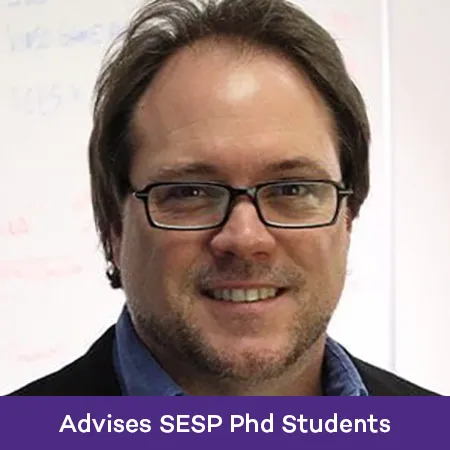
Reed Stevens is a Professor in the Learning Sciences department at Northwestern University's School of Education and Social Policy (SESP). He holds a PhD in Cognitive Studies in Education from UC Berkeley (1999), an MA from UC Berkeley (1994), and a BA in Mathematics from Pomona College (1987). His research focuses on understanding learning across diverse settings including classrooms, workplaces, and museums, emphasizing how mathematical and technological practices shape cognition. Stevens develops tools like VideoTraces for media annotation and designs innovative educational models such as FUSE Studios to create scalable, interest-driven learning environments. His work bridges cognitive science and sociocultural studies, employing methods like audio-video ethnography and conversation analysis. Key themes include spatial reasoning in making activities, teacher adaptation to facilitator roles, and the diffusion of educational innovations. Stevens collaborates with industry partners to integrate real-world practices into school curricula, addressing challenges in scaling STEAM initiatives and fostering equitable participation. His research has implications for teacher training, curriculum design, and the development of technology-mediated learning tools. Stevens' recent work explores civic data science applications, professional learning in trades like coffee roasting, and the redefinition of scientific practices in education. He actively contributes to debates on expanding what counts as valid scientific inquiry and has published extensively on learning pathways, institutional adoption of innovations, and the role of agency in student-driven projects.
Shanna Swan is a renowned epidemiologist and Professor of Environmental Medicine and Public Health at the Icahn School of Medicine at Mount Sinai. She holds a PhD in Statistics from UC Berkeley (1963), an MA in Biostatistics from Columbia University, and a BA in Mathematics from City College of New York. Her career spans academia, public health institutions, and research on environmental health impacts. Notable roles include work at Kaiser Permanente, California Department of Health Services, University of Missouri, and University of Rochester. Her research focuses on endocrine-disrupting chemicals (EDCs), sperm count decline, and reproductive health. Her groundbreaking 2017 study revealed a 50% sperm count drop in Western men over 40 years, later updated to show acceleration since 2000. She authored the influential book Count Down (2021), addressing environmental threats to human fertility. Key contributions include forming California’s reproductive health group and leading National Academy of Sciences committees on EDCs. Swan advocates for science-driven public health policy, emphasizing the need to address chemical exposures. Her work bridges statistical rigor with real-world impact, influencing global discussions on fertility and environmental safety. Awards include the Ward Medal in Logic (CCNY). She remains active in advancing research, education, and community action to safeguard human health and reproduction.