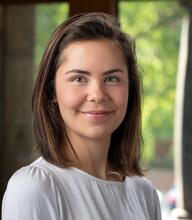
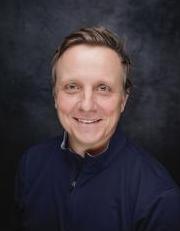
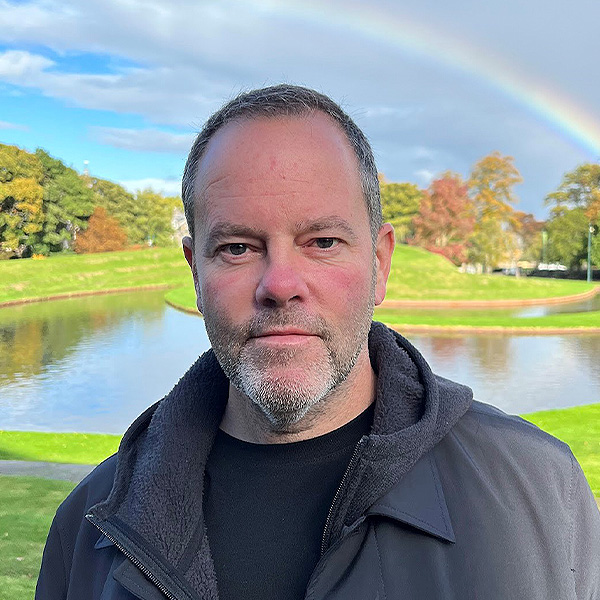
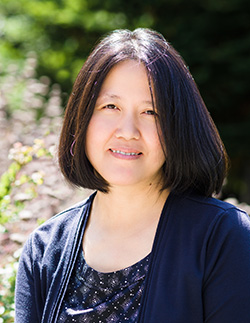
Silvia Santos is a Group Leader at the Francis Crick Institute, leading the Quantitative Stem Cell Biology Lab since January 2018. Her research focuses on understanding cell decision-making during transitions, specifically cell division and differentiation in early development using human embryonic stem cells. She combines experimental techniques with theoretical approaches, including advanced microscopy, genomics, and computational modeling. Education and Career: PhD in Molecular and Cell Biology from EMBL-Heidelberg (2008), followed by postdoctoral training at Stanford University (2009-2014). She held an MRC Career Development Award at Imperial College London (2014-2017) before joining the Crick. Her work emphasizes interdisciplinary methods to study cellular processes in health and disease. Research Interests: Spatial-temporal control in cell decisions, stem cell differentiation, cell cycle regulation, and modeling embryonic development. She advocates for women in science and mentorship programs for early-career researchers. Key Achievements: Recipient of Marie Curie E-Star, EMBO, and HFSP fellowships. Recognized with the BioModels’ Model of the Year 2023 for contributions to systems biology. Her lab develops models like gastruloids to study embryonic development. Grants and Mentorship: Supported by MRC and other grants. Committed to fostering excellence in training and mentorship, previously chairing mentorship initiatives at Imperial College London. Labs and Teams: Quantitative Stem Cell Biology Lab at the Crick, collaborating with interdisciplinary teams on projects involving proteomics, genomics, and high-throughput screening.
Ramina Sotoudeh is an Assistant Professor of Sociology at Yale University with a secondary appointment in Statistics & Data Science. Her research bridges sociogenomics, the sociology of culture, and social inequality, focusing on how genetic and social environments interact to shape human behavior. Education : BA in Social Research and Public Policy from NYU Abu Dhabi, PhD in Sociology from Princeton University Postdoctoral Experience : Fellow at Nuffield College, University of Oxford Ramina’s work in sociogenomics examines how institutional, relational, and genetic contexts influence health outcomes, such as smoking behavior and peer interactions. Her sociology of culture projects use relational methods to explore cultural frameworks underlying attitudes toward science, religion, politics, and marriage. She also investigates health disparities and inequality through interdisciplinary lenses. Her most recent publications analyze genomic population structure, behavioral plasticity, and computational approaches to algorithm selection. Earlier works focus on cultural attitudes, behavioral diffusion in networks, and genetic correlations with education and longevity. These studies span journals like American Sociological Review , PNAS , and Demography .
Ovijit Chaudhuri is an Associate Professor of Mechanical Engineering at Stanford University, with a courtesy appointment in Bioengineering. He leads research at the interface of mechanics and biology, focusing on how cellular and extracellular mechanical properties influence biological processes like cancer progression and tissue formation. His work employs advanced tools such as atomic force microscopy and 3D cell culture systems. Education: Ph.D., University of California, Berkeley/San Francisco (Bioengineering, 2009) B.S., University of California, Berkeley (Engineering Physics, 2003) Postdoctoral Fellow, Harvard University (Biomaterials, 2013) Research Interests: His lab explores molecular mechanisms behind cellular mechanics, extracellular matrix dynamics, and how mechanical cues regulate cell behavior. Key areas include cancer metastasis, mechanotransduction, and engineered biomaterials for 3D cell culture. Publications Trends: Recent work emphasizes viscoelastic hydrogels, matrix mechanics in cancer progression, and mechanistic insights into cell migration. Over 50 publications since 2015 highlight interdisciplinary approaches in biomaterials and mechanobiology. Awards: Not explicitly listed in provided materials. Advising & Labs: No specific advisee names listed, but his lab focuses on collaborative projects in mechano-biology. Active in developing biomaterial systems for drug discovery and tissue engineering applications. Labs/Teams: Leads the Chaudhuri Lab at Stanford, which integrates engineering principles with biological systems to address complex disease mechanisms and therapeutic strategies.
Joshua B. Gross is an Associate Professor in the Department of Biological Sciences at the University of Cincinnati, where he has been conducting research since 2010. His work focuses on evolutionary biology, particularly using the Mexican cavefish ( Astyanax mexicanus ) as a model system to study adaptation to extreme environments. Dr. Gross received his academic training at prestigious institutions: Ph.D. in Organismic and Evolutionary Biology from Harvard University (2005) M.S. with Distinction in Biological Sciences from University of Denver (2001) B.A. in Psychology from Miami University (1995) Dr. Gross's research explores the genetic and developmental basis of evolutionary changes, with a focus on how organisms adapt to extreme environments. His primary model system is the Mexican cavefish ( Astyanax mexicanus ), which exists in both surface-dwelling (with eyes and pigmentation) and cave-dwelling (blind and depigmented) forms. His work integrates quantitative genetics, transcriptomics, and phenotypic analysis to understand the genetic changes underlying cave adaptation, including both regressive traits (like eye loss) and constructive traits (like enhanced taste systems). Analysis of Dr. Gross's recent publications reveals a strong focus on sensory adaptation and craniofacial evolution in cavefish. His work has increasingly incorporated genomic and transcriptomic approaches to understand how cavefish adapt to low-oxygen environments, changes in sensory systems (particularly taste and lateral line), and craniofacial modifications. There's a clear trajectory toward understanding the integration between different biological systems, such as how sensory neuromasts influence skeletal development. Dr. Gross has received several notable awards and recognitions: National Academies Education Fellow in the Life Sciences (2014-2015) Young Investigator Winner, Sigma Xi, University of Cincinnati Chapter (2016) Honorable Mention, Excellence in Doctoral Mentoring Award Nominated for 2018 Dean's Award for Innovative Instruction Young Anatomist's Publication Award from the American Association of Anatomists (2004) As a principal investigator, Dr. Gross has secured substantial funding from the National Science Foundation and National Institutes of Health, including multiple R01 grants from NIH and major awards from NSF. His current projects include "The developmental basis for sensory-skeletal integration: The osteo-inductive role of neuromasts" (NSF IOS-2205928, 2022-2026) and "The constructive evolution of gustation: Molecular, organismal and environmental attributes of taste tuning" (NSF DEB-2343857, 2024-2028). He has mentored numerous undergraduate and graduate students through research projects and has been recognized for his teaching excellence, particularly in Human Genetics. Dr. Gross leads a research laboratory focused on evolutionary and developmental biology at the University of Cincinnati. His team employs a multidisciplinary approach combining field work in Mexican caves, laboratory experiments, genomic analysis, and developmental studies. He has organized international scientific meetings, including the Astyanax International Meeting, fostering collaboration among researchers studying cave-adapted organisms worldwide.
Professor Colin Semple is a leading researcher at the University of Edinburgh's Institute of Genetics and Cancer (IGC), where he serves as Group Leader and Head of Bioinformatics. His work is conducted within the MRC Human Genetics Unit, focusing on computational genomics and the analysis of structural mutations in both germline and cancer contexts. Professor Semple's research investigates the origins and impacts of structural mutations in the human genome, with particular emphasis on how these alterations affect gene function in developmental contexts and drive cancer progression. His group studies complex structural rearrangements in challenging cancer types including ovarian cancer, glioblastoma, and mesothelioma, where tumor genomes undergo dramatic reorganization. The research is guided by four key questions: What are the origins of structural mutations? How do they impact gene function? How does structural complexity drive disease progression? How do diverse mutational constellations combine to create adaptations and vulnerabilities? Analysis of Professor Semple's publications reveals a consistent focus on structural variation in cancer genomics, with particular attention to ovarian cancer mechanisms, lesion segregation in tumor evolution, and the functional consequences of genomic rearrangements. His work frequently employs whole genome sequencing approaches to uncover previously hidden layers of genomic variation that affect more of the genome than traditional short variants. Professor Semple leads a substantial research team including bioinformaticians and PhD students, and oversees the Bioinformatics Analysis Core which provides collaborative expertise to over 500 researchers at the IGC. His group maintains strong collaborations with both local researchers at the University of Edinburgh and international consortia, working closely with clinicians to translate genomic findings into potential diagnostic and therapeutic approaches. The Semple Lab is funded by major organizations including the Medical Research Council (MRC), Cancer Research UK (CRUK), and the Chief Scientist Office (CSO).
Simone Fior is a Lecturer at the Department of Environmental Systems Science , ETH Zürich , focusing on ecological genetics and plant adaptation. Their research integrates genomic, quantitative genetics, and ecological field experiments, particularly on Dianthus (Caryophyllaceae) along altitudinal and climatic gradients. Recent work explores climate-induced range shifts, local adaptation, and genomic responses to environmental changes. Professional experience includes roles at ETH Zürich since 2013 (Senior Assistant, Postdoc) and prior positions at the Edmund Mach Foundation (2009-2012) and University of Insubria (2007-2008). Education spans a PhD in Plant Biology (University of Milan, 2007) and an MSc in Natural Sciences (University of Milan, 2003). Simone co-organizes the Bioinformatics for Adaptation Genomics Winter School . Key research areas include adaptive divergence , polygenic adaptation , climate change biology , and phylogenomics . Articles emphasize genomic selection signatures, functional-structural modeling, and ecological-genetic interactions. Notable collaborations involve Jake Alexander, Alex Widmer, and interdisciplinary teams at ETH Zurich.
Dana Pe'er is a Professor and Chair of the Computational and Systems Biology Program at the Sloan Kettering Institute (SKI) of Memorial Sloan Kettering Cancer Center. She is also an Investigator of the Howard Hughes Medical Institute and holds the Alan and Sandra Gerry Endowed Chair. Dr. Pe'er leads an interdisciplinary research group that combines advanced genomics approaches with machine learning to address fundamental questions in biomedical science, with particular focus on cancer biology, developmental biology, and immunology. Dr. Pe'er earned her PhD from Hebrew University in Jerusalem, Israel. Her academic journey includes a postdoctoral fellowship with George Church at Harvard Medical School. Before joining Memorial Sloan Kettering Cancer Center in 2016, she held faculty positions at Columbia University. Dr. Pe'er's research focuses on understanding cellular plasticity, the consequences of intra-tumor heterogeneity, cancer evolution and metastasis, and the mechanisms by which regulatory circuits go awry in disease. Her lab combines single-cell and spatial profiling technologies with machine learning approaches to investigate gene regulation, cellular plasticity, and cell-cell communication in the contexts of cancer, immunity, and development. They are particularly interested in how organisms develop from a single cell to generate diverse cell types, how epigenetic control rewires during development, and how cells communicate to execute multicellular responses. Analysis of Dr. Pe'er's recent publications reveals a strong focus on developing computational methods for single-cell and spatial genomics data analysis. Her work spans cancer types including pancreatic, prostate, colorectal, and breast cancer, with emphasis on tumor heterogeneity, metastasis mechanisms, and cellular plasticity. A significant portion of her research involves creating novel algorithms and tools like CellRank, REUNION, and SEACells that enable researchers to extract meaningful biological insights from complex genomic datasets. 2023 Class of 2023 Inductee - American Academy of Cancer Research (AACR) Academy 2023 Innovator Award - International Society for Computational Biology (ISCB) 2021 Fellow - International Society for Computational Biology (ISCB) Howard Hughes Medical Institute Investigator (2021) 2019 Ernst W. Bertner Memorial Award - University of Texas MD Anderson Cancer Center 2016 Lenfest Distinguished Faculty Award - Columbia University 2014 Director's Pioneer Award - National Institutes of Health 2014 Overton Prize - International Society for Computational Biology (ISCB) Dr. Pe'er is known for her dedicated mentorship approach, describing herself as "a mama bear" who cares deeply about her trainees while expecting independence, innovation, and hard work. She mentors numerous PhD students and postdocs in her lab. Her HHMI Investigator award provides approximately $9 million over seven years, enabling ambitious research directions. She also collaborates extensively with the Single-cell Analytics and Innovation Lab (SAIL) at MSK to generate new data from emerging technologies, working closely with wet-lab collaborators at MSK and beyond to apply computational methods to cutting-edge datasets across multiple disease areas. The Pe'er Lab is an interdisciplinary group of computational biologists with diverse backgrounds ranging from pure mathematics to clinical medicine. They work closely with wet-lab collaborators to apply their computational methods to cutting-edge datasets across cancer, immunology, and developmental biology. The lab is described as open, supportive, collaborative, and fun, with access to world-class facilities at the Sloan Kettering Institute. Dr. Pe'er's work continues to push the boundaries of computational biology and cancer research, with the ultimate goal of developing more effective, personalized therapies for cancer patients.
Lin He is the Thomas and Stacey Siebel Distinguished Chair in Stem Cell Research and Professor of Cell Biology and Physiology at the University of California, Berkeley. His laboratory focuses on understanding the biological functions of non-coding RNAs in development and disease, with particular emphasis on microRNAs (miRNAs) in cancer, stem cell biology, and developmental processes. He developed the CRISPR-EZ method for highly efficient mouse genome editing, significantly advancing genetic research. Research interests include miRNAs' roles in tumor progression, metastasis, and pluripotency regulation in stem cells. His work bridges mouse genetics, genomics, and molecular biology to uncover mechanisms governing non-coding RNA functions. Current projects address miRNAs in oncogenesis, stem cell fate determination, and the interplay between non-coding RNAs and retrotransposons in development. Key contributions include identifying miRNA networks in cancer pathways, demonstrating miRNA requirements for ciliogenesis and lung development, and advancing CRISPR-based genome editing techniques. His interdisciplinary approach integrates genetic, genomic, and cellular tools to explore fundamental questions in biology and medicine. Lab website: helabucb.org CRISPR-EZ technology enables 100% genome editing efficiency in mouse zygotes Pioneering studies on miRNA regulation of PTEN, p53, and oncogene pathways
Dr. Gary Brewer is a Professor in the Department of Entomology at the University of Nebraska-Lincoln, with a 60% research and 40% teaching appointment. He has served as department head at NDSU (1997-2006) and UNL (2006-2018). His research focuses on field crops entomology, IPM of pasture cattle flies, salt creek tiger beetle conservation, and pollinator health. He has pioneered a push-pull strategy using coconut oil-derived repellents and led curriculum design for Rwanda’s Conservation Agriculture program. Education: B.S. in Zoology, University of Nebraska-Lincoln (1974) M.S. in Entomology, University of Nebraska-Lincoln (1978) Ph.D. in Entomology, Kansas State University (1984) Research Interests: Brewer’s work spans insect ecology, pest management, and conservation. Key areas include stable fly and horn fly control, pollinator protection, and endangered species recovery (e.g., Salt Creek tiger beetle). His lab develops natural product-based pest repellents and evaluates biopesticides for sustainable agriculture. Grants & Contributions: $362,150 USDA grant for undergraduate research in beneficial insect protection (2018) $325,000 USDA grant for multi-tactic stable fly control (2017) NE Game and Parks funded salt creek tiger beetle reintroduction programs Labs & Teams: Brewer’s team collaborates with industry (e.g., Vestergaard Frandsen) and international partners to advance IPM strategies. His work bridges field research with applied solutions for farmers and conservationists.
Peter A. Jones is President and Chief Scientific Officer at the Van Andel Institute (VAI) in Grand Rapids, Michigan, where he leads the Department of Epigenetics. He previously served as Director of the USC Norris Comprehensive Cancer Center from 1993 to 2011 and has been a central figure in advancing epigenetics research, particularly in cancer. His laboratory investigates DNA methylation, chromatin dynamics, and epigenetic therapies. Research Interests: Dr. Jones's work centers on epigenetic mechanisms in cancer, including DNA methylation, histone modifications, nucleosome positioning, and the therapeutic potential of epigenetic drugs. His research has pioneered the use of DNA methylation inhibitors like 5-azacytidine and explored viral mimicry as a mechanism for immune activation in cancer. He also studies transposable elements and their role in gene regulation and immune response. Publication Trends: His recent publications (2021–2024) reveal a strong focus on the interplay between epigenetics and immunotherapy, particularly how DNA methyltransferase inhibitors (DNMTi) induce viral mimicry, enhance immune recognition, and improve responses to checkpoint blockade. Studies span hematological malignancies, solid tumors, and T cell biology, with frequent collaboration with Stephen Baylin and others. Scientific Awards: Member, National Academy of Sciences Member, National Academy of Medicine Fellow, AACR Academy Fellow, AAAS Fellow, American Academy of Arts and Sciences Kirk A. Landon Award for Basic Cancer Research (2009) Medal of Honor, American Cancer Society (2011) Outstanding Investigator Grant, NCI Harvey Prize (2024) Advising and Grants: Dr. Jones mentors multiple postdoctoral fellows, graduate students, and research scientists. His lab is supported by major grants, including the VAI-SU2C Epigenetics Dream Team, which has launched 15 clinical trials. He has received sustained funding from the National Cancer Institute and collaborates with institutions worldwide to advance epigenetic therapies. Labs and Teams: He leads the Peter Jones Laboratory at VAI, a multidisciplinary team investigating epigenetic regulation in cancer. The lab includes computational biologists, clinical researchers, and molecular biologists, working on both basic mechanisms and translational applications. The team is part of larger collaborative initiatives such as the VAI-SU2C Epigenetics Dream Team and the International Linked Clinical Trials Program.
Caetano Reis e Sousa is a Professor of Immunology at Imperial College London and Senior Group Leader/Assistant Research Director at the Francis Crick Institute. He leads the Immunobiology Laboratory, focusing on dendritic cell biology, immune responses to pathogens, and cancer immunotherapy. His research explores how dendritic cells detect pathogens and dying cells, triggering adaptive immunity. Key roles include investigating cross-presentation mechanisms, C-type lectin receptors (e.g., DNGR-1), and vaccine development strategies. Education: BSc (Hons) Biology from Imperial College London (1989), DPhil in Immunology from University of Oxford (1992). Postdoctoral training at NIH under Ron Germain. Career milestones include founding the Immunobiology Lab at CRUK London Research Institute (1998–2015) before joining the Crick. Awards & Recognition: Highly Cited Researcher (Thomson Reuters), BD Biosciences Prize (2002), Liliane Bettencourt Award (2008), Louis-Jeantet Prize (2017), Fellowships at Royal Society (2019), Academy of Medical Sciences (2006), and EMBO (2006). Named Officer of the Order of Sant'Iago da Espada (Portugal, 2009). Research Themes: Dendritic cell activation pathways, cross-presentation of tumor antigens, microbiome-cancer immunity links, and immune evasion mechanisms. Collaborations involve institutions like UCL, King's College London, and global health networks. Labs/Teams: Head of Immunobiology Lab at Crick, with expertise in immunology, cell biology, and virology. Facilities include Flow Cytometry, Genomics, and Light Microscopy cores. Active in pandemic response (e.g., SARS-CoV-2 testing initiatives).
Donald Rio holds the Richard and Rhoda Goldman Distinguished Chair in the Biological Sciences and is a Professor of Biochemistry, Biophysics, and Structural Biology. He is affiliated with the Division of Biochemistry and Molecular Biology and the Center for Integrative Genetics. His lab focuses on nucleic acid transactions, including transposable element mobilization (P elements) and RNA binding protein mechanisms controlling alternative splicing. Research highlights include studies on THAP9 proteins in humans/zebrafish, cryo-EM structural analysis of transposase-DNA complexes, and splicing regulation in neurodegenerative diseases like ALS and Parkinson’s. His work combines biochemical, genetic, and computational approaches, including the development of the Junction Usage Model (JUM) for splicing analysis. Research interests span transposition mechanisms linked to HIV integration, immune system recombination, and evolutionary genome dynamics. His team investigates how RNA binding proteins like hnRNPA1 influence splicing in disease contexts, with projects involving CRISPR-based models and patient RNA-seq data analysis. Collaborations include studies on splicing accuracy across tissues and age, and the impact of splicing defects in neurodegenerative disorders. Key awards include the Goldman Chair. His lab’s contributions bridge fundamental molecular mechanisms with translational applications in genetic disease modeling and drug discovery. Recent work focuses on isogenic stem cell models (iSCORE-PD) for Parkinson’s research and structural biology insights into transposase function. Grants and projects involve NIH funding for ALS splicing studies and collaborations with institutions like the Buck Institute. His lab actively publishes in top journals such as Genome Research , PNAS , and Nature , with a strong emphasis on cryo-EM and bioinformatic methods.
Bertram Müller-Myhsok is a Research Professor and Research Group Leader at the Max Planck Institute of Psychiatry in Munich, Germany. His research focuses on statistical genetics and transcriptomic data analysis in psychiatric disorders, particularly major depression, PTSD, schizophrenia, and their treatment responses. He integrates machine learning with genetic and clinical data to develop predictive models and stratified treatment approaches. Professional activities include leadership roles in the International Max Planck Research School for Translational Psychiatry and collaborations with institutions like the Institut du Cerveau (Paris) and Bernhard Nocht Institute (Hamburg). His work spans genetic epidemiology, psychiatric genomics, and precision medicine, with over 400 publications in high-impact journals. Key research areas include identifying genetic risk factors for mental disorders, developing polygenic scores, and leveraging omics data to uncover disease mechanisms. He leads projects like Psych-STRATA, a Horizon Europe-funded initiative advancing personalized psychiatry through pharmacogenomics.
Christian P Petersen, PhD is a Professor in the Department of Cell and Developmental Biology at the Weinberg College of Arts and Sciences , Northwestern University Feinberg School of Medicine. His research focuses on molecular mechanisms underlying regeneration in planarians and other organisms. PhD: MIT (2006) Research Interests: Planarian regeneration and tissue patterning Wnt signaling pathway regulation Stem cell biology in regenerative contexts Neurogenesis and injury response Molecular mechanisms of tissue repair Affiliations: Center for Reproductive Science Robert H. Lurie Comprehensive Cancer Center
Steven Siciliano is a Professor and NSERC/FCL Industrial Research Chair in In Situ Remediation and Risk Assessment at the University of Saskatchewan's College of Agriculture and Bioresources. He leads the CREATE Human and Ecological Risk Assessment Program. His expertise spans soil toxicology, greenhouse gas dynamics in polar ecosystems, and nitrogen cycle interactions in contaminated environments. Education: Ph.D. in Toxicology, University of Saskatchewan B.Sc. in Biochemistry, Concordia University Research Interests: His work focuses on human-soil interaction dynamics, including soil pollution impacts on human health (e.g., PAH toxicity via soil ingestion) and ecosystem resilience (e.g., nitrogen cycle disruptions). He investigates Arctic/Antarctic soil microbiology, greenhouse gas production in polar deserts, and the ecological effects of pollutants like mercury and petroleum hydrocarbons. His lab is divided into toxicology (e.g., metal cardiovascular effects, soil ingestion models) and ecology (e.g., sub-zero water effects on gene expression, Arctic nitrogen cycles). Teaching: Teaches courses on environmental fate analysis, contaminated site management, and advanced risk assessment methodologies at both undergraduate and graduate levels. Courses include EVSC 420, TOX 820, and EVSC 821. Grants & Labs: Directs the CREATE Program and leads projects funded by NSERC and industry partnerships. His lab integrates fieldwork, molecular techniques, and modeling to address environmental remediation challenges. Collaborates on projects like cryoturbation-driven carbon dynamics and microbial community analysis in agricultural systems. Labs/Teams: Active in soil science research teams, including Arctic soil microbiology and bioremediation innovation groups. Engages in interdisciplinary collaborations with environmental engineers and ecologists to advance in situ remediation technologies.