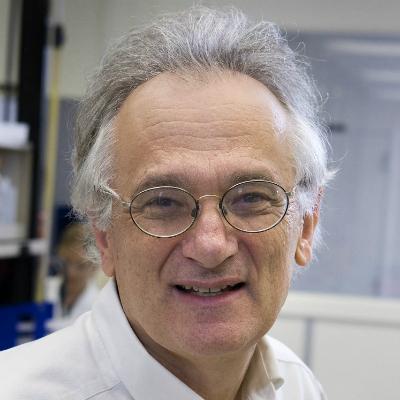
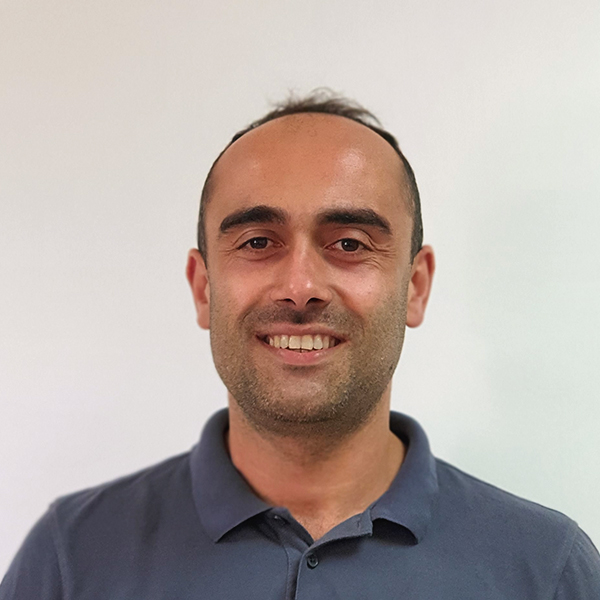
Qiaowei Pan is a Researcher at the University of Lausanne , focusing on Evolution and Ecology . They have held a Guest Researcher role at the Institute of Molecular Biology gGmbH (IMB) in Mainz, Germany since 2023, and a Postdoctoral Researcher position at the University of Lausanne since 2018. Education: PhD in Molecular and Evolutionary Biology (2014-2018), INRAe, University of Rennes II, France Erasmus Mundus Master in Evolutionary Biology (MEME) (2012-2014), University of Groningen (Netherlands) & University of Montpellier II (France) BSc in Biology (2008-2012), University of North Carolina-Chapel Hill, USA Research Interests: Qiaowei Pan's work centers on the intersection of molecular genetics , evolutionary biology , and developmental biology , particularly in sex determination mechanisms across diverse animal models. Their studies span non-coding RNA regulation , sex chromosome evolution , and signal transduction pathways like TGF-β in reproductive systems. Publication Trends: Recent articles highlight expertise in sex determination systems (5/12 publications), genomic approaches (6/12), and fish developmental evolution . Collaborative work includes computational methods ( RADSex workflow ) and comparative studies across ant , goldfish , catfish , and cavefish models. Labs & Teams: Currently affiliated with the Keller-Valsecchi group at IMB and the Department of Evolution and Ecology at the University of Lausanne.
Shasha Chong is an Assistant Professor of Chemistry at the California Institute of Technology and a Ronald and JoAnne Willens Scholar. She earned her B.S. from the University of Science & Technology of China (2008) and Ph.D. from Harvard University (2014). Her research bridges chemistry, physics, and biology to investigate the molecular mechanisms of cellular processes, focusing on intrinsically disordered regions (IDRs) in transcription proteins. Research Focus: IDRs in transcriptional regulation, cancer biology, liquid-liquid phase separation, and single-molecule imaging techniques. Grants & Awards: CCE Innovation Award (2024), ALSF Innovation Grant, Mallinckrodt Research Grant, Margaret E. Early Medical Research Trust Grant. Collaborations: Caltech-City of Hope Biomedical Research Initiative Grant (2025). Teaching: Co-instructor for courses like Biochemistry Laboratory (Ch 11) and Advanced Topics in Biochemistry (BMB/Bi/Ch 174). Labs & Teams: Leads the Chong Laboratory at Caltech, focusing on interdisciplinary approaches combining single-molecule imaging, genome editing, and bioinformatics.
Karin Allor Pfeiffer is a Professor in the Department of Kinesiology at Michigan State University (MSU) and Director of the Institute for the Study of Youth Sports. She holds additional membership in the Center for Physical Activity and Health. With a Ph.D. from MSU, her research focuses on physical activity measurement methodologies and population health interventions, particularly among children and adolescents. Her work addresses obesity prevention, environmental design impacts on activity levels, and sociocultural factors influencing youth sport participation. Education: Ph.D. in Kinesiology from Michigan State University Her research interests emphasize: - Quantitative methods for physical activity assessment - Schoolyard redesign strategies and their health impacts - Cardiometabolic risk factors in pediatric populations - Longitudinal tracking of physical fitness and health outcomes Recent work explores accelerometer fragmentation metrics, GPS-linked activity tracking, and disparities in sedentary behavior across demographic groups. She has pioneered interdisciplinary approaches integrating spatial analysis, wearable technology, and policy evaluation. Key contributions include developing the Observational System for Recording Physical Activity in Children and advancing consensus methods for accelerometer data interpretation. Her studies frequently highlight socioeconomic and environmental determinants of health behaviors. Dr. Pfeiffer collaborates with public health agencies and urban planners to translate research into actionable policies. Her lab focuses on scalable interventions for underserved communities, leveraging community-engaged methods to address greenspace accessibility and safety concerns.
Britt Adamson is an Associate Professor in the Department of Molecular Biology and the Lewis-Sigler Institute for Integrative Genomics at Princeton University, where she serves as Director of the Undergraduate Program in Quantitative and Computational Biology. Her lab investigates molecular networks in human cells with focus on stress response mechanisms and genome editing technologies. She received her B.S. in Biology from the Massachusetts Institute of Technology (2005) and Ph.D. in Genetics and Genomics from Harvard University (2012), followed by postdoctoral training at UCSF under Jonathan Weissman supported by a Damon Runyon Cancer Research Foundation Fellowship. Adamson's research centers on how cells organize stress response networks during DNA damage and endoplasmic reticulum stress, developing CRISPR-based functional genomics and single-cell sequencing tools to map molecular behaviors. Her work bridges fundamental cell biology with therapeutic applications in genome editing. Analysis of her 15 most recent publications reveals dominant themes in precision genome editing (prime/base editing optimization) and systematic dissection of DNA repair pathways through combinatorial CRISPR screening. Her lab consistently integrates computational approaches with high-resolution experimental techniques to uncover context-dependent cellular behaviors. Her scientific recognitions include: Damon Runyon Cancer Research Foundation Postdoctoral Fellowship Princeton IP Accelerator Award (2025) STAT Who to Know: 10 Scientists leading a new generation of gene editors (2024) Adamson actively mentors eight graduate students (including alumni Ann Cirincione and Jun Hussmann) and two postdocs, with research funded through institutional awards and collaborative grants. Her lab's technological developments have enabled projects spanning virology, immunology, and developmental biology. The Adamson Lab operates within Princeton's Lewis-Sigler Institute for Integrative Genomics, fostering an interdisciplinary environment that merges cell biology, genomics, and computational science. Current projects focus on improving prime editing efficiency and understanding stress response adaptation in disease contexts.
Calliope Dendrou is an Associate Professor in Clinical Pathology and Inflammation at the Kennedy Institute of Rheumatology (KIR), University of Oxford, leading the Immune Disease Multiomics Laboratory. She previously held a Wellcome & Royal Society Sir Henry Dale Fellowship at the University of Oxford’s Centre for Human Genetics before joining KIR in 2023. Her research focuses on immune disease mechanisms using multiomics approaches, including genomic profiling to identify therapeutic targets across tissues and immune-mediated diseases. She co-leads large-scale projects like the Oxford-J&J Cartography Consortium and the Chan Zuckerberg Initiative’s LEGACY Network, and teaches on the MSc in Genomic Medicine program. Educational Background: BSc (Biology, Imperial College London, 2005; Forbes Memorial Medal Winner); PhD in Infection & Immunity (University of Cambridge, 2010). Postdoctoral training at the Weatherall Institute of Molecular Medicine under Prof. Lars Fugger. Research interests include immunogenetics, cytokine signaling pathways, drug repositioning, and cross-disease pathophysiology. Her work integrates single-cell and spatial transcriptomics to dissect immune-cell interactions in diseases like rheumatoid arthritis, inflammatory bowel disease, and celiac disease. Recent articles highlight her contributions to understanding vaccine adjuvant responses, Th17 cell roles in spondyloarthritis, and immune-epithelial networks in celiac disease. Collaborations emphasize multi-omic data analysis (e.g., Panpipes pipeline) and translational studies toward precision medicine. Awards: Forbes Memorial Medal (BSc), Wellcome & Royal Society Sir Henry Dale Fellowship. Leadership roles include Equality, Diversity, and Inclusion Champion and 'Single-Cell & Spatial Omics for Precision Medicine' Module Lead. Lab & Teams: Immune Disease Multiomics Lab at KIR. Active in collaborative initiatives such as the LEGACY Network, focusing on large-scale immune profiling in ancestrally diverse populations.
Marc V Fuccillo is an Associate Professor of Neuroscience at the Perelman School of Medicine, University of Pennsylvania, where he leads a research laboratory focused on understanding the neural circuit mechanisms underlying behavioral control. His work bridges molecular, synaptic, and behavioral approaches to investigate how striatal circuits regulate mouse behavior from simple motor patterns to complex goal-directed actions. Fuccillo holds dual appointments in the Neuroscience and Cell and Molecular Biology Graduate Groups at Penn and maintains an active laboratory investigating the synaptic and circuit basis of neuropsychiatric disorders. Education: B.A. in Molecular and Cellular Biology and Music Performance (Violin) from Brown University (1998) Ph.D. in Developmental Genetics from New York University School of Medicine (2007) M.D. from New York University School of Medicine (2008) Fuccillo's research centers on the synaptic and circuit mechanisms of behavioral control, with particular emphasis on striatal circuits. His laboratory employs a range of technologies including mouse genetics, in vitro electrophysiology, in vivo imaging, and quantitative behavioral analysis to explore how neural circuits of the striatum regulate behavior and how disruptions in these circuits contribute to neuropsychiatric disorders. His work has particularly focused on autism-associated abnormalities in behavioral control, examining how synaptic adhesion molecules like neuroligins and neurexins shape circuit function and behavior, with significant findings regarding D1 dopamine receptor positive medium spiny neurons in the nucleus accumbens. Analysis of Fuccillo's recent publications reveals a strong focus on striatal circuit function across multiple dimensions. His work spans molecular neuroscience (examining synaptic adhesion molecules), cellular physiology (studying specific neuron types in striatal circuits), systems neuroscience (mapping circuit connectivity), and behavioral neuroscience (quantifying motor learning and decision-making). A unifying theme is how disruptions in specific molecular pathways lead to circuit-level abnormalities that manifest as behavioral phenotypes relevant to neuropsychiatric disorders, with particular attention to autism, OCD, and schizophrenia models. Scientific Recognition: Publications in high-impact journals including Nature Neuroscience, Current Biology, Cell Reports, and Neuron Research supported by multiple NIH grants including NIMH F32, NIMH K01, and HHMI Gilliam Fellowship awards for lab members Fuccillo actively mentors a diverse group of trainees including postdoctoral fellows, graduate students, and undergraduates. His laboratory has produced numerous successful alumni who have gone on to faculty positions, medical residencies, and graduate programs at prestigious institutions. His mentoring approach emphasizes technical skill development across multiple neuroscience disciplines while fostering independent scientific thinking. Current research in his lab is supported by NIH funding focused on understanding the molecular architecture of striatal circuits and their role in behavioral control, with three major research directions exploring molecular logic of striatal circuits, circuit mechanisms of behavioral control, and striatal dysfunction in neuropsychiatric disease models. The Fuccillo Laboratory operates within the Department of Neuroscience at the University of Pennsylvania, with access to state-of-the-art facilities for molecular, electrophysiological, imaging, and behavioral neuroscience research. The lab maintains active collaborations with other neuroscience research groups at Penn and beyond, creating a rich intellectual environment for studying the neural basis of behavior. Current research directions include investigating whether there is a molecular logic to striatal circuit composition, how striatal circuits shape behavioral control, and what mouse models of autism, schizophrenia, and OCD can reveal about striatal circuit dysfunction in disease pathophysiology.
Dr. Steven G. Clarke is a Distinguished Professor at UCLA Department of Chemistry & Biochemistry and director of research at the Molecular Biology Institute . His work bridges protein chemistry , methylation biology , and aging research through studies of spontaneous protein damage and its repair mechanisms. Education: BA in Chemistry and Zoology, Pomona College (magna cum laude, Phi Beta Kappa) PhD in Biochemistry and Molecular Biology, Harvard University (NSF Fellow) Postdoctoral Fellowship at UC Berkeley (Miller Fellow) Dr. Clarke's research focuses on protein isoaspartyl repair via PCMT1/PIMT enzymes , ribosomal protein methylation in Saccharomyces cerevisiae , and PRMT family characterization including PRMT7 and PRMT9. His lab combines biochemical assays , genetic models , and structural analysis to investigate aging mechanisms and disease implications. Recent publications highlight: COQ5 structure-function analysis in coenzyme Q biosynthesis PCMTD1 ubiquitin ligase interactions PRMT7 substrate specificity in histone H2B Protein isoaspartyl impacts on T cell function in lupus Novel PRMT inhibitors for cancer therapy Methionine addiction in osteosarcoma malignancy Major scientific awards: American Chemical Society Ralph F. Hirschmann Award in Peptide Chemistry NIH MERIT Award Ellison Medical Foundation Senior Scholar Award William C. Rose Award, ASBMB UCLA Distinguished Teaching Award (Eby Award winner) Current lab members include PhD candidates Eric Pang (UCSB) and Sining "Cindy" Wang (UCLA), while undergraduates Celeste Medina-Seymoure , Elizabeth Oroudjeva , Olivia Pacheco , and Jasmine Winter contribute to ongoing proteostasis studies. Collaborations with Profs. Jose Rodriguez and Catherine Clarke demonstrate interdisciplinary research approaches.
Dr. Yogambha Ramaswamy is a Senior Lecturer in the School of Biomedical Engineering at The University of Sydney and a member of the Sydney Nano Institute. She holds a Master’s in Biotechnology from the University of Queensland and a PhD in Biomedical Engineering from the University of Sydney (2009). Her postdoctoral career began as a Vice-Chancellor’s Postdoctoral Research Fellow at the University of New South Wales, followed by a Peter Doherty Early Career Fellowship in 2013 before joining the University of Sydney in 2015. Dr. Ramaswamy’s research focuses on biomaterials, tissue engineering, and mechanobiology, with a particular emphasis on developing calcium silicate-based ceramics and biopolymers for orthopedic and regenerative applications. Her recent work explores the role of physical cues in modulating stem and cancer cell behavior. She teaches courses such as AMME1961 (Introduction to Biomedical Engineering B) and AMME5962 (Introduction to Mechanobiology). Her research has been supported by grants including the NHMRC Early Career Fellowship and collaborations with institutions like the CSIR-Indian Institute of Chemical Technology and the University of Otago. Her publications span biomaterials, nanotechnology, and mechanobiology, with recent work addressing atherosclerosis, hydrogel design, and nanomedicine. She currently supervises PhD students Frank (biomaterials) and Alexander (atherosclerosis research).
Dr. Ahmet Acar is an Associate Professor at the Department of Biological Sciences, Middle East Technical University (METU), Ankara, Turkey. He leads the Cancer Precision Medicine and Drug Resistance Laboratory, focusing on understanding mechanisms of drug resistance in cancer. His research integrates experimental models, next-generation sequencing, and deep learning to address clinical challenges in cancer therapy. Dr. Acar holds a B.Sc. from METU's Biological Sciences department and a Ph.D. from the Cancer Research UK Manchester Institute. He completed postdoctoral training at the Institute of Cancer Research, London, and the University of Manchester. Research Interests: Drug resistance mechanisms, precision oncology, tumor microenvironment modeling, patient-derived organoids, computational pathology, and evolutionary cancer biology. His lab develops 2D/3D co-culture systems, PDO biobanks, and AI-driven histopathology tools to improve treatment strategies. Recent Work Trends: Recent publications emphasize tumor evolution modeling, matrix mechanics in drug resistance, and AI applications in histopathology. Collaborations with hospitals in Turkey and Europe support PDO biobank initiatives. His team explores evolutionary steering strategies to exploit collateral drug sensitivities. Labs/Teams: Precision Medicine and Drug Resistance Lab at METU focuses on interdisciplinary approaches combining wet-lab experiments with computational methods. Current projects include ex vivo tumor modeling and AI-driven diagnostic tools for oncology.
Maude Baldwin is the Director of the Evolution of Sensory and Physiological Systems department at the Max Planck Institute for Biological Intelligence. Her research focuses on the molecular and physiological mechanisms underlying sensory receptor evolution in vertebrates, particularly in birds. Education : Ph.D. from Harvard University (Department of Organismic and Evolutionary Biology, 2007-2014); B.A. from New York University (Gallatin School of Individualized Study, 2005). Research Interests include: Evolution of taste receptors, such as the repurposing of savory receptors for sweet detection in hummingbirds. Convergent evolution in sensory systems across vertebrates. Integrative approaches combining molecular methods, cell culture, and behavioral studies. Impact of dietary shifts on ecological and physiological adaptations. Publication Trends reveal a focus on comparative genomics , protein evolution , and sensory system adaptation , with specific attention to bird taste receptors , gene loss , and echolocation genetics . Labs & Teams : Baldwin leads a multidisciplinary team at the Max Planck Institute, recruiting researchers in comparative genomics , organoid technology , and vertebrate natural history . The group investigates sensory-diet coevolution and physiological trade-offs.
Kelly Arnold is an Associate Professor in the Department of Biomedical Engineering at the University of Michigan. Her research integrates systems engineering principles with immunology to investigate variability in immune responses across infection, vaccination, and injury, with a focus on computational modeling and clinical translation. Research Focus Systems-level immune response modeling Vaccination and antibody functionality Vaginal microbiome-host interactions Chronic lung disease progression Computational serology and proteomics Recent Work Her 2025 studies examine SARS-CoV-2 vaccination responses in cancer patients and computational frameworks for vaginal probiotics. Earlier works (2024-2007) span COPD progression, lupus fibrosis, HIV susceptibility, and tissue engineering for fertility preservation. Methodologies include proteomic profiling, network modeling, and microfluidic systems.
Sushmita Roy is a Professor at the University of Wisconsin–Madison, affiliated with the Department of Computer Sciences and the College of Letters and Science. Her research focuses on developing computational methods in statistical machine learning to understand gene regulatory networks in living cells, particularly under environmental, developmental, disease, and evolutionary contexts. She explores bulk and single-cell genomic data integration to study processes like cell fate specification, host-microbe interactions, and diseases such as cancer and neurodevelopmental disorders. Her work emphasizes three key areas: inference of genome-scale transcriptional networks, evolutionary analysis of regulatory networks, and 3D genome organization dynamics. Roy’s lab collaborates across disciplines, leveraging genomic data from plant and mammalian systems. She has contributed to methodologies for analyzing chromatin accessibility, single-cell profiling, and network-based models of pathogen systems. Her affiliations include Wisconsin Institutes for Discovery, and she is a leader in computational biology and systems genomics research.
Dr. Lourdes Pena-Castillo is a Professor jointly appointed in the Departments of Computer Science and Biology at Memorial University of Newfoundland's Faculty of Science. Her research focuses on applying machine learning and bioinformatics to study bacterial gene regulation, with emphasis on transcriptomics, gene expression pathways, and microbiology. She leads the Bioinformatics Lab at MUN, developing computational tools like Promotech for promoter prediction and sRNARFTarget for sRNA target identification. Education: BSc in Information Systems Engineering, ITESM-Mexico MSc in Computer Science, University of Alberta PhD in Computer Science (Doktoringenieurin), Otto-von-Guericke Universität Magdeburg Postdoc in Bioinformatics, University of Toronto Research Interests: Bioinformatics, Genomics, Machine Learning, Artificial Intelligence, Transcriptomics, Gene Regulation, Microbiology Her work integrates computational methods with biological data to address challenges in molecular biology, including analyzing bacterial sRNA functions, promoter recognition, and disease diagnostics using machine learning. She has advised numerous graduate students, including PhD candidates Purvikalyan Pallegar and Bonita McCuaig, and MSc students like Ruben Chevez-Guardado and Kratika Naskulwar. Her lab focuses on translational research with applications in both basic science and clinical contexts. Publications span computational methods for bacterial gene regulation, bioinformatics tool development, and interdisciplinary projects in VR and healthcare informatics. Her research has contributed to understanding symbiotic relationships in marine organisms, inflammatory bowel disease diagnostics, and clavulanic acid production in Streptomyces. Grants & Collaborations: Works with interdisciplinary teams across computer science and biology, supported by grants enabling projects in bacterial genomics and computational tool development. Labs & Teams: Leads the Bioinformatics Lab at MUN, fostering collaborations with researchers in microbiology, computer science, and healthcare.
Johannes Larsch is a tenure-track Assistant Professor at the Center for Integrative Genomics within the Faculty of Biology and Medicine at Université de Lausanne (UNIL). His research focuses on understanding the neuronal mechanisms underlying social interactions, using larval zebrafish as a model organism. He employs advanced techniques like virtual reality and optical imaging to study how social signals are processed in the brain. Education: Bachelor of Biology, University of Konstanz, Germany PhD in Neurobiology, Rockefeller University, USA (lab of Cori Bargmann) Postdoc at Max Planck Institute of Neurobiology, Germany (with Herwig Baier) Research interests center on neuronal circuits driving group behavior, social recognition, and the interplay between genetics and environment in shaping behavior. His lab investigates how individual brains coordinate collective social behaviors through studies of neuronal activity and circuit dynamics. Current lab openings include fully funded PhD and PostDoc positions focused on social neuroscience and neurogenomics. Contact: johannes.larsch@unil.ch .
Rotem Karni, PhD, is an Associate Professor of Genetics at the Perelman School of Medicine, University of Pennsylvania, Philadelphia. He leads a research lab focused on understanding how alternative RNA splicing contributes to cancer and genetic diseases, with a strong emphasis on translating these findings into RNA-based therapies. Karni's lab develops decoy oligonucleotides, small molecules, and splice-switching technologies to modulate splicing factors and enhance immunotherapy. Education BSc in Biological Chemistry from The Hebrew University of Jerusalem (1997) PhD in Biological Chemistry from The Hebrew University of Jerusalem, Israel (2002) Postdoctoral Fellowship at Cold Spring Harbor Laboratory, NY (2002-2007) Karni's research explores the deregulation of alternative splicing in oncogenesis, particularly how splicing factors like RBFOX2 and S6K1 influence metastasis, DNA repair, and immune checkpoint modulation. His team investigates m6A RNA modifications for stabilizing mutant genes, with applications in Duchenne Muscular Dystrophy and pancreatic cancer. The lab's work is commercialized through biotech companies: SKIP Therapeutics, Andlit Therapeutics, and RNAble. Selected Research Trends RNA mis-splicing and neoantigen generation (2025) Splicing factor inhibition for tumor suppression (2023) Metastatic splicing signatures in pancreatic cancer (2023) Immune checkpoint splicing in cancer immunotherapy (2021) m6A modulation for mRNA stabilization (2023) Advising & Collaborations Karni has mentored numerous PhD and postdoctoral researchers, many of whom now hold leadership roles in academia, biotech, and medical institutions globally. His lab collaborates extensively on projects involving RNA innovation, including partnerships with the Institute for RNA Innovation. Contact Department of Genetics & Institute for RNA Innovation, One uCity Square, Room 4018, Philadelphia, PA 19104 Phone: 215-898-5072 Email: Rotem.Karni@Upenn.edu