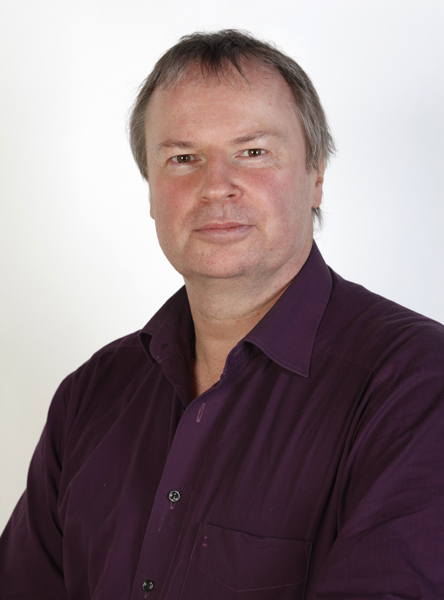
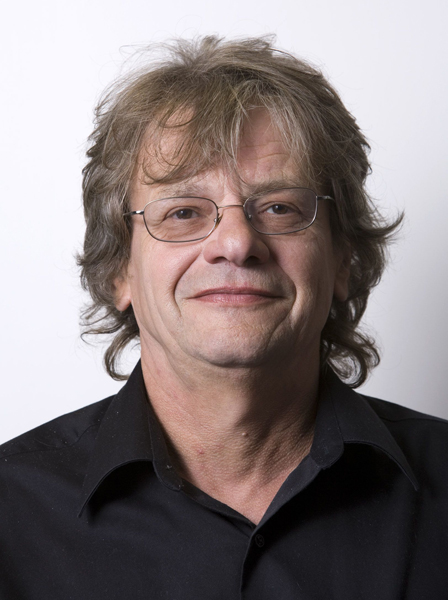
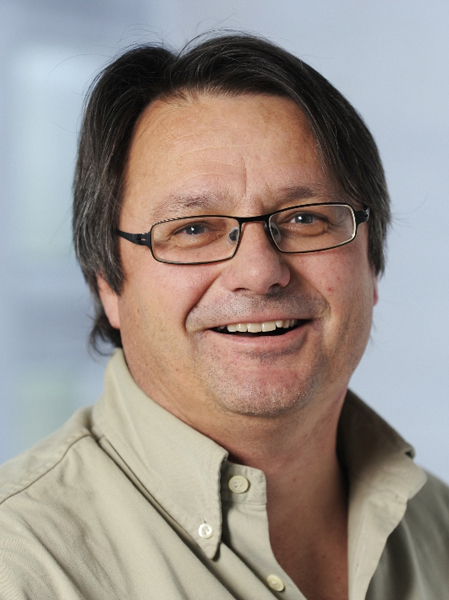
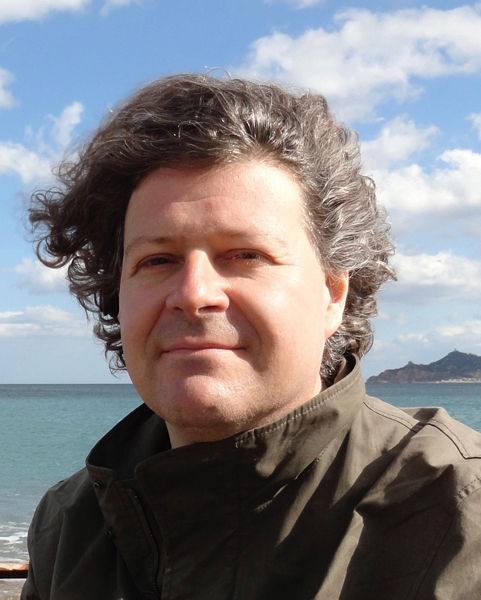
Peer Bork is a Professor at the European Molecular Biology Laboratory (EMBL) in Heidelberg, where he serves as Strategic Head of Bioinformatics and co-head of the Structural and Computational Biology Unit. He also holds honorary professorships at the University of Würzburg (Germany) and Fudan University (China). Educational background: PhD in Biochemistry (1990) Habilitation in Theoretical Biophysics (1995) Research interests span bioinformatics , systems biology , and microbiome analysis , focusing on functional prediction, comparative genomics, and data integration. His work explores global patterns in microbial communities, including enterotypes, drug-microbiome interactions, and planetary-scale gene fluxes. Scientific impact includes over 550 publications (70+ in Nature , Science , and Cell ) and groundbreaking discoveries like the human gut enterotypes and microbiome-based cancer biomarkers . Key projects include the SPIRE microbiome resource and the TARA Oceans expedition . Honors and leadership: EMBO member (2000) Nature Creative Mentoring Award (2008) ERC Advanced Investigator Grants (2011, 2015) Leopoldina member (2014) Honorary doctorate (University of Utrecht, 2017) Co-founder of 5 biotech companies Collaborative networks include partnerships with institutions in Berlin (Max-Delbrück-Center), Würzburg (Germany), and Shanghai (China), as well as global initiatives like the TREC expedition for environmental microbiome analysis.
Georg Langs is a Full Professor of Machine Learning in Medical Imaging at the Medical University of Vienna and Founding Director of the Computational Imaging Research Lab (CIR). He leads a 25-member interdisciplinary team focusing on machine learning methodologies for medical image analysis. Key roles include Director of the Joint Initiative on AI in Medical Imaging (European Institute of Biomedical Imaging Research) and Scientific Lead of the Respiratory Disease Phenotype Observatory (ZODIAC, UNO/IAEA). He is affiliated with MIT’s CSAIL and serves on advisory boards for global AI initiatives. Education: PhD in Computer Science, Graz University of Technology (2007) M.Sc. in Mathematics, Vienna University of Technology (2003) Research Interests: Machine learning-driven precision imaging, neuroimaging, clinical data phenotyping, and cross-species brain connectivity analysis. His work bridges imaging biomarkers with biological mechanisms and large-scale clinical data integration. Grants & Funding: Over €6M in competitive grants as Principal Investigator in the last two years. Projects include ARTEMIS (fatty liver disease digital twins) and AI-POD (personalized risk scores via imaging). Awards: 2022 IS3R Emerging Leaders Club 2022 National Academy of Medicine Emerging Leader Programme 2018 Advisor, AI Mission Austria 2030 Lab & Teams: CIR Lab focuses on AI-driven medical imaging solutions. Co-founded contextflow GmbH , a MedUni spin-off developing AI software for imaging analysis.
Prof. Ferenc Nagy is a distinguished academic at the University of Edinburgh, UK, holding the position of Professor of Plant Cell and System Biology. He is also affiliated with the Biological Research Centre (BRC) in Szeged, Hungary, where he serves as Deputy Director, and holds honorary roles at the University of Freiburg, Germany. His expertise spans plant molecular biology, photobiology, chronobiology, and optogenetics, with a focus on light signaling pathways, circadian clocks, and stress responses in plants. Education: Ph.D. in Biochemistry and Genetics (1981), József Attila University, Szeged D.Sc. in Molecular Mechanisms of Gene Expression (1997), Hungarian Academy of Sciences Habilitation (2001), Eötvös Loránd University, Budapest Research Interests: His work explores phytochrome signaling , UV-B light responses , and circadian clock regulation . Key areas include the molecular mechanisms of light-controlled plant development, stress signaling integration, and optogenetic tools for mammalian gene control. His lab has pioneered studies on protein phosphorylation in phytochrome function and the role of UVR8 in UV-B perception. Scientific Impact: With 160+ publications, over 10,000 citations, and an H-index of 59, his research bridges fundamental biology and applied optogenetics. Notable contributions include defining the structure/function of phytochromes and identifying critical cis-regulatory elements in plant stress responses. Leadership and Awards: He has served as Deputy Director of BRC Szeged, General Director of the Agricultural Biotechnology Center, and Monitoring Editor of Plant Physiology . Recognitions include the Commander’s Cross of the Order of Merit (2013), Humboldt Research Award (1997), and membership in the German Academy of Sciences (Leopoldina).
Axel Meyer is a Professor of Zoology and Evolutionary Biology at the University of Konstanz, Germany, since 1997. He also serves as Head of the Genome Center Konstanz and Co-Chair of the International Max-Planck Research School in Organismal Biology since 2009. His career includes tenure as Associate Professor (1993–1997) and Assistant Professor (1990–1993) at the State University of New York’s Department of Ecology and Evolution, and a postdoctoral fellowship at UC-Berkeley. Education: Ph.D. in Zoology, University of California, Berkeley (1988) MS in Zoology, University of California, Berkeley (1984–1988) Graduate work at Harvard University (1986–1987) Universität Marburg (Vordiplom, 1979–1982) University of Miami (1982) Universität Kiel (1982) His research focuses on molecular phylogenetics , speciation , and evolutionary biology , particularly in fish, amphibians, and reptiles. He has pioneered studies on adaptive radiations in African cichlids , sympatric speciation in Nicaraguan crater lake cichlids , and gene/genome duplications , including the fish-specific genome duplication event. His work intersects molecular evolution , comparative genomics , and evo-devo , emphasizing developmental gene families like Hox and hedgehog. Notable awards include the ERC Advanced Grant (2011) , Hector Prize (2012) , and Carus Medal (2009) . He is a member of the Academia Europaea , EMBO , and several German academies. His editorial roles span journals such as PLoS ONE , BMC Evolutionary Biology , and Molecular Biology and Evolution .
Matthias Peter is a Professor of Biochemistry at ETH Zurich, leading research into mechanisms governing cell growth and division. His laboratory focuses on ubiquitin-dependent regulation of DNA replication and mitosis, and autophagy's role in cellular quality control. He chairs the Department of Biology (2011-2015) and holds leadership roles in Switzerland's research infrastructure, including Vice Chair of ScopeM's microscopy platform. His academic career includes roles at ISREC (1996-2002) and postdoctoral training at UCSF (1991-1996). Education: PhD in Biochemistry from ISREC (1991), ETH Zurich diploma in Gene Technology (1987). Research interests span molecular mechanisms of cell division, ubiquitin systems, and autophagy. Awards include ERC Advanced Grant (2011) and UBS Excellence in Research (2002). Leadership: Member of Swiss National Research Council, SNF selection committee, and SWTR council. Over 20 years of committee service in national research programs. His lab's work is published in top journals like Science, Nature, and Molecular Cell.
Prof. Sara Merino Aceituno is a Professor at the Faculty of Mathematics, University of Vienna, leading research in kinetic theory and its applications to biology, medicine, and social sciences. She holds roles as Vice-Dean of the Faculty and Head of the Institute of Mathematics. Her work bridges mathematical models with experimental data, focusing on emergent phenomena in collective dynamics, opinion formation, and cell behavior. She teaches advanced courses on kinetic theory, biomathematics, and mathematical strategies for learning. Her contributions include modeling cell delamination, nematic alignment, and swarm dynamics through PDEs and probabilistic methods. Collaborations with experimentalists drive her interdisciplinary research. She actively engages in education, advising, and public outreach, including a video series explaining mathematical patterns in nature. Her research emphasizes understanding macroscopic patterns arising from microscopic interactions in complex systems. Education: Holds a PhD in Mathematics, with expertise in kinetic theory and applied partial differential equations. Teaching and leadership roles reflect her commitment to academic excellence and student support. Her work integrates experimental and computational models to study clonal dynamics in tissues and mechanical constraints in epithelial layers. She has authored over 20 papers on topics ranging from active matter to opinion formation networks, contributing to both theoretical advancements and practical applications in biology and social sciences. Research focuses on deriving hydrodynamic and continuum models from particle systems, analyzing stability and bifurcations in collective behavior. Grants and collaborations include the Vienna Biocenter PhD Program and experimental groups in cell biology. Her lab explores how environmental factors influence particle swarms and how mechanical forces shape cell cycles in pseudostratified epithelia.
Per Erik Ahlberg is a Professor of Evolutionary Organismal Biology at Uppsala University since 2003. His research spans vertebrate paleontology, evolutionary developmental biology, and the origins of key morphological innovations in jawed vertebrates and tetrapods. Academic Affiliations: Uppsala University (2003-present), The Natural History Museum, London (1994-2003), University of Oxford (1989-1994) Leadership Roles: Head of Subdepartment, Director of SciLifeLab Uppsala's Zebrafish Facility Research Focus: His work investigates the evolutionary transitions from fish to tetrapods, jaw development, and the integration of fossil evidence with developmental genetics. He employs synchrotron imaging and comparative anatomy to analyze ancient vertebrate structures. Grant History: Recipient of major grants including five awards from the Swedish Research Council (2003-2019), two ERC grants (2008 and 2021), and multiple Wallenberg Scholarships (2010-2020), totaling over €6 million in direct funding. Scientific Contributions: His publications in Nature and Science have redefined understanding of early vertebrate evolution, with notable discoveries about tetrapod trackways (2010), neural crest development (2005), and placoderm jaw anatomy. Honors: Elected to Royal Swedish Academy of Sciences (2012), Linnaeus Gold Medal (2012), Wallenberg Scholarship (2010, renewed 2016)
Jennifer Culbertson is an Associate Professor at the University of Edinburgh, where she has been a faculty member since 2014 when she took up a Chancellor's Fellowship, later being promoted to Reader (equivalent to Associate Professor) in 2018. She is a founding member of the Centre for Language Evolution at Edinburgh and maintains an active research program in experimental linguistics and cognitive science. Dr. Culbertson obtained her PhD in Cognitive Science from Johns Hopkins University in 2010, with her dissertation receiving the Robert J. Glushko Prize for Outstanding Dissertations in Cognitive Science in 2011. Her primary research investigates how languages are shaped by learning and use, with particular focus on grammatical structures (like word order) and morphological categories (gender and person systems). She employs experimental and computational methods to explore how typological universals arise from properties of the human cognitive system. Her work bridges theoretical linguistics, cognitive science, and language evolution, examining the cognitive constraints that influence linguistic patterns across diverse languages and learning contexts. She frequently uses artificial language learning paradigms to isolate specific cognitive mechanisms underlying language structure. Analysis of her recent publications reveals a consistent focus on cognitive biases in linguistic structure, particularly in word order and morphological systems. Her research increasingly incorporates cross-population studies (including work with autistic learners) and developmental perspectives to understand how language patterns emerge across different populations and throughout the lifespan. She examines how simplicity principles, communicative efficiency, and statistical learning shape linguistic structure. Dr. Culbertson's scientific contributions have been recognized with several prestigious awards: Robert J. Glushko Prize for Outstanding Dissertations in Cognitive Science (2011) ERC Starting Grant Young Academy of Europe membership (2019) Her research has been supported by over €2 million in funding from the ESRC and ERC. While specific advisees aren't mentioned in the provided text, her active publication record with numerous co-authors suggests she mentors graduate students and early-career researchers. Her work has significant implications for understanding language universals, language acquisition, and the cognitive foundations of linguistic structure. As a founding member of the Centre for Language Evolution at Edinburgh, Dr. Culbertson collaborates with an interdisciplinary team investigating the biological, cognitive, and cultural foundations of human language. Her research often intersects with psychology, cognitive science, and computational linguistics, contributing to a comprehensive understanding of language as both a cognitive and social phenomenon.
Bodo Wilts is a Professor at the University of Salzburg in the Chemistry and Physics of Materials department. His research focuses on biophotonics , structural color , and photonic nanostructures in biological systems, particularly insects and beetles. Education Habilitation in Physics, University of Freiburg (2020) PhD in Physics, Rijksuniversiteit Groningen (2013) Diploma in Physics, University of Göttingen (2009) Research Trends Wilts’s recent publications highlight interdisciplinary work bridging biological optics , nanotechnology , and biomimetic materials . Key themes include: Photonic networks in insects (disordered vs. ordered structures) Self-assembly of block copolymers for advanced materials Applications of structural coloration in diagnostics and sensing 3D imaging of photonic nanostructures using X-ray tomography Projects Ra-Dia-M (2025–2026): Label-free SERS diagnostics for melanoma cells Unraveling butterfly scale morphogenesis (2022–2026): Genetics and biomechanics of butterfly scales High-aspect ratio optical structures (2024–2025): Simulation and characterization of optical metamaterials Activities Keynote on Dis/ordered photonic networks in insects (2024) Lectures on Multifunctional colors and nanostructure formation (2024) Presentations on Amorphous photonic networks (2023–2024)
Tim Wollesen is an Associate Professor in the Department of Evolutionary Biology at the Faculty of Life Sciences. His research focuses on molluscan evolution, neurogenesis, and developmental genetics, particularly in cephalopods, scaphopods, and chaetognaths. He has led projects funded by the Schrödinger Grant and collaborates internationally on topics like Hox gene expression and single-cell transcriptomics. Research interests include evolutionary developmental biology (evo-devo), comparative genomics, and the molecular mechanisms underlying body plan diversification. Recent studies explore the genetic basis of shell formation, nervous system evolution, and ancestral cell type conservation in spiralians. Notable contributions include analyzing developmental gene expression in squid eyes, sequencing chaetognath transcriptomes, and elucidating Hox gene roles in molluscan body plans. His work bridges molecular biology with evolutionary questions, contributing to UN Sustainable Development Goals through biodiversity research. Received Schrödinger Grant (2018) to support evolutionary research Active in international conferences, presenting on bioadhesives and molluscan cell types Lead researcher on projects like 'Elucidating molluscan evolution by single cell sequencing' (2021–ongoing) His lab focuses on integrative approaches combining genomics, microscopy, and developmental biology to decode evolutionary innovations in invertebrate lineages.
Jakob Pietschnig is an Assistant Professor in the Department of Developmental and Educational Psychology at the Faculty of Psychology . His work focuses on intelligence research, meta-analytic methods, and measurement invariance across cultures and populations. He has contributed to understanding the Flynn Effect, generational changes in cognitive abilities, and the psychometric properties of psychological scales. Research Projects: Evolution of human intelligence: The Flynn effect (2024–2027) Computerdiagnostik (2024–2026) How biased is the literature in Psychological Science? (2018–2021) Reward: John B. Carroll Award for Research Methodology (2011) Research Interests: Pietschnig's research explores the structural and temporal dynamics of intelligence, including the Flynn Effect, measurement invariance of psychological scales, and cross-cultural comparisons of well-being and personality traits. He employs advanced statistical methods, such as meta-analyses and multiverse approaches, to address biases and variability in psychological science. Public Engagement: He has provided expert commentary on topics like intelligence trends and cognitive health in media outlets.
Marcel Weber is a Full Professor of Philosophy of Science at the Department of Philosophy, University of Geneva, with a focus on the philosophy of life sciences and general philosophy of science. He also teaches general epistemology and modern philosophy, particularly Kant. PhD in Philosophy (1996, University of Konstanz) Habilitation (2002, Leibniz University Hannover) Previous roles: SNSF Professor at University of Basel (2004–2009), Full Professor at University of Konstanz (2009–2011), and visiting appointments at institutions like University of California, Irvine, and Max Planck-Institute for the History of Science. His research spans the intersection of biology and philosophy, emphasizing evolvability, causality in biological systems, and the ontology of biological functions. Key projects include collaborations with the Institute of Genetics and Genomics of Geneva (iGE3), NCCR Evolving Language, and the DACH project on Inferentialism and Bayesianism. Marcel Weber's recent publications explore evolutionary developmental biology, causal specificity, and the metaphysics of biological modalities. His work often integrates experimental practices across levels of biological organization and critiques deterministic versus probabilistic interpretations in evolutionary theory. 2012: Elected to the German National Academy of Sciences Leopoldina 1996: Science Prize of the District of Constance He has edited volumes on probabilities in science, philosophical confirmation, and collective epistemology. His laboratory affiliations include interdisciplinary groups like 'What if? On Counterfactual Claims' and lgBig (Lake Geneva Biological Interest Group).
Giulia De Lorenzo is a Full Professor of Plant Physiology at Sapienza University of Rome since 2000, with prior roles as Associate Professor at Sapienza University of Rome (1994-1999) and University of Bari (1991-1994). Her research focuses on plant immunity, molecular recognition, and cell wall dynamics, particularly in plant-pathogen interactions involving damage-associated molecular patterns (DAMPs) and their role in signal transduction. Education: Laurea in Biology (1980, Sapienza University of Rome, cum laude), PhD in Evolutionary Biology (1987, Sapienza University of Rome) Her work explores the structural and functional basis of plant defense mechanisms, including the inhibition of cell wall-degrading enzymes and engineering plant resistance through chimeric receptors. Articles highlight her contributions to understanding DAMPs, PGIP proteins, and their applications in crop protection and bioconversion. Notable scientific awards include the 2011 Sapienza University of Rome Award for Excellence in Research , 1997 Giovanni Armenise-Harvard Foundation Award , and the 1983 Fondazione V.V. Landi Award from the Accademia dei Lincei. She has served on editorial boards and organized international conferences in plant science.
Thomas Carell is a Professor of Organic Chemistry at the Faculty of Chemistry and Pharmacy, Ludwig Maximilian University of Munich, Germany, a position he has held since 2003. He has established himself as a leading researcher in the fields of epigenetics, DNA repair mechanisms, and prebiotic chemistry. His work bridges chemistry and biology, with significant contributions to understanding epigenetic modifications and the origins of life. Dr. Carell's educational background includes chemistry studies at Münster and Heidelberg Universities, where he completed his PhD under Professor Staab. He then pursued postdoctoral research at MIT with Professor J. Rebek, focusing on chemical compound libraries and projects bridging chemistry and biomedicine. Professor Carell's research interests center on the chemical analysis of epigenetic modifications and processes, particularly focusing on DNA/RNA lesion processes using nucleotide analogues, tracers, and high-end mass spectrometry. His laboratory has made groundbreaking contributions to understanding prebiotic chemistry and the origins of life, developing innovative technologies for non-canonical nucleoside and nucleotide synthesis. A significant portion of his work explores the organic chemistry of modified nucleosides and nucleotides, with implications for understanding fundamental biological processes and potential therapeutic applications. His research has evolved from early work on nucleic acid chemistry at ETH Zurich to pioneering studies on photolyase reactions and DNA repair at Marburg, culminating in his current work on epigenetic control mechanisms and prebiotic chemistry at LMU Munich. His extensive publication record demonstrates a consistent trajectory of high-impact research, with articles appearing in top-tier journals including Nature, Science, and Cell. The research themes span from fundamental organic chemistry to biological applications, with a particular emphasis on epigenetic mechanisms and prebiotic chemistry. His most recent work suggests an early RNA-peptide world, potentially revolutionizing our understanding of life's origins, building on his earlier discoveries regarding DNA lesion-induced mutations, DNA repair mechanisms, and epigenetic control via oxidative DNA methylation. Professor Carell's scientific achievements have been recognized with numerous prestigious awards: Supervisory Board member of BASF SE (2019) Alexander Todd-Hans Krebs Lectureship, Royal Society of Chemistry (2017) Windaus Memorial Lecture, Göttingen (2017) Inhoffen-Medal for Excellence in Natural Product Research of the Helmholtz Society (2016) Gait-Lecture Award, Royal Society of Chemistry (2014) Werdelmann Lecture, University-Essen Duisburg (2013) Melvin Calvin Lecture in Organic Chemistry, University of California, Berkeley (2011) Šorm Award of the Academy of Sciences of the Czech Republic (2011) Order of Merit from the Federal Republic of Germany (2010) Van 't Hoff Lecture, Royal Dutch Academy of Sciences (2009) Ferdinand Lecture, University of Sheffield (2008) Otto Bayer Award, Bayer Schering Foundation (2008) Philip Morris Research Award (2006) Gottfried Wilhelm Leibniz Award of the DFG (2004) Lady Davis Award, Technion, Israel (2004) Pasteur Medal of the JCO, Ecole Polytechnique (2001) Professor Carell leads an active research group (the Carell Group) at LMU Munich, supervising numerous PhD and Master's students working at the intersection of chemistry and biology. His laboratory has secured significant research funding to support their innovative work on epigenetic modifications, DNA repair mechanisms, and prebiotic chemistry. The group maintains strong international collaborations, as evidenced by Professor Carell's numerous visiting professorships at institutions worldwide, including University Descartes in Paris, Australian National University, Consiglio Nazionale delle Ricerche in Bologna, and Technion Israel Institute of Technology. The Carell laboratory operates state-of-the-art facilities for organic synthesis, mass spectrometry, and molecular biology, enabling their interdisciplinary research approach. The group consists of chemists, biochemists, and molecular biologists working collaboratively to address fundamental questions in chemical biology. Professor Carell's election to the Supervisory Board of BASF SE in 2019 highlights the translational impact of his research and his standing in both academic and industrial chemistry communities.
Sebastian Falk is an Associate Professor at the Max Perutz Labs, part of the University of Vienna, within the Department of Structural and Computational Biology. His research focuses on the biogenesis and action of small RNAs, particularly piRNAs, employing structural biology and biochemical approaches to elucidate molecular mechanisms. He received the prestigious EMBO Young Investigator award in 2022. His lab investigates RNA surveillance pathways, mRNA splicing, and the interplay between RNA processing and degradation. Key projects include studying the MTR4-NRDE2-CCDC174 complex and piRNA processing factors in C. elegans. Falk has organized major symposia on RNA biology and contributed to high-impact publications in journals like Nature and Nucleic Acids Research . EMBO Young Investigator (2022) Grants: 'Characterization of piRNA processing factors in C. elegans' (2023-2026)