Bertram Müller-Myhsok is a Research Professor and Research Group Leader at the Max Planck Institute of Psychiatry in Munich, Germany. His research focuses on statistical genetics and transcriptomic data analysis in psychiatric disorders, particularly major depression, PTSD, schizophrenia, and their treatment responses. He integrates machine learning with genetic and clinical data to develop predictive models and stratified treatment approaches. Professional activities include leadership roles in the International Max Planck Research School for Translational Psychiatry and collaborations with institutions like the Institut du Cerveau (Paris) and Bernhard Nocht Institute (Hamburg). His work spans genetic epidemiology, psychiatric genomics, and precision medicine, with over 400 publications in high-impact journals. Key research areas include identifying genetic risk factors for mental disorders, developing polygenic scores, and leveraging omics data to uncover disease mechanisms. He leads projects like Psych-STRATA, a Horizon Europe-funded initiative advancing personalized psychiatry through pharmacogenomics.
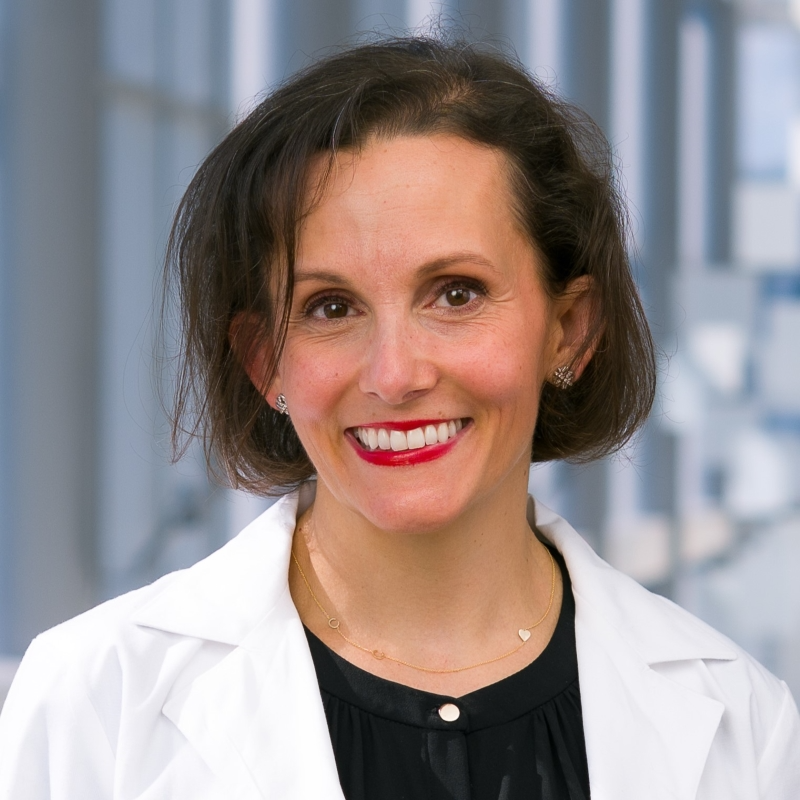
Veronica Bordes Edgar is a Professor in Psychiatry and Pediatrics at UT Southwestern Medical Center. She holds dual roles as co-Director of the Division of Developmental-Behavioral Pediatrics and Director of Clinical Training for the Doctoral Program in Clinical Neuropsychology. Her academic journey includes a PhD in counseling psychology from Arizona State University, clinical training at Harvard Medical School, and a postdoctoral fellowship in neuropsychology at the University of Minnesota. Dr. Edgar specializes in pediatric neuropsychology, focusing on neurodevelopmental disorders (both acquired and genetic) and cultural/bilingual neuropsychological assessment. She is board certified in Clinical Neuropsychology and Pediatric Neuropsychology, and currently serves as President of the American Board of Clinical Neuropsychology. Her research emphasizes culturally competent assessment practices, neurodevelopmental disorder interventions, and the application of teleneuropsychology. Notable contributions include studies on autism spectrum disorder, ADHD caregiver burden, and genetic syndromes like CLN7 and aspartylglucosaminuria.
Montserrat Anguera, Ph.D. is an Associate Professor in the Department of Biomedical Sciences at the University of Pennsylvania's School of Veterinary Medicine. Her research focuses on epigenetic mechanisms of gene regulation underlying sex differences in development and disease, with particular emphasis on X-chromosome inactivation (XCI) and its implications for female-biased autoimmune disorders. Dr. Anguera investigates how gene expression from the X-chromosome is regulated to ensure dosage compensation between males and females, and how these mechanisms become altered in diseases exhibiting sex-bias. Her laboratory has established novel epigenetic pathways involving the X-chromosome that impact human development, immune responses, and lymphocyte function. She employs advanced techniques including RNA/DNA fluorescence in situ hybridization, immunofluorescence, and allele-specific RNA sequencing to achieve single-cell resolution of epigenetic characteristics of the inactive X chromosome. Her research reveals a consistent focus on the intersection of X-chromosome biology and immunology, particularly regarding sex-biased autoimmune diseases like systemic lupus erythematosus. Key findings include the discovery that lymphocytes maintain X-chromosome inactivation differently than other somatic cells, with the inactive X exhibiting euchromatic features in female lymphocytes that may underlie female bias in autoimmune disorders. She coined the term 'dynamic XCI maintenance' to describe how T and B cells relocalize Xist RNA and heterochromatic marks to the inactive X chromosome following antigen-mediated stimulation. Dr. Anguera's laboratory includes postdocs Katherine Forsyth and Nikhil Jiwrajka, research specialist Zowie Searcy, graduate students Isabel Sierra and Natalie Toothacre, postdoctoral researcher Nuriban Valero-Pacheco, and PhD student Emma Welter. Together, they investigate epigenetic regulation of X-linked genes in development and disease contexts. She is an active member of multiple prestigious research institutes at Penn, including the Epigenetics Institute, Institute for Immunology, Center for Research on Reproduction & Women's Health, and Institute for Regenerative Medicine. Her work bridges epigenetics, immunology, and developmental biology, providing novel insights into mechanisms underlying female-biased autoimmune disorders.
Dr. John Males is a Clinical Senior Lecturer at the University of Sydney and Director of Ophthalmology Training at Sydney Eye Hospital. His clinical and research expertise focuses on corneal surgery, cataract surgery, and laser vision correction. He pioneered Descemet's Stripping Automated Endothelial Keratoplasty (DSAEK) in Australia and is conducting clinical trials on Collagen Cross-Linking for keratoconus. His research spans corneal transplantation techniques, refractive error management, and ocular surface regeneration. Dr. Males holds roles as a consultant at major hospitals and serves as an examiner for the Royal Australian & New Zealand College of Ophthalmologists. Research interests include corneal biomechanics, surgical innovation for keratoconus, and outcomes analysis of cross-linking therapies. He leads studies on corneal densitometry, dry eye correlations, and long-term efficacy of surgical interventions. His work bridges clinical practice with translational research in regenerative medicine and ocular surface engineering. Publications span over 20 years, emphasizing corneal transplantation advancements, keratoconus management, and surgical complication resolution. His contributions to global consensus guidelines for endothelial keratoplasty highlight leadership in standardizing surgical practices.
Giuseppe Rizzo is a Full Professor at the Department of Maternal and Child Health and Urological Sciences, Sapienza University of Rome. His academic career focuses on Maternal Fetal Medicine, with expertise in ultrasound applications, fetal growth restriction, preeclampsia, and congenital anomalies. Research Interests : Delivery optimization, prematurity prediction, ultrasound diagnostics, and placental anomalies. Recent Publications : Over 15 high-impact studies in 2024-2025 on topics like umbilical cord abnormalities, cerebroplacental ratios, and gestational diabetes complications. Clinical Expertise : Prenatal counseling, Doppler ultrasound, and labor management protocols. Collaborations : Active in multicenter trials across Italy and Europe, with a focus on fetal neurosonology and high-fidelity obstetric simulation.
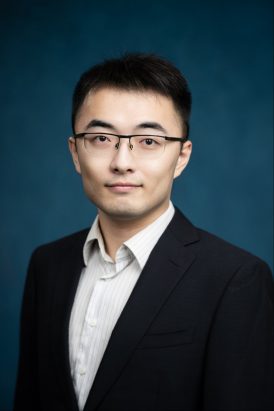
Hang Lu is an Associate Professor in the Department of Communication and Media at the University of Michigan's College of Literature, Science, and the Arts. He specializes in science, health, environmental, and risk communication (ComSHER), with a focus on media psychology. His research explores audience responses to media messages about sensitive topics and strategies to enhance message effectiveness. Lu holds a Ph.D. in Communication from Cornell University (2018), along with advanced degrees from Cornell, Marquette University, and Central South University in China. He directs the Media and Risk (MaR) Lab and previously served as a postdoctoral fellow at the Annenberg Public Policy Center. His research spans four main areas: 1) emotion dynamics in media responses, 2) predictors of information behaviors, 3) media effects on stigmatization, and 4) AI applications in sensitive domains. He has published in journals like Journal of Communication , Risk Analysis , and Public Understanding of Science , earning multiple top paper awards. As Vice Chair of the Environmental Communication Division at the International Communication Association, Lu contributes to interdisciplinary dialogue. His work addresses critical societal issues such as climate change communication, vaccination hesitancy, and emerging technology ethics.
Duncan Astle is the Gnodde Goldman Sachs Professor of Neuroinformatics at the Department of Psychiatry, University of Cambridge. He serves as a Programme Leader at the Medical Research Council's Cognition and Brain Sciences Unit (MRC CBU) and is a Fellow of Robinson College. Astle heads the 4D Lab (Development, Dynamics, Disorders, Data Science), which provides a research home for approximately 15 Early Career Researchers working at the intersection of developmental cognitive neuroscience and advanced data science methodologies. Astle's research focuses on understanding childhood development through innovative analytical approaches. His work employs transdiagnostic methods to study children with attention, learning, and memory difficulties, moving beyond traditional diagnostic categories. He investigates how neural systems develop in childhood, how they relate to developmental disorders, and how they respond to intervention. His research integrates network science, machine learning, and generative modeling to capture the complexity of neurodevelopmental diversity, examining how cognitive skills, literacy, numeracy, and mental health interrelate over developmental time. His publication record reveals a strong focus on brain connectivity and organization across development. Recent work explores structural and functional neurodevelopmental trajectories, brain wiring economics, and the impact of environmental factors on neural development. Astle's research frequently employs advanced data science techniques to identify sub-populations of children with different cognitive or brain profiles, regardless of diagnosis, and to map non-linear relationships between brain organization and cognitive difficulties. His work has increasingly focused on transdiagnostic approaches to understanding developmental disorders and the application of computational models to developmental neuroscience. Astle actively supervises PhD students and has built a substantial research group that contributes to major projects including the Centre for Attention Learning and Memory (CALM) and Resilience in Education and Development (RED). His work has been supported by prestigious funding bodies including the Royal Society, the British Academy, the Medical Research Council, and the Economic and Social Research Council, as well as multiple charitable foundations. The 4D Lab, under Astle's leadership, utilizes state-of-the-art facilities at the University of Cambridge, including on-site magnetic resonance imaging and magnetoencephalography scanners. The lab contributes to building specialist cohorts such as CALM (800 children with cognitive difficulties plus 200 comparison children) and RED, which study children's development, resilience, and educational outcomes. Astle's team explores how growing up in adverse environments affects children's brains, behavior, and mental health, with the aim of identifying early markers of risk and resilience.
Hsei Di Law is a Research Fellow at the National Centre for Epidemiology and Population Health (NCEPH), part of the Australian National University (ANU). She is concurrently pursuing an MSc in Computational Data Analytics at the Georgia Institute of Technology . Her work focuses on data linkage, machine learning, and epidemiological study design using whole-of-population linked datasets. Research Affiliations National Centre for Epidemiology and Population Health (ANU) Centre of Epidemiology for Policy and Practice Linked Data for Better Health group Health Experience and Health Services Research collaborator Research Interests : Hsei Di Law's work centers on large-scale linked administrative datasets and longitudinal data analysis , with applications in environmental contamination (PFAS, asbestos), healthcare economics (out-of-pocket costs), and epidemiology of diseases. She specializes in integrating machine learning techniques with epidemiological study design to address policy-relevant questions. Publication Trends : Her recent publications (2025–2023) analyze healthcare affordability in Australia, PFAS environmental health impacts , and data linkage methodologies . Over 2022–2015, she studied cardiovascular risk under-treatment , COVID-19 healthcare outcomes , and immune system disorders using mouse models. Projects Led : She is involved in multiple projects, including the ACT Asbestos Health Study II , PFAS Health Study , and Whole-of-population linked data project . These projects examine the health effects of asbestos and PFAS contamination , healthcare utilization, and epidemiological modeling . Contact : Email: hsei-di.law@anu.edu.au Phone: +61 2 6125 0547 Location: Building 62A, Room 2.56, ANU
Dr. Georgie Agar is a Lecturer at the School of Life & Health Sciences, Aston University , affiliated with the College of Health and Life Sciences and the Applied Health Research Group . Her research focuses on sleep disorders, self-injurious behavior, and caregiver impact in individuals with intellectual disabilities and rare genetic syndromes like Smith-Magenis and Angelman syndromes. Research Interests : Dr. Agar specializes in developing inclusive clinical assessment tools for sleep, pain, and behavior in neurodevelopmental populations. She employs mixed-methods, meta-analytic approaches, and longitudinal studies to explore sleep trajectories, behavioral conditioning models, and caregiver experiences. Publications : Her work spans sleep management in Smith-Magenis syndrome, overactivity metrics in genetic conditions, and systematic reviews on self-restraint in autism. Key journals include Molecular Autism , Orphanet Journal of Rare Diseases , and Research in Developmental Disabilities . Labs & Collaborations : She collaborates with the Aston Institute of Health & Neurodevelopment , focusing on neurodevelopmental research and cross-institutional partnerships in sleep and behavioral science.
Hong Han is an Assistant Professor in the Department of Biochemistry & Biomedical Sciences within McMaster University's Faculty of Health Sciences and a member of the Centre for Discovery in Cancer Research (CDCR). She holds a Canada Research Chair and leads the Han Lab, which focuses on cancer biology, RNA regulation, and innovative high-throughput technologies for therapeutic discovery. Dr. Han earned her Ph.D. from the University of Toronto (2010-2016) and has established herself as a leading researcher in glioblastoma and alternative splicing regulation. Her interdisciplinary research integrates cancer biology, RNA science, and multilayer gene regulation to uncover mechanisms underlying cancer progression and treatment resistance. Her laboratory pioneers integrated technological platforms for large-scale genetic/drug screening and ultra-high-throughput single-cell profiling. The research focuses on three main areas: alternative splicing regulation in cancer (particularly glioblastoma and prostate cancer), multilayer mechanisms of glioblastoma heterogeneity and microenvironment evolution, and multiplexed screening approaches for therapeutic discovery in treatment-resistant cancers. Analysis of Dr. Han's recent publications reveals a strong emphasis on single-cell technologies to characterize glioblastoma heterogeneity, minimal residual disease states, and tumor-immune interactions. Her work increasingly bridges basic RNA biology with translational applications, particularly in developing novel therapeutic strategies targeting splicing networks and immune evasion mechanisms. Canada Research Chair Dr. Han teaches Advanced Techniques in the Biomedical Sciences (BIOCHEM 734). Her research program is supported by multiple funding sources, as evidenced by her extensive publication record in high-impact journals including Nature, Cell, Molecular Cell, and Nature Communications. She employs a comprehensive approach combining in vitro, in vivo, and patient cohort studies with cutting-edge genomic technologies. The Han Lab has developed innovative multiplexed screening platforms that enable simultaneous interrogation of thousands of conditions, ranging from CAR-T cells to small molecule therapeutics. This approach accelerates the discovery of novel cancer targets and therapeutic strategies for treatment-resistant cancers.
Uwe Himmelreich is a Full Professor at the Faculty of Medicine, KU Leuven , leading the Biomedical MRI unit. He is actively involved in the Medical Imaging Division , KU Leuven Brain Institute , KU Leuven Institute for Integration of Micro- and Nano-scale Technologies , and KU Leuven Cancer Institute . Role: Full Professor and Head of Biomedical MRI Affiliations: Faculty of Medicine, Medical Imaging Division, LBI, LIMNI, LKI His research spans neuroscience , cardiovascular imaging , and nano/micro-scale technologies . Key projects include: MindMAP: Radiotherapy-induced neurotoxicity in juvenile brains Preclinical cancer models for oral tumors Quantitative T2 mapping of lung disease in murine models Neuroinflammation and cognitive decline in cryptococcosis Resistance training effects on cortical thickness in aging cohorts His work integrates MRI , multi-photon microscopy , and novel contrast agents for longitudinal in vivo studies. Methodologies include vascular density mapping , proton therapy verification , and preclinical radiotherapy evaluation . Notable contributions include: 2025: JAK/STAT inhibition in malaria-induced inflammation 2025: Manganese-enhanced MRI for cardiac injury 2025: Quantitative lung imaging at 9.4T 2024: IVIM as vascular density marker in rat brain 2024: Phase-change ultrasound agents for proton therapy
Barbara Landau is the Dick and Lydia Todd Professor of Cognitive Science at Johns Hopkins University (since 2001). She previously served as Vice Provost for Faculty (2011-2014) and Director of the Science of Learning Institute (2013-2018). Her research focuses on the interplay between language and spatial cognition, studying typical and atypical development through experimental psychology, linguistic analysis, and brain imaging. PhD in Cognitive Science, University of Pennsylvania Landau investigates the cognitive primitives underlying early development, including how children learn spatial language (e.g., prepositions), how spatial impairments affect word learning in Williams syndrome, and how language and spatial cognition interact. Her work spans typical development, congenital blindness, Williams syndrome, and post-stroke spatial representation. She leads the Language and Cognition Lab, part of the JHU Vision Sciences Group (Cognitive Science, Psychological and Brain Sciences, Neuroscience). Her research has been featured in Time , New York Times , NPR, and The New Yorker, with a focus exhibit at the Walters Art Museum (2011). She received the Guggenheim Fellowship (2009), William James Fellow Award (2018), and is a member of the National Academy of Sciences. Cognitive Science Society Fellow American Academy of Arts and Sciences Fellow American Association for the Advancement of Science Fellow Landau’s lab collaborates with University of Pennsylvania researchers (John Trueswell, Lila Gleitman) on NSF-funded projects connecting symmetry to linguistic/perceptual development. She trains students like Zihan Wang (2023 Glushko Award) and Rennie Pasquinelli (Science of Learning Fellow). Her studies involve participants aged 18 months to 18 years, including Williams syndrome individuals.
Lindsey Kent is a Professor at the University of St Andrews' School of Medicine, where she serves as Deputy Head and Director of Admissions. Her research focuses on the biological foundations of psychiatric disorders, particularly ADHD and developmental language disorders. Education: Medicine (Aberdeen University, 1989), PhD (University of Birmingham, 1998) Academic Appointments: Wellcome Trust Fellow (1999), University Lecturer (University of Cambridge, 2003), Reader (University of St Andrews, 2007) Research Trends: Dr. Kent's work explores psychiatric genetics, neurodevelopmental disorders, and molecular mechanisms through genome-wide association studies, exome sequencing, and genetic epidemiology. Key Collaborations: Psychiatric Genomics Consortium, EAGLE Consortium, 23andMe Technical Focus: ATP2C2 gene variants, TNR gene associations, polygenic risk architectures Awards: Fellow of the Higher Education Academy (2000) Academic Contributions: She has directed two Wellcome Trust-funded projects on ADHD genetics and co-authored over 91 peer-reviewed publications, including significant studies in Nature Communications and Human Molecular Genetics . Her editorial roles include serving on the American Journal of Medical Genetics board (2007–2014).
Elizabeth Phelps is the Pershing Square Professor of Human Neuroscience in the Department of Psychology at Harvard University's Faculty of Arts and Sciences. She directs the Phelps Lab, which investigates how emotions influence learning, memory, and decision-making using multidisciplinary approaches including behavioral studies, neuroimaging (fMRI), physiological measurements, and computational modeling. The lab collaborates widely across psychology, neuroscience, economics, and clinical disciplines. Her research examines: Human neuroscience of affect and cognition interactions Emotional modulation of learning and memory systems Neural mechanisms of decision-making under uncertainty Impact of emotion on social cognition and behavior Translational applications for psychological disorders Contact information: Email: phelps@fas.harvard.edu Lab email: phelpslab@fas.harvard.edu Address: Northwest Lab Building, 52 Oxford Street, Cambridge, MA 02138 The lab welcomes study participants and research assistant applicants, emphasizing diversity and inclusion in research.
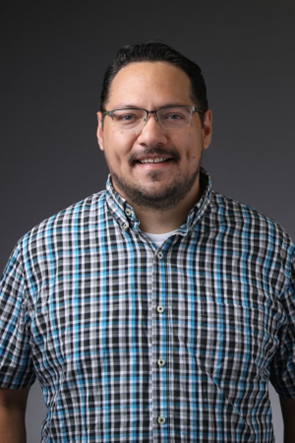
Dr. Rodolfo J. Flores serves as an Assistant Professor in the Department of Psychology within the College of Liberal Arts at the University of Texas at El Paso (UTEP). His primary research investigates neuromodulator function in the prefrontal cortex, with emphasis on acetylcholine and dynorphin systems during motivational conflict, stress responses, and addiction pathways. He employs advanced optogenetic and biosensor technologies to dissect neural circuitry underlying psychiatric conditions. Dr. Flores earned his Ph.D. in Social Cognitive and Neuroscience from UTEP in 2019, followed by postdoctoral training at the National Institute of Mental Health (NIMH). His work bridges molecular neuroscience with behavioral outcomes, focusing on how stress and substance exposure alter prefrontal cortical function. His research portfolio demonstrates consistent high-impact publication in top neuroscience journals including Nature Neuroscience , Neuron , and Psychoneuroendocrinology . Current work examines opioid neuropeptide dynamics, nicotine-alcohol interactions, and sex-specific hormonal influences on addiction behaviors. Methodologically, he specializes in genetically encoded biosensors and circuit-level manipulations to study threat processing and reward pathways. Dr. Flores teaches graduate and undergraduate courses including PSYC 4341 (Motivation & Emotion), thesis/dissertation supervision (PSYC 5395/6395), and research applications courses. His lab actively trains students through undergraduate research (RSRC 4033) and independent study opportunities (PSYC 4352).