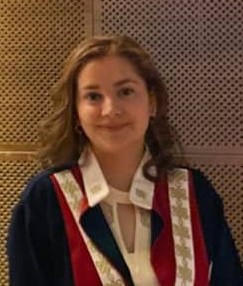
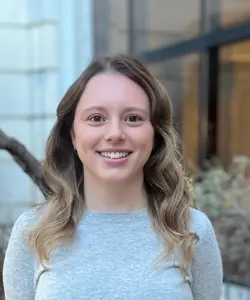
Antonia María Gómez Hinojosa is a Lecturer at the Department of Psychology and Speech Therapy, Blanquerna Faculty of Psychology and Educational and Sports Sciences, Universitat Ramon Llull. Her research focuses on Quality of Life Schizophrenia Psychosocial Intervention Autism Spectrum Disorders Pervasive Developmental Disorders Therapeutic Alliance Her publications analyze the intersection of sports science and clinical psychology, particularly Judo-based interventions for neurodevelopmental disorders Pharmacological treatments for ADHD Metabolic syndrome management in schizophrenia Contextual factors in psychosocial development Recent work includes longitudinal studies on adapted judo programs and pandemic-related behavioral regression in ASD populations. She collaborates with the PSICOPERSONA research group and participates in projects funded by the Agència de Gestió d'Ajuts Universitaris i de Recerca (AGAUR). Her h-index of 4 reflects her contributions to developmental psychology and adaptive physical activity research.
Carmen Rasmussen is a Professor in the Department of Pediatrics at the University of Alberta's Faculty of Medicine & Dentistry. She holds a PhD in Developmental Psychology from the University of Alberta and a BA (Honors) in Psychology from the University of Calgary. Her educational background includes: BA (Honors) in Psychology, University of Calgary PhD in Developmental Psychology, University of Alberta Dr. Rasmussen's research centers on cognitive and behavioral development in children, with a focus on neurodevelopmental disorders such as fetal alcohol spectrum disorder (FASD) and perinatal stroke. She examines the effectiveness of cognitive interventions and the impact of these conditions on adaptive behavior, sleep, physical activity, and academic performance. Her work aims to bridge research and clinical practice to enhance outcomes for children and families. Her recent publications (2020-2022) predominantly explore FASD and perinatal stroke, investigating cognitive profiles, executive functioning, memory, and intervention strategies. These studies often involve interdisciplinary teams and have significant implications for clinical and educational settings. Scientific Awards: None mentioned in the provided text. Dr. Rasmussen has secured research funding from the Canadian Institutes of Health Research (CIHR), Kids Brain Health Network (KBHN), Social Sciences and Humanities Research Council of Canada (SSHRC), Natural Sciences and Engineering Research Council of Canada (NSERC), and Women and Children’s Health Research Institute (WCHRI). She teaches graduate courses in biomedical research and undergraduate courses in child and adolescent development. Her research is conducted collaboratively within the Department of Pediatrics, involving multidisciplinary teams to address complex questions in child neurodevelopment.
Tuba Maden is an Associate Professor at Gaziantep University, Faculty of Health Sciences, Department of Physiotherapy and Rehabilitation. She has extensive experience in neurological rehabilitation, particularly in Multiple Sclerosis research and treatment. Her academic journey includes a Doctorate in Physiotherapy and Rehabilitation from Hasan Kalyoncu University (2017-2020), a Master's degree from the same institution (2015-2017), and a Bachelor's degree from Süleyman Demirel University (2010-2014). Dr. Maden's research interests focus on neurological rehabilitation, balance and coordination disorders, geriatric rehabilitation, and musculoskeletal rehabilitation. Her work particularly emphasizes Multiple Sclerosis rehabilitation, where she has conducted numerous studies on cervical mobilization, balance training, and assessment tools for functional capacity. She has also contributed significantly to pediatric rehabilitation, respiratory rehabilitation, and orthopedic rehabilitation research. Her publication record includes 32 articles, with recent work focusing on Multiple Sclerosis rehabilitation techniques, assessment tools, and the relationship between various physiological parameters and functional outcomes. Her research spans multiple disciplines including neurology, biomechanics, and public health, with a strong emphasis on practical clinical applications. Dr. Maden has received recognition through her 11 book chapters in various physiotherapy and rehabilitation texts, including topics such as balance and coordination exercises, rehabilitation for people with mental disabilities, and physiotherapy approaches for childhood ataxias. She has supervised three master's theses to completion, focusing on abdominal drawing-in maneuvers for balance in Multiple Sclerosis patients, tele-rehabilitation for Parkinson's patients, and fascial distortion model applications for tension headache patients. Her administrative roles include serving as Department Chair, Head of Department, Erasmus Coordinator, and Farabi Coordinator at Gaziantep University since 2023. Dr. Maden also holds a patent for a Vibratory Sensory Education Device and has participated in numerous research activities and professional trainings related to neurological rehabilitation, entrepreneurship, and scientific research methodology.
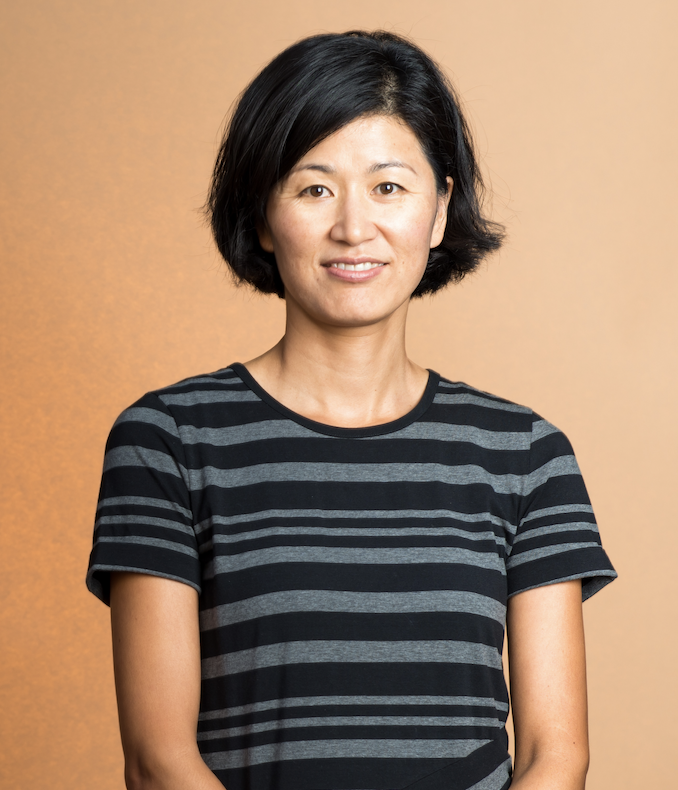
Youngok Jung is an Associate Professor of Child Development and Family Studies at California State University Long Beach, affiliated with the College of Health and Human Services. Her research focuses on high-quality early childhood education, early childhood educator competencies, and literacy development in dual language learners. Education Ph.D. in Psychological Studies in Education, University of CaliforniaM.A. in Psychological Studies in Education, University of CaliforniaM.Ed. in Early Childhood Special Education, University of VirginiaB.S. in Family and Consumer Sciences, Ewha Woman’s University Jung’s research explores the impact of early childhood education on child development, quality rating systems in early childhood programs, parenting influences on children’s health outcomes, and motor functioning in individuals with disabilities. She has contributed to understanding how family literacy programs and cultural diversity shape early learning. Her publications span journals such as Physiotherapy Theory and Practice and Early Child Development and Care , emphasizing interdisciplinary collaborations in neuroscience, education, and linguistics. Key themes include teacher-child relationships, developmental coordination disorder, and policy implementation in family literacy programs. Courses Taught CDFS 111: The Preschool ChildCDFS 310: Diversity in Child DevelopmentCDFS 311: Prenatal Development and InfancyCDFS 312: Family and Personal DevelopmentCDFS 409: Language, Learning and DevelopmentCDFS 490: Directed Studies & Special Topics She has collaborated on evaluations of the First 5 LA Family Literacy Initiatives, working with institutions like the American Institutes for Research.
Dr. Anna Jansen is a Clinical Professor at Vrije Universiteit Brussel, affiliated with the Faculty of Medicine. She serves as an External employee in both Public Health Sciences and the Department of Genetics Reproduction and Development, with a specialized focus on the Mental Health and Wellbeing research group. Her research spans neurology, genetics, and developmental disorders, with a particular emphasis on malformations of cortical development and their associated neurological conditions. Dr. Jansen's primary research interests center around Malformations of Cortical Development (MCD) , Tuberous Sclerosis Complex , and genetic neurological disorders . Her work investigates the genetic basis of brain malformations, particularly conditions like lissencephaly, polymicrogyria, and tuberous sclerosis. She has made significant contributions to understanding the relationship between specific gene mutations (such as ARX and SUFU) and neurological phenotypes. Her research employs advanced genomic techniques including whole exome and genome sequencing to identify novel genetic variants associated with neurodevelopmental disorders. Analysis of Dr. Jansen's recent publication record reveals a strong focus on translating genetic discoveries into clinical applications. Her work demonstrates an increasing emphasis on patient-centered approaches, interdisciplinary collaboration, and the development of diagnostic protocols for children with developmental disabilities. There's a clear trajectory toward integrating artificial intelligence with clinical neurology, as evidenced by her involvement in multiple AI-focused research projects. Her publications consistently address the intersection of genetics, neurology, and clinical care, with particular attention to improving diagnostic pathways and therapeutic interventions. Dr. Jansen has received several prestigious awards recognizing her contributions to neurology and genetics research: American Academy of Neurology Fellowship (2010) John Stobo Prichard Award (2016) Fonds Jeanne & Alice Van de Voorde for Medical-Scientific Research (2013) As an advisor, Dr. Jansen has supervised or served on committees for 23 master's theses, focusing on topics related to pediatric neurology, developmental disorders, and public health. Her grant portfolio includes 17 major research projects totaling approximately 5 million euros in funding. Notable projects include "TANDem 2: Closing the Gap to Interventions for TAND" (2024-2027), "IOF GEAR: Artificial Intelligence from bench to bedside in neurology" (2022-2026), and "What brain malformations can teach us" (2020-2025). These projects involve interdisciplinary collaborations with institutions across Europe and focus on translating basic research into clinical applications. Dr. Jansen leads the Mental Health and Wellbeing research group at Vrije Universiteit Brussel, which comprises 15 researchers including geneticists, neurologists, and bioinformaticians. Her team collaborates extensively with the University Hospitals Leuven and other European institutions through multiple EU-funded initiatives. The group maintains strong partnerships with patient advocacy organizations, particularly those focused on tuberous sclerosis and cortical malformation disorders, ensuring that research priorities align with patient needs.
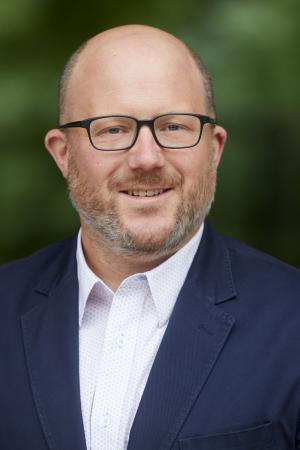
Prof. Dr. Oliver Musenberg is Professor for Pedagogy for Intellectual Disabilities at the Institute of Rehabilitation Sciences, Faculty of Humanities, Social Sciences, and Education at Humboldt University of Berlin. He serves as Director of the Pedagogy for People with Intellectual Disabilities department and heads the Special Education Archives at the HU Professional School of Education. His professional affiliations include membership in the International Standing Conference for the History of Education (ISCHE), German Society for Educational Science (DGfE), German Interdisciplinary Society for the Promotion of Research on People with Intellectual Disabilities (DIfGB), and German Association for Rehabilitation (DVfR). Dr. Musenberg's research primarily focuses on the history of education for people with intellectual disabilities, educational theory in the context of intellectual disability, Disability Studies/Disability History, and inclusive subject teaching, particularly historical learning. His work examines the iconography of mental disability, historical learning in intellectual development contexts, and education for students with severe disabilities in inclusive settings. He leads the current DFG/AHRC-funded project "Images and Imagination of Impairment and Disability in the 'Hans Würtz Collection'" (2022-2025), which analyzes historical representations of disability. His extensive publication record spans monographs, edited volumes, handbook contributions, and numerous journal articles addressing inclusive historical education, special education theory, and disability representation. His recent work shows a strong emphasis on visual culture and historical collections related to disability, particularly the Hans Würtz Collection. His research demonstrates interdisciplinary connections between educational theory, cultural studies, and disability history, with increasing attention to museum studies and exhibition design in recent years. Head of the Special Education Archives at the HU Professional School of Education Center for Inclusion Research (ZfiB) at Humboldt University Member of the Examination Board of the Institute of Rehabilitation Sciences Member of the Faculty Council of the Faculty of Cultural, Social and Educational Sciences Dr. Musenberg has secured significant research funding including from the German Research Foundation (DFG) and Arts and Humanities Research Council (AHRC). His projects include the Quality Offensive Funding Area (Quo F), Inclusive Teacher Education (iLeb 3.0 and 2.0), and Evaluation and Development of Quality in Day Care Centers (ELOQUENT), demonstrating his commitment to practical applications of inclusive education theory.
Dr. Ulrike Fickler-Stang is a Scientific Associate at the Institute for Rehabilitation Sciences within the Faculty of Humanities, Social Sciences and Education at Humboldt University of Berlin. Her work focuses on pedagogy for psychosocial disabilities, juvenile delinquency, and educational challenges in closed institutions. Role: Researcher and Study Advisor for Rehabilitation Pedagogy Email: ulrike.fickler-stang@hu-berlin.de Her research spans qualitative educational research , adult literacy , career transitions for disadvantaged youth, and psychoanalytic-educational concepts for delinquency. She contributes to quality evaluation in child/youth welfare and historical aspects of behavioral disorder education. Recent publications address pedagogical approaches in juvenile correctional facilities, professionalization challenges, and multidisciplinary collaboration. Articles emphasize institutional constraints, educational responsibilities, and innovative practices in closed systems. She offers office hours for academic advising and collaborates with Berlin's juvenile detention system. Her work integrates qualitative research methods and psychoanalytic theory to improve educational outcomes for marginalized populations.
Elin Kirsti Lie Reikerås is a Professor in Early Childhood Education at the University of Stavanger , Faculty of Educational Sciences and Humanities, Department of Kindergarten Teacher Education. She serves as Center Leader for FILIORUM - Center for Research in Early Childhood Education and Care since 2019. Doctor of Philosophy (PhD) in Special Needs Education, University of Stavanger (2007) Cand. Scient. in Pure Mathematics, University of Bergen (1990) Her research focuses on early mathematical development , digital play , and language-math correlations . She examines how coding toys and computational thinking integrate into ECEC environments, with emphasis on inclusion and gender perspectives . Her 2024-2025 articles analyze STEM integration in early education and gender disparities in ECEC outcomes. Recent publications highlight critical thinking in play-based learning, Nordic assessment frameworks , and inclusive research methodologies . She has supervised 10 master's students and six PhD candidates, while leading projects like The Stavanger Project - The Learning Child (2012-2018). She holds editorial leadership at Nordisk barnehageforskning and participates in advisory committees for Norwegian educational policy, including teacher training reforms and math/science curriculum development.
Martha Mock is a Clinical Professor and Director of the Center for Disability and Education at the University of Rochester's School of Education. With over 30 years of experience, she specializes in inclusive education, systems change, and transition services for individuals with disabilities. PhD in Special Education, University of Wisconsin-Madison MEd in Early Childhood Special Education, Virginia Commonwealth University BS in Psychology, University of Richmond Much of Mock's work focuses on expanding access to higher education for students with intellectual and developmental disabilities. Her research explores systems of service delivery, person-centered planning, and inclusive postsecondary opportunities. She has secured over $11 million in federal, state, and private funding for these initiatives, including grants from the U.S. Department of Education and the Golisano Foundation. Mmock leads the New York State Inclusive Higher Education Coalition and serves on the New York State Education Advisory Council on Postsecondary Education for Students with Disabilities. Her notable awards include the Debra Hart Policy and Practice Leadership Award (2024) for national contributions to program accreditation in inclusive higher education. Director of the Center for Disability and Education Advocate for disability rights in educational systems Expert in early childhood intervention
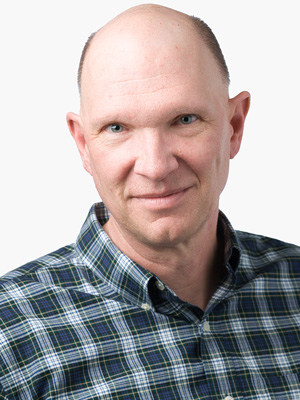
Troy Beckert serves as Professor and Associate Department Head in the Department of Human Development and Family Studies at Utah State University. A specialist in adolescent development from a normative psychosocial perspective, he holds a PhD in Educational Psychology from Arizona State University and teaches both undergraduate and graduate courses in human development. Education: PhD in Educational Psychology (Life Span Development), Arizona State University, 1998 MA in Educational Psychology (Life Span Development), Arizona State University, 1995 BA in Psychology, Arizona State University, 1989 Beckert's research centers on adolescent development with emphasis on intergenerational learning, autonomy, and psychosocial issues within contextual frameworks of families, cultures, and technology. His cross-cultural work with Taiwanese, Italian, and U.S. populations examines cognitive autonomy, parental mediation of technology, and cultural patterns in psychosocial development. Recent publications reveal growing focus on digital technology's impact on adolescent-family dynamics and cyberaggression. His publication trends (2025-2012) demonstrate consistent cross-cultural methodology with increasing attention to digital contexts. Collaborative patterns show frequent partnerships with Vaterlaus and Tulane, particularly in technology-focused adolescent research. The work spans quantitative latent profile analyses, scale validation studies, and qualitative examinations of technology use. Scientific Awards: Teacher of the Year (2012) - Department of Family, Consumer, and Human Development Teacher of the Year (2005) - Family, Consumer, and Human Development Department, Utah State University Beckert has mentored over 20 graduate students through thesis and dissertation research, including Shailey Woodward, Mark Ferguson, and Sarah Tulane. His teaching portfolio features undergraduate courses in Youth and Adolescence alongside graduate instruction in Human Development Theories and Research Methods. While specific grant details aren't provided, his extensive publication record suggests sustained research funding. Though laboratory affiliations aren't explicitly stated, his collaborative publication patterns indicate active participation in research teams focused on adolescent development and family studies, with particular emphasis on cross-cultural comparisons and technology-mediated interactions.
Jason Wolff is the William Harris Professor in Child Development and a Professor in the Department of Educational Psychology at the University of Minnesota , where he also serves as Director of Graduate Studies. His work focuses on optimizing support for young children with autism and related developmental disabilities. Education: PhD, University of Minnesota BA, University of Chicago Research Interests: Dr. Wolff’s research integrates brain, behavior, and intervention to understand and ameliorate sensory features and restricted/repetitive behaviors during the first years of life. His lab pursues two interrelated goals: (1) characterizing behavioral and brain development in children with autism and related disabilities, and (2) translating these insights into novel, optimally-timed early interventions that improve quality of life. Publication trends from 2014–2023 reveal a consistent focus on longitudinal neuroimaging of infants and toddlers at high risk for autism, quantitative assessment of repetitive behaviors, and early biomarker discovery to predict later clinical outcomes. Collectively, these studies span neurodevelopmental genetics (e.g., fragile X syndrome), neuroanatomical change (corpus callosum, white matter circuitry), and the emergence of sensory and behavioral phenotypes. Scientific Awards: No specific awards are listed in the provided text. Advising & Grants: While individual students are not named, Dr. Wolff directs graduate studies in Educational Psychology and leads a multidisciplinary lab that collaborates with the IBIS Network and other longitudinal cohort studies investigating the developmental origins of autism. Labs & Teams: He heads a research lab within the Department of Educational Psychology that conducts longitudinal neuroimaging and behavioral studies, partnering with national consortia to recruit infant siblings of children with autism and track neurodevelopmental trajectories from 6 months of age onward.
Dr. Tessa Berg is an Associate Professor in Computer Science at Heriot-Watt University's School of Mathematical & Computer Sciences. She holds a PhD in Rich Picture Interpretation (2013) and is a Fellow of the Higher Education Academy (2015) and recipient of the University's 'Learning and Teaching Oscar' (2016). Her work bridges information systems, visual communication, and social equity in technology. Heriot-Watt University (2014–present) Edinburgh Napier University (2014–2015) Research Focus: Berg's work explores: Collaborative visual methods for system understanding Online safety for autistic individuals Gender equality in STEM International student transition challenges Digital engagement for marginalized communities UN Sustainable Development Goals alignment Publication Trends: Recent works span vocational education, cybersecurity, autism research, and educational equity with focus on visual tools like Rich Pictures. Her 2025 paper examines adult apprenticeship motivations, while 2024 studies gender disparities in work-integrated learning. Awards: Fellow of Higher Education Academy (2015) Learning and Teaching Oscar (2016) Leadership: Berg serves as Director of Academic Quality for MACS since 2019 and has coordinated 'girls into computing' outreach initiatives. She has supervised 3 PhD students and conducted industry consultancy on system requirements and Rich Picture training.
Ekateryna Todorova, PhD, is an Associate Professor at the Department of Health Care and Social Work, New Bulgarian University. She specializes in developmental dyslexia, speech therapy, and special educational needs. Her career spans over two decades in academic and clinical roles. Research Interests: Dyslexia diagnostics and therapy Articulation and phonological disorders Executive function in learning disabilities Educational technology for special needs Developmental language impairments Inclusive education practices Academic Contributions: She has authored multiple books and chapters on developmental dyslexia and articulation disorders, including Bulgarian adaptations of international diagnostic tools like DDE-2. Her recent research focuses on literacy training for children with physical disabilities using assistive technologies. Professional Roles: Former dean of the Bachelor's Faculty (2016-2020), former director of quality commission, and academic mentor in EU-funded projects like Erasmus+ and Human Resources Development Program.
Mia Chudzik is a researcher and educator in the College of Education at the University of Illinois at Urbana-Champaign, specializing in Special Education. Her work focuses on creating trauma-informed and justice-oriented practices in early childhood education environments. Special Education Research Trauma-Informed Care Early Childhood Policy Recent publications highlight her expertise in trauma-informed practices, early childhood expulsion, and the Pyramid Model framework. She advocates for systemic reforms in educational policies and teacher training programs to better support children with disabilities and trauma histories.
Crystal Williams is an Assistant Professor in the Special Education department at the University of Illinois, Urbana-Champaign. Her work focuses on early intervention practices for children with significant support needs, emphasizing family roles in developmental outcomes and natural environment implementation. Previously, she worked as a developmental therapist and Infant/Toddler Specialist at Champaign County Head Start. Education: Master’s in Early Childhood Special Education (University of Illinois, 2019) Research Interests: Family-centered early intervention Bagless approach in natural environments Caregiver coaching frameworks Inclusive practices for students with extensive support needs Transition planning policy analysis Publications: Recent studies examine Part C early intervention systems, caregiver coaching during the pandemic, and material use tensions in EI sessions 2024 work on inclusive collaboration strategies and transition planning 2023 research on natural environment inclusion practices 2020 foundational paper on bagless intervention approaches