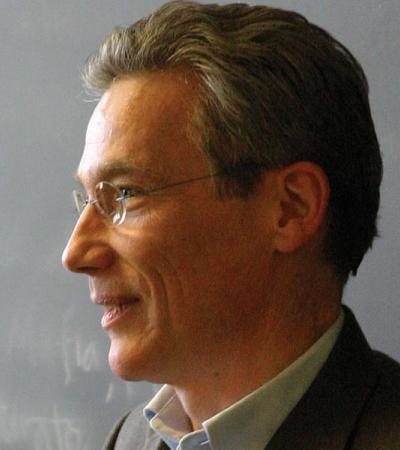
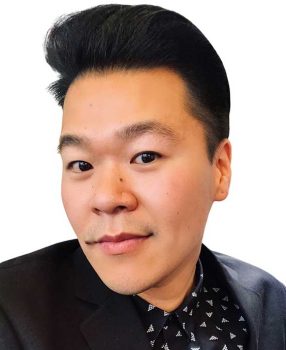
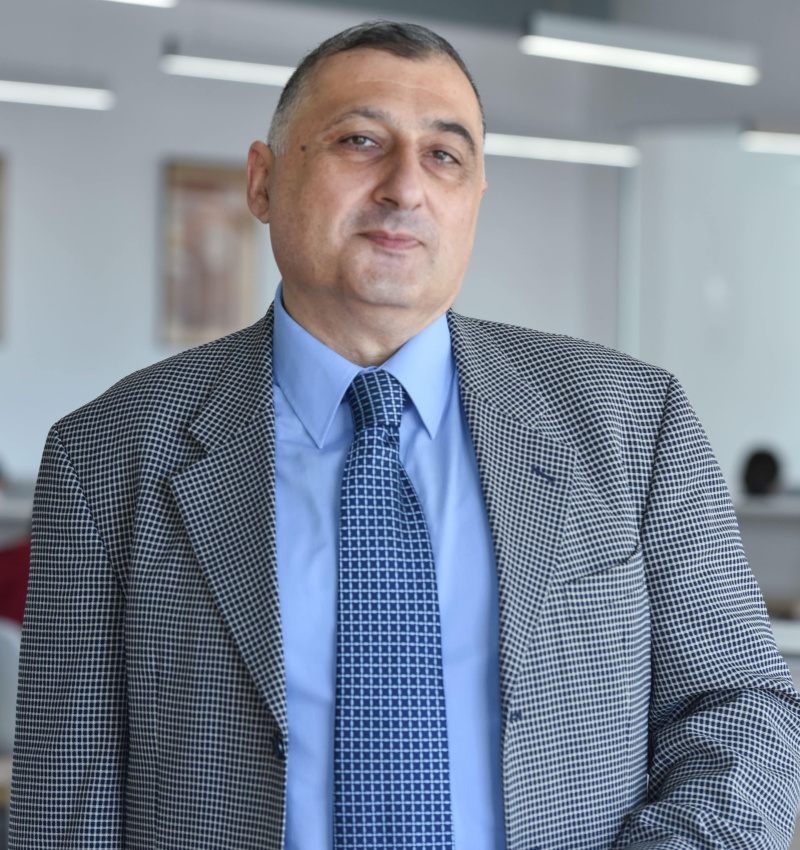
Liu Shan is a Professor in the Department of Radio and Television at Tongji University's School of Art and Media, serving since 2002 with a PhD in Modern and Contemporary Literature from Fudan University. His international academic engagements include visiting positions at City University of Hong Kong, University of Illinois at Urbana-Champaign, and University of Utah under China's Ministry of Education program. His educational trajectory features: Postdoctoral Fellowship, Journalism & Communication, Fudan University (2000-2002) PhD in Modern & Contemporary Literature, Fudan University (1997-2000) MA in Literature & Aesthetics, Xiamen University (1994-1997) BA in Chinese Language & Literature, Hunan Huaihua University (1989-1992) Specializing in media culture and new communication's societal impact , his research examines audience psychology, media representation, and cultural identity formation. Key contributions include analyzing WeChat public spheres, hip-hop subcultures, and historical media narratives, consistently bridging traditional scholarship with digital age phenomena through rigorous textual and audience analysis. His 15 most recent publications (2006-2021) reveal evolving focus from foundational media theory to contemporary digital culture, with increasing attention to Chinese social dynamics. Early works address news reform and audience theory, while recent studies tackle WeChat public life, cosmetic surgery commodification, and underground hip-hop, demonstrating methodological versatility across historical analysis, ethnography, and critical discourse studies. Major recognitions include: Shanghai Philosophy & Social Sciences Award (2006 monograph) Shanghai Academic Year Conference Excellent Paper Awards (2006, 2007) Tongji University 'Famous Course & Excellent Teacher' (2015) Multiple Excellent Thesis Supervisor Awards (2006-2022) 14th Shanghai College Student TV Festival Instructor Award (2021) As Master's Supervisor, he has mentored numerous students evidenced by eight Tongji University thesis awards (2006-2022). His research is funded by National Art Science projects ('Television Audience Theory Research') and Ministry of Education key initiatives ('Contemporary Art Practice & Cultural Competitiveness'). He serves as Editor-in-Chief of Media Criticism and SSCI journal reviewer for CSMC, while contributing to academic governance as Ministry of Education Degree Committee expert. He actively participates in the School's Omnimedia Research Institute and Media Experiment Teaching Center, collaborating with the University Film & Television Association's Media Culture Committee to advance China's media studies landscape through conferences and publications.