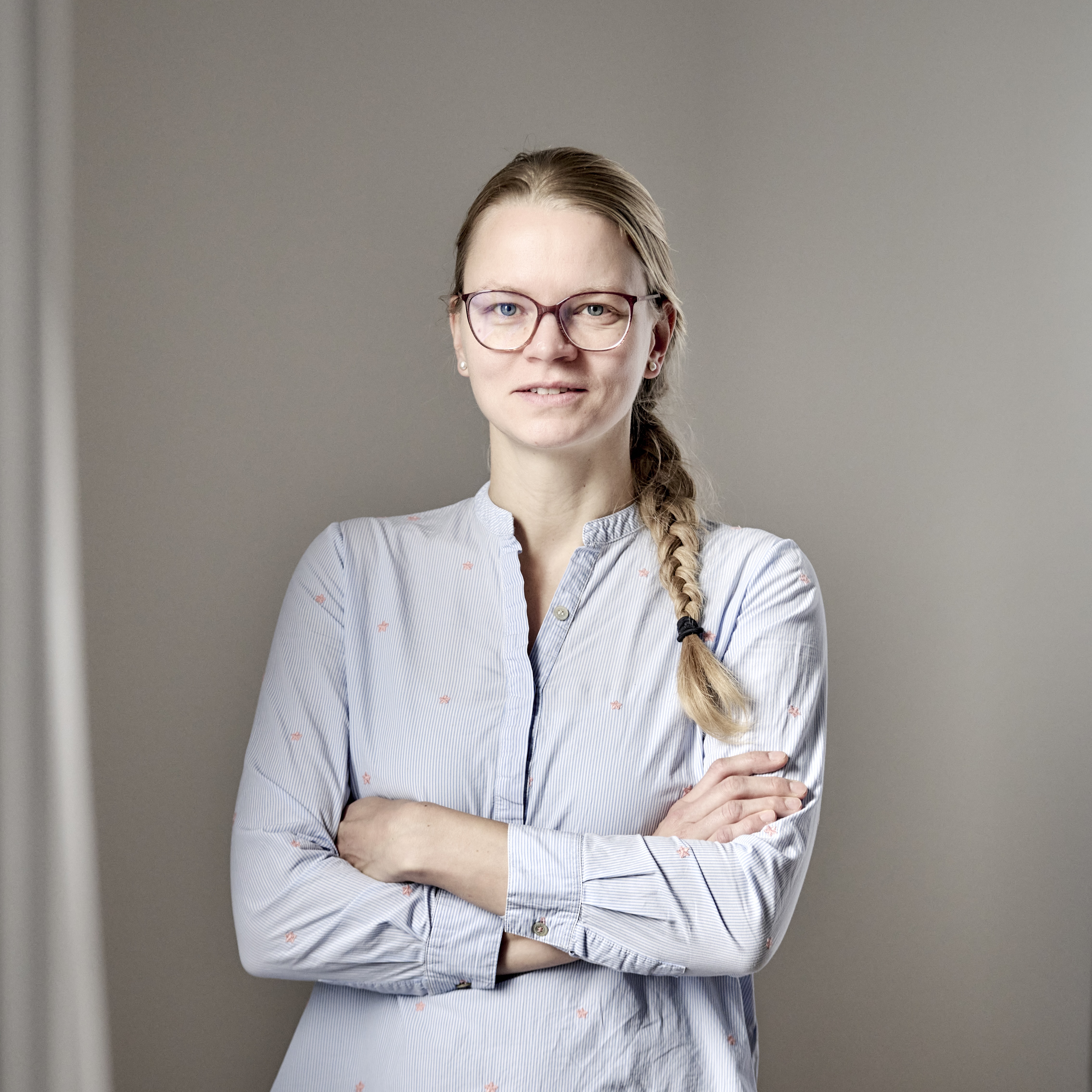
Maartje Bastings is an Associate Professor at the École Polytechnique Fédérale de Lausanne (EPFL) , leading the Programmable Biomaterials Laboratory (PBL) within the School of Engineering (STI) . She holds additional affiliations with the Institute of Materials (IMX) , IBI-STI (Bioengineering), and supervises doctoral programs in Biotechnology and Biological Engineering ( EDBB-GE ) and Materials Science and Engineering ( EDMX-GE ). Her research focuses on DNA-based supramolecular materials engineered to achieve dynamic reciprocity —a two-way interaction between synthetic materials and biological systems. By leveraging DNA as a programmable scaffold, she investigates structural mechanics, valency control, and geometric constraints governing self-assembly and cell communication at bio-interfaces. Key applications include immune system modulation, diagnostics , and vaccine development . Analysis of her 15 most recent publications reveals a focus on multivalent interactions for T-cell activation, spatial patterning in immune signaling, and engineered coatings for DNA origami stability. Subfields span T cell receptor engineering , nanoscale protein dynamics , stimuli-responsive biomaterials , and bio-inspired therapeutic design . PhD Students: Chen Yuduo Hendrickx Pauline Bart M. Kononenko Artem Li Shujie Lou Yameng Meyer Pitt Narita Minako Rousseau Benjamin Bila Hale Caroprese Vincenzo Comberlato Alice Kurisinkal Eva Eugene Paloja Kaltrina Rodríguez Franco Hugo José Tekin Cem Wong Siu Ho Contact: maartje.bastings@epfl.ch
Cesla Amarelle serves as Full Professor and Chairholder of Public Law and Migration Law at the University of Neuchâtel's Faculty of Law. Her academic leadership extends to co-directing the Swiss Center for Migration Law (CDM) and contributing to national research initiatives including the National Center of Competence in Research (NCCR) 'On the Move'. She concurrently holds significant public appointments as Chair of the Institute of European Law at the University of Fribourg and Federal Commissioner for Women's Issues, with recent expert designation to the Federal Round Table on signature collection integrity for 2024. Her academic foundation includes a law degree from the University of Lausanne (1996), LL.M. in European and International Economic Law from the University of Fribourg, and doctoral thesis from the University of Lausanne (2004). Her career progression at the University of Neuchâtel spans assistant professor (2009-2014), extraordinary professor (2015-2016), and full professor positions since 2016, complemented by earlier research roles at Swiss National Science Foundation and University of Fribourg. Professor Amarelle's research centers on migration law frameworks, human rights protections in asylum systems, and constitutional dimensions of European integration. Her work critically examines the intersection of migration governance with digital technologies, climate change impacts, and gender equality. Current projects analyze temporary protection regimes, non-refoulement principles in technological contexts, and the evolving relationship between Swiss migration law and European legal frameworks. Her scholarship consistently bridges theoretical legal analysis with practical policy implementation challenges. Her extensive publication record demonstrates evolving focus from foundational migration law codification toward contemporary challenges including digital discrimination, child rights in emergency contexts, and sustainable finance frameworks. Recent scholarship reflects increasing engagement with technological impacts on migration governance and the humanitarian dimensions of temporary protection systems, while maintaining rigorous analysis of constitutional and European law interfaces. Professor Amarelle actively contributes to academic and public discourse through leadership in the Swiss Center for Migration Law and participation in the NCCR 'On the Move' consortium. Her public service includes significant political roles as Vaud State Councilor for Education (2017-2022) and National Councilor (2011-2017), where she chaired key committees on political institutions and finance while representing Swiss higher education interests nationally. She maintains active engagement with professional associations including the Swiss Conference of Higher Education Institutions and Conference of Directors of Public Education.
Gabriele Facciolo is a Professor at the Centre Borelli, ENS Paris-Saclay, France. He is a Senior Member of the Institut Universitaire de France (IUF) and holds an Innovation Chair (2025). His research focuses on image and video processing, remote sensing, and super-resolution techniques. Current affiliations: Centre Borelli (ENS Paris-Saclay), Institut Universitaire de France His research explores advanced algorithms for satellite stereo pipelines, real-time deblurring, denoising, and explainable AI systems for legal evidence enhancement. He coordinates projects like ANR SURECAVI (Super-resolution for visible camera systems) and ANR IMPROVED (video enhancement for judicial use), with recent work on Gaussian Splatting for Earth Observation and multi-date satellite super-resolution. Notable scientific achievements include the IGARSS 2025 Top 10 Student Paper Award and leadership in projects funded by ANR (€890k) and Prime Minister's entities (SGDSN/ANSSI). His work bridges computational imaging, defense applications, and digital forensics. Project leadership: SURECAVI, IMPROVED, BOFOR Key technologies: GPU acceleration, real-time processing, optical flow estimation, RPC refinement Gabriele actively contributes to open-source tools like S2P (Satellite Stereo Pipeline), MGM (MultiGlobal Matching), and OMNIflip. He teaches in the Master MVA program and collaborates across institutions (ENPC, UPF).
Janina Grabs is Professor of Sustainability Research at the University of Basel, where she heads the subject area of Sustainability Research within the Department of Social Sciences at the Faculty of Humanities and Social Sciences. She is responsible for social science teaching in the Master's program in Sustainable Development and leads a research group investigating sustainability governance in global value chains, particularly in tropical agricultural commodities. Her academic background includes a PhD in Political Science from Westfälische Wilhelms-Universität Münster (2018), with research stays at Carleton University in Ottawa and Yale University in New Haven. Prior to her current position since June 1, 2024, she worked as an assistant professor at ESADE Business School in Barcelona (2021-2024) and as a postdoc at ETH Zurich (2019-2021). Professor Grabs' research focuses on transnational sustainability governance in global value chains, examining how states, firms, NGOs and other actors can improve environmental and social sustainability in commodity production. Her interdisciplinary work bridges political economy, regulatory governance, and business in society scholarship to investigate who defines sustainability in the marketplace, what rule-making mechanisms exist, their effectiveness, and potential unintended consequences on smallholders' livelihoods. She places special emphasis on coffee, palm oil, and cocoa sectors, exploring how global production and consumption processes can be steered toward more sustainable directions within market frameworks. Analysis of her recent publications reveals a strong focus on zero-deforestation initiatives, supply chain due diligence legislation (particularly the EU Deforestation Regulation), jurisdictional approaches to sustainable commodity governance, and the evolving role of various actors in sustainability governance. Her work spans multiple commodities but shows particular depth in coffee and palm oil sectors, examining both environmental and social dimensions of sustainability through field research in Colombia, Honduras, Costa Rica and Indonesia. Her significant contributions to the field have been recognized with prestigious awards: 2021 Organizations and the Natural Environment Book Award from the Academy of Management 2022 Lynton Keith Caldwell Award for the best book in the field of science, technology and environmental politics from the American Political Science Association Professor Grabs actively mentors doctoral students and postdoctoral researchers including Alexandra Bögner, Charline Depoorter, Lucia Casalegno, Lesly Nassila, and Philipp Dunker. Her research is supported by multiple third-party funded projects such as EXPECT-AGRI (investigating political economy of expectations in agri-food sustainability transformations), PACSMAC (examining paradoxes of climate-smart coffee production), and research on zero-deforestation commitments in the palm oil sector. She also serves as book review editor for the journal Regulation & Governance and participates in professional associations including the ECPR Standing Group on Regulatory Governance and the International Studies Association. She leads the Sustainability Research Group at the University of Basel, which conducts interdisciplinary research on sustainability governance and transformations toward more sustainable socio-economic systems, with particular focus on agri-food, energy, and mobility sectors while addressing critical questions of justice, equity, and inclusivity in sustainability transitions.
Prof. Peter Müller is a Full Professor at the Department of Computer Science at ETH Zurich since 2008. Previously, he held positions as Assistant Professor at ETH Zurich (2003-2008), Researcher at Microsoft Research Redmond (2007-2008), and IT project manager at Deutsche Bank. He earned his Diploma in Computer Science from Technical University of Munich (1996) and his Dr. rer. nat. from University of Hagen (2001) with a dissertation on modular verification of object-oriented programs. His research focuses on enabling correct software development through programming languages, verification methods, and tools. Key areas include formal verification for Rust and Go programs (Prusti and Gobra projects), separation logic, security protocols, and distributed systems verification. Müller's work emphasizes practical verification techniques for real-world systems, including secure router implementations and smart contract verification. Recent research trends highlight advancements in hyperproperties, modular reasoning for iterators and closures in Rust, and formal validation of verification tools. His methodologies bridge theoretical foundations with industrial applications, addressing challenges in concurrency, memory safety, and security assurance. Notable contributions include the SCION internet architecture, the Prusti verifier for Rust, and formal verification frameworks for distributed systems. His work often integrates rigorous mathematical foundations with scalable software engineering practices.
Philippe Thalmann is an Associate Professor at the École Polytechnique Fédérale de Lausanne (EPFL), leading the Laboratoire d'Économie Urbaine et de l'Environnement (LEURE). His research focuses on environmental economics, climate policy, energy systems, and sustainable urban development. He holds academic affiliations within the School of Architecture, Civil and Environmental Engineering (ENAC) and teaches courses on energy economics, environmental policy, and real estate. Thalmann serves on numerous national committees, including the Federal Housing Commission, the Climate Change Advisory Committee (OcCC), and the Swiss Competence Centers for Energy Research (SCCER). He has directed the INTER Institute for Urban Studies (2009–2014) and currently chairs ProClim, the Forum for Climate and Global Change. His work emphasizes interdisciplinary approaches to climate mitigation, housing affordability, and environmental policy design. Education: PhD in Economics (implied via academic rank and research output) Research interests include carbon pricing mechanisms, renewable energy systems, urban sustainability, and the economic implications of climate policy. He has advised over 30 doctoral and master’s students on topics ranging from energy efficiency valuation to housing market dynamics. Thalmann’s recent publications analyze Switzerland’s climate policy frameworks, renewable energy transitions, and the environmental impact of housing and mobility systems. He actively advises policymakers on decarbonization strategies, tax reforms, and carbon removal technologies. Notable contributions include the Renewable Energy Outlook II for Switzerland and studies on fiscal incentives for climate action. Advising & Grants: Supervised 28 students (listed above). Engaged in research projects funded by EPFL and Swiss federal initiatives. Collaborates with the Swiss National Research Program (PNR66) and energy policy think tanks. Labs/Teams: Director of LEURE Lab, part of the Urban Institute (INTER), and member of ProClim leadership.
Harald C. Gall is a Professor of Software Engineering and Dean of the Faculty of Business, Economics, and Informatics at the University of Zurich (UZH). He leads the Software Evolution and Architecture Lab, focusing on software evolution analysis, mining software repositories, and cloud-based software engineering. His research emphasizes improving software development productivity through data-driven insights. He has held visiting positions at Microsoft Research and the University of Washington. Education: PhD (Dr. techn.) and Master's (Dipl.-Ing.) in Informatics from TU Vienna Research Interests: Software evolution, mining software archives, cloud-based tools, developer productivity, and empirical software engineering. Notable contributions include the Evolizer , ChangeDistiller , and SOFAS systems. Key Contributions: Established the Mining Software Repositories (MSR) research area, program chair for ICSE 2011 and ESEC/FSE 2005, associate editor of leading journals like Empirical Software Engineering and IEEE Software. Awards: Most Influential Paper Award, Test of Time Award, and multiple Best Paper Awards. Recognized for contributions to SE research methodologies and tool development. Professional Activities: ACM SIGSOFT awards chair, board member of Informatics Europe, and executive committee member of CHOOSE (Swiss SIG for OO Systems). Labs/Teams: Director of the Software Evolution and Architecture Lab at UZH, leading projects like SURF-MobileAppsData (SNSF-funded) and DevCloud (Hasler Foundation).
Professor Bernice Simone Elger serves as Head of the Institute for Biomedical Ethics (IBMB) at the University of Basel, holding a dual affiliation with both the Faculty of Science and Faculty of Medicine. Established in 2011, the IBMB operates as Switzerland's unique ethics institute bridging scientific and medical disciplines under her leadership. Her research expertise spans biomedical ethics with particular focus on ethical challenges in emerging medical technologies, organ donation protocols, palliative care frameworks, and international research ethics. The institute's methodology combines empirical fieldwork with normative theoretical analysis, examining stakeholder perspectives across diverse healthcare contexts including developing countries and prison populations. Recent publications demonstrate her commitment to improving medical communication, particularly through plain-language translation of complex research for patient understanding. The IBMB under her direction has published extensively on topics ranging from smart home health technologies to ethical considerations in AI-driven medical decision-making. The institute maintains active research programs including the "Aging in Prison" project and hosts major international events such as the 2025 Experimental Philosophical Bioethics (BioXPhi) Summit. With over a dozen PhD students and multiple post-doctoral researchers, the IBMB receives consistent funding from major Swiss research bodies including SNF and SAMW. Professor Elger oversees comprehensive teaching initiatives including the "Contemporary Issues in Bioethics" lecture series and specialized ethics courses for both undergraduate students and medical professionals, emphasizing practical application of ethical frameworks in clinical settings.
Prof. Alexander Geissler holds the position of Full Professor of Health Care Management at the School of Medicine (Med-HSG) within the University of St. Gallen. His research focuses on health systems research, health economics, and health policy, with particular emphasis on digital transformation in healthcare and patient-reported outcomes. He has contributed extensively to studies on healthcare quality improvement, public reporting systems, and the integration of artificial intelligence in medical diagnostics and screening programs. His work spans topics like optimizing hospital digital maturity (e.g., German DigitalRadar project), analyzing surgical outcomes (robotic vs. open prostatectomies), and evaluating patient empowerment through quality information. He has pioneered methodologies for interpreting patient-reported outcomes (e.g., EQ-5D-3L) and designing clinical dashboards to enhance care delivery. Recent research highlights include investigating AI applications in breast cancer screening and cost-effectiveness of remote patient monitoring post-joint replacement surgery. Geissler’s publications demonstrate a strong focus on healthcare policy implications, such as hospital capacity planning, payment systems for specialized care, and cross-country comparisons of healthcare transparency initiatives. His work frequently bridges academic rigor with practical policy recommendations, particularly in Switzerland and Germany. Notably, he has addressed low-value care reduction, price sensitivity in healthcare demand, and the socio-demographic factors influencing healthcare utilization. While no specific awards are listed, his prolific research output reflects sustained leadership in health systems analysis. His academic contributions are disseminated through the Alexandria Research Platform and international peer-reviewed journals.
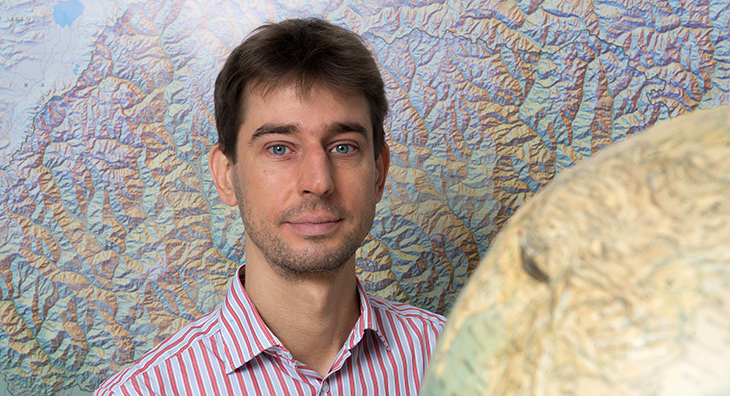
György Hetényi is an Associate Professor at the Institute of Earth Sciences, University of Lausanne, specializing in large-scale geophysics. His research focuses on mountain-building processes, earthquake dynamics, and tectonic deformation of the Himalayas and Alps. He leads the AlpArray project, deploying the largest academic seismic network in Europe. Since 2015, he has held an SNSF Assistant Professorship, advancing to his current role in 2020. Education: Bachelor's in Geophysics at Eötvös University (Budapest) Master's and PhD at École Normale Supérieure (Paris), studying Himalayan deformation Research Interests: Combining seismic and gravity data to model crustal structures, numerical modeling of orogenic processes, and educational seismology initiatives in Nepal. Active in field campaigns across Bhutan, Nepal, and the Ivrea-Verbano Zone. Publications: Over 48 peer-reviewed articles since 2007, emphasizing crustal imaging, seismic tomography, and Himalayan tectonics. Recent work includes participatory gravity modeling challenges and pan-Alpine gravity database development. Awards: Prize of the Chancellery of the Universities of Paris (2007) for doctoral research on Himalayan deformation. Teaching & Outreach: Developed the 'Geophysics Across Scales for Geologists' module in the UNIL-UNIGE program. Co-leads the Nepal School Seismology Network, integrating low-cost seismic education tools. Grants & Projects: AlpArray, DIVE (scientific drilling in Ivrea Zone), and seismic hazard assessments in Bhutan. Collaborates with international networks like ICDP and European seismic consortia. Labs/Teams: Part of the Institute of Earth Sciences (UNIL) and leads the OROG3NY project on mountain-building dynamics.
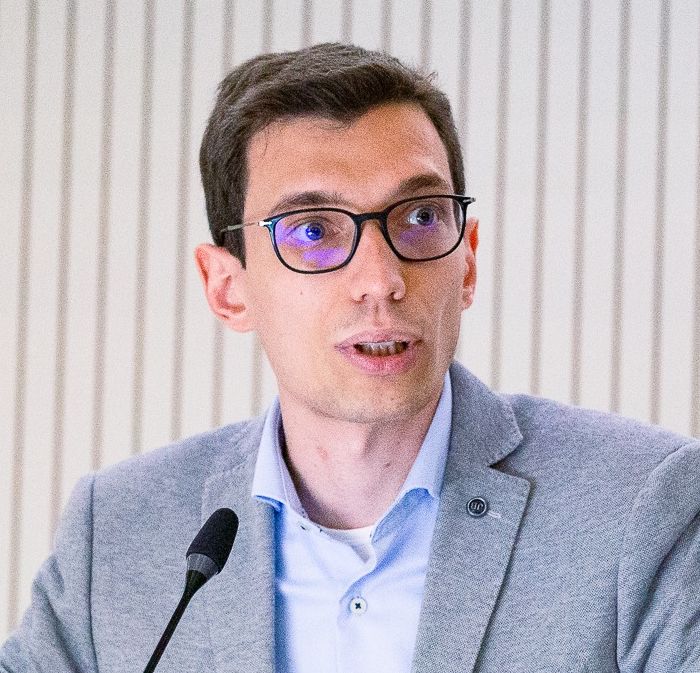
Lorenzo Baraldi is an Associate Professor at the University of Modena and Reggio Emilia, where he leads research in deep learning, vision-language integration, and multimodal AI systems. He serves as an ELLIS Scholar and Coordinator of the Modena ELLIS Unit, and has held the position of deputy director at the Interdepartmental Center on Digital Humanities since 2021. Previously, he worked at Facebook AI Research laboratory in Paris in 2017, developing video-matching algorithms for content moderation. His research spans multiple areas including Vision-and-Language integration, Multimodal Retrieval, Image and Video Captioning, Visual-Semantic alignment, Large-Scale model development, High Performance Computing, and Embodied AI. With over 120 publications in international journals and conferences, his work demonstrates consistent contributions to advancing multimodal AI capabilities. He has served as an Associate Editor for Computer Vision and Image Understanding and Pattern Recognition, and as Area Chair for major conferences including ICCV, WACV 2026, and ACM Multimedia 2025. His recent publication record shows significant impact in the field, with multiple papers accepted to top-tier conferences in 2024-2025 including CVPR, ICCV, BMVC, ICLR, ECCV, and NeurIPS. Notably, his paper "Hyperbolic Safety-Aware Vision-Language Models" was selected as a highlight paper at CVPR 2025. His research often involves collaboration with Rita Cucchiara and other researchers at his institution. ELLIS Scholar and Coordinator of the Modena ELLIS Unit Associate Editor for Computer Vision and Image Understanding Area Chair for ICCV and major multimedia conferences Highlight paper at CVPR 2025 Professor Baraldi teaches courses in Computer Vision and Cognitive Systems, Scalable AI, and Computer Architecture for the Artificial Intelligence Engineering and Computer Engineering programs. His teaching spans both undergraduate and graduate levels, with a focus on providing students with both theoretical foundations and practical implementation skills. He has developed educational materials including Deep Learning tutorials for classroom instruction.
Johanna Ziegel is a Professor of Statistics at ETH Zurich, Switzerland, since 2024, and a Visiting Scientist at the Heidelberg Institute for Theoretical Studies (HITS). Previously, she held positions at the University of Bern, where she was promoted to Full Professor in 2023. Her research focuses on decision-theoretically sound methods for forecast evaluation, probabilistic forecasting, risk measures in finance, and applications in meteorology, medicine, and climate science. She is actively involved in editorial roles for journals like Bernoulli , JASA: Theory & Methods , and SIAM Journal on Financial Mathematics . Education: PhD in Stereological Analysis of Spatial Structures from ETH Zurich (2010), supervised by Paul Embrechts and Eva B. Vedel Jensen. Postdoctoral research at the University of Melbourne and Heidelberg University. Research Interests: Forecast evaluation, elicitable functionals, risk measures, isotonic regression, statistical calibration, and applications in finance, climate science, and biostatistics. Her work bridges theoretical statistics with practical challenges in uncertainty quantification and decision-making under uncertainty. Advising & Collaborations: Supervised 7 PhD students and mentored several postdocs. Collaborates with the Computational Statistics group at HITS and the Oeschger Centre for Climate Change Research. Her group explores distributional regression under order constraints and novel methods for forecast comparison. Recognition: Credit Suisse Award for Best Teaching (2022), H.I.T. Program for Academic Leadership (2021–2022). Active in professional service, including the Bernoulli Society Council and editorial boards.
Ueli Grossniklaus is an Ordinary Professor at the University of Zurich within the Faculty of Mathematical and Natural Sciences , affiliated with the Department of Plant and Microbiology . His work focuses on plant developmental biology, particularly epigenetic and genetic mechanisms governing reproduction and adaptation. Key Courses: Epigenetics, Plant Biology Workshop, Group Seminars on Current Research Laboratory Techniques: Advanced methods in plant cell mechanics, transcriptomics, and genome editing Research Interests span plant epigenetics, reproductive biology, and the interplay between environmental stress and genetic regulation. He investigates: Mechanistic control of gametogenesis and fertilization Epigenetic contributions to plant adaptation Evolutionary implications of asexual reproduction Biophysical forces in plant cell growth Publication Trends (2025–2018) reveal expertise in: Arabidopsis and fern model systems Epigenetic regulation (DNA methylation, histone dynamics) Apomixis and hybrid seed failure mechanisms Biomechanics of pollen tubes and carnivorous plants Genome editing tools (CRISPR) and long-read sequencing Scientific Collaborations include interdisciplinary projects on: Microfluidic devices for plant cell analysis Gene drive ecology and ethics 3D imaging of plant reproductive structures Advising and Grants focus on mentoring through research internships in developmental biology, genetics, and systems biology. His lab engages in: Epigenetic response to environmental stress Cell wall mechanics in reproduction Computational modeling of plant growth Laboratory Teams integrate plant biologists, bioengineers, and computational scientists to study: Mechanistic gene regulation Evolutionary developmental biology Microrobotics for cellular force measurement
Luca Varani is a Professor and Group Leader of the Structural Biology group at the Institute for Research in Biomedicine (IRB), affiliated with the Università della Svizzera italiana in Bellinzona, Switzerland. His research focuses on understanding the molecular mechanisms of antibody-pathogen interactions and engineering novel therapeutic antibodies. Education: Chemistry degree from University of Milan, PhD from MRC-Laboratory of Molecular Biology (University of Cambridge) Former postdoc at Stanford with EMBO fellowship Founder of CLBiotech (2022), a nanobody discovery and engineering startup Varani's research spans structural biology, immunology, and biophysics with emphasis on viral pathogenesis and antibody engineering. His work combines experimental and computational approaches to study antibody-antigen interactions, particularly against emerging pathogens like SARS-CoV-2, Zika, and Dengue viruses. His group has pioneered structure-guided antibody engineering techniques that have led to multiple high-impact publications in journals like Nature, Cell, and Science. Analysis of Varani's recent publications reveals a strong focus on SARS-CoV-2 antibody responses, with significant contributions to understanding neutralizing mechanisms, viral escape, and therapeutic antibody development. His work also extends to prion diseases, cancer immunology, and flaviviruses, demonstrating a multidisciplinary approach that bridges structural biology with translational medicine. As a reviewer for high-impact journals and international granting agencies, Varani contributes significantly to the scientific community. He also serves as an evaluator for European startup accelerator programs and consults for antibody biotechnology companies, translating academic research into practical applications. Varani leads a highly multidisciplinary research team that employs techniques ranging from NMR spectroscopy and X-ray crystallography to cellular assays and computational modeling. His laboratory has been instrumental in developing bispecific antibodies against SARS-CoV-2 and other pathogens, with several candidates advancing toward clinical trials.
Martin Huber is Professor of Applied Econometrics and Policy Evaluation at the University of Fribourg, Switzerland, within the Faculty of Management, Economics and Social Sciences, Department of Economics. He leads the Chair of Applied Econometrics and maintains an active research profile with numerous publications in top economics and statistics journals. His work bridges theoretical econometrics with practical policy applications across multiple domains including labor, health, and education economics. Professor Huber earned his Ph.D. in Economics and Finance in 2010 and served as Assistant Professor at the University of St. Gallen until 2014. He has conducted research stays at Harvard University (2011/2012) and the University of Sydney (2014 and 2019), establishing an international research network. His academic affiliations include the Committee for Econometrics of the Verein für Socialpolitik, Global Labor Organization, Soda Labs (Monash Business School), and Centre for European Economic Research (ZEW) Mannheim. Huber's research focuses on data-based causal analysis , machine learning applications in economics , and policy evaluation methods . He specializes in developing and applying statistical and econometric methods for measuring causal effects, with particular emphasis on semi- and nonparametric microeconometrics. His work spans labor economics (gender occupational segregation, maternal labor supply), health economics, education policy, and competition policy (bid-rigging cartels detection). His recent publications (2023-2025) demonstrate a clear trajectory toward integrating machine learning techniques with traditional econometric methods for causal inference. This includes developing frameworks for causal discovery, improving difference-in-differences methods with machine learning, and creating novel approaches for detecting collusion in markets. His 2023 book "Causal Analysis: Impact Evaluation and Causal Machine Learning with Applications in R" (MIT Press) has become a key reference in the field. As an active researcher, Professor Huber directs several research projects including experimental evaluations of gender occupational segregation in the Swiss apprenticeship market. His work combines theoretical rigor with practical policy relevance, often employing experimental and quasi-experimental methods to address questions of causal mechanisms in social and economic phenomena. Through his Chair of Applied Econometrics, Huber supervises Ph.D. students and maintains an active research group focused on advancing causal inference methodologies. His work has significant implications for evidence-based policymaking across multiple sectors, particularly in evaluating the effectiveness of social programs and economic policies.