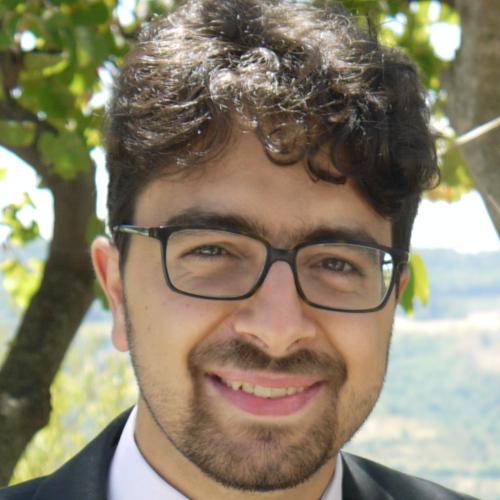
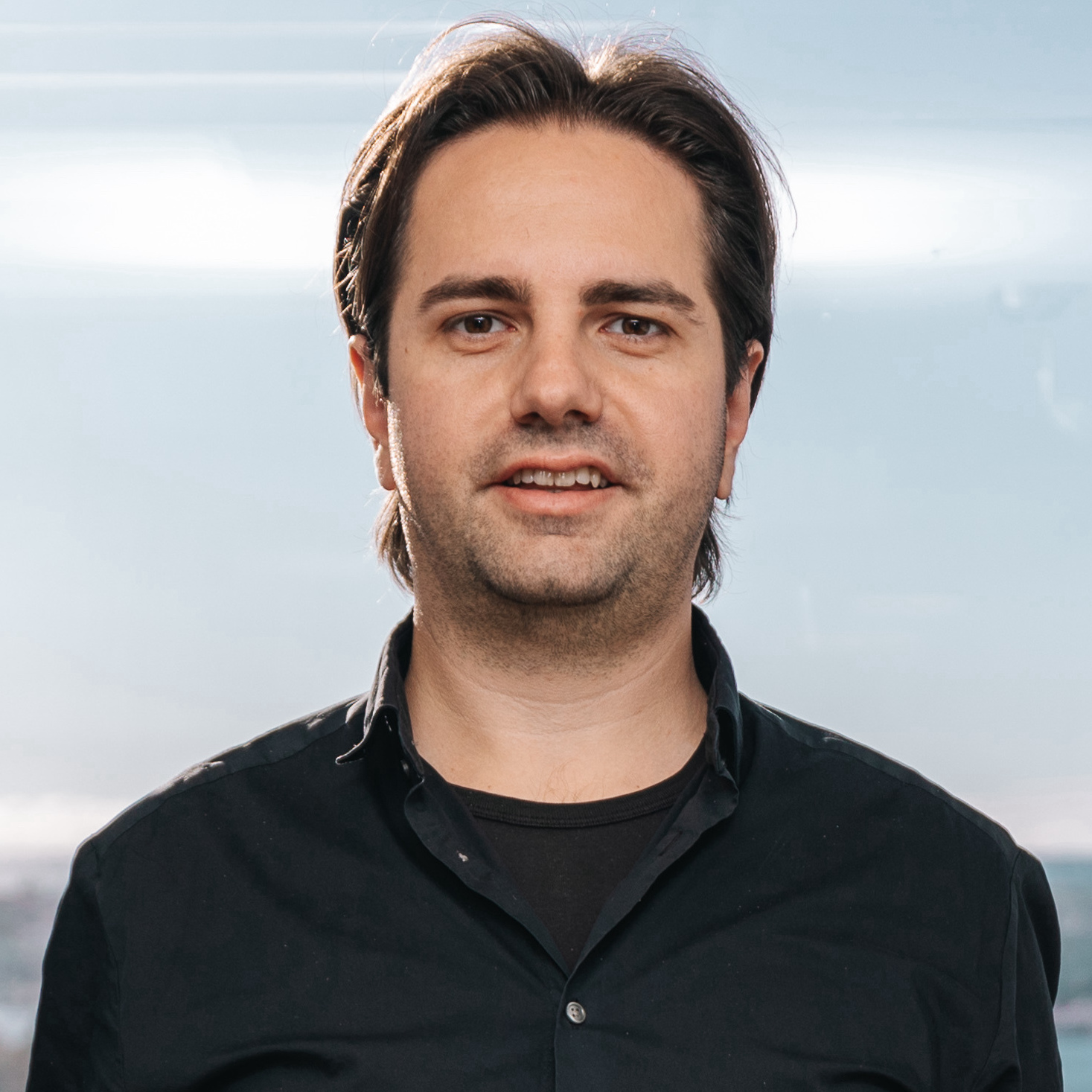
Simone Di Marino is an Associate Professor in the Department of Mathematics at the University of Genoa. His research focuses on Optimal Transport, Mathematical Analysis, and their applications to Partial Differential Equations and Functional Analysis. He is a member of the research commission and teaches courses such as Mathematical Analysis, Calculus, and specialized topics in Mathematics and Engineering programs. His research interests include Optimal Transport Theory, Nonlinear Analysis, and the development of variational methods for problems in mathematical physics and differential geometry. He explores topics such as gradient flows, entropy regularization, and geometric inequalities on manifolds. Recent work highlights contributions to the theory of Grand-Canonical Optimal Transport, nonlinear mobilities in transport models, and the convexity properties of ground state energies in quantum systems. His articles often bridge pure analysis with applications in physics and numerical methods. Di Marino is available for student consultations on Wednesdays from 2pm to 4pm. Though no specific grants or awards are listed, his extensive publication record reflects active engagement in collaborative research.
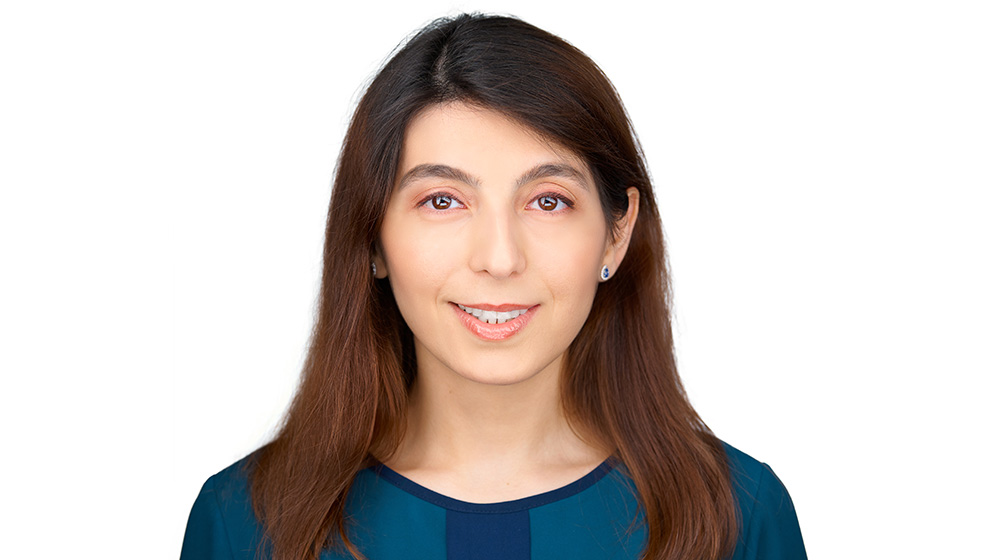
Hasnaa Zidani is a Professor in applied mathematics at INSA Rouen Normandie, affiliated with the Laboratoire de Mathématiques de l'INSA (LMI), CNRS EA-3226. She holds the Chaire d'excellence 'COPTI' (2021–2025), funded by ANR, Région Normandie, and the EU, focusing on optimal control applications in environmental modeling, transportation, and image processing. Her research emphasizes optimal control theory, Hamilton-Jacobi equations, numerical methods, and stochastic systems. Recent activities include organizing conferences like the “On the Road to New Horizons” event (June 2024) celebrating Witold Respondek and serving as a speaker at the 3rd International Conference on Variational Analysis (2024). She co-leads the Workshop on Optimal Control Theory (2023) and has contributed to the ROC-HJ solver for optimal control problems. Key research interests include multi-objective optimization, stochastic control, and applications in aerospace engineering. Her work bridges theoretical advancements with practical tools like the ROC-HJ software. Awards include the COPTI excellence chair, recognizing her contributions to applied mathematics and control theory. Grants: COPTI Project (ANR, 2021–2025) Labs/Teams: Laboratoire de Mathématiques de l'INSA (LMI), collaboration with CMM (Chile) and Thales Alenia Space
Simone Di Marino is an Associate Professor at the University of Genova, specializing in mathematical analysis and optimal transport. His research focuses on optimal transport theory, partial differential equations, and functional analysis, with contributions to calculus of variations and mathematical physics. Education: PhD in Mathematics (2014) Master's/Undergraduate Degree in Mathematics (2012) Research Interests: Optimal Transport with applications to physics and biology Analysis of PDEs (e.g., Fokker-Planck, Hele-Shaw models) Functional Analysis (Sobolev/BV spaces on metric measure spaces) Geometric Analysis (manifolds, metric geometry) Publications: Recent work includes advances in Wasserstein space algorithms, multi-marginal transport, and semiclassical limits. Key contributions address particle approximation, gradient flows, and convexity properties in quantum systems. Grants/Awards: Supported by the Simons Foundation. No explicit awards listed. Professional Activities: Organized conferences like 'Calculus of Variations and Free Boundary Problems' Co-organizer of workshops on optimal transport and machine learning
Hasnaa ZIDANI is a Professor in applied mathematics at INSA Rouen Normandie , holding the COPTI Chair . Her research focuses on optimal control , mathematical modeling , and numerical simulation , with applications to transportation systems (e.g., autonomous vehicles, traffic management) and environmental modeling (e.g., resource management, marine ecology). She leads the COPTI project, funded by the ANR , Région Normandie , and EU’s ERDF , aiming to advance international-level research in optimal control methods. Research priorities include Optimal control of large-scale and stratified systems, Trajectory planning and crowd movement optimization, Image segmentation and optimal transport, Applications in aerospace (e.g., launcher trajectory optimization) and energy (e.g., demand response systems). ZIDANI actively contributes to academic events, such as the 2024 conference on Control Theory (co-chair) and the 2023 workshop on Optimal Control in Italy . She collaborates with institutions like Thales Alenia Space and develops tools like the ROC-HJ solver for reachability analysis and optimal control. Affiliations : Laboratoire de Mathématiques de l’INSA Rouen (LMI), CNRS EA-3226. Contact via Hasnaa.Zidani@insa-rouen.fr .
Carlotta Guiducci is an Associate Professor at École Polytechnique Fédérale de Lausanne (EPFL), affiliated with the School of Engineering (STI) and the Laboratory of Life Sciences Electronics (CLSE). She also holds teaching roles in Life Sciences Engineering, Electrical and Electronics Engineering, and contributes to the Doctoral Program in Biotechnology and Biomedical Engineering. Roles: Swiss-up Engineering Chair, PhD Program Committee Member Labs: CLSE (Life Sciences Electronics), IBI-STI (Institute of Bioengineering) Her research focuses on microfluidic systems , electronic biosensors , and lab-on-a-chip technologies for cell analysis , DNA detection , and point-of-care diagnostics . She has pioneered methods like dielectrophoretic sorting, electrokinetic microdevices, and 3D electrode integration in biomedical applications. Key trends in her publications include miniaturized diagnostic systems , label-free biomolecular detection , and active microfluidic control . Her work spans from fundamental studies on capacitive DNA sensing to applied devices for therapeutic drug monitoring and cell trapping arrays . Academic Contributions Current PhD Student: Cristofori Micaela Siria Past PhD Students: 12 individuals (Accastelli, Bojescu, Cappi, Ferretti, Keim, Kilchenmann, Porro, Rollo, Ryser, Temiz, Thiriet, Tomar) Teaching: Advanced courses in electrical systems, biosensors, and electronic biochips
Jan Dufek is an Associate Professor in the Department of Nuclear Science & Engineering at KTH Royal Institute of Technology. His research focuses on advancing numerical methods for Monte Carlo neutron transport simulations, with applications in nuclear reactor design and safety. Key areas include coupled simulations of thermal-hydraulic feedback, Monte Carlo burnup methods, fission source convergence acceleration, and fission matrix-based techniques. He also develops deterministic nodal nuclear data models using polynomial regression to handle multi-dimensional state variables efficiently. He teaches courses such as Monte Carlo Methods and Simulations in Nuclear Technology and Nuclear Reactor Physics , serving as an examiner and course responsible. His work contributes to projects like the McSAFE initiative, aiming to enhance high-performance Monte Carlo methods for reactor safety. Collaborations include studies on deep learning for nuclear fuel composition prediction and transient analysis using hybrid stochastic-deterministic approaches. His research bridges computational efficiency with practical reactor engineering challenges. Dr. Dufek is affiliated with the NRT (Nuclear Reactor Technology) group at KTH, fostering interdisciplinary advancements in reactor physics and computational methodologies.
Matthew Rosenberger is an Assistant Professor in the Department of Aerospace and Mechanical Engineering at the University of Notre Dame's College of Engineering. His research focuses on nanoscale characterization and control of materials for electronic, optoelectronic, quantum, and energy-related technologies using advanced atomic force microscopy techniques. Education: Ph.D., University of Illinois at Urbana-Champaign, 2016 M.S., University of Illinois at Urbana-Champaign, 2012 B.S., University of Illinois at Urbana-Champaign, 2010 His primary research spans atomic force microscopy, nanomechanics and strain engineering, and two-dimensional materials science. He investigates energy storage/conversion applications, chemical/biological sensing, and energy-efficient electronics by studying strain, defects, and interfaces in nanomaterials to control material behavior. His work bridges fundamental physics with technological applications in optoelectronics and quantum systems. Analysis of his 15 most recent publications (2020-2024) reveals dominant themes in two-dimensional materials (especially transition metal dichalcogenides), defect quantification, moiré physics, and novel imaging techniques like exciton-enhanced second harmonic generation. His work shows increasing biomedical applications through tumor mechanics research and strong emphasis on nanoscale metrology for energy technologies. Scientific Awards: NSF CAREER award for improving nanoscale imaging techniques Professor Rosenberger advises four PhD students (Kristyna Yang, Kaikui Xu, Yucheng Yang, Md Rashed Nizam) and leads the Rosenberger Group, supported by competitive grants including the NSF CAREER award for developing advanced nanoscale imaging methodologies. The Rosenberger Group operates specialized equipment including an Asylum Research Cypher ES atomic force microscope (with environmental control, heater stage, and multimodal capabilities) and a Horiba Labram HR Evolution confocal Raman/photoluminescence system for comprehensive nanomaterial characterization across electronic, optoelectronic, quantum, and energy domains.
Anna Plym serves as an Assistant Professor at Karolinska Institutet's Department of Medical Epidemiology and Biostatistics since 2022, while maintaining adjunct faculty status at Harvard T.H. Chan School of Public Health and research affiliation at Brigham and Women's Hospital. Her work centers on genetic epidemiology within Fredrik Wiklund's research group, focusing on prostate and testicular cancer risk prediction. Her academic credentials include: PhD in Cancer Epidemiology (Karolinska Institutet, 2019) MSc in Public Health Epidemiology (Karolinska Institutet, 2013) MSc in Biomedical Science (Uppsala University, 2007) Dr. Plym's research pioneers genetic-risk based prevention strategies for prostate cancer, demonstrating that men with high polygenic risk scores face ~50% lifetime prostate cancer risk versus Analysis of her 15 most recent publications (2022-2025) reveals three dominant trends: 1) Development of multi-ancestry polygenic risk scores validated across diverse populations; 2) Investigation of gene-lifestyle interactions for risk compensation; 3) Clinical translation of genetic tools for early detection and prevention. Her work consistently bridges epidemiological discovery with practical clinical applications. Her scientific contributions have been recognized through: 2021 Young Investigator Award (Prostate Cancer Foundation) 2021 Scholar-in-Training Award (American Association for Cancer Research) Dr. Plym's research is supported by substantial institutional funding, including nearly 120 million SEK secured by her department in 2024 Swedish grants and Karolinska Institutet's 254 million SEK award from the Swedish Cancer Society in 2021. She actively mentors trainees and contributes to large-scale initiatives like the Million Veteran Program. Her laboratory work within Fredrik Wiklund's group employs cutting-edge genomic epidemiology approaches, with current projects focusing on integrating MRI with genetic risk scores and developing ethnicity-specific risk prediction tools for global clinical implementation.
Glenn Sjoden is a Professor in the Department of Civil & Environmental Engineering at the University of Utah, specializing in nuclear engineering applications. With degrees including a PhD in Nuclear Engineering from Pennsylvania State University (1997), MS from Air Force Institute of Technology (1992), and BS from Texas A&M University (1984), his research spans computational nuclear engineering, reactor design, radiation transport, and nuclear forensics. His research interests focus on reactor physics optimization, isotope production/separation methodologies, nuclear detection systems, and planetary defense applications. Current investigations examine neutron transport modeling, thermoelectrically cooled detectors, asteroid impact mitigation strategies, and advanced morphological analysis for nuclear forensic applications. Recent publications demonstrate consistent focus on experimental validation of computational models across nuclear engineering domains. Article analyses reveal predominant themes in reactor optimization (32%), radiation detection (27%), isotope production (20%), nuclear forensics (13%), and planetary defense (8%). Methodological approaches emphasize Monte Carlo simulations, spectral matching techniques, and automated image processing algorithms. Laboratory activities include the Utah TRIGA reactor facility where his team conducts experimental validation of neutron imaging systems, radioisotope production, and detector performance characterization under controlled irradiation conditions.
Azmy S. Ackleh is a Professor of Mathematics and Dean of the Ray P. Authement College of Sciences at the University of Louisiana at Lafayette. He holds the R.P. Authement Endowed Chair in Computational Mathematics. His research focuses on Mathematical Ecology and Epidemiology, with expertise in structured population models, computational methods, and parameter estimation. He has authored over 160 peer-reviewed articles and a graduate-level textbook. Education: Ph.D. (1993), M.S. (1990), and B.S. (1988) in Mathematics from the University of Tennessee-Knoxville, University of the Cumberlands. Research Interests: Development of deterministic/stochastic population models, age/size-structured populations, invasive species, phenotypic selection-mutation, epidemiological models. Tools include PDEs, difference equations, and Markov chain models. He has directed 18 Ph.D. students and secured over $9M in grants from NSF, NIH, and GoMRI. Awards: Rollie Lamberson Research Award (2019), Distinguished Professor (2007), and multiple summer research awards. His work integrates mathematical modeling with ecological and biomedical applications.
Dr. Niranjani H. Patel is a Professor in the Department of Industrial & Systems Engineering at San José State University (SJSU), where she also coordinates the MS Engineering Management program. She has held academic roles including Associate Professor at SJSU, Chair of Industrial & Manufacturing Engineering at the University of Wisconsin-Milwaukee, and visiting positions at the University of Central Florida. Her research focuses on operations research, supply chain optimization, transportation systems, and statistical modeling. Education: Ph.D. Industrial and Systems Engineering, Georgia Institute of Technology (1988) M.S. Operations Research, Georgia Institute of Technology M.S. Systems Engineering, University of Illinois, Chicago M.Sc. and B.Sc. Statistics, Maharaja Sayajirao University of Baroda, India Dr. Patel’s research interests span optimization techniques, stochastic processes, and industrial engineering applications. Notable contributions include work on factorial experiment design, supply chain integration, and hazardous materials routing. She has published extensively in journals like Computers & Industrial Engineering and International Journal of Industrial & Systems Engineering . Her awards include the Newnan Teaching Excellence Award (2009), NSF-funded grants for engineering entrepreneurship curriculum development, and multiple research fellowships. She has advised numerous Ph.D. and M.S. students, contributing to over 30 dissertations and theses. Grants & Service: Developed Lean Six Sigma programs within SJSU’s curriculum Directed the Operations Research Division of the Institute of Industrial Engineers (2000–2002) Recipient of over $100K in NSF and institutional grants for educational and research initiatives
Larry Lemke is a Professor of Environmental Geology in the Department of Earth and Atmospheric Sciences at Central Michigan University. His work bridges geology and environmental science, with a strong focus on urban environmental health and contaminant dynamics. He holds a Ph.D. in Environmental Engineering from the University of Michigan and has extensive industry experience from 12 years with Exxon. Education: Ph.D., Environmental Engineering, University of Michigan, 2003 M.B.A., Business Administration, University of Denver, 1989 M.S., Geosciences, University of Arizona, 1985 B.S., Geology, Michigan State University, 1983 Dr. Lemke's research centers on the fate and transport of environmental contaminants in groundwater, air, and soil, particularly in urban settings. He applies deterministic and stochastic modeling to assess spatial variability and conceptual model uncertainty in environmental systems. His work has significant implications for risk assessment and public health policy, especially in communities exposed to industrial pollutants. His recent publications (2020–2024) reveal a consistent focus on emerging contaminants like PFAS and 1,4-dioxane, air pollutants such as BTEX, and their impacts on human health, particularly in vulnerable populations in Detroit. He frequently employs geospatial analysis, field monitoring, and advanced analytical techniques to understand exposure pathways and health outcomes. Scientific Awards: American Institute of Professional Geologists (AIPG) Michigan Educator of the Year (2021) National Science Foundation CAREER Award (2008) Wayne State University Presidential Award for Excellence in Teaching (2006) Wayne State University College of Liberal Arts and Sciences Teaching Award with mentoring distinction (2014) Michigan Association of State Universities Distinguished Professor Nominee (2016) Dr. Lemke has mentored numerous students, many of whom have co-authored his publications, including McFarlan, Jackson, O'Leary, and Ravansari. His research has been supported by grants from the National Science Foundation and other agencies, enabling extensive fieldwork and interdisciplinary collaboration. He has taught courses such as Hydrogeology, Environmental Modeling, and Climatology. He is actively involved in studying the Detroit-Windsor international airshed and groundwater challenges in the Great Lakes region, contributing to sustainability and environmental policy discussions. His lab and research team focus on environmental monitoring, risk modeling, and urban contamination mitigation.
Gita Taherkhani is an Assistant Professor in the Department of Information Systems and Supply Chain Management at the Quinlan School of Business, Loyola University Chicago. She holds a PhD in Management Sciences from the University of Waterloo and previously served as a postdoctoral research fellow at the Interuniversity Research Centre on Enterprise Networks, Logistics, and Transportation (CIRRELT) and the School of Management at the University of Quebec in Montreal. Education: PhD in Management Sciences, University of Waterloo, Canada MSc in Industrial Engineering, Koç University, Istanbul, Turkey BSc in Industrial Engineering, Sharif University of Technology, Tehran, Iran Her research lies at the intersection of supply chain management, logistics, and business analytics. She develops deterministic and stochastic optimization models to solve data-driven decision problems across transportation, logistics, and telecommunications. Her methodological expertise includes mixed-integer programming, stochastic optimization, and decomposition techniques for large-scale systems, applied at strategic, tactical, and operational levels. Dr. Taherkhani has been recognized with multiple INFORMS awards for her doctoral and early-career research, including top honors in both the SOLA and AAS dissertation competitions. These reflect the high impact and rigor of her work in the operations research and supply chain analytics communities. Scientific Awards: Honorable mention in the INFORMS SOLA Best Student Paper Award, Anaheim, USA, Fall 2021 2nd place in the INFORMS SOLA Dissertation Award, USA, Fall 2020 2nd place in the INFORMS AAS Best Dissertation Award, Seattle, USA, Fall 2019 2nd place in the INFORMS SOLA Best Student Paper Award, Seattle, USA, Fall 2019 She is actively involved in teaching and mentoring, offering courses such as Introduction to Operations Management, Supply Chain Analytics, Operations Management, Supply Chain Modeling, Decision Strategy, Introduction to Optimization, Engineering Economics, and Quantitative Data Analysis. While specific grant funding and student advisees are not listed, her postdoctoral fellowship at CIRRELT indicates prior engagement with collaborative, interdisciplinary research networks. Dr. Taherkhani's research contributes to advancing analytical decision-making in complex enterprise systems, with applications in intelligent transport, telecommunications, and integrated logistics networks. Her work bridges theoretical modeling and real-world implementation, positioning her as a rising scholar in supply chain analytics and operations research.
Lucia Scardia is an Associate Professor in the Department of Mathematics at Heriot-Watt University (Edinburgh EH14 4AS). Her research focuses on calculus of variations, partial differential equations, homogenisation (deterministic and stochastic), and harmonic analysis, with applications in material science including plasticity, dislocations, non-local aggregation problems, nonlinear elasticity, and fracture theories. Research Focus Primary research domains include: Variational methods for PDEs and homogenisation Mathematical modeling of dislocations and plasticity Stochastic analysis of material defects Nonlocal interaction problems and fracture mechanics Anisotropic energy minimization Publication Trends Recent publications (2019-2025) demonstrate strong focus on: Homogenisation techniques in stochastic/perforated domains; variational analysis of anisotropic/nonlocal energies; explicit minimisers for Coulomb/Riesz interactions; free-discontinuity problems; and mathematical descriptions of dislocation patterns. Work consistently employs Gamma-convergence and variational methods. Student Supervision & Grants Supervised 18+ students including PhD candidate Xavier Pellet (2015-2019) and numerous Bachelor/Master projects on variational methods, dislocations, and PDEs. Major grants include: EPSRC EP/V00204X/1: Mathematical Theory of polycrystalline materials (£576,848, 2021-2024) EPSRC EP/V008897/1: Generalised Solutions of Nonlinear PDEs (£35,960, 2021-2024) EPSRC First Grant EP/N035631/1: Dislocation Patterns beyond equilibrium (£95,699, 2016) Academic Leadership Organizes major conferences including 'Optimal Transport and Calculus of Variations' (ICMS 2023) and 'Polycrystals: Microstructure and Plasticity' (ICMS 2022). Co-founder of the 'One World PDE seminar' (2021-present).
Filip Ilievski serves as an Assistant Professor of Commonsense AI (Sr.) at Vrije Universiteit Amsterdam, where he leads the Learning and Reasoning Group. He holds additional affiliations as an Affiliated Scientist at USC Information Sciences Institute and Amsterdam Sustainability Institute, and serves as Scientific Coordinator of the Digital Sustainability Institute (DiSC). His academic journey includes a PhD from Vrije Universiteit Amsterdam (2015-2019), research positions at USC (2019-2023), and a research visit to Carnegie Mellon University (2017). Dr. Ilievski's research focuses on advancing human-centric AI with common sense for social good applications. His work spans three interconnected areas: commonsense reasoning (including situational awareness, numeracy, and modeling of other agents), analogy and abstraction (studying cognitive generalization mechanisms through narratives and lateral thinking puzzles), and AI for social good (interpreting complex online media like internet memes and developing knowledge-based solutions for sustainable policies). He employs neuro-symbolic methods including prototype-based networks, combining LLMs with deterministic engines, and reasoning with scene knowledge graphs to create robust, interpretable AI systems. His publication record shows a strong trend toward multimodal reasoning and practical applications of commonsense AI, particularly in understanding internet memes, developing sustainable AI solutions, and creating robust evaluation frameworks like the MARVEL benchmark. Recent work increasingly integrates cognitive theories with neural architectures to address limitations in current foundation models, with particular emphasis on explainability and cultural context awareness. Best Student Paper Award at K-CAP for 'Knowledge-enhanced Agents for Interactive Text Games' Best Paper and Best Presentation Award at Workshop on Multimodal Content Analysis for Social Good (MM4SG) Book 'Human-Centric AI with Common Sense' published in Springer Nature Synthesis series Dr. Ilievski actively supervises a growing team of PhD students and postdocs, with current projects focusing on visual commonsense reasoning, meme semantics, analogical abstraction, multimodal alignment, and architectures for human-centric AI. His Digital Sustainability Institute (DiSC) coordinates research on knowledge-driven AI for sustainable policies, while his Situated AI minor program develops next-generation AI education. He maintains active collaborations with institutions including USC, CMU, RPI, University of Lyon, UvA, University of Bielefeld, and industry partners like Bosch Research, NEC Labs, Merit Technologies, and Tencent.