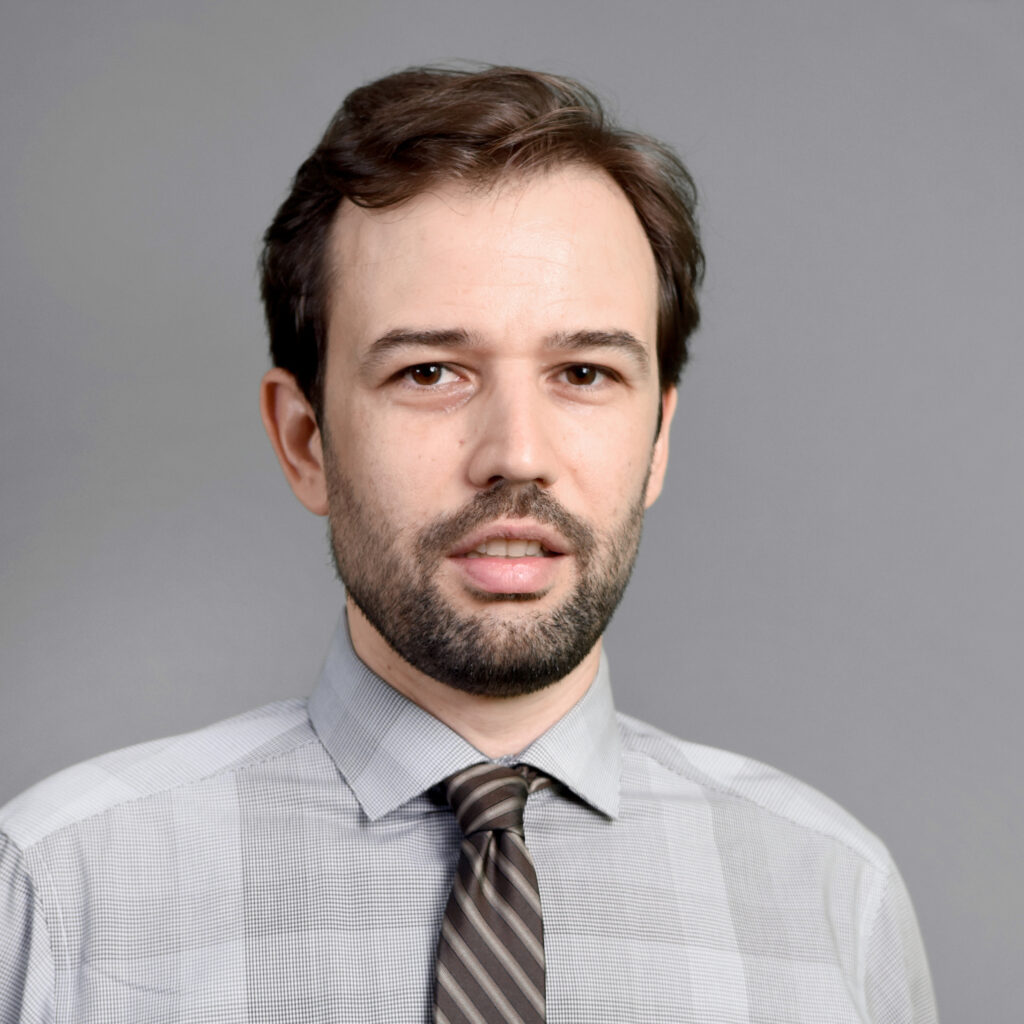
Georgios Trichopoulos is an Associate Professor at Arizona State University's School of Electrical, Computer and Energy Engineering, specializing in millimeter-wave (mmW) and terahertz (THz) technology for biomedical sensing, imaging systems, and wireless communications. He received his Ph.D. in Electrical and Computer Engineering from The Ohio State University in 2013 and joined ASU in 2015 after postdoctoral work at Ohio State's ElectroScience Lab. Education: Ph.D. in Electrical and Computer Engineering, The Ohio State University (2013) His research focuses on THz and mmW technology, including on-chip antenna design, non-contact device characterization, and imaging systems. A co-founder of TeraProbes Inc., he develops scalable beamforming architectures and programmable electromagnetic surfaces for 5G/6G communications and security applications. Recent publications highlight advancements in THz imaging systems, non-contact probe calibration, and hybrid electromagnetic modeling. Articles span biomedical diagnostics, wireless communication systems, and nanofabrication techniques. Scientific Awards: NSF CAREER Award (2019)
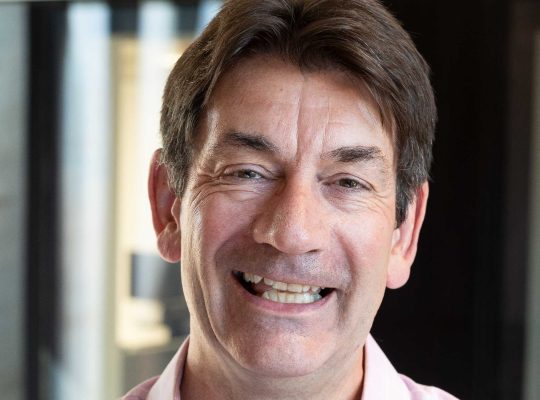
Philip Burrows is a Professor of Physics at the University of Oxford and Senior Research Fellow at Jesus College. He serves as Director of the John Adams Institute for Accelerator Science. His academic journey includes a BA and DPhil in Physics from Oriel College, Oxford, followed by roles at MIT and Queen Mary University of London. His research focuses on particle physics, accelerator science, and plasma wakefield acceleration. Key projects include the Muon Collider, CLIC (Compact Linear Collider), and the AWAKE experiment at CERN. Education: BA Physics, Oriel College Oxford (1982-85) DPhil Particle Physics, Oriel College Oxford (1985-88) Research Interests: Explores particle physics and accelerator science, including plasma-based acceleration, high-gradient RF technologies, and collider design. Recent work includes studies on proton-driven plasma wakefields, ion motion in plasmas, and feedback systems for beam stabilization. Publications: Focus on accelerator R&D, CLIC project milestones, and plasma physics. Notable contributions include breakthroughs in plasma wakefield dynamics and nanobeam stabilization techniques. Scientific Awards: Fellow of the Institute of Physics (FInstP) and Fellow of the American Physical Society. Advising & Grants: Leads international collaborations like the Muon Collider and contributes to the European Strategy for Particle Physics. Active in training through initiatives like the ARIES MOOC program. Labs/Teams: Principal investigator in CLIC and AWAKE projects. Collaborates with CERN, KEK, and global institutions on accelerator R&D.
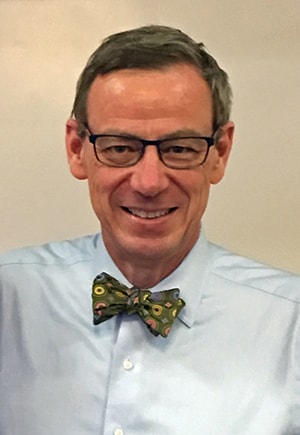
Clair Julia Sullivan is an Adjunct Assistant Professor in the Department of Nuclear, Plasma & Radiological Engineering at the University of Illinois Urbana-Champaign, affiliated with the Grainger College of Engineering. She holds additional affiliations with the National Center for Supercomputing Applications (NCSA), the Department of Informatics, and the Department of Computer Science and Engineering. Sullivan earned her PhD in Nuclear Engineering from the University of Michigan in 2002, preceded by dual BS degrees in Physics and Astronomy (1997) and an MS in Nuclear Engineering (1998). Her research focuses on radiation detection technologies, data science applications in nuclear security, isotope identification algorithms, and big data analytics for sensor networks. She has contributed to critical areas like nuclear nonproliferation, sensor network optimization, and novel neutron detector materials. Notable awards include the DARPA Young Faculty Award (2014) and the Mary Jane Oestmann Professional Women’s Achievement Award (2015). Sullivan serves as an Associate Editor for the IEEE Transactions on Nuclear Sciences and holds teaching honors including Excellence in Undergraduate Teaching (2015, 2013). Her interdisciplinary work bridges nuclear engineering with computer science, contributing to advancements in automated radiation analysis systems.
Dr. Chandraman Patil is a Research Assistant Professor in the Department of Electrical & Computer Engineering at the University of Florida, affiliated with the Herbert Wertheim College of Engineering. His research focuses on photonic devices, photonic integrated circuits (PICs), material metrology, and heterogeneous integration. He leads the HAPTIC Lab, advancing innovations in optoelectronics and photonics. Education: Ph.D. Electrical & Computer Engineering, George Washington University (2023) M.S. Electrical & Computer Engineering, George Washington University (2019) B.S. Electronics Engineering, Mumbai University (2017) Research Interests: Dr. Patil explores cutting-edge topics such as photonic device design, 2D material integration, optical neural networks, and energy-efficient photonic systems. His work emphasizes practical applications in secure communications, sensor technology, and high-speed computing. Recent advancements include strain-engineered photodetectors, hybrid optical-electronic systems, and MXene-based mid-IR detectors. Publications: His research spans photonic integrated circuits, neural network-driven optical signal processing, and material characterization. Key areas include OAM beam manipulation, 2D material prototyping, and phase-change memory architectures. Over 30 peer-reviewed articles demonstrate his contributions to photonics and optoelectronics. Awards: 2021: MOC Student Award (26th Micro Optics Conference) 2021: NCSA nanoMFG Fellowship (University of Illinois) 2021–22: Sprawcew Scholarship (George Washington University) Advising & Grants: While no students are listed, Dr. Patil actively collaborates on grants focusing on integrated photonics and emerging materials. His work bridges academic research with industrial applications in photonics and electronics. Labs & Teams: He directs the HAPTIC Lab, a hub for photonics innovation, fostering interdisciplinary projects in optoelectronics, materials science, and optical computing.
Professor Neil McCauley is a Professor in Physics at the University of Liverpool, affiliated with the School of Physical Sciences and the Faculty of Science and Engineering. His research focuses on neutrino physics, particularly CP violation in neutrino oscillations and detector development for experiments such as Hyper-Kamiokande and WATCHMAN. He leads Liverpool's involvement in Hyper-K's calibration working group and oversees the light injection system's design. His work includes contributions to the T2K experiment, which observed electron neutrino appearance, and the SNO+ project measuring solar neutrino fluxes. He has secured major grants including the Hyper Kamiokande Construction (2022–2026) and AIT/WATCHMAN (2018–2025). Supervised research includes studies on neutrino interactions, detector simulations, and cross-section measurements. Professional roles include conference participation (e.g., NuFact 2019) and membership in the Institute of Physics. His expertise spans neutrino oscillations, detector engineering, and astroparticle physics applications. Key projects: Hyper-Kamiokande (CP violation studies), WATCHMAN (nuclear non-proliferation), and legacy contributions to T2K/SNO. Current initiatives include optimizing neutrino detection systems and advancing neutrino oscillation analysis techniques.
Curtis A. Meyer is the Interim Dean of the Mellon College of Science and the Otto Stern Professor of Physics at Carnegie Mellon University. He holds a courtesy appointment at the Pittsburgh Supercomputing Center. His research focuses on nuclear and particle physics , particularly quantum chromodynamics (QCD) and gluonic excitations . Meyer leads the GlueX experiment at Jefferson Lab, aiming to uncover exotic hybrid mesons and gluonic matter that reveal QCD confinement mechanisms. Affiliations: CLAS Collaboration (Jefferson Lab), GlueX Collaboration (Spokesperson Emeritus), U.S.QCD Science Advisory Board Education: Ph.D. (Physics, UC Berkeley, 1987), B.S. (Physics/Mathematics, Oregon State, 1982) Research: Meson spectroscopy, photon-induced reactions, QCD lattice predictions, detector construction (e.g., GlueX Central Drift Chamber) Meyer’s work bridges theory and experiment, leveraging high-speed computing and advanced detectors to explore quark-gluon dynamics. Recent achievements include first GlueX data collection (2014–2017) and collaborations on CLAS and Crystal Barrel experiments. Awards include APS Fellow (2004), Ryan Teaching Award (2008), and leadership roles in NSAC and Jefferson Lab committees. Labs/Teams: GlueX Collaboration, CLAS Analysis Group, Pittsburgh Supercomputing Center (courtesy appointment). Active in detector R&D, computational physics, and QCD theory-experiment synergy.
Professor Guo Qin Xu is a distinguished academic serving as the Director of the NUS Suzhou Research Institute at the National University of Singapore (NUS). He holds a Ph.D. from Princeton University (1987) and a B.Sc. from Fudan University (1982). His research focuses on surface chemistry, nanostructures, and photocatalysis, with notable contributions to energy storage materials and advanced composites. He currently teaches CM5151 Energy Storage and Conversion Chemistry in AY2024/2025. Professor Xu’s work emphasizes the development of innovative materials for lithium-ion batteries and photocatalytic systems. His recent research highlights include the creation of BaTiO₃/MXene composites to enhance lithium storage efficiency and optimizing LiCoO₂ cathodes for high-voltage applications. His studies often integrate experimental and computational methods to understand material behavior at the nanoscale. He has been recognized with prestigious awards, including the Public Administration Medal (Silver, 2020) and the National Youth Award for Excellence in Science and Technology (1997). His publications span high-impact journals such as Advanced Energy Materials , Nano Energy , and Chemical Communications , reflecting his expertise in interdisciplinary materials science.
Professor Marco Petasecca is a faculty member at the University of Wollongong (UOW), affiliated with the School of Physics within the Faculty of Engineering and Information Sciences. He holds a Professorship and has been at UOW since 2022, previously serving as Associate Professor (2021–2022). His education includes a PhD in Solid State Physics from the University of Perugia (2002–2005), a Bachelor of Engineering in Electronics (2000–2001), and a Bachelor of Science with Honours in Physics from UOW (2011–2017). Professor Petasecca's research focuses on Radiation Dosimetry , Medical Physics , Organic and Silicon Electronics , and Space Instrumentation . He leads projects in high-resolution dosimetry for radiotherapy, flexible sensors for space radiation monitoring, and organic semiconductor-based detectors. His work bridges medical applications (e.g., proton therapy QA) and space technology (e.g., radiation shielding). Key contributions include developing the 'MagicPlates' silicon detector array and flexible hydrogenated amorphous silicon sensors. He has secured over 47 grants, including major funding from NHMRC, ARC, and ANSTO, totaling millions in research support. Notable grants include the 'BioDosi' project (2024–2027) for proton therapy QA and the 'Space RAdiation Monitoring System' (2023–2026) for space missions. Professor Petasecca is actively involved in academic leadership, organizing workshops like the Microbeam Radiotherapy Symposium (2021) and serving as a member of the Australian Institute of Physics and IEEE. He supervises PhD/Master’s students in topics like in-vivo dosimetry, brachytherapy optimization, and detector development. His lab’s innovations include the '3D-BrachyView' VR QA system and the 'HASPIDe' space radiation sensor project. His recent publications (2023–2025) emphasize flexible organic sensors, proton beam dosimetry, and CMOS circuitry for clinical applications. He is a prolific researcher with over 300 outputs, advancing both theoretical and applied aspects of radiation detection technology.
Dean Cutajar is a Lecturer in the School of Physics at the University of Wollongong since 2021. His research focuses on advanced radiation therapy techniques, medical dosimetry, and quality assurance in brachytherapy and MRI-Linac systems. He has contributed to the development of high-resolution dosimetry tools like MagicPlates and MOSkin sensors, enhancing precision in cancer treatment. His work spans HDR and LDR brachytherapy, real-time dosimetry validation, and adaptive radiotherapy strategies for prostate and cervical cancers. Key projects include optimizing source tracking in HDR treatments and improving dosimetric accuracy in complex geometries like MR-Linacs. He has supervised numerous PhD and Master’s students in radiation oncology and medical physics. Research Highlights: Fiber-optic dosimeters, Geant4 benchmarking, in-vivo dosimetry, and MRI-Linac integration. Grants: Led projects funded by NHMRC, AINSE, and the University of Wollongong, totaling over $5M in research support. Dean collaborates internationally on advancing radiation therapy technologies, emphasizing clinical translation and evidence-based treatment planning.
Dragoslav Nikezic is a Full Professor in the Department of Physics at the Faculty of Sciences, University of Kragujevac, Serbia. He holds academic positions since 1991, advancing from Assistant to Full Professor in 2005. His research focuses on radiation physics, radon/thoron dosimetry, Monte Carlo simulations, and radiation protection. He has conducted visiting professorships at the University Autonoma de Barcelona (1994–1995) and research fellowships at the City University of Hong Kong (1998–2006). Education includes a BSc (1976), MSc (1984), and PhD (1990) in Physics from the University of Nis and University of Kragujevac. He has supervised over 20 PhD/MSc students and authored/co-authored hundreds of peer-reviewed articles. His work spans radon diffusion modeling, nuclear track detectors, and environmental radioactivity assessments. Key projects include developing radiation protection software (e.g., RAPTOR-AI) and dosimetry tools for medical applications.
Dr. Walter J. McNeil is an Associate Professor and Steve Hsu Keystone Research Scholar in the Nuclear Engineering Department at Kansas State University. He holds a Ph.D. (2010) and B.S. (2004) in Nuclear and Mechanical Engineering from K-State. Prior to academia, he served at the Space and Naval Warfare Systems Command (2010–2015), leading R&D on radiation detection systems. At K-State, he established four laboratories, secured $8.17M in research funding, and advised 11 graduate students. His work focuses on semiconductor neutron sensors, gamma-ray spectrometers, and radiological detection systems. Education: Ph.D., Nuclear Engineering, Kansas State University, 2010 B.S., Mechanical Engineering with Nuclear Option, Kansas State University, 2004 Research Interests: Radiation detection systems design, semiconductor neutron sensors, CdZnTe gamma-ray spectrometers, and cryogenic sensor technology. He emphasizes applications in nonproliferation, radiological source detection, and military systems. His innovations include doubling He-3 neutron sensor sensitivity and developing lightweight HPGe spectrometers. Articles Trends: Recent publications (2019–2020) focus on neutron detector simulation (charge transport, pixelated designs), strain measurement via micro-nuclear-mechanical systems, and radiation transport modeling for inspection systems. Earlier work includes foundational research on microstructured detectors and Frisch collar CdZnTe technology. Scientific Awards: R&D 100 Awards (2005, 2009, 2014) DAWIA Level I Certification Extraordinary Leadership Award (2004) Advising & Grants: Advised 11 graduate students and 20 undergraduates, securing $5.5M as PI. Key grants include the $26M NNSA Consortium for Nonproliferation Enabling Capabilities (CNEC). Projects include radiological mapping via drones and 3D photogrammetry, neutron interrogation systems for explosives detection, and additive-manufactured electronics. Labs & Teams: Heads the Radiological System Integration Laboratory (RSIL), Kansas State University Material Interrogation Facility (KSUMI), and a mobile field laboratory. Collaborates with Honeywell, Radiation Detection Technologies, and national labs on sensor development and nonproliferation tools.
Richard Messner is an Associate Professor in the Department of Electrical and Computer Engineering at the University of New Hampshire's College of Engineering and Physical Sciences. His research focuses on optical signal processing, real-time digital image processing, and smart visual sensors. He has held roles since 1985, including membership in the IEEE Executive Committee and affiliations with professional organizations like SPIE and Sigma Xi. Education includes a Ph.D. in Engineering Science from Clarkson University (1985), and earlier degrees from Clarkson College of Technology (M.S. 1981, B.S. 1979). His doctoral research at the Naval Research Laboratory explored image-processing architectures for invariant pattern recognition. Research interests span neutron detection technologies (e.g., SONTRAC and LOONS instruments), biologically inspired sensors, and space instrumentation. Over 40 publications reflect contributions to solar neutron tracking, lunar spectrometers, and signal processing systems. He consults with industry and teaches courses in digital systems, image processing, and senior design projects. No scientific awards explicitly listed, but his work impacts space science and sensor development. Advising includes doctoral research supervision and senior project mentorship. His lab collaborations involve advanced pipeline image processing and real-time systems.
Dr. Shakil Awan is an Associate Professor in Electronics and Nanotechnology at the University of Plymouth , where he serves as Academic Lead for the Nanomaterials and Devices (NMD) Laboratory . He is a member of the Nanotechnology and Electronics Research Group and chairs the Electronics and Robotics External Advisory Panel . He has led the Electronics and Robotics Programme Refresh since 2022 and contributes to strategic academic reviews as part of the SECaM Engineering Portfolio Review Panel . Research Focus Graphene-based sensors for Alzheimer’s disease and hepatic cancer biomarker detection Electromagnetic properties of nanomaterials at DC, RF, and THz frequencies Development of precision resistance standards and LCR meter calibration techniques Integration of natural and synthetic nanomaterials in biosensing and environmental remediation Scientific Contributions His research spans graphene field-effect transistors , aptamer functionalization , and electromagnetic metrology , with a focus on biomedical diagnostics , environmental sensing , and quantum transport . Key trends include label-free detection of proteins and ions, high-frequency precision measurement , and sustainable nanomaterials for water purification. Teaching & Academic Leadership Module Leader for courses in Electrical Principles , Electronic Design , and Nanoelectronics since 2014 Supervisor for PhD and MSc students , including funded projects from EPSRC DTP , Zimmer & Peacock , and University of Plymouth Contributions to SECaM Portfolio Review and national metrology standards Labs & Collaborations Dr. Awan’s work is anchored at the Nanomaterials and Devices Laboratory , with collaborations at NPL , Imperial College London , and University of Cambridge . His projects emphasize healthcare applications , environmental monitoring , and electromagnetic standards .
Gloria Orchard is an Assistant Professor in the Department of Physics and Astronomy at York University, Faculty of Science. Her research focuses on experimental physics in radiation science and medical physics, alongside pedagogical innovations in physics education. She emphasizes active learning strategies such as in-lecture activities, group discussions, and hands-on laboratory experiences to enhance student engagement and problem-solving skills. Her experimental work involves detector development in radiation science, microdosimetry, and neutron field characterization at facilities like CERN. She also explores applications of optoacoustic systems for subsurface imaging and medical diagnostics. Orchard is eligible to supervise graduate students in the Physics and Astronomy program. Gloria Orchard’s research areas include Biological Physics, Pedagogical Research, and Science Education. She has contributed to advancing detector technologies and radiation measurement techniques through collaborations with institutions like CERN. Her educational initiatives aim to refine laboratory curricula and improve teaching methodologies in physics education.
Dr. Li Fang is an Assistant Professor in the Department of Physics at the University of Central Florida (UCF), affiliated with the College of Sciences. His research focuses on ultrafast and attosecond spectroscopy, plasma physics, and the interaction of matter with high-intensity laser fields. He leads the Ultrafast Atomic, Molecular & Plasma Research Group, which explores electronic dynamics in atomic and molecular systems using advanced laser technologies. Key research areas include nanoplasma energy dynamics, free-electron-laser-based experiments, and the development of high-power ultrafast laser systems. His group operates state-of-the-art labs like the Atto Lab and UFAST Lab, equipped with femtosecond lasers and advanced spectroscopy tools. Dr. Fang has secured significant funding, including a 2024 NSF CAREER Award and participation in UCF's $5M Jump Start initiative. His publications span photonics, optical amplification, and biomedical applications, reflecting interdisciplinary expertise. Collaborations include international facilities like Japan's SACLA free-electron laser. Current opportunities exist for graduate and undergraduate students in lab-based research.