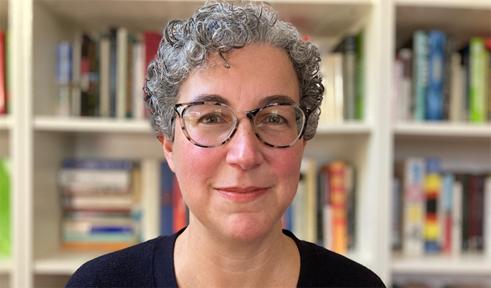
Darold Cubaمشاهده پروفایل
پژوهشگر ارشد
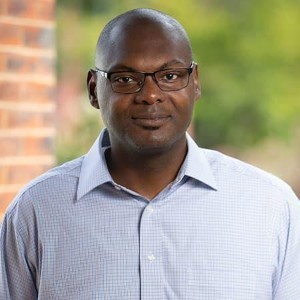
Darold Cuba is an intellectual historian and political scientist affiliated with the Department of History at the University of Cambridge. He serves as a Teaching Fellow at the Global History Lab (GHL) and a Research Associate at the Cambridge Black Advisory Hub (CamBAH). As a founder of multiple initiatives including MarronageOrg, Oxbridge Africas (OA), the Cambridge AntiRacism Forum (CARF), Cambridge Enterprise's CRoSS+Hub, and the Cambridge Histories of Marronage (CHoM) Workshop series, he maintains significant influence in academic and social justice circles. His research focuses on the concept of "Landed Blackness" and "United States Post Emancipation Marronage (USPEM)," examining how Freedom Colony Founding Families (FCFFs) in the United States from 1865 to 1900 created autonomous Black communities through land ownership, strategic worship traditions, and collective governance. His work engages deeply with anticolonial, postcolonial, and decolonial scholarship, drawing on theorists like Frantz Fanon, Edward Said, Homi Bhabha, Gayatri Chakravorty Spivak, and Linda Tuhiwai Smith. By applying Michel Foucault's concept of the "regime of truth," Cuba investigates how Black communities created their own truths to resist systemic white supremacy and institutional racism. Cuba serves on the Fairfield Foundation's Family Circle Leadership Group's Executive Committee and is a descendant of indigenous Native AmerIndian, African, and European communities from Tsenecommacah (Gloucester County in the Virginia Tidewater region). His scholarship connects historical freedom colonies to contemporary Black political thought, emphasizing their continued relevance in modern movements for reparations and racial justice.