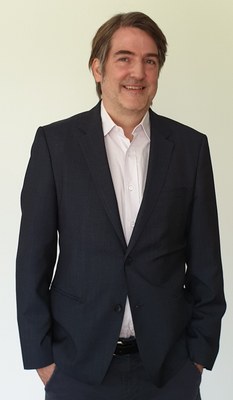
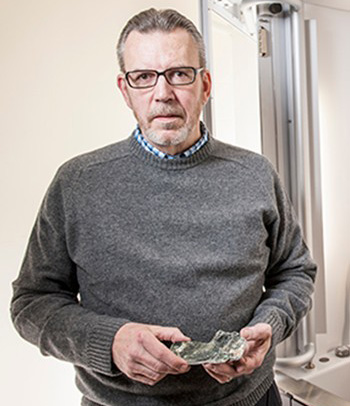
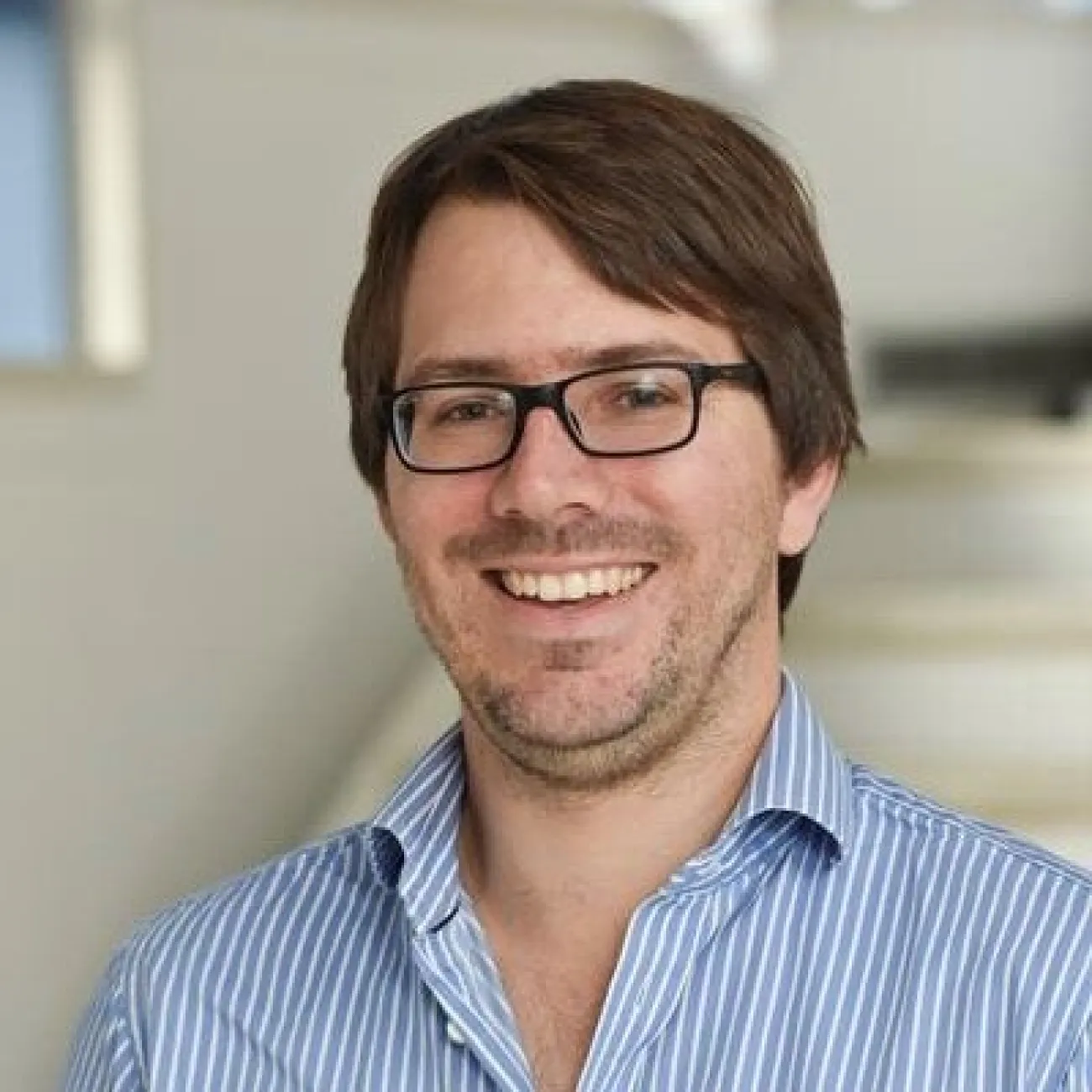
Prof. Paul Wright is a Professor of Chemistry at the University of St Andrews, leading the Physical Chemistry Teaching program. He holds a PhD from the University of Cambridge and has held roles at Shell R&D, the Royal Institution, and St Andrews since 1994. His research focuses on nanoporous solids, including zeolites and MOFs, with applications in catalysis and carbon capture. He has pioneered methods for synthesizing novel materials and pioneered synchrotron-based structural analysis techniques. Awards include the RSC/SCI Barrer Prize and ICI Readership. He supervises PhD students in advanced materials and catalysis, and teaches courses in thermodynamics, kinetics, and heterogeneous catalysis. Education: PhD in Chemistry, University of Cambridge (1986) Research Interests: Prof. Wright’s work spans five core areas: (1) Designing zeolite templates for novel structures, (2) Developing MOFs with unique properties, (3) Optimizing zeolites/MOFs for CO₂ adsorption, (4) Investigating catalytic applications of microporous solids, and (5) Advanced structural characterization using synchrotron techniques. Recent breakthroughs include understanding ‘sentinel’ cations in zeolites for selective adsorption and developing tandem catalysts combining MOFs with metal nanoparticles. Publications Trends: His articles emphasize structure-property relationships in porous materials, with 2011–2015 papers focusing on scandium-based frameworks, CO₂ capture mechanisms, and catalytic performance of SAPOs and MOFs. Collaborations with institutions like Edinburgh University and European projects highlight applied energy solutions. Awards: RSC/SCI Barrer Prize (1999) ICI Readership (2002–2004) Teaching & Grants: Leads Physical Chemistry courses at all levels, including a 5th-year Masters course in Heterogeneous Catalysis. Active in placement student monitoring via CH4441. Grants include European projects on mixed matrix membranes for CO₂ separation. Labs/Teams: Heads a research group investigating nanoporous solids, collaborating with institutions like Aberdeen University on synchrotron-based catalysis studies.