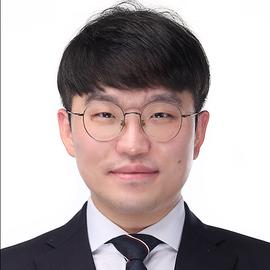
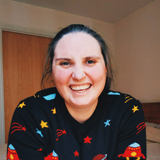
Andrea Carrara is a Researcher at the Technical University of Munich's Chair of Computing in Civil and Building Engineering, led by Prof. André Borrmann. Holding an M.Sc., she contributes to AI-driven civil engineering research and teaches courses including Professional Software Development. Her work bridges computer science and construction through advanced technical drawing analysis. Her research specializes in applying computer vision and deep learning to construction documentation, with core expertise in graph neural networks for technical drawing segmentation, 3D reconstruction from 2D layouts, and BIM automation. She develops AI solutions for extracting semantic information from architectural drawings to streamline project data management in complex infrastructure development. Analysis of her publications reveals a consistent focus on neural architectures like Vision Transformers and Graph Attention Networks applied to construction drawings. Key trends include multi-view fusion techniques, mono-depth estimation for façade modeling, and material classification systems—collectively advancing digital twinning for sustainable building practices and automated construction documentation. Scientific Awards: No awards or fellowships are documented in available sources. Carrara supervises master's theses including Kairlapova (2024) on material detection in architectural drawings and Ahmed (2022) on bridge element detection. Her research aligns with the DrawOn project for AI-based construction plan analysis, though specific grant funding details remain unpublicized. She actively contributes to TUM's BIM-Lab and research groups in Information Management and Digital Twinning, collaborating on AI integration for civil engineering workflows and participating in the Chair's initiatives for computational methods in infrastructure development.
Thibault Marin, PhD, is an Assistant Professor at the Yale School of Medicine in both the Department of Radiology & Biomedical Imaging and the Biomedical Informatics & Data Science program. He is affiliated with the Bioimaging Sciences Division , Center for Brain & Mind Health , and Center for Molecular Imaging Technology and Translation (CMITT) . Education: PhD in Electrical Engineering from Illinois Institute of Technology (2010) Key Collaborations: Georges El Fakhri, Chao Ma, Yue Zhuo, Jinsong Ouyang, Paul Han His research focuses on PET/MRI instrumentation , dynamic imaging reconstruction , and motion correction algorithms . He develops diffusion models for tumor segmentation and Bayesian methods for kinetic parameter estimation, contributing to advancements in radiomics-driven radiotherapy and ultra-high resolution PET systems . Recent publications highlight innovations in TOF-DOI panel detectors , linear tangent space alignment (LTSA) for cardiac imaging, and adversarial domain generalization for PET denoising. His work bridges biomedical engineering , machine learning , and clinical imaging applications .
Laure Gallouët is a Lecturer at the University of Paris-Est Créteil within the Faculty of Languages, Literature and Humanities. She serves as International Relations Advisor for UFR LLSH, Treasurer of the IMAGER laboratory, and co-head of the CAECE research team focusing on German Culture in the European Cultural Space. Her institutional roles include membership on the IMAGER Laboratory Council and editorial board of the journal Austriaca. Her research centers on contemporary Austrian history with specialization in neutrality studies examined through historical, political, and legal lenses. Key research areas include Austrian security and defense policy since 1945/1955, social democracy, political myths, and places of memory. Her work demonstrates deep engagement with Cold War neutrality frameworks, post-war identity construction, and transnational political movements. Gallouët's publications reveal consistent focus on Austrian neutrality credibility, collective memory formation, and diplomatic history. Her research trajectory shows increasing emphasis on contemporary security policy challenges while maintaining historical depth in analyzing Austria's political evolution from the First Republic through Kreisky-era social democracy to current European integration debates. She teaches across multiple programs including LLCER German, Interculturality and International Relations degrees, LLCCI Master, LEA Master, and MEEF Master programs. Her academic service includes association with AGES and CREG as an associate member, contributing to broader scholarly networks in German and European studies.
Francesca Odone serves as a Full Professor in the Department of Computer Science, Bioengineering, Robotics, and Systems Engineering (DIBRIS) at the University of Genoa, Italy. She holds a position on the Department Board and teaches core courses including Computational Vision , Algorithms and Data Structures , and Fundamentals of Signal and Image Processing across undergraduate and graduate programs in Computer Science and Biomedical Engineering. Her research centers on Computer Vision and Machine Learning with critical applications in Biomedical Engineering . Key focus areas include markerless motion analysis for neurological disorders (particularly multiple sclerosis), video-based assessment of motor functions in spinal cord injury and preterm infants, and deep learning for medical image interpretation . She integrates robotics and signal processing to develop non-invasive clinical diagnostic tools, emphasizing practical healthcare solutions through interdisciplinary collaboration. Analysis of her 15 most recent publications (2024-2025) reveals three dominant trends: (1) Proliferation of markerless video-based clinical assessment tools for gait/motion analysis, (2) Advanced deep learning architectures (diffusion models, disentangled representations) applied to medical imaging challenges, and (3) Cross-cutting work on AI fairness/debiasing techniques. Her research consistently bridges computer vision with neurology, rehabilitation medicine, and neonatology. Professor Odone actively contributes to DIBRIS's research ecosystem through ongoing projects in biomedical computer vision, with strong connections to clinical partners. Her work demonstrates sustained focus on translating computer vision innovations into practical healthcare applications, particularly for neurological and developmental conditions.
Christine Putzo is a Lecturer and Researcher (Lehr- und Forschungsrätin) for German Medieval Studies at the German Section of the Faculty of Letters, University of Lausanne, a position she has held since 2013. She also teaches German Medieval Studies at the University of Neuchâtel. Her academic career includes research positions at the NCCR 'Mediality' in Zurich (2010-2012) and as a doctoral assistant at the University of Fribourg (2012-2013). Dr. Putzo's research focuses on medieval German literature, with specializations in multilingualism in the Middle Ages, diagrammatic structures, literary reproduction cultures, and manuscript studies. Her work demonstrates a strong interdisciplinary approach, connecting literary analysis with linguistic, cultural, and cognitive perspectives on medieval texts. Her recent publications reveal a consistent engagement with textual transmission and the material culture of medieval books. The publications span critical editions of medieval texts, edited volumes on multilingualism, diagrammatic structures, and literary identity, showing both depth in specific textual scholarship and breadth across multiple aspects of medieval studies. Her scholarly trajectory demonstrates a commitment to both philological precision and theoretical innovation, particularly in understanding how medieval texts functioned within their cultural contexts and how knowledge was structured and transmitted through various media.
Dick Goody serves as Professor of Art and Director of the Oakland University Art Gallery at Oakland University, where he teaches Senior Seminar in Studio Art and leads curatorial operations from 209 West Wilson Hall. His practice integrates painting, contemporary curation, and interdisciplinary scholarship across institutional contexts including the Museum of Contemporary Art Detroit and Detroit Institute of Arts. His educational foundation includes an MFA from The Slade School of Fine Art (London), PGCE from Middlesex University, and BFA from Bath Academy of Art. Research focuses on contemporary painting's relationship to identity, the sublime, and curatorial frameworks—with recent series like Observation Station exploring personal identity margins within natural landscapes. Goody's 2019-2024 exhibition cycle reveals thematic depth across historical analysis ( American Paintings , 2020), photographic theory ( Image and the Photographic Allusion , 2022), and socio-political commentary ( Nostalgia & Outrage , 2024), demonstrating consistent engagement with American visual culture and identity politics. His artistic output spans ten solo exhibitions internationally, notably The Garden City (Birmingham Bloomfield Art Center) and The Making of the Dauphin (N'Namdi Center). As gallery director, he moderates symposiums on contemporary art education while maintaining active studio practice—evidenced by his novella The Dauphine inspiring 50+ illustrations and paintings. His work appears in London, New York, and Detroit venues with ongoing projects rooted in Michigan's Manistee National Forest.
Chi Ho Cheung is a Researcher specializing in machine learning, computer vision, and multimedia systems. His career spans both academic research and industry innovation through roles at Tencent Technology (Shenzhen), TCL Corporate Research (Hong Kong), and current position at The Laboratory of Data Discovery for Health. His research interests focus on computer vision and health data analysis, particularly in Virtual view synthesis for free-viewpoint communication Advanced image inpainting and background modeling techniques Multi-sprite and depth-based solutions for video enhancement AI-driven health status classification and risk prediction systems Cheung's publication record demonstrates expertise in multimedia processing and 3D reconstruction , with a focus on disocclusion handling and motion compensation algorithms across three major IEEE Transactions on Multimedia papers (2015-2020). Currently developing AI health products for women's health applications, Cheung applies machine learning and computer vision algorithms to create end-to-end solutions from literature review through product launch. His work emphasizes cross-disciplinary collaboration, providing technical guidance to teammates for implementing AI solutions in health risk prediction and multimodal health data classification.
Camilla Ruø Rasmussen is a Tenure Track Assistant Professor in the Department of Geosciences and Natural Resource Management at the University of Copenhagen, specializing in Geography, People and Processes. Her research focuses on plant resource utilization, particularly examining how plants access water and nitrogen in soil environments, with emphasis on sustainable agricultural systems. Research Focus Dr. Rasmussen investigates how plants make use of available resources and obtain them when scarce, with particular focus on root distribution and behavior in soil. She examines water and nitrogen dynamics—resources that frequently limit plant growth but cause environmental damage when present in excess. Her work aims to create sustainable agroecosystems that are drought-resilient, efficiently utilize nutrients, and prevent nutrient leaching and greenhouse gas formation. Her specific research questions include: How plants cope when water is only available in deeper parts of their root zone (opportunistic vs. conservative strategies) How plant nitrogen uptake near soil surface prevents nitrous oxide formation How deep soil nitrogen uptake prevents leaching Plant-plant interactions including competition, recognition, collaboration, and harm Research Trends Dr. Rasmussen's recent publications demonstrate a strong focus on deep root systems, particularly in crops like rapeseed that can access resources at depths of 4 meters. Her work integrates field experimentation with advanced techniques including isotopic tracing, DNA analysis, and machine learning for root imaging. A recurring theme is how deep resource acquisition affects plant responses to drought and nutrient availability, with practical applications for sustainable agriculture and climate change mitigation. Teaching and Leadership As a theme leader for landscape experimentation at the Center for Landscape Research in Sustainable Agricultural Futures (Land-CRAFT), Dr. Rasmussen contributes to interdisciplinary research on sustainable agriculture. She teaches several courses including Laboratory Methods in Geoscience, Climate Change: An Interdisciplinary Challenge, Problem-Oriented Project Work, Field Course in Physical Geography, and Carbon Storage and Biological Interactions in Soil.
Benjamin Judkewitz is a Professor at Humboldt University of Berlin and a principal investigator in Collaborative Research Center 1315 (SFB 1315), focusing on inhibitory control of memory consolidation in the primary somatosensory cortex. His work bridges advanced optical engineering with fundamental neuroscience to overcome deep-tissue imaging limitations and investigate cortical dynamics. His research centers on Neuroscience , Optical Imaging , and Microscopy , with specific expertise in wavefront-shaping techniques (F-SHARP) for deep brain imaging and the neural mechanisms governing brain state transitions. He investigates how cortical pyramidal neurons integrate thalamocortical inputs, neuromodulation, respiration, and movement to drive global state changes from sleep to wakefulness. Analysis of his 2020-2021 publications reveals two convergent research thrusts: (1) development of three-photon F-SHARP microscopy enabling high-resolution imaging beyond 400μm depth in mouse brain tissue, and (2) theoretical frameworks for multi-pathway brain state regulation. These works demonstrate an interdisciplinary fusion of optical physics, neurophysiology, and systems-level analysis to address fundamental limitations in neural observation. Dr. Judkewitz leads a research group within SFB 1315 that collaborates intensively with Matthew Larkum's and James Poulet's teams. His laboratory specializes in in vivo multiphoton imaging of dendritic structures in sensory cortices, utilizing custom-modified commercial microscopes for deep-tissue neural circuit analysis. No information on student advising, specific grants, or scientific awards was provided in the source material.
Dr. Guang Deng serves as an Adjunct Associate Professor in the College of Engineering at La Trobe University, where he has maintained academic appointments since 1994. His technical expertise bridges communications engineering, signal processing, and advanced image analysis with practical applications in medical devices and computer vision systems. Academic Background: BSc from Sun Yat-Sen University MEng from Chinese Academy of Sciences PhD from La Trobe University Dr. Deng's research program centers on generalized linear image processing and statistical signal processing , with significant contributions to lossless image compression algorithms and noise reduction techniques specifically engineered for cochlear implant devices. His methodology combines theoretical mathematical frameworks with practical hardware implementation constraints, particularly evident in his recent work on fixed-point acceleration methods for resource-limited systems. His publication trajectory reveals consistent innovation in image filtering techniques, evolving from foundational work on discrete Laplacian operators to contemporary deep learning applications in marine imaging. Key thematic developments include the progression from traditional signal processing to hybrid approaches incorporating machine learning, with growing emphasis on real-world constraints like embedded system limitations and illumination variability in agricultural imaging. Funded Research Initiatives: Virtual Speech Pathologist (National ICT Australia, 2013-2016) ARC Centre of Excellence in Electromaterial Sciences (Australian Research Council, 2009-2013) Dr. Deng maintains active research collaborations across engineering and life sciences domains, particularly evident in his cross-disciplinary work on plant phenotyping systems and medical device signal processing. His current research demonstrates increasing focus on edge computing applications and biometric security systems alongside his longstanding image processing expertise.
David Christopher Balderas-Silva serves as a Research Professor at Tecnológico de Monterrey's Institute for Advanced Materials for Sustainable Manufacturing in Mexico City. His interdisciplinary work bridges biomedical engineering, computer science, and advanced manufacturing with emphasis on sustainable industrial solutions and accessibility. His educational credentials include: B.Eng. in Mechatronics Engineering from Universidad Panamericana MSc in Biomedical Engineering from Delft University of Technology PhD in Engineering Sciences from Tecnológico de Monterrey Dr. Balderas-Silva's research centers on computer vision , artificial intelligence , and brain-computer interfaces , with applications in healthcare accessibility, robotics, and Industry 4.0. His work on EEG-based speech decoding and 3D-printed assistive devices demonstrates commitment to inclusive technology, while metaheuristic optimization research advances sustainable manufacturing. Recent publications reveal strong focus on neural signal processing (40% of 2022-2024 output) and computer vision for robotics (30%), with growing emphasis on UN Sustainable Development Goals related to disability inclusion and clean energy. His recognition includes: Mexican Researcher Certification - Level 1 As a member of the Mexican National Researchers System, he has co-authored over 20 publications and multiple inventions. His Education 4.0 pedagogy initiatives for machine learning and neurotechnology training highlight academic leadership. While specific grant details aren't provided, his Institute affiliation indicates active participation in collaborative research addressing sustainable manufacturing and assistive technology gaps. He contributes to the Institute for Advanced Materials for Sustainable Manufacturing through projects integrating brain-computer interfaces with industrial robotics, developing low-cost eye-tracking systems, and optimizing PCB manufacturing via digital twins. His lab work emphasizes cross-disciplinary teams focused on translating AI research into practical solutions for Industry 4.0 challenges.
Zeyu Sun is a researcher at the Institute of Software, Chinese Academy of Sciences, with an extensive publication record in premier software engineering conferences including ASE, ICSE, and ESEC/FSE from 2020 through 2025. Their academic service includes program committee membership for multiple conferences, demonstrating recognition as a domain expert in software engineering and programming languages. Dr. Sun's research program bridges traditional software engineering with artificial intelligence, focusing on neural program repair, software testing, and compiler optimization. Their work develops innovative techniques for code understanding and generation, with particular emphasis on type-aware repair systems, syntax-guided editing approaches, and context-enriched representations of code changes. Recent publications show increasing sophistication in integrating machine learning with software engineering tasks, moving from basic program analysis to specialized architectures that maintain structural integrity of code. Analysis of publication trends reveals a consistent focus on improving software quality through AI-enhanced methods, with expanding applications across compiler design, smart contract security, and fairness testing. The research demonstrates both technical depth in core software engineering challenges and breadth across multiple application domains, reflecting an evolving research trajectory that continually identifies new intersections between AI and software development practices. Dr. Sun actively contributes to the academic community through program committee service at major conferences including ASE, ICSE, and ESEC/FSE across multiple years. This sustained service commitment indicates peer recognition as a subject matter expert. While specific grant details aren't provided in available materials, the consistent publication output across multiple funding cycles suggests successful acquisition of research support for their work in software engineering and AI for code.
Professor Rod Barrett serves as Deputy Head of School (Research) in the School of Health Sciences and Social Work at Griffith University. With over 140 international refereed journal articles in Musculoskeletal Biomechanics and more than $5 million in competitive research grants, he has established himself as a leading researcher in his field. His work bridges engineering principles with clinical applications to address musculoskeletal disorders. Deputy Head of School (Research), School of Health Sciences and Social Work Member, The Australian Centre for Precision Health and Technology (PRECISE) 2025-present Former Member, Disability & Rehabilitation (2018-2024) Office: G02 1.06, Gold Coast Campus Contact: +61 (0)7 5552 8934, r.barrett@griffith.edu.au Professor Barrett's educational background includes a Bachelor of Education from KCAE (1989), a Master of Science from Wollongong (1992), and a PhD from the University of Queensland. His academic journey reflects a strong foundation in both education and scientific research, enabling his interdisciplinary approach to biomechanics. Bachelor of Education, KCAE (1989) Master of Science, Wollongong (1992) PhD, University of Queensland, Brisbane, Australia Professor Barrett's research primarily focuses on the use of medical imaging and computational methods to prevent and better manage musculoskeletal conditions including tendinopathy and lower limb osteoarthritis. His work spans Achilles tendon mechanics, hip osteoarthritis biomechanics, and the development of advanced biomechanical methods incorporating artificial intelligence. He has pioneered techniques for assessing muscle and tendon function using cutting-edge technologies, with applications in both sports medicine and rehabilitation. His research group has developed innovative approaches to analyzing movement patterns and tissue mechanics that have significant clinical implications for injury prevention and treatment. Analysis of Professor Barrett's 15 most recent publications reveals a strong emphasis on computational biomechanics, with particular focus on lower limb mechanics, surgical outcomes modeling, and AI applications in movement analysis. His work increasingly integrates advanced imaging techniques with machine learning algorithms to develop predictive models of tissue loading and injury risk. The research spans basic science investigations of tissue mechanics to applied clinical studies addressing specific patient populations including athletes and individuals with osteoarthritis. Professor Barrett has received significant recognition in his field, having served as President of the Australian and New Zealand Society of Biomechanics and as an editorial board member for leading journals in biomechanics. His leadership in the field extends beyond his institutional roles to national and international professional organizations. President, Australian and New Zealand Society of Biomechanics Editorial Board Member, Leading Journals in Biomechanics With an impressive record of supervising 20 PhD students to completion and currently overseeing multiple doctoral candidates, Professor Barrett has made substantial contributions to academic training in biomechanics. His $5+ million in competitive research funding includes major grants from NHMRC, ARC, and international collaborators, supporting projects ranging from bionic limb development to digital athlete modeling. Current flagship projects include the Next Generation of Bionic Limbs initiative (NHMRC, $954,255), BioSpine 2.0 (MAC, $3.87 million), and The Digital Athlete collaboration with Stanford University. Professor Barrett leads research within Griffith University's Health Group, particularly through The Australian Centre for Precision Health and Technology (PRECISE). His work involves close collaboration with clinical partners and industry, translating biomechanical research into practical applications for patient care and athletic performance. His research entity operates at the intersection of engineering, medicine, and data science, developing innovative solutions for musculoskeletal health challenges.
Chulhee Yun is an Ewon Assistant Professor at KAIST Kim Jaechul Graduate School of AI (KAIST AI), with a joint affiliation starting September 2025 at KAIST Graduate School of AI for Math and a part-time Visiting Faculty Researcher position at Google Research. He directs the Optimization & Machine Learning (OptiML) Laboratory at KAIST AI. Education: PhD in Elec. Eng. & Comp. Sci., 2016–2021, Massachusetts Institute of Technology MSc in Electrical Engineering, 2014–2016, Stanford University BSc in Electrical Engineering, 2007–2014, KAIST Chulhee Yun's research focuses on deep learning theory, optimization, and machine learning theory. His work bridges theoretical foundations with practical applications in neural network training, addressing fundamental questions about optimization dynamics, generalization capabilities, and the mathematical properties of deep learning models. His research spans from theoretical analyses of gradient-based optimization methods to practical techniques for improving neural network training and performance. His recent publications demonstrate a strong focus on understanding the fundamental properties of neural network training dynamics, optimization algorithms, and generalization. The research spans theoretical analyses of stochastic optimization methods like SGD, investigations into the properties of transformers and language models, and practical techniques for improving neural network training efficiency. A notable trend is the combination of rigorous theoretical analysis with practical implications for deep learning systems. Scientific Awards: KAIA Outstanding Paper Award at KAIA Summer Conference 2025 (CKAIA 2025) KT Best Paper Award at KAIA Summer Conference 2025 (CKAIA 2025) Best Paper Award at KAIA Fall Conference 2024 (JKAIA 2024) KT Best Paper Award at KAIA Summer Conference 2024 (CKAIA 2024) KAIA Outstanding Paper Award at KAIA Summer Conference 2023 (CKAIA 2023) NAVER Outstanding Theory Paper Award at KAIA-NAVER Joint Fall Conference 2022 (JKAIA 2022) Honorable Mention at NYAS Machine Learning Symposium 2020 Poster Awards Notable AC for NeurIPS 2023 Top Reviewer at ICML 2025 Professor Yun actively mentors PhD, Master's, and undergraduate students through the OptiML Laboratory. His research group includes several PhD students (Jaeyoung Cha, Hanseul Cho, Yujun Kim, Junghyun Lee, Junsoo Oh, Baekrok Shin), Master's students, and undergraduate interns. He has successfully guided former students such as Geonhui Yoo, Jaewook Lee, and Dongkuk Si to completion. His service to the academic community includes serving as Social Chair for ICML 2026, Conference Area Chair for ICLR 2025-2026 and NeurIPS 2023-2025, and as a reviewer for numerous top conferences and journals. Chulhee Yun directs the Optimization & Machine Learning (OptiML) Laboratory at KAIST, which focuses on advancing the theoretical foundations of machine learning and optimization. The lab investigates fundamental questions about neural network training dynamics, optimization algorithms, and generalization properties, with the goal of bridging theoretical insights with practical applications in deep learning systems.
Dr. Sarah Bugby is a Senior Lecturer in Physics at Loughborough University, where she serves as Placements and Employability Coordinator and Academic Integrity Lead. She co-leads the Applied Radiation and Medical Physics Group (ARAMP) with Jenny Spiga and Fasil Kidane Dejene. Her work focuses on medical physics, particularly in developing innovative imaging technologies that have applications in cancer diagnosis and treatment as well as nuclear decommissioning. She is committed to translating research into practical applications that benefit society. Dr. Bugby completed her PhD in 2015 at the Department of Physics & Astronomy, University of Leicester. Her doctoral research focused on the development of a portable gamma camera for medical imaging, a technology that was subsequently licensed for commercial manufacture and is now in clinical trials. Dr. Bugby's research centers on radiation imaging, with expertise in novel materials, Monte Carlo modeling, detector characterization, image analysis, and imaging system design. She has advanced the development of a unique handheld 3D gamma imaging device that improves diagnosis and treatment of conditions including cancer. Her work extends beyond medical applications to nuclear decommissioning, where she has contributed to the National Nuclear Laboratory's Game Changers programme developing Gamma Optical Video Imaging for use at Sellafield. Dr. Bugby's publications demonstrate a consistent focus on advancing gamma imaging technology for medical applications. Her research shows progression from theoretical development through bench testing to clinical pilot studies, with an emphasis on making imaging technology more accessible and practical for clinical use. Her work bridges the gap between fundamental physics research and real-world medical applications, particularly in cancer diagnosis and treatment. Dr. Bugby has received significant recognition for her innovative work, most notably: STFC Innovation Fellow (2018) As a dedicated academic, Dr. Bugby is committed to mentoring students and advancing her field through collaborative research. She works with researchers, clinicians, and industry partners worldwide through the Applied Radiation and Medical Physics Group. Her research has been supported by various funding sources that have enabled the translation of academic research into practical medical devices, including the handheld 3D gamma imaging technology currently being developed commercially by Serac Imaging Systems. Dr. Bugby co-leads the Applied Radiation and Medical Physics Group (ARAMP) at Loughborough University, which works with researchers, clinicians, and industry partners worldwide to develop new techniques that solve societal challenges and improve patient care. She is also involved with the Centre for Sensing and Imaging Science, contributing to interdisciplinary research that bridges physics, engineering, and medical applications.