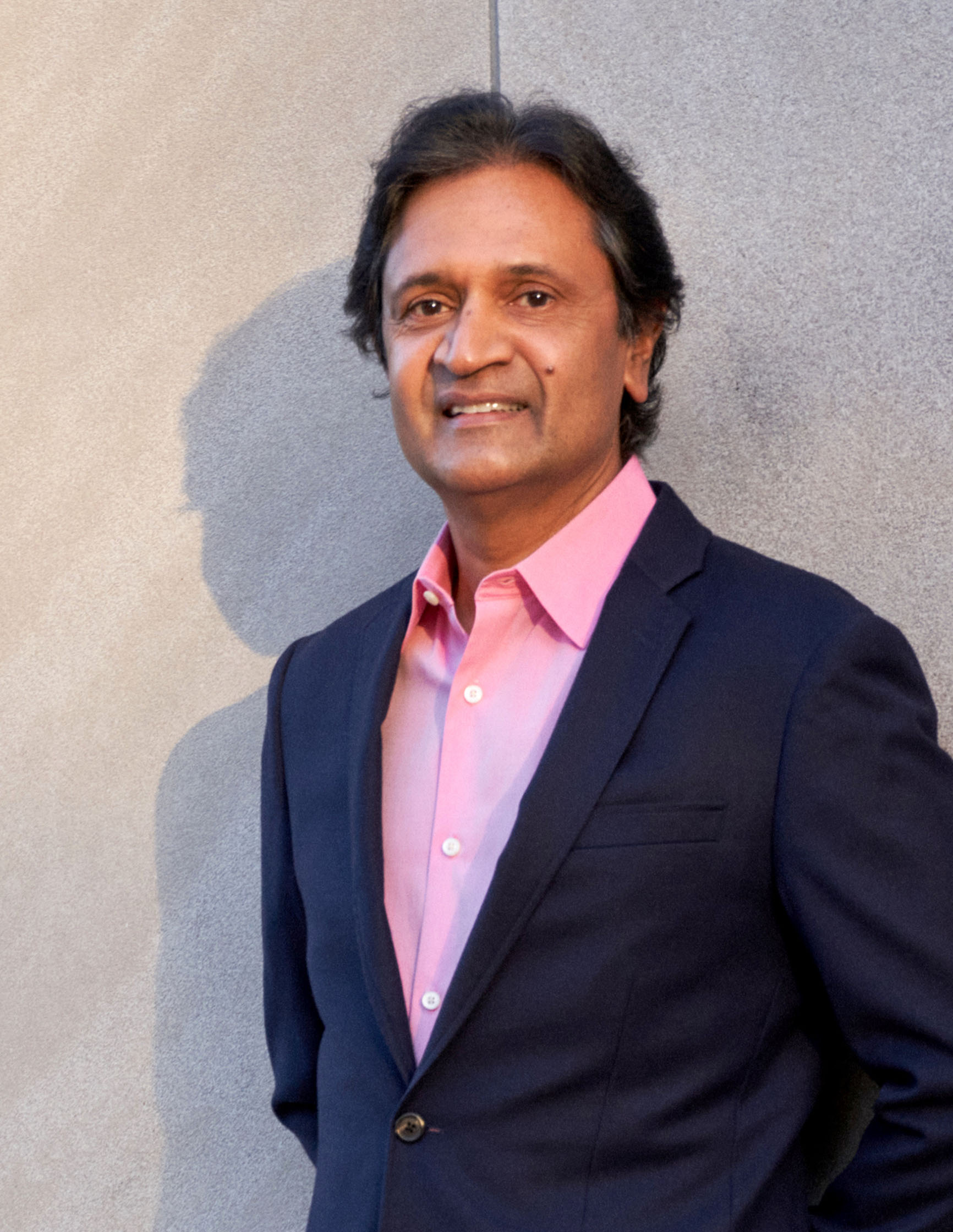
Prof. Dr. Jan Fröhlich is a Professor for Motion Picture Engineering at Stuttgart Media University (HdM), specializing in advanced imaging technologies. His research focuses on high dynamic range (HDR) and wide color gamut (WCG) image encoding, color rendering, camera metrology, and HDR workflows. Prior to his academic appointment, he held key industry positions including Senior Image Scientist at ARRI Munich where he contributed to professional cinema camera systems, and Dolby Laboratories where he helped develop the ITU Rec.2100 ICtCp color space and Dolby Vision platform. He also served as Technical Director at CinePostproduction GmbH. His core research areas include: HDR/WCG encoding and color science Virtual production workflows Camera metrology and image sensor technology Perceptual aspects of high frame rate and HDR imaging Real-time HDR/SDR conversion systems Recent publications demonstrate extensive work in virtual production technologies, including LED volume workflows, HDR broadcast graphics, and light field displays. His research consistently addresses both theoretical foundations and practical implementation challenges in cinematography and broadcast engineering.
Shree K. Nayar is the T. C. Chang Professor of Computer Science in the School of Engineering at Columbia University, where he heads the Columbia Vision Laboratory (CAVE). He served as Department Chair from 2009-2012 and was Director of Research at Snap Inc. from 2018-2024. Nayar received his PhD from Carnegie Mellon University and has been at Columbia since 1991, progressing from Assistant to Full Professor. His educational background includes a PhD in Electrical and Computer Engineering from Carnegie Mellon University (1990), an MS from North Carolina State University (1986), and a BS from Birla Institute of Technology in India (1984). He began his career as a Research Engineer at Taylor Instruments in New Delhi before pursuing graduate studies. Nayar's research spans three interconnected areas: novel computational cameras that capture new forms of visual information, physics-based models for vision and graphics, and algorithms for scene understanding. His work in computational imaging has transformed digital photography, with applications in smartphones, robotics, virtual reality, and human-computer interfaces. His research has produced over 300 publications with nearly 60,000 citations and 80 patents. Analysis of his recent publications reveals a strong focus on computational imaging challenges including low-light vision, depth sensing, mobile interaction, and accessibility technologies. His work consistently bridges theoretical foundations with practical applications, as evidenced by commercial implementations of his assorted pixels technology in smartphone cameras. Elected to National Academy of Engineering (2008), American Academy of Arts and Sciences (2011), National Academy of Inventors (2014), and Indian National Academy of Engineering (2022) Okawa Prize (2023), IEEE PAMI Distinguished Researcher Award (2019) Two-time David Marr Prize winner (1990, 1995) - the highest honor in computer vision Multiple best paper awards at major conferences including SIGGRAPH Asia (2024) and ECCV (2024) National Young Investigator Award (1991), Packard Fellowship (1992) Nayar has supervised numerous PhD and Master's students throughout his career at Columbia. His lab has received continuous funding from NSF, industry partners, and foundations. The Columbia Vision Laboratory (CAVE) is known for its interdisciplinary approach, combining optics, hardware design, and algorithms to solve fundamental vision problems. Nayar's Bigshot Camera project demonstrates his commitment to education, providing hands-on learning experiences for students worldwide. The Columbia Vision Laboratory (CAVE) develops cutting-edge computational imaging and computer vision systems. Under Nayar's leadership, the lab has pioneered technologies including self-powered cameras, high dynamic range imaging systems, and novel computational cameras. The lab maintains strong industry connections, particularly through Nayar's role at Snap Research, and emphasizes translating research into real-world applications that benefit society.
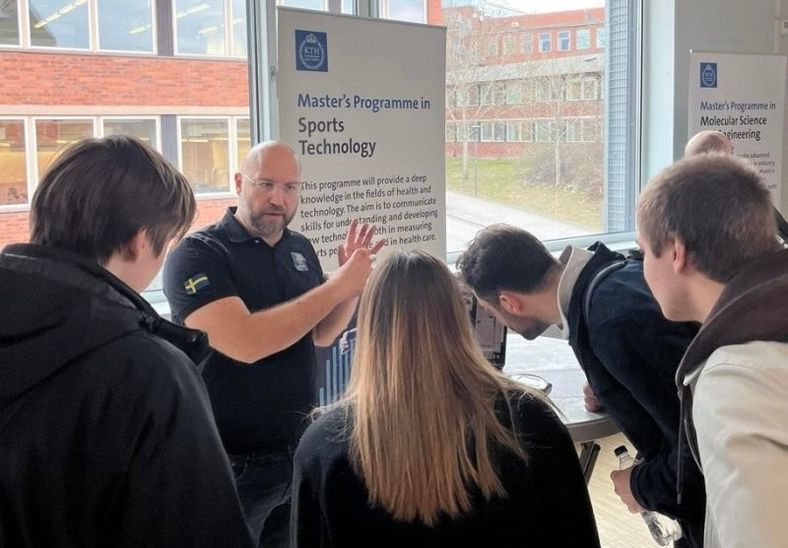
Jonas Willén is a Lecturer at KTH Royal Institute of Technology, working within the Division of Health Informatics and Logistics. He serves as Program Director for the MSc in Sports Technology and Director of RIU (National Sports University) at KTH. His professional focus centers on developing technological solutions to improve quality of life through health and sports applications. Willén's research interests span health informatics and sports technology, with particular emphasis on wearable sensor systems, data synchronization, and applications for assisted living. His work addresses critical issues in elderly care, such as developing mobile security alarm systems that overcome the limitations of current home-bound solutions. He also focuses on sports instrumentation for performance analysis and coaching, with applications for both elite athletes and general fitness. His publication record from 2011-2025 shows consistent research in sensor networks, wearable technology, and applications in healthcare and sports. The research trends indicate a progression from foundational work on data synchronization and sensor networks toward more applied solutions in health monitoring and sports performance analysis. His recent work demonstrates increasing focus on real-world implementation of these technologies. As an educator, Willén teaches multiple courses including FullStack Development and DevOps, Health and Sports Instrumentation, Medical Engineering, Mobile Applications and Wireless Networks, and Sports Technology and Instrumentation. His teaching reflects his research interests, bridging theoretical knowledge with practical applications in technology development. Willén's professional philosophy emphasizes technology's potential to evolve human capabilities, particularly in health and sports contexts. His work consistently aims to translate technical solutions into tangible benefits for end users, whether seniors needing reliable security systems or athletes seeking performance insights.