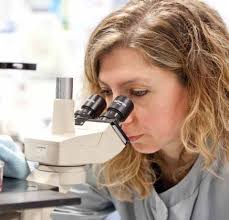
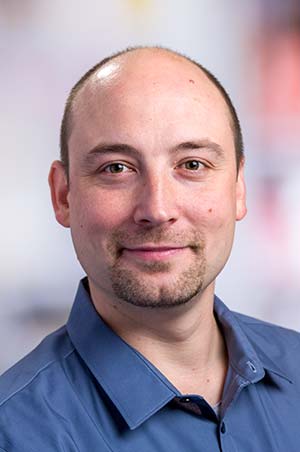
Malin Lindstedt is a Professor and Head of the Department of Immunotechnology at Lund University , where she also serves as a Principal Investigator at the Lund University Cancer Centre (LUCC) and a member of the LTH Profile Area: Engineering Health . Research Focus : Myeloid cells in tumor microenvironment, immunomodulation, and biomarker validation. Methodologies : Single-cell transcriptomics, spectral flow cytometry, spatial tissue analysis, and bioinformatics. Her recent publications highlight dendritic cell heterogeneity , IL-2 immunotoxicity , and CD40 agonists in cancer immunotherapy. Collaborative projects emphasize myeloid-targeted therapies and immune safety avatar development for clinical applications. Supervised Students : Andersson, H., Thörnqvist, L., Askmyr, D., Ajazi, K., Åkerström, F., Nyesiga, B., Sakellariou, C. Key Collaborations : LUCC, Engineering Health profile area, and international partnerships in cancer research.
Cheen Euong Ang is a Visiting Professor in the Department of Chemistry and Chemical Biology at Harvard University's Faculty of Arts and Sciences. Affiliated with the Zhuang Research Group, his work focuses on neuronal engineering, epigenetic regulation, and cellular reprogramming mechanisms. Department of Chemistry and Chemical Biology, Harvard University Zhuang Research Group, Faculty of Arts and Sciences His research spans neuroscience and epigenetics, with particular emphasis on: Direct neuronal reprogramming from somatic cells Epigenetic dynamics during cellular transitions Long non-coding RNA functions in brain development Matrix stiffness effects on chromatin states Neurodevelopmental disorder modeling Recent publications demonstrate expertise in: Neuronal differentiation using transcription factors Single-cell epigenomic profiling Transdifferentiation of immune cells to neurons Neurogenetic mechanisms in 22q11.2 deletion syndrome lncRNA-mediated pathogenic pathways
Dr. Katiuscia Bianchi serves as a Reader (equivalent to Associate Professor) in Cell Biology at Queen Mary University of London's Faculty of Medicine and Dentistry, leading an active research group focused on cancer metabolism and inflammation. Her position as Group Leader and academic appointments demonstrate her core faculty role within the institution. Her primary research investigates how obesity-associated inflammation rewires cellular metabolism to increase breast cancer risk, with specific emphasis on malignant transformation initiation, immune cell contributions (particularly dendritic cells and T cells), and drug resistance mechanisms. This work intersects cancer prevention, tumor cell targeting, cell signaling pathways, and metabolic reprogramming in oncogenesis. Analysis of her recent publications reveals a consistent focus on kinase-mediated metabolic pathways (IKKε/TBK1), serine metabolism in breast cancer, and inflammatory signaling in tumor microenvironments. Her work demonstrates strong translational potential through industry collaborations targeting metabolic vulnerabilities in cancer. Dr. Bianchi has secured substantial competitive funding including a £497,000 Barts Charity Large Project Grant (2023-2025) for inhibiting serine metabolism in obese breast cancer patients, MRC and BBSRC studentships with Achilles Therapeutics and AstraZeneca, and a Medcity Collaborate to Innovate grant. She serves as academic lead for the MRC-DTP in Translational Immunology, Inflammation and Cancer. She founded The London Inflammation Network, manages Queen Mary's metabolic flux analysis facility, co-leads the Cancer Biology BSc module, and participates in the Barts Metabolism Network, demonstrating extensive institutional leadership beyond her research program.
Prof. Christina Zielinski is a W3-Professor and Chair of the Department of Infection Immunology at the Leibniz Institute for Natural Product Research and Infection Biology (Hans Knöll Institute) and University of Jena. She leads a dynamic research group focused on human T cell regulation in health and disease, with particular expertise in Th17 cells and their role in fungal infections like Candida albicans. Her research addresses fundamental questions about how protective and pathogenic T cell memory responses are shaped in human health and disease. Key areas of investigation include: Regulation of human T cells in physiological and pathological contexts Communication of human T cells with the tissue microenvironment Identification of pharmacological targets for T cell-based immunotherapies Mechanisms of tissue resident immunological memory Reciprocal interactions of T cells with fungi, microbiota, metabolites, and ions Prof. Zielinski's work has important translational implications for chronic infections, autoimmunity, and cancer. Her lab uses a translational and interdisciplinary approach combining analysis of healthy and pathological tissue samples with cutting-edge technologies, gene editing, and high-dimensional data analysis. Recent research has revealed how sodium chloride enhances T cell metabolic fitness in the tumor microenvironment and how Th17 cells engage gasdermin E pores to release IL-1α. Prof. Zielinski has received numerous prestigious awards including the medac research award 2023, Paul Langerhans Preis (2020), and the Celgene Award for Innovation in Inflammation and Immunology Research (2012). She was elected to the Board of the Germany Society for Immunology in 2023 and serves on the Editorial Board of the European Journal of Immunology. As a dedicated mentor, Prof. Zielinski is passionate about supporting junior scientists, particularly female scientists. She leads the Zielinski Lab, a young, ambitious, international, and interdisciplinary team of researchers. The lab is involved in several research projects including the ORGANise-T project funded by the European Research Council and the Collaborative Research Center 'FungiNet' focused on fungal infections.
Professor Derek Gilroy serves as Professor of Experimental Inflammation and Pharmacology within the Division of Medicine at University College London, specializing in the active biological processes that resolve inflammation. His research challenges the traditional view of inflammation resolution as a passive process, instead demonstrating it as an active biological program with significant therapeutic implications for chronic inflammatory diseases. Professor Gilroy's educational background includes a Doctor of Philosophy from the William Harvey Research Institute at Queen Mary School of Medicine and Dentistry (1997), a Master of Science from Imperial College of Science, Technology and Medicine (1993), and a Diploma (1992). His academic trajectory reflects a deep commitment to understanding the molecular mechanisms underlying inflammatory processes. His research program centers on identifying endogenous pro-resolution pathways that could serve as novel therapeutic targets. Rather than simply suppressing inflammation, his work explores how to actively promote resolution mechanisms, representing a paradigm shift in treating chronic inflammatory conditions. This approach has significant implications for conditions ranging from rheumatoid arthritis to fibromyalgia, as evidenced by his diverse publication record. Analysis of Professor Gilroy's recent publications reveals a strong focus on cellular mechanisms of inflammation resolution, particularly involving macrophages, neutrophils, and specialized pro-resolving lipid mediators. His work spans from basic molecular mechanisms to clinical applications, with increasing attention to translational opportunities that could benefit patients suffering from chronic inflammatory conditions. Notably, his research has expanded to include investigations of SARS-CoV-2 immune responses and the long-term impacts of inflammation resolution on tissue integrity. Professor Gilroy actively contributes to academic training through his teaching responsibilities, including lecturing on the M.Sc course for Clinical and Experimental Medicine, examining Pharmacology Intercalated Research Projects, and participating in MPhil to PhD transfer examinations and PhD viva voce assessments. His mentorship extends to numerous research students and early-career scientists working in the field of inflammation research.
Dr. Ljiljana (Lili) Paša-Tolić is a distinguished Lab Fellow and Lead Scientist for Visual Proteomics at Pacific Northwest National Laboratory (PNNL), where she works within the Environmental Molecular Sciences Division and the Environmental Molecular Sciences Laboratory (EMSL) user program. She brings world-leading expertise in native-state and top-down proteomics, mass spectrometry, and the Biomolecular Pathways Integrated Research Platform, combining these with Functional Bioimaging and Cell Signaling platforms to develop transformational capabilities for dynamic spatio-temporally resolved proteomic imaging in cells. Shipley Capturing Federal Business Course (2013) Emerging Leader Program (2012) Management Skills Development Program (2003) Postdoc, National High Magnetic Field Laboratory (1995–1997) Postdoc, PNNL (1993–1995) PhD in Chemistry, University of Zagreb (1992) MS in Theoretical and Physical-Organic Chemistry, University of Zagreb (1989) BS in Chemistry, University of Zagreb (1986) Dr. Paša-Tolić specializes in developing sophisticated analytical methods with emphasis on Fourier transform mass spectrometry and micro-separations. Her research focuses on applying these techniques to accurately quantify spatiotemporal changes in protein (metabolite) abundance, identity, and activity. Her work bridges the gap between advanced instrumentation development and biological applications, particularly in environmental systems, microbial communities, and plant-microbe interactions. She has pioneered approaches for single-cell metabolomics, top-down proteomics, and mass spectrometry imaging that have transformed how researchers study complex biological systems at unprecedented resolution. The trend in Dr. Paša-Tolić's recent publications demonstrates her leadership in advancing mass spectrometry technologies while applying them to increasingly complex biological questions. Her work spans environmental science, microbiology, plant biology, and immunology, showing how fundamental advances in analytical methodology can be leveraged across diverse research domains. Key themes include single-cell analysis, interlaboratory standardization, top-down proteomics, and the development of novel instrumentation approaches that push the boundaries of detection sensitivity and spatial resolution. The Analytical Scientist Power List (2019) Spectrometry Global Impact Award (2015) Director's Award, EMSL (2010) Systems Biology Fellows Mentor Award (2007) Outstanding Merit Award, International Immunology (2007) Key Contributor Award, PNNL (2002, 2003) Outstanding Performance Award, PNNL (1998, 1999, 2000) International Institute of Quantum Chemistry and Solid-State Theory Award (1988) As a leader in her field, Dr. Paša-Tolić has served in numerous professional capacities including Treasurer of the American Society for Mass Spectrometry (2020–2022), Editorial Board Member for the Journal of the American Society for Mass Spectrometry (2017–Present), and Member at Large on the Board of Directors for the Consortium for Top-Down Proteomics (2012–Present). She has organized and lectured at the 'Mass Spectrometry in Biology and Medicine' summer school in Dubrovnik, Croatia since 2007, demonstrating her commitment to training the next generation of scientists. Her research has been supported by multiple federal agencies including the Department of Energy, National Institutes of Health, and National Science Foundation. Dr. Paša-Tolić leads a dynamic research team at PNNL focused on visual proteomics, which combines advanced mass spectrometry with imaging techniques to study biological systems at unprecedented resolution. Her group works at the intersection of the Functional and Systems Biology group, the Biomolecular Pathways Integrated Research Platform, and the Functional Bioimaging platform, creating a synergistic environment for innovation. The team has developed novel capabilities for single-cell analysis, top-down proteomics, and mass spectrometry imaging that are being applied to diverse research areas from environmental systems to human health.
Özcan Met serves as a Visiting Associate Professor at the Department of Immunology and Microbiology within the Faculty of Health and Medical Sciences at the University of Copenhagen. He concurrently holds the directorship of the Cell Production Unit at Copenhagen University Hospital - Rigshospitalet, a position he has maintained since September 2006, overseeing GMP-compliant cellular therapy manufacturing for clinical trials. His research centers on molecular and cellular tumor immunology with four primary pillars: (1) engineering tumor-specific synthetic TCRs and CAR-T cells for adoptive immunotherapy; (2) optimizing co-stimulatory pathways to enhance tumor-infiltrating lymphocyte (TIL) expansion; (3) applying CRISPR/Cas9 genome editing to overcome T-cell functional restrictions; and (4) developing scalable GMP-grade TIL production methods for melanoma and solid tumor trials. This work bridges fundamental immunology with translational applications, focusing on overcoming tumor immune evasion mechanisms through metabolic reprogramming and receptor engineering. Analysis of his recent publications (2022-2024) reveals a concentrated effort in advancing TIL-based therapies and next-generation cellular engineering. Key trends include targeting metabolic pathways in T-cell function (evident in mitochondrial respiration studies), developing novel scaffolds for selective T-cell expansion, and investigating biomarker-driven responses to checkpoint inhibitors. His work consistently emphasizes clinical translation, with multiple studies focusing on GMP production standards and therapeutic applications in pancreatic cancer, leukemia, and solid tumors. As Director of the Cell Production Unit at Rigshospitalet, Met leads critical infrastructure for clinical cell therapy manufacturing, directly supporting immunotherapy trials through standardized TIL production and quality control systems. His collaborative network spans immunology, oncology, and translational medicine, evidenced by co-authorship on high-impact publications in journals including Science Immunology and Journal for ImmunoTherapy of Cancer.
Vish Muthusamy is a Research Scientist at Yale School of Medicine with appointments in the Department of Medical Oncology and Hematology and the Developmental Therapeutics Program. He serves as the Director of the Center for Precision Cancer Modeling at Yale Cancer Center, where he focuses on advancing candidate therapeutic agents toward clinical application. Dr. Muthusamy is a cancer biologist with expertise spanning multiple disciplines: Cancer genetics and epigenetics Immunobiology and immunotherapy Pharmacological development of anti-cancer drugs Preclinical modeling and testing His research program focuses on understanding genetic alterations that drive cancer formation and progression, developing in vivo tumor models, and translating these findings into therapeutic approaches. Dr. Muthusamy frequently collaborates with medicinal chemists and has worked with both large and small pharmaceutical companies to develop therapeutic agents targeting cancer, infectious pathogens, and immune disorders. As Director of the Center for Precision Cancer Modeling, he plays a key role in Yale's translational research ecosystem, helping investigators bridge the gap between laboratory discoveries and clinical applications. Dr. Muthusamy's publication record demonstrates a strong trajectory from basic cancer biology to translational drug development. His recent work (2023-2025) focuses on overcoming checkpoint inhibitor resistance through novel immunotherapies, including IL-12 mRNA therapy and CD40 agonists. Earlier work (2016-2022) includes research on targeted therapies for specific cancer types like FGFR3-driven bladder cancer, metabolic isozyme targets in cancer, and innovative approaches to protein degradation and immune recruitment. Dr. Muthusamy maintains active collaborations across Yale and with external partners. His frequent co-authors include Katerina Politi, Marcus Bosenberg, Akiko Iwasaki, Anna Marie Pyle, and Daniel P. Petrylak, indicating strong connections across cancer biology, immunology, and clinical oncology disciplines. As Director of the Center for Precision Cancer Modeling, Dr. Muthusamy leads a research team focused on preclinical development of cancer therapeutics. The center provides expertise in developing and validating tumor models that better predict clinical response, helping Yale researchers advance their discoveries toward clinical trials and eventual patient care.
Mark Headley, PhD, serves as Assistant Professor in the Translational Science and Therapeutics Division at Fred Hutchinson Cancer Center (Fred Hutch) and Faculty Member in the University of Washington/Fred Hutch Molecular and Cellular Biology Program. He is also a Member of Fred Hutch's Immunotherapy Integrated Research Center (IIRC). Education: PhD in Immunology, University of Washington School of Medicine (2010) Post-doctoral Fellow, Benaroya Research Institute (2010-2011) Post-doctoral Fellow, University of California, San Francisco (2011-2016) Associate Specialist, University of California, San Francisco (2016-2018) Research Focus: Dr. Headley investigates cellular and molecular mechanisms of tumor metastasis—particularly lung metastasis from breast cancer and melanoma—using intravital lung microscopy and single-cell RNA sequencing . His lab discovered that metastatic tumor cells shed cytoplasmic microparticles ingested by myeloid cells (macrophages, dendritic cells), triggering metabolic switches that either promote or inhibit metastasis. This work aims to develop therapies targeting pro-metastatic immune functions. Research Support: Secured multiple grants including two 2018 awards for metastatic breast cancer research. His 2023 discovery of macrophage metabolic reprogramming via tumor microparticles was featured in Science Spotlight . Headley Lab: Develops cutting-edge imaging tools to visualize real-time tumor-immune interactions in live lungs, combining intravital microscopy with single-cell profiling to decode metastatic mechanisms at unprecedented resolution.
Ezgi Hacisuleyman serves as an Assistant Professor in the Department of Molecular Medicine at the University of Florida, where she leads the Hacisuleyman Lab focused on RNA-centric mechanisms in neuronal communication and cellular adaptation. Her research bridges molecular biology, neuroscience, and virology with significant contributions to understanding RNA localization, translation dynamics, and viral pathogenesis. Education Ph.D. in Molecular Biology and Biochemistry, Harvard University (2010-2015) Bachelor of Engineering in Chemical Engineering, MIT (2006-2010) Bachelor of Science in Molecular Biology and Genetics, MIT (2006-2010) Dr. Hacisuleyman's research centers on RNA biology in neuronal contexts , particularly how localized translation regulates synaptic plasticity. Her lab pioneered proximity-based ribosome profiling to map dendritic translation mechanisms, revealing how eIF4G2-uORF interactions rapidly reprogram protein synthesis in response to neuronal activity. Additional work explores lncRNA-mediated genome organization and viral-host interactions, notably SARS-CoV-2 transmission dynamics and vaccine efficacy. Her interdisciplinary approach integrates molecular techniques with computational analysis to uncover fundamental principles of RNA regulation in health and disease. Her publication portfolio shows consistent focus on RNA-centric mechanisms across cancer biology, neurodevelopment, and virology. Early work established foundational knowledge of lncRNA functions in genome architecture (Firre locus) and adipogenesis, while recent studies reveal novel cancer dependencies (EXOSC2) and neuronal translation control. The SARS-CoV-2 research during 2021 represents a strategic pivot to address urgent pandemic challenges, demonstrating methodological versatility. Scientific Awards Kavli Neuroscience Postdoctoral Fellowship (2021-2023) Helen Hay Whitney Fellowship (2016-2019) Dr. Hacisuleyman mentors graduate students including Madison Jones (neurological disorders focus) and Ulas Kaplan (5'UTR peptide research), while previously supervising SURF undergraduates. Her active NIH/NIGMS-funded grant "Decoding RNA Localization and Local Translation" supports investigations into cellular adaptation mechanisms. The lab maintains collaborations with Rockefeller University and UCSF, building on her postdoctoral work with Darnell and Weissman. The Hacisuleyman Lab comprises graduate students, research technicians (including Alexander Valera studying synaptic transmission and Alperen Baran exploring immune-neural connections), and administrative support. Current projects examine small peptide functions in neurons and RNA dysregulation in aging-related pathologies, with infrastructure for advanced molecular profiling and neuronal imaging.