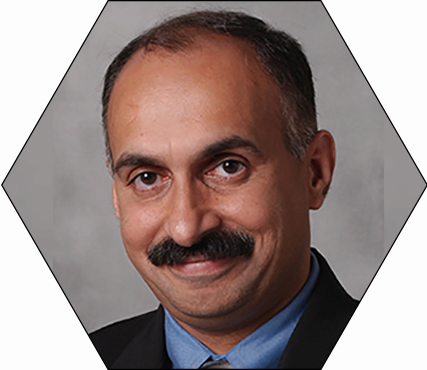
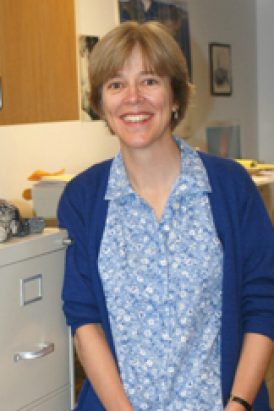
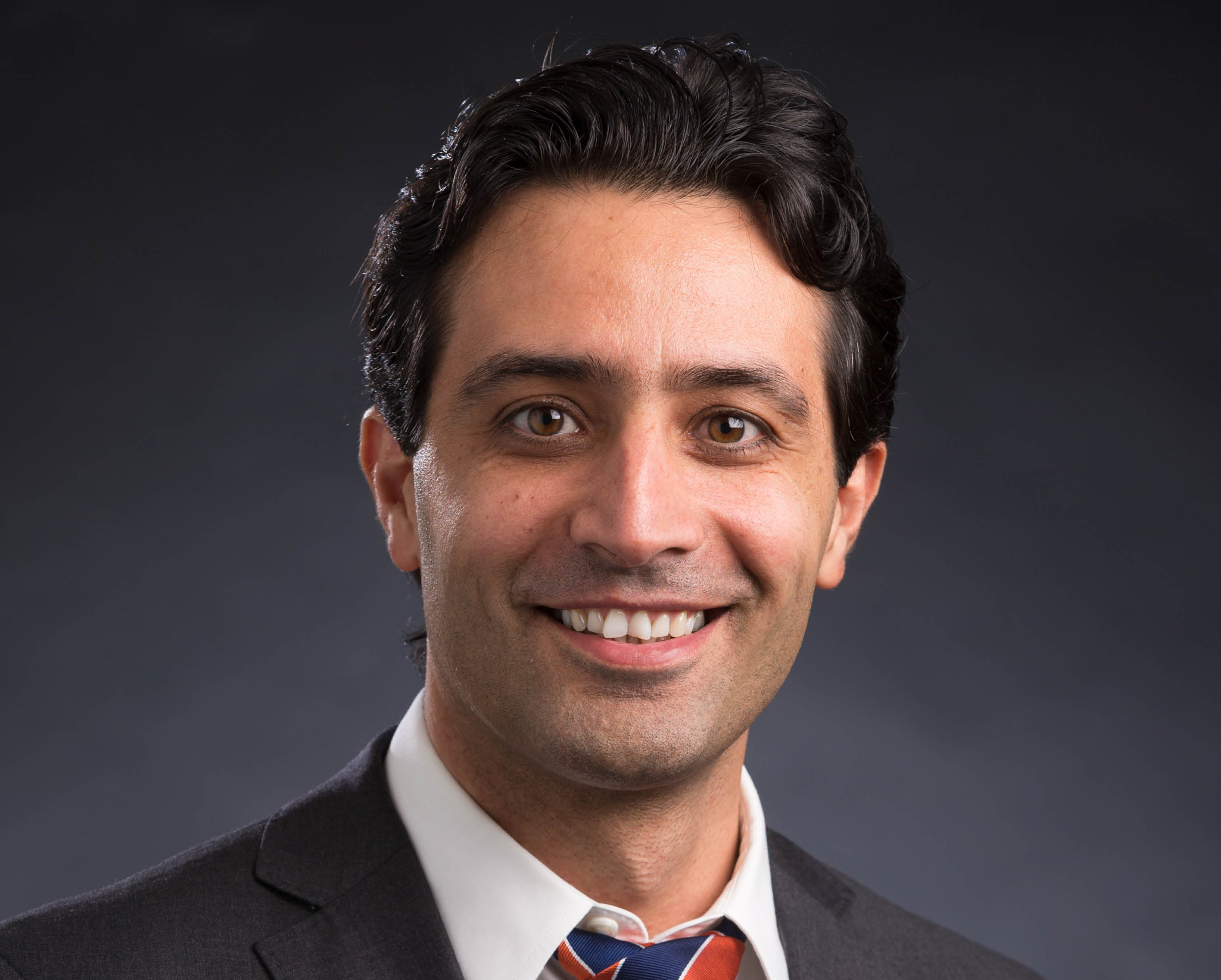
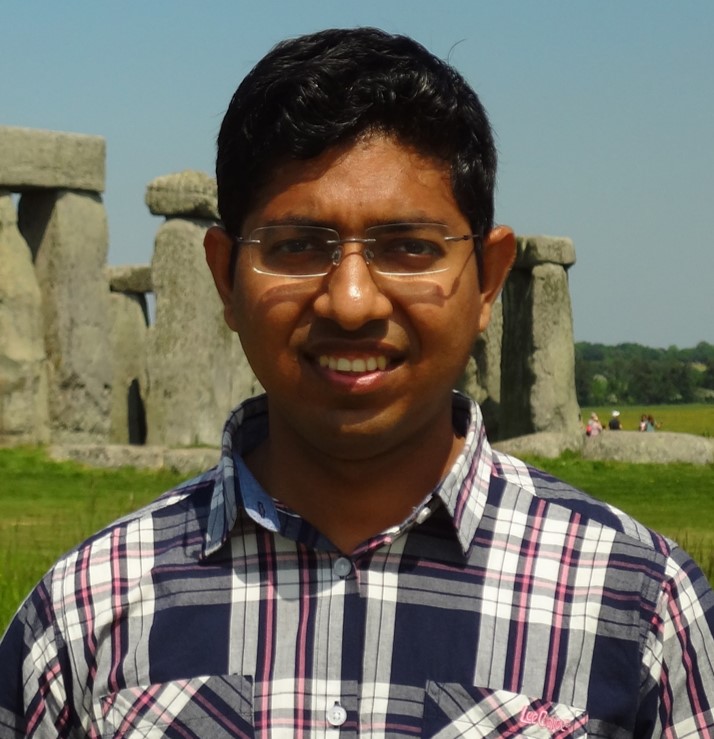
Dr Andrew Rhead is a Senior Lecturer in the Department of Mechanical Engineering at the University of Bath, specializing in aerospace composites and damage tolerance analysis. His research focuses on impact damage detection, failure mechanism modeling, and Non-Destructive Evaluation (NDE) techniques for composite structures. MSci in Mathematical Sciences (Dynamical Systems) - University of Bristol (2006) PhD in Composite Damage Tolerance - University of Bath (2009) His work develops computationally efficient analytical models for compression after impact (CAI) strength prediction in composite laminates, surpassing traditional finite element methods. Key projects include hydrogen storage systems for aircraft, cryogenic composite testing, and steered fiber manufacturing optimization. Active in 10 projects including ASPIRE and HyFIVE Collaborates with Airbus, GKN Aerospace, and EPSRC Research trends show emphasis on sustainable aviation materials, structural battery integration, and advanced testing methodologies. Current affiliations include the Institute for Mathematical Innovation (IMI) and Centre for Integrated Materials, Processes & Structures (IMPS).
Mine Uysal is a Researcher at Yıldız Technical University, Faculty of Mechanical Engineering, Department of Mechanical Engineering. Her academic journey includes a BSc (2005), MSc (2010), and PhD (2015) in Mechanical Engineering from Pamukkale University and Yıldız Technical University, respectively. She began postdoctoral research at the University of Kentucky (College of Engineering) in 2017. PhD, Mechanical Engineering (2015, Yıldız Technical University) MSc, Mechanical Engineering (2010, Pamukkale University) BSc, Mechanical Engineering (2005, Pamukkale University) Her research focuses on advanced materials behaviors, including functionally graded materials, polymers, adhesively bonded joints, and finite element modeling for engineering systems. Key areas include composite structures, thermal/mechanical loading effects, and sustainable manufacturing techniques like nanofluid-assisted machining. Scientific contributions include 15 recent articles spanning topics such as delamination analysis in bonded beams, sustainable machining optimization, buckling behavior of graded polymers, and fracture mechanics in composite materials. Her work integrates finite element methods with experimental validation for adhesive joints and sandwich structures. Collaborative projects include research funded by The Scientific and Technological Research Council of Turkey (TUBITAK) and international postdoctoral work at the University of Kentucky.
Suresh K. Sitaraman is a Regents' Professor and Morris M. Bryan, Jr. Professor in Mechanical Engineering at the Georgia Institute of Technology's George W. Woodruff School of Mechanical Engineering. His primary research focuses on Computer-Aided Engineering (CAE) and Design, manufacturing processes, micro/nano engineering, and mechanics of materials. He leads the Computer-Aided Simulation of Packaging Reliability (CASPaR) Lab and is involved in flexible hybrid electronics research through the Flexible Electronics Center . Dr. Sitaraman holds a Ph.D. from The Ohio State University (1989), M.A.Sc. from the University of Ottawa (1985), and B.E. from the University of Madras (1982). His research includes developing novel techniques like fixtureless magnetic actuation for interfacial fracture testing, compliant micro-scale interconnects for stress mitigation, and synchrotron X-ray diffraction analysis for through-silicon vias (TSVs). He has pioneered studies on carbon nanotube forests' mechanical properties and reliability challenges in 3D microsystems. His awards include the NSF CAREER Award (1997-2002), ASME Fellow designation (2004), and Sigma Xi Sustained Research Award (2008). He has authored over 150 publications and holds multiple patents on compliant interconnect technologies and packaging reliability solutions. Key Research Themes: Micro/nano-scale material characterization, physics-based predictive modeling, flexible electronics, 3D integration, and thermal management. Labs/Initiatives: CASPaR Lab ( caspar.gatech.edu ), Flexible Hybrid Electronics Center. Industry Impact: Contributions to semiconductor packaging, wearable electronics, and advanced manufacturing techniques.
Jaal Ghandhi is a Professor in the Department of Mechanical Engineering at the University of Wisconsin-Madison. His research focuses on combustion and fluid mechanics in internal combustion engines, utilizing laser-based diagnostics to study temperature and concentration fields. He holds significant academic roles and has received multiple prestigious awards, including the John Bollinger Chair and ASME/Society of Automotive Engineers Fellowships. Education: PhD 1995 (Princeton University), MS 1988 (UW-Madison), BS 1986 (UW-Madison) His research interests include laser diagnostics, turbulent flow, and advanced engine design. Recent work emphasizes thermal barrier coating performance, diesel engine efficiency, and hydrogen-based fuels. Over 20 years, his publications span combustion dynamics, material durability, and engine thermodynamics. Awards include the NSF CAREER Award, Grainger Professorship, and multiple teaching accolades. He teaches graduate courses in energy sustainability, combustion, and engine experiments. His research contributes to sustainable engineering through improved engine efficiency and reduced emissions, with collaborations in automotive and energy sectors.
Henrik Myhre Jensen is a Professor at the College of Engineering , Aarhus University, specializing in Mechanics of Materials , Solid Mechanics , and Mechanical Engineering . His research focuses on fracture mechanics, composite materials, and computational modeling of structural behaviors. Research Focus Fracture mechanics in composites and layered materials Computational modeling of kink band propagation Surface wear and coating technologies Ultrasound imaging applications in mechanical systems Notable Contributions Henrik has contributed to understanding crack propagation in cantilever beams, developed numerical methods for simulating delamination in composites, and explored buckling instabilities in solids. His recent work connects machine learning (holomorphic neural networks) to traditional fracture mechanics problems. Key Projects MAGFLY (2017-2021): Magnets for Flywheel Energy Storage InnoVacc (2009): Pressure Testing of Vacuum Chambers Simulation of composite structures (2011-2020): Micro-mechanical modeling
Prof. Sara Merino Aceituno is a Professor at the Faculty of Mathematics, University of Vienna, leading research in kinetic theory and its applications to biology, medicine, and social sciences. She holds roles as Vice-Dean of the Faculty and Head of the Institute of Mathematics. Her work bridges mathematical models with experimental data, focusing on emergent phenomena in collective dynamics, opinion formation, and cell behavior. She teaches advanced courses on kinetic theory, biomathematics, and mathematical strategies for learning. Her contributions include modeling cell delamination, nematic alignment, and swarm dynamics through PDEs and probabilistic methods. Collaborations with experimentalists drive her interdisciplinary research. She actively engages in education, advising, and public outreach, including a video series explaining mathematical patterns in nature. Her research emphasizes understanding macroscopic patterns arising from microscopic interactions in complex systems. Education: Holds a PhD in Mathematics, with expertise in kinetic theory and applied partial differential equations. Teaching and leadership roles reflect her commitment to academic excellence and student support. Her work integrates experimental and computational models to study clonal dynamics in tissues and mechanical constraints in epithelial layers. She has authored over 20 papers on topics ranging from active matter to opinion formation networks, contributing to both theoretical advancements and practical applications in biology and social sciences. Research focuses on deriving hydrodynamic and continuum models from particle systems, analyzing stability and bifurcations in collective behavior. Grants and collaborations include the Vienna Biocenter PhD Program and experimental groups in cell biology. Her lab explores how environmental factors influence particle swarms and how mechanical forces shape cell cycles in pseudostratified epithelia.
Rebecca Lange is the Alexander N Halliday Collegiate Professor of Earth and Environmental Sciences at the University of Michigan, affiliated with the College of Literature, Science, and the Arts. She holds roles in the International Institute and Center for Latin American and Caribbean Studies. Her research focuses on magmatic processes, including olivine-melt thermometry, Martian magmas, carbonate melt behavior, and volcanic system dynamics. Lange earned a PhD in Geology from UC Berkeley (1989). Her work bridges experimental geochemistry and field-based studies, addressing questions about magma ascent rates, crust-mantle interactions, and volatile transport. Notable contributions include refining olivine-melt thermometers/hygrometers and elucidating mechanisms of high-silica rhyolite formation. She investigates planetary-scale processes, such as deep Earth carbon cycles and early ocean oxygenation, using multi-analytical approaches (e.g., Mössbauer spectroscopy, XANES). Research Themes : Magmatic volatile budgets, crystallization kinetics, crustal melt generation, planetary geochemistry. Key Techniques : Experimental petrology, high-pressure melting experiments, microanalytical methods, numerical modeling. Lange's recent studies highlight rapid phenocryst growth during magma ascent, degassing-induced oxidation in magmas, and the role of basalt emplacement in forming silicic melts. Her interdisciplinary approach spans terrestrial and extraterrestrial systems, with active projects on Martian magmas and alkaline lake geochemistry. Professional service includes roles in academic administration and steering committees. Her lab contributes to the International Institute's interdisciplinary initiatives, fostering collaborations between geosciences and global studies.
Professor David Armstrong serves as Professor of Materials Science and Engineering at the University of Oxford and Fellow and Tutor at St Edmund Hall. His work focuses on developing materials for extreme environments including nuclear fusion reactors, aerospace systems, and energy storage applications through microstructural control and advanced mechanical characterization. His educational background includes a first degree in Materials Science from St Anne’s College, Oxford and a DPhil from Corpus Christi, Oxford investigating micromechanical properties in copper and nickel alloys. This foundational work evolved into radiation damage studies during his Culham Centre for Fusion Energy Junior Research Fellowship. Armstrong's research centers on mechanical behavior of materials under extreme conditions—high temperatures (jet engines, reactors), radiation exposure (nuclear facilities, space), and high stresses (batteries, geological systems). He develops novel testing methodologies for nanoscale mechanical properties up to 1300 K, collaborating with Rolls Royce, UKAEA, ESA, and Berkeley on fusion materials, aerospace components, and battery technologies. His work bridges fundamental micromechanics with industrial applications in energy systems. Analysis of his 2023-2025 publications reveals dominant themes in nuclear fusion materials (tungsten, ODS steels), lithium battery interfaces, and ceramic composites for extreme environments. Methodologically, his group pioneers correlative microscopy combining nanoindentation, TEM, and atom probe tomography to study irradiation effects, high-temperature deformation, and interfacial degradation across length scales. His scientific recognition includes: Culham Centre for Fusion Energy Junior Research fellowship (2009) Royal Academy of Engineering Research Fellowship (2013) Institute of Materials Minerals and Mining Grunfeld Memorial Award & Medal (2015) As an educator, Armstrong teaches core mechanical properties courses across undergraduate years and leads Fusion CDT modules on nuclear materials. He supervises numerous doctoral students while serving on the EPSRC Fusion Advisory Board and CDT management board. Current grants support micro-engineering of alloys for nuclear environments and lithium-metal battery development through industry partnerships with Rolls Royce and MicroMaterials. His research group operates advanced micromechanical testing facilities for high-temperature and irradiated materials, collaborating with UKAEA’s Culham Centre and European fusion laboratories on plasma-facing component development. Future work targets solid-state battery interfaces and radiation-resistant high-entropy alloys for next-generation fusion reactors.
Danielle Lynn Cote is an Assistant Professor in Materials Science & Engineering at Worcester Polytechnic Institute (WPI), affiliated with the Mechanical and Materials Engineering department. She holds a Ph.D. in Materials Science & Engineering (WPI, 2014), an M.S. in Materials Science & Engineering (WPI, 2010), and a B.S. in Chemical Engineering (University of New Hampshire, 2005). Her research focuses on computational modeling, cold spray additive manufacturing, and advanced materials for high-deposition-rate processes. Notable awards include the NASA Early Career Faculty Award (2021) and TMS Early Career Fellow (2022). Research highlights include development of antimicrobial copper coatings via cold spray, thermal preprocessing of aluminum alloys, and optimization of feedstock powders for additive manufacturing. She leads the Cote Research Group, part of MatR: Materials Reimagined initiative, and has secured over $25M in research funding. Her work integrates computational materials science with experimental validation, emphasizing sustainable manufacturing and materials innovation. Grants: $25M Army Research Lab grant for cold spray repair technology, $56M FY2020 university-wide funding. Labs: Cote Research Lab (Data-Driven Materials Science), MatR interdisciplinary group. Teaching: Courses in Materials Science and Phase Transformations.
Professor Albert Turon Travesa is a faculty member in the Department of Mechanical and Industrial Construction Engineering at the University of Girona (Spain), where he leads the Mechanics of Continuum Media and Theory of Structures research area. He serves as Head of Department and is affiliated with the AMADE research group. His research focuses on characterizing mechanical behavior of composite materials, developing non-deterministic modeling strategies for structural prediction, and advancing fatigue life estimation techniques. Key contributions include cohesive zone modeling, delamination growth analysis, and machine learning applications in materials science. He has authored over 100 top-tier journal papers, appears in Stanford's World Top 2% Scientists, and Research.com's Mechanical & Aerospace Engineering ranking. Awards include the 2022 ICREA Acadèmia grant and 2024 Air and Space Academy Medal for composite materials advancements in European aeronautics. His 15 most recent publications span fatigue modeling, delamination mechanics, and computational strategies, primarily applied to aerospace composites. Current work emphasizes probabilistic approaches, ply orientation effects, and residual strength prediction after damage accumulation. ICREA Acadèmia Award (2022) Air and Space Academy Medal (2024) Active collaborations with aeronautical industries include technology transfer projects on composite material implementation. His research combines experimental validation with numerical simulation to bridge theoretical modeling and industrial application.
Hadi Noori is an Assistant Professor in the Department of Mechanical and Aerospace Engineering at Oklahoma State University, affiliated with the College of Engineering, Architecture and Technology (CEAT). His research focuses on mechanics of materials, lightweighting strategies, multifunctional materials design, and additive manufacturing processes. He holds a Ph.D. in Mechanical Engineering from McMaster University (2015), an M.Sc. in Materials Forming from the University of Tehran (2005), and dual B.Sc. degrees in Materials Science and Engineering from Ferdowsi University of Mashhad (2000) and Sharif University of Technology (2002). Dr. Noori's work emphasizes advanced manufacturing techniques, including 3D printing optimization, composite material development, and interfacial fracture mechanics. His recent studies address improving material toughness through microwave-assisted methods and analyzing delamination in polymer-laminated metals. He teaches courses such as Mechanics of Fracture, Engineering Plasticity, and Advanced Manufacturing Processes. Professional memberships include the American Society for Engineering Education (ASEE), The Minerals, Metals & Materials Society (TMS), and the Adhesion Society. His publications span over 15 years, covering topics from solder creep behavior (early work) to modern additive manufacturing challenges. Notable trends in his articles include advancing material performance through composite design, optimizing 3D printing parameters, and enhancing interfacial adhesion in composite systems. His research bridges fundamental mechanics with practical applications in aerospace and manufacturing sectors.
Supratik Mukhopadhyay is an Associate Professor in the Department of Mechanical Engineering at Indian Institute of Technology Kanpur (IIT Kanpur) . He specializes in the mechanics of composite materials, damage and failure theory, and advanced numerical simulation techniques including finite element and mesh-free methods. Education: PhD in Aerospace Engineering, University of Bristol (2016) M.Tech in Mechanical Engineering, IIT Kharagpur (2011) B.E in Production Engineering, Jadavpur University (2009) Research Interests: His work spans mechanics of composites , theory of damage and failure , numerical simulation of strain localization and fracture , finite element method , mesh-independent and mesh-free methods , and simulation of manufacturing processes . Publications Overview: His recent publications focus on experimental and numerical investigations into the failure and fatigue behavior of composite laminates, particularly those with embedded defects such as wrinkles and delaminations. His work contributes significantly to understanding composite durability and reliability under complex loading conditions. Awards & Honors: Commendation letter from Queens School of Engineering, University of Bristol Kenneth Harris James Prize from IMechE, UK Multiple medals and prizes from IIT Kharagpur and Jadavpur University for academic excellence Professional Experience: He served as a Post-Doctoral Research Associate at the University of Bristol from 2015 to 2018, and has been an Assistant/Associate Professor at IIT Kanpur since November 2018. He has also taught undergraduate courses at the University of Bristol.
Genda Chen is a Professor and the Robert W. Abbett Distinguished Chair in Civil Engineering at Missouri University of Science and Technology. He serves as Director of the System and Process Assessment Research Laboratory, Director of the INSPIRE University Transportation Center, and Associate Director of the Mid-America Transportation Center. Dr. Chen's research spans multiple domains in civil and structural engineering with a strong emphasis on integrating advanced technologies for infrastructure assessment and resilience. His work prominently features structural health monitoring, smart infrastructure systems, bridge engineering, and the application of machine learning and computer vision techniques to civil infrastructure problems. Specific research interests include ultra-high performance concrete applications, structural connections, resilient infrastructure design for extreme events, unmanned vehicle systems for infrastructure inspection, and digital twinning of civil infrastructure. Analysis of Dr. Chen's recent publications reveals a strong trend toward integrating artificial intelligence and machine learning with traditional civil engineering practices. His work increasingly focuses on computer vision applications for infrastructure inspection, including crack detection, bridge element segmentation, and delamination detection using thermal imaging. There's also a significant emphasis on developing resilient infrastructure systems, particularly for bridges, with research on SMART shear keys for recovery after extreme events. His publications demonstrate a multidisciplinary approach that bridges civil engineering, materials science, robotics, and data science. Robert W. Abbett Distinguished Chair in Civil Engineering As Director of the System and Process Assessment Research Laboratory and the INSPIRE University Transportation Center, Dr. Chen leads research initiatives focused on transportation infrastructure assessment and innovation. His work with the Mid-America Transportation Center involves regional transportation research and technology transfer, with numerous projects addressing bridge inspection, structural monitoring, and resilient infrastructure design. Dr. Chen's laboratory work centers on structural assessment technologies, with particular emphasis on sensor development, unmanned systems for infrastructure inspection, and digital twin applications for civil infrastructure. His research team appears to be actively engaged in developing next-generation tools for bridge inspection, structural health monitoring, and resilient infrastructure design, with strong connections to transportation agencies and industry partners.
Marina Tsianou is a Professor in the Department of Chemical and Biological Engineering at the University at Buffalo (SUNY) , where she focuses on molecularly engineered materials, self-assembly, interfacial phenomena, controlled crystallization, and biomimetics. Her research addresses sustainability challenges in plastic recycling, PFAS pollution, and polymer science. Education : PhD in Chemistry, Lund University, Sweden (2000) MS in Chemical Engineering, Tufts University (1995) Diploma in Chemical Engineering, National Technical University of Athens, Greece (1990) Her research explores interfacial behavior of polymers and surfactants , with applications in plastic recycling, environmental remediation, and biomimetic material design. Recent work emphasizes molecular recycling of plastics using solvent-based methods, PFAS pollutant interactions at interfaces, and crystallinity control in polymers for sustainable solutions. Scientific Recognition : William R. Schowalter Lecture (2023) Her publications highlight trends in polyolefin dissolution , mixed surfactant systems , and biomimetic crystallization . She contributes to plastic waste valorization and textile recycling through advanced chemical-physical transformations. Labs and Teams : She leads research in colloid and surface phenomena at SUNY-Buffalo, advancing molecular-level understanding of polymer-surfactant interactions for environmental applications.
Jasdeep Singh is a Researcher and Postdoctoral Associate in the Nutrient Management Spear Program (NMSP) within the Animal Science department at Cornell University's College of Agriculture and Life Sciences (CALS). His research focuses on crop nutrient management, soil health, and the environmental impacts of regenerative agricultural practices such as reduced tillage, cover cropping, and manure-based products. He employs field experiments, predictive modeling, and advanced techniques like X-ray computed tomography to study soil properties and greenhouse gas emissions. His work emphasizes system-level approaches to achieve agronomic and environmental sustainability. Education: He holds a Doctorate in Soil Science with a Graduate Certificate in Data Science from South Dakota State University (2020) and a Bachelor of Science in Agriculture from Punjab Agricultural University, India (2016). Research Interests: Soil health, regenerative agriculture, greenhouse gas mitigation, crop yield stability, and the integration of technology (e.g., mobile apps, UAV imagery) for precision agriculture. His studies often address the interplay between soil physical/chemical/biological processes and climate resilience. Articles Trends: His publications span soil health assessment, cover crop impacts, greenhouse gas modeling (DNDC), and technological innovations in irrigation management. Recent work highlights the promise of regenerative practices in dryland systems and the application of machine learning for crop yield estimation. Labs/Teams: He collaborates with Dr. Quirine Ketterings' lab and contributes to the NMSP's mission of advancing nutrient management strategies for sustainable agriculture.