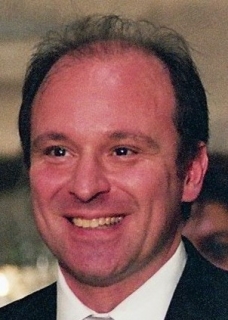
Dylan Phillips is a Lecturer in the Department of Life Sciences at Aberystwyth University, affiliated with the Institute of Biological, Environmental, and Rural Sciences (IBERS). With over 10 years of teaching experience, he coordinates the Genetics degree programs (C400 & C401) and supervises PhD students. He is a Fellow of the Higher Education Academy and the Institute of Biomedical Science, and serves as an Associate Editor for the journal Genome .
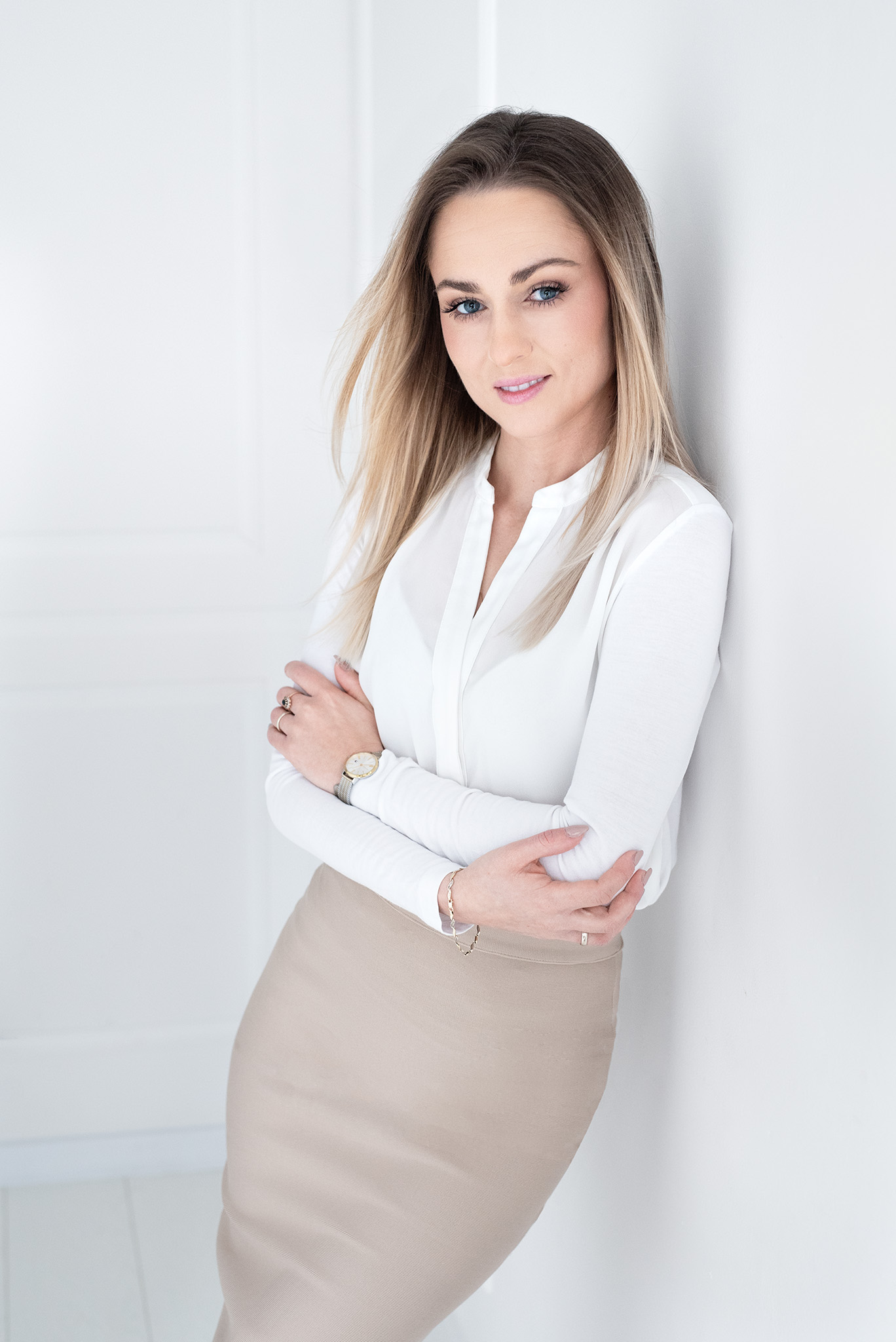
Dr. Asolina Braun is a Senior Research Fellow at the Department of Biochemistry & Molecular Biology, Monash University. She actively supervises PhD students and contributes to research in Skin Immunology Psoriasis Pathogenesis Immunopeptidomics Tissue-Resident Memory T Cells . Education : Biology, Hannover Medical School Doctoral Degree in Immunology (Hannover Medical School, Germany, 2011–2014) Postdoctoral Fellowship with Francis Carbone and Thomas Gebhardt (Germany, 2014–2018) Research Focus : Her work explores HLA-Cw6-dependent antigen presentation and TRM cell survival factors in psoriasis, aiming to develop tolerization strategies for autoinflammatory skin diseases. She also pioneered tactile science communication methods for psoriasis outreach. Key Projects : Leading Psoriasis Antigen Triggers (2023–2025) Investigating Influenza Immune Cross-Protection (2024–2027) Validating HLA-Cw6 Antigen Presentation (2020–2022) Awards & Roles : DFG Fellowship Treasurer, Australian and New Zealand Society for Immunology (2018–2022) Executive Committee Member Collaborations span institutions in Australia, Germany, and Denmark, with expertise in flow cytometry , mass spectrometry , and MHC-peptide interactions .
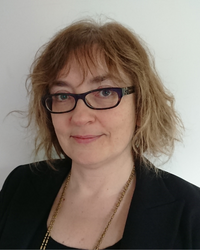
Nikolaos Chatzarakis is an Assistant Professor of Economics at The New School for Social Research, part of The New School university. He holds degrees including a B.Sc. in Physics (2011-2016), M.Sc. in Regional and Economic Analysis (2016-2018), M.Sc. in Computational Physics (2017-2019), and a Ph.D. in Political Economy (2019-2021) from Aristotle University of Thessaloniki. His research focuses on economic growth, business cycles, classical price theory, and econophysics, with interdisciplinary work spanning economics and theoretical physics. He co-authored the book Economic Growth and Long Cycles: A Classical Political Economy Approach (2024). Recent articles explore topics like Marxian perspectives on capital accumulation, cosmological models in Einstein-Gauss-Bonnet gravity, and structural changes in productivity. His work bridges classical political economy with modern mathematical and computational methods. He teaches courses such as Economic Crises, Graduate Microeconomics, and the History of Political Economy. His academic contributions emphasize interdisciplinary approaches, integrating physics-based models with economic theories to analyze growth dynamics and systemic instabilities.
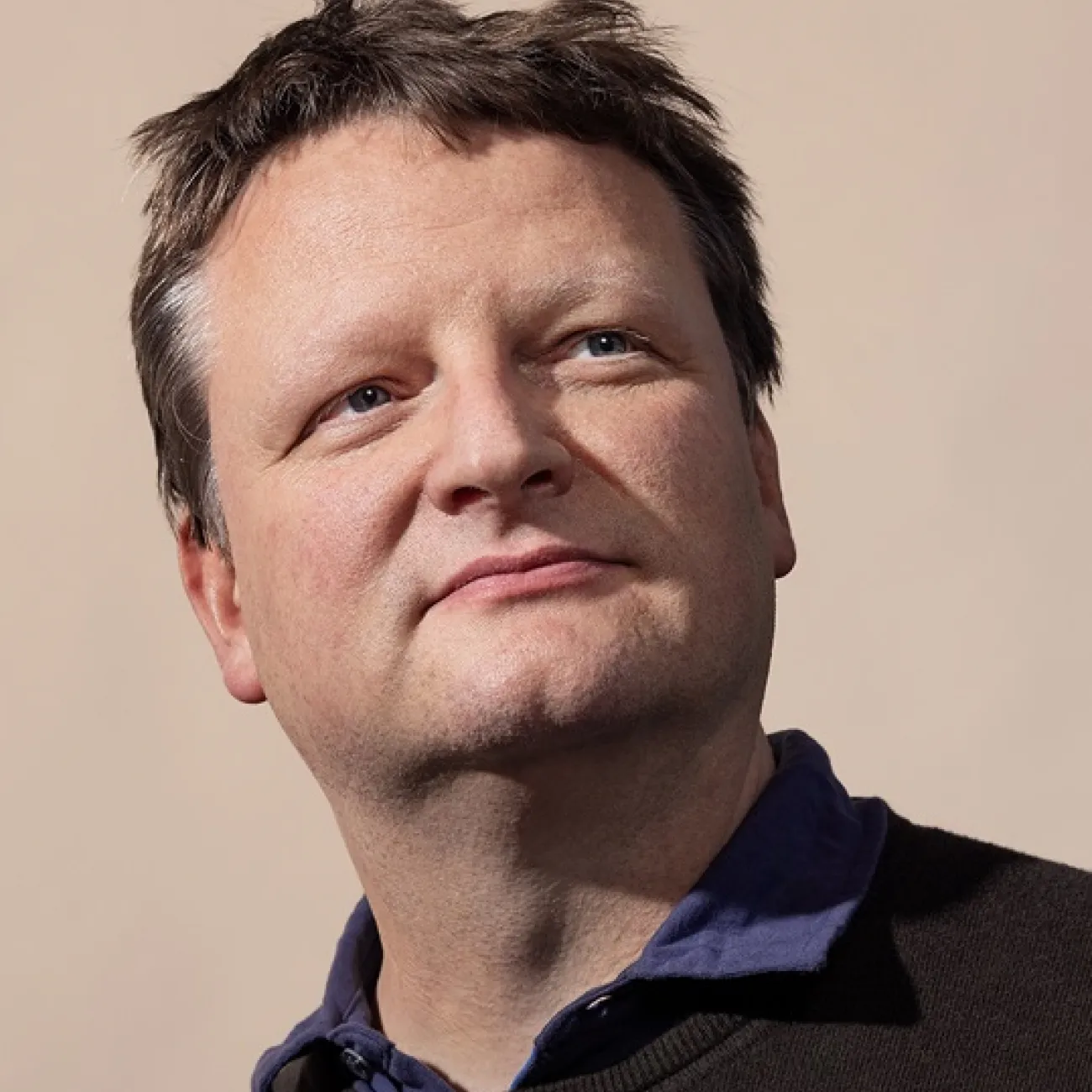
Elena ROMEO is an Associate Professor in the Department of Engineering and Architecture at the University of Parma, where she actively contributes to teaching and research in civil and transportation engineering. She teaches courses such as Pavements Management and Design and Road Infrastructure Laboratory for both first and second cycle degree programs in Civil Engineering. Her research focuses on sustainable pavement materials, including the reuse of industrial by-products and plastic waste in asphalt mixtures, thermo-mechanical modeling of bituminous materials, and durability of geotechnical resins. Her work aligns with circular economy principles and sustainable infrastructure development. The recent publications (2023–2024) highlight her expertise in innovative pavement materials, waste valorization, and advanced modeling techniques. Key themes include steel slag utilization, polymer-modified asphalt, and aging effects on construction chemicals, reflecting a strong commitment to environmentally responsible civil engineering solutions. Scientific Contributions: Published in areas related to asphalt technology and geotechnical materials. Active contributor to international research symposia, including ISAP. Collaborates with researchers across Europe on sustainable pavement systems. Advising and Grants: While specific advisees and funded projects are not listed in the provided text, her ongoing teaching and publication activities suggest active supervision and potential involvement in research grants related to sustainable infrastructure and materials innovation. Labs and Research Teams: Though not explicitly named, her work on laboratory-based testing of asphalt and geotechnical materials indicates involvement in pavement and materials testing laboratories within the Department of Engineering and Architecture.
Lorenzo Farina is a Full Professor at Sapienza University of Rome's Faculty of Information Engineering, Computer Science and Statistics, specializing in Electronic and Computer Bioengineering (ING-INF/06). With over 25 years of academic leadership, he co-founded Italy's first Bioinformatics degree program and established key oncology precision medicine initiatives, maintaining active collaborations with Harvard Medical School's network medicine division. His educational background includes a cum laude Electronic Engineering degree and PhD in Systems Engineering, both from Sapienza University. These foundational studies evolved into pioneering work in positive linear systems theory, evidenced by his highly-cited Wiley textbook Positive Linear Systems: Theory and Applications (2000). Farina's research centers on network medicine – applying complex network science to molecular medicine since his 2004 breakthrough. His work spans cancer mechanisms (breast, glioblastoma, lung), drug repositioning (including COVID-19 applications), and liquid biopsy biomarker development. Current projects focus on miRNA-based network biomarkers for cancer diagnostics and immunotherapy response prediction, integrating multi-omics data through advanced computational frameworks. Analysis of his 15 most recent publications (2024-2025) reveals dominant themes: sexual dimorphism in cancer networks (MIRROR platform), immunotherapy response signatures, and critical examinations of AI's role in precision medicine. His work consistently bridges computational innovation with clinical applications, particularly in oncology diagnostics and therapeutic optimization. His scientific recognition includes: 2001 Guillemin-Cauer Award for best IEEE Transactions on Circuits and Systems article 2014 SysBio Award for annual best publication Farina actively mentors through interdisciplinary programs he established, including the Network Oncology doctoral program. His laboratory collaborations span Sapienza's Oncogenomics and Immunology Laboratories, Harvard's Channing Division of Network Medicine, and clinical departments in oncology and radiology, driving translational research from computational models to patient applications. He leads multiple research teams focused on network-based diagnostics, including the MIRROR platform for cancer disparity analysis and liquid biopsy development teams investigating circulating miRNA networks for early cancer detection across multiple malignancies.
Caroline Mitchell, MD, MPH is an Associate Professor of Obstetrics, Gynecology and Reproductive Biology at Harvard Medical School and a faculty member in the Vincent Center for Reproductive Biology at Massachusetts General Hospital. She serves as the Director of the Vulvovaginal Disorders Program at MGH, where she sees patients with complex vulvovaginal disorders and recurrent vaginal infections. Dr. Mitchell's research focuses on the vaginal microbiome's role in women's reproductive health. Dr. Mitchell earned her undergraduate degree from Harvard College with a concentration in Women's Studies, followed by two years in the Peace Corps in Southern Africa as a high school science teacher. She completed medical school at Harvard Medical School and her OB/GYN residency training along with an MPH at the University of Washington in Seattle. After seven years on faculty at the University of Washington, she returned to Boston and Massachusetts General Hospital in 2014. Dr. Mitchell's research centers on understanding how vaginal microbes influence reproductive health and disease. Her lab conducts clinical studies, translational analyses, and bench experiments to identify key pathways in host-microbe interactions. The lab's work includes multiple ongoing clinical trials such as MOTIF (Modifying Organisms Transvaginally in Females), VIBRANT, THRIVE, and RituxiVag, focusing on vaginal microbiome transplants, HPV persistence, and the relationship between vaginal immunity and microbiome. Analysis of Dr. Mitchell's recent publications reveals a strong focus on the vaginal microbiome's role in women's health across different life stages. Her work spans basic science investigations of host-microbe interactions, clinical trials of microbiome-based therapies, and epidemiological studies of vaginal health conditions. Key themes include bacterial vaginosis, menopausal vaginal health, HPV persistence, and the development of novel microbiome-based interventions. Dr. Mitchell has received significant research funding from prestigious organizations including the NIH, Doris Duke Foundation, Bill & Melinda Gates Foundation, American Association of Obstetricians & Gynecologists Fund, and the MGH Claflin Award. She is an active member of the Vaginal Microbiome Research Consortium. Dr. Mitchell leads the Mitchell Lab, which includes several researchers working on various aspects of vaginal microbiome research. Her lab maintains close collaborations with the Kwon Lab at the Ragon Institute and participates in the MsFlash menopause research network. The lab's work bridges basic science, clinical research, and patient care to develop novel interventions for improving women's reproductive health.
Zeynep Başaran Bundur is an Associate Professor and Chair of Civil Engineering at Özyeğin University in Istanbul, Turkey. She leads the Sustainable and Adaptive Materials (SAM) Research Group and oversees the Construction Materials Laboratory at the university. Her academic journey began with a Bachelor's degree in Civil Engineering from Bogazici University in 2009, followed by Master's and Ph.D. degrees from The University of Texas at Austin in 2011 and 2013, respectively. Dr. Başaran Bundur's educational background is impressive and well-focused on her research interests: Bachelor's in Civil Engineering, Bogazici University, 2009 Master's in Civil Engineering, University of Texas at Austin, 2011 Doctorate in Civil Engineering, University of Texas at Austin, 2013 Dr. Başaran Bundur's research focuses on the development of sustainable and adaptive materials for civil engineering applications. Her work centers on understanding the relationship among processing, chemistry, properties, and performance of cement-based materials to develop novel, sustainable, and durable construction solutions. She is particularly known for her pioneering work in bio-based self-healing concrete technologies, where microorganisms are incorporated into cementitious materials to enable automatic crack repair. Her research spans several key areas: Advanced cementitious and mineral building materials (self-healing, self-cleaning) Effect of supplementary cementitious materials and geopolymers Additive manufacturing (3D printing) of cement-based composites Development of bio-based rheology modifying admixtures Use of end-of-life materials as alternative binders in concrete Her publication record demonstrates a consistent focus on sustainable construction materials, with over 40 publications and more than 500 citations as of 2022. The trend in her research shows a progression from fundamental studies on biomineralization in cement-based materials toward practical applications in construction technology, particularly in additive manufacturing and sustainable material development. Her work bridges the gap between biological processes and civil engineering materials, creating innovative solutions for the construction industry's environmental challenges. Dr. Başaran Bundur has received significant recognition for her research contributions: Patent for "CEMENT-BASED COMPOSITIONS WITH IMPROVED RHEOLOGICAL PROPERTIES AND METHODS FOR PRODUCTION THEREOF" (2016) Development of BioCrete, an eco-friendly cement-based mortar with adaptive performance Multiple research grants from TÜBİTAK (The Scientific and Technological Research Council of Turkey) Funding from industrial partners like ÇİMSA A.Ş. for applied research International collaborations with universities in Belgium, France, and the USA As an educator, Dr. Başaran Bundur has supervised numerous graduate and undergraduate students, many of whom have continued their academic careers at prestigious institutions worldwide. Her research group, SAM, actively works on cutting-edge projects that address global challenges in the construction sector, particularly focusing on reducing CO2 emissions and developing sustainable alternatives to traditional construction materials. The group's work aligns with the urgent need to transform the construction industry, which accounts for approximately 8% of global CO2 emissions. The SAM Research Group operates at the intersection of biology, material science, and civil engineering, developing innovative solutions such as: BioCrete: A sustainable and self-healing cement-based grout with improved rheology Geo-3D: Additive manufacturing using fiber-reinforced geopolymers Conc-3D: Additive manufacturing of fiber-reinforced cement-based composites ReCement: Regenerating end-of-life materials for reuse in cement/concrete
Sabrina Pacor is an Associate Professor in Applied Biology (BIO/13) at the University of Trieste , where she teaches Pharmacology in the Pharmacy LM and STB BSc programs. With over 30 years of research experience in experimental oncology and host defense peptides, she has made significant contributions to studying antimicrobial peptides (AMPs) and their interactions with bacterial membranes. Her research focuses on: Direct antimicrobial activity of AMPs against Gram-positive and Gram-negative bacteria Indirect immunomodulatory effects of host defense peptides Development of drug delivery systems using nanomaterials (carbon nanotubes, gold nanoparticles) Mechanistic studies of ruthenium-based antimetastatic drugs She leads extensive cytofluorimetry research using flow cytometry platforms, particularly for evaluating: Cytotoxicity (necrosis/apoptosis, proliferation index) Modulation of host biological responses (chemotaxis, phagocytosis, ROS production) Peptide-bacterial membrane interactions through fluorescent labeling Her recent work demonstrates trends in: Proline-rich antimicrobial peptides against ESKAPE pathogens Hybrid antibiotic design (peptide-aminoglycoside conjugates) Structure-activity relationships in membranolytic peptides Evolutionary insights into defensin and cathelicidin families Prof. Pacor has co-authored over 100 peer-reviewed publications and actively mentors students, having supervised: 70 experimental/thesis reviews for Pharmacy/CTF Master's students 20 Bachelor's degree theses
Daniela Doneva, Ph.D., is a Lecturer at the Institute for Astronomy and Astrophysics (IAAT) , University of Tübingen. Her work spans theoretical and computational astrophysics, focusing on nonlinear gravitational phenomena in modified theories of gravity. Key affiliations: Institute for Astronomy and Astrophysics (IAAT), University of Tübingen Degree: Ph.D. in Physics Research interests include: Black Hole Scalarization : Spin-induced and curvature-induced scalarization mechanisms in black holes and neutron stars. Modified Gravity Theories : Einstein-Gauss-Bonnet, scalar-tensor theories, and teleparallel gravity extensions. Gravitational Wave Physics : Modeling waveforms, stability analysis, and LISA mission applications. Numerical Relativity : Simulations of compact object mergers and nonlinear evolutions. Her publications emphasize computational methods (e.g., neural network surrogates), stability analysis, and observational constraints from gravitational wave detectors like LISA. No scientific awards or student advisement details were found in the provided texts.
Dr. Daniel B. Oerther is a Professor at the Department of Civil, Architectural, and Environmental Engineering at Missouri University of Science and Technology (Missouri S&T). He is also the Executive Director of the American Academy of Environmental Engineers and Scientists (AAEES), a role he has held since 2022. His leadership extends to the Missouri Hazardous Waste Management Commission, the Council of Engineering and Scientific Specialty Boards (CESB), and international organizations such as the Chartered Institute of Environmental Health in London. Dr. Oerther holds advanced degrees from the University of Illinois (Ph.D., M.S.) and dual degrees from Northwestern University (B.S. in Environmental Engineering and B.A. in Biology). He is a licensed Professional Engineer (PE), Board Certified in Environmental Engineering (BCEE), and holds Chartered Engineer (CEng) and Chartered Environmentalist (CEnv) certifications in the UK. His research focuses on environmental biotechnology , interprofessional education , and planetary health , emphasizing the integration of nursing and engineering to address global challenges. He pioneered modified mastery learning to teach sustainability and has applied science diplomacy to projects like the Caribbean Ocean and Aquaculture Sustainability FaciliTy (COAST), funded at $5 million from 2015–2022. His work bridges technical and social dimensions, advocating for 'V-shaped professionals' who combine deep technical expertise with empathetic societal engagement. Notable contributions include advancing WaSH (Water, Sanitation, Hygiene) initiatives, combating antimicrobial resistance through education, and promoting parametric insurance for disaster resilience. Dr. Oerther’s scientific awards span fellowships from organizations like the National Academies of Sciences (JSF, PEF) to the American Academy of Nursing and the National League for Nursing. His grants exceed $20 million, including the John A. and Susan Mathes Chair (2010–2016) and NSF CAREER funding for nitrifier research (2003–2009). He has advised on over 50 projects, emphasizing sustainable development and public health. Dr. Oerther advocates for improved funding models for hazardous material response infrastructure, leveraging his experience as a former Foreign Affairs Officer and Fulbright Scholar in multiple countries. His Eagle Scout designation underscores a lifelong commitment to service and environmental stewardship.
Kirstie Fryirs is a Professor at the School of Natural Sciences , Macquarie University, specializing in fluvial geomorphology and river management. Her work combines geomorphic analysis with interdisciplinary approaches involving ecology, hydrology, and social sciences to address river conservation, recovery, and rehabilitation. Research Focus: River Styles Framework, catchment sediment budgets, climate change impacts, and nature-based flood management. Teaching: Coordinates units like ENVS3439 (Fluvial Geomorphology) and microcredential courses for industry. Awards: Excellence in Mid Career Research Award (2015) Gordon Warwick Medal (2015) Higher Degree Research Supervisor of the Year (2018) Her research spans global river systems, with applications in Australia, Italy, New Zealand, and India. She has pioneered methods for assessing river type, behavior, and recovery potential, now widely adopted across six continents. Collaborations: Works with the Future Ecosystems Research Network (FERN), Australian Harmony Centre for Ecosystem Futures, and interdisciplinary teams. Active in Antarctica with heavy metal contamination studies in 2000s.
Gianmarco Vizzeri, MD, is a Professor and Vice Chair of Clinical Operations in the Department of Ophthalmology and Visual Sciences at the University of Texas Medical Branch (UTMB). He serves as Medical Director of the Ophthalmology Clinical Research Center, leading advanced glaucoma diagnostics and therapeutic innovation. His clinical practice focuses on glaucoma management at UTMB Eye Centers in Galveston and Friendswood. Dr. Vizzeri earned his Medical Degree in Medicine and Surgery from the University of Turin, Italy, completed his Ophthalmology Residency at the same institution, and undertook a Clinical and Research Fellowship at the Hamilton Glaucoma Center, University of California San Diego. His research integrates ocular imaging, microgravity effects, and surgical outcomes. Key interests include: Spaceflight-associated neuro-ocular syndrome (VIIP) pathophysiology Retinal vascular patterning using VESGEN analysis Glaucoma neurodegeneration mechanisms Innovations in trabeculectomy techniques Translational applications of terrestrial microgravity analogs His recent publications (2020-2025) demonstrate a dominant focus on: Ocular adaptations to microgravity in astronauts Neuroprotective strategies for glaucoma Advanced imaging modalities for anterior/posterior segment analysis Surgical refinements to minimize refractive complications This reflects sustained contributions to space ophthalmology and glaucoma therapeutics. Dr. Vizzeri collaborates with NASA and leads the UTMB Ophthalmology Clinical Research Center team, investigating novel diagnostic and therapeutic approaches for vision preservation in extreme environments.
Dr. Eng. Patrycja Wagner is a researcher at the Poznań University of Technology, Faculty of Chemical Technology, Department of Chemical Engineering and Equipment. Her scientific work focuses on technical rheology, multiphase flows, and the physicochemistry of polymers. She obtained her PhD in chemical sciences in 2021 after completing full-time doctoral studies from 2015-2021 and holds an MSc in Chemical and Process Engineering (2015). Position: Researcher Institution: Poznań University of Technology Department: Chemical Engineering and Equipment Her research spans technical rheology (extensional flow analysis, micellar networks), multiphase systems (surfactant mixtures, emulsions), and polymer physicochemistry (cellulose derivatives, alcohol-water mixtures). She collaborates with KU Leuven's Soft Matter Rheology and Technology Division. Key publications include studies on: Rheological behavior of ionic surfactant mixtures under salt/chelate influence Viscoelastic properties of cellulose derivative emulsions with ethyl alcohol Extensional viscosity characterization using capillary breakup methods Micellar network analysis via Cryo-TEM and SANS techniques She contributes to technical education through laboratory classes in Chemical Engineering, Technical Rheology, and Process Kinetics, while also participating in industry-university collaborations. Wagner is a member of the Polish Society of Technical Rheology and has organized seminars on practical chemical engineering since 2017.
Professor Silvia Marino is Professor of Neuropathology at Barts and The London School of Medicine and Dentistry, Queen Mary University of London, and Honorary Consultant Neuropathologist at Barts Health NHS Trust. She serves as Director of the Brain Tumour Research Centre of Excellence and leads the Barts Brain Tumour Centre, a clinical research platform funded by Barts Charity to translate basic science discoveries into clinical applications for brain tumor patients. Her educational background includes: Medical degree from the University of Turin, Italy Specialized training in Neuropathology and Histopathology at the University of Zurich, Switzerland Marie Curie Postdoctoral Fellowship at The Netherlands Cancer Institute in Amsterdam Professor Marino's research program focuses on applying knowledge of basic stem cell biology to advance understanding of brain tumors, particularly glioblastoma (GBM) and medulloblastoma (MB). Her laboratory investigates deregulated epigenetic mechanisms in tumor initiation and progression, with special emphasis on Polycomb group genes. In GBM research, her team has developed a novel experimental pipeline comparing GBM stem cells to their normal neural stem cell counterparts from the same patient. For MB, her group studies how chromatin modifiers contribute to tumor development and potential therapeutic targeting without adversely affecting normal brain development in children. Her recent publications demonstrate a strong focus on epigenetic regulation in brain tumors, with particular emphasis on BMI1 and other Polycomb group proteins, metabolic adaptations in tumor cells, and comparative analyses between tumor cells and normal neural stem cells. Her work spans molecular biology, cell signaling pathways, and translational applications for potential therapeutic interventions. Professional recognitions include: MD (Medical Doctor) FRCPath (Fellow of the Royal College of Pathologists) Marie Curie Postdoctoral Fellow of the European Community Current Vice-President of the British Neuropathology Society Past President of the British Neuro-Oncology Society Academic Training Programme Director for Pathology at NHS England London Professor Marino actively supervises multiple PhD students and offers laboratory experience placements. Her multidisciplinary research group includes laboratory staff, postdoctoral researchers, and clinical collaborators working together on brain tumor research. Current projects are funded by Brain Tumour Research, Cancer Research UK, Barts Charity, Ali's Dream, and NIHR. She leads the Marino research group at the Blizard Institute, which is part of the Brain Tumour Research Centre of Excellence, a strategic partnership between Queen Mary University of London and the charity Brain Tumour Research. The group comprises basic scientists and clinical researchers collaborating to bridge fundamental discoveries with clinical applications for brain tumor patients.
Professor Hendrik Ulbricht is a Professor of Physics at the University of Southampton's Department of Physics & Astronomy. His research focuses on experimental tests of quantum mechanics and gravitation in macroscopic systems, including levitated opto-mechanics and nanoparticle interferometry. He leads the Quantum Nanophysics and Matterwave Interferometry group, pioneering studies on quantum superposition and gravity interactions using trapped nanoparticles. Education: PhD (Dr. rer. nat.) from Free University of Berlin and Max Planck Society (2003) Undergraduate degree (Dipl.-Phys.) from Technical University Berlin and Max Planck Institute for Gravitational Physics (2000) Research Interests: Experimental quantum mechanics, quantum-gravity interplay, levitated systems, nanoparticle trapping, and non-classical states. His group explores foundational physics through table-top and space-based experiments to test quantum theory limits. Key Projects: EPSRC-funded studies on quantum superposition tests Leverhulme Trust projects on modified gravity and dark matter detection PhD Supervision: Advising 9 current students in Physics and related fields. Awards: Max Kade Fellowship (postdoctoral period).