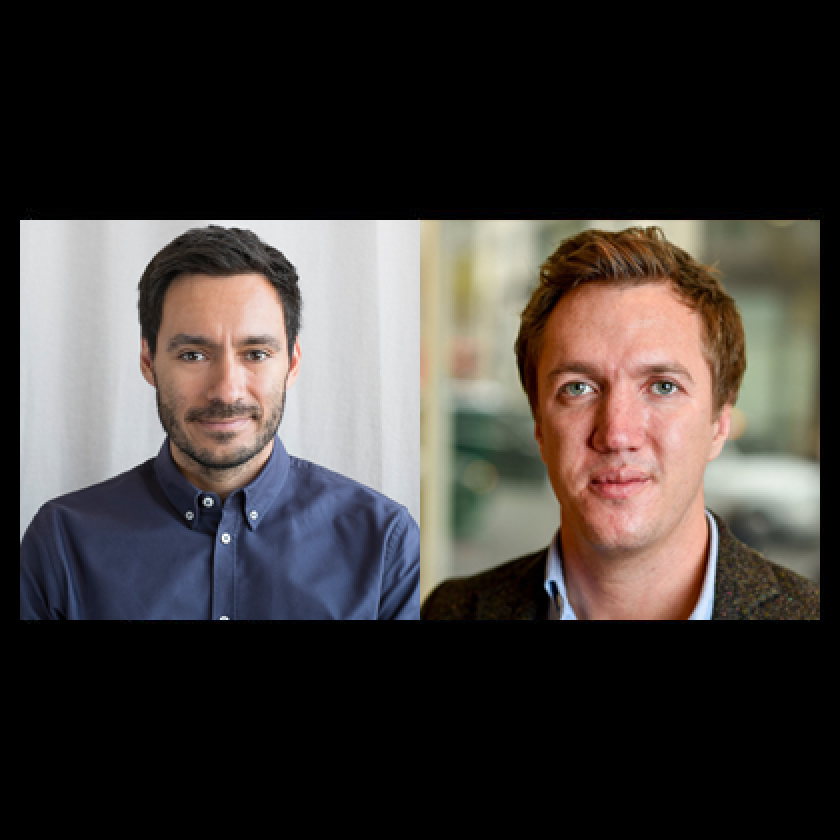
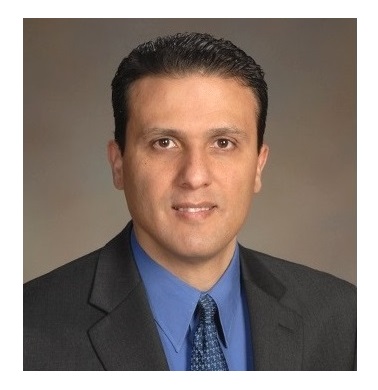
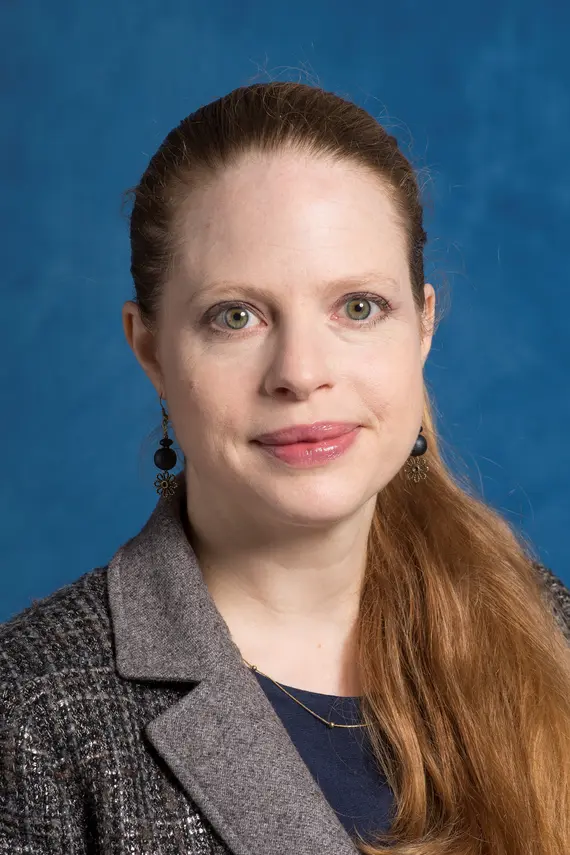
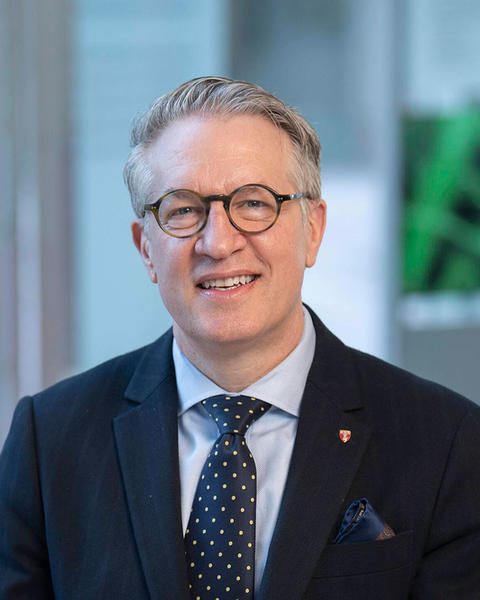
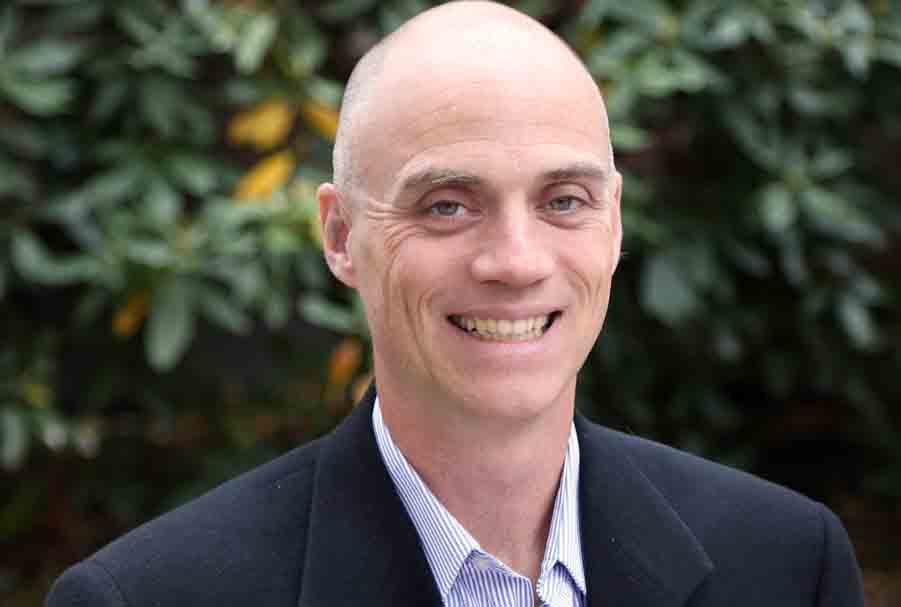
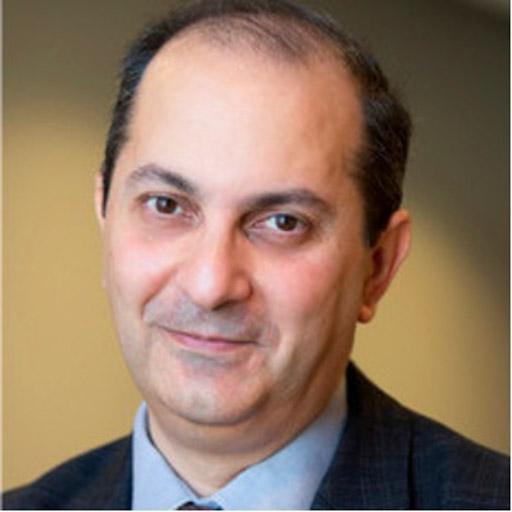
Tarik Abou-Chadi is a Professor in European Union and Comparative European Politics at the University of Oxford's Department of Politics and International Relations, and a Professorial Fellow at Nuffield College. He holds a PhD from Humboldt University Berlin (2015). His research focuses on elections, political parties, and the transformation of democratic representation in post-industrial societies. Key affiliations include the Government and Politics Network, Comparative Politics and Government, and leadership of the Swiss National Science Foundation-funded project on 'Social Status and the Transformation of Electoral Behavior in Western Europe'. He previously served as Assistant Professor at the University of Zurich before joining Oxford. His work appears in top journals like the American Political Science Review and World Politics. Awards include the Henrik Enderlein Prize (2022) and inclusion in Capital magazine's 'Top 40 under 40' (2022). He advises four doctoral students and actively contributes to media commentary on European political trends through outlets like The Economist. Research interests emphasize far-right dynamics, voter behavior, and party strategy in Western Europe. His recent analyses address gendered political preferences among youth, climate policy acceptance, and the electoral consequences of mainstream parties adopting radical-right policies.
Prof. Alexander Pretschner is a Professor of Software & Systems Engineering at the Technical University of Munich (TUM) and Founding Director of the Bavarian Research Institute for Digital Transformation (bidt). He also serves as Scientific Director of fortiss, a Bavarian research institute for software-intensive systems. His research focuses on software engineering, testing, information security, and ethical software development. Pretschner holds a PhD from TUM and has held academic positions at Karlsruhe Institute of Technology (KIT) and TU Kaiserslautern. He is a co-editor of several prestigious journals, including IEEE Transactions on Reliability and the Journal of Software Testing, Verification and Reliability. Education: PhD in Computer Science, Technical University of Munich MSc in Computer Science, University of Kansas (on Fulbright Scholarship) Diplom in Computer Science, RWTH Aachen University Research Interests: His work spans testing methodologies, secure software design, and ethical considerations in agile development. Notable contributions include frameworks for metamorphic testing, distributed data usage control, and accountability mechanisms for cyber-physical systems. Awards: IBM Faculty Award (2012, 2013) Google Focused Research Award (2011, 2012) EARTO Innovation Prize (2014) 2nd Platz Supervisory Award (2020) Advising & Grants: Pretschner has supervised numerous PhD and Master’s students, contributing to over 200 publications. He leads projects like EDAP (Ethical Deliberation in Agile Processes) and collaborates with industry partners on cybersecurity and AI ethics initiatives. Labs & Teams: His work is anchored in bidt, fortiss, and TUM’s Chair of Software & Systems Engineering, focusing on societal impacts of digitalization and trustworthy AI systems.
Sarah Woolf-King is an Assistant Adjunct Professor in the Department of Medicine at the University of California, San Francisco (UCSF), School of Medicine. She is a licensed clinical psychologist (CA PSY28178) whose research bridges psychology and health, with a strong focus on substance use, HIV, and mental health in families affected by congenital heart defects. Her educational background includes a B.S. in Psychology from Arizona State University (2002), an M.S./Ph.D. in Clinical Psychology from Syracuse University (2010), an M.P.H. in Epidemiology from UC Berkeley (2011), a clinical internship in Behavioral Medicine at VA Palo Alto (2010), and a T32 Postdoctoral Fellowship at UCSF’s Center for AIDS Prevention Studies (2013). Dr. Woolf-King’s research centers on two primary areas: (1) the impact of alcohol use on HIV treatment and prevention, particularly among HIV-positive men who have sex with men (MSM) and in East African populations, and (2) the mental health needs of parents of children with critical congenital heart defects (CHD). Her work employs diverse methodologies, including daily data collection, qualitative interviews, randomized trials, and biomarker validation (e.g., PEth). She aims to develop integrated behavioral interventions to improve health outcomes for individuals and families coping with chronic illness. Her recent publications (2023–2025) reflect a consistent focus on alcohol use in the context of HIV, with studies on counseling interventions, digital screening, remote biomarker collection, and behavioral mechanisms. There is also growing attention to mental health in vulnerable populations, including college students and parents of children with genetic or cardiac conditions. Her work is increasingly interdisciplinary, combining psychology, epidemiology, public health, and global health. Scientific Awards: Hellman Fellow, Hellman Fellows Fund (2015–2017) Mentored Research Scientist Development Award (K01), NIH/NIAAA (2013–2018) Loan Repayment Program in Clinical Research, NIH/NIAAA (2011–2016) Ruth L. Kirschstein National Research Service Award (F31), NIH/NIAAA (2008–2010) Mentored Scientist Award in HIV/AIDS, UCSF CFAR (2012–2014) Dr. Woolf-King has served as Principal Investigator on NIH-funded projects, including an R34 grant for a brief ACT intervention for HIV-positive hazardous drinkers and a K01 grant on alcohol and sexual risk behavior. She collaborates extensively with researchers at UCSF and in East Africa, particularly Uganda. While her adjunct title suggests a part-time or non-tenure-track role, she maintains an active research program with significant grant support and a robust publication record. There is no indication of retirement or former staff status.
Gunnar Kusch is a Senior Research Associate at the Department of Materials Science & Metallurgy, University of Cambridge. His research focuses on defects in semiconductors, porous AlGaN materials, and advanced characterization techniques like cathodoluminescence (CL) and atom probe tomography (APT). He holds a PhD from the University of Strathclyde and leads projects on UV-B LED optimization, nanoscale defect behavior analysis, and semiconductor device design. His work bridges materials synthesis, characterization, and device performance, with applications in energy-efficient lighting and solar cell technology. Key research areas include: Defect engineering in III-nitride semiconductors Porous AlGaN templates for high-efficiency UV emitters Correlative microscopy techniques (CL, EBSD, APT) Composition-structure-property relationships in photovoltaic materials Notable contributions include developing CL-based methods for nanoscale defect analysis and demonstrating improved Cu(In,Ga)S₂ solar cell efficiencies through compositional engineering. His laboratory focuses on translating microscopic insights into macroscopic device improvements.
Marcella Lusardi is an Assistant Professor in the Department of Chemical and Biological Engineering and the Princeton Materials Institute at Princeton University, leading interdisciplinary research at the intersection of materials synthesis, catalysis, and sustainability. Her educational background includes: Ph.D. in Materials Science and Engineering from MIT (2018) B.S. in Chemical Engineering from Columbia University (2012) Dr. Lusardi's research focuses on designing advanced catalytic materials for environmental challenges, with core expertise in surface science, light-matter interactions, and complex materials processing. Her group develops natural and engineered materials for energy and sustainability applications, emphasizing CO 2 capture/reduction, pollution abatement, and photocatalysis through molecular-level catalyst design. The MatCat Lab integrates experimental techniques like NMR spectroscopy with computational guidance to create scalable solutions for closed carbon cycles and greener chemical processes. Analysis of her 15 most recent publications (2019-2025) reveals a dominant focus on zeolite-based catalysis for CO 2 conversion and carbonylation reactions, with growing emphasis on supramolecular assemblies and water-tolerant acid catalysts. Her work consistently bridges fundamental material properties with practical sustainability applications, showing progression toward integrated systems for direct air capture and light-mediated reactions. The MatCat Lab employs a highly interdisciplinary approach centered on defect engineering in silica matrices and molecular recognition for supramolecular networks. Current projects target tailored reaction environments for CO 2 reduction and microplastic oxidation, utilizing advanced synthesis methods and structural elucidation to develop practical catalytic technologies for a sustainable future.
Dr. Michael J. Katz is a Professor in the Department of Chemistry at Memorial University in St. John's, Newfoundland and Labrador, Canada. He leads an active research group focused on porous materials, particularly metal-organic frameworks (MOFs), with applications in gas storage, chemical separation, and catalysis. His work is well-recognized in the field of materials chemistry, with numerous publications in high-impact journals spanning from 2005 to 2025. Dr. Katz's primary research interests lie in the synthesis, properties, and applications of porous materials. His work specifically focuses on: Metal-Organic Frameworks (MOFs) design and synthesis Gas storage technologies, particularly low-pressure methane storage Chemical separation processes including removal of harmful molecules from air Catalysis using porous materials Adsorption properties of various porous frameworks Environmental applications of porous materials Analysis of Dr. Katz's publication record from 2017-2025 reveals a strong emphasis on zirconium-based MOFs, particularly the UiO-66 family. His research spans fundamental characterization techniques like NMR spectroscopy to practical applications in carbon capture, gas separation, and environmental remediation. A notable trend is the increasing focus on real-world implementation of MOFs, including biochar-based materials for CO 2 capture and frameworks for air pollutant removal such as nitrous acid. His work demonstrates a progression from fundamental materials science toward practical environmental applications. Dr. Katz actively supervises graduate students and postdoctoral researchers in his research group. His laboratory at Memorial University is equipped for the synthesis and characterization of novel porous materials, with particular expertise in metal-organic framework development. His research is supported by various grants that enable the exploration of structure-property relationships in porous materials and their practical applications.
Dr. Wahab Hamou-Lhadj is a Professor and Chair at the Department of Electrical and Computer Engineering , Concordia University, and an Affiliate Researcher at NASA JPL, Caltech . He leads research in Artificial Intelligence for IT Operations (AIOps) , Software Observability , and Model-Driven Engineering , focusing on improving the reliability of digital systems in AI-driven environments.
Prof. Dr. Mona Hess is a Full Professor and Chairholder of the Chair of Digital Heritage Technologies at Otto-Friedrich-Universität Bamberg , Germany. She directs the M.Sc. Digital Technologies in Heritage Conservation program and serves as Vice-Speaker at the Centre for Heritage Conservation Studies and Technologies (KDWT) . Her work bridges digital documentation, 3D imaging, and heritage conservation, with a focus on cultural landscapes, historic timber, and artifact preservation. Education : Dipl.-Ing. in Architecture (TUM), M.A. in Heritage Conservation (University of Bamberg), Ph.D. in 3D Imaging Metrology for Cultural Heritage (University College London, 2015) Her research spans 3D laser scanning, photogrammetry, SLAM-based recording , and digital twin environments , particularly for structural monitoring, museum artifacts, and historic gardens. She leads projects like VirScan3D (virtual laser scanner simulator) and 3DPetrie (UCL Petrie Museum 3D models) and collaborates on international initiatives such as the British Museum War Canoe digital repatriation. Recent publications emphasize automated defect analysis in timber, multi-modal imaging for ceiling art, and linked open data in heritage. She has contributed to CIPA ICOMOS as an expert member and will chair their Education and Dissemination Commission (2024). Scientific Awards : Fellow of the UK Higher Education Academy (2016), Associate Fellow of the Higher Education Academy (2014) She teaches courses in Digital Object Recording , 3D Spatial Data Modeling , and Science Communication , and organizes international summer schools on heritage monitoring. Her lab, the Chair of Digital Heritage Technologies , collaborates with institutions in Italy, Spain, and the UK, focusing on interdisciplinary innovation in heritage conservation.
Kumar Varoon Agrawal is an Associate Professor at École Polytechnique Fédérale de Lausanne (EPFL), holding the Gaznat Chair for Advanced Separations. He is affiliated with the School of Basic Sciences (SB), the Institute of Chemical Sciences and Engineering (ISIC), and the Laboratory of Advanced Separations (LAS) in Sion, Switzerland. Additionally, he contributes to the Swiss Doctoral School in Chemical and Bioengineering (SCGC) and serves as Vice President of the Confédération des Chimistes et des Génie Chimique (CCE). Research Focus: Material Chemistry & Engineering at the Ångström scale for high-performance inorganic and hybrid membranes, emphasizing energy-efficient molecular separations. Teaching: Courses include Fundamentals of separation processes , Diffusion and mass transfer , and Chemical engineering product design . Scientific Contributions: His 15 most recent publications (2025-2020) span topics like graphene pore engineering , 2D material synthesis , carbon capture , and gas separation membranes , with keywords such as Nanotechnology , Materials Science , and Molecular Transport . Subfields include Atomic-Scale Pores , Membrane Stability , and Industrial Scalability . Students and Collaborations: He advises 10 current PhD students and has mentored 9 past PhD candidates in areas like graphene membranes , ion separation , and MOF films . He is an Academic Referent for the EPFL Carbon Team and a committee member for the EDCH Doctoral Program in Chemistry and Chemical Engineering.
Dr. William V. Giannobile serves as the Dean and A. Lee Loomis, Jr. Professor of Oral Medicine, Infection, and Immunity at Harvard School of Dental Medicine (HSDM). He leads the institution as its chief academic and administrative officer while maintaining an active research program and clinical practice in periodontics and implant dentistry at the Harvard Dental Center in Cambridge, MA. Dr. Giannobile received his DDS and MS in oral biology from the University of Missouri, followed by a certificate in periodontology and Doctor of Medical Sciences (DMSc) in oral biology from Harvard School of Dental Medicine. He completed postdoctoral training in molecular biology at the Dana-Farber Cancer Institute and Harvard Medical School. With over 30 years of continuously NIH-funded research, Dr. Giannobile's work focuses on oral and periodontal regenerative medicine, tissue engineering, and precision medicine. He serves as principal investigator of the NIDCR U-Award Harvard Clinical Practice-based Research Program for Dental Students (H-CREDENT), which evaluates the genomics of oral pain in a multi-institutional academic setting. His research has produced over 300 manuscripts, textbook chapters, and patents focused on periodontology, regenerative medicine, and oral health research. He has edited or co-edited over 10 books in clinical and translational research, periodontology, and regenerative medicine. His publications demonstrate consistent focus on periodontal regeneration, biomaterials, tissue engineering, and the molecular mechanisms underlying oral diseases. ADA Gold Medal Award for Excellence in Dental Research (2024) International Association for Dental Research Distinguished Scientist Research in Periodontal Disease Award (2022) Norton M. Ross Clinical Research Award from the American Dental Association (2018) William J. Gies Award (2014) Jan Lindhe International Periodontology Research Award (2011) As an educator and mentor, Dr. Giannobile completed a 10-year term as editor-in-chief for the Journal of Dental Research, the official journal of the International Association for Dental Research. He has served as a consultant to the U.S. Food and Drug Administration for Dental Devices and as an associate editor for the NIDCR Report on Oral Health of the U.S. in 2021. His laboratory continues to advance research in periodontal regeneration and precision medicine approaches to oral health, with ongoing NIH funding supporting innovative translational research.
Thomas R Powers is a Professor of Engineering and Professor of Physics at Brown University. He joined Brown in 2000 as the first holder of the James R. Rice Term Chair in Solid Mechanics and has been an influential figure in soft matter physics, biomechanics, and microorganism locomotion. PhD in Physics, University of Pennsylvania (1995) BS in Physics and Mathematics, MIT (1989) His research focuses on soft matter systems, including colloidal and lipid bilayer membranes, liquid crystals, and active matter, with an emphasis on low-Reynolds-number hydrodynamics and geometric mechanics. His work has been supported by NSF grants, including collaborations with Brandeis University's bioinspired materials center. Recent publications explore microbial flagellar dynamics (e.g., Giardia lamblia ), chiral membrane behavior, and active gel responses to shear. Key keywords include soft matter, active matter, fluid mechanics, and microscale locomotion. Scientific honors include: Fellow, American Physical Society NSF CAREER Award (2001-2006) T. Francis Ogilvie Young Investigator Lectureship, MIT Ocean Engineering He has advised numerous students through courses like ENGN 2912F (Soft Matter) and ENGN 1210 (Biomechanics), while leading funded research on colloidal membranes and viscoelastic fluid interactions.
Xiaolei Fan is an Associate Professor in the Department of Chemical Engineering at The University of Manchester. He holds a BEng in Environmental Engineering from Jilin Institute of Chemical Technology (2003), an MRes in Chemical Engineering from East China University of Science and Technology (2006), and a PhD in Continuous Flow Heterogeneous Catalysis from the University of Bath (2010). His research focuses on nonthermal plasma catalysis, CO2 conversion, catalytic biorefinery, and zeolite-based catalysts. He has contributed to over 180 publications, supervised 20+ students, and led projects like the EU-funded SPACING initiative for biofuel production. Research interests include porous materials, reaction engineering, and process intensification through structured reactors/catalysts. He chairs the RSC Heterogeneous Catalysis committee and has organized conferences like the International Conference on Environmental Catalysis. His work aligns with UN Sustainable Development Goals, particularly in clean energy and sustainable chemistry. Education: BEng (Environmental Engineering), Jilin Institute of Chemical Technology, 2003 MRes (Chemical Engineering), East China University of Science and Technology, 2006 PhD (Chemical Engineering), University of Bath, 2010 Awards: Lee Hsun Lecture Award (2018) Zhenxing Scholar Professor Award (2018) Outstanding Achievement Recognition (2018) Grants/Projects: SPACING: Sustainable Production of ACrylic Acid from Renewable Waste Glycerol (2021–2024) Labs/Teams: Catalysis and Porous Materials Group at The University of Manchester
Todd A. Alonzo is a Professor of Research in the Department of Preventive Medicine at the University of Southern California . As Group Statistician for the Children's Oncology Group , he focuses on statistical methods for biomarker analysis, medical diagnostic testing, and clinical trial design in pediatric acute myeloid leukemia (AML). Education: B.S. in Statistics, California State Polytechnic University (1994) MS and PhD in Biostatistics, University of Washington (1997, 2000) Research Interests include: Development of statistical frameworks for diagnostic accuracy Genomic and proteomic profiling in AML Pharmacogenomic score systems for chemotherapy response Non-inferiority trial design in low-event-rate settings Health disparities in pediatric oncology Scientific Awards : Fellow, American Statistical Association (2018) Outstanding Teacher Award, International Society for Magnetic Resonance in Medicine (2017) NIH Predoctoral Cardiovascular Biostatistics Training Grant (1995) ENAR Biometrics Society Distinguished Student Paper Award (1999) WNAR Biometrics Society Best Student Oral Presentation (1999) Leadership & Service includes editorial board memberships (Biometrics, Pediatric Blood & Cancer, Biometrical Journal), reviewer for 30+ scientific journals, and roles on multiple Data Safety and Monitoring Boards. He served as President of the International Biometric Society Western Northern America Region (WNAR) in 2009.
Prof Aaron Thean is the Deputy President (Academic Affairs) and Provost at the National University of Singapore (NUS). Formerly, he served as Dean of the College of Design and Engineering at NUS and held senior roles at IMEC (Belgium) as Vice President of Logic Technologies and Director of Logic Devices Research. His expertise spans advanced semiconductor device technologies, including FinFETs, nanowire FETs, III-V/Ge channels, and emerging beyond-CMOS architectures. He holds degrees from the University of Illinois Urbana-Champaign (B.Sc., M.Sc., Ph.D. in Electrical Engineering) and has published over 300 papers with 50+ patents. His awards include the Gregory Stillman Award (2001) and Compound Semiconductor Innovation Award (2014). Research interests focus on semiconductor innovation, device-process co-optimization (DTCO), and monolithic 3D integration. Notable contributions include industry-first Gate-First HKMG technologies, advanced strained silicon platforms, and neuromorphic computing hardware. His work bridges academia and industry through collaborations with Qualcomm, IBM, and foundry partners. Current initiatives emphasize energy-efficient computing and wearable sensor systems. Prof Thean’s leadership spans NUS-wide academic strategy and global research partnerships. His technical legacy includes foundational advancements in transistor scaling, low-power CMOS design, and AI-driven failure analysis methodologies.
Amin Hammad is a Professor at the Concordia Institute for Information Systems Engineering, with an additional appointment as Affiliate Professor in Building, Civil, and Environmental Engineering at Concordia University. His research focuses on advancing construction technology through digital transformation, automation, and AI integration. He leads work in BIM applications, 4D simulation, robotic systems, and sustainable infrastructure management. His interdisciplinary approach bridges civil engineering with computer science and data analytics. Key research areas include: Automation and robotics in construction (Construction 4.0) BIM and digital twin lifecycle management AI-driven defect detection and inspection systems Occupational safety through exoskeleton performance evaluation Multi-purpose utility tunnel optimization Energy-efficient building systems Recent work emphasizes applying machine learning to construction equipment activity recognition, UAV path optimization for infrastructure inspection, and ontology development for integrated systems. His research addresses industry challenges in productivity, safety, and sustainability through data-driven solutions.