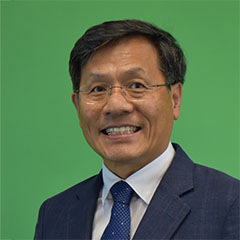
Dr. Wonbong Choi is a University Distinguished Research Professor at the University of North Texas with joint appointments in the Department of Materials Science and Engineering and Mechanical Engineering. His research focuses on nanomaterials, energy storage systems (particularly lithium-sulfur and zinc-ion batteries), additive manufacturing of composites, and neuromorphic computing devices. He was elected Fellow of the National Academy of Inventors in 2024 for his contributions to materials innovation. Research interests span materials synthesis, electrochemical characterization, and device integration of 2D materials like MXenes and transition metal dichalcogenides. Key areas include: Nanomaterial design for batteries and supercapacitors 3D-printed sensors and structural composites Defect engineering for neuromorphic computing His recent publications highlight consistent themes in MXene synthesis optimization, advanced battery architectures, and multifunctional composites. Article trends show increasing focus on in situ characterization, scalable manufacturing of nanomaterials, and AI-driven materials design. Awards: Fellow, National Academy of Inventors (2024) Collaborates with research groups at Oak Ridge National Laboratory and leads projects on lightweight composites and energy storage systems.
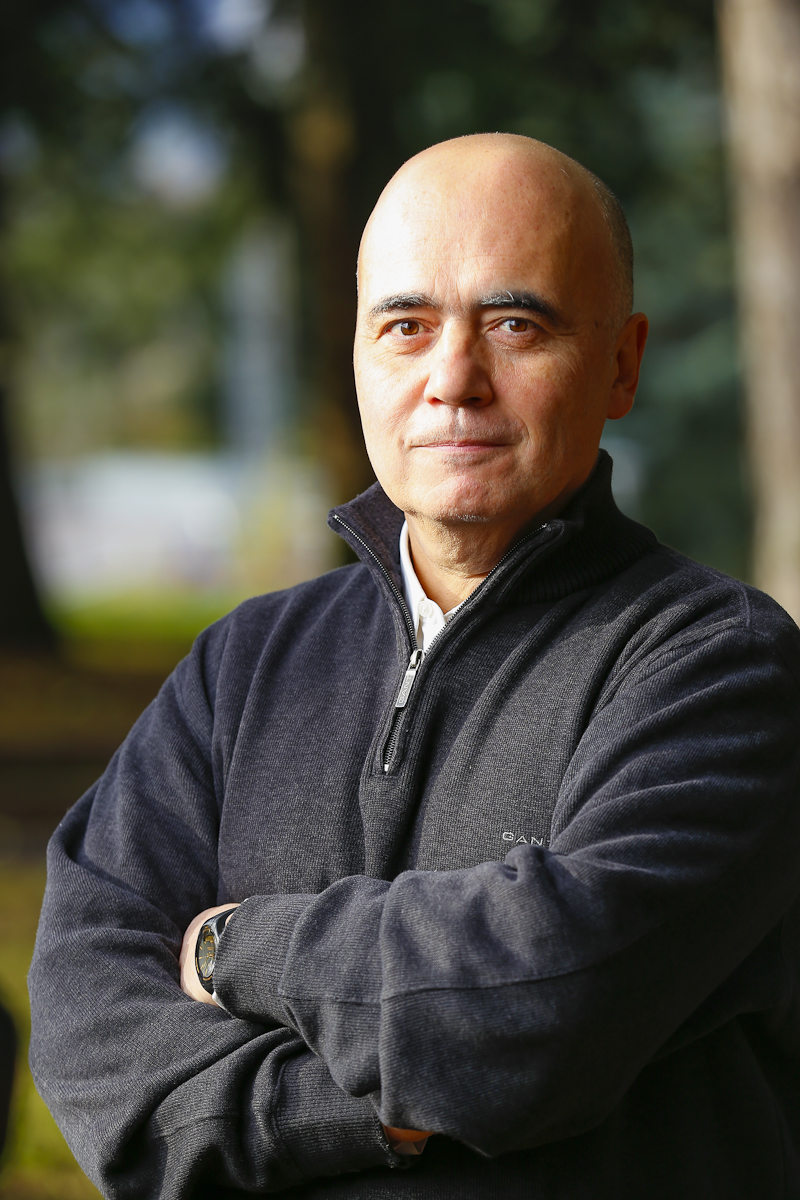
Peter Behrensdorff Poulsen serves as Solar Photovoltaic Systems Group Leader at the Department of Electrical and Photonics Engineering, Technical University of Denmark (DTU). His work spans photovoltaic research, solar-powered lighting systems, and drone-based inspection technologies within DTU's College of Engineering. His research focuses on Solar Cell Engineering , Photovoltaic Modules , and Drone Applications for renewable energy systems. Key areas include bifacial photovoltaics, electroluminescence imaging diagnostics, building-integrated photovoltaics, and ultra-efficient solar-powered lighting solutions. His work significantly contributes to UN Sustainable Development Goals related to affordable clean energy and sustainable cities. Recent publications reveal strong trends in AI-driven PV diagnostics , bifacial module performance in northern climates, and dark-sky compatible lighting systems . His research bridges fundamental photovoltaic science with practical applications in urban infrastructure and environmental sustainability. Best Poster Award at 44th IEEE Photovoltaic Specialists Conference Best Poster Award at 48th IEEE Photovoltaic Specialists Conference Characterizing the Performance of Daylight Filters for Electroluminescence Imaging Poster Award at 35th European Photovoltaic Solar Energy Conference Poster Prize at Sustain 2017 Poulsen leads multiple research grants including the Ultra-efficient Dark Sky-compatible Solar-powered Outdoor Lighting project (2024-2026) and previously managed the DronEL project (2017-2019) for drone-based PV inspection. His work connects photovoltaic engineering with practical lighting applications through the Lighting Color and Radiation Laboratory. He actively collaborates with industry partners on building-integrated photovoltaics and solar-powered infrastructure solutions, with notable projects including the Plateau Sun Hub public charging stations and Black Si BIPV panel development.
Professor Stewart Williams is a leading academic at Cranfield University's Welding and Additive Manufacturing Centre, specializing in advanced manufacturing technologies. His research focuses on additive manufacturing, particularly wire arc additive manufacturing (WAAM), laser processing, and materials science. He previously worked at BAE Systems, contributing to aerospace manufacturing innovation. Williams' work bridges academia and industry, addressing challenges in large-scale engineering structures, residual stress mitigation, and material optimization. Education: PhD in Laser Physics (Royal Holloway College, University of London). Research Interests: His studies emphasize WAAM for titanium and aluminum alloys, hybrid laser-arc processes, and microstructure refinement through techniques like ultrasonic peening. He also investigates in-process monitoring and non-destructive evaluation for AM components. Grants & Partnerships: Leads the WAAMMat multi-client program and collaborates with industry leaders such as Airbus, Rolls-Royce, and Lockheed Martin. His projects address automation, mechanical properties, and industrial scalability of additive technologies. Labs/Teams: Heads Cranfield's Welding and Additive Manufacturing Centre, fostering interdisciplinary research in advanced manufacturing and materials engineering.
Sean M. Richards is a Professor at the University of Tennessee at Chattanooga (UTC) specializing in environmental toxicology, ecotoxicology, and metabolomics. His research focuses on the effects of toxicants such as polycyclic aromatic hydrocarbons (PAHs), metals, and pharmaceuticals on human and ecological health, including studies on low birth weight in Hamilton County infants and the ecological impacts of pharmaceuticals in surface waters. Current Projects: Investigating placental exposure to pollutants, metabolomic profiling for cancer and fetal anomaly detection, and pharmaceutical ecotoxicology. Collaborations: Partnerships with institutions like Columbia University, University of Salerno, and Erlanger Hospital. His work includes probabilistic risk assessments, biomarker quantitation (e.g., HPLC, atomic absorption spectroscopy), and interdisciplinary applications of metabolomics in toxicology and environmental health. Recent publications highlight metabolomic trends in endometrial cancer screening, pharmaceutical environmental persistence, and fetal growth restriction linked to placental toxicants. Dr. Richards teaches courses such as Environmental Toxicology (BIOL 5320), Risk Assessment (ESC 5650), and Hazardous Waste Management (CHEM 5160). He serves on the US EPA FQPA Science Review Board and as Associate Editor for Ecotoxicology.
Davide Bigoni is a Professor of Solid and Structural Mechanics at the Department of Civil, Environmental & Mechanical Engineering, University of Trento, Italy. He leads the Solid and Structural Mechanics Group and the Instabilities Lab, focusing on advanced topics in nonlinear mechanics, material instability, and metamaterials. Research Interests: His work spans bifurcation theory, elastic instabilities, shear band formation, configurational forces, and applications in biomechanics and metamaterial design. Key areas include tensile buckling, structural interfaces, and serpentine locomotion mechanics. Grants & Funding: He coordinates major grants including the ERC Advanced Grant 'Beyond hyperelasticity' (€2.47M) and previously led the 'Instabilities and nonlocal multiscale modelling' project. His research also involves collaborations with institutions like Harvard University and the University of Liverpool. Publications & Recognition: Author of the textbook Nonlinear Solid Mechanics: Bifurcation Theory and Material Instability , he has published extensively in journals like Proceedings of the Royal Society A and Journal of the Mechanics and Physics of Solids . Notable awards include the Euromech Fellow distinction. Labs & Teams: The Instabilities Lab explores mechanical systems through experimental and theoretical approaches, with projects on elastic energy release, structural interfaces, and novel material behaviors.
Katerina Tertytchnaya is an Associate Professor of Comparative Politics at the University of Oxford’s Department of Politics and International Relations (DPIR) and a Tutorial Fellow at Brasenose College. She holds a DPhil in Politics from Oxford, an MPhil in Russian and Eastern European Studies, and a BA in Politics from the University of Cyprus. Her research focuses on authoritarian politics, public opinion dynamics, protest movements, and post-communist political systems. Prior to Oxford, she served as an Associate Professor at University College London (2022-2023) and held positions at Columbia University and St Anne’s College, Oxford. Her academic work explores strategies of nonviolent repression in electoral autocracies, the role of media and education in authoritarian indoctrination, and long-term voter behavior in non-democracies. She leads the UKRI-ESRC-funded project ‘Nonviolent Repression in Electoral Autocracies’ and has published in top journals like the American Political Science Review and World Politics . Education: BA, University of Cyprus MPhil in Russian and Eastern European Studies, University of Oxford DPhil in Politics, University of Oxford Awards: Fulbright-Schuman Predoctoral Fellowship (2016-2017) Teaching: Modules include Comparative Government, Russian Politics, and Political Sociology. Grants: Principal Investigator of UKRI-ESRC grant (2021-2025). Key Research Themes: Authoritarian regime stability Public opinion manipulation Protest dynamics in autocracies Russian political systems Her research has been featured in media outlets like the New York Times , BBC Radio 4, and CNN. She advises doctoral students Jennifer Lily Green, Justin Daniels, and Thomas Hazell.
Professor Robert Taylor is a leading academic in mitochondrial disease research at Newcastle University. His work focuses on genetic and molecular mechanisms underlying mitochondrial disorders, with contributions to understanding complex I and IV deficiencies, neurodevelopmental syndromes, and clinical-genetic correlations. He collaborates widely, publishing on topics like proteomics-based diagnostics, cerebellar degeneration mechanisms, and novel genetic variants. His research integrates clinical, biochemical, and genomic data to advance diagnostic guidelines and treatment strategies. Education/Training: Not explicitly stated in provided text. Affiliations: Newcastle University, multiple international collaborations. Research Interests: Professor Taylor’s work spans mitochondrial genetics, metabolic disorders, and translational research. Key areas include mitochondrial tRNA mutations, complex assembly defects, and applications of proteomics in variant prioritization. He investigates clinical manifestations of genetic variants, such as in RYR1, PTPMT1, and NDUFA13, and their impacts on neurological and metabolic systems. Articles Trends: Recent work emphasizes proteomic approaches for rapid variant identification, cerebellar degeneration mechanisms, and multi-omics analysis of mitochondrial dysfunction. Studies highlight clinical heterogeneity in cohorts like pediatric Egyptian patients and African populations with King-Denborough syndrome. Advising/Grants: Leads multidisciplinary teams and participates in large-scale studies like the UK National Registry of Rare Kidney Diseases. Co-authors include prominent researchers in mitochondrial medicine, indicating collaborative grant activities. Labs/Teams: Likely part of Newcastle’s Mitochondrial Research Group, contributing to diagnostic guideline development (e.g., UK Best Practice Guidelines).
Michael Ortiz is the Dotty and Dick Hayman Professor of Aeronautics and Mechanical Engineering at the California Institute of Technology (Caltech). He holds the Hans Fischer Senior Fellowship at the Technical University of Munich's Institute for Advanced Study (TUM-IAS) since 2010. His research focuses on developing the Advanced Cardiac Mechanics Emulator (ACME) to model human heart function in healthy and diseased states. He has a BS from the Polytechnic University of Madrid, and MS/PhD from UC Berkeley. Previously, he was at Brown University (1984–1995). Professor Ortiz leads Caltech’s DoE/PSAAP Center on High-Energy Density Dynamics of Materials. His honors include the IUTAM Rodney Hill Prize (2008), election to the American Academy of Arts & Sciences (2007), and Humboldt Research Award (2002). He has advised national labs like Lawrence Livermore and Sandia on predictive science and engineering review panels. His work spans computational mechanics, materials science, and multiscale modeling. Recent research emphasizes cardiac biomechanics, fracture mechanics, and quantum materials simulations. Over 100 highly cited papers showcase contributions to meshfree methods, variational fracture, and orbital-free DFT.
David D. McManus, MD , is the Chair and Professor of Medicine at UMass Chan Medical School , where he also holds the Richard M. Haidack Professor in Medicine endowed title. He is affiliated with multiple departments across T.H. Chan School of Medicine and Morningside Graduate School of Biomedical Sciences , including Cardiovascular Medicine, Population and Quantitative Health Sciences, and Clinical Investigation. Education: Brown University – BS in Biological Sciences University of Massachusetts Medical School – MD University of Massachusetts Medical School – MS in Clinical Investigation Research Interests: McManus is a leading figure in cardiovascular medicine and digital health innovation . His research spans atrial fibrillation screening and management , wearable device validation , home-based cardiac monitoring , stroke prevention , hypertension , and population health informatics . He leads large-scale trials such as the GUARD-AF and VITAL-AF studies, evaluating the utility of wearable ECG devices in detecting undiagnosed atrial fibrillation. His work also includes COVID-19 diagnostics , digital therapeutics , and AI applications in cardiology . Scientific Awards & Recognition: While specific awards are not listed, McManus's prolific publication record and leadership roles in national and international trials underscore his prominence in cardiovascular and digital health research. Grants & Funding: He has received funding from NIH and other major bodies for trials such as GUARD-AF, VITAL-AF, and digital health interventions for stroke survivors and COPD patients. Labs & Teams: McManus leads interdisciplinary teams across UMass Medical School, collaborating with experts in cardiology, data science, behavioral science, and health informatics. His work integrates clinical research with real-world digital health implementation.
Prof. Dunja Bruder is a university professor of infection immunology at the Institute of Medical Microbiology and Hospital Hygiene at Otto von Guericke University (OVGU) and Head of the Immune Regulation Research Group at the Helmholtz Center for Infection Research (HZI). She obtained her PhD in immunology from TU Braunschweig and completed postdoctoral training at Harvard Medical School and Yale University School of Medicine. Her research focuses on immune regulation in respiratory viral infections, chronic inflammatory lung diseases, and mucosal immunity. She leads two research groups and holds leadership roles in the Research Focus on Respiratory Viral Infections (HZI), the CRC 854, and the Otto-von-Guericke Graduate Academy. Her work integrates innate and adaptive immunity, with particular emphasis on T-cell responses, microbiota interactions, and vaccine development. She also contributes to teaching in master's programs and human medicine. Education Bachelor/Master: Biotechnology, Technical University of Braunschweig PhD (1996–1999): Immunodominance and T-cell responses to bacterial toxins, HZI Habilitation (2009): Immunology, Hannover Medical School Research Interests Bruder’s work examines immune responses to respiratory pathogens like influenza and SARS-CoV-2, the role of epithelial-T-cell interactions in asthma, and the modulation of immune defenses by microbiota. She investigates vaccine strategies using defective interfering particles and antigen-targeting approaches. Her studies also address antitumor immune training via viral infections and metabolic control of T-cell function in asthma endotypes. Key Contributions She pioneered the analysis of alveolar macrophage dysfunction in chronic lung diseases and demonstrated the protective role of IL-33 in microbiota-mediated antibacterial defenses. Her team developed predictive models for influenza infection using hematological data and identified CD47 as a critical regulator of antiviral macrophage activity. Labs/Teams Leads the Immune Regulation Group at HZI and collaborates with the Institute of Medical Microbiology at OVGU. Active in the HZI’s Respiratory Viral Infections Research Focus and the CRC 854.
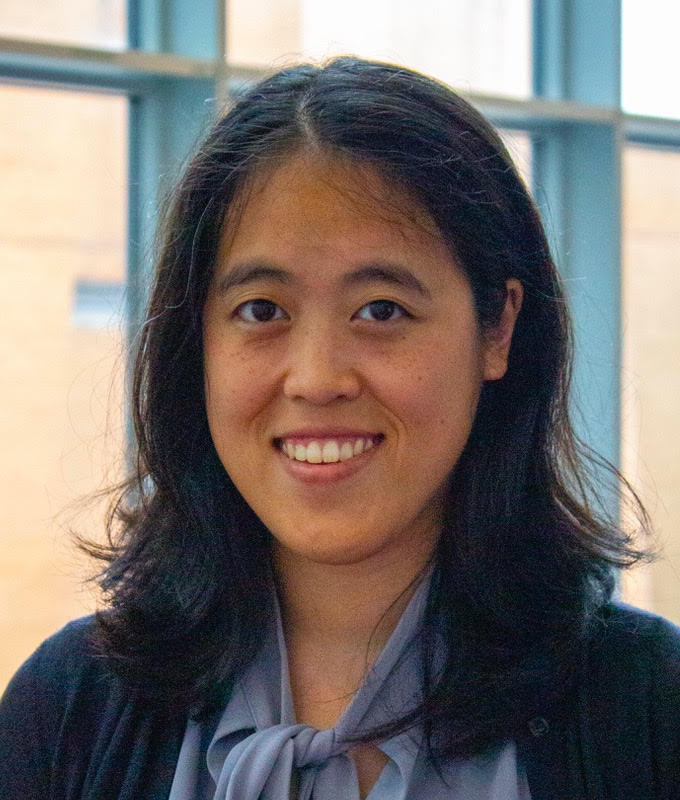
Jennifer Tang is a Postdoctoral Associate at the Massachusetts Institute of Technology (MIT), holding dual appointments in the Institute for Data, Systems, and Society (IDSS) and the Laboratory for Information and Decision Systems (LIDS). She conducts her research under Professor Ali Jadbabaie, focusing on interdisciplinary problems at the intersection of information theory, network science, and social dynamics. Her position is temporary as she actively seeks a permanent academic role through the 2025 job market. Her academic credentials include: Ph.D. in Electrical Engineering and Computer Science from MIT, advised by Professor Yury Polyanskiy Bachelor of Science in Engineering (B.S.E.) in Electrical Engineering from Princeton University, with independent work supervised by Paul Cuff Dr. Tang's research program centers on theoretical and applied aspects of information theory, including channel capacity, quantization, and data compression. She investigates prediction and estimation in high-dimensional settings, data analytics for complex systems, and mathematical modeling of social dynamics and inference in multi-agent networks. Her work employs tools from statistics, optimization, and network theory to address challenges in communication, decision-making, and societal systems, with particular emphasis on opinion dynamics under social pressure and efficient representation of probability distributions. Analysis of her publication record reveals consistent contributions to information-theoretic limits, social network modeling, and compression techniques. Her works frequently appear in top venues like IEEE Transactions on Information Theory and major conferences (ISIT, CDC, ACC), demonstrating expertise in bridging theoretical foundations with real-world applications in networked systems and societal challenges. Her scientific achievements have been recognized with: Best Student Paper Award at IEEE International Symposium on Information Theory (ISIT) 2022 Best Student Paper Award at IEEE Machine Learning for Signal Processing (MLSP) 2022 Student Competition Winner at the Shannon Centennial Celebration Dr. Tang maintains an active teaching portfolio, having served as instructor for MIT 1.022: Introduction to Network Models (Spring 2025) and teaching assistant for multiple core courses including 6.008 (Introduction to Inference), 6.041/6.431 (Probabilistic Systems Analysis), 6.437 (Inference and Information), and 6.439 (Statistics, Computation and Applications). She also contributed to the MIT Women's Technology Program as a Mathematics Instructor during summer 2017. Her research is embedded within MIT's Laboratory for Information and Decision Systems (LIDS) and Institute for Data, Systems, and Society (IDSS), two premier interdisciplinary laboratories fostering collaboration on data-driven decision-making, societal challenges, and foundational theory in information and systems.
Dr. Yuanyuan Yuan is a Researcher at the Department of Computer Science, ETH Zurich, Switzerland, based at CNB H 104.1, Universitätstrasse 6, 8092 Zurich. Her work bridges computer security and machine learning with a focus on practical vulnerabilities in deployed AI systems. Her research centers on exposing and mitigating security flaws in deep learning deployments, particularly targeting trusted execution environments (TEEs) and on-device inference systems. Key contributions include pioneering side-channel attacks against TEE-shielded neural networks (CipherSteal, HyperTheft), bit-flip attack surfaces in DNN executables (BitShield), and novel testing methodologies for neural network robustness. She investigates cache/timing side channels, ciphertext analysis, privacy leakage in partitioned ML, and concept-based explainability. Analysis of her 2023-2025 publications reveals a cohesive focus on offensive security research for AI infrastructures, with consistent contributions to top venues in security and machine learning. Her work demonstrates expertise in low-level system interactions (memory, cryptography) applied to ML security, spanning attack vectors, defensive mechanisms, and validation frameworks. The research trajectory shows increasing sophistication in exploiting hardware-software interfaces while developing practical hardening techniques for real-world deployments.
Aggelos K. Katsaggelos is a Professor in the Department of Electrical Engineering and Computer Science at Northwestern University's McCormick School of Engineering. His research focuses on biomedical imaging, machine learning, and computer vision applications in healthcare. He has collaborated extensively with interdisciplinary teams, including clinicians and engineers, to develop advanced algorithms for medical diagnosis and image analysis. Key research interests include medical image processing, deep learning for diagnostics, and computational methods in cardiology. His work spans applications such as MRI and ultrasound analysis, automated pathology detection, and multimodal sensing for health monitoring. Recent articles highlight contributions to myocardial scar quantification, lung ultrasound scoring, and AI-driven cough detection. His methodologies often combine domain-specific physics with modern machine learning techniques to solve real-world clinical challenges. Notable collaborations include projects with institutions like the University of Chicago and international teams in astrophysics and cognitive science. His work emphasizes translating algorithmic advancements into practical clinical tools.
Sidney Hecht is Professor in the School of Molecular Sciences and Director of the Biodesign Center for Bioenergetics at Arizona State University. His research focuses on diseases linked to energy production defects, with significant contributions to cancer therapeutics including the development of Hycamtin (topotecan) for ovarian/lung cancer and mechanistic studies of bleomycin. Research expertise spans: Mitochondrial disorders Pharmaceutical development Molecular mechanisms of anti-tumor agents Bioenergetic pathway analysis With over 30 years' experience, Dr. Hecht previously held academic positions at University of Virginia and MIT, and R&D leadership roles at SmithKline. He co-founded Edison Pharmaceuticals focusing on mitochondrial diseases.
Daan van Aalten is a Professor at Aarhus University, affiliated with the Department of Molecular Biology and Genetics - Neurobiology within the Faculty of Natural Sciences. His research focuses on protein O-GlcNAcylation, a critical posttranslational modification linked to intellectual disability (OGT-CDG). He leads studies using model systems (mESCs, Drosophila, mice) to dissect molecular mechanisms underlying OGT-CDG phenotypes. Notable contributions include defining OGT-CDG as a congenital disorder of glycosylation and identifying therapeutic targets. He has secured major grants, including a Novo Nordisk Foundation Laureate Grant (DKK 50M) and a Villum Investigator Grant (DKK 40M), supporting work on protein modifications and fungal pathogenesis. Key research areas include enzymology, structural biology, and neurobiology. His lab explores O-GlcNAc signaling dynamics, fungal cell wall synthesis, and genetic disorders. Recent studies highlight neurodevelopmental defects in mouse models and human stem cell systems. Collaborative projects with international teams advance drug discovery for fungal pathogens and intellectual disability syndromes. Publications span molecular mechanisms of OGT mutations, enzyme inhibitors, and structural biology. Awards include recognition for his transformative work in glycobiology and neurodevelopment. His lab actively engages in training scientists and welcomes inquiries about OGT-CDG studies via ogtcdg@au.dk.