Andrea Fossatiمشاهده پروفایل
استادیار
- Bacterial Defense Systems
- Phage Biology
- Virology
- +۵ مورد دیگر
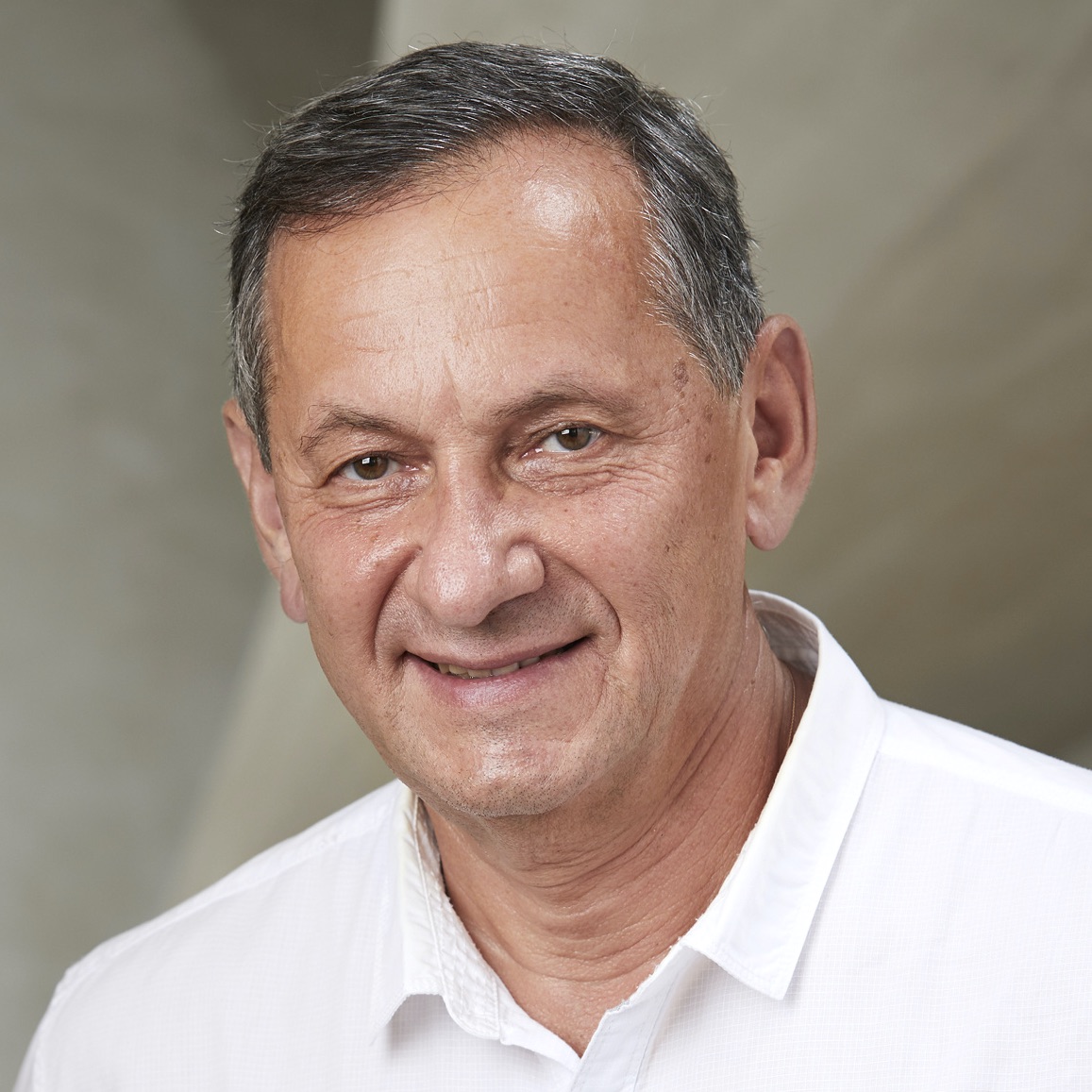
Andrea Fossati is a DDLS Fellow and Principal Investigator at Karolinska Institutet, leading the Fossati Lab at SciLifeLab. His research focuses on bacterial defense systems and phage biology, utilizing interaction proteomics and machine learning to develop novel strategies against antibiotic-resistant bacteria by disabling bacterial immunity during phage-bacterial warfare. Dr. Fossati's work centers on discovering bacterial defense mechanisms and phage counter-defense systems through advanced proteomic techniques like DIP-MS and quantitative interaction mapping. His lab integrates systems biology and machine learning to analyze host-pathogen interactions, with emphasis on jumbo phage infection mechanisms and lipid compartment formation. This research directly targets the enhancement of phage therapy efficacy by tilting the evolutionary balance toward phages. His publication trends reveal deep specialization in virology and microbiology, with dominant themes in bacterial immunity, phage-bacteria interactions, and proteomic methodology development. Over 80% of recent work involves jumbo phages and defense system characterization, while computational frameworks like PCprophet demonstrate cross-disciplinary integration of machine learning. Scientific awards: DDLS Fellow Dr. Fossati actively mentors the next generation of scientists, currently supervising two PhD students and collaborating with three postdoctoral researchers. His DDLS fellowship provides substantial research funding enabling cutting-edge instrumentation for proteomic analysis and high-throughput screening of phage-bacterial interactions, with recent grants focusing on quantitative interaction mapping and defense system discovery. The Fossati Lab operates within SciLifeLab's national infrastructure, maintaining close collaborations with leading proteomics and virology groups across Europe. The team specializes in next-generation interaction proteomics, developing novel methodologies for complex deconvolution while maintaining strong computational biology capabilities for data analysis and machine learning applications in host-pathogen systems.