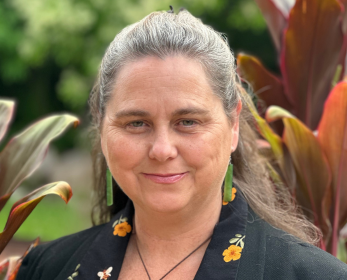
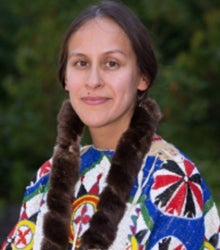
Associate Professor Melissa Carey is affiliated with the School of Nursing and Midwifery at Edith Cowan University (ECU) and holds an Honorary Research Fellow position at the University of Auckland. Her research focuses on Indigenous health methodologies, end-of-life care, cultural safety, and interprofessional practice. She has held academic roles across multiple institutions in Australia and New Zealand. Education: Doctor of Philosophy (2016), Queensland University of Technology Research Interests: Her work emphasizes Kaupapa Māori research, autoethnography, and decolonizing health measurement. She explores cultural identity in healthcare, voluntary assisted dying, and palliative care equity. Recent studies include analyzing New Zealand’s End of Life Choice Act and evaluating immersive technology in medical education. Awards: Te Tohu Rapuora Medal (Royal Society Te Apārangi) Health Research Council Postdoctoral Fellowship (2020) Outstanding Doctoral Thesis (QUT, 2016) Grants & Projects: Leading the Keteparaha community framework for Māori ageing and end-of-life care, and the A different grief project on assisted dying support groups (Health Research Council-funded, 2025–2026). Labs/Teams: Collaborates with Te Arai Palliative Care Research Group (University of Auckland) and the Voluntary Assisted Dying Research Network (Victoria University of Wellington).
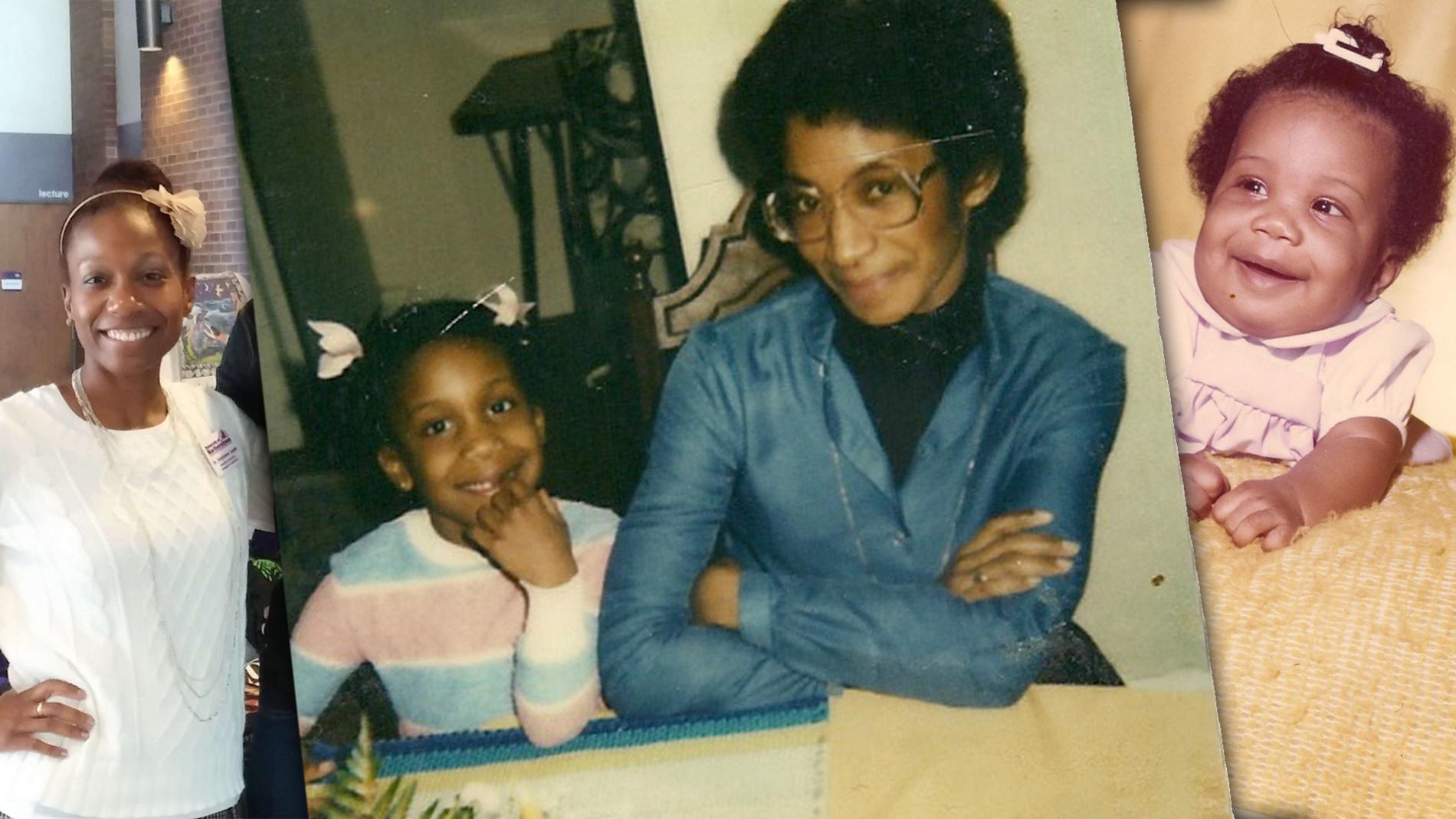
Stephanie R. Logan, Ed.D., is an Associate Professor and Chair of the Education Department at Springfield College. Her career focuses on integrating social justice principles into teaching, learning, and leadership. She holds a doctorate from Morgan State University in urban educational leadership, with prior experience as an elementary teacher, school counselor, and assistant professor at the University of Northern Iowa. Her work emphasizes preparing educators to address racial/ethnic and gender disparities in K-12 education. Education: Bachelor's in Elementary Education, Morgan State University Master's in Counselor Education, The Ohio State University Doctorate in Urban Educational Leadership, Morgan State University Research Focus: Social studies curriculum reform, multicultural education, and dismantling institutional barriers in teacher education. Professional Contributions: Led multicultural education initiatives at UNI, developed professional development programs, and advocates for inclusive education policies. Dr. Logan’s career reflects a commitment to equity, with roots in her family’s migration history and her own experiences navigating educational systems as a Black woman. She currently chairs Springfield College’s Education Department, continuing her mission to diversify and decolonize teacher training programs.
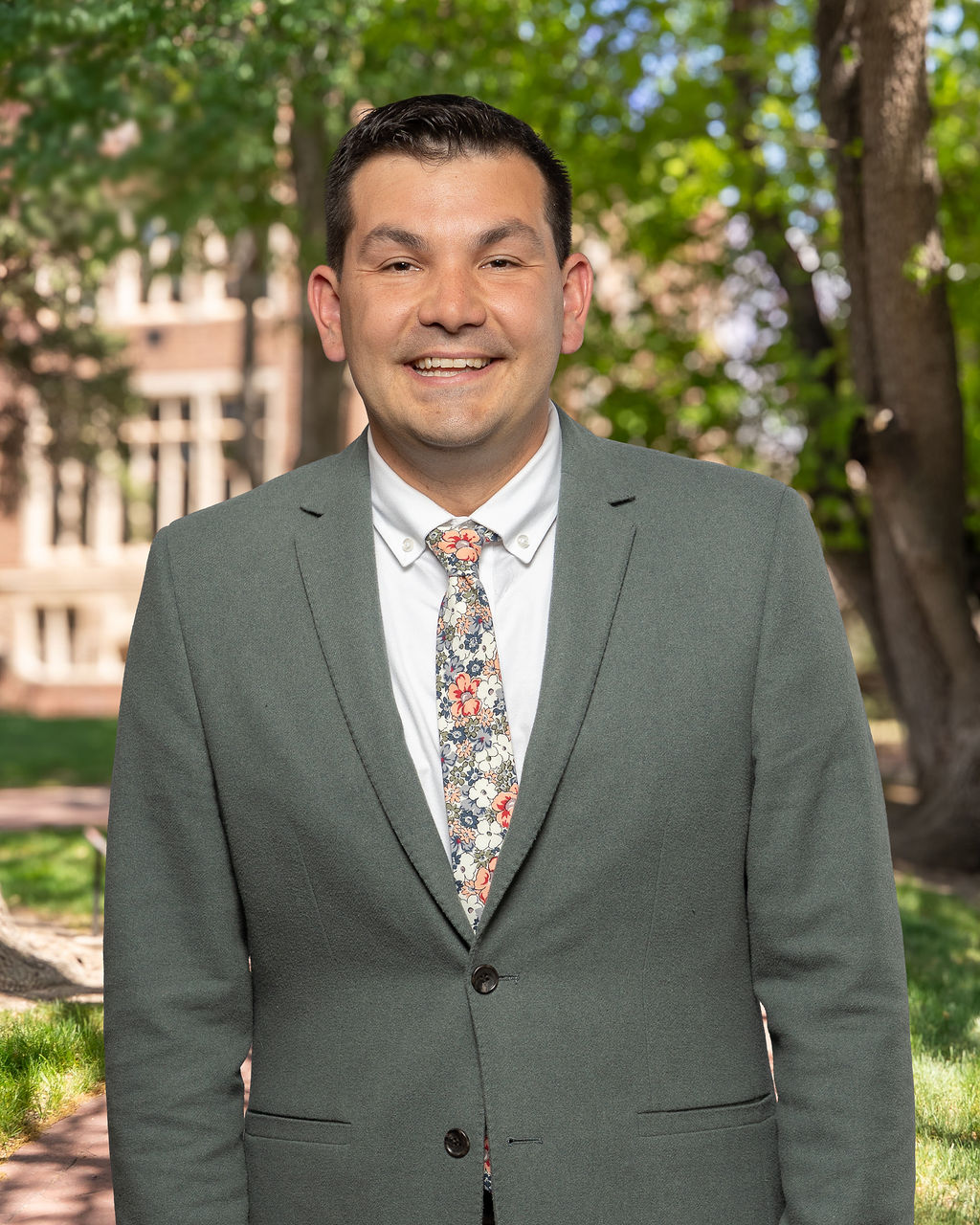
Stefan Chavez-Norgaard is a Teaching Assistant Professor of Public Policy at the University of Denver’s Douglas and Mary Scrivner Institute of Public Policy, part of the Josef Korbel School of International Studies. His work bridges procedural justice, urban development, and equity, with a focus on South Africa and the United States. Education : PhD in Urban Planning (Columbia, 2024), MPP from Harvard Kennedy School (2019), BA in Public Policy and Urban Studies from Stanford (2015). His research examines urban planning history and theory, local-government law, and mixed-methods analysis of planning practice in late-liberal contexts. He explores how residents contest and repurpose formal urban plans, particularly in post-apartheid South Africa and U.S. cities like Denver. His 2024 articles address racial modernism in urban planning and place renaming in South Africa, while recent book chapters focus on digital infrastructure and housing policy in African cities. Recent work includes public-facing commentaries on transportation history, urban design, and national urban policy. He has received travel/research awards from AAG (2022, 2023) and the NYC Urban Fellows Program (2017). Collaborations span Harvard’s Bloomberg Center for Cities, Ash Center for Democratic Governance, and Lincoln Institute of Land Policy.
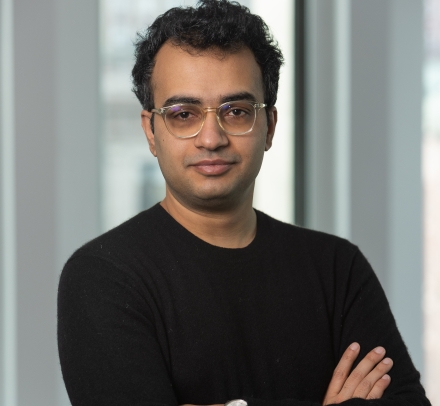
Madhav Khosla serves as the B. R. Ambedkar Professor of Indian Constitutional Law and Professor of Political Science at Columbia University. He directs the B.R. Ambedkar Program in Global Constitutionalism at Columbia Law School and participates in Columbia University's Committee on Global Thought, focusing on constitutional design and democratic governance. Education: Ph.D., Harvard University, 2017 LL.M., Yale Law School, 2010 B.A, LL.B., National Law School, Bangalore, 2008 His research centers on comparative constitutional law, constitutional theory, and Indian constitutional law, examining how constitutional frameworks shape democracy in South Asia. Khosla investigates the interplay between legal structures, political theory, and historical context, with emphasis on India's constitutional evolution and global constitutionalism. Recent publications (2020-2025) reveal consistent focus on democratic resilience, constitutional design challenges, and India's unique constitutional journey. Key trends include analysis of authoritarian threats, federal dynamics, judicial power, and decolonization's impact on constitutional identity across comparative contexts. Honors and Awards: The Order of the Coif Book Award (for India's Founding Moment) 2021 Edward M. Chase Prize, Harvard University 2018 Inlaks Shivdasani Foundation Scholarship 2009–2010 No specific information about student advising or research grants appears in available materials. His scholarship demonstrates extensive engagement with constitutional institutions through publications and program leadership rather than direct mentorship documentation. He leads the B.R. Ambedkar Program in Global Constitutionalism, which organizes the Ambedkar Law Lectures series, fostering interdisciplinary dialogue on constitutional challenges in emerging democracies and postcolonial contexts.
Daniel O. Suman is a Professor of Marine Policy and Coastal Management at the University of Miami's Rosenstiel School of Marine, Atmospheric, and Earth Science, specifically within the Environmental Science & Policy Department. His academic work focuses on the intersection of marine environments and human societies, with particular expertise in marine policy, coastal management, and environmental governance. Professor Suman's research interests span marine policy development, coastal zone management, climate change impacts on marine environments, marine protected areas, and sustainable aquaculture development. His work emphasizes the human dimensions of marine resource management, examining how social, economic, and governance factors influence conservation effectiveness. A significant portion of his research addresses equity considerations in ocean governance, particularly focusing on the needs of communities in low to middle-income tropical countries. His scholarly output reveals consistent trends in interdisciplinary approaches to marine challenges. Professor Suman's publications demonstrate strong focus on practical solutions to climate change adaptation in coastal communities, sustainable marine resource management, and governance frameworks that integrate traditional ecological knowledge with scientific data. The geographic scope of his research is notably global, with case studies spanning the Americas, particularly Panama and Brazil, as well as broader international contexts. Professor Suman has made significant contributions through his co-authored textbook "Oceans and Society: An Introduction to Marine Studies," which has become an important resource in the field. His collaborative work on marine protected areas, climate change impacts, and nature-based solutions demonstrates his commitment to addressing pressing marine challenges facing our planet today.
SherAli Tareen serves as an Assistant Professor at Franklin & Marshall College, specializing in Islamic Studies and Religious Education. His academic work focuses on innovative pedagogical approaches to teaching religion, particularly Islam, in undergraduate settings. Tareen's research interests center on critical approaches to religious education, with particular emphasis on decolonizing pedagogical frameworks for teaching Islam. His work explores how to present complex theoretical arguments about Islam to introductory students without overwhelming them with theoretical jargon, focusing instead on accessible and meaningful learning experiences. He investigates the intersection of colonial modernity, tradition, and contemporary Islamic thought through the lens of educational practice. His publications reveal a consistent trend toward critically examining the legacies of colonialism and Orientalism in religious studies curricula. Tareen's work emphasizes genealogically attuned teaching methods that help students navigate complex identity formations while studying Islam. His scholarship advocates for pedagogical approaches that acknowledge historical power dynamics while fostering critical thinking skills in students. Tareen has contributed to the 'Teaching Islam' blog series at the Wabash Center, where he has published multiple articles exploring innovative teaching strategies for introductory courses on Islam. His work demonstrates a commitment to developing teaching methodologies that are both theoretically sophisticated and accessible to undergraduate students.
Rebecca M. Bratspies is a Professor at the City University of New York (CUNY) School of Law , focusing on environmental law, international law, and regulatory governance. Her work bridges the gap between human rights and environmental protection, with a strong emphasis on climate justice and sustainable urban development. Environmental Law Human Rights Climate Change Biotechnology Regulation Disaster Recovery Her recent articles address pressing issues such as climate equity, renewable energy transitions, and environmental justice, particularly in New York City. She explores the intersection of law, governance, and societal well-being, often analyzing case studies like the Trail Smelter Arbitration and the BP Deepwater Horizon disaster. Bratspies has authored 75 scholarly papers, with a focus on environmental governance, regulatory trust, and the role of law in addressing the climate crisis. Her work has been cited 34 times, indicating significant academic influence. She is also involved in interdisciplinary collaborations, particularly in the areas of climate policy, energy justice, and disaster management. Her teaching and research emphasize the need to decolonize legal frameworks and promote equity in environmental decision-making.
Dr. Yuwei Xu serves as Associate Professor in Early Childhood Education at the University of Nottingham since 2023, holding concurrent Visiting Professorships at Zhejiang Normal University and Central China Normal University. She founded the Global Childhoods Research Group (GCRG), co-directs Nottingham's Taught Courses (2025-2027), and leads community engagement for the UNESCO Chair in International Education and Development. Previously, she held academic positions at UCL, University of Portsmouth, and Tianjin Normal University. Her educational background includes: PhD in Gender and Early Childhood Studies, University of Glasgow (2018) MA in Child Studies, King's College London (2012) B.Ed. in Early Childhood Education, Shanxi University, China (2011) Dr. Xu's research centers on gender dynamics in early childhood education, cross-cultural comparisons between China and the UK, and inclusive practices for marginalized communities. She investigates children's perspectives on gender, culturally responsive curriculum implementation, and teacher education frameworks that challenge heteronormative discourses. Her work bridges theoretical feminist analysis with practical interventions to promote equity in educational settings globally. Analysis of her recent publications reveals consistent focus on pandemic-era parenting adaptations, cultural negotiations in curriculum frameworks, and gender representation in early years settings. Her cross-cultural methodology (particularly China-UK comparisons) produces actionable insights for culturally reflective practice, while her work on low-income family engagement addresses structural barriers in educational research. Her scientific recognition includes: BERA Early Career Researcher Award (2019) Two Nottingham Recognition Scheme awards (2021/22, 2022/23) Lord Dearing Award for Decolonizing Curriculum (2022/23) Dr. Xu currently supervises eleven PhD students across gender studies, teacher education, and higher education topics while leading multiple funded projects including the Froebelian philosophy initiative (£43,243) and Hong Kong immigrant family study (£11,927). Her grants portfolio demonstrates strong international collaboration, particularly UK-China partnerships addressing teacher development and children's rights. She founded the Global Childhoods Research Group (GCRG) and actively contributes to the Education and Development Forum (UKFIET) and Gender and Education Association, fostering international networks that advance childhood studies through decolonial and intersectional lenses.
Katrina S. Rogers, Ph.D., is Core Faculty at the School of Leadership Studies, Fielding Graduate University. She has extensive international experience, having led Thunderbird School of Global Management's European campus in Geneva for a decade, collaborating with organizations like the Red Cross, WTO, UNDP, and EU. She serves on the Boards of Northern Arizona University Educational Education and the Toda Institute for Global Policy & Peace Research, and is a past Board member of Prescott College. Education: PhD in Political Science, Northern Arizona University (1992) MA in History, Eberhard-Karls-Universität Tübingen (1990) BA in History, Albertus Magnus College (1985) Master of Arts in Environmental Law, Vermont Law School Her research focuses on democratic engagement in higher education, global environmental politics, sustainability, and leadership studies. She explores how educational frameworks can drive social and ecological justice, with emphasis on inclusive leadership models, organizational change, and policy implementation in urban and global contexts. Her recent publications emphasize climate communication, leadership ethics, and educational democratization, reflecting interdisciplinary approaches to sustainability and social transformation. Key trends include integrating indigenous knowledge systems, rethinking higher education structures, and advocating for collective environmental responsibility. Awards & Fellowships: Post-Doctoral Research Fellowship, Alexander von Humboldt Foundation (2010) Bundeskanzler Scholar, University of Konstanz (2010) Fulbright Scholar, Germany (2010) Outstanding Honors Professor, Northern Arizona University (1992) As Fielding's President, she oversees institutional initiatives like the Ecological and Social Justice Service Year. She mentors through academic leadership but no specific advisees are listed. No grants or lab affiliations are detailed.
Dhanya Babu is an Adjunct Lecturer in the International Criminal Justice program at John Jay College of Criminal Justice, City University of New York (CUNY), where she is also a doctoral candidate in the Department of Criminal Justice. She holds advanced degrees in criminal justice, criminology, and victimology from institutions in the U.S., India, and Japan. Educational Background: Ph.D. in Criminal Justice (ongoing), John Jay College of Criminal Justice / Graduate Center, CUNY (2019–present) M.A. in International Crime and Justice, John Jay College, CUNY (2017–2019) M.A. in Criminology and Criminal Justice Administration, University of Madras, India (2012–2014) Postgraduate Diploma in Victimology and Victim Assistance, Tokiwa International Victimology Institute, Japan (2014) B.A. in Economics, St. Joseph’s College, University of Calicut, India (2008–2011) Her research centers on queer criminology , decolonial perspectives in criminal justice , and intersectional approaches to gender-based violence , with a particular focus on the experiences of transwomen (thirunangai) in Chennai, India. She critiques Western-centric models and advocates for inclusive, culturally grounded understandings of harm, justice, and policing. Her work emphasizes structural inequalities rooted in caste, gender, sexuality, and race. The recent scholarly articles reflect a consistent trajectory exploring LGBTQ+ identities, violence resistance, policing experiences, and epistemic justice. They are published in interdisciplinary journals spanning criminology, family studies, sexuality, and social justice, indicating a strong commitment to bridging academic disciplines and amplifying marginalized voices. Scientific Awards and Recognitions: Norman Cutler Award for Research in South India Junior Research Fellowship, American Institute of Indian Studies Outstanding Alumna Award, St Joseph’s College Irinjalakuda Entrepreneurial Lead, NSF I-Corps National Innovation Network Graduate Student Excellence Award in International Criminal Justice Junior Research Fellowship and NET for Assistant Professor, UGC India Kalalaya Ratna Award, University of Calicut Star of Excellence Award, instituted by President APJ Abdul Kalam Dhanya has taught courses including Criminology (SOC 203) , Gender Issues in International Criminal Justice (SOC 333) , Foundations of Scholarship in International Criminal Justice (ICJ 310) , and Gender and Politics (POL 237) . She previously worked as a human trafficking investigator for the International Justice Mission in India, bringing practical field experience into her academic work. While there is no explicit mention of advising graduate students, her role as a lecturer and researcher suggests mentorship activities. Her involvement in the NSF I-Corps program indicates engagement with innovation and applied research aimed at preventing interpersonal violence. She is fluent in English, Hindi, Malayalam, and Tamil, enhancing her cross-cultural research capabilities.
Susy Zepeda, Ph.D., is an Associate Professor in the Chicana/o Studies department at the University of California, Davis. Her work is transdisciplinary, decolonial, and feminist, with a focus on community-centered research. She holds a Ph.D. in Sociology from the University of California at Santa Cruz, with designated emphases in Feminist Studies and Latin American & Latino Studies. Education: Ph.D. in Sociology, UC Santa Cruz. Dr. Zepeda’s research explores Xicana Indígena spirit work, decolonization, critical feminist methodologies, oral/visual storytelling, and intergenerational healing. She developed foundational courses such as Decolonizing Spirit and Food Justice at UC Davis. Her publications span topics in decoloniality, Chicana feminist praxis, and Xicanx/Latinx healing practices. Key works include the 2023 book Queering Mesoamerican Diasporas , the 2020 essay in Aztlán , and contributions to the 2019 anthology Voices from the Ancestors .
Elizabeth Yale is an Associate Professor in the Department of History at the University of Iowa, College of Liberal Arts and Sciences, where she also serves as Director of Undergraduate Studies. Her research lies at the intersection of the history of science, book history, and early modern European intellectual culture, with a focus on how knowledge was created and preserved in domestic and archival contexts. Her educational background includes a PhD in the History of Science from Harvard University (2008). She previously taught at Western Carolina University and Harvard before joining the University of Iowa. Dr. Yale's research explores the material and social practices of knowledge-making, particularly in early modern Britain. She emphasizes the role of families, manuscript culture, and archival infrastructures in the development of scientific thought. Her work spans themes such as gender, materiality, and the transmission of medical and natural knowledge. She teaches courses on early modern Europe, the history of science and medicine, book history, and gender, often incorporating hands-on analysis of texts through the University of Iowa Center for the Book. Her recent publications reveal a consistent interest in the material forms of knowledge—letters, lists, marginalia, and archives—and their role in shaping scientific epistemology. She frequently examines how women’s intellectual labor and domestic spaces contributed to scientific advancement. Her collaborative projects, including an NEH-funded initiative with Matthew Brown, aim to build innovative educational spaces for studying global print and manuscript cultures. Visiting Scholar, Max Planck Institute for the History of Science, Berlin (2016) President, Andrew W. Mellon Society of Fellows in Critical Bibliography (2021–2022) Senior Fellow, Andrew W. Mellon Society of Fellows in Critical Bibliography Dr. Yale has been active in mentoring and curriculum development, particularly through experiential learning programs like the Hawkeye History Corps. She has secured external funding, including an NEH Humanities Initiatives Grant, to support interdisciplinary teaching and research. Her advising likely extends to undergraduate and graduate students interested in history of science, gender studies, and material text analysis, though specific students are not listed. She is also engaged with public history, contributing accessible commentary to outlets like The Atlantic , Quartz , and Iowa Public Radio , bridging academic research with broader societal conversations on science, gender, and race. She is involved in collaborative scholarly communities, especially through the Rare Book School and the University of Iowa Center for the Book, where she contributes to projects that integrate book history with scientific and archival studies. These affiliations support a vibrant research and teaching environment centered on material knowledge practices.
Michelle Jacob is Professor of Indigenous Studies and Director of the Sapsik’ʷałá (Teacher) Education Program in the Department of Education Studies at the University of Oregon's College of Arts and Sciences. She also serves as Affiliated Faculty in the Department of Indigenous, Race, and Ethnic Studies and the Environmental Studies Program. Education: Ph.D. in Sociology (Human Development), University of California, Santa Barbara (2004) M.A. in Sociological Practice, California State University, San Marcos (2001) B.A. in Liberal Studies (Interdisciplinary Program), California State University, San Marcos (1998) Her research focuses on Indigenous methodologies, spirituality, health, education, Indigenous feminisms, and decolonization. She has received grant funding from the U.S. Department of Education, National Endowment for the Humanities, Spencer Foundation, and National Science Foundation. Michelle’s scholarly work intersects with her activism in promoting Indigenous knowledge systems and health equity. Her publications span social science, education, and health science research journals, forming a cohesive body of work centered on Indigenous sovereignty and educational transformation. Prior to joining the University of Oregon, she served as Founding Director of the Center for Native Health & Culture at Heritage University on the Yakama Reservation and as Professor of Ethnic Studies at the University of San Diego.
Antonio Di Campli is an Associate Professor at the Interuniversity Department of Regional and Urban Studies and Planning (DIST), Politecnico di Torino. He is actively involved in teaching and research, with affiliations extending to Sapienza University of Rome through the National PhD in Peace Studies. He contributes to doctoral education as a member of multiple PhD collegia, including Urban and Regional Development at Politecnico di Torino. Associate Professor, DIST, Politecnico di Torino PhD Supervisor, Urban and Regional Development Member, PhD Collegium in Peace Studies, Sapienza University of Rome Editorial Director, 'Descamino' book series, Letteraventidue His research centers on debt and space and rural ecologies , exploring how financialization, extractivism, and platform economies reshape rural and urban territories. He investigates debt as a 'practice of dwelling' and examines the invisibility of rural presence in contemporary planning discourse. His work is deeply rooted in decolonial urbanism, challenging Eurocentric planning paradigms and advocating for epistemic justice in spatial knowledge production. The recent publications reveal a strong thematic coherence around financialized spatial production, infrastructural politics, and ecological transitions. His work frequently engages with the Global South, particularly Ecuador and Brazil, and critically analyzes gendered, racialized, and spatial dimensions of debt and exclusion. He combines theoretical rigor with design-oriented research, often positioning utopian and counter-hegemonic thinking as tools for ecological and spatial justice. Antonio Di Campli supervises several PhD students, including Alessio Mazzaro and Sofia Leoni, whose research explores Taobao villages in China and infrastructural transformations. He leads a funded research agreement with Universidad Técnica Particular de Loja (Ecuador), reflecting his international collaborative engagement. His teaching includes doctoral courses on decolonial urbanism and epistemological perspectives in planning, as well as master's level instruction in urban design and planning. He is affiliated with research groups focusing on territorial governance and contributes to interdisciplinary debates on migration, land use, and conflict resolution. His work aligns with multiple UN Sustainable Development Goals, particularly SDG 11 (Sustainable Cities), SDG 10 (Reduced Inequalities), SDG 5 (Gender Equality), and SDG 16 (Peace and Justice).
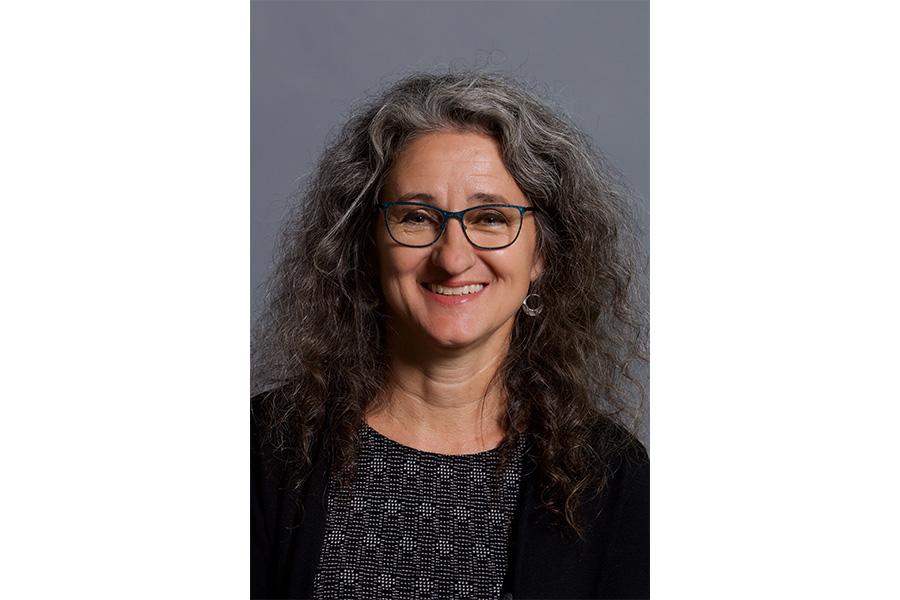
Dr. Moni Fricke is an Associate Professor in the Department of Physical Therapy at the College of Rehabilitation Sciences, Rady Faculty of Health Sciences, University of Manitoba. She joined the department in 1999 as a part-time instructor and transitioned to a full-time faculty role in August 2019, also serving as the Director of the Office of Interprofessional Collaboration. Academic Rank: Associate Professor Institution: University of Manitoba – Bannatyne Campus Contact: Room R030, 771 McDermot Avenue, Winnipeg, MB R3E 0T6 Email: moni.fricke@umanitoba.ca Education: PhD in Community Health Sciences, University of Manitoba (2016) MSc in Community Health Sciences, University of Manitoba (1998) Dr. Fricke's research centers on interprofessional collaboration, social accountability, and equity in health education and practice. Her work spans macro, meso, and micro levels, focusing on interprofessional education’s impact on patient-centered care, health equity in academic environments, and access to services for marginalized populations including refugees and First Nations communities. She is committed to decolonizing educational practices and advancing anti-racism in health professions training. Her scholarly contributions include over 38 publications and more than 96 national and international presentations, with 23 as an invited speaker. She actively contributes to professional development through committee work with organizations such as the Canadian Interprofessional Health Collaborative and the Association of Faculties of Medicine-Interprofessional Education Network. Awards and Recognitions: Medal of Distinction, Canadian Physiotherapy Association (2021) Susan A MacDonald Memorial Award, Manitoba Physiotherapy Association (2021) Student Teacher Recognition Award, University of Manitoba (2023) Multiple research and teaching grants from the University of Manitoba and external agencies (2018–2025) Dr. Fricke has secured significant grant funding for initiatives in interprofessional education, anti-racism training, refugee health care, and community-led physical activity programs. She has served as Principal Investigator and Co-investigator on projects addressing systemic inequities in health education and practice. Her leadership extends to journal and grant peer review, and she plays a key role in shaping national competency frameworks such as the CanMEDS26 update. She is actively involved in developing innovative teaching tools, including the conversion of interprofessional curriculum into open educational resources. Her work is supported by a strong network of interdisciplinary collaborators across health sciences and community organizations.