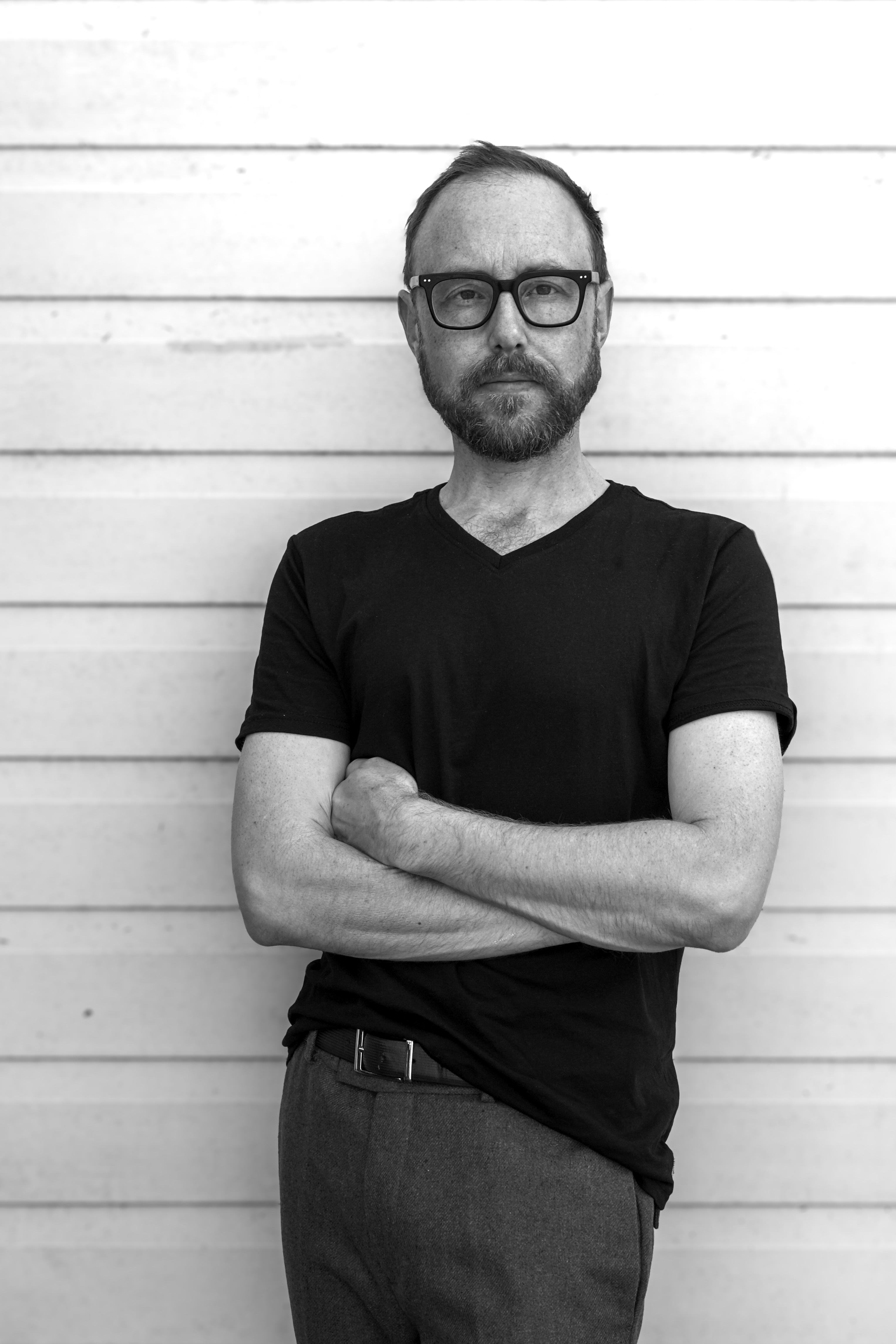
Patricia A. Schechter is a Professor of History at Portland State University’s College of Liberal Arts and Sciences. Her work bridges women’s history, public history, and transnational history, with a focus on labor movements, colonialism, and feminist historiography. She has published extensively on topics ranging from Ida B. Wells-Barnett’s activism to the social dynamics of Andalusian mining towns. PhD in History from Princeton University Her research explores: Industrial labor and community integration in Spain Decolonial theory in feminist and transnational contexts Oral history and public memory projects Gender and racial justice in American reform movements Recent publications include El Terrible: Life and Labor in Pueblonuevo, 1887-1939 (2024) and studies on Oklahoma statehood narratives. Her work often intersects: Local history with global themes Gender analysis with anti-imperialist frameworks Public engagement through exhibitions and oral history Scientific awards: Keller-Sierra Book Prize ACRL Choice Award Oral History Association Recognition Patricia teaches courses including: Women and Gender in America Transnationalism Public History Lab
Abeyami Ortega Domínguez is an anthropologist and interdisciplinary scholar specializing in visual culture, social justice, and social movements, with a focus on race, gender, and sexuality. Currently affiliated with the University of Manchester as an Honorary Research Associate in Social Anthropology, she works across Latin America and the Global South to examine how visual and material cultures intersect with antiracist activism and the production of inequalities. Active in SDGs: Education, Social Justice, Cultural Preservation Her research spans topics such as the mestizo gaze in neoliberal Mexico, queer feminist antiracist artivism in Argentina/Peru/Colombia, and collaborative art practices in transnational activist networks. Recent publications include analyses of public art's role in mediating social tensions and co-edited works on comics and race. Academic collaborations include projects like Creaction: Creative Critical Interventions For Social Justice and partnerships with institutions like the University of York, LSE, and UCL. She has taught at the University of Cambridge, UNAM, and ENAH, emphasizing critical race, gender, and decolonial frameworks.
Jon Ward is a Lecturer in Culture, Media & Creative Industries at King's College London, specializing in Race and Diversity Studies. His work critically examines intersections of race, gender, and media representation within global contexts. Current affiliation: King's College London (Faculty of Arts & Humanities) Academic rank: Lecturer Research interests span racial dynamics in American popular culture, postcolonial critiques of media narratives, and the role of digital platforms in shaping gendered and racial identities. His scholarship interrogates irony, dissonance, and liberation themes across television, film, and social media. Key publications include analyses of Black Panther 's colonial implications, race mediation in RuPaul's Drag Race , and Black motherhood representation on Instagram. Articles reveal consistent engagement with critical race theory, queer studies, and transnational media discourse. While no formal awards or student advisement data are listed, his work contributes to contemporary debates about race, gender, and cultural production in both academic and public spheres.
Jessica Shaw is an Associate Professor at the Faculty of Social Work, Calgary Campus, University of Calgary, and serves as Graduate Program Director. She specializes in reproductive justice, medical assistance in dying (MAiD), and community-led research methodologies. Educational Background : B.A. in Women's Studies and Psychology (University of Ottawa, 2006) B.S.W. (Lakehead University, 2009) M.S.W. (Lakehead University, 2010) Ph.D. in Social Work (University of Calgary, 2015) Her research focuses on abortion access outside medicolegal systems, MAiD experiences in marginalized communities, and relational research grounded in decolonial, queer, and feminist frameworks. She has led projects on self-managed abortion, transgender suicidality, psychedelic-assisted psychotherapy, and medicalization of birth. Shaw is actively involved in scholarship of teaching and learning, exploring podcasting as pedagogy and virtual learning circles. She contributes to SSHRC adjudication and participates in university strategic initiatives like Human Dynamics in a Changing World (2015-2021). Key Research Partnerships : Collaborations with NGOs on community-based abortion care and activism Engagement with MSW/PhD students in reproductive justice and secondary data analysis
Maria Cano Dominguez is an Associate Lecturer - Industry Educator at the School of Architecture and Built Environment , University of Newcastle, Australia. She previously held academic tutoring roles at University of Technology Sydney (2019-2022), University of Sydney (2019-2022), and UNSW (2021-2022). As a Spanish Registered Architect, she practiced at Grupo Aranea (Spain), BCHO Architects (South Korea), and MHNDU (Australia).
Dr. Tim William Gregory is a theorist and artist affiliated with the University of New South Wales, School of Arts, Design & Architecture. His work bridges academic research and artistic practice with a focus on critical examinations of sexuality, pornography, and colonial legacies in visual culture. Dr. Gregory's research centers on the complex interplay between settler-colonialism, modern sexuality, and pornography. His acclaimed book Pornography, Indigeneity and Neocolonialism (Routledge, 2020) represents a significant contribution to understanding how colonial power structures continue to shape contemporary sexual representation and consumption. His scholarly approach combines critical theory, visual analysis, and decolonial perspectives to interrogate the political dimensions of pornography and sexual representation across digital platforms, film, and contemporary art. Dr. Gregory's publication record reveals a consistent research trajectory examining the visual politics of sexuality, with recent work analyzing digital platforms like Pornhub through theoretical frameworks including Walter Benjamin's concept of aura. His work challenges conventional understandings of pornography by situating it within broader historical and political contexts, particularly examining how colonial legacies continue to shape contemporary sexual representation and consumption. The 8th Biennial of Contemporary Textile Art Arte Laguna Prize The John Fries Award The Archibald Prize The Blake Prize Australia Council for the Arts Grant As an exhibiting artist, Dr. Gregory has shown work at prestigious venues including the Museum of Contemporary Art (Sydney), the Art Gallery of NSW, the Venice Arsenale, and has undertaken projects with the Sydney Biennale and a residency at PICA. His creative practice complements his theoretical work, creating a powerful dialogue between academic research and artistic expression that challenges conventional understandings of sexuality, representation, and colonial power structures.
Dr. Elizabeth Mills is an Associate Professor in International Development (Anthropology) at the School of Global Studies, University of Sussex. Her interdisciplinary work bridges medical anthropology, gender studies, and global health, with a particular focus on women's experiences of HIV and biomedicine in South Africa and Brazil. She employs innovative visual anthropological methods including film, photography, body mapping, and digital mapping in her research. Dr. Mills earned her PhD from Sussex University, MPhil from Cambridge University, and BSocSc(Hons) from the University of Cape Town. She also holds a PGCert in Higher Education from Sussex University, reflecting her commitment to pedagogical excellence. Her research centers on precarity, biopolitics, citizenship, embodiment, and the social lives of medicine. She has conducted extensive multi-sited ethnography tracing women's embodied accounts of HIV and AIDS biomedicines, culminating in her monograph 'HIV, Gender and the Politics of Medicine' (2024). Current projects examine the gendered impact of Covid-19 on women living with HIV in South Africa and the politics of queer reproduction and reproductive therapies. Analysis of her recent publications reveals a consistent trajectory examining the intersections of gender, health, and governance. Her work increasingly incorporates post-humanist perspectives while maintaining a strong focus on embodiment and the material realities of health and illness. The research demonstrates a progression from HIV-focused studies to broader examinations of reproductive justice, energy access, and the rights of intersex children. Sussex Award for Outstanding Support for Students' Learning Experience (Winner, 2016/17) Sussex University Spirit Education Award (Winner, 2018/19) Sussex University Teaching to Disrupt Award (Nominee, 2018/19) Sussex University Spirit Education Award (Nominee, 2021/22) Sussex University Teaching to Disrupt Award (Winner, 2023/24) Sussex University Inclusive Teaching Award (Nominee, 2023/24) Dr. Mills currently leads the British Academy-funded project 'Gender, COVID-19 and HIV: Medical and Socio-Economic Intersections in South Africa' (2022-2025). Her teaching portfolio includes 'Anthropology of Science & Technology,' and student testimonials consistently praise her transformative approach to creating inclusive learning environments that challenge conventional academic structures. She previously served as a Research Fellow at the Institute of Development Studies (2013-2016).
Susana Ramírez Hita is a Social Anthropologist specializing in Medical Anthropology with over 20 years of fieldwork experience across Latin America. She currently serves as an Associate Professor in the Master's program of Medical Anthropology and Global Health at the Department of Anthropology, Philosophy and Social Work of Rovira i Virgili University (Spain), and as a visiting professor in the Doctorate of Health, Environment and Society at Universidad Andina Simón Bolívar (Ecuador). She is an active member of the Center for Research in Medical Anthropology (MARC) and the Union of Scientists Committed to Society and Nature of Latin America (UCCSNAL). Her academic credentials include: PhD in Social and Cultural Anthropology (Medical Anthropology specialization) from Rovira i Virgili University (1999-2003) Postgraduate degree in African Studies from Rovira i Virgili University (1995-1996) Licentiate in Social Anthropology from Universidad Nacional de Misiones, Argentina (1989-1994) Dr. Ramírez Hita's research centers on intercultural health systems, sociocultural epidemiology, and environmental contamination impacts on indigenous communities. Her fieldwork spans Argentina, Spain, Bolivia, Chile, Peru, and Ecuador, with recent focus on pollution effects in the Peruvian Amazon among Awajún and Wampís populations. She employs ethnographic methods combined with epidemiological approaches to document how environmental toxins affect community health and cultural practices, emphasizing the intersection of territorial rights, environmental justice, and health equity for marginalized populations. Her publication record reveals a clear trajectory from early work on Roma/Gitano health practices to contemporary research on environmental health in the Amazon basin. The most recent publications (2023-2024) focus intensely on toxic waste in the Peruvian Amazon, judicial cases related to water access, and dietary changes in indigenous cultures. Throughout her career, she has maintained a critical perspective on intercultural health systems, particularly examining healthcare quality for Quechua and Aymara populations in the Bolivian Altiplano, while increasingly addressing how natural resource extraction impacts indigenous health and territorial integrity. Her scientific recognition includes: PhD Thesis with Cum Laude distinction from Rovira i Virgili University Licentiate Thesis with maximum grade and recommendation for publication Award for research on HIV/AIDS care quality in eastern Bolivia (2009-2010) Award for research on social representations of healthcare quality among indigenous populations (2007-2008) Funding from Deutsche Gesellschaft für Internationale Zusammenarbeit for decentralized governance in the Amazon (2017-2018) Dr. Ramírez Hita has secured significant research funding from international organizations including the World Health Organization, European Commission, and various Spanish and Latin American research councils. Her projects often involve binational collaborations and community-based approaches, particularly with indigenous organizations in the Amazon region. She has served as principal investigator for studies examining social infrastructure gaps in Condorcanqui province and the impacts of natural resource extraction on indigenous health systems. She maintains active involvement with the Center for Research in Medical Anthropology (MARC) and the Latin American Network of Medical Anthropology (REDAM), which facilitate collaborative research across the region. Her work with UCCSNAL demonstrates her commitment to linking scientific research with social and environmental justice movements, particularly in addressing how environmental contamination affects vulnerable populations in the Amazon basin.
Professor Patricia Murrieta-Flores is a faculty member at Lancaster University's School of Global Affairs and Co-Director of the Digital Humanities Centre. Her research focuses on the intersection of Digital Humanities, Artificial Intelligence, and Spatial Humanities to study Latin American colonial history, particularly 16th–18th century New Spain. She employs GIS, NLP, Computer Vision, and Machine Learning to analyze epidemics, economic systems, and indigenous spatial epistemologies. Research Grants : TAP/ESRC: Digging into Early Colonial Mexico AHRC/NEH: Unlocking the Colonial Archive ESRC: The Fleets of New Spain (2024–) Scientific Awards : Fellow, Royal Historical Society Fellow, Centre for Apocalyptic and Postapocalyptic Studies (Heidelberg) PhD Supervision : Katherine Bellamy Edward Moore Collaborative Networks : Cross-institutional projects with University of Lisbon, LLILAS Benson, and others Interdisciplinary teams combining Computer Science, History, and Archaeology
Camilo Ruiz serves as an Assistant Professor in Anthropology Education at the University of Connecticut, leveraging fifteen-plus years of ethnographic expertise in Colombian and U.S. urban settings to investigate marginalized communities through participatory action research, anthropology, public health, and arts-based methodologies. His academic credentials include: Ph.D. in Education, University of Pittsburgh (2021) Ruiz's research confronts critical public health crises including Colombia's opioid epidemic among impoverished heroin users navigating addiction and stigma, the shifting HIV/AIDS landscape affecting heterosexual men in Latin America, and Latinx community formation in U.S. post-industrial cities. His work systematically challenges stagnant healthcare paradigms through community-centered approaches that expose structural violence and advocate for culturally responsive interventions. Publication analysis reveals consistent focus on medical anthropology and health equity, with recent scholarship examining intersections of gender, race, and class through collaborative methodologies. Ruiz's output demonstrates particular strength in documenting how neoliberal policies fracture healthcare systems while marginalized populations develop resilient community support networks. No scientific awards are documented in available sources. Though specific student advisees aren't listed, Ruiz is establishing a Hartford-based participatory action research lab focused on impoverished migrant communities transforming post-industrial urban landscapes. This initiative embodies his commitment to bottom-up scholarship that centers community voices in addressing health disparities and urban revitalization. The Hartford PAR lab represents Ruiz's innovative integration of artistic expression and ethnographic rigor to empower communities typically excluded from academic research, creating platforms for residents to document their experiences with systemic neglect and urban renewal.
Professor Mark Fleishman, based at the University of Cape Town, is a leading figure in contemporary theatre and performance studies. He serves as Convener of the MA Theatre & Performance program and co-artistic director of Magnet Theatre, a company he founded in 1987. His work spans artistic practice, academic research, and pedagogy. Education: BA, Performer's Diploma in Speech and Drama, MA, PhD (University of Cape Town) His research focuses on reimagining tragedy from African and Global South perspectives through the ReTAGS project , funded by the Andrew W. Mellon Foundation. Key areas include postcolonial theatre, translation, digital archiving, and the performative dimensions of history and migration. The 15 most recent publications highlight his interdisciplinary approach, combining artistic practice with academic inquiry. Themes include refugee participation in theatre, classical adaptation, post-apartheid politics, and methodological frameworks for artistic research. As an active theatre practitioner, he has directed over 45 productions globally and runs training initiatives for marginalized youth. His supervision of 45 postgraduate students (36 MA/MFA, 11 PhD) underscores his commitment to mentorship.
Shay Welch is an Associate Professor in the Department of Philosophy and Religious Studies at Spelman College, specializing in feminist ethics, embodied cognition, and Native American epistemology. She has been a faculty member since 2011 and currently serves as Scholar-in-Residence for Atlanta's public art project focused on resistance to epistemic injustice. Key Roles: Chair of the Association for Feminist Ethics and Social Theory (ASET), board member of Emotions Matter (non-profit for destigmatizing BPD). Teaching: Courses on freedom, embodied knowledge, dance philosophy, Native American philosophy, and ethics. Her research integrates phenomenology, feminist theory, and somatics, with a focus on public performance art and democratic ethics. She is a leading voice in embodied critical inquiry, connecting dance and cognitive science. Recent Trends: 15 most recent publications emphasize intersections of epistemic injustice, disability studies, and performative knowledge systems, alongside contributions to feminist ethics and Native American epistemology. Scientific Awards: Carnegie Corporation and Rockefeller Foundation Distinguished Research/Creative Scholar (2020-2021). Welch actively mentors young women of color in philosophy, advocates for first-generation students, and explores the ethics of virtual reality, AI, and social freedom through collaborative and affective frameworks.
Kirby Brown is an Associate Professor in the Department of English and Director of Native American and Indigenous Studies at the University of Oregon . Enrolled citizen of the Cherokee Nation through his maternal grandfather, Brown combines academic rigor with community engagement. PhD, English (2012) – University of Texas at Austin MA, English (2005) – University of Texas at San Antonio BA, Biology (1998) – University of Texas at Austin His research focuses on: Native American literary and cultural production (1900s–present) Indigenous critical theory and constitutional criticism Nationhood/nationalism and sovereignty/self-determination Modernist studies and genre theory Settler colonialism and decolonization Race, citizenship, and belonging Recent publications include: Stoking the Fire: Nationhood in Cherokee Writing, 1907-1970 (2018) – examines Cherokee literary responses to statehood and tribal reorganization Co-editor, Routledge Handbook to North American Indigenous Modernisms (2022) – expands modernist studies through Indigenous frameworks Afterword for The Selected Works of Ora Eddleman Reed (2024) – contextualizes Cherokee literary activism Awards include: Andrew W. Mellon Grant (2018), Thomas J. Lyons Award (2019), MLA Honorable Mention (2020), Ersted Distinguished Teaching Award (2023), and Modernist Studies Association Best Edition (2023). As co-organizer of conferences like Alternative Sovereignties and curator of the Jim Thorpe Exhibit , Brown bridges academic and tribal communities. He also leads the Native American and Indigenous Studies Academic Residential Community and advises on multiple university committees.
Henrika Ylirisku is a University Lecturer at Aalto University School of Arts, Design and Architecture, affiliated with the Department of Art and Media. Her research bridges art education, environmental education, and multispecies studies through a critical posthumanist lens. Doctoral thesis: Reorienting Environmental Art Education Research focus: Posthumanist pedagogies, movement-based research practices, and more-than-human knowledge production Key affiliations: Children of the Anthropocene research group Her work explores posthumanist ontologies in art education, emphasizing embodied experiences, visuality, and non-human agency. Recent publications address ecological sustainability, queer human-nature relations, and innovative methodologies. Selected publications and awards include: 2025 : Primus Doctor honor at Aalto University 2022 : Bronze Award in ICMA for 'Reorienting environmental art education' 2021 : Aalto University Doctoral Thesis Award Her research experiments with walking-based methods, museum pedagogy, and multispecies collaborations.
Andreas Ottemo is a Senior Lecturer at the Department of Education and Special Education, University of Gothenburg. His research focuses on gender dynamics in STEM education, critical analyses of masculinity in technology fields, and social justice in educational systems. University: University of Gothenburg Department: Department of Education and Special Education Rank: Senior Lecturer Key research areas include: Gendered epistemologies in STEM disciplines Critical examination of geek culture and masculinity in technology education Intersectional approaches to educational equity Analysis of whiteness and structural discrimination in academia Methodological innovations in engineering identity research Publications demonstrate consistent engagement with: Gendered subjectivities in technical education Corporeal dimensions of technology learning Post-Marxist and neo-republican theoretical frameworks Meta-critical analysis of STEM education research Visual and narrative methods in educational research Contact Information: Email: andreas.ottemo@ped.gu.se Phone: +46 31-786 23 21 Office: A3 313, Västra Hamngatan 25, Gothenburg