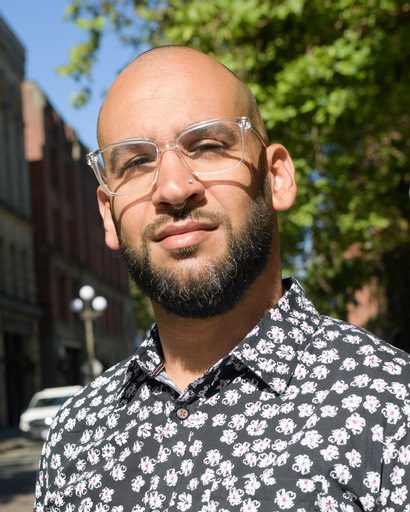
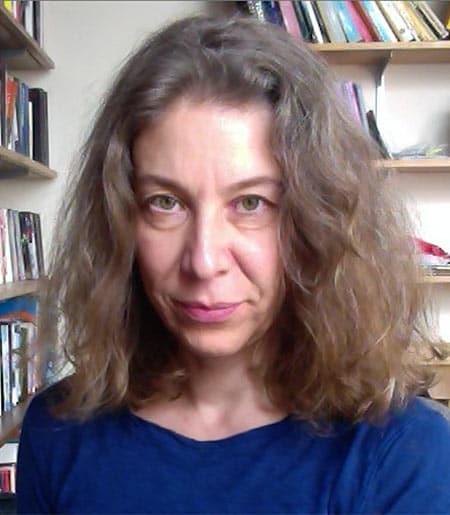
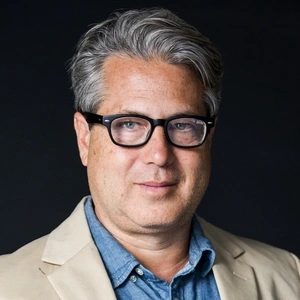
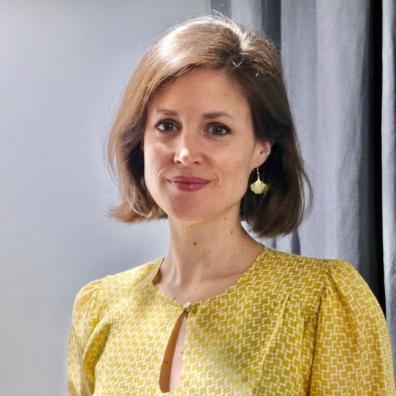
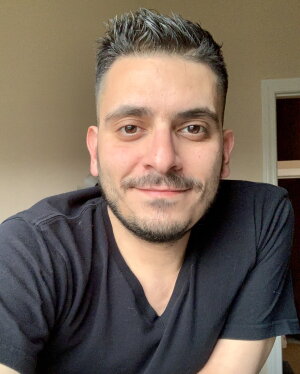
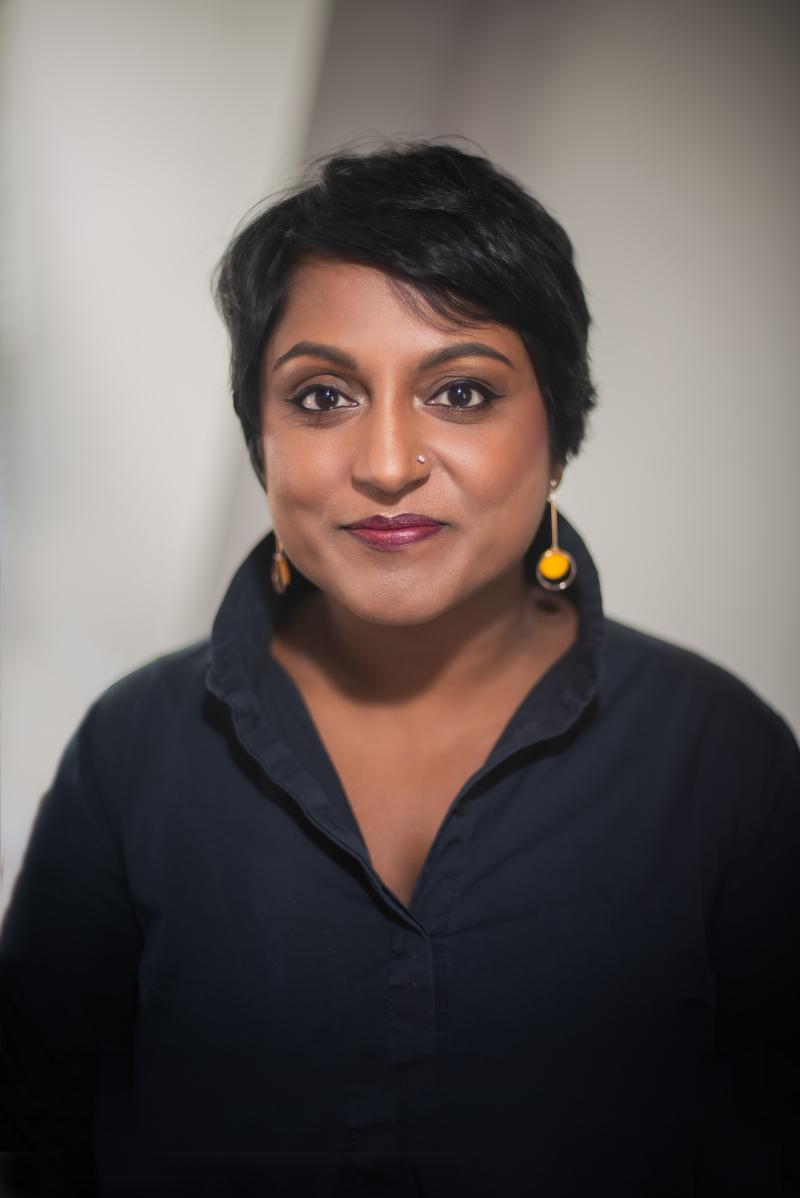
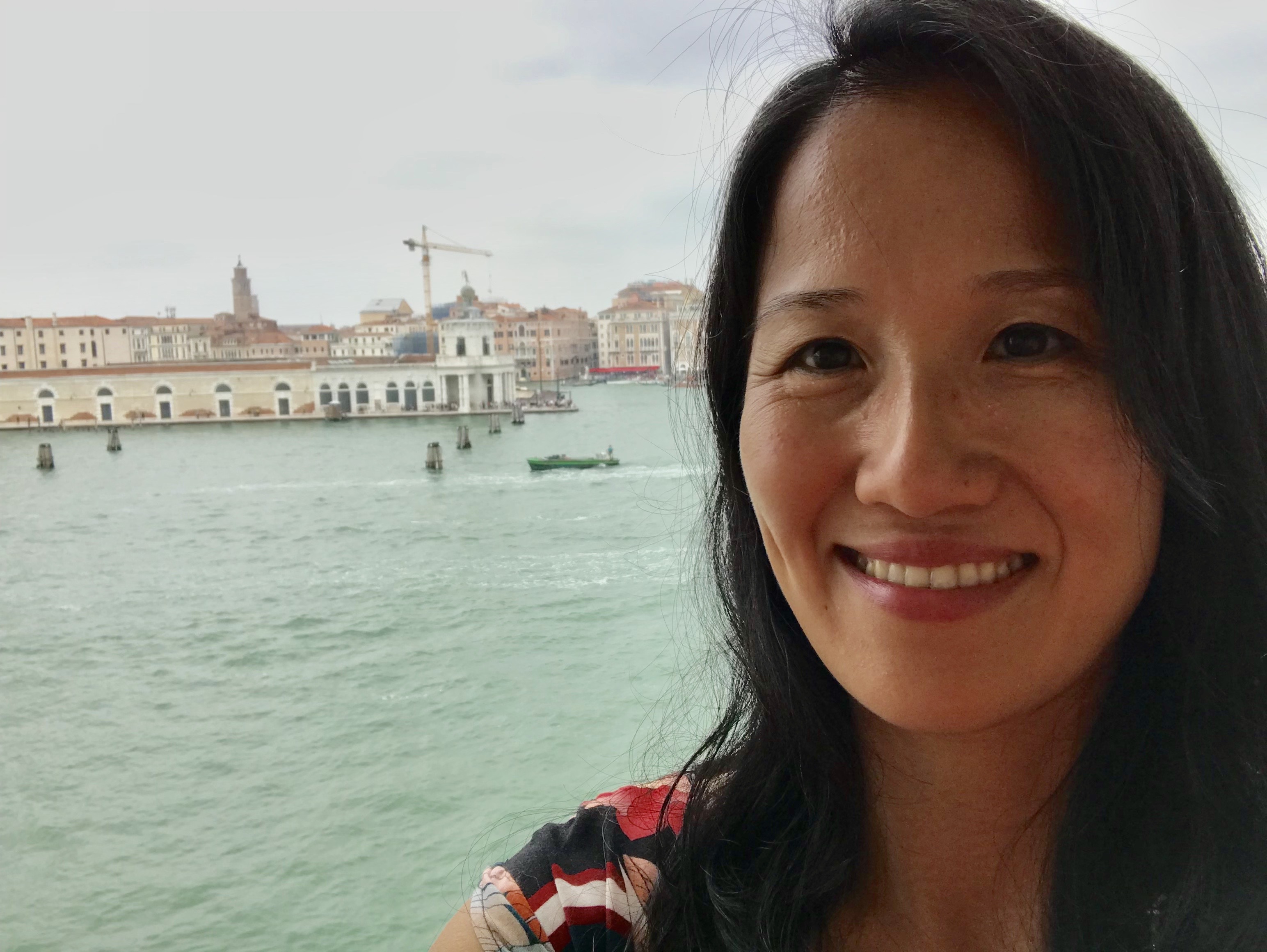
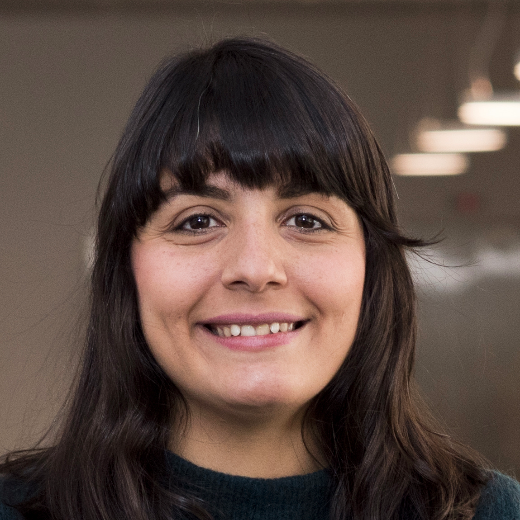
Dr. Bryce Henson is an Assistant Professor in the Department of Communication & Journalism at Texas A&M University, with an affiliation in the Africana Studies Program. He holds a PhD in Communications & Media from the University of Illinois, Urbana-Champaign, focusing on cultural studies and interpretative theory. His research bridges African Diaspora studies, global Black intellectual traditions, and media analysis, with a particular focus on Brazil and the Caribbean. Education: PhD in Communications & Media (Cultural Studies), University of Illinois, Urbana-Champaign Graduate Minor in Latin American & Caribbean Studies Research: Henson examines Black cultural production in Brazil, including hip-hop, urban studies, and marronage/aquilombamento. His book Emergent Quilombos: Black Life and Hip-Hop in Brazil (2023) earned multiple awards, including the NCA Book of the Year Award. Current projects explore Brazilian Carnival’s entanglement with racialized violence and Lélia Gonzalez’s amefricanidade theory to analyze Pan-African connections beyond North America and Africa. Awards: 2024 NCA Critical/Cultural Studies Division Book Award 2024 NCA Ethnography Division Best Book Award 2024 Roberto Reis First Book Prize Honorable Mention Teaching & Grants: Henson teaches courses on Black media, global media, and critical ethnography. He received a 2023 Fulbright Distinguished Chair to research Brazilian Carnival at Universidade Federal da Bahia (2024). He advises students on qualitative methods and social justice research. Professional Roles: Advisory board member for the Association for the Study of the Worldwide African Diaspora (ASWAD), Associate Editor of Transforming Anthropology , and active member of NCA, ASA, and BRASA.
Professor Barbara Pini is a faculty member at Griffith University's School of Humanities, Languages and Social Science , with a focus on rural sociology, gender studies, and media analysis. She holds a PhD from Queensland University of Technology (2001) and an MBA from the University of New England (1997). Research Interests: Pini's work examines rural identities, gender representation in media, disability studies, and affective geographies. Her projects often intersect with Sustainable Development Goals like Gender Equality and Reduced Inequalities , using interdisciplinary approaches to analyze visual culture, policy, and social narratives. Funded Research: She has received grants from the PA Research Foundation (2021-2022) and the Australian Research Council (2011-2017) for studies on emergency care and rural disability experiences. Scientific Awards: Notable grants include the ARC Discovery Projects DP110102719 and PA Research Foundation's 'Rethinking Emergency Medicine' grant. Teaching & Supervision: Pini has supervised over 14 doctoral and master's students at Griffith University, including Hannah Ruth Adler, Marnie Cruickshank, and Laura Rodriguez Castro, across topics like medicinal cannabis, gendered financialization, and decolonial research.
Arnika Fuhrmann is a Professor at Cornell University's College of Arts and Sciences, with appointments in Asian Studies, Comparative Literature, and Feminist, Gender & Sexuality Studies. She specializes in Southeast Asian aesthetic and political modernities through Buddhist and queer frameworks. PhD from University of Chicago (2008) MA from University of Hamburg (1995) Her research intersects Buddhist affect , queer theory , and transnational cinema , focusing on Thailand's cultural production. Key themes include: Ghostly aesthetics as political critique Queer-feminist filmic archives Buddhist-Muslim coexistence models Digital media and political temporality Recent articles examine Hong Kong's queer urbanity, Thai video art, and cross-regional horror film analysis. As associate editor of positions: asia critique , she contributes to academic discourse on Asian cultural theory. Current projects: In the Mood for Texture (Bangkok's Chinese aesthetics) and Digital Futures (media temporality)
Associate Professor Samantha Schulz is a sociologist of education at The University of Adelaide's School of Education, within the Faculty of Arts, Business, Law and Economics. She specializes in educational justice, focusing on First Nations education, race critical theory, affect studies, and gender equity. Her work spans international contexts including Kenya, India, China, and Australia's APY Lands. She is co-convenor of the Pedagogies for Justice Research Group, affiliated with CRESI and the Fay Gale Centre for Research on Gender. As Program Director for the Master of Teaching program, she emphasizes socially engaged pedagogies. Recent research includes the ARC-funded 'Culturally Responsive Schooling' project (2022-24) and studies on gender-based violence in educational settings. Her publications explore decolonial methodologies, critical race theory, and the intersection of affect and pedagogy. Her grants include leadership roles in projects addressing Indigenous sovereignty in education, culturally responsive curriculum design, and restorative practices. Notable collaborations involve UniSA and Open University of Cyprus. She co-edits the Routledge 'Local Global Issues in Education' series and actively publishes on topics ranging from toxic masculinity in academia to anti-racist policy frameworks. Her advising focuses on fostering critical scholarship in Masters and PhD candidates, with research supervision emphasizing justice-oriented educational practices. She leads initiatives like 'Teaching in an era of digital influence' and has contributed to policy discussions on preventing violent extremism in schools. Her work bridges theoretical rigor with practical advocacy for marginalized communities in education systems globally.
H. Gerald Campano is a Professor in the Learning, Teaching, and Literacies Division at the University of Pennsylvania's Graduate School of Education (Penn GSE). He holds ancestral roots in the Philippines and has a decade-long career as a public-school teacher, earning district awards and recognition as a Carnegie Scholar. His work focuses on literacy education, critical ethnic studies, and community-based research methodologies emphasizing participatory approaches and educational justice. Campano leads a research-practice partnership with a South Philadelphia faith-based organization, supported by grants from the Spencer Foundation and the American Educational Research Association. This partnership involves families from diverse backgrounds addressing social inequities and co-creating visions of educational justice. He also collaborates with the University of Guadalajara on transnational literacy education initiatives. Campano has co-edited Research in the Teaching of English and served as president of the National Council of Research on Language and Literacy (NCRLL). His research emphasizes 'epistemic rights,' prioritizing community voices in inquiry. Awards include the David H. Russell Award (2009, 2018), Edward B. Fry Book Award (2017), and a Spencer Mentor Award (2021). Over 35 doctoral dissertations have been directed under his mentorship. Recent projects highlight his focus on community-based research, as seen in his 2024 book Methods for Community-Based Research , which advocates for ethical collaborations and equitable educational arrangements. Campano’s work bridges academia and practice, advocating for marginalized communities’ agency in shaping educational policies.
Hakan Sandal-Wilson is an Assistant Professor of Gender, Peace and Security at the Department of Gender Studies, London School of Economics and Political Science. His research critically examines intersections of gender, sexuality, ethnicity, religion, and conflict in the Middle East, particularly focusing on Kurdish queer/LGBTIQ+ politics and diasporic movements. He is also invested in creative-critical interdisciplinary research methods, co-editing a volume on politically engaged methodologies. Previously, he served at the University of Cambridge as a Teaching Associate and Affiliated Lecturer, and as Campaigns Officer for Amnesty UK’s LGBTI Network. Education : - PhD, University of Cambridge Centre for Gender Studies - MA in Cultural Studies, Istanbul Bilgi University Research Interests : - Queer Studies in Conflict Zones - Kurdish Social Movements - Diasporic Feminist and Queer Activism - Ethnography and Creative Writing Methodologies Publications Trends : His work bridges theoretical inquiries with activism, emphasizing marginalized queer voices in conflict-affected regions. Recent projects include monographs on Kurdish queer politics and co-edited collections on creative-critical interventions for social justice. Awards & Grants : No awards explicitly mentioned, but his work has been translated into multiple languages and featured in outlets such as openDemocracy and Jadaliyya. Advising & Mentorship : No listed advisees, but directs LSE’s MSc Gender and MSc Gender (Research) programmes, teaching courses like GI402 (Gender, Knowledge & Research Practice) and GI413 (Gender, Race & Militarisation). Labs & Collaborations : Co-convened 'Creaction' interdisciplinary workshops at UCL, fostering global creative-critical social justice research.
Delphine Allès is a University Professor at the National Institute of Oriental Languages and Civilizations (INALCO) in Paris, France, where she serves as Vice-President responsible for board of directors, organization and resources. She is a leading scholar in International Relations with a focus on Southeast Asia, particularly Indonesia, and specializes in non-Western approaches to international relations, religion in global politics, and Indo-Pacific security dynamics. Her research interests span multiple interconnected domains: Religion and International Relations Non-Western Approaches to International Relations Diplomacy, Security and Multilateral Cooperation in Southeast Asia (Indonesia / Indo-Pacific) Civilizational Narratives Global International Relations and Area Studies Allès's scholarly work demonstrates a consistent focus on decentralizing International Relations theory through empirical studies of Southeast Asian practices. Her recent publications examine the Indo-Pacific concept, religious diplomacy between Russia and Indonesia, and critiques of Western-centric security frameworks. She has pioneered research on how non-Western civilizations conceptualize international order, particularly through religious frameworks. Professor Allès serves on the editorial boards of multiple prestigious journals including European Journal of East Asian Affairs, Global: Jurnal politik internasional, and Archipel. She is also Scientific manager of the AMI-SHS DECRIPT program focused on crises and civilizational narratives. Her administrative leadership includes membership on the Scientific and Strategic Council of Pôle Asie (MEAE) and the board of the French Political Science Association. Previously, she directed the International Relations department at INALCO (2018-2023) and co-edited the journal Etudes internationales (2021-2024).
Ghassan Moussawi is an Associate Professor at the University of Illinois at Urbana-Champaign holding joint appointments across multiple departments. He serves as Director of Graduate Studies in Sociology while maintaining active roles in Gender and Women's Studies, Anthropology, Unit for Criticism and Interpretive Theory, and the Center for South Asian and Middle Eastern Studies. His interdisciplinary scholarship bridges critical social theory with empirical research on marginalized communities. Education: Ph.D., Rutgers University Moussawi's research program centers on transnational gender and sexualities, empire and coloniality, race and racism, queer of color critique, affect theory, and urban studies. His work critically examines how power structures intersect to shape lived experiences, with particular attention to marginalized communities and liberation movements. His theoretical contributions connect postcolonial studies with contemporary social justice frameworks, developing innovative approaches to understanding complex social phenomena through multi-scalar lenses. His recent publications demonstrate a consistent trajectory examining the intersections of race, gender, sexuality, and empire across multiple geographic contexts. Moussawi's scholarship often employs decolonial frameworks that challenge dominant narratives while centering marginalized perspectives. His work spans book-length projects, journal articles, and handbook chapters that collectively advance understanding of power dynamics in contemporary society. Scientific Awards: Social Problems Theory Division's Outstanding Article Award, Society for the Study of Social Problems, 2025 Conrad Humanities Scholar, University of Illinois (2024-29) Sociologists for Women in Society (SWS) Distinguished Feminist Lecturer Award, 2024 Helen Corley Petit Scholar, College of Liberal Arts and Sciences, University of Illinois, 2022-23 Sociology of Sexualities' Early Career Award, American Sociological Association, 2022 National Women's Studies Association's Gloria E. Anzaldúa Book Prize, 2021 Moussawi has received significant recognition for both his research and teaching excellence. His Multiracial Democracy Grant from the University of Illinois (2018) supported important work at the intersection of race and democracy. He has been repeatedly honored as an outstanding teacher, receiving multiple Teachers Ranked as Excellent and Outstanding awards across various semesters. His students benefit from his expertise in courses such as GWS 201: Race, Gender, Power; SOC 396: Sexuality and Society; and SOC 596/GWS 590: Power, Coloniality, Empire, where he integrates cutting-edge research with critical pedagogy. Moussawi maintains an active scholarly presence through his involvement with the Illinois Global Institute's Center for Global Studies and various research clusters within the university. His work connects with broader intellectual communities through his publications in leading journals, participation in interdisciplinary research initiatives, and engagement with multiple academic associations focused on social justice, gender studies, and critical race scholarship.
Scott Morgensen is an Associate Professor at Queen's University's Department of Gender Studies, specializing in queer and feminist ethnography at the intersection of Indigenous studies, race/ethnic studies, and American studies. He co-founded the Queen's Feminist Ethnography Network (2017) and served as Graduate Chair (2012; 2015–19) during the Gender Studies PhD Program's development. PhD, MA in Anthropology (Women’s Studies concentration), UC Santa Cruz BA in Anthropology, UC Berkeley His scholarship examines intersections between anthropology, ethnography, and queer/feminist politics. Key contributions include foundational work in queer Indigenous studies and Indigenous masculinity studies, as demonstrated in his book Spaces between Us: Queer Settler Colonialism and Indigenous Decolonization (University of Minnesota Press, 2011). Current research explores histories of queer/feminist anthropology through interdisciplinary theories of modernity. Recent publications focus on racial and colonial legacies in sexual social sciences, including a 2024 chapter in Unsettling Queer Anthropology and a 2024 Feminist Keywords entry on heteronormativity. His 2016 work addresses indigenous resurgence within gender studies and colonial contexts for queer imagining. Scientific Recognition 2012 Ruth Benedict Prize – Honorable Mention (Association for Queer Anthropology) As editorial board member of American Ethnologist and former editor roles at American Quarterly (2019–2023) and Journal of Critical Race Inquiry (2014–2017), he contributes to shaping interdisciplinary academic discourse.
Dr. Meera Sabaratnam is an Associate Professor of International Relations at the University of Oxford and a Tutorial Fellow in Politics at New College. She previously held positions at SOAS University of London, the University of Cambridge, and the London School of Economics (LSE), where she earned her MSc and PhD. Her work focuses on the colonial and postcolonial dimensions of world politics, challenging Eurocentric frameworks in International Relations (IR) theory and practice. Education MA in Philosophy, Politics, and Economics (PPE), Balliol College, University of Oxford MSc and PhD in International Relations, London School of Economics (LSE) Her research examines how imperial histories shape contemporary international order, with a particular focus on structural violence , epistemic justice , and anti-colonial resistance . She is currently writing a book titled Complex Indebtedness , analyzing material and moral debts in the liberal international order. Scientific Awards and Grants : Senior Fellowship of the Higher Education Academy Leverhulme Trust Research Fellowship RF-2021-235 Co-investigator for Czech Science Foundation grant (2025-2027) on postcolonial order Previous funding from the Economic and Social Research Council (ESRC) Dr. Sabaratnam co-founded the Colonial/Postcolonial/Decolonial Working Group at the British International Studies Association (BISA) and serves on editorial boards of International Studies Quarterly , Security Dialogue , and Cambridge Review of International Affairs . Her methodological innovations include contrapuntal analysis and histories from below , particularly in studying the Great War's impact on southeast Africa.
Ana Paulina Lee is an Assistant Professor of Writing and Digital Humanities in the Comparative Literature, English, and Creative Writing Department at the American University of Paris. She joined AUP in 2025 after teaching Latin American literature and culture at Columbia University for eight years and serving as a Mellon Postdoctoral Fellow at Tulane University. Her interdisciplinary scholarship bridges literature, history, law, and urban studies with particular focus on marginalized narratives in the Americas. Ph.D. from University of Southern California M.A. from New York University B.A. from Binghamton University Professor Lee's research examines how stories—archival, fictional, oral—shape legal imagination, social life, and urban experience in the Americas. She specializes in the intersections of magic, law, and literature in Latin America, with particular focus on Asian and African diasporas in Brazil. Her work traces how narrative functions as both historical record and catalyst for social transformation, exploring themes of slavery, emancipation, colonial legacies, and urban memory. She approaches these topics through interdisciplinary lenses combining literary analysis with histories of labor, migration, and performance. Lee's recent publications reveal a consistent focus on marginalized narratives and their impact on social structures. Her scholarship connects legal history with cultural production, showing how magical thinking and narrative practices shape urban spaces and social relations. Works like 'Urban Sorcery, Segregation, and Spectacle in Twentieth-Century Rio de Janeiro' and 'Black Magic City' demonstrate her innovative approach to understanding the relationship between occult logics and legal frameworks in Brazilian contexts. Her research on diasporic communities, particularly Chinese and Japanese experiences in Latin America, contributes significantly to transnational and comparative race studies. David B. Larson Fellowship in Health and Spirituality, Kluge Center, United States Library of Congress (2025-2026) National Endowment for the Humanities Fellowship (2025) Social Sciences Research Council, Inaugural Recipient of Interdisciplinary Projects in the Social Sciences (2020-2023) Institute for Ideas and Imagination Fellowship, Columbia University in Paris, France (2021-2022) Provost's Tsunoda Senior Fellowship, Visiting Scholar, Waseda University, Tokyo, Japan (2019) Heyman Center Fellow, The Heyman Center for the Humanities, Columbia University (2017-2018) Fulbright, Lisbon, Portugal (2013-2014) Professor Lee's scholarly activities have been generously supported by major research grants from the National Endowment for the Humanities, the Social Sciences Research Council, and the Library of Congress. Her work demonstrates a commitment to interdisciplinary approaches that bridge humanities and social sciences, particularly through projects examining intersections of race, migration, and cultural production in the Americas. Her publication 'Socially Engaged Oral History Pedagogy Amid the COVID-19 Pandemic' indicates a strong commitment to innovative teaching methods and community-based research. While specific details about current advisees aren't provided, her research program suggests engagement with graduate students interested in diaspora studies, urban history, and literary-cultural analysis. Though not explicitly mentioned in the available information, Professor Lee's research on urban spaces, magic, and law in Brazil likely involves collaborative work with scholars across disciplines. Her participation in centers like the Institute for Ideas and Imagination at Columbia University suggests engagement with interdisciplinary research communities focused on global cultural production and social transformation. Her work contributes to ongoing conversations about how narrative practices shape legal frameworks and social structures in the Americas, particularly regarding racial formation and diasporic experiences.
Secil Ugur Yavuz is a Professor at the Faculty of Design and Arts, Department of Design, at Free University of Bozen-Bolzano. Her academic work spans eco-social design, research through design, and tangible human-technology interactions, with a particular focus on sustainable materials and collective making practices. She teaches courses including Design 3 for the Master in Eco-social Design and doctoral programs in Experimental Research through Design, Art and Technologies. Professor Yavuz's research explores the intersection of analog and digital through tangible human-technology interactions, with significant contributions to sustainable material systems. Her FERAL WOOL project investigates ecological and cultural dimensions of wool, while her work with biomaterials like microbial cellulose and open-source bioreactors addresses circular production systems. She employs embodied and speculative approaches to examine microplastic emissions, children's nature engagement through tools like TREESENSE, and social play with interactive toys. Her recent publications reveal a strong thematic focus on material culture, sustainability, and human-centered design across multiple scales. The research demonstrates consistent exploration of how digital and physical realms interact to create meaningful user experiences while addressing ecological challenges. Key trends include the use of embodied interaction methods, speculative design for cultural critique, and co-creative processes that bridge technological innovation with social and environmental responsibility. Yavuz leads the Design Friction Lab, which investigates the philosophical foundations of design through customizable interfaces and DIY approaches. Her work with doctoral students in Experimental Research through Design emphasizes reshaping technologies through collective making processes. The FERAL WOOL research project represents a significant current initiative exploring sustainable textile futures through both ecological and cultural lenses.
Dr. Holly Doel-Mackaway is an Associate Professor at Macquarie Law School and a leading expert in children's rights, Indigenous studies, and international law. She co-leads the Children’s Rights, Participation and Protection Research Stream in Macquarie’s Faculty of Arts and serves as Co-Editor-In-Chief of the Australian Journal of Human Rights. Her interdisciplinary research focuses on advancing children’s rights globally, with a particular emphasis on Indigenous children’s participation in law and policy development. Dr. Doel-Mackaway holds a PhD in Law from Macquarie University and has extensive international experience with organizations like UNICEF and Save the Children. She teaches courses on Child and Elder Law, International Human Rights Law, and Research Methodologies. Recognized for her teaching excellence, she won the Vice-Chancellor's Learning & Teaching Award in 2021 and was nominated again in 2024. Her research includes groundbreaking work such as the 2022 book Indigenous Children's Right to Participate in Law and Policy Development , which provides a framework for involving Indigenous youth in policy decisions. She leads major grants like the 2024 ARC Linkage Grant on child-centered evidence for social change and collaborates with NGOs and governments across five continents. Key awards include the Macquarie University Executive Dean’s Higher Degree Research Excellence Award (2017) and the Erasmus+ Mobility Grant (2023). She actively participates in international committees like LAWASIA’s Human Rights Committee and advises on child rights in Australia, the Pacific, and beyond. Current research projects include exploring intergenerational policymaking, child protection in the Pacific, and the impact of the Voice to Parliament referendum on Indigenous rights.
Olga Fernández López is an Associate Professor at the Department of History and Theory of Art, Universidad Autónoma de Madrid, and holds a PhD in Geography and History (History of Art) from Universidad Complutense de Madrid (UCM). She collaborates with institutions including Intermediae (Matadero Madrid), CA2M Madrid, and Andalusian Center for Contemporary Art Seville. PhD Curating Contemporary Art, Royal College of Art (2017) PhD in History of Art, UCM Master’s in Cultural Management, Fundación Ortega y Gasset Her research focuses on: History of exhibition models and curatorial practice Contemporary art in Spain and Latin America Visual culture and political philosophy Museum decolonization Recent publications explore: Urban curatorial practices (2016-2021) Postwar European visual culture (2019) Decolonial exhibition strategies (2020) Scientific awards include: Salvador de Madariaga grant (2020) for research at Columbia University Key projects: PUBLISHERS: Publics of Contemporary Art (2019-2021) European Forum for Advanced Practices (2019-2022) Decentralized Modernities: Cold War Art (2018-2020)
Nathaly Carolina Pinto Torres is a Doctoral Researcher at Aalto University's Department of Design, working on critical design interventions for marginalized communities. Since 2020, she has led the "Emergencia de Educación en la Amazonía Ecuatoriana" project, collaborating with indigenous students and Confeniae to develop pictographic communication systems challenging social exclusion. Her research spans: Participatory design with indigenous communities Gender justice in education during crises Epistemic justice in plurinational contexts Visual resistance strategies in Amazonian regions Postcolonial educational frameworks Design for socio-environmental transformation Publication trends show focus on: Visual communication systems for marginalized groups Crisis-driven educational design Decolonial methodologies Intersectional analysis of exclusion Epistemic justice in academia Collective resilience building Scientific recognition includes: Best Demo Award (2021) SENESCYT International Graduate Scholarship (2019) Netherlands Fellowship Programmes (NFP) (2010)