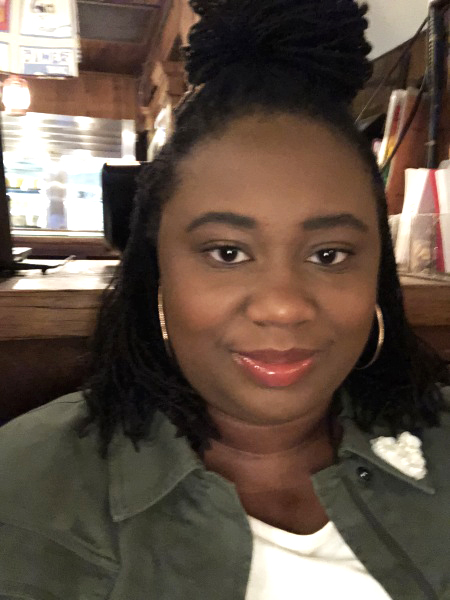
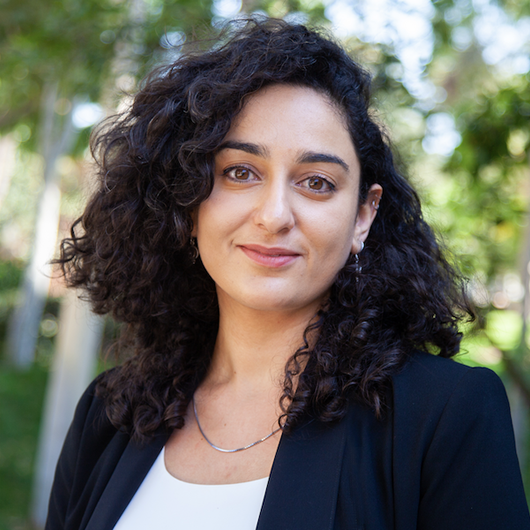
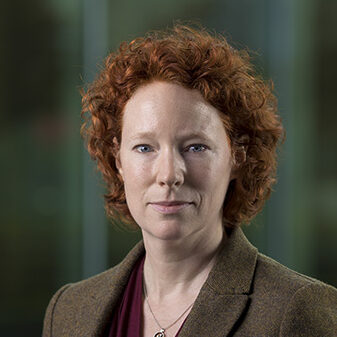
Dr. Cecilia Shelton is an Assistant Professor in the Department of English at the University of Maryland, specializing in Black feminist technical rhetoric at the intersection of cultural rhetorics, digital activism, and antiracist pedagogy. Her scholarship explores how embodied rhetorical practices in Black activism function as technical communication and examines power dynamics in writing classrooms and centers. Shelton's work has appeared in journals including Praxis , Interdisciplinary Journal of Popular Culture and Pedagogy , and Journal of Multimodal Rhetorics . Her research agenda centers on decolonial methodologies in technical communication and their potential to advance equity in educational and workplace contexts.
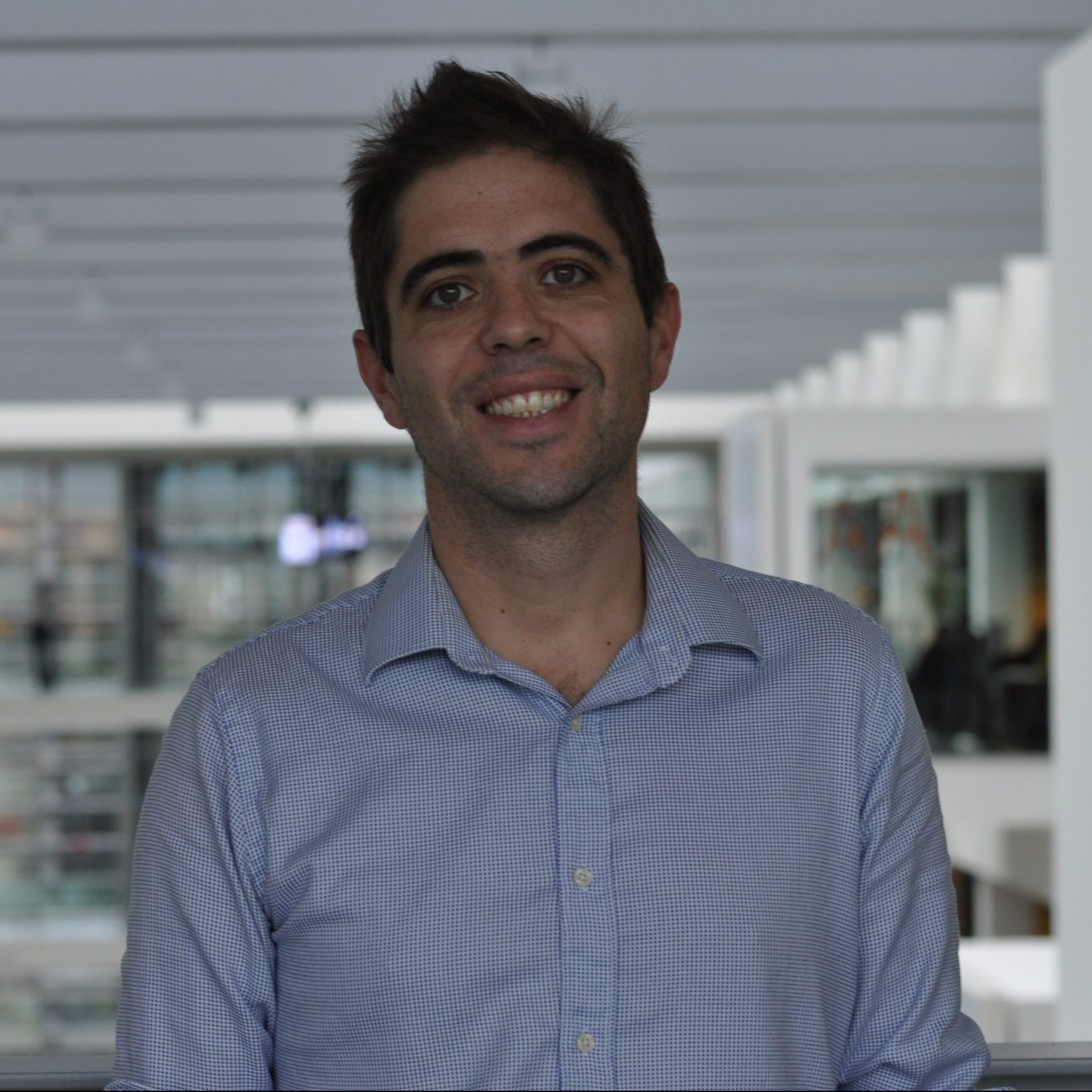
Pedro Ferreira is an Associate Professor at the IT University of Copenhagen, specializing in interdisciplinary research at the intersection of technology and human experience. His work critically examines digital technologies' societal impacts, particularly in global development contexts and everyday cultural practices. Research focuses on ICT4D (Information and Communication Technologies for Development), affective health, mobile technologies, and repair cultures. Notable themes include postcolonial perspectives in technology design, digital disconnection practices among cyclists, and the role of play in technological interventions. Ferreira's studies often combine ethnographic methods with critical theory to analyze how technologies shape and are shaped by human behaviors. His publications explore topics ranging from algorithmic systems critique to sustainable mobility practices, emphasizing marginalized voices and alternative technological pathways. While no formal awards are listed, his work demonstrates significant contributions to rethinking technology's role in global contexts. Ferreira advises students including Simy Kaur Gahoonia and Nanna Gorm, fostering research in mobile life studies and development informatics.
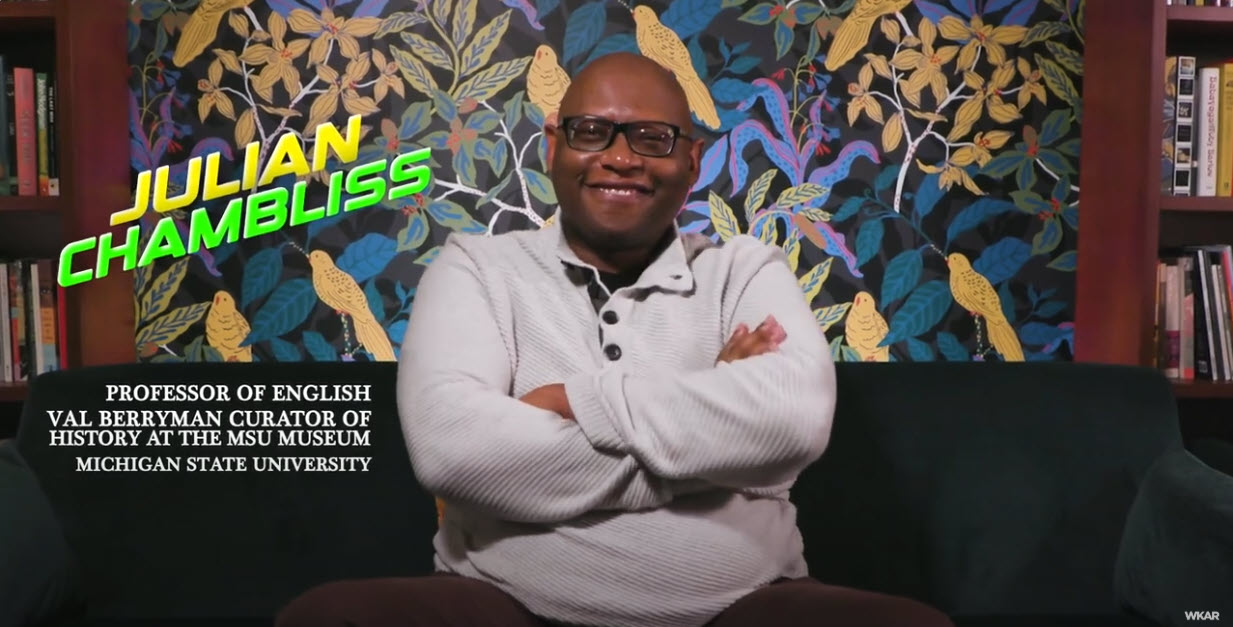
Dr. Julian Chambliss is Professor of English and Val Berryman Curator of History at Michigan State University, where he co-directs the Digital Humanities and Literary Cognition Lab. His interdisciplinary scholarship examines race, culture, and power through Afrofuturism, comics studies, and urban history. His recent publications analyze Black speculative practice, comic book representation, and digital humanities methodologies. Exhibition work includes Beyond the Black Panther: Visions of Afrofuturism (MSU Museum) and documentary production ( Afrofantastic for WKAR PBS). His research engages digital projects like Comics as Data North America and Critical Fanscape, mapping comic culture through library metadata analysis.
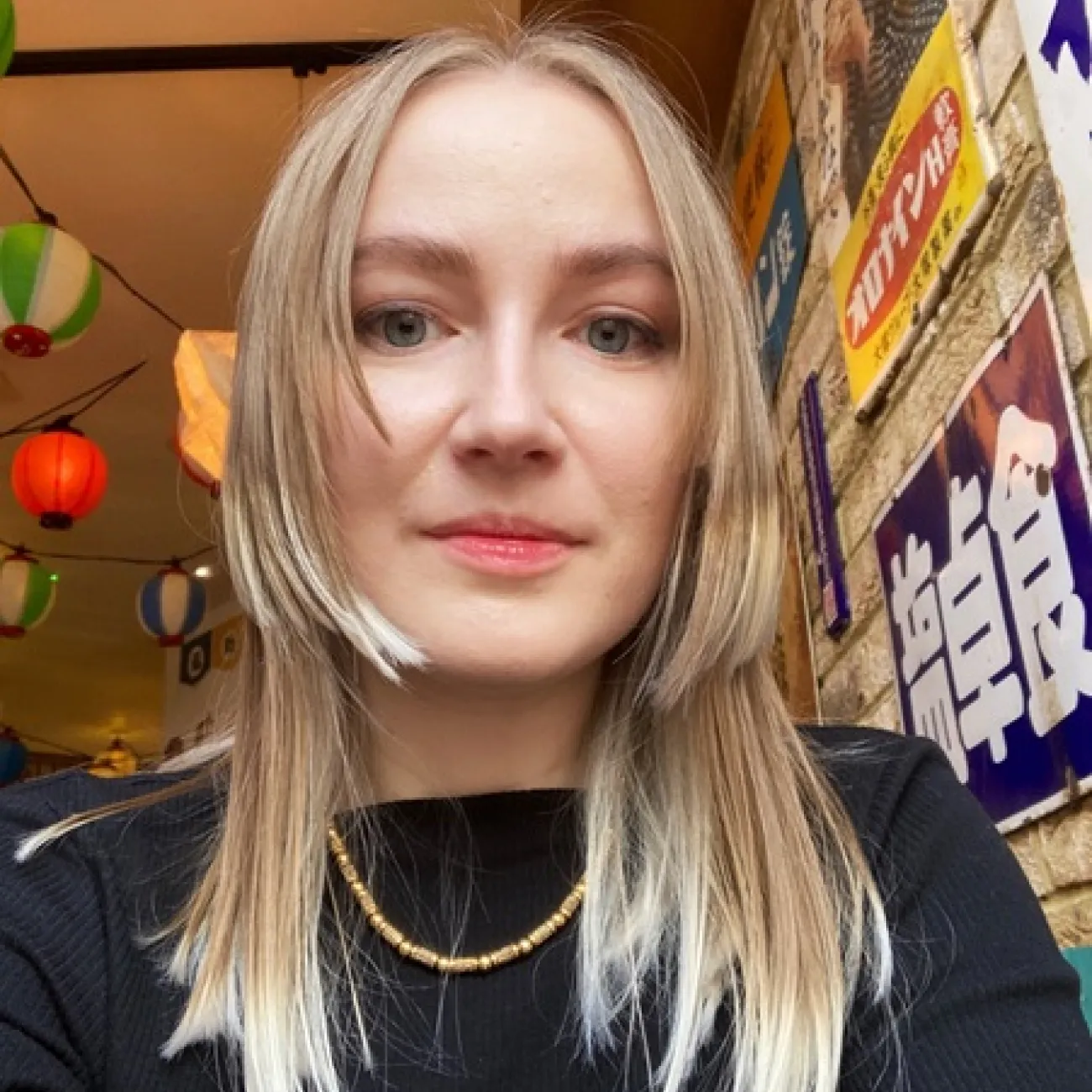
Alpana Sivam is a Senior Lecturer at the School of Art, Architecture and Design within UniSA Creative at the University of South Australia. Her work focuses on urban sustainability, ageing in place, and cultural heritage conservation. She has conducted research on age-friendly housing, accessibility in urban environments, and the socio-ecological impacts of green spaces. Key affiliations include the Australian Research Centre for Interactive and Virtual Environments (IVE). Her research explores interdisciplinary topics such as spatial configuration's role in social sustainability, heritage site valuation in Nepal, and urban density's impact on community interaction. Notable collaborations involve projects in Adelaide, Kathmandu Valley, and Malaysia. She has contributed to over 30 peer-reviewed publications, emphasizing practical solutions for equitable urban development and policy frameworks. Current research trends highlight her focus on: (1) built environment amenities for ageing populations, (2) green space planning for socio-ecological resilience, (3) Indigenous architectural relationality, and (4) cross-cultural urban design principles. Her work bridges theory and practice through mixed-methods approaches combining spatial analysis, ethnography, and stakeholder engagement.
Dr. Alice Beazer is a Postdoctoral Researcher and Lecturer at the Technical University of Munich (TUM), specializing in Journalism Studies, Political Communication, and Social Movement Studies. She holds a PhD in Science, Technology and Society from TUM, with a doctoral thesis titled "Solidarity in and through Journalism" (July 2024). Her research examines solidarity practices in journalism, intersectional approaches, and decolonial theories. She teaches courses on qualitative interviewing and social science research design at the Hochschule für Politik München (HfP). Education: Bachelor's in Human Geography, University of Sheffield Master's in Political Science, Pompeu Fabra University Master's in Social Sciences, Humboldt University Berlin Research Focus: Alice's work analyzes media representation of marginalized groups, particularly migrant women during the pandemic. She employs qualitative methods to explore how journalists navigate solidarity and ethical reporting. Her studies intersect with decolonial frameworks and computational methods for multilingual analysis. Recent Work Trends: Her publications emphasize intersectional analysis, pandemic-era communication, and methodological innovation. Key themes include empathy in media portrayals and strategic approaches to minority representation. Awards: Vera Troeger Scholarship (2023), Leverhulme Trust Studentship (2019) Grants: Part of Prof. Stefanie Walter's Emmy Noether Research Group Advising: Mentor for students in qualitative research methods Labs/Teams: Member of TUM's Science and Crisis Communication group, contributing to interdisciplinary research on media and social justice.
Dr. Alexandra Anikina is a Senior Lecturer in Media Practices at Winchester School of Art (University of Southampton) and Programme Co-Lead for MA Global Media Management. She co-directs the Critical Infrastructures and Image Politics research group and is affiliated with the Centre for the Study of the Networked Image. Her research focuses on algorithmic visual culture, feminist science and technology studies, and the intersection of media arts with critical theory. Her academic journey includes post-doctoral work at New Sorbonne University Paris 3 (2021–2022) and prior teaching roles at Goldsmiths, King’s College London, and London South Bank University. She co-edited Cosmic Shift: Russian Contemporary Art Writing (TLS Book of the Year 2017) and co-curated the IMPAKT 2018 media art festival. As an artist, her experimental films and lecture-performances have been exhibited globally, including at the Moscow Biennale and Haus der Kulturen der Welt. Current research explores procedural images, techno-animism, and post-socialist necropolitics. She supervises PhD students in Fine Art and Design, focusing on topics like digital aesthetics and media governance. Her recent publications analyze algorithmic platforms, affective labor in digital spaces, and AI imaginaries through a feminist and decolonial lens.
Sulafa Zidani is an Assistant Professor of Communication Studies at Northwestern University's School of Communication. She also holds an affiliation with Northwestern Qatar's Institute for Advanced Study in the Global South. Previously, she was an Assistant Professor of Global Civic Media at MIT. Her research focuses on internet cultures in the Global South, transnational youth strategies, and digital activism across geopolitical contexts. She is affiliated with critical internet studies, global communication, and media cultures in the Global South. Education: B.A. (Dual-Major) in Asia Studies and Communication and Journalism, Hebrew University of Jerusalem (2009) M.A. in Asia Studies and Communication and Journalism, Hebrew University of Jerusalem (2015) M.A. in Communication, University of Southern California Annenberg School (2019) Ph.D. in Communication, University of Southern California Annenberg School (2021) Research Interests: Internet cultures in the Global South Transnational youth digital strategies Algorithmic discrimination and digital surveillance Civic imagination in social movements Critical pedagogy and decolonial methodologies Media literacy and misinformation Her recent articles highlight themes like algorithmic resistance, Palestinian digital activism, and meme-based civic engagement. She emphasizes justice-informed media practices through her scholarship and public engagements. Awards: Teaching Award for 'Studying Internet Culture' (Annenberg School, USC) Public Engagement: Editorial board member of Pop Junctions Workshops on antiracist facilitation for organizations like NowThis and The Onion Global speaker at venues across the U.S., Palestine, Egypt, China, France, and Qatar Labs/Teams: Co-editor of The Intersectional Internet II anthology and leads interdisciplinary research on digital cultures in contested geographies.
Sharath Chandra Ramakrishnan serves as Assistant Professor at the University of Illinois Urbana-Champaign with dual appointments in the School of Art and Design and School of Information Sciences. His research pioneers multimodal cognitive media interfaces that augment human perception through auditory and haptic systems, challenging conventional approaches to assistive hearing technologies and cultural heritage representation. Education: M.S. in Artificial Intelligence, School of Informatics, The University of Edinburgh Ph.D. in Arts, Technology and Emerging Communication, School of Arts and Humanities, The University of Texas at Dallas Research Trajectory: Dr. Ramakrishnan's work critically interrogates the oralist history embedded in hearing disability frameworks through transdisciplinary integration of cognitive psychology, sound studies, and media arts. His socio-technical design methodology creates interfaces that transcend visually dominant paradigms, particularly in virtual environments and auditory display systems for cochlear implant users. Current projects explore ecological soundscapes as sites for interspecies communication and aural diversity. Publication Themes: Recent outputs (2024-2025) reveal three convergent trajectories: 1) Ecological sound archives as political spaces (e.g., 'Parliament of NonHuman Listeners'), 2) Temporal auditory displays for accessibility ('Temporal Imagery for Aural Diversity'), and 3) Art-science syntheses in environmental contexts ('Resonant Timekeepers'). These consistently bridge technical innovation with critical disability studies and decolonial sound practices. Professional Network: His community technology activism spans 15+ years, including co-founding the Center for Internet and Society's policy lab in Bangalore and collaborations with HONF Foundation (Indonesia), Bricolabs, and Plato Hedro (Colombia). As amateur radio operator VU3HPA, he executes 'transmission art' projects that materialize electromagnetic spectra as public engagement platforms. Research Infrastructure: Current work extends pre-doctoral cultural heritage informatics at Edith O'Donnell Institute (Oplontis Villa project) and National Institute of Mental Health/Neurosciences collaborations on multimodal cognition funded by India's Department of Biotechnology. His lab integrates critical making practices with grassroots technology networks across South Asia and South America.
Cana Uluak Itchuaqiyaq (she/they) serves as Assistant Professor of Professional and Technical Writing in the Department of English within Virginia Tech's College of Liberal Arts and Human Sciences. Their scholarship bridges technical communication, digital humanities, and Indigenous knowledges to interrogate systemic marginalization in academic and institutional practices. Research interests center on decolonial approaches to technical communication through critical race theory, data justice, and Arctic research ethics. Their work develops practical frameworks for respectful engagement with marginalized communities, particularly focusing on Indigenous data sovereignty and ethical research protocols. Key contributions include the MMU Scholar Database for citation justice and the Equitable Arctic Research Guide addressing NSF's tribal consultation requirements. Recent publications reveal consistent thematic focus on dismantling extractive practices in technology and research. Articles demonstrate expertise in applying FAIR/CARE data principles against large language model exploitation, designing community-led digital archiving (The Rematriation Project), and developing cultural humility frameworks for community-engaged research. Their scholarship consistently centers Indigenous methodologies while addressing contemporary challenges in AI ethics and climate science. Through their blog and public scholarship, Itchuaqiyaq actively promotes antiracism initiatives in technical communication curricula and advocates for equitable inclusion of Indigenous peoples in Arctic science. They provide practical resources like the free Equitable Arctic Research Guide and the 'Which Arctic Research Superhero Are You?' quiz to operationalize decolonial principles in research practice.
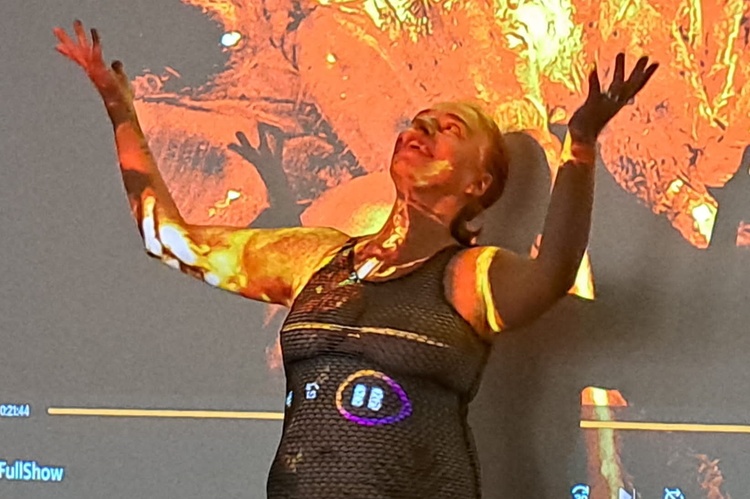
Praba Pilar is an artist-scholar and Adjunct Assistant Professor in the Critical Studies Program at California College of the Arts (CCA). With a PhD in Performance Studies from UC Davis and a BA in Intermedia Arts from Mills College, she brings a rich interdisciplinary background to her teaching and creative practice. She has previously taught at UC Davis, the University of Winnipeg, and the Summer Institute of Performance Studies at Northwestern University. PhD in Performance Studies, UC Davis BA in Intermedia Arts, Mills College Post-Doctoral Fellowship in Digital Humanities, University of Winnipeg Her research and artistic work critically engage with the 'Cult of the Techno-Logic,' focusing on artificial intelligence, bioart, decolonial media, and multispecies ethics. Pilar’s practice spans live performance, digital installations, participatory workshops, and critical writing. Central projects include Queercornu(c/t)opia , The Techno-Tamaladas , and Larval Rock Stars , all of which challenge dominant technological narratives through feminist, queer, and Latinx perspectives. The 15 most recent articles and exhibitions reflect a consistent focus on decolonizing technology, embodied resistance, and the ethical dimensions of AI and biotech. Her work integrates performance, critical theory, and community engagement to question the social, racial, and environmental impacts of technological systems. Recurring themes include posthumanism, digital colonialism, and the reimagining of technological futures through marginalized epistemologies. Her awards highlight recognition across art, social practice, and humanities: 2025–2027 HUMAN Fellowship and Residency 2024 TTT Feral BioArt Residency 2022 Memes as Social Practice Residency 2021 Cultura Power Fellowship 2020 Community Rapid Response Award 2019 Local Impact Award (California Arts Council) City of Emeryville Community Grant Puffin Foundation Award Creative Work Fund Award Potrero Nuevo Fund Award Two Rockefeller Award nominations Pilar is actively involved in collaborative and advisory roles, including Co-Director of the Bioarts Ethical Advisory Komission and Emeritus Board Member of Women Eco Artists Dialogue. She has secured grants from the National Endowment for the Arts, Headlands Center for the Arts, and MACLA, supporting community-based and experimental art projects. Her work is widely exhibited in museums, galleries, and digital platforms globally. She leads workshops and participates in international symposia, including events at the Hemispheric Institute of Performance and Politics, College Art Association, and Society for Literature, Science, and the Arts. Her lab-like collaborative frameworks—such as Larval Rock Stars and Los Cybrids —function as interdisciplinary teams merging art, science, and activism to explore posthuman futures.
Genoveva Vargas-Solar is a senior scientist at the French National Centre for Scientific Research (CNRS), affiliated with the DataBase group at the Laboratory on Informatics on Image and Information Systems (LIRIS), Lyon, France. She is a member of the Mexican Academia of Computing (AMEXCOMP), the EDBT Endowment, BDA, ADBIS steering committees, and the SIGMOD executive board. She serves as Gender Equity Officer at LIRIS and Equity and Diversity contact for U. Claude Bernard Lyon 1. Her research focuses on service-based database and data science management systems, with emphasis on data science workflows, graph-based queries, and Service Level Objective (SLO)-driven systems. She works on query evaluation methodologies and tools for deploying data science functions on just-in-time architectures across ARM, Raspberry Pi, clusters, cloud, and HPC environments. Her work spans both fundamental and applied research in data-centric computing. She is a leader in Diversity, Equity, and Inclusion (DEI) in STEM, coordinating the interconference DEI initiative for major database conferences and serving as DEI liaison for the EDBT Endowment. She co-organizes the W-STEM forum at AICCSA and the DS4EIW workshop at IEEE Big Data. Her DEI research includes projects like SINFONIA, FRIENDLY, and JOWDIDSeAI, which examine gender dynamics in AI and computing careers and promote data-driven equity strategies. She has supervised numerous PhD students and postdoctoral fellows from institutions in France, Mexico, Brazil, Switzerland, and Uruguay. Her educational background includes dual PhDs in Computer Science (University Joseph Fourier, 2000) and Literature (University Stendhal, 2015), along with a Habilitation à Diriger des Recherches (2014) from the University of Grenoble-Alpes. President, Mexican Society of Computer Science (2007–2009) Deputy Director, French-Mexican Laboratory of Informatics and Automatic Control (LAFMIA) (2008–2020) Member, HADAS group, Informatics Laboratory of Grenoble (LIG) until October 2020 Advisory Board Member, European Network SPIDER (EU LAC Digital Partnership) Participant, European project Gender STI (CNRS partner group) She has led multiple research projects including GALILEAN, ADAGEO, DOING, SUMMIT, SINFONIA, JOWDIDSeAI, LETITIA, and FRIENDLY. She is also involved in activist work with the Tierra Común group and promotes initiatives such as W-Lead@STEM.
Gabriel L Aguilar is an Assistant Professor in the Department of English at The University of Texas at Arlington, where he contributes to the fields of technical and professional communication. His work bridges writing, technology, and social justice, with a focus on borderlands, translingualism, and the impact of artificial intelligence on marginalized communities. Education: PhD in English, Pennsylvania State University, 2024 MA in English, Pennsylvania State University, 2020 BA in Writing and Rhetoric, The University of Texas at San Antonio, 2018 Dr. Aguilar’s research explores how communication technologies shape and are shaped by cultural, linguistic, and socioeconomic contexts—particularly in Latine and border communities. Drawing from posthumanism, Chicano studies, and public health, his interdisciplinary approach investigates AI ethics, digital scams, humanitarian translation apps, and invisible labor in AI systems. His teaching emphasizes career-aligned writing, preparing students for diverse professional fields including healthcare, law, education, and nonprofits. His recent publications and conference presentations reveal a strong trajectory in critical technical communication, with recurring themes in AI and equity, translingual practice, and the rhetorical design of technology. He is especially active in exploring how generative AI affects underserved populations and how technical communicators can respond ethically. Scientific Awards and Recognitions: Advisor Excellence Award Nominee, UTA (2025) Lufkin Best Paper Award, IEEE ProComm (2025) Fellow, Health Policy Research Scholars Program, Robert Wood Johnson Foundation Dr. Aguilar advises graduate students, including Pacificah Marita, and is deeply involved in academic service. He serves on multiple departmental committees, including Graduate Studies and Research, and is an Editorial Review Board Member for Technical Communication Quarterly . He also reviews for leading journals such as College English and Computers and Composition . His commitment to mentorship and public scholarship is evident in his presentations on resume writing and research voice at Hispanic Serving Institutions. He is building a research program that connects technical communication with public health, social justice, and emerging technologies, positioning him as a vital voice in contemporary rhetorical and technological studies.
Linnet Taylor is a Full Professor of International Data Governance at Tilburg University’s Tilt Institute for Law, Technology and Society. Her work focuses on data justice, examining how digital data shapes political representation, economic opportunity, and rights worldwide. She led the ERC-funded Global Data Justice project (2018–2023), analyzing global perspectives on just data governance. Previously, she held roles at the University of Amsterdam and Oxford Internet Institute. Taylor advises the UN and Dutch State Commission on Discrimination and Racism, and is an associate researcher at the University of Johannesburg’s African Centre for Epistemology and Philosophy of Science. Education: DPhil in International Development from the University of Sussex (2008–2012). Postdoctoral research at the Oxford Internet Institute (2012–2014) and University of Amsterdam (2014–2016). External Roles: Advisory Board Member, United Nations (2025–2026); Member, Dutch State Commission against Discrimination and Racism (2024–2026); Co-Investigator on multiple EU-funded projects, including ALGOSOC (2022–2032) and Digital Legal Studies (2019–2025). Research Interests: Data governance, AI ethics, migration technologies, and decolonial governance models. Her work bridges law, technology, and social justice, advocating for inclusive frameworks that address global inequities. Grants & Projects: Over €10M in research funding, including ERC grants and EU Horizon 2020. Key projects include Sector Transgressions (2022) and Reconfiguring Data Governance (2024). Labs/Teams: Leads the Global Data Justice research group and collaborates with interdisciplinary teams on AI ethics and humanitarian data partnerships.
Wouter Weeda is an Assistant Professor in fMRI methodology and statistics at Leiden University's Faculty of Social and Behavioural Sciences. His research focuses on developing advanced methods for analyzing fMRI data and implementing these in statistical software like R. He holds a Masters (2006) and PhD (2012) from the University of Amsterdam, specializing in Statistical Methods and Neuroscience. His work bridges computational neuroscience and educational technology, with recent publications examining decolonization in digital learning, postdigital education frameworks, and methodological innovations for health interventions. Articles highlight his expertise in statistical modeling, neural oscillations, and cross-cultural educational challenges, particularly in regions affected by crisis or technological disparities. Key trends in his publications include: Decolonizing EdTech practices in Palestine and Sub-Saharan Africa Validating health intervention tools like ZIKAMOB Analyzing bias-variance tradeoffs in statistical models Investigating neural responses to social evaluative threats Wouter collaborates with institutions like EdTech Hub and contributes to open-access research, emphasizing methodology's role in addressing global educational and health challenges.
Jesse Haapoja is a Visiting scholar at the University of Helsinki's Faculty of Social Sciences, affiliated with the Helsinki Social Computing Group. His research critically examines algorithmic systems within digital media ecosystems, focusing on societal implications of content personalization, political discourse, and ethical frameworks in Nordic contexts. Haapoja's scholarly work centers on the intersection of technology and social practice, investigating how algorithms shape user autonomy, journalistic ethics, and moral orders in social media environments. His methodology blends qualitative analysis with participatory design interventions, evidenced by card-based workshops exploring algorithmic imagination. Key contributions address the tension between platform governance and user agency, particularly in Finnish media landscapes and political communication spheres, while emphasizing decolonial perspectives in critical algorithm studies. Analysis of his recent publications (2020-2025) reveals consistent thematic evolution toward practical interventions for algorithmic accountability. His output bridges communication theory, human-computer interaction, and media sociology, with increasing emphasis on co-design methods to challenge 'crisis of imagination' in technology development. Notable trends include Nordic-specific critiques of personalization systems and ethnographic examinations of how users navigate algorithmic constraints in political discourse. Haapoja actively contributes to major collaborative projects including 'Digital Ideologies' (2021-2026) interrogating information system politics, 'Targeted Journalism' (2021-2023) analyzing ethical blindspots in news personalization, and 'HYBRA' (2016-2019) studying racism in hybrid media environments. His conference participation spans six events since 2023, including Westermarck Society Annual Conferences and Media Research Days, where he presents interdisciplinary findings on algorithmic morality and platform governance. As a core member of the Helsinki Social Computing Group, Haapoja engages in cross-institutional collaborations across Europe, contributing to critical technology studies through empirical research on everyday algorithmic experiences. His work consistently challenges deterministic narratives about technology while developing tangible design tools for fostering critical engagement with algorithmic systems.