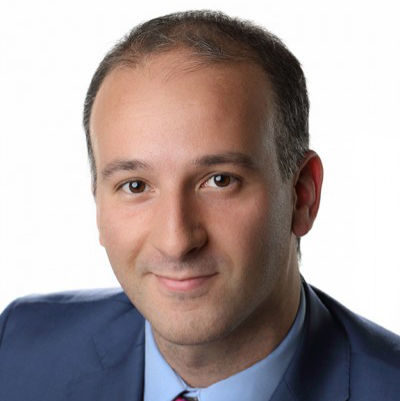
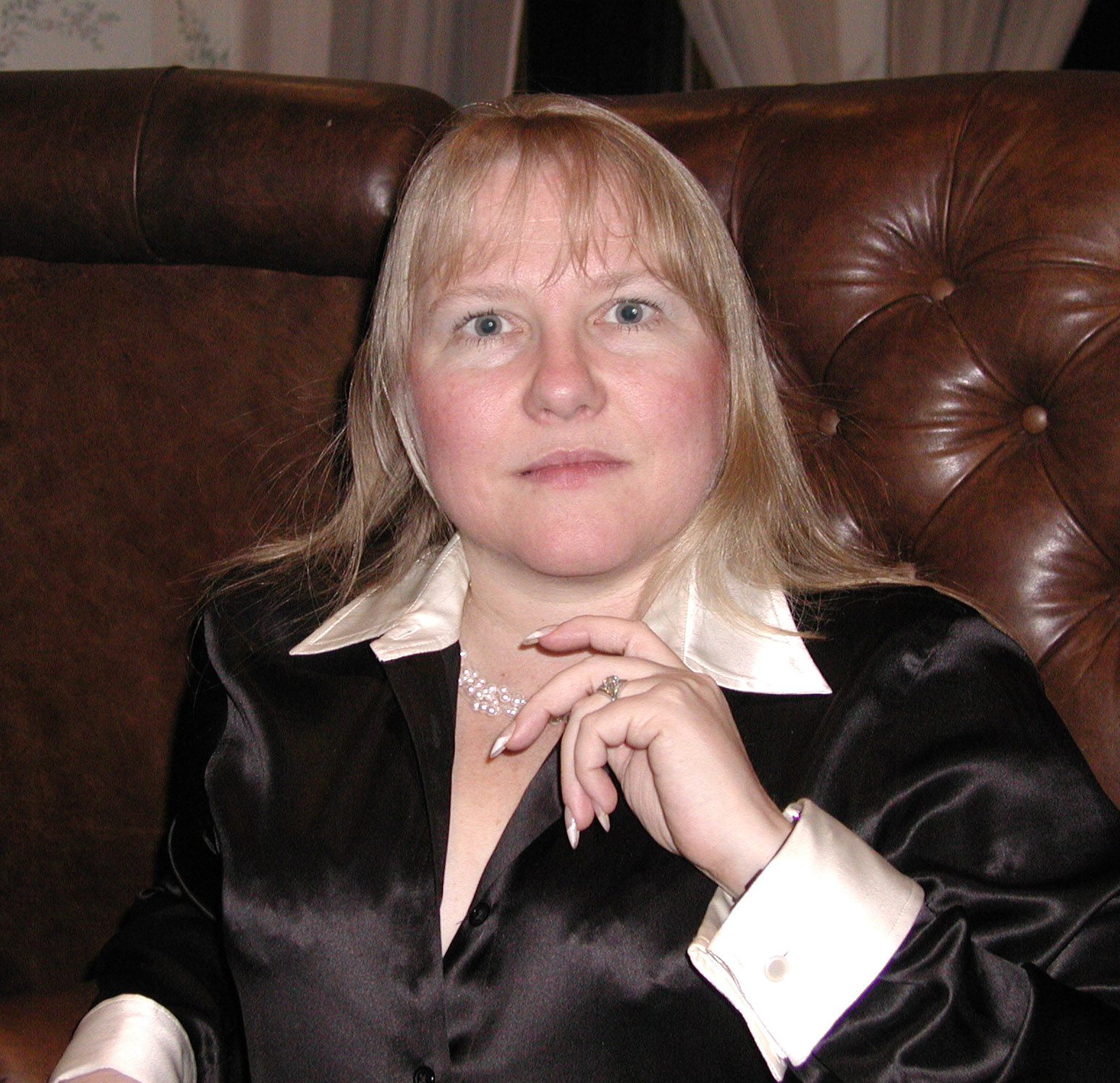
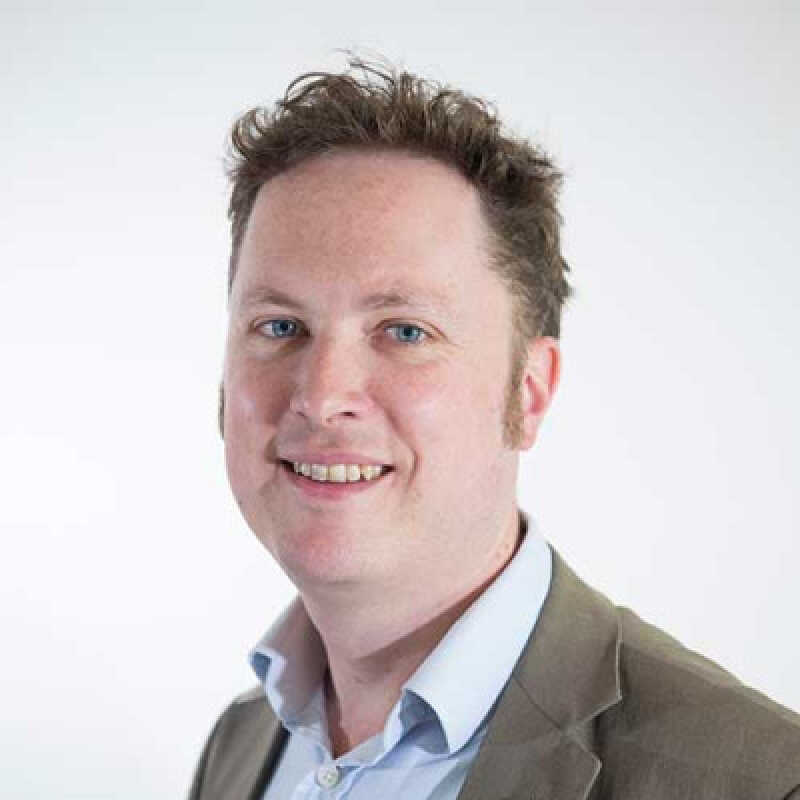
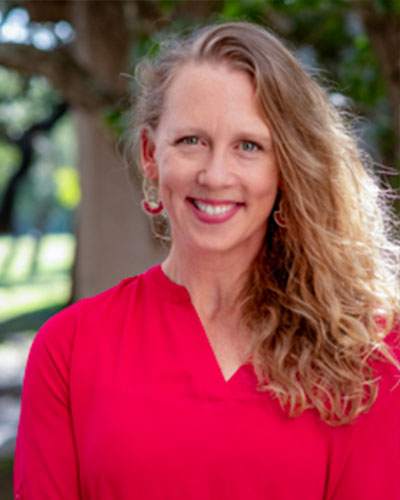
Ajmal Mian is a Professor of Computer Science at the University of Western Australia (UWA), affiliated with the School of Physics, Maths and Computing. He holds an Australian Research Council Future Fellowship (2022) and leads research in Artificial Intelligence, Computer Vision, and Machine Learning. His work focuses on 3D computer vision, adversarial AI defense, and explainable AI. His research interests include 3D point cloud analysis, face recognition, human action recognition, and remote sensing. He has published over 300 papers and secured major grants from ARC, NHMRC, and DARPA, totaling millions in funding. He has supervised 29 PhD students and mentored 12 postdoctoral researchers. Key projects include 3D diffusion models for scene generation, robust 3D vision systems, and defense against AI deception attacks. He serves as a fellow of IAPR, an ACM Distinguished Speaker, and has editorial roles at IEEE Transactions on Neural Networks and Pattern Recognition. Research Awards: HBF Mid-Career Scientist of the Year, West Australian Early Career Scientist of the Year, IAPR Best Scientific Paper Award. Grants: ARC Discovery Projects, National Intelligence & Security Discovery grants, DARPA grants for AI security. His teaching spans computer vision, machine learning, and programming courses. Collaborations include defense, medical, and agricultural applications.
Professor Peter Banks is a prominent academic in Conservation Biology at The University of Sydney's School of Life and Environmental Sciences. His research focuses on developing humane solutions to invasive species impacts, particularly through understanding predator-prey dynamics and behavioral interventions. He has held roles including Treasurer of the Royal Zoological Society of NSW and editorial board memberships at journals like Oecologia. Education: PhD (2004, University of Sydney), BSc (1991, University of Sydney). His career includes positions at UNSW and University of Turku (Finland). Research interests span animal behavior, ecology, and conservation strategies. Research Themes: Animal behavior and ecophysiology, ecology and evolution, wildlife conservation. Collaborations include projects with Finland’s University of Turku on predator-prey deception and New Zealand’s Landcare Research on pest management. Recent publications emphasize olfactory misinformation tactics, urban tick ecology, and predator learning mechanisms. His work bridges behavioral ecology with applied conservation, exploring innovative methods to mitigate wildlife conflicts.
Professor Andrew Chadwick is a leading scholar in political communication and digital media studies at Loughborough University, where he directs the Online Civic Culture Centre (O3C). He holds a BSocSc from Birmingham, MSc and PhD from the London School of Economics. His research focuses on hybrid media systems, disinformation dynamics, and digital politics. Key contributions include conceptualizing hybrid media events and analyzing misinformation in personal messaging platforms. His work has been recognized with prestigious awards, including the APSA Best Book Award. He supervises numerous PhD students exploring topics like social media influence, public opinion, and digital disinformation. Current projects include the Leverhulme-funded Everyday Misinformation Project examining numerical disinformation on messaging apps. His media engagements span BBC Radio 4 to The Washington Post. Research highlights include studies on misinformation warnings' ineffectiveness, vaccine hesitancy, and the role of celebrities in political representation. O3C serves as a hub for interdisciplinary research on digital civic culture. Chadwick’s academic leadership includes roles in editorial boards for top journals and international conference keynotes.
Bram Duivenvoorde is an Associate Professor at the Molengraaff Institute for Private Law , Utrecht University , specializing in advertising law , consumer law , and e-commerce . He holds a PhD from the University of Amsterdam (2014) and combines academic research with practical legal experience, including roles as an attorney-at-law at Hoogenraad & Haak (2014-2020) and interim legal counsel at Heineken International (2018). His work focuses on digital society , personalized marketing , and AI regulation in consumer contexts. Education : PhD (UvA, 2014), LLM (Utrecht, 2009), LLB (Utrecht, 2007) Key Research Areas : Advertising Law, Consumer Law, Digital Regulation, EU Law, Personalized Marketing Recent publications analyze generative AI , deepfakes , and DSA compliance , emphasizing consumer protection in evolving digital landscapes. He supervises PhD candidates Thijs Kelder and Jorn Torenbosch and leads the LLM Honours Programme . Duivenvoorde contributes to European consumer law through RENFORCE initiatives and serves as Editor for journals like Intellectuele Eigendom en Reclamerecht .
Dr. Emilio Ferrara is a Professor of Computer Science & Communication at the University of Southern California, holding appointments in the Viterbi School of Engineering, Annenberg School for Communication and Journalism, and Keck School of Medicine. He serves as Associate Director of Applied Data Science at USC, Research Team Leader at the USC Information Sciences Institute, and Principal Investigator at the USC/ISI Machine Intelligence and Data Science (MINDS) group. His educational background includes a PhD in Machine Learning and BSc & MSc in Computer Science. Ferrara's research focuses on the intersection of artificial intelligence and computational social science, specifically using AI to model and predict human behavior in techno-social systems. His work spans social networks, machine learning, and network science with applications to understanding communication dynamics in digital environments. Ferrara has published over 150 articles in prestigious venues including Proceedings of the National Academy of Sciences, Communications of the ACM, and Physical Review Letters. His research has been widely featured in major news outlets and examines topics ranging from social media manipulation to AI ethics and online behavior. His scientific achievements have been recognized with numerous awards: 2019 Viterbi Scientific Award 2018 DARPA Director's Fellowship 2016 DARPA Young Faculty Award 2016 Complex Systems Society Junior Scientific Award 2015 IBM Watson Big Data Influencer Ferrara's research is supported by major funding agencies including DARPA, IARPA, Air Force, and Office of Naval Research. He leads the HUMANS LAB (Humans & Machines + Networks & Social Systems) which has trained numerous PhD students who have gone on to successful careers in academia and industry. His work on social bots, election integrity, and AI ethics continues to shape understanding of digital social dynamics.
Angela Book is a Professor in the Department of Psychology at Brock University. She holds a Ph.D. from Queen’s University and specializes in Forensic Psychology, with a focus on psychopathy and its relationship to victim selection, emotion perception, and deceptive behavior. Her research explores how psychopathic traits influence vulnerability judgments and social manipulation. She is affiliated with Brock’s Psychology Department and has contributed extensively to forensic assessment methodologies and youth psychopathy research. Education: Ph.D. in Psychology, Queen’s University Research Interests: Forensic Psychology, psychopathy, emotion perception, victim selection, deception detection, vulnerability assessment. Grants & Advising: No specific grants or advisee records explicitly mentioned in the provided text. Labs/Teams: Not explicitly detailed in the text, though her work aligns with forensic and clinical psychology research groups at Brock.
Kathleen M. Carley is a full professor at Carnegie Mellon University's School of Computer Science with courtesy appointments in Engineering and Public Policy, Heinz School, and Electrical and Computer Engineering. As director of the Center for Computational Analysis of Social and Organizational Systems (CASOS) and the Center for Informed Democracy and Social-Cybersecurity (IDeaS) , she leads interdisciplinary research at the intersection of network science, cognitive modeling, and cybersecurity. Ph.D. in Sociology from Harvard University SB degrees in Economics and Political Science from MIT Her research focuses on Dynamic Network Analysis (DNA) and Social-Cybersecurity (SC) , developing tools like ORA (network analysis), AutoMap (semantic mining), Construct (influence simulation), and BotHunter (bot detection). She has over 400 publications and 15+ active research projects addressing disinformation, cognitive security, and organizational resilience. Recent work examines LLM-powered bots , multi-platform misinformation dynamics , and public health analytics . As an IEEE Fellow, she contributes to standards in computational social science while teaching courses on network analysis and complex socio-technical systems.
Professor Daniel Quevedo is a leading academic in Electrical and Computer Engineering at The University of Sydney. Previously, he held positions at Queensland University of Technology and Paderborn University, Germany, where he founded the Chair in Automatic Control. He earned his PhD from the University of Newcastle (Australia) and MSc/Ing. degrees from Universidad Técnica Federico Santa María (Chile). His research focuses on networked control systems, cyber-physical systems, and cybersecurity, with contributions to state estimation, control of power converters, and human-in-the-loop systems. He has pioneered work integrating machine learning, behavioral economics, and advanced mathematics to address challenges in interconnected digital-physical environments. Quevedo serves as Associate Editor for IEEE Transactions on Control of Networked Systems and IEEE Control Systems. He chairs the Committee of Experts for Germany’s Excellence Strategy on Digital Methods and has held leadership roles in IEEE technical committees. Notable awards include the IEEE Axelby Outstanding Paper Award (2018) and multiple fellowships. Teaching includes advanced control systems courses like Reinforcement Learning and Optimal Control. He is a Fellow of the IEEE and has published over 200 peer-reviewed articles, with recent work emphasizing privacy-preserving state estimation, resilient control systems, and energy-efficient wireless control. His research labs explore topics such as human-machine collaboration, cybersecurity in Industry 5.0, and data-driven control strategies. Current projects include secure remote state estimation frameworks and adaptive control under adversarial conditions.
Will Norman is a Reader in American Literature and Culture at the University of Kent’s School of English. He holds a BA from Nottingham and a DPhil from Oxford. His research focuses on mid-20th-century American literature and culture, particularly modernism, complicity in post-war intellectual history, and intersections between literature and Cold War geopolitics. Norman has held prestigious fellowships, including a Leverhulme Research Fellowship and a Fulbright Scholarship at Yale University. He co-edits the Journal of American Studies and has authored major works such as Transatlantic Aliens: Modernism, Exile and Culture in Midcentury America and Nabokov, History and the Texture of Time . His upcoming book Complicity in American Literature after 1945 (Oxford University Press, 2025) explores race, liberalism, and colonialism in postwar texts. His research spans modernist authors, Cold War cultural apparatuses, and crime fiction. Recent projects examine psychological warfare and national security narratives. Norman has supervised PhD students on topics like graphic novels, gender and medicalization in Cold War fiction, and Nabokov’s engagement with historical trauma. Norman’s publications include over 30 peer-reviewed articles and book chapters, with work featured in Comparative Literature Studies , American Literature , and Journal of American Studies . He is a co-editor of special journal issues on complicity and cartographic imagination in postwar America.
Jennifer Beavers, Ph.D. , is an Associate Professor of Music Theory at the University of Texas at San Antonio (UTSA) in the College of Liberal and Fine Arts. Her research intersects early twentieth-century music analysis, timbre/orchestration studies, and music theory pedagogy, with a focus on Maurice Ravel’s compositions and curriculum innovation. Awarded Faculty Mentor Award for Undergraduate Research (2019) Co-founder of UTSA Music Theory Club initiatives Active presenter at Society for Music Theory , American Musicological Society , and College Music Society conferences Research Themes : Analytical approaches to Ravel’s neurological decline, timbre as structural marker, flipped pedagogy, and interdisciplinary collaborations. Her publications span journals like Music Theory Online and Indiana Theory Review , emphasizing timbral transformations and pedagogical innovation. Scientific Awards : Faculty Mentor Award for Undergraduate Research (2019) Teaching Contributions : Courses include Aural Skills , Basic Skills , 20th-Century Analysis , and graduate Research Methods . Her pedagogical research addresses improvisation, pitch-matching, and AP curriculum alignment.
Byron Boots is the Amazon Professor of Machine Learning in the Paul G. Allen School of Computer Science and Engineering at the University of Washington, where he directs the UW Robot Learning Laboratory. He also serves as a Principal Research Scientist in the Seattle Robotics Lab at NVIDIA Research and co-chairs the IEEE Robotics and Automation Society Technical Committee on Robot Learning. Dr. Boots received his Ph.D. from the Machine Learning Department in the School of Computer Science at Carnegie Mellon University, where he was a member of the Sense, Learn, Act (SELECT) Lab co-directed by Carlos Guestrin and his advisor Geoff Gordon. Prior to joining the University of Washington faculty, he was an Assistant Professor in the School of Interactive Computing within the College of Computing at Georgia Tech, and before that, he completed a post-doc in the Robotics and State Estimation Lab directed by Dieter Fox at the University of Washington. Professor Boots' research focuses on the intersection of machine learning, artificial intelligence, and robotics, with particular emphasis on developing theory and systems that tightly integrate perception, learning, and control. His work spans computer vision, state estimation, localization and mapping, high-speed navigation, motion planning, and robotic manipulation. His group develops algorithms drawing from deep learning and neural networks, nonparametric statistics, graphical models, nonconvex optimization, quantum physics, online learning, reinforcement learning, and optimal control. The research demonstrates a strong theoretical foundation while maintaining practical relevance to real-world robotic systems. His recent publications reveal a clear trend toward integrating advanced machine learning techniques with robotics, particularly in model predictive control, motion planning, and learning-based approaches to robot control. His work shows increasing focus on developing theoretically grounded methods that can handle the complex, nonlinear dynamics of real-world robotic systems while maintaining computational efficiency. The publications span top venues including ICRA, CoRL, IROS, and NeurIPS, demonstrating broad impact across multiple subfields of robotics and AI. Finalist for Best Systems Paper at Conference on Robot Learning (CoRL-2021) Multiple papers selected for oral presentations at top robotics conferences Work recognized for theoretical contributions and practical applications in robot learning As director of the UW Robot Learning Laboratory, Boots leads a vibrant research group focused on fundamental and applied research in robot learning. The lab maintains strong collaborations with NVIDIA Research and has produced numerous high-impact publications that bridge theory and practice. Professor Boots teaches courses in autonomous robotics, machine learning, and reinforcement learning, contributing to both undergraduate and graduate education at the University of Washington.
Ueli Grossniklaus is an Ordinary Professor at the University of Zurich within the Faculty of Mathematical and Natural Sciences , affiliated with the Department of Plant and Microbiology . His work focuses on plant developmental biology, particularly epigenetic and genetic mechanisms governing reproduction and adaptation. Key Courses: Epigenetics, Plant Biology Workshop, Group Seminars on Current Research Laboratory Techniques: Advanced methods in plant cell mechanics, transcriptomics, and genome editing Research Interests span plant epigenetics, reproductive biology, and the interplay between environmental stress and genetic regulation. He investigates: Mechanistic control of gametogenesis and fertilization Epigenetic contributions to plant adaptation Evolutionary implications of asexual reproduction Biophysical forces in plant cell growth Publication Trends (2025–2018) reveal expertise in: Arabidopsis and fern model systems Epigenetic regulation (DNA methylation, histone dynamics) Apomixis and hybrid seed failure mechanisms Biomechanics of pollen tubes and carnivorous plants Genome editing tools (CRISPR) and long-read sequencing Scientific Collaborations include interdisciplinary projects on: Microfluidic devices for plant cell analysis Gene drive ecology and ethics 3D imaging of plant reproductive structures Advising and Grants focus on mentoring through research internships in developmental biology, genetics, and systems biology. His lab engages in: Epigenetic response to environmental stress Cell wall mechanics in reproduction Computational modeling of plant growth Laboratory Teams integrate plant biologists, bioengineers, and computational scientists to study: Mechanistic gene regulation Evolutionary developmental biology Microrobotics for cellular force measurement
Regina Fabry is a Lecturer in the Department of Philosophy at Macquarie University, Australia, affiliated with the School of Humanities Ethics and Agency Research Centre. Previously, she held positions at Ruhr University Bochum (Lecturer, 2018–2021) and Justus Liebig University Giessen (Postdoctoral Researcher, 2016–2018). Her research focuses on situated cognition, affectivity, and the socio-cultural influences on self-narration and grief, particularly in the context of emerging technologies like deathbots. She holds a PhD in Philosophy (summa cum laude) from Johannes Gutenberg University Mainz (2015), awarded the Barbara Wengeler Prize for her work on enculturated predictive processing. Fabry’s research is funded by grants including an ARC DECRA (2021–2024) and explores interdisciplinary themes in AI ethics, cognitive science, and literary studies. **Education**: PhD in Philosophy, Johannes Gutenberg University Mainz (2012–2015) MA in Comparative Literary Studies, Philosophy, and Theatre Studies, Johannes Gutenberg University Mainz (2007–2012) **Research Interests**: Combines empirical cognitive science with feminist theory to study narrative practices, grief, and AI ethics. Current projects include analyzing deathbots’ impact on grief dynamics and the socio-cultural situatedness of self-narration as tools of oppression or resistance. Her work bridges philosophy, psychology, and technology studies. **Articles Trends**: Recent publications address grief in digital contexts (deathbots), narrative ethics (e.g., gaslighting), and cognitive frameworks like predictive processing. Her work frequently intersects with technology’s role in shaping human experiences. **Awards**: Barbara Wengeler Prize 2016 for doctoral dissertation on enculturated cognition. **Teaching & Grants**: Teaches courses on AI ethics, including PHIL8400 (Rights, Responsibilities, and AI). Supervises postgraduate research in philosophy of mind and AI. Leads projects like “Living to tell, telling to live” (2021–present) and co-leads “A lone or lonely life?” (2025–2028) on autism and loneliness. **Labs/Teams**: Engaged in interdisciplinary collaborations on grief, narrative theory, and AI ethics, leveraging her background in philosophy, psychology, and literary studies.
Güneş Acar is a tenured Assistant Professor in the Digital Security group at Radboud University's Faculty of Science. He is also affiliated with iHub, Radboud's interdisciplinary research hub on digitalization and society. His research focuses on security and privacy threats from websites, mobile apps, and IoT devices, with special emphasis on online tracking mechanisms, anonymous communication networks like Tor, and deceptive design patterns. Dr. Acar completed his PhD at KU Leuven under the supervision of Claudia Diaz and Bart Preneel. Prior to joining Radboud University, he was a Postdoctoral Research Fellow at KU Leuven's COSIC group and a Postdoctoral Research Associate at Princeton University's Center for Information Technology Policy. His research spans web security, privacy, online tracking, IoT security, Tor network analysis, and dark patterns. He investigates how websites, mobile apps, and IoT devices compromise user privacy through various tracking mechanisms and deceptive interface designs. His work combines large-scale measurements with user studies to understand both technical vulnerabilities and their real-world impact on users. Dr. Acar's publications reveal an evolving research trajectory from foundational web tracking mechanisms to increasingly sophisticated privacy threats. His work has expanded from browser fingerprinting to IoT privacy, children's online safety, and manipulative design patterns in subscription interfaces. A consistent theme across his research is the examination of how third-party trackers operate and circumvent privacy protections. 2022 CNIL-Inria Award for Privacy Protection (for Leaky Forms paper) Top Reviewer Award, Privacy Enhancing Technologies Symposium (2022) Future of Privacy Forum's Annual Privacy Papers for Policymakers Award (2020) Runner-up for multiple Caspar Bowden Awards for Outstanding Research in Privacy Enhancing Technologies Dutch Research Council (NWO) Vidi Grant (2025-2030) for "A Web Security and Privacy Observatory" Dr. Acar actively supervises PhD students including Zahra Moti, Tim Vlummens, and Luqman Zagi, with Asuman Senol recently completing her PhD in 2024. He has secured significant research funding including the NWO Vidi Grant and a project grant from armasuisse for the Mobile Web Inspector project. His research has influenced policy discussions with organizations including the OECD, US Federal Trade Commission, and European consumer protection authorities. As part of the Digital Security group at Radboud University, Dr. Acar contributes to a vibrant research ecosystem focused on practical security and privacy solutions. His work bridges technical security research with human-centered perspectives, often collaborating across disciplines to address complex privacy challenges in real-world contexts.
Dr Wasim Ahmad is a Lecturer in Marketing at the Department of Marketing, Lancaster University Management School (LUMS), having joined the institution in January 2024. His prior academic appointments include Monash University, Florida State University, Teesside University, and Fujian University of Technology, where he conducted research, taught undergraduate/postgraduate modules, and led curriculum development. Education: Ph.D. in Marketing, University of International Business and Economics PostDoc, Florida State University Research Interests: Dr Ahmad investigates consumer behaviour with emphasis on negative emotions (brand hate, betrayal) and extreme responses to brands across cultural contexts. His work spans sustainability-oriented innovation in B2B firms, eco-brand strategy, and cross-cultural CSR implementation—particularly during crises like the pandemic. He employs quantitative methodologies including experimental designs and meta-analysis, frequently examining digital marketing phenomena such as virtual influencers, travel apps, and dark patterns in online interfaces. Publication Trends: His 2023-2025 output reveals concentrated research on brand hate consequences in B2B relationships, sustainability innovation linked to triple-bottom-line performance, and cross-cultural digital behaviour (e.g., social media addiction, travel app usage). Key journals include Journal of Business Research , Industrial Marketing Management , and Annals of Tourism Research , demonstrating interdisciplinary reach across marketing, sustainability, and tourism. Scientific Awards: No specific awards, prizes, or fellowships mentioned in source materials Advising and Grants: Dr Ahmad actively supervises PhD candidates in green marketing topics (product sustainability, eco-brand orientation) using quantitative approaches. He teaches core modules including International Marketing (MKTG101), Strategic Marketing (MKTG301), and Marketing Research (MKTG212). No grant funding details were provided in the directory. Labs and Teams: No dedicated research labs or teams specified in current affiliation Collaborative work evident in B2B sustainability studies with international co-authors