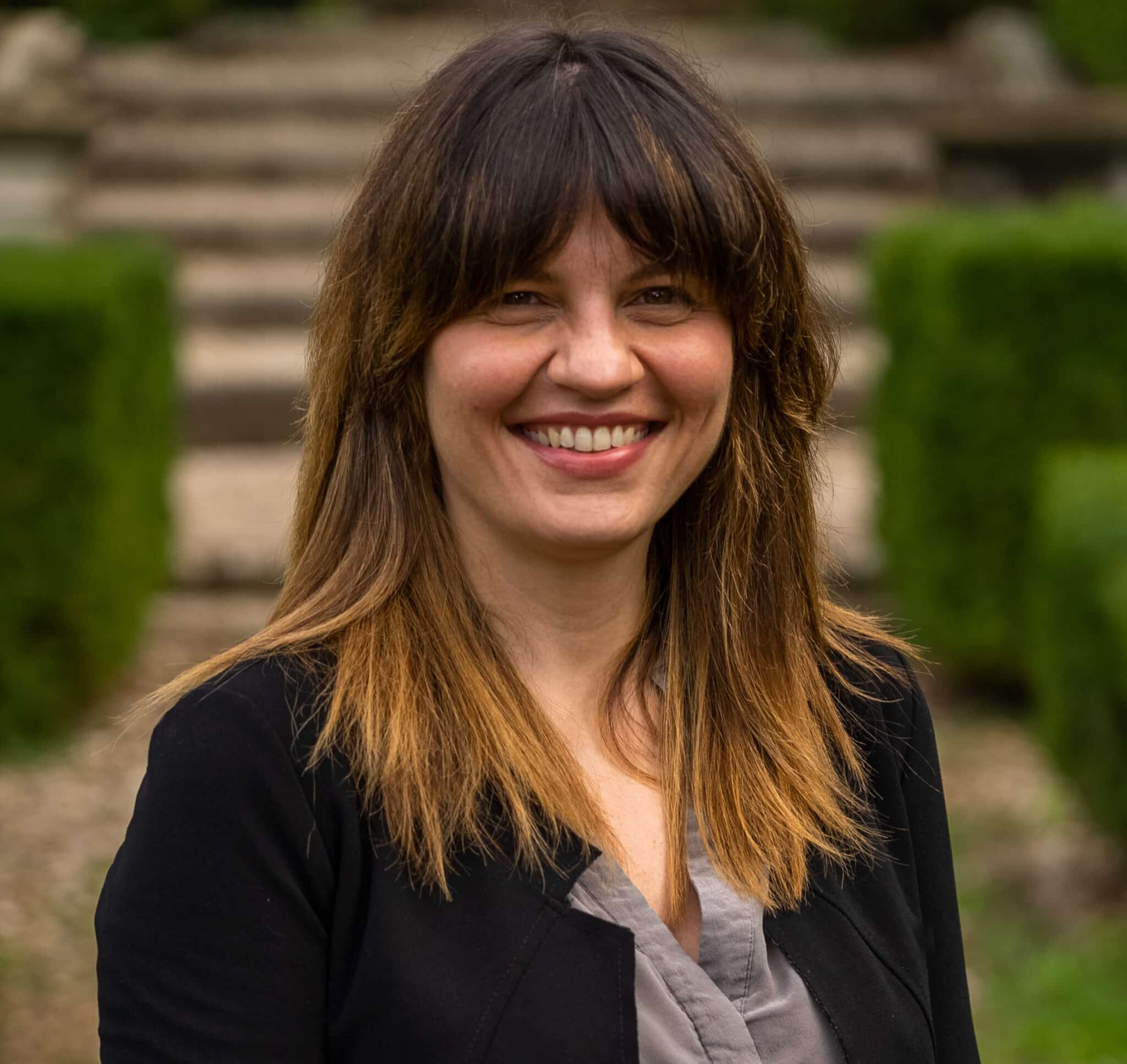
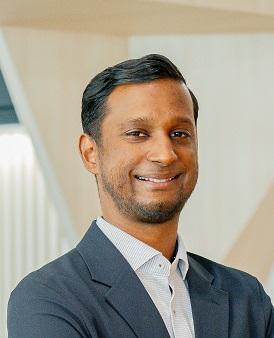
Professor Dominic Foo is a faculty member at the University of Nottingham Malaysia, globally recognized as an expert in process integration and optimisation for sustainability. He currently collaborates with Dr. Michael Short from the University of Surrey's School of Chemistry and Chemical Engineering on a fellowship focused on developing decarbonisation software to help UK industry achieve net zero by 2050 through climate adaptation strategies. His research spans critical areas including process integration, process optimisation, sustainability engineering, renewable energy transition, decarbonisation, and energy systems planning. Professor Foo previously developed open-source software to enable renewable energy transitions in developing countries and is now extending this framework to UK industrial contexts through plant visits and industry workshops. This fellowship actively pursues new research projects and funding bids to refine decarbonisation software, with Professor Foo leading industry engagement efforts to promote optimisation concepts across UK energy systems planning and implementation.
Marzia Sesini is a Research Fellow at the European University Institute's Florence School of Regulation (FSR), where she leads the Molecules & Materials research team. She also serves as Director of the Loyola Autumn Research School (LARS) and the EU Gas Network Codes course, and co-directs the Energy Markets and Regulation course. Ph.D. in Process Systems Engineering, Imperial College London M.S. in Sustainability Management, Columbia University M.S. in Engineering, Pavia State University Her research focuses on decarbonising energy systems through gas infrastructure, renewable gases, critical raw materials, and supply chain modeling. She combines engineering expertise with policy analysis to explore security of supply, cross-infrastructure integration, and distribution network optimization. Marzia has held roles at institutions including Université Paris-Dauphine, Snam, Bocconi University, and the Oxford Institute of Energy Studies. She currently leads training initiatives on energy regulation and contributes to FSR's research outputs on clean molecules, energy security, and EU climate policy.
Rebecca Hall is a Researcher at the Australian Centre for Water and Environmental Biotechnology at The University of Queensland. Her work focuses on reducing greenhouse gas emissions in the water cycle through advanced energy efficiency strategies in residential hot water systems. Research Interests: Her research spans water-energy nexus analysis, thermal loss modeling, and decarbonisation technologies. Key areas include behavioral impact on resource consumption, simulation frameworks for infrastructure efficiency, and Scope 3 emissions mitigation in utilities. Recent Work Trends: Her publications from 2023-2025 emphasize computational modeling of domestic hot water systems, quantifying energy-water interdependencies, and developing feasible options for carbon-neutral urban environments. Subfields include thermodynamic analysis, user behavior modeling, and policy design for sustainable cities. Advisory Team: Prof Steven Kenway (Advisor)
Jessica Holland is a Researcher at the Australian Centre for Water and Environmental Biotechnology, University of Queensland, focusing on interdisciplinary applications of data science in environmental systems. Her core research interests include: Machine Learning for infrastructure optimization Sustainable urban drainage engineering Predictive maintenance modeling Environmental data analytics Water-energy nexus technologies She leads the project "Machine Learning Predictive Maintenance for Sustainable Urban Drainage" (January 2022–December 2025) under Prof Damien Batstone's guidance, developing AI-driven solutions to enhance resilience in municipal water networks. This work intersects computational science and ecological engineering to address climate adaptation challenges. No scientific awards or honors are documented in available sources. Ms Holland operates under advisory supervision with no evidence of her advising students or managing research grants. Her work is embedded within the Centre's broader initiatives spanning wastewater treatment, decarbonization, and water infrastructure digitalization. The Australian Centre for Water and Environmental Biotechnology houses cross-disciplinary teams advancing sustainable solutions across nine key domains: advanced wastewater treatment, decarbonisation technologies, network digitalisation, drinking/recycled water safety, emerging contaminant management, organic solids processing, sewer infrastructure, agri-industry sustainability, and water-energy-carbon systems integration.
Jiahui Li served as a Research Scholar (mapped to Research Fellow rank) at the Australian Centre for Water and Environmental Biotechnology, part of The University of Queensland, from April 2022 to September 2025. Her primary research project, A Unique and Overlooked Microbial Process for Scavenging Two Greenhouse Gases, was supervised by Dr. Tao Liu and Professor Jianhua Guo within the center's decarbonisation technologies research stream. Her research focuses on environmental biotechnology applications for greenhouse gas mitigation, specifically targeting microbial processes that simultaneously remove methane and nitrous oxide from wastewater streams. This work intersects water engineering, decarbonisation, and emerging contaminants management, contributing to sustainable infrastructure solutions. Her expertise spans microbial ecology, bioremediation, and the development of novel bioprocesses for climate change mitigation in water systems. No scientific awards are documented in the available information. However, her research addresses critical gaps in greenhouse gas management within water infrastructure, indicating high-potential impact in environmental engineering. Jiahui Li operates within a collaborative framework under advisors Dr. Tao Liu and Professor Jianhua Guo, suggesting strong institutional mentorship. The 3.5-year project duration reflects substantial research commitment, likely supported by center-level funding. Her work aligns with ACWEB's strategic focus on decarbonisation technologies and demonstrates integration across municipal organic solids management and emerging contaminants research themes.
Jing Wei is a Research Scholar at the Australian Centre for Water and Environmental Biotechnology , affiliated with the Advanced Water Management Centre at The University of Queensland. She holds a Master's degree in Municipal Engineering from Beijing University of Civil Engineering and Architecture (2016) and is pursuing her PhD in Environmental Biotechnology, focusing on resource recovery from wastewater. Education: Master of Municipal Engineering (2016), The University of Queensland PhD candidate (2016–2025). Advisors: Prof Damien Batstone, Dr Andrew Ward. Her research integrates Bioconcrete and Energy/Resource Recovery from Wastewater with advanced materials like Metal-Organic Frameworks (MOFs) and hydrogels. Current projects emphasize recovery of high-value organic compounds and innovative membrane technologies for environmental applications. The 15 most recent publications (2025) highlight her work on gradient hydrogels , MOF composites , photocatalytic systems , and gas separation membranes , spanning disciplines like Materials Science, Environmental Engineering, and Chemical Engineering. Scientific Awards: University of Queensland International (UQI) Scholarship (2016), China Scholarship Council (CSC) Scholarship (2016). Jing Wei collaborates with leading researchers in wastewater and materials science, leveraging grants to advance sustainable technologies. Her work contributes to the Centre for Water and Environmental Biotechnology 's mission in decarbonisation and resource recovery.
Aditya Nair is a PhD Researcher at Cranfield University , focusing on Computational Fluid Dynamics (CFD) and Renewable Energy . His work involves computational modeling of offshore renewable structures and optimization of floating photovoltaics (FPV) for sustainable energy solutions. He collaborates with Dr. Luofeng Huang and Dr. Patrick Verdin in the Centre for Energy Decarbonisation and Recovery . Research Interests : Computational Fluid Dynamics (CFD) for energy systems Renewable Energy Modeling Offshore Structure Hydrodynamics Thermal Management of Li-ion Batteries High-Performance Computing Applications Key Publications highlight advancements in: 2025: Hydrodynamic performance of modular rope mesh floating solar platforms 2022: Liquid cooling systems for 3S2P Li-ion battery configurations Education : Master’s in CFD from Cranfield University, with expertise in turbulence modeling, numerical methods, and data analysis. His work aligns with global energy transition goals through innovative simulation techniques.
Dr Brian Caulfield is an Associate Professor and Head of Discipline in the Department of Civil, Structural and Environmental Engineering at Trinity College Dublin, serving as a Funded Investigator at CONNECT research centre with over 10 years of transport research expertise. His research focuses on transportation network optimisation to reduce emissions and achieve climate targets, combining engineering solutions with policy implementation. Key interests include sustainable urban mobility, low-carbon infrastructure, and transport-climate interdependencies, evidenced by active contributions to national decarbonisation strategies. Dr Caulfield has secured €3.4 million in research funding from national and EU sources, supporting his work on emissions reduction frameworks. He currently serves on the steering group for the Greater Dublin Area transport strategy renewal under the National Transport Authority. As a leading academic, he has published 80 peer-reviewed journal papers and holds editorial positions as Editor of Transport Policy (Impact factor: 4.674) and Senior Editor of Renewable and Sustainable Energy Reviews (Impact factor: 14.982), shaping discourse in sustainable transport research.
Dr. Mona Mashhadi Rajabi is a Postdoctoral Research Fellow at the Centre for Climate Risk and Resilience within the Business School at the University of Technology Sydney (UTS). She specializes in climate finance, climate policy responses, sustainable finance, energy transition, and financial market analysis. Her recent research on the impact of net zero transition on global financial markets has been widely covered by Australian media outlets including The Conversation, ABC News, and Think Business. Dr. Mashhadi Rajabi holds a PhD from Macquarie University (2023), a Master's Degree in Economics from Alzahra University in Tehran, Iran, and a Bachelor's degree in Natural Resources Economics from the University of Tehran. She is fluent in both English and Persian and has been recognized as an emerging expert in her field. Her research focuses on market-based climate policies, including examining the impact of carbon tax on the economy and renewable energy transition in Europe. Using these findings, she has designed a carbon tax policy framework for Australia that aims to deliver simultaneous environmental and economic benefits. Her work also quantifies climate risk at both firm-level and economy-wide scales. Dr. Mashhadi Rajabi's research has been published in top-tier journals (A*/A/Q1) including Energy Economics, Journal of Cleaner Production, and Sustainability and Climate Change. Dr. Mashhadi Rajabi has secured multiple competitive research grants supporting her work on climate policy and finance: UTS Business Research Grant for research on carbon pricing policy and energy transition Funding from the Accounting and Finance Association of Australia and New Zealand (AFAANZ) for decarbonisation pathway research at the corporate level Department of Foreign Affairs and Trade (DFAT) funding for 'Capacity Development in Indonesia Carbon Market' UTS Strategic Research Accelerator (SRA) Grant for corporate climate reporting preparedness research She serves as a peer reviewer for leading journals including Australian Journal of Management, Accounting and Finance, Business and Society, and Journal of Industrial Ecology. Her research has been cited by multiple news outlets and has influenced policy discussions on carbon pricing and climate finance. Prior to her academic career in Australia, Dr. Mashhadi Rajabi worked as a lead researcher in the industry sector in Iran, providing consulting services to corporations on managing climate risk and transitioning to low-carbon business models with minimal costs. She has also examined the effects of climate change and climate policies on the agri-food industry and energy sector to assist industries in reaching net zero goals. Dr. Mashhadi Rajabi teaches various subjects in finance and economics to postgraduate students, including Sustainable Value Management, Corporate Finance, and Energy Economics. She has developed the 'Science of Climate Change' course for the Master of Sustainable Energy program at UTS.
Prof. Dr. Armin Eberle is a faculty member at the Zurich University of Applied Sciences (ZHAW) School of Engineering , affiliated with the Institute of Sustainable Development . His work focuses on energy efficiency, climate protection, and sustainable urban systems, with particular emphasis on industrial sectors and policy mechanisms. Current affiliations include membership in the Climate Committee of the City of Biel (2021–2028) Key projects: Smart City Winterthur , Demo area Hard within PEDvolution-WIN , and Decarbonisation of Cooling and Heating in Switzerland Research Interests span: Energy efficiency programs and their socio-technical implementation Climate policy instruments (taxes vs. targets) Urban freight transport optimization Collaborative governance models for sustainability Digital platforms in co-creation processes Industrial energy systems and behavioral economics Publications highlight empirical analyses of Swiss energy policies, organizational learning in administrations, and innovative governance structures for sustainable development. His recent work includes policy frameworks for greenhouse gas mitigation and critical reviews of energy efficiency programs globally. Project Leadership includes roles in: Smart City Winterthur (Co-Creation Lab) SCCER CREST (Swiss Competence Center for Energy Research) WinLab platform development (digital ideation tools)
Adrian Kammer is a Lecturer at Zurich University of Applied Sciences' School of Engineering, specializing in Sustainable Energy Systems and Smart Cities. He has been active in energy economics and environmental research since 2007, with current roles including Senior Researcher for Sustainable Energy Systems and Smart Cities, and Head of Market Analysis at the Institute for Sustainable Development since 2021. Education: PhD in Geography (University of Zurich, 2011), MSc in Geography (University of Zurich, 2006) His research focuses on decarbonisation of heat supply, energy system flexibility, and sustainable urban development. He previously conducted biogeochemical studies on carbon cycling in forest soils, publishing extensively in biogeochemistry journals. His recent projects include decarbonisation of cooling/heating systems in Switzerland and CO2-neutral biomass energy generation. Publications span topics from soil carbon dynamics to energy policy analysis. Kammer leads teaching modules in energy and environmental engineering programs, covering topics like sustainable resource management, energy economics, and climate modeling. He contributed to CAS programs in sustainable cities and statistics.
Anton Sentic is a researcher at the Zurich University of Applied Sciences (ZHAW) School of Engineering, specializing in sustainable energy systems. He leads and participates in interdisciplinary projects focused on energy transition and urban decarbonisation. Research interests include the development of living labs for energy innovation, smart city technologies, and sustainable transportation systems. His work emphasizes collaborative platforms for ideation and stakeholder engagement. Recent publications analyze living lab evaluation frameworks and digital tools for energy transition. Projects include the Smart City Winterthur WinLab initiative, SWEET SWICE, and V2G technology policy pathways.
Dr Donal Cotter is a Research Associate at Ulster University's Belfast School of Architecture & the Built Environment. He works within the Centre for Sustainable Technologies, specializing in energy storage and heat pump technologies. His academic qualifications include a PhD in building energy storage (2016) and an MEng in Energy and Building Services Engineering (2012) from Ulster University. Education: PhD in Building Energy Storage (2016) MEng in Energy and Building Services Engineering (2012) HNC in Construction Studies (2008) Bachelor's in Manufacturing Engineering (1994) His research focuses on high-temperature heat pumps (HTHPs), organic Rankine cycle systems, and thermal energy management. He investigates low global warming potential (GWP) refrigerants, industrial waste heat recovery, and thermodynamic efficiency optimization. His work aligns with UN Sustainable Development Goals for sustainable energy and climate action. Recent publications highlight his contributions to reversible heat pump systems, refrigerant-lubricant interactions, and exergo-environmental analysis of transcritical cycles. He has collaborated on projects addressing energy efficiency in domestic and industrial applications. Scientific Awards: McBrides Prize (2012) Dr Cotter maintains affiliations with professional bodies including the Institute of Engineers of Ireland (IEI), Institute of Refrigeration (IOR), and Higher Education Academy (HEA). His professional experience spans construction, mechanical engineering, and project management roles over 15 years.
Mousami Prasad serves as an Assistant Professor in the Department of Management Sciences at the Indian Institute of Technology Kanpur, where she focuses her research on critical energy and environmental economic issues. Her work bridges the gap between policy, industry practices, and sustainable development, with particular emphasis on India's energy transition challenges. Ph.D. in Environmental Performance of Firms in India: Evidence From Metal Sector (2018), Shailesh J Mehta School of Management, IIT Bombay PGDBM (2009), NL Dalmia Institute of Management Studies and Research Bachelor of Commerce (2007), Indraprastha College, Delhi University Dr. Prasad's research interests center on Energy and Climate Change Economics, Energy Transition, Energy Policy, and Industrial decarbonisation with specific focus on Green Steel and Green Hydrogen technologies. Her work examines how firms can transition toward sustainable practices while maintaining economic viability, particularly in energy-intensive sectors like steel manufacturing. She investigates the effectiveness of policy instruments, corporate environmental reporting practices, and the relationship between energy consumption and firm performance in the Indian context. Her publication portfolio demonstrates a consistent focus on energy policy effectiveness, corporate environmental behavior, and sustainable industrial development. Her recent work on clean hydrogen production compares emissions and costs of fossil fuel versus renewable electricity-based hydrogen, contributing valuable insights to one of the most promising pathways for industrial decarbonization. She has also examined environmental claims in advertising, corporate social responsibility practices, and voluntary environmental compliance mechanisms in the Indian metal sector. Excellence in Ph.D. Research Award (2017-19) from Shailesh J Mehta School of Management, IIT Bombay Selected among top 25 environmental economists by SANDEE for specialized training in Thailand (2019) SOM Endowment Scholarship for outstanding Ph.D. performance at IIT Bombay (2014-2017) Before joining IIT Kanpur, Dr. Prasad served as a Research Fellow at the Crawford School of Public Policy, Australian National University (2020-2022), and as a Research Scientist in Humanities and Social Science at IIT Bombay (2019-2020). Her interdisciplinary background spanning commerce, management, and environmental policy enables her to approach sustainability challenges from multiple perspectives, making significant contributions to both academic literature and practical policy development in the energy sector.
Dr. Viknesh Andiappan serves as Associate Professor in Chemical Engineering and Associate Director of the School of Research at Swinburne University of Technology, Sarawak Campus, within the Faculty of Engineering, Computing and Science. His academic foundation includes a PhD and MEng (Hons.) in Chemical Engineering from The University of Nottingham. PhD in Engineering (The University of Nottingham) MEng (Hons.) in Chemical Engineering (The University of Nottingham) His research pioneers net-zero energy systems through mathematical optimization, focusing on supply chain decarbonization, industrial symbiosis, and sustainable agriculture planning. Recent work integrates carbon accounting with palm oil value chains and biomass-to-energy systems, emphasizing practical implementation in Southeast Asian contexts. Analysis of his 15 most recent publications (2020-2022) reveals a dominant focus on decarbonization strategies (47%), biomass supply chains (27%), and process optimization (26%), with growing emphasis on circular economy applications and multi-stakeholder resource allocation frameworks. Key recognitions include: IBAE Young Researcher of the Year Award IChemE Young Researcher Malaysia Award Finalist (2018, 2019) Heriot-Watt University PRIME Award Finalist (2021) He actively supervises research students in net-zero energy systems while leading industry-relevant projects like the Ministry of Plantation Industries white paper on palm oil recovery strategies. His scholarly service includes editorial roles for Process Integration and Optimization for Sustainability and Frontiers in Sustainability. Though no dedicated lab is specified, his research group operates through Swinburne's School of Research, leveraging institutional facilities for computational optimization and sustainability analysis.