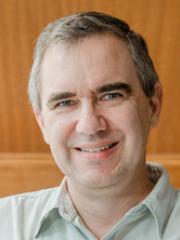
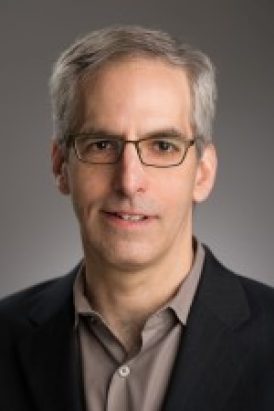
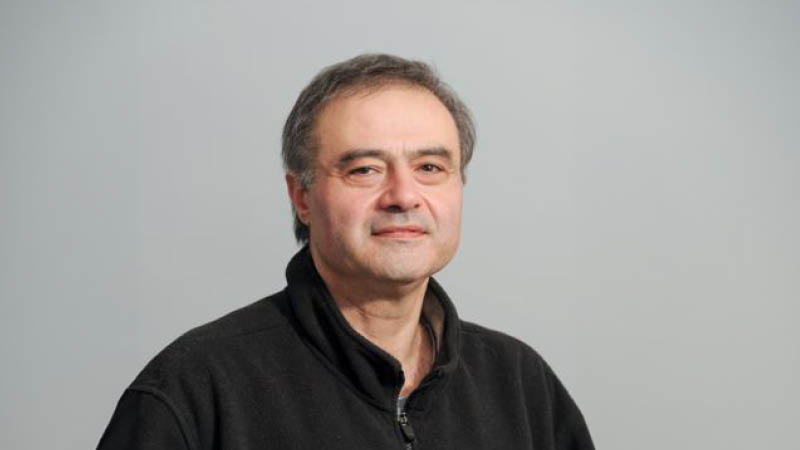
Dr. Afshin Daryoush is a Professor in the Department of Electrical and Computer Engineering at Drexel University’s College of Engineering. He earned his Ph.D. and M.S. in Electrical Engineering from Drexel and a B.S. in Electrical Engineering from Case Western Reserve University. His academic career spans decades of innovation in microwave photonics, with a focus on RF circuits, wireless communications, and biomedical applications. Research interests include Microwave Photonics Systems Nonlinear Microwave Circuits RFIC and Wireless Communications Antennas and Radiating Systems Electromagnetic Interaction with Biological Systems His recent publications emphasize advancements in microwave photonics and optical engineering, particularly in all-optical analog-to-digital converters, optoelectronic oscillator design, and 3D-printed microwave components. These works span disciplines like Electrical Engineering, Photonics, and Materials Science, with subfields covering frequency synthesis, tunable antennas, photonic crystals, and high-speed signal processing. Scientific achievements include Microwave Prize at the 16th European Microwave Conference (1986) Elevation as Fellow of IEEE (1998) for contributions to nonlinear microwave photonics Drexel University College of Engineering Outstanding Innovation Award (2020) Drexel Alumni Association Award (2018) IEEE Philadelphia Section Benjamin Franklin Key Medal (2015) Dr. Daryoush has advised students whose works have won best paper awards at IEEE conferences. He has secured grants from US government agencies and aerospace/telecom companies, held visiting scholar roles at NTT and CNRS, and contributed to over 200 publications and five book chapters. His collaborations extend to institutions in France, Japan, and the US.
University of North Carolina at Chapel HillUnited States
Elizabeth "Beth" Mayer-Davis is the Dean of The Graduate School and the Cary C. Boshamer Distinguished Professor of Nutrition and Medicine at the University of North Carolina at Chapel Hill. She holds joint appointments in the Gillings School of Global Public Health and the School of Medicine, where she previously served as Chair of the Department of Nutrition for eight years. As Dean of The Graduate School, she oversees more than 160 degree-offering programs and over 10,000 graduate students at UNC Chapel Hill. Dr. Mayer-Davis earned her educational credentials from prestigious institutions: Ph.D. in Epidemiology from the University of California, Berkeley (1992) Master of Public Health with honors from the University of Colorado School of Medicine (1986) B.S. in Dietetics from the University of Tennessee (1980) Dr. Mayer-Davis is an internationally recognized expert in diabetes research with a career focused on the epidemiology and natural history of type 1 and type 2 diabetes in children and adults. Her research addresses how nutrition impacts diabetes risk and complications, with particular emphasis on culturally and regionally diverse populations. Her primary current focus is on type 1 diabetes in youth and young adults, examining diabetes self-management and energy balance/weight management for individuals with type 1 diabetes. She employs innovative methodologies including large epidemiological studies, clinical trials, and adaptive intervention designs, often incorporating communication technologies to enhance patient-centered care. Analysis of Dr. Mayer-Davis's recent publications reveals consistent focus on diabetes epidemiology across diverse populations, with particular attention to youth-onset diabetes, health disparities by race and ethnicity, and innovative interventions for diabetes management. Her work frequently addresses the intersection of obesity and diabetes, particularly in type 1 diabetes where this comorbidity has been historically understudied. The research demonstrates methodological sophistication through the use of advanced statistical techniques, continuous glucose monitoring data, and adaptive trial designs to address complex questions in diabetes care. Dr. Mayer-Davis has received numerous professional honors and appointments: Cary C. Boshamer Distinguished Professorship at UNC President for Health Care and Education for the American Diabetes Association (2011) Member of the 2020 Dietary Guidelines Advisory Committee Appointee to President Obama's Advisory Group on Prevention, Health Promotion and Integrative and Public Health Co-director of the Nutrition Obesity Research Center funded by NIH Throughout her career, Dr. Mayer-Davis has been deeply committed to mentoring the next generation of researchers, having supervised dozens of graduate students. She has secured over $45 million in research funding, including as Principal Investigator for the Carolina site of the landmark SEARCH for Diabetes in Youth study and the Nutrition for Precision Health Consortium initiative. Her leadership extends to national scientific committees and professional organizations, where she has shaped diabetes research and care standards. She is particularly dedicated to promoting diversity, equity, and inclusion in graduate education and research. Dr. Mayer-Davis co-directs the UNC Nutrition Obesity Research Center, a NIH-funded center that has received continued support through multiple funding cycles. She also leads the Carolina site of the SEARCH for Diabetes in Youth study, a large multi-center national study that has been tracking diabetes incidence and trends in youth for over two decades. Her research team includes epidemiologists, nutritionists, statisticians, and clinicians working collaboratively to address critical questions in diabetes prevention and management.
Damiano Piovesan is Associate Professor in Bioinformatics (SSD BIO/10) at the Department of Biomedical Sciences , University of Padua , Italy. Since March 2022 he has held this rank, having previously served as Assistant Professor (2022) and PostDoc researcher (2019) in the same department. Education 2013 – PhD in Biotechnology, Pharmacology and Toxicology, University of Bologna 2009 – MSc in Bioinformatics, University of Bologna 2007 – BSc in Biotechnology, University of Bologna Research Focus Piovesan’s research integrates machine-learning approaches with structural bioinformatics to advance understanding of intrinsically disordered proteins (IDPs) and protein function prediction . He develops widely used resources such as MobiDB for disorder annotation, DisProt for functional curation of disordered regions, and RING for residue interaction networks. Additional interests include tandem repeat proteins , cancer-related IDP targets , and community benchmarking initiatives (CAFA, CAID, CAGI). Publication Trends His 2024–2025 output is dominated by updates to flagship databases ( InterPro , DisProt , MobiDB ), next-generation disorder predictors leveraging deep learning ( PredIDR , MobiDB-lite 4.0 ), and large-scale genomics challenges ( CAGI6 ). Across the decade, recurring themes include methodological advances in disorder prediction, creation of interoperable bioinformatics platforms, and rigorous benchmarking to ensure community-wide reliability. Scientific Awards No specific awards are listed in the provided materials. Advising & Grants No individual students or grant details are explicitly supplied; however, his leadership in multi-institutional consortia (e.g., InterPro, DisProt, CAFA) implies substantial supervisory and funding coordination roles. Labs & Teams Piovesan is affiliated with the BioComputingUP Lab ( https://biocomputingup.it/ ) at the University of Padua, a hub for computational biology and bioinformatics tool development.
Dr. Christoph Trinkl serves as Head of the Institute of new Energy Systems (InES) at Technische Hochschule Ingolstadt, a position he has held since 2008. His work focuses on renewable energy technologies and sustainable energy systems development, with particular expertise in solar thermal applications and system integration. His research interests include: Green Technologies Renewable Energy Technologies Solar Energy Engineering Solar Heating and Cooling Renewable Energy Systems for Industrial, Domestic and Mobility Applications Technology Transfer and Network Management Dr. Trinkl's educational background includes a PhD in Engineering from De Montfort University Leicester's Institute of Energy and Sustainable Development (UK) in 2007, following his work as a researcher at Technische Hochschule Ingolstadt from 2001-2007. His degree course in Mechanical Engineering and Business (1997-2001) provided the foundation for his interdisciplinary approach to energy systems. His recent publications demonstrate a strong focus on practical applications of renewable energy technologies, particularly in solar thermal systems, heat pump integration, and district heating networks. His research spans from fundamental engineering analysis of collector technologies to large-scale system integration and optimization, with increasing emphasis on real-world implementation challenges and optimization techniques including AI-driven approaches. Dr. Trinkl's extensive publication record spanning over two decades shows an evolution from fundamental collector technology research to broader energy system integration, addressing both technical and practical implementation considerations across diverse contexts from industrial applications to rural energy access solutions.
Dr. Mariana Sa serves as an Associate Professor of Biology at Belhaven University, where she has been a faculty member since 2025. Her research focuses on fungal biodiversity with specialization in taxonomy, systematics, and proteomics, contributing significantly to the understanding of Neotropical mycobiota through extensive fieldwork in Brazilian ecosystems including the Amazon, Atlantic Forest, and caatinga regions. Her academic credentials include: Ph.D. in Biological Sciences from the Federal University of Rio Grande do Norte M.S. in Biological Sciences from the Federal University of Rio Grande do Norte B.S. in Biological Sciences from the Federal University of Paraiba She further developed her expertise through postdoctoral fellowships at Mackenzie Presbyterian University and the University of Guelph in Canada. Dr. Sa's research program integrates morphological, molecular, and biochemical approaches to explore fungal diversity. She specializes in describing new species and elucidating phylogenetic relationships within Basidiomycota, particularly Russulaceae and related families. Her work bridges classical taxonomy with modern proteomic techniques to understand fungal evolution and ecological adaptations in understudied tropical and semiarid habitats. This interdisciplinary approach has positioned her as a leading contributor to Brazilian mycology. Analysis of her publication record reveals consistent contributions to fungal systematics over the past decade, with particular emphasis on discovering novel taxa from ecologically diverse Brazilian biomes. Her research demonstrates a clear trajectory of increasing taxonomic sophistication, incorporating molecular phylogenetics alongside traditional morphological characterization to resolve complex classification problems in groups like Lactifluus and Russula. Her professional experience includes seven years of teaching at the University Center of João Pessoa, where she instructed courses in cellular and molecular biology, biochemistry, microbiology, immunology, and genetics prior to joining Belhaven University. While the provided information does not specify current advisees or research grants, her extensive publication record suggests active mentorship of students in research activities.
Jonathan Kim serves as Professor of Pastoral Theology and Director of the Doctoral Program in Ministry at Trinity Evangelical Divinity School (TEDS), Trinity International University. His work integrates theological scholarship with practical ministry training for global church and mission contexts. Dr. Kim's academic preparation includes: Bachelor of Theology from Prairie College Master of Divinity from Tyndale Seminary Master of Language Education from Trinity Western University Doctor of Philosophy from Trinity Evangelical Divinity School His research bridges theology, linguistics, and education through cross-cultural ministry applications. Drawing on two decades with Wycliffe Bible Translators, he specializes in Bible translation frameworks, minority language development, and pedagogical approaches for multicultural leadership training. His field experience spans Canada and West Africa, focusing on sociolinguistic adaptation and adult learning methodologies within immigrant church contexts. As Director of TEDS' Doctor of Ministry program, particularly the Thriving Immigrant Churches Track, Dr. Kim mentors doctoral candidates in developing contextually relevant ministry strategies. He actively connects TEDS resources with global churches, mission agencies, and NGOs to address challenges in immigrant ministry and cross-cultural theological education.
Caroline Flammer is a Professor of International and Public Affairs and of Climate at Columbia University, holding joint appointments at the School of International and Public Affairs (SIPA) and the Climate School. She is a Research Associate at the National Bureau of Economic Research (NBER) and an expert in sustainable finance and corporate sustainability. At Columbia, she teaches graduate courses including "Social Impact: Business, Society, and the Natural Environment" and "Sustainable Finance II: System-level Investing", and serves as Director of SIPA’s Sustainable Investing Research Initiative (SIRI). Her research investigates how sustainable finance and impact investing can contribute to a more sustainable world, focusing on the integration of environmental, social, and governance (ESG) factors into corporate strategy to address climate change, inequality, and global health challenges. She examines the conditions under which firms can enhance competitiveness while strengthening societal and environmental systems. Dr. Flammer has been honored as a Highly Cited Researcher by Web of Science, ranking among the top-100 in economics and business for research impact over the past decade. Highly Cited Researcher (Web of Science) She serves as President of the Alliance for Research on Corporate Sustainability (ARCS) and Chair of the Academic Advisory Committee for the United Nations-supported Principles for Responsible Investment (PRI). Additionally, she is an Associate Editor for Management Science and the Strategic Management Journal. Information regarding Dr. Flammer's student advising and grant funding was not provided in the source text. Dr. Flammer leads several initiatives including the Sustainable Investing Research Initiative (SIRI) at SIPA, the Alliance for Research on Corporate Sustainability (ARCS), and the Academic Advisory Committee of the Principles for Responsible Investment (PRI), fostering global research and dialogue on corporate sustainability and responsible investment.
Professor Michael Fabinyi is a distinguished academic at the University of Technology Sydney, where he serves as Professor in Social and Political Sciences within the Faculty of Design and Society. Previously, he held positions as Associate Professor (2019-2023) and Senior Lecturer (2016-2018) at the same institution. His academic journey includes significant research experience at the Australian Research Council Centre of Excellence for Coral Reef Studies at James Cook University (2010-2016), where he progressed from Postdoctoral Research Fellow to Senior Research Fellow. Professor Fabinyi completed his PhD at the Australian National University in 2009 and earned his BA (Hons.) from the University of Melbourne. His international experience is extensive, having lived and worked in China, Indonesia, Malaysia, Papua New Guinea, the Philippines, and Solomon Islands. He has held visiting appointments at Peking University (2013-14) and WorldFish in Malaysia (2015), and currently serves as an Adjunct Associate Professor at Palawan State University in the Philippines. Professor Fabinyi's research focuses on the social, political, and cultural dimensions of marine resource use and management. His work spans coastal livelihoods, agrarian change, food security in coastal contexts, seafood trade, fisheries governance, and coral reef restoration. His research approach integrates theories and methods from anthropology, development studies, and human geography, with a strong emphasis on Southeast Asian contexts, particularly the Philippines. He has developed expertise in political ecology, environmental anthropology, and the blue economy, examining how maritime zone developments impact small-scale fishing communities across Southeast Asia. His recent publications reveal a strong focus on coral reef restoration governance in Southeast Asia, small-scale fisheries contributions to global food systems, and China's role in global seafood trade. Professor Fabinyi's work consistently addresses the intersection of environmental conservation and human wellbeing, with particular attention to governance structures, equity issues, and the social dimensions of marine resource management. His research often employs ethnographic methodologies including interviews, focus group discussions, and participant observation to understand local perspectives on marine resource management. Professor Fabinyi has secured significant research funding from various sources including the Australian Research Council, Australian Centre for International Agricultural Research, and the Nippon Foundation Ocean Nexus Centre. His current projects focus on sandfish mariculture, coral reef restoration and governance in the Philippines, small-scale fisheries governance in the Philippines, edible bird's nest trade in Indonesia, and China's role in global fisheries. At UTS, Professor Fabinyi coordinates and teaches undergraduate subjects on political economy, sociology, and climate justice and policy. He actively supervises PhD students researching fisheries governance and coastal livelihoods. His work engages with multiple UN Sustainable Development Goals, particularly Life Below Water (14), No Poverty (1), Reduced Inequalities (10), Responsible Consumption and Production (12), Zero Hunger (2), and Decent Work and Economic Growth (8). Professor Fabinyi is an active contributor to international research networks, collaborating with scholars across Southeast Asia, Australia, and globally. His work bridges academic research with policy relevance, contributing to debates on sustainable ocean governance, equitable blue economy development, and effective coral reef conservation strategies that consider both ecological and social dimensions.
Associate Professor Peter Sutton is an academic at the University of Queensland (UQ), holding roles as Deputy Head of School (Teaching and Learning) and Associate Professor in the School of Electrical Engineering and Computer Science. His research focuses on Engineering Education, Embedded Systems, Reconfigurable Computing, and Electronic Design Automation. He has contributed to curriculum design, remote lab management during the pandemic, and hardware-software co-design for embedded systems. Sutton completed his undergraduate studies at UQ and earned advanced degrees at Carnegie Mellon University, with over three decades of experience in computer systems research and education. Education Bachelor of Science, University of Queensland Bachelor (Honours) of Engineering, University of Queensland Masters of Science (Coursework), Carnegie Mellon University Doctor of Philosophy, Carnegie Mellon University Research Interests Sutton’s work spans engineering pedagogy, embedded system design, and reconfigurable computing. Recent projects include adapting hands-on labs for remote learning during the pandemic and optimizing FPGA-based architectures for data compression and encryption. His contributions to cache optimization and multiprocessor systems highlight his expertise in hardware-software integration. Publications His 50+ publications cover topics like FPGA implementations of neural networks, code compression techniques for VLIW processors, and embedded system design tools. Notable contributions include frameworks for reconfigurable system-on-chip development and methods to enhance debugging practices in post-novice students. Labs & Teams He collaborates within UQ’s School of Electrical Engineering and Computer Science, contributing to research groups focused on embedded systems and engineering education innovation.
Dr. Leung Chan is a Lecturer in the School of Mathematics and Statistics at the Faculty of Science, University of New South Wales (UNSW). He is an active member of the School's Finance and Risk Analysis Research Group, which develops innovative methods for financial modelling, derivative pricing and risk analysis. Dr. Chan's research spans several interconnected areas within quantitative finance: Financial Mathematics Pricing and hedging of financial derivatives Stochastic implied volatility models Default risk modelling Modelling of credit migrations Valuation of credit derivatives Asset price dynamics Quantitative Risk His publication record demonstrates a strong focus on regime-switching models in financial mathematics. Over the past decade, Dr. Chan has published extensively on option pricing with regime switching, volatility modeling, and risk analysis. His work often combines sophisticated mathematical techniques with practical financial applications, particularly in derivative pricing and risk management. The consistent theme across his research is the application of advanced stochastic processes to model financial markets with changing regimes. Dr. Chan maintains active research collaborations with scholars including Song-Ping Zhu, Robert J. Elliott, and Tak Kuen Siu. His recent work continues to advance analytical methods for pricing complex financial derivatives under regime-switching frameworks. He is associated with the Quantitative Risk Solutions Lab at UNSW, which serves as a platform for applying theoretical research to practical financial risk management challenges.
Daniel Hack is a Professor of English at the University of Michigan, affiliated with the Department of English Language and Literature within the College of Literature, Science, and the Arts (LSA). His research focuses on Victorian literature, African American literature, and transatlantic cultural exchanges. He holds a B.A. from Yale University and a Ph.D. from the University of California, Berkeley. Professor Hack’s work explores how literary texts engage with material culture, transatlantic print networks, and racial identity. His books include The Material Interests of the Victorian Novel (2005) and Reaping Something New: African American Transformations of Victorian Literature (2017), which examines how African American writers reinterpreted Victorian texts. His current project investigates the relationship between fiction and real-life meaning-making in modern culture. He has received prestigious awards such as the Guggenheim Fellowship (2022), the Distinguished Undergraduate Teaching Award (2021), and the Donald Gray Prize (2012). His editorial work includes co-editing Victorian Literature and Culture and contributing to volumes like Jonathan Freedman: The Jewish Decadence (2021). His teaching spans courses on fiction, narrative theory, race, and Victorian literature. He has delivered invited lectures at Harvard, Yale, and numerous conferences, exploring themes like transatlantic influence, literary canon formation, and modernist narrative techniques. His professional service includes roles as Associate Chair of the English Department and leadership in academic organizations like the MLA.
London School of Economics and Political Science (LSE)United Kingdom
Stuart Gordon is a Professor in Managing Humanitarianism and Programme Director for the International Development and Humanitarian Emergencies MSc at the London School of Economics and Political Science (LSE). His academic affiliations include the Department of International Development at LSE, where he also coordinates consultancy programs. He holds roles as an Associate Fellow at Chatham House and Senior Fellow of the Higher Education Academy. His research focuses on humanitarian governance, civil-military interaction, and the impact of counter-terrorist legislation on humanitarian operations. Prior to academia, he served as a senior adviser on UK Afghanistan strategies and held roles in the UK Armed Forces (RAF and Army), retiring as a Lieutenant Colonel. He has conducted fieldwork in conflict zones such as Afghanistan, Syria, and Somalia. Key areas of expertise include humanitarian accountability, risk management in crisis responses, and health emergencies like Ebola. He co-directs the LSE-ODI Senior Level Course on Conflict and Humanitarian Response with Sara Pantuliano and sits on the editorial board of the Disasters journal. His work bridges humanitarian principles, security policies, and practical challenges in conflict settings. Notable contributions include analyzing the unintended consequences of civil-military cooperation in peace operations and the impact of financial de-risking on Syrian humanitarian aid. His publications span over three decades, addressing themes from Afghanistan stabilization to medical ethics in conflict zones.
Professor Mihran Tuceryan is a Professor of Computer Science at Purdue University Indianapolis, affiliated with the Department of Computer Science within the College of Science. He holds a PhD from the University of Illinois at Urbana-Champaign (1986) and a BS from MIT (1978). His expertise spans Computer Vision, Image Processing, Pattern Recognition, and Augmented Reality. Recent research focuses on crime prediction via video analysis, forensic imaging, and distributed tracking systems. He is a Senior Member of IEEE and ACM. Key research interests include augmented reality integration for industrial training, real-time illumination modeling, and monocular SLAM algorithms. His work addresses challenges in photorealistic AR, dynamic object labeling, and medical imaging applications such as hepatic fibrosis detection. He has contributed to projects like the e-DOTS indoor tracking system and forensic 3D impression acquisition. His publications span over three decades, emphasizing real-world applications in security, healthcare, and robotics. Education: Bachelor of Science in Computer Science and Engineering, MIT, 1978 PhD in Computer Science, University of Illinois at Urbana-Champaign, 1986 Awards: Senior Member, IEEE Senior Member, ACM Labs/Teams: Focus on AR, SLAM, and medical imaging applications Collaborative frameworks for distributed visual SLAM
University of Illinois Urbana-ChampaignUnited States
Travis L. Dixon is the David L. Swanson Professor of Communication and Director of Graduate Studies at the University of Illinois at Urbana-Champaign's College of Liberal Arts & Sciences Department of Communication. A leading scholar in media effects, he specializes in analyzing racial stereotypes in traditional and digital media and their societal impacts. His work emphasizes how media representations influence public perception of race, crime, and cultural identity. Dixon holds a PhD in Communication from UC Santa Barbara, with prior degrees from UCLA. His research interests span media stereotypes, news framing, and the intersection of race and media. Notable contributions include studies on Black criminality portrayals, rap music's sociocultural impact, and the role of social media in perpetuating stereotypes. He has authored/co-authored over 50 publications, including key works on media diversity and content analysis. Dixon serves on editorial boards of top journals like Communication Research and Howard Journal of Communications . Grants: Examined systemic distortions in news media framing of Black families (2016-2017) and police-community relations (2005-2008). Awards: First African American ICA Fellow (2019), NCA Top Paper (2015), and UIUC Mentorship Award (2011). Teaching: Courses include Introduction to Mediated Communication, Race and Mass Media, and Mass Communication Theory. His recent work critiques racial inequities in media representation, with a focus on news and social platforms. Collaborations with community groups aim to address systemic biases. Dixon’s US Media and Diversity (2024) synthesizes his decades-long exploration of media’s role in shaping cultural narratives.
University of Illinois Urbana-ChampaignUnited States
Professor A. Rashad Abdel-Khalik holds the V.K. Zimmerman Professorship in International Accounting at the University of Illinois Urbana-Champaign's Gies College of Business. Specializing in accountancy, his work focuses on financial derivatives, auditing practices, and corporate governance. His research frequently examines cases of financial mismanagement, particularly involving interest rate swaps and institutional debt crises. Notable studies include analyses of Enron's accounting fraud, municipal financial collapses, and banking practices affecting public institutions. Abdel-Khalik's research interests revolve around faithful financial reporting, fair value accounting, and the ethical implications of complex financial instruments. He has critiqued regulatory frameworks enabling risky financial practices, advocating for stronger oversight in derivative usage and transparency in financial disclosures. His work bridges academic inquiry and real-world policy, addressing systemic vulnerabilities in public and corporate finance. His publications span decades, with a recent emphasis on contemporary crises like Asian stock exchange shutdowns and sustainability-linked financial instruments. Though no awards are explicitly listed, his extensive scholarly output underscores contributions to accounting education and policy. He currently teaches at Gies College, contributing to both graduate and doctoral programs in accountancy.