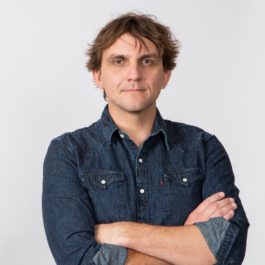
Dr Olly Bartlett is a Senior Lecturer in Remote Sensing and Geography at the University of Hertfordshire , affiliated with the Department of Psychology, Sport and Geography within the School of Life and Medical Sciences. His work focuses on planetary-scale remote sensing analysis of the cryosphere, with field campaigns in Greenland, Nepal, Svalbard, and the Peruvian Andes. Education: PhD in Physical Geography (University of Exeter, 2020); MSc in Polar and Alpine Change (University of Sheffield, 2016); BSc in Physical Geography (University of Sheffield, 2015) Dr Bartlett specializes in UAV-based remote sensing and Google Earth Engine , holding a UK GVC for UAV operations. His research tracks environmental changes in polar and alpine regions, including quantifying Antarctic Peninsula greening (1986–2021) and glacier dynamics in the Himalayas and Canadian Arctic. Recent publications highlight his methodological innovations in radar surveying and supraglacial hummock morphology studies. His work bridges glaciology and geospatial analysis , focusing on climate-induced glacial retreat impacts. He supervises PhD student Lottie Pearson on pan-Arctic permafrost thaw projects and collaborates internationally on cryospheric studies.
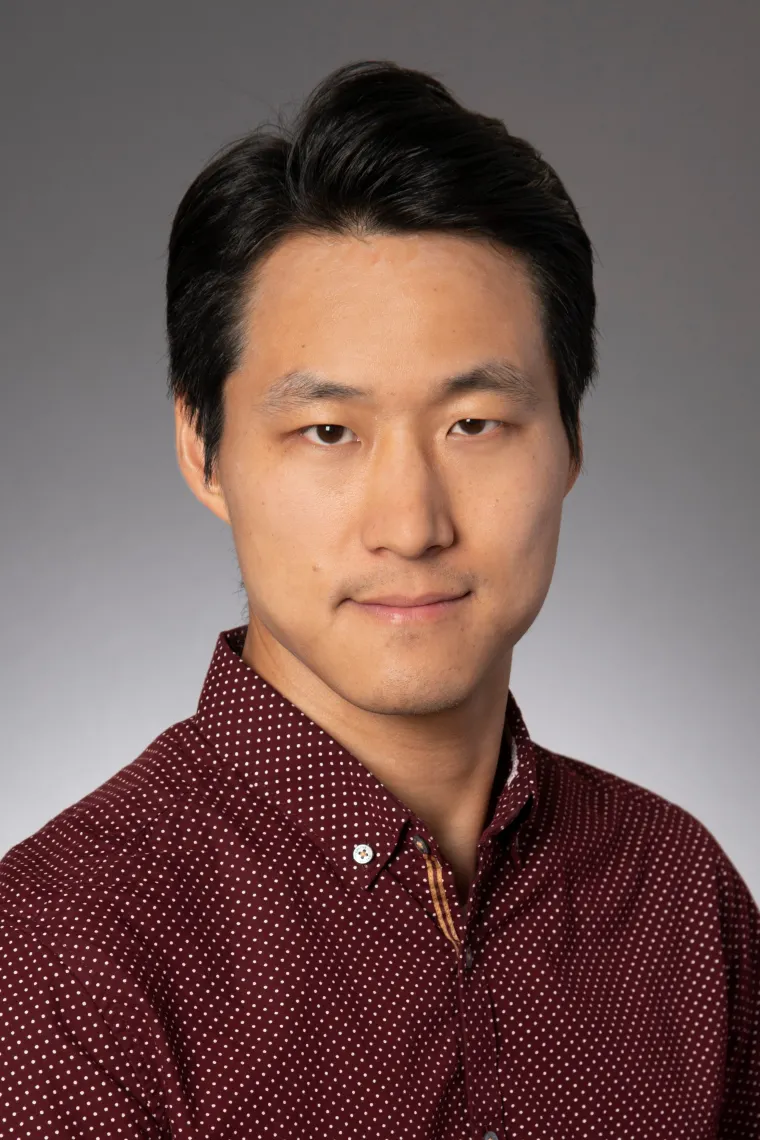
Kwang-Sung Jun is an Assistant Professor at the University of Arizona, Department of Computer Science. His research spans interactive machine learning, reinforcement learning, and learning theory, with a focus on multi-armed bandits, Bayesian optimization, and generalized linear models. Education : Ph.D. in Computer Science from the University of Wisconsin-Madison (2015). Research Trends : Kwang-Sung's recent work (2023-2025) emphasizes bandit algorithms with second-order bounds, adaptive experimentation, and PAC-Bayes frameworks. He explores low-rank structures in regression, explainable reward shaping, and environmental risk modeling via probabilistic assessments of postfire debris-flows. His publications often bridge theoretical guarantees (e.g., regret bounds) with practical applications in machine learning and environmental hazards. Expertise : Interactive machine learning Multi-armed bandits Confidence sequences Reinforcement learning Human-machine hybrid systems
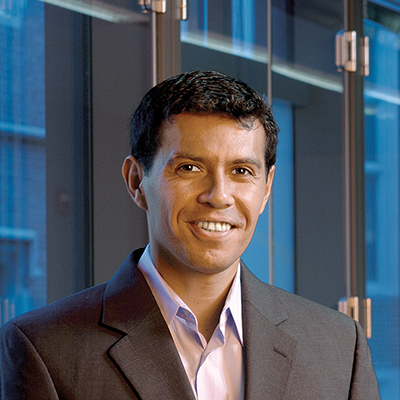
Pablo Fajardo Peña is a Full Professor in the Department of Aerospace Engineering at Universidad Carlos III de Madrid (UC3M). He leads the Plasmas and Space Propulsion Team (EP2) and co-directs the Aerospace Engineering Research Group. His research focuses on advanced propulsion technologies for space applications, including plasma thrusters, electric propulsion, and fluid-thermal systems. Professor Peña's work spans computational modeling of plasma dynamics, experimental characterization of propulsion systems, and development of novel thrusters like Hall effect thrusters and electrospray systems. His recent publications analyze plasma discharge mechanisms, thruster plume behavior, magnetic nozzle effects, and propellant interactions. He leads multiple EU and Spanish-funded projects including HIPATIA (Helicon Plasma Thruster), CHEOPS (Hall Effect Orbital Propulsion), and ADAPT (Advanced Plasma Propulsion). These initiatives focus on developing efficient propulsion systems for spacecraft and addressing challenges in space debris removal. Professor Peña supervises doctoral research on plasma diagnostics and thruster simulation, and has developed simulation tools like HYPHEN (Hybrid Plasma Thruster Holistic Environment). His team collaborates with ESA, Airbus, and SENER Aeroespacial on propulsion technology validation.
Dr. Matthew Brookhouse is a Senior Lecturer at the Fenner School of Environment & Society, part of the Australian National University's Institute for Climate, Energy & Disaster Solutions. With a PhD in Dendroclimatology from ANU, he specializes in using forest structural complexity and tree-ring analysis to understand climate interactions and ecological responses in Australian subalpine environments. Research Focus: Sub-alpine ecology, Dendrochronology, CO2 responsiveness in eucalypt species Teaching: First-year research methods with emphasis on statistical application, advanced modeling and field botany Projects: Leading collaborative snow-gum dieback research and dendrochronological monitoring initiatives His publications span 2006-2025 with recent emphasis on machine learning applications for forest monitoring, tropical tree-ring chronologies for climate change, and climate sensitivity in Australian alpine ecosystems. Key collaborations include institutions like Australian Nuclear Science and Technology Organisation and University of Canberra researchers. Current projects focus on snow-gum woodland dieback mechanisms, high-resolution dendrometric monitoring, and integrating dendrochronology with environmental policy frameworks. He maintains active supervision of research students and contributes to both undergraduate and postgraduate curriculum development.
Brett Sanders is a Professor in the Department of Civil and Environmental Engineering at the Samueli School of Engineering, University of California, Irvine. His research focuses on developing innovative algorithms for flow and transport in river and coastal systems and integrating information technologies to create more accurate and efficient simulation tools for flood hazard assessment. His primary research interests include: Flooding and erosion hazards, particularly coastal flooding and urban flooding Surface water quality Low impact development impacts on hydrology Dam-break flooding Aerial and terrestrial lidar scanning Geographical information systems High performance computing for simulation tools Social dimensions of flood risk and adaptation behaviors Dr. Sanders' recent publications (2024-2025) reveal a comprehensive research program addressing both technical and social aspects of flood risk. His work spans computational hydrodynamics, flood hazard mapping, infrastructure vulnerability assessment, and the socioeconomic dimensions of flood risk. He has made significant contributions to understanding multi-grid modeling of urban flooding, post-fire flood hazards, satellite-based monitoring of land motion, and social inequalities in flood exposure. His research demonstrates how flood dynamics are more complex than simple bath-tub filling models suggest, with important implications for urban planning and climate adaptation. Dr. Sanders has received recognition as a Chancellor's Professor at UC Irvine, indicating distinguished scholarly achievement. His educational background includes: Ph.D. in Civil Engineering from the University of Michigan (1997) M.S. in Civil Engineering from the University of Michigan (1994) B.S. in Civil Engineering from the University of California, Berkeley (1993)
Scott McDougall is an Associate Professor in the Department of Earth, Ocean & Atmospheric Sciences at the University of British Columbia (UBC). He specializes in geohazards, particularly landslides and related risks, with a focus on improving risk assessment and mitigation strategies. His work integrates field data, statistical analysis, numerical modeling, and laboratory experiments to understand landslide dynamics. Education: PhD in Geological Engineering, UBC (2006) BASc in Civil Engineering, University of Toronto (1998) Research Interests: Landslide mobility and runout modeling Tailings dam breaches and their impacts Risk evaluation frameworks for geohazards Shoreline erosion and landslide-generated waves Applications of machine learning in hazard prediction Key Contributions: Development of the UBC Geohazards Research Team to advance landslide risk reduction Leadership in the CanBreach project to improve tailings dam breach analysis Pioneering probabilistic runout prediction models for rock avalanches and debris flows Awards: Engineering Geology Best Paper Award 2024 CDA Published Paper Award Advising & Grants: Supervised over 15 graduate students and postdoctoral fellows Active industry collaborations with mining and engineering firms Funded by NSERC, Mitacs, and industry partnerships Labs & Teams: UBC Geohazards Research Team CanBreach Collaborative Research and Development Project
Professor Göran Broström works at the Department of Marine Sciences at the University of Gothenburg . His research focuses on physical oceanography, marine turbulence, tidal energy systems, and biophysical processes in marine ecosystems. Current research themes include methane emissions from ocean infrastructure, turbulence in tidal flows, and wave-current interactions He utilizes advanced numerical modeling (e.g., Large Eddy Simulation, Bayesian inversion) and field observations Recent publications emphasize climate impacts (methane plumes), tidal energy innovations, and marine ecological connectivity His work appears in high-impact journals like Nature , Molecular Ecology , and Frontiers in Marine Science . Collaborative projects span oceanographic modeling, environmental monitoring, and marine renewable energy. No specific student advising information appears in the provided text.
Michele DiBenedetto is an Assistant Professor in the Department of Mechanical and Aerospace Engineering at Princeton University, associated with the High Meadows Environmental Institute (HMEI). Her research focuses on environmental fluid mechanics, ocean waves, and turbulent flows, with applications in contaminant transport, biomonitoring, and ocean sensing. She holds a PhD from Stanford University (2019) and moved to Princeton in 2025 after serving as an Assistant Professor at the University of Washington (UW). Her work integrates laboratory experiments, mathematical modeling, and field observations to study interdisciplinary challenges like plastic pollution, renewable energy, and air-sea interactions. Key achievements include an NSF CAREER Award (2023) and NOAA Sea Grant funding (2024). She advises a team of graduate and undergraduate students, including Carlos, Julio, Andrew, and Ethan, whose research contributes to understanding particle dynamics in turbulent systems. Notable projects include investigating buoyant particles in wind-driven ocean boundary layers and developing methods to track particle orientation using collimated light. Her lab’s move to Princeton in 2025 marks a strategic shift to enhance collaborations in environmental fluid mechanics. Publications span experimental fluid mechanics and environmental applications, emphasizing ocean transport and marine biology.
Professor David J.A. Evans is a distinguished glacial geomorphologist at Durham University's Department of Geography. His research spans three interconnected themes at the interface of glacial geology and Quaternary science, focusing on palaeoglaciology and the reconstruction of former glaciers and ice sheets through time. With extensive field experience across the Arctic, North Atlantic, and Southern Hemisphere, he has contributed significantly to the understanding of glacial landscapes and processes globally. BA (Hons), St. David's University College, University of Wales, Lampeter, 1982 MSc, Memorial University of Newfoundland, Canada, 1984 PhD, University of Alberta, Canada, 1988 Professor Evans' research centers on glacial landsystems, glacial sedimentology, and Quaternary palaeoenvironments of glaciated basins. His work develops conceptual landsystems models for glacial process-form relationships, with field sites ranging from the Canadian High Arctic to mid-latitude mountains. He has pioneered research connecting subglacial process-form relationships to landform development models, particularly through his studies of active temperate glacier margins in Iceland. His sedimentological work has established a genetically framed classification scheme for tills and glacitectonites. Evans has contributed to major ice sheet reconstructions worldwide, including the British and Irish Ice Sheet (through the BRITICE-CHRONO project), Laurentide Ice Sheet, and Arctic Norway. His extensive publication record demonstrates consistent research activity with 15 recent articles focusing on ice sheet dynamics, glacial landform evolution, and Quaternary environmental reconstruction across multiple continents. These works reveal a strong emphasis on methodological innovation in mapping and analyzing glacial landscapes, with increasing integration of remote sensing and quantitative approaches to understand both contemporary glacier behavior and past ice sheet dynamics. Scientific Recognition: Busk Medal (Royal Geographical Society), 2017, for excellence and originality in the study of glacial landscapes and processes and empowering the next generation Professor Evans has collaborated extensively with international research teams on major projects including BRITICE-CHRONO and has contributed to engineering geology applications through technical guides for glaciated terrains. His work bridges pure academic research with practical applications in engineering geology and environmental management. He has supervised numerous field guides and edited influential publications in glacial geomorphology. His research involves extensive fieldwork in Iceland (particularly on the Vatnajökull ice cap), the British Isles, Canadian Arctic, and other glaciated regions, often using modern glacier systems as analogues for reconstructing past ice sheets. Evans has developed significant expertise in glacial landsystem mapping and interpretation, contributing to both academic understanding and practical engineering applications in glaciated terrains.
Kristofer Gunnar Paso serves as a Professor in the Department of Chemical Engineering within the Faculty of Natural Sciences at the Norwegian University of Science and Technology (NTNU), where he conducts research at the Ugelstad Laboratory. His work integrates fundamental rheological principles with practical applications in petroleum engineering and sustainable materials development, addressing critical industry challenges through experimental and theoretical approaches. Professor Paso's research spans rheology, polymer technology, enhanced oil recovery, wax deposition mechanics, and nanocellulose applications. His investigations focus on the behavior of complex fluids—including waxy crude oils, biopolymer composites, and nanocellulose suspensions—with emphasis on improving oil transportation efficiency, developing sustainable materials, and understanding interfacial phenomena. Key contributions include modeling wax deposition mechanisms, optimizing pour point depressants, and pioneering nanocellulose applications for enhanced oil recovery under extreme conditions. Analysis of his 2018-2025 publications reveals a strategic evolution from petroleum-focused rheology toward sustainable material solutions. While maintaining strong contributions to flow assurance (40% of recent work), his research increasingly incorporates biocomposites and recycled materials (25% growth since 2020), reflecting industry shifts toward decarbonization. His collaborative approach spans petroleum engineering, food science, and environmental technology, evidenced by publications in Energy & Fuels , Polymers , and Current Opinion in Food Science . No scientific awards were documented in the source material. Professor Paso maintains active collaborations across NTNU and international institutions, though specific advising relationships and grant details remain unreported. His laboratory operations center on the Ugelstad Laboratory's advanced rheological testing facilities, which support investigations into material behavior under reservoir conditions and industrial processing environments.
Daniel E. Horton is an Associate Professor in the Department of Earth, Environmental & Planetary Sciences at Northwestern University's Weinberg College of Arts and Sciences, where he leads the Climate Change Research Group (CCRG). His interdisciplinary work bridges atmospheric science, environmental health, and geoscience through advanced modeling techniques. Education: Ph.D. in Geological Sciences from University of Michigan B.S. in Atmospheric Science from Texas A&M University B.S. in Physics from Tulane University Horton's research spans extreme weather events, near-term societal impacts of climate change, geologic climate evolution, and exoplanet habitability. His group integrates atmospheric, biospheric, cryospheric, hydrospheric, and lithospheric processes using numerical models, environmental observations, and machine learning. Recent work emphasizes environmental justice through neighborhood-scale air quality analysis and transportation electrification impacts. Analysis of his 10 most recent publications (2022-2023) reveals three dominant research thrusts: (1) urban air quality modeling with WRF-CMAQ systems focusing on racial disparities in pollution exposure, (2) transportation electrification impacts on public health and equity, particularly for heavy-duty vehicles, and (3) hydrological extremes including precipitation variability and post-wildfire debris flows. Machine learning applications are increasingly prominent across all research areas. Scientific Awards: NSF CAREER Award (2023) for research on air quality, public health, and equity implications of transportation electrification Horton secured a $600,000 NSF grant supporting both research and educational initiatives, including after-school sustainability programming for Chicago middle schools. His Climate Change Research Group actively recruits graduate students for projects at the intersection of climate science and societal impacts, with strong collaborations across environmental health, urban planning, and engineering disciplines. Current work emphasizes equity-centered climate solutions through fine-scale spatial analysis of pollution and health outcomes.
Nicolas Riviere is a Professor at INSA Lyon in the Department of Mechanical Engineering, working within the Laboratory of Fluid Mechanics and Acoustics (LMFA - UMR 5509). He is part of the "Fluides complexes et transferts" (Complex Fluids and Transfers) group and the Environment team. His teaching activities primarily focus on fluid mechanics at the Mechanical Engineering Department of INSA Lyon, covering: General balances (mass, momentum, energy) Aerodynamics Compressible flows Numerical simulation of flows Free surface hydraulics Prof. Riviere's research centers on free surface hydrodynamics, with applications to natural and industrial risks. His work takes an experimental approach, utilizing the laboratory's channel facilities, particularly the channel intersection installation. His research spans river floods with compound beds, urban flooding, sanitation networks, torrential flows, and flow-obstacle interactions. He has developed a strong interdisciplinary focus, co-leading the "Baignades en Rivières Urbaines" studio with Oldrich Navratil from University Lyon 2 and the EVS Laboratory. His publication record demonstrates consistent contributions to the fields of fluid mechanics and environmental hydraulics, with recent work focusing on open-channel flows, urban flooding phenomena, vegetation-flow interactions, and experimental techniques for studying complex hydraulic phenomena. His research often bridges theoretical fluid mechanics with practical environmental applications. Prof. Riviere has received recognition for his work in environmental fluid mechanics, with numerous publications in high-impact journals in hydraulic engineering and fluid mechanics. He has supervised multiple PhD students and research projects related to environmental fluid mechanics and has collaborated with various institutions on interdisciplinary research projects addressing water-related challenges. The laboratory where he works, LMFA, provides extensive experimental facilities including wind tunnels, hydrodynamic channels, and advanced measurement techniques such as PIV (Particle Image Velocimetry), LDV (Laser Doppler Velocimetry), and other state-of-the-art instrumentation for fluid flow analysis.
Véronique Michaud is an Associate Professor at the École Polytechnique Fédérale de Lausanne (EPFL), affiliated with the Laboratory for Processing of Advanced Composites (LPAC) within the School of Engineering (STI). Her research focuses on polymer composite processing, adaptive composites (e.g., shape memory alloys, self-healing mechanisms), and material science. She also contributes to teaching in Materials Science and Engineering, including courses like 'Materials: From Chemistry to Properties' and 'Composite Materials Processing.' Her academic roles include Associate Professorships in SMX, EDMX, and EDAM teaching units, and she serves as a PhD program committee member for the Doctoral Program in Advanced Manufacturing. She has advised numerous PhD students, including Michele Bonacina, Pierre-Alexandre Boschert, and Jean-Baptiste Desbrest, among others. Research highlights include sustainable composite material development, defect mitigation in composites, and advanced manufacturing techniques. Her work often addresses challenges in aerospace and renewable energy applications, emphasizing sustainability and material innovation.
Natalia Nolde is a Professor in the Department of Statistics at the University of British Columbia, Faculty of Science. Her research focuses on multivariate extreme value theory , probabilistic modeling , and applications in quantitative risk management across finance, insurance, hydrology, and geosciences. Her work explores non-classical approaches to multivariate extremes, particularly through limit set geometry and asymptotic dependence structures , offering novel insights into tail dependence and risk assessment. Recent publications highlight her expertise in copula-based risk modeling , financial stress testing , and geohazard prediction . Current students include: Daniel Hadley Jonathan O.K. Agyeman
Paulo E. Arratia is a Professor in the Department of Chemical and Biomolecular Engineering and Mechanical Engineering and Applied Mechanics. His research spans soft matter physics, complex fluids, and biomechanics, with a focus on non-Newtonian fluid dynamics, bacterial suspensions, and microfluidics. He serves as the Faculty Director of Undergraduate Research and leads a research group based in Towne M60, exploring phenomena such as viscoelastic flow instabilities and the physics of baseball mud. Departments: Chemical and Biomolecular Engineering, Mechanical Engineering and Applied Mechanics Honors: Eduardo D. Glandt Distinguished Scholar, Fellow of the Society of Rheology (2025), APS DFD Fellow (2022) His recent work highlights the interplay between biological systems and fluid mechanics, including studies on bacterial rheotaxis, sedimentation dynamics, and the rheology of human blood plasma. Collaborations with Dr. Jerolmack on mudslide physics and contributions to understanding elastic turbulence and chaotic transport further underscore his interdisciplinary approach. Scientific awards include: Fellow, Society of Rheology (2025) APS DFD Fellow (2022) for experimental discoveries in complex and biological fluid mechanics He has advised PhD students Bryan Torres Maldonado, Ranjiangshang Ran, and Larry Galloway, all of whom successfully defended their theses. His lab’s recent publications analyze soft matter mechanics, granular creep, and viscoelastic swimmers, reflecting ongoing trends in active matter and material failure.