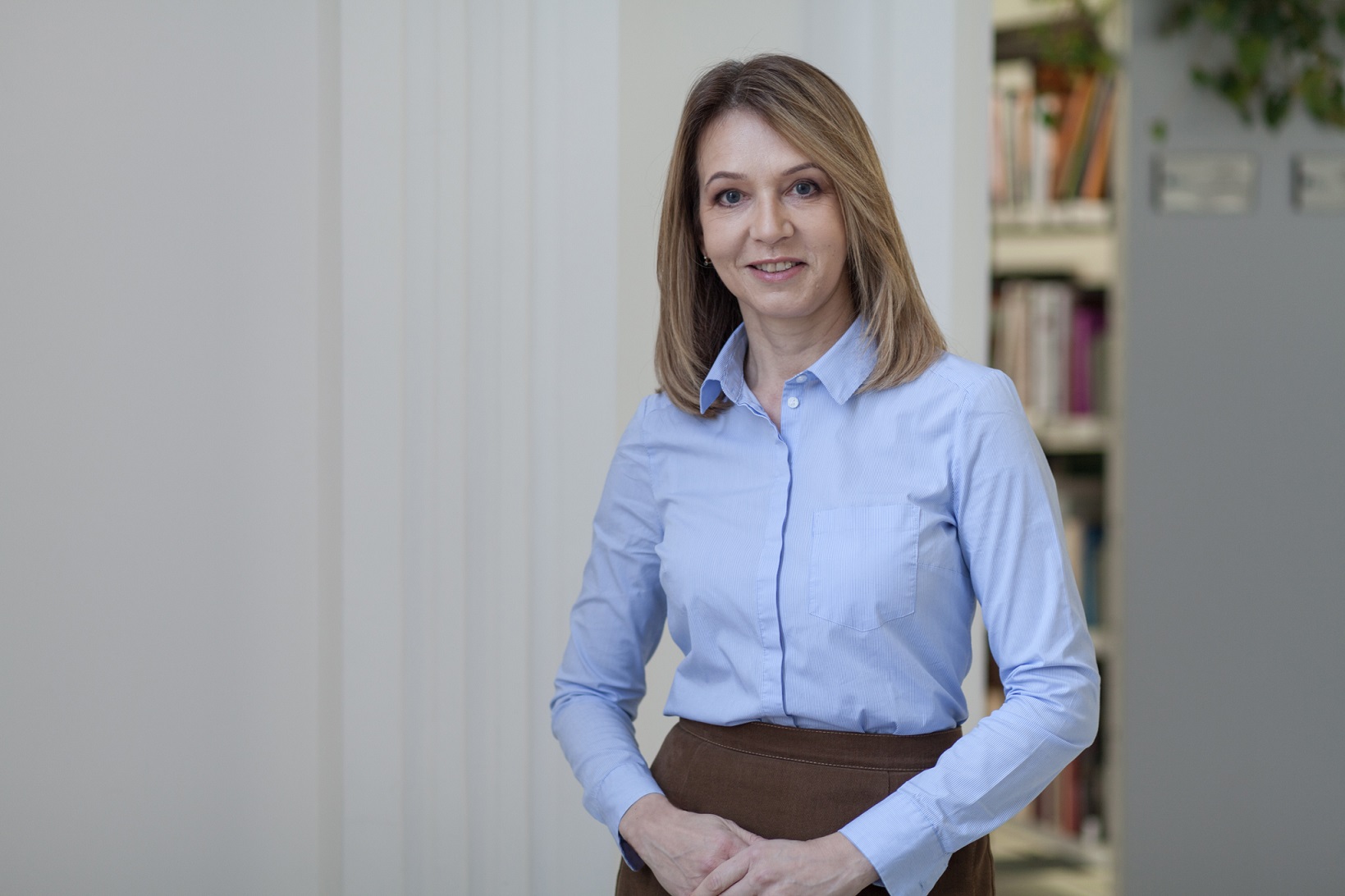
Mindaugas Liogys is a Senior Lecturer at Vilnius University's Faculty of Communications, affiliated with the Department of Information and Knowledge Management. He holds a PhD in Optimization of Work Schedules in Healthcare Institutions (2013). His research focuses on healthcare operations optimization, scheduling algorithms, and metaheuristic methods. Academic Qualifications: PhD in Optimization of Work Schedules in Healthcare Institutions (Vilnius University, 2013). Teaching: Courses include Database Management, Information Systems and Databases, and Information Security. Research Projects: Lead the 2015–2017 'Partnerships to Ensure Risk Management in Practice' (Erasmus+ KA2) and participated in an LLP Erasmus intensive project (2014). Publications: His notable work includes a 2012 paper on hospital staff scheduling using variable neighborhood search, published in the ICIST conference proceedings (Springer). Grants/Awards: No specific awards or grants listed in the provided texts.
Andrius Grigas is a researcher at Vytautas Magnus University (VDU) specializing in Environmental Engineering. He earned his Doctor of Environmental Engineering degree in 2024 and is currently employed at the Bioeconomy Research Institute. His primary academic affiliations include the Department of Agricultural Engineering and Safety (with 9 references) and the Faculty of Engineering. Dr. Grigas's research focuses on hydroponics, biosystem engineering, environmental protection, and human safety. His work spans multiple disciplines within environmental engineering, with particular emphasis on sustainable agricultural technologies and nature-based solutions. His publication record shows consistent involvement in the annual 'Human and Nature Safety' conference series from 2021 to 2025, which publishes proceedings in the Central & Eastern European Academic Source (EBSCO) database. These publications demonstrate his research trajectory in environmental engineering with growing emphasis on biodiversity conservation and sustainable practices. Dr. Grigas has participated in international academic collaboration, with conference attendees from multiple countries including Sweden, Germany, Belgium, Turkey, Poland, and South Africa, indicating his work has international reach and relevance.
Dr. Daiva Litvinskaitė works at Vilnius University's Department of Lithuanian Studies since 2021, teaching Lithuanian language to foreign students and post-Soviet literature. She previously served as Visiting Lecturer at the University of Illinois, Chicago (2012-2020) and Research Assistant there (2004-2009). Her research focuses on Lithuanian women's literature, feminist studies, and postcolonial theory. Doctor of Humanities (2010) and Master's in Slavic and Baltic Philology (2005) from University of Illinois, Chicago Specializes in gender representations in Lithuanian literature and post-Soviet cultural analysis Active member of Modern Language Association, ACTFL, and Association for the Advancement of Baltic Studies Her research combines feminist theory with postcolonial analysis, examining bodily representations in Lithuanian women's writing and translation history. She has contributed to the Princeton Encyclopedia of Poetry and Poetics and maintains expertise in teaching Lithuanian as a foreign language. The 2024 qualification improvement courses for foreign Baltic studies lecturers and previous EU-funded collaboration projects demonstrate her international engagement.
Prof. Konstantinos Dallas is the Head of the Department of Digital Cultures and Communication at Vilnius University's Faculty of Communication. He holds a DPhil in Classical Archaeology from the University of Oxford (1987), with a thesis on costume analysis in Attic grave stelae. His research focuses on digital memory, socio-technical infrastructures, and semiotic practices in social media. Currently leading projects like 'Integrative Digital Memory for Communities,' he explores cultural identity formation through digital platforms. Research interests include cultural heritage representation, social media analytics, and interdisciplinary methodologies. He co-authored key works on museum quality evaluation via social media and digital archival frameworks. His work bridges archaeology's traditional methods with modern digital humanities approaches. Recent publications emphasize digital memory curation, contested heritage discourse analysis, and ontology development for social media practices. He participated in editorial roles for journals like Information & Media and co-organized conferences on populism in media. Active in academic governance, he sits on dissertation committees and contributes to communication education through courses on research design.
Romas Baronas serves as a Professor at the Faculty of Mathematics and Informatics, Vilnius University, actively teaching Database Management Systems and supervising Master's thesis research as evidenced by his current teaching schedule extending through the 2025/2026 academic year. His academic profile demonstrates sustained engagement in both educational and research activities within the university's mathematics and informatics framework. Professor Baronas' research centers on advanced mathematical modeling of biological systems, with primary focus areas including biosensor optimization, bacterial self-organization phenomena, enzyme kinetics, and bioreactor design. His work employs computational analysis to investigate diffusion limitations, pattern formation in microbial populations, and reaction-diffusion dynamics, bridging theoretical mathematics with practical biotechnological applications. The interdisciplinary nature of his research integrates microbiology, electrochemistry, and nanotechnology to develop predictive models for complex biological processes. Analysis of his 15 most recent publications (2020-2025) reveals consistent thematic progression in mathematical biosensor modeling, with increasing emphasis on bacterial pattern formation, oxygen consumption dynamics, and multi-layer system optimization. His scholarly output demonstrates methodological evolution from foundational biosensor modeling toward sophisticated investigations of bacterial self-organization across scales, incorporating fractal analysis and gravity effects. The research consistently applies nonlinear dynamics and computational simulation to address challenges in bioreactor efficiency and biosensor sensitivity. Professor Baronas has supervised Master's students through thesis preparation activities, though specific student names and grant details are not documented in the provided materials. His academic service includes editorial contributions as a referee for INFORMATICA journal, reflecting his standing in the scholarly community. While laboratory affiliations are not explicitly stated, his research methodology suggests involvement with computational modeling facilities supporting his extensive publication record in mathematical biosciences.
Rita Bužinskienė is an Associate Professor at Vytautas Magnus University, affiliated with the Faculty of Economics and Management and the Department of Applied Economics, Finance and Accounting. She earned her Doctor of Sciences degree in 2017 from Šiauliai University, focusing on the impact of intangible assets on company market value. Primary Research Areas: Finance, Economics, Biomass Utilization, Agricultural Integration, Environmental Modeling, Sustainable Development, Climate Change Since 2021, she has led a project analyzing biomass potential from agricultural resources to address climate-related environmental challenges. Her publications span SCOPUS, Clarivate Analytics, EBSCO, and Copernicus databases, with a focus on bioeconomy and environmental sustainability.
Dr. Šarūnas Mikolaitis is an Associate Professor and Senior Researcher at Vilnius University's Institute of Theoretical Physics and Astronomy (ITPA). His research focuses on stellar evolution, galaxy chemodynamics, and chemical abundances in stars, with a particular emphasis on understanding the chemical composition of planetary host stars and Galactic structure using data from the Gaia-ESO Survey and other international collaborations. Institution: Institute of Theoretical Physics and Astronomy (ITPA), Vilnius University Research Area: Stellar evolution, chemodynamics of the Galaxy Key Collaborations: Gaia-ESO Survey, AMBRE project, PLATO mission Research Trends: Analysis of elemental abundances (C, N, O, Fe, neutron-capture elements) in open clusters and field stars, using high-resolution spectroscopy and machine learning techniques to trace Galactic chemical evolution, age-abundance relations, and star-planet connections. Publication Highlights: Contributions to the Gaia-ESO Survey data releases, studies on neutron-capture elements in planetary hosts, and investigations of mixing processes in RS CVn and hot subdwarf stars. His work often involves international consortia and large-scale spectroscopic datasets.
Dr. Anita Juškevičienė is a Senior Researcher at the Educational Systems Group of Vilnius University's Institute of Data Science and Digital Technologies. Her work focuses on computational thinking, STEM education, and digital competence development. Research Interests : Computational thinking in primary/secondary education, STEAM integration, gender balance in STEM, educational technology adoption, and digital competence frameworks. Publications Trends : Recent work addresses pedagogical approaches for informatics education, teacher motivation, physical computing in STEM, and data modeling techniques for educational systems. Supervision : Currently supervising Snow White Bagocienė on modeling automatic assessment systems for design thinking. Projects : Active in analyzing global trends in computing education and implementing mobile learning scenarios for computer engineering training.
Alessandra Durazzo is a Researcher at the CREA - Research Centre for Food and Nutrition . She holds a Master's degree in Chemistry and Pharmaceutical Technology (2003, cum laude) and a Ph.D. in Horticulture (2010). Her work focuses on food chemistry, nutritional analysis, and nutraceutical research, with a particular emphasis on bioactive compounds, antioxidant properties, and applications of nanotechnology in food and pharmaceutical contexts. Key Expertise: Food composition databases, dietary supplements classification, agro-food waste valorization Notable Recognition: Top Cited Scholar 2025 Her research spans interdisciplinary domains including Nutritional Biochemistry , Food Science , and Dietary Intake Analysis , with applications in public health and disease prevention. She has contributed to international research projects evaluating factors affecting food quality and bioactive molecule profiles.
Dr. Dervinis Donatas is an Assistant Professor at the Department of Electrical and Electronic Engineering, VU Šiauliai Academy. His research focuses on Renewable Energy, Automation, Computer Vision, and Cybersecurity, with a strong emphasis on practical applications in industrial systems and educational technologies. He holds a Doctor of Science in Electrical and Electronics Engineering and has over 22 months of academic experience. His educational background includes advanced studies in electrical engineering, complemented by a prolific career in research. Key research areas include solar energy systems, image processing, and automated systems for transportation and security. He contributed to the development of a textbook on Image Processing (2012) and has been affiliated with the eLABa research group. Donatas has authored or co-authored over 15 peer-reviewed publications, exploring topics such as energy-efficient cloud computing, password security, and real-time video analysis for human recognition. His work bridges theoretical advancements with practical implementations in fields like industrial automation and biomedical engineering. While no specific awards are listed, his publications appear in reputable journals like Applied Scientific Research and Professional Studies: Theory and Practice . His academic advising and grant activities are not explicitly detailed, though his research often involves collaborative projects with institutions like Tallinn University of Applied Sciences and Šiauliai State College. Donatas is actively involved in the eLABa research team, focusing on innovative solutions in electrical engineering and technology education. His future work continues to emphasize sustainable energy systems and advanced computer vision applications.
Rita Misiulienė is an Assistant Professor at Vilnius University Šiauliai Academy. Her academic journey includes a PhD in Education from Vytautas Magnus University (2017–2022), a Master's in Distance Learning Information Technologies from Kaunas University of Technology (2010–2012), and a Bachelor's in Computer Science from Šiauliai University (2005–2010). She has held roles at multiple institutions, including Vytautas Magnus University (2019–2023) and the North Lithuanian College (2012–2016). Her research focuses on learning analytics and technology-enhanced learning within the broader domains of social sciences and educology. She has contributed to projects like improving competence evaluation systems in vocational training and developing educational information systems. Professional activities include serving as an expert for the LieDM association in evaluating distance learning materials and active membership in organizations such as the Lithuanian Educational Research Association (LETA) and the Researchers' Excellence Network (RENET). She has also engaged in international collaboration through an internship at the Open University of Catalonia, Spain. No scientific awards are explicitly mentioned in the provided information. Her teaching includes subjects like information law, IT didactics, virtual communication, and database management.
Roles & Affiliation: Professor at the Regional Development Institute of Šiauliai Academy (Vilnius University). Previously served as Professor and Head of the Department of Electronics at Šiauliai University. Specializes in Computer Science, Environmental Science, and Biometrics, with a focus on airborne pollen recognition, deep neural networks, and bioaerosol monitoring. Doctorate in Electrical and Electronic Engineering from Kaunas University of Technology (1999). Research Interests: Combines computer vision and machine learning to advance automated pollen classification, allergen forecasting, and health impact analysis. Explores applications of AI in environmental monitoring, biometrics, and medical diagnostics. Publications: Over 50 peer-reviewed articles, with recent work emphasizing real-time pollen detection systems, health correlations of airborne allergens, and automated bioaerosol monitoring. Key projects include EU-funded initiatives on synergistic effects of pollen and air quality, and real-time pollen forecasting. Grants & Projects: Led EU FP6 projects (COGAIN, MICOLE) on eye-tracking technology for disabled users. Active in Lithuania’s Research Council and EU Structural Funds projects focusing on pollen and environmental health. Labs & Teams: Collaborates with interdisciplinary teams in Šiauliai Academy’s Department of Electronics and bioaerosol research groups. Part of international networks like ISCA and IEEE, contributing to standards in eye-tracking and environmental monitoring.
Professor Šaulienė Ingrida serves as a Professor and Chief Researcher at Vilnius University Šiauliai Academy, specializing in aerobiology and environmental science. Her work focuses on pollen properties, allergen mitigation, and public health impacts. She has held leadership roles, including Vice-Rector for Science and Art, and directs the University Research Institute. Education: Doctor of Biomedical Sciences (Botany). Research Interests: Aerobiology, pollen dispersion dynamics, allergenic potential of urban flora, and development of monitoring technologies. Her projects include automated pollen detection systems and EU-funded initiatives like EO4EU and REALTIME. Key Projects: Leading initiatives such as AI-augmented Earth Observation (EO4EU), allergen forecasting (PASYFO), and standardized bioaerosol monitoring guidelines. She also chairs COST Action ADOPT and serves in international aerobiology organizations. Awards: Doctor Honoris Causa from Daugavpils University (2016), multiple ministerial commendations, and researcher accolades. Active in editorial roles for journals like Frontiers in Allergy and Zemdirbyste-Agriculture . Grants & Labs: Over 20 funded projects since 2005, focusing on ragweed management, pollen forecasting, and urban green space policies. Collaborates with institutions across Europe on environmental and health initiatives.
Jolanta Valčiukienė is an Associate Professor and Head of the Department of Land Use Planning and Geomatics at the Agricultural Academy of Vytautas Magnus University. She holds a Doctor of Technology degree (2012) and has been serving as Associate Professor since 2016. Her academic leadership extends to heading her department since 2018 and contributing to the Bioeconomy Research Institute since September 2024. Her primary research interests span Land Administration , Spatial Planning , and Sustainable Land Use , with additional expertise in geomatics and land management. Dr. Valčiukienė's work bridges theoretical frameworks with practical applications in agricultural landscapes and rural development contexts. Analysis of her recent publications reveals a strong focus on integrating geospatial technologies with sustainable land management practices, particularly examining climate change adaptation strategies, bioeconomy implementation, and digital transformation in land administration systems. Her research increasingly addresses European Green Deal challenges and emphasizes the interconnections between human safety and environmental protection. Dr. Valčiukienė has been actively involved in organizing and contributing to numerous international conferences, particularly the annual Human and Nature Safety series (2021-2025) and Rural Development conferences focused on sustainable bioeconomy. Her work has been published in the scientific articles collection Human and Nature Safety , referenced in the Central & Eastern European Academic Source (EBSCO) database. As Head of Department, she mentors students and researchers while actively participating in interdisciplinary research projects addressing contemporary challenges in land management, spatial planning, and sustainable resource use. Her international collaborations span multiple European countries, demonstrating her commitment to advancing knowledge in her field through global academic exchange.
Dr. Romualdas Kisielius is a Senior Researcher at the Institute of Theoretical Physics and Astronomy (ITPA) at Vilnius University, specializing in theoretical atomic physics with applications in astrophysics. His work focuses on atomic spectroscopy, electron and photon interactions with ions, correlation effects, and plasma modeling across temperature ranges. His research interests include theoretical atomic spectroscopy, electron and photon interactions with ions, correlation effects in ions, and low- and high-temperature plasma modeling for astrophysical applications. Dr. Kisielius has made significant contributions to atomic data for various ions including Ne II, C II, Fe II, O II, and S II, with applications in nebular physics and cosmic chemical evolution studies. Analysis of his publication record from 1998-2021 reveals a consistent focus on atomic data generation for astrophysical diagnostics, particularly concerning ionization states of elements across the periodic table. His work bridges atomic physics with observational astronomy, providing critical data for interpreting spectral lines from cosmic objects. Dr. Kisielius has received significant funding from the National Science Foundation (USA) as principal co-investigator for projects related to atomic physics needs for spectroscopic diagnostics of cosmic chemical evolution (2020-2023) and spectral diagnostics of heavy elements at high redshift (2012-2016). He has supervised doctoral students including Frances H. Cashman (2020, University of South Carolina, USA) and has presented his work on the ADAMANT database at international workshops including the Atomic Data and its Incorporation into Cloudy workshop in Belfast (2013) and the 23rd Meeting of the Atomic and Molecular Data Centres at the International Atomic Energy Agency in Vienna (2015).