Nicolas Cassar holds the Lee Hill Snowdon Professor of Biogeochemistry at Duke University's Nicholas School of the Environment. His research focuses on environmental biogeochemistry and physiology, particularly mechanisms governing ocean carbon cycles, productivity, and climate interactions. Education: Ph.D. (2003) from University of Hawaii, Manoa; B.S. (1997) from McGill University His interdisciplinary approach combines field observations, laboratory experiments, and data science to study topics like ocean carbon budgets, nitrogen fixation, and air-sea gas exchange. Recent work examines Southern Ocean dynamics, dust-driven blooms, and submesoscale biophysical features. Scientific contributions include the development of high-frequency measurement systems for dissolved gases and co-principal investigator roles in NSF-funded projects. Awards highlight his early career achievements (NSF CAREER 2014) and his 2025 recognition as a Bass Chair.
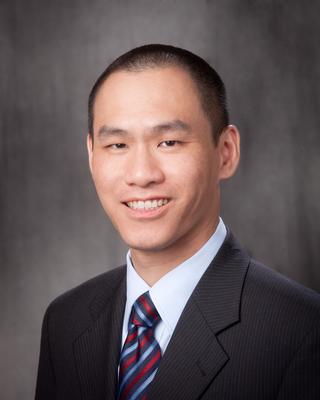
Joy Arulraj is an Associate Professor at Georgia Institute of Technology, affiliated with the School of Computer Science and the Database group. His research focuses on developing innovative data systems for video analytics, non-volatile memory optimization, and self-driving database management systems. Research Interests: Database systems Machine learning Non-volatile memory Self-driving databases Query optimization Geo-distributed data management Notable Research Contributions: Developed EVA , a video analytics system using deep learning Created APOLLO for automated database debugging Designed EQUITAS to minimize SQL computation overlap Explored NVM-based database architectures ( BzTree , Write-Behind Logging ) Investigated self-tuning databases Key Awards: IEEE Rising Star Award Students: Co-advised multiple graduate students including Pramod Chunduri, Gaurav Tarkok Kakkar, and Jiashen Cao Graduated students: Xinyu Liu, Qi Zhou, Jinho Jung Labs & Teams: Member of Georgia Tech's Database group Collaborates with international institutions (MIT, Stanford, Microsoft Research, etc.)
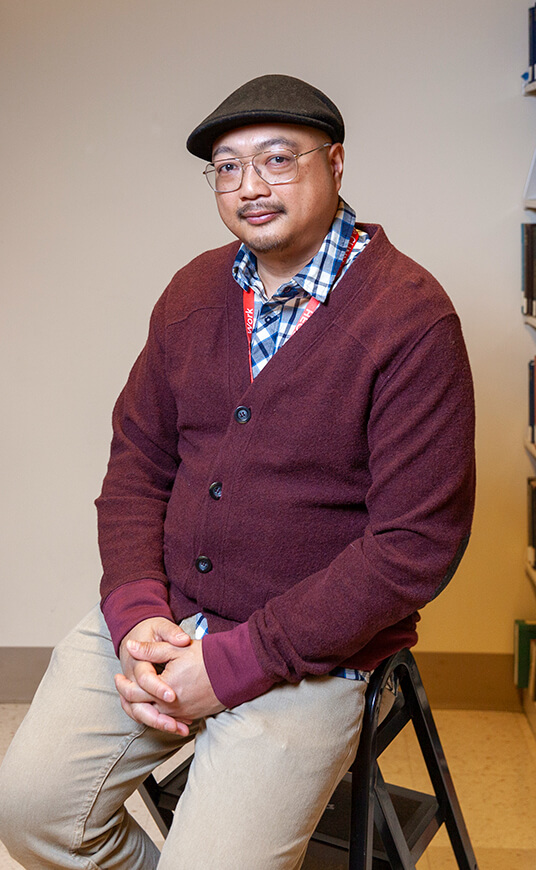
Frans Albarillo is an Associate Professor in the Library department at the School of Humanities and Social Sciences, City University of New York (Brooklyn College). He serves as the subject librarian for business, economics, accounting, linguistics, and sociology. Education: B.A., Portland State University (Applied Linguistics), 2002 B.A., Portland State University (French), 2002 M.A., University of Hawai'i at Manoa (Linguistics), 2007 MLISc, University of Hawai'i at Manoa (Library and Information Science), 2009 Albarillo's research examines information behavior patterns in academic libraries, particularly focusing on immigrant student populations, language functionality in databases, and multicultural information access. His work employs mixed-methods approaches to assess library service efficacy and information equity. His publications demonstrate consistent focus on improving library services for diverse users, with recent work emphasizing research design methodologies for librarians and assessment of professional development programs. Key thematic clusters include language preferences in academic research, information literacy instruction, and cultural rights in library contexts. Awards and Grants: Co-authored $1.97M Department of Education grant (AANAPISI program) Multiple PSC-CUNY Research Awards (Cycles 44, 46, 54) Robin Hood COVID-19 Relief Fund awards ($300,000 total, as grant writer) Institute of Research Design in Librarianship Fellowship (2014) Jay Bernstein Memorial Scholarship American Library Association Diversity Grant Albarillo has secured significant external funding through collaborative grant-writing, including federal and COVID-relief awards supporting institutional programs. No student advising relationships are documented. He maintains active professional leadership through the American Library Association's Emerging Leaders program and CUNY's L.E.A.D initiative, which develops innovative leadership models for academic librarians.
Coralie Vogelaar is an interdisciplinary artist and lecturer at the ArtScience Interfaculty , affiliated with Leiden University . Her work bridges behavioral science with artistic practice, focusing on human-machine relationships through algorithmic systems and biometric data. 2021 Prix de Rome nominee Collaborates with experts in data analysis, choreography, and sound design Exhibited at Stedelijk Museum Amsterdam, ZKM Karlsruhe, and Science Gallery Dublin Her research explores: Power dynamics in responsive technologies Biometric data translation into sensory experiences Algorithmic biases in image recognition systems Human compliance with fitness-machine hybrids Technical collaborations with V2_Lab , TU/e Innovation Space , and Digital Methods Initiative demonstrate her cross-disciplinary approach. Works utilize Teachable Machine , SuperCollider , and facial action coding systems to interrogate digital-physical interfaces. Scientific Recognition: Nominated for Prix de Rome (2021) Featured in V2_ Lab's 40-year retrospective
Juan Antonio Prieto Velasco is a Professor at Pablo de Olavide University , affiliated with the Department of Philology and Translation. His research focuses on Translation Studies , Cognitive Linguistics , and Multimodal Discourse Analysis , with particular emphasis on scientific translation and medical terminology . PhD in Philology and Translation from the University of Granada (2008) Supervised by Dr. Pamela Faber Benítez and Dr. Clara Inés López-Rodríguez Co-authoring with Adrián Fuentes Luque on situated learning and Web 2.0 tools in translator education His recent work examines multimodal representation of specialized knowledge through projects like VARIMED (cognitive motivation in medical translation) and EcoLexicon (multimodal environmental terminological databases). He utilizes corpus analysis tools to study image schemas in medical pain representation and graphic information in technical communication. Publications highlight visualization strategies in terminology, accessible educational materials , and curriculum innovation under the European Higher Education Area (EEES) framework. His teaching methods emphasize authentic project-based learning and collaborative translation scenarios .
Carla N Mavian is an Assistant Professor at the Emerging Pathogens Institute, University of Florida, and a Research Associate at the Smithsonian’s National Zoo & Conservation Biology Institute. Her work integrates One Health principles to study infectious diseases , focusing on molecular evolution , phylodynamics , and host-pathogen-environment interactions in disease hotspots. B.Sc. and M.Sc. in Biotechnology, University of Padova, Italy PhD in Molecular Biology, Universidad Autónoma de Madrid, Spain Postdoctoral Research, University of Florida Her research spans zoonotic viruses , arboviruses (e.g., dengue, Zika, Mayaro), and climate-driven disease spread , with significant work on Vibrio cholerae and SARS-CoV-2 dynamics. Recent articles highlight genomic surveillance of cholera in Malawi, phylodynamic modeling of SARS-CoV-2 in Italy, and arboviral risk assessment using human travel and vector data. Scientific awards include the Thomas H. Maren Fellowship , UF College of Medicine Young Investigator Award , and recognition by the American Society of Tropical Medicine and Hygiene . She actively contributes to grant-funded research on cholera recurrence, arboviral risks, and SARS-CoV-2 evolution in immunocompromised populations. Her lab investigates climate-land use-pathogen interactions , zoonotic emergence , and phylodynamic tools for public health. She co-organizes international workshops and is a certified Data Carpentry Instructor .
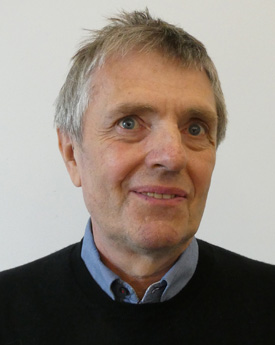
Professor Brian Francis is a distinguished academic at Lancaster University, serving as Professor of Social Statistics within the School of Mathematical Sciences. His office is located in B38, B-Floor, Fylde College, and he maintains an active research program as evidenced by his extensive publication record and ongoing projects extending through 2026. Professor Francis is a leading social statistician whose research spans multiple domains at the intersection of statistics and social sciences. His primary research interests include: Social statistics and quantitative criminology Preference models and latent class methods for longitudinal data Mixture models and categorical data problems Criminal careers of offenders and social and developmental change Analysis of administrative and survey data Violence and serious offending, including sexual offending, homicide, trafficking, and cyber-crime High frequency victimization and gender-based violence Child developmental studies in psychology His research program demonstrates a consistent focus on applying sophisticated statistical methodologies to pressing social issues, particularly in criminology and violence research. Professor Francis has developed innovative approaches for analyzing criminal careers, measuring violence, and understanding patterns of offending behavior. His recent work has particularly emphasized the measurement challenges in criminological data and the gender dimensions of violence. Analysis of Professor Francis's recent publications reveals a strong trend toward methodological innovation in crime statistics and violence measurement. His 2020-2025 work focuses on critical issues including conflicting trends in violent crime measurement, developing sentence severity scales, refining violence definitions in crime surveys, and improving estimation methods for human trafficking. He has also made significant contributions to data privacy techniques through his work on differential privacy and synthesis of confidential data. Professor Francis has received notable recognition for his contributions to the field: Royal Statistical Society: John Howard Medal for Social Statistics ONS Research Excellence Awards 2024 Outcome - Impact of Analysis Professor Francis is actively involved in numerous research projects and collaborations. His current projects include "Working memory and its relation to key outcomes in the real world" (2023-2026), "METHCRIM- methodological aspects of crime survey data" (2023-2026), and "Violence Health and Society" (2021-2026). He has provided written evidence to Parliamentary committees on tackling Violence Against Women and Girls (VAWG) and contributed to policy development in trafficking and violence measurement. As a member of the Data Science Institute and Security Lancaster, Professor Francis collaborates with interdisciplinary teams to address complex societal challenges through statistical methodology. His editorial work for the European Journal of Criminology and Journal of Quantitative Criminology demonstrates his leadership in advancing methodological standards in criminological research.
Maher Harring Kassem serves as a Guest Researcher within the Machine Learning section at the Department of Computer Science, University of Copenhagen. His position falls under the research staff category, reporting to Head of Section Professor Yevgeny Seldin, and contributes to the department's mission in theoretical and applied machine learning research. His research spans Machine Learning , Natural Language Processing , Health Informatics , Sustainable AI , Quantum Machine Learning , and Cross-Cultural Computing . This interdisciplinary profile integrates computational methods with real-world applications in mental health analysis, culinary adaptation systems, emotion recognition, and environmental sustainability, reflecting the department's focus on domains like medical data analysis and biological modeling. Analysis of his 2024-2025 publications reveals a distinct trend toward high-impact interdisciplinary work. Key themes include sustainable AI development (addressing energy consumption in models), quantum-biomolecular applications (free energy calculations), cross-cultural NLP systems (recipe adaptation), and clinical AI (nursing values evaluation). His output demonstrates technical depth across optical neural hardware, EEG-based semantic relevance, and fairness-aware recommender systems, while consistently tackling societal challenges like climate impact and healthcare equity. No scientific awards or fellowships were documented in the available materials. As a Guest Researcher, Kassem leverages the department's powerful compute cluster and participates in initiatives like the SCIENCE AI Centre and TreeSense project for remote sensing of global tree resources. His collaborative work spans medical imaging analysis, quantum computing applications, and sustainable AI development, utilizing the university's infrastructure for large-scale computational tasks in domains ranging from wetland conservation to quantum photonic computing.
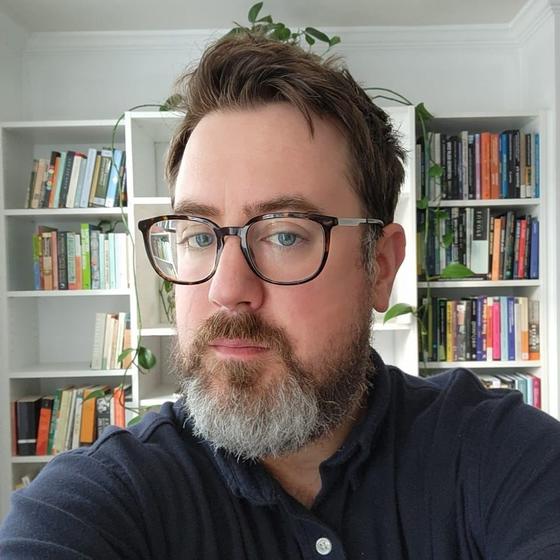
Andrew Iliadis is an Associate Professor at Temple University's Lew Klein College of Media and Communication , specializing in the Media Studies and Production department. He contributes to the Media and Communication Doctoral Program, Cultural Analytics Graduate Certificate Program, and Science, Technology, and Society Network. Specializations : Semantic computing (metadata, knowledge graphs), embodied computing (wearables, implantables), and data ethics. Publications : Author of Semantic Media: Mapping Meaning on the Internet (Polity, 2022) and Embodied Computing: Wearables, Implantables, Embeddables, Ingestibles (MIT Press, 2020). His upcoming book Autonomous defense: How tech companies are crafting and cashing in on the future of warfare (2025) explores militarized AI. Research Trends : Analyzes sociotechnical implications of digital systems, including surveillance platforms (Palantir), semantic web standards (Schema.org), and critical data studies frameworks. Education : PhD in Communication and Philosophy from Purdue University, MA in Communication and Culture from Toronto Metropolitan University, BA in Literature and Cultural Studies from Trent University. Teaching : Courses on media analysis, technology and culture, and information society at both undergraduate and graduate levels.
Dr. Li-Xing Man is an Associate Professor in the Department of Otolaryngology at the University of Rochester School of Medicine and Dentistry, where he joined in 2011 as the first fellowship-trained rhinologist in the Rochester area. His clinical practice focuses exclusively on sinus and nasal disorders, with expertise in chronic sinusitis, sinonasal tumors, and minimally invasive procedures including endoscopic lacrimal/orbital surgery and sialendoscopy for salivary gland disorders. He maintains active clinical appointments at UR Medicine's Brighton Clinton Woods location. Education: MD, University of Pennsylvania School of Medicine (2005) Residency in Otolaryngology, UPMC Presbyterian Hospital (2006-2010) Fellowship, Memorial Hermann Surgery Center Texas Medical Center (2010-2011) Internship in General Surgery, Hospital of the University of Pennsylvania (2005-2006) Dr. Man's research centers on chronic rhinosinusitis pathophysiology and management, with three primary thrusts: (1) topical therapies and microbiome modulation; (2) epidemiologic analysis of treatment outcomes; and (3) complementary/integrative medicine approaches including Ayurvedic treatments and crenotherapy. His work bridges clinical practice and translational research, emphasizing patient-centered decision-making and minimally invasive techniques to reduce recovery time. His 2019-2025 publications reveal expanding research horizons: trauma epidemiology (e.g., horseback/weightlifting injuries), healthcare system analysis (malpractice trends, prescribing patterns), diversity initiatives in ENT training, and innovative biologic therapies like dupilumab. A unifying thread is his focus on real-world evidence and patient-specific outcomes , particularly in underserved treatment areas like complementary medicine for sinus disorders. Scientific Awards: NICHD Research Grant (2001) Fulbright Grant (declined) (1998) Commonwealth Scholarship (1998) Class of 1883 Freshman English Prize (1995) Dr. Man actively mentors medical students and residents through national/international rhinology courses, emphasizing surgical technique and patient communication. His collaborative research involves Allergy/Immunology, Ophthalmology, and Neurosurgery colleagues, supported by grants including the NICHD award. Patient feedback consistently highlights his exceptional bedside manner, thorough explanations, and willingness to incorporate patient perspectives into treatment planning. Within the University of Rochester Medical Center ecosystem, Dr. Man operates through the Accountable Health Partners network and URMFG, collaborating with multidisciplinary teams to address complex sinus/skull base pathologies. His clinical-research interface drives innovation in minimally invasive techniques and complementary treatment protocols.
Mariana Bonfim is an Assistant Professor in the Department of Biology at Temple University's College of Science and Technology. She also serves as Managing Director of the Temple Ambler Field Station, where she integrates research and education. Research Focus: Disturbance ecology, invasion biology, and biogeography across marine and forest ecosystems. Methodology: Combines field-based studies with ecological modeling to assess recovery from natural and climate-driven disturbances. Article Trends : Her recent work spans agrivoltaic research, marine invasion risks, cross-latitudinal recovery patterns, and mycorrhizal feedbacks in forests. Themes intersect climate change, biodiversity conservation, and ecosystem resilience. Labs/Teams : Affiliated with the Temple Ambler Field Station, which provides outdoor experiential learning opportunities and focuses on climate-driven disturbance studies in temperate deciduous forests.
Professor Zeynep Yasemin Kahya is a distinguished academic in the Department of Electrical and Electronics Engineering at Boğaziçi University's Faculty of Engineering. With a career spanning over three decades at Boğaziçi University, she has progressed from Assistant Professor to her current position as Professor. She has held significant administrative roles including Department Chair (2012-2021) and Deputy General Secretary (2008-2012). Dr. Kahya's research focuses on biomedical signal processing, particularly lung acoustics and respiratory sound analysis. PhD in Biomedical Electronics, Boğaziçi University (1981-87) MS in Electrical Engineering, Yale University (1980-81) BS in Electrical Engineering & Physics, Boğaziçi University (1976-80) Professor Kahya's research interests center on biomedical signal processing with specific emphasis on lung acoustics, respiratory sound analysis, and digital stethoscope design. Her work combines advanced signal processing techniques like wavelet transforms with clinical applications for pulmonary disease diagnosis. She has pioneered methods for pulmonary sound classification, crackle and wheeze detection, and respiratory sound parameterization. Her laboratory, the Lung Acoustics Laboratory (LAL), develops "smart stethoscope" diagnostic systems based on respiratory sounds. Her publications demonstrate a consistent research trajectory in respiratory sound analysis, with recent work focusing on machine learning approaches for pulmonary disease diagnosis. Professor Kahya has successfully translated her research into practical applications, including patented technologies for auscultation data acquisition systems and founding Electrosalus Biyomedikal, a company commercializing smart stethoscope technology. TÜBİTAK high school, undergraduate, and doctoral scholarships (1973-84) Fellowships from MIT, Yale, Stanford, and Caltech for undergraduate studies (1976) Fellowships from Yale and Princeton for doctoral studies (1980) Multiple research grants from Boğaziçi University Research Fund TÜBİTAK TEYDEP grants for smart stethoscope development Professor Kahya has supervised numerous PhD and Master's students, many of whom have worked on projects related to respiratory sound analysis and biomedical instrumentation. She has led multiple research projects funded by Boğaziçi University and external agencies like TÜBİTAK. Her laboratory, the Lung Acoustics Laboratory (LAL), brings together students from various disciplines to work on hardware and software projects related to "smart stethoscope" diagnostic systems.
Dr. Annika Tjuka is a Postdoctoral Researcher at the Department of Linguistic and Cultural Evolution, Max Planck Institute for Evolutionary Anthropology in Leipzig. She received her Ph.D. in Linguistics with highest honors (summa cum laude) from Friedrich Schiller University Jena in March 2024. Her research integrates findings from linguistics and psychology using computational approaches to explore linguistic diversity, particularly variations in word meanings across languages. Dr. Tjuka's educational background includes: Ph.D. in Linguistics (2024) - Friedrich-Schiller-Universität Jena and International Max Planck Research School for the Science of Human History (IMPRS-SHH) Master of Arts in Linguistics (2019) - Humboldt-Universität zu Berlin Bachelor of Arts in German Linguistics and Scandinavian Studies (2016) - Humboldt-Universität zu Berlin Her primary research focuses on linguistic diversity and the semantic patterns of word meanings across languages. Dr. Tjuka has developed a cross-linguistic database containing rich information on word properties across 39 languages (https://norare.clld.org). She has conducted significant research on the semantic domain of the human body, investigating the intricate interplay between language, culture, and cognition. Her work on body-object colexifications has been published in Linguistic Typology, and her research on body part vocabularies has been published in Scientific Reports. Dr. Tjuka's research shows a strong emphasis on cross-linguistic patterns, particularly in semantic domains related to body parts and object naming. Her work combines computational approaches with cognitive and psychological insights to uncover universal and culture-specific factors that shape linguistic structures. She has made significant contributions to lexical database development, particularly through her work on Concepticon and NoRaRe. Her notable scientific achievement is the receipt of the Otto Hahn Medal, a prestigious award from the Max Planck Society recognizing outstanding scientific achievements during doctoral studies. Dr. Tjuka is actively involved in science communication, having presented her research at events like Soapbox Science Berlin. She values conducting culturally informed and theoretically motivated research that embraces diversity, publishing open-access work to increase accessibility, and building an ecosystem for interdisciplinary researchers while mentoring the next generation of cognitive scientists.
Ludger Paschen is a Researcher at the Leibniz-Zentrum Allgemeine Sprachwissenschaft (ZAS) in Berlin, specializing in the intersection of phonetics, phonology, and morphology. He leads the DFG-funded project AIRAL (Acoustic insights into the root-affix asymmetry across languages) and co-edits the Language Documentation Reference Corpus (DoReCo). His work focuses on cross-linguistic speech databases, prosody, segmental duration, and endangered languages. Education: PhD from University of Leipzig (2018), member of Research Training Group IGRA. Previously held positions as Substitute Professor at University of Potsdam and PostDoc at Max Planck Institute for the Science of Human History (Jena). Key research areas include: speech corpora design, acoustic analysis of morphological structure, prosodic phrasing, and the phonology-morphology interface. His projects leverage DoReCo to study typological patterns in segmental duration and word-internal pauses. Notable achievements include the 2024 publication of DoReCo 2.0 (53 languages), co-authored Nature Human Behaviour study on consonant lengthening universals, and multiple presentations at major linguistics conferences (ICPhS, DGfS, ICL). Collaborations involve institutions like CNRS, LMU Munich, and Sorbonne University. Teaching experience includes courses on Russian dialects, linguistic theories, and phonological length at Humboldt University and Potsdam University.
Farhad Nooralahzadeh is affiliated with the ZHAW School of Engineering at Zurich University of Applied Sciences (ZHAW), where he holds a Researcher position within the Intelligent Information Systems department. His primary role involves leading and co-leading key projects such as DataGEMS (Horizon Europe), Reliable Multi-lingual Open Data Exploration, and INODE4StatBot.swiss. He has contributed to advancing natural language processing (NLP) and open data exploration systems. Education: Not explicitly stated in the provided text. His research focuses on multilingual NLP applications, knowledge graph systems, and AI-driven data exploration tools. Recent work includes evaluating prompt engineering techniques for knowledge graph question answering and developing bilingual open data exploration frameworks like StatBot.Swiss. Projects emphasize cross-lingual data accessibility and automated SQL translation from natural language queries. Notable contributions include peer-reviewed publications in Frontiers in Artificial Intelligence and the Association for Computational Linguistics conference. He actively collaborates with institutions like the EU Horizon programs and maintains an ORCID profile (0000-0002-9053-0894). His work bridges theoretical AI advancements with practical applications in data management and linguistic diversity, positioning him as a key figure in intelligent information systems research.