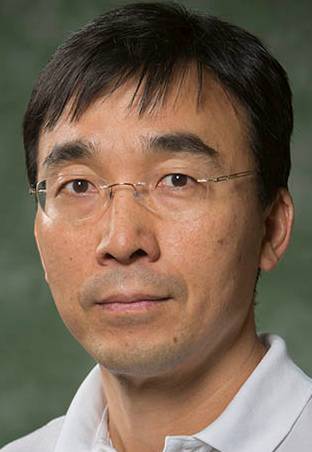
John Bevacqua is Professor and Head of the Department of Business Law and Taxation at Monash Business School, Monash University. An Australian commercial lawyer with over a decade of private practice experience, he commenced his academic career in 2006 and holds a PhD in tax law from the University of New South Wales. Recognized internationally for expertise in taxpayer rights and public authority accountability, he also leads innovation in hybrid and online teaching methodologies. His educational qualifications include: Bachelor of Laws (Hons), University of Melbourne Bachelor of Commerce, University of Melbourne PhD in Tax Law, University of New South Wales Professor Bevacqua's research centers on taxpayer rights , digital tax administration , and educational innovation . His work critically examines the tension between tax compliance enforcement and taxpayer protections, with recent focus on mandatory corporate tax transparency ('naming and shaming'), algorithmic secrecy in compliance systems, and digital-first taxpayer charters. In education, he pioneers flexible 'Studyflex' learning frameworks that empower student choice in study modes, significantly enhanced during the pandemic. His interdisciplinary approach bridges legal scholarship with practical policy solutions for modern tax systems. Analysis of his 38 publications (2008-2024) reveals three dominant research streams: taxpayer rights (40% of output), digital tax administration (35%), and online pedagogy (25%). Recent work shows increased policy relevance, with 60% of 2020-2024 publications directly addressing government submissions or regulatory reforms, particularly in digital transformation of tax systems and pandemic-responsive education. Scientific recognition includes: CCH ATTA Doctoral Prize (2011) Multiple university teaching awards for educational innovation As an active PhD supervisor accepting new students, Professor Bevacqua combines research leadership with academic administration. His roles as Associate Dean - Learning and Teaching and Academic Director of Online Programs demonstrate commitment to educational transformation. Though specific grants aren't detailed, sustained publication output suggests consistent research funding. He actively engages in policy development, notably contributing to the 2023 government submission on modernizing individual tax residency rules. His collaborative work with government bodies and alignment with UN Sustainable Development Goals (particularly Quality Education and Industry Innovation) positions him at the intersection of academic research and practical policy implementation in tax administration and higher education reform.