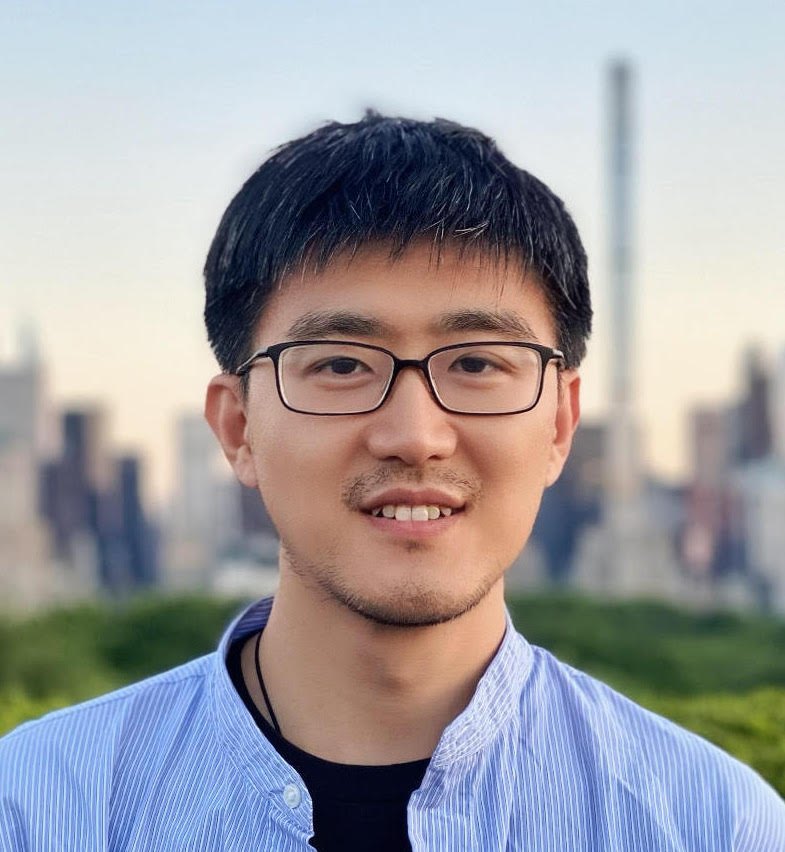
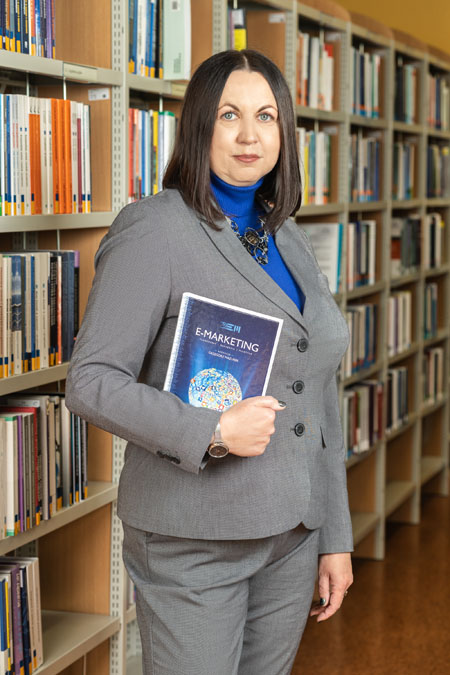
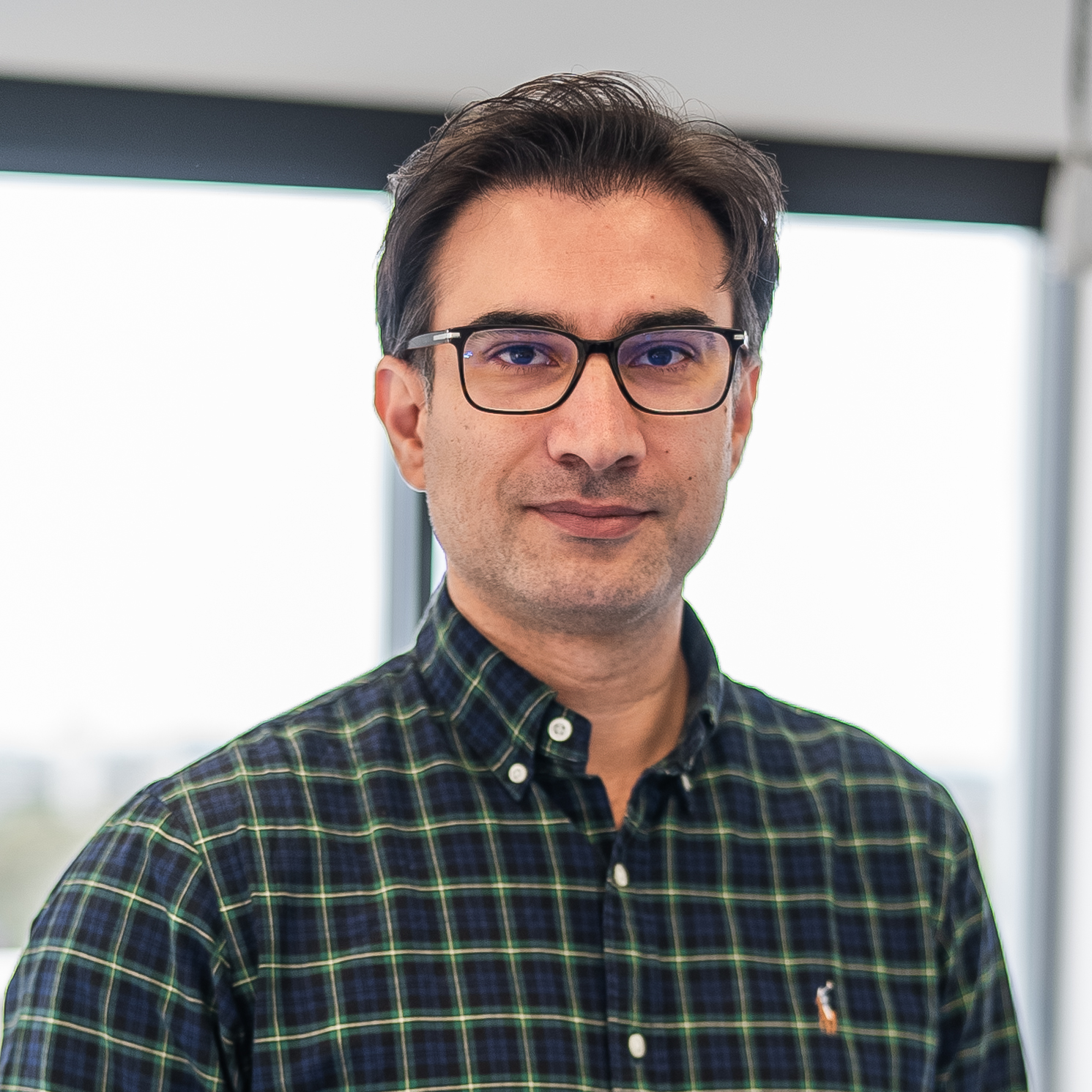
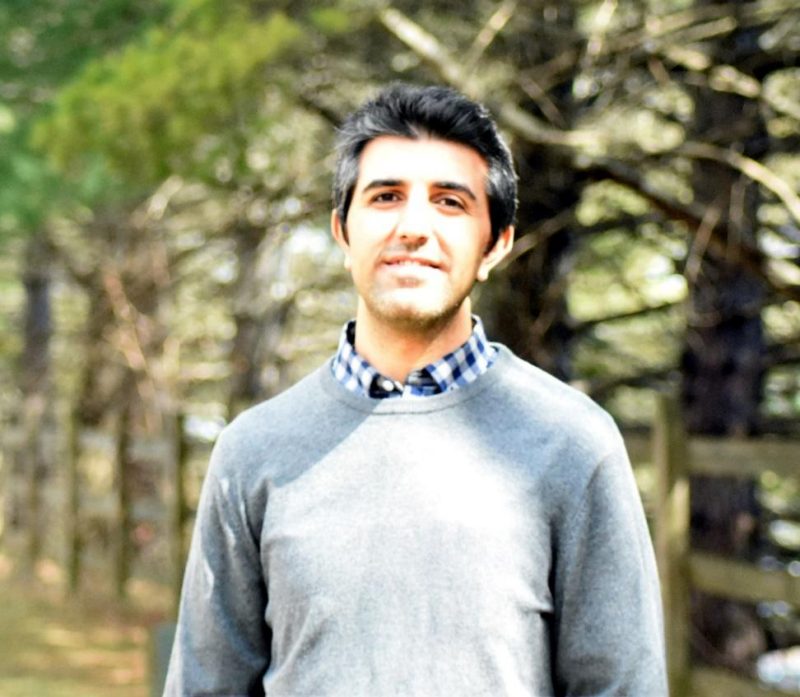
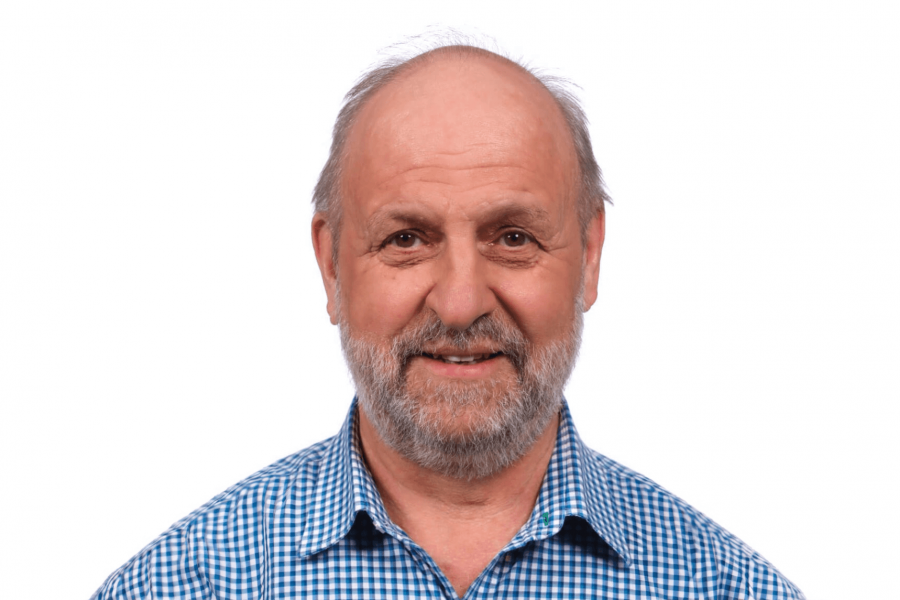
Emma Frosina is an Associate Professor at the Department of Engineering (DING) of the University of Sannio, Italy. Her research focuses on fluid machinery, thermal management systems, and computational fluid dynamics (CFD) with applications in automotive and railway sectors. Academic Rank: Associate Professor Department: Engineering (DING) Email: frosina@unisannio.it Her work emphasizes fault detection in pumps using machine learning, optimization of liquid cold plates via DOE and CFD, and analysis of cavitation in spool valves. Recent publications highlight collaborations with researchers like Senatore, Romagnuolo, and Borriello. Key themes from her 15 most recent publications include: Advancements in condition monitoring for electric gear pumps Innovations in pressure ripple reduction via CFD Development of vibroacoustic tools for fault detection Optimization of thermal management systems in railway and automotive contexts
Jie Wu is an Assistant Professor in the Department of Computer Science at Michigan Technological University, a Carnegie R1 (Very High Research Activity) institution. Previously, he was a postdoctoral researcher at the University of British Columbia working with Dr. Fatemeh Fard at the intersection of Software Engineering and AI. Dr. Wu received his PhD in Systems Engineering from George Washington University. His undergraduate and master's studies were both in Computer Science at Shanghai Jiao Tong University's elite ACM Class program. Before academia, he worked for nearly a decade as a software engineer in the industry at Snap Inc., Microsoft, and ArcSite (a startup). Dr. Wu's research focuses on Trustworthy AIware, with particular interest in transforming "AI for Software Engineering" and "AI system development" from art into rigorous science and engineering disciplines. His work emphasizes human-centered AI, AI alignment, and practical software engineering, grounded in a systems-thinking mindset. His primary research areas include AI for Software Engineering (AI4SE), Software Engineering for AI (SE4AI), Large Language Models (LLMs), Data Science, and Systems Science and Engineering. His recent publications demonstrate a strong focus on evaluating and improving communication capabilities of code-generating LLMs, automated program repair using LLMs, and applying AI to software engineering challenges. His work often bridges theoretical foundations with practical applications in industry settings, with notable contributions including the HumanEvalComm benchmark for evaluating communication skills in code generation. Distinguished Paper Award Candidate at CAIN 2024 for V-Model research Reviewer for top-tier journals including IEEE TSE and ACM TOSEM Program Committee Member for RAIE 2025, CAIN 2025, and SANER 2025 Dr. Wu is actively recruiting PhD students to join his research group at Michigan Tech to work at the intersection of Software Engineering and AI. He is passionate about bridging academic research and industry practice to accelerate innovation and create meaningful societal impact, welcoming collaborations with industry partners interested in applying cutting-edge AI research to real-world challenges.
Bill Buchanan is a Professor at the School of Computing Engineering and the Built Environment, Edinburgh Napier University, and a member of the Centre for Algorithms, Visualisation and Evolving Systems. His work spans Information Visualization , Software Systems , Cybersecurity , and AI , focusing on innovative solutions for complex data challenges. Research Interests: Information visualization for hierarchical data, cybersecurity frameworks, machine learning in industrial IoT, and post-quantum cryptographic systems. Projects: Supervised PhD projects on visualizing overlapping classification hierarchies and biological network inference. Currently leads research in AI-driven human-robot interaction and secure Dockerized architectures. Publications: 15+ recent works on quantum agents, GANs for anomaly detection, homomorphic encryption, and advanced cryptographic techniques. Collaborations: Engages with biologists, AI researchers, and cybersecurity experts across institutions.
Maria Papanikou is a Senior Lecturer in Aviation Engineering at the Aviation Academy, Amsterdam University of Applied Sciences. She holds a PhD from the University of Greenwich (2017), focusing on 'The philosophy of safety: system changes and the re-organisation of the aviation industry'. Her research emphasizes aviation safety, fatigue management, and policy-making in air transport. Key areas include operator variability in advanced systems, neuroscientific tools for fatigue monitoring, and safety metrics for aviation organizations. Recent work explores crisis-driven HR practices' impact on aviation safety and the application of big data in risk assessment. She has supervised student theses on MRO incident taxonomies and just culture in aviation. Collaborations include EUROSIM Congress and Rijkswaterstaat. A notable dataset, 'raak pro SMS Aviation', examines safety management systems in aviation. Her research outputs span peer-reviewed journals like Aircraft Engineering and Aerospace Technology, and she actively participates in academic conferences. Her contributions bridge engineering, cognitive science, and policy to enhance aviation safety frameworks.
Dr. Izabela Michalska-Dudek is a Professor and Head of the Department of Marketing and Tourism Management at Wrocław University of Economics’ Jelenia Góra Branch. She specializes in customer loyalty mechanisms, consumer behavior in tourism, and digital transformation impacts on travel agencies. Her work emphasizes empirical studies on CRM systems, post-pandemic travel decision-making, and predictive modeling for loyalty programs. Research Interests: Customer Relationship Management (CRM), Virtualization in Tourism, Pandemic Impact Analysis, Retail Tourism (ROPO), and Machine Learning applications in loyalty analytics. She actively publishes in peer-reviewed journals and organizes international conferences like the 'Current Trends in Spa, Hotel and Tourism' series. Publications focus on analyzing socio-economic factors influencing travel behavior, crisis management strategies, and technological adoption in the tourism sector. Recent work explores how machine learning can uncover consumer loyalty motives and quantify pandemic-related behavioral shifts. No scientific awards listed. She supervises doctoral students and is open to socio-economic collaborations. Consultations available via MS Teams on Fridays.
Dr. Reza Argha is a Lecturer at the Graduate School of Biomedical Engineering, UNSW, Sydney. His research focuses on AI-driven biomedical signal processing, machine learning, and digital health. He holds a PhD from UTS (2017), with earlier degrees from Shiraz University, Iran. His work includes developing algorithms for fall detection, blood pressure estimation, and ECG-based cardiovascular diagnostics. Education: BSc and MSc in Electrical Engineering, Shiraz University (Iran) PhD in Biomedical Engineering, University of Technology Sydney (2017) Research Interests: AI in healthcare, biomedical signal/image processing, telehealth systems, fall detection using mmWave radar, non-invasive blood pressure monitoring, and arrhythmia detection via ECG. Grants & Awards: ARC Research Hub for Connected Sensors for Health ($5M) ARC Industrial Transformation Research Hubs Multiple CVMM Collaborative Grants (2023-2024) Awarded 2017 UTS Chancellor’s Best PhD Thesis UTS FEIT Research Publication Awards (2014-2015) Teaching & Supervision: Teaches Biological Signal Analysis (BIOM9621) and Engineering Projects (ENGG2600). Supervises 6 current PhD students, with 1 successful completion. Seeks new students in digital health, AI clinical decision support, and radar-based fall prediction. Labs & Projects: Leads projects in mmWave radar for unobtrusive elderly monitoring, AI for blood pressure estimation, and deep learning for medical image analysis. Collaborates with industry partners on translational health tech solutions.
Hasan Seyyedhasani is an Assistant Professor at the School of Plant and Environmental Sciences, Virginia Polytechnic Institute and State University (Virginia Tech), where he holds a 60% research and 40% teaching appointment. His work bridges engineering and agriculture, focusing on smart farm ecosystems using robotics, automation, and data-driven technologies. Education: Ph.D. in Biosystems and Agricultural Engineering, University of Kentucky, 2017 M.S. in Electrical and Computer Engineering, University of Kentucky, 2017 M.S. in Mechanics of Agricultural Machinery, University of Tehran, 2010 B.S. in Mechanics of Agricultural Machinery, University of Tehran, 2006 His research interests center on precision agriculture , agricultural robotics , sensing systems , and AI-assisted smart farming . He develops engineering solutions to improve efficiency in both specialty and row crop production, with a focus on human-robot collaboration, input optimization, and sustainable productivity. His work integrates IoT, UAVs, and machine systems management. The analysis of his recent publications reveals a strong trend in field robotics , route optimization , and UAV-based monitoring . His research consistently applies computational models and real-world validation to solve practical agricultural challenges, particularly in harvesting, spraying, and fleet logistics. Key subfields include dynamic rerouting, human-robot interaction, and biomass localization using drones. Scientific Awards: No awards listed in the provided text. Advising and Grants: No formal advisees or students are listed. No grants or funding sources are mentioned. He has collaborated with faculty at the Center for Advanced Innovations in Agriculture and previously held research positions at UC Davis, University of Wisconsin-Madison, and Southern Illinois University. Labs and Teams: While no specific lab name is provided, his work is associated with smart farm and precision agriculture initiatives at Virginia Tech, likely involving interdisciplinary teams in agricultural engineering and data analytics.
Fernando J. T. E. Ferreira is an Assistant Professor in the Department of Electrical and Computer Engineering at the University of Coimbra since 2014. He has been a researcher at the Institute of Systems and Robotics since 1998 and previously served as Professor and Head of Department at the Engineering Institute of Coimbra (2001-2014). His career focuses on electrical engineering, energy efficiency, and motor design. University: University of Coimbra Department: Electrical and Computer Engineering Institution: Institute of Systems and Robotics Research Interests: Fernando's work centers on improving electric motor efficiency through winding configurations, fault diagnosis, and energy regeneration systems. He has explored voltage unbalance tolerance, motor reliability, and thermal management solutions for industrial applications. Article Trends: His recent publications (2016-2020) analyze motor efficiency optimization via winding redesign, fault detection algorithms, and energy recovery systems. Key themes include IEC standards compliance, thermal management, and predictive maintenance techniques. Contributions: With over 150 publications and 3000+ citations, Ferreira has contributed to IEEE journals and conferences on topics ranging from switched reluctance motors to photovoltaic power systems. He collaborates with Aníbal T. de Almeida and other engineers on industrial efficiency projects.
Marco Torchiano is a full professor at the Department of Control and Computer Engineering (DAUIN) of Politecnico di Torino, Italy, and a Senior Member of the IEEE. His research focuses on green software, UI testing methods, open-data quality, and software modeling notations, employing empirical software engineering methodologies. Current academic affiliation: Professor at Politecnico di Torino Research interests: Software Engineering, Empirical Studies, Software Testing, Software Modeling, Data Quality, Data Visualization His recent work explores gamification in testing frameworks (GAppium, GERRY), accessible development tools (VS Code extension), and Android GUI testing challenges (multi-device robustness, widget layout analysis). He has also published on UML modeling with LLMs and Kotlin's impact on Android code maintainability. Contact: marco.torchiano@polito.it . Social media: Twitter @mtorchiano , Mastodon @mtorchiano@mastodon.uno .
Hironori Washizaki is a Professor at Waseda University 's School of Fundamental Science and Engineering and a Visiting Professor at the National Institute of Informatics. He serves as IEEE Computer Society 2025 President and has led initiatives in software engineering, ML design patterns, and IoT systems. His work bridges academia and industry through roles at SYSTEM INFORMATION CO.,LTD. and eXmotion Co., LTD. Research Interests: His work spans software engineering, quality assurance, ML/IoT design patterns, and education innovation. He leads the SmartSE professional education program and standardizes software engineering bodies of knowledge through ISO/IEC/JTC1/SC7/WG20 . Scientific Awards: Golden Core Member (IEEE CS) Spirit of Computer Society Award KDDI Foundation Award Science and Technology Award, MEXT Best Paper Awards at ICSE, CSEE&T, and IWESEP Leadership & Grants: He has secured major grants (JSPS, MEXT) and held editorial roles at IEEE Transactions on Emerging Topics in Computing, IJSEKE, and IEICE journals. As IEEE CS Japan Chapter Chair and SEMAT Japan Chapter Chair , he fosters international collaborations. Labs & Teams: He leads the Global Software Engineering Laboratory at Waseda, focusing on traceability, reuse, and quality. This lab drives projects like ProMeTA (program metamodel taxonomy) and Trace ANY (software maintenance metrics).
Elena Fregonara is a professor in the Department of Architecture and Design at Politecnico di Torino, where she conducts research at the intersection of sustainable architecture, real estate economics, and environmental policy. Her work emphasizes life cycle thinking, circular economy principles, and the integration of environmental costs into financial decision-making in the construction sector. Institution: Politecnico di Torino Department: Department of Architecture and Design Research Focus: Sustainable Architecture, Life Cycle Assessment, Real Estate Appraisal, Circular Economy Her research interests revolve around sustainable urban development, with a strong emphasis on the economic evaluation of building sustainability. She investigates how embodied energy, carbon emissions, daylight, and green attributes influence real estate values and investment decisions. Her work bridges theoretical economics with practical applications in public procurement, urban regeneration, and building retrofitting. The trends in her recent publications show a consistent focus on integrating environmental externalities into traditional economic models. She employs life cycle costing (LCC), life cycle assessment (LCA), structural equation modeling, and net present value (NPV) frameworks to evaluate sustainability across scales—from materials to urban systems. Her research increasingly addresses policy implications, especially in public procurement and urban governance. Elena Fregonara has contributed to significant research initiatives such as the “Circular Design for Natural Fibers” (CD4NF) project under the PNRR, reflecting her engagement with national sustainability strategies. She has no listed scientific awards in the provided data. She has collaborated extensively with researchers such as Diego G. Ferrando, Alice Barreca, and Irene Rubino on topics including building upcycling, discount rate modeling, and sustainable public procurement. While her mentorship of students is not explicitly detailed, her collaborative work suggests active engagement in research teams and academic networks. She is involved in developing methodological tools like the “Smart SPP LCC-CO2 Tool” for sustainable decision-making. Her research lab or team is not explicitly named, but her involvement in EU and PNRR-funded projects indicates leadership or key roles in interdisciplinary research groups focused on sustainable construction and urban development.
Andrea Tonoli is a Full Professor at the Department of Mechanical and Aerospace Engineering (DIMEAS) at Polytechnic University of Turin. He serves as Scientific Advisor for partnerships with DAYCO, ITALDESIGN GIUGIARO, and STELLANTIS, and leads Spoke 2 'Sustainable Road Vehicle' at the National Center for Sustainable Mobility (MOST). He coordinates the DIMEAS-LIM research group and participates in CARS and PEIC interdepartmental centers. His teaching includes courses on Car Body Design, Motor Vehicle Design, and Mechatronic Systems Simulation. His research focuses on electric/hybrid powertrain optimization, mechanical design of electric traction machines, energy management in autonomous vehicles, longitudinal/lateral dynamics, virtual sensors for vehicle state estimation, electro-hydraulic/electromechanical shock absorbers, and magnetic bearings. Key subfields include rotordynamic analysis, harmonic finite element modeling for turbines, maglev stability, mechatronic systems for autonomous vehicles, and sustainable transportation. Recent publications emphasize electrodynamic maglev damping, compact assistive knee prostheses, electromagnetic shock absorber testing, and multi-objective optimization of regenerative suspensions. His work spans automotive, aerospace, and biomedical domains with applications to energy recovery, vibration control, and sustainable mobility. He supervises PhD students in mechatronics and automotive engineering, and leads numerous funded research projects including SPHERE (PNRR), MINERVA (PNRR), SmartCorners (EU), and industry collaborations with Hyperloop Transportation Technologies, Dayco Europe, and Racing Force Spa.
Prof. Dr. med. Thomas Kistemann is a full Professor and Deputy Director at the Institute of Hygiene and Public Health, University of Bonn, and also serves as a Senior Physician (Ltd. Oberarzt) at the University Hospital Bonn. His work bridges medicine, public health, and geography, focusing on environmental health risks and urban wellbeing. His research interests include drinking water quality , Legionella and waterborne pathogens , antibiotic resistance in the environment , urban blue and green spaces and health , GIS applications in public health , and climate change impacts on health . He has published extensively on the hygienic challenges of water systems, the salutogenic effects of urban waterscapes, and socio-ecological analyses of disease outbreaks. His recent publications (2023–2025) show a strong trend toward interdisciplinary environmental health research, combining big data, spatial analysis, and microbiological monitoring. Key themes include the impact of portable air purifiers on infection control during the pandemic, GIS-based visibility analysis of green spaces, temperature dependency of Legionella, and the persistence of antibiotic-resistant bacteria in aquatic environments. His work often involves large collaborative teams and addresses both local and global health challenges. Among his scientific contributions are editorial roles and technical reports for the World Health Organization (WHO) and the European Centre for Disease Prevention and Control (ECDC), particularly on water safety and climate change impacts. He has contributed to national guidelines on drinking water hygiene and hospital infection control. Prof. Kistemann has been involved in advising and leading research groups, particularly in health geography and environmental hygiene. He has contributed to public health planning, including healthcare accessibility and bedarfsplanung (needs-based planning). His work frequently involves interdisciplinary grants and collaborative projects with institutions in Germany and internationally, including studies in Kenya, India, the Philippines, and Sweden. He is affiliated with the WHO Collaborating Centre for Water Management and Risk Communication for Health Promotion at the University of Bonn and has led research on therapeutic landscapes, urban blue spaces, and health geography education.
Tony Szturm is a Professor and Senior Scholar in the Department of Physical Therapy at the College of Rehabilitation Sciences, University of Manitoba. His work bridges clinical rehabilitation and engineering innovation, focusing on technology-assisted and game-based therapeutic interventions delivered through telerehabilitation platforms. Institution: University of Manitoba School: College of Rehabilitation Sciences Department: Department of Physical Therapy Location: Bannatyne Campus, Winnipeg, MB Dr. Szturm holds a BSc in Biology and a BSc in Physical Therapy from the University of Western Ontario, and a PhD in Neurophysiology from the University of Manitoba. His research is deeply interdisciplinary, integrating wireless sensors, digital media, and interactive systems to support rehabilitation in both clinical and home environments. His primary research interests include technology-assisted rehabilitation , telerehabilitation , game-based motor training , and neurological recovery across diverse populations such as stroke survivors, children with neurodevelopmental disabilities, individuals with traumatic brain injuries, Parkinson’s patients, and aging adults. A key focus is enhancing accessibility, accountability, and engagement in therapy through innovative, low-cost digital tools. The 15 most recent inferred articles reflect a strong trend toward digital health innovation , remote monitoring , and interdisciplinary rehabilitation engineering . These works span areas such as upper limb recovery, balance and gait training, dual-task performance, vestibular rehabilitation, and patient engagement. The integration of wearable sensors, real-time feedback, and gamification principles is a consistent theme, demonstrating his commitment to translating research into practical, scalable solutions. Dr. Szturm is actively involved in mentoring, supervising postdoctoral fellows, PhD, and master's students through the Mentoring of Highly Qualified Personnel (HQP) Program, fostering collaboration between rehabilitation sciences and engineering disciplines. While no formal scientific awards are listed, his leadership in high-impact, publicly featured research projects underscores his contribution to the field. His lab and research group focus on developing and evaluating plug-and-play rehabilitation technologies that can be deployed in resource-limited settings, including international applications such as projects in India. These initiatives emphasize affordability, usability, and clinical effectiveness, aiming to expand access to high-quality rehabilitation globally.
Ambarish Kulkarni is an Associate Professor at Swinburne University of Technology's School of Engineering, specializing in mechanical design, virtual/augmented reality (VR/AR), and electric vehicle (EV) technologies. His research focuses on product design, EV drivetrains, battery packaging, medical devices, and bushfire shelter design. He holds a PhD from Swinburne, a Master's from Queensland University of Technology, and a Bachelor's from the Indian Institute of Industrial Engineering. Research interests span finite element analysis, bio-mechanical modeling, and Industry 4.0 applications. Notable projects include Bombardier Tram development, therapeutic sleep systems, and smart manufacturing frameworks. He has supervised over 20 HDR students on topics ranging from predictive maintenance to extended reality in education. Awards include the Teaching Excellence Award (2016) and Premier's Design Awards for medical and safety innovations. He is a Fellow of the Institution of Engineers (Australia) and actively involved in professional bodies like SAE International. Grants funded projects on hydrogen generators, smart manufacturing systems, and graphene supercapacitors. His work bridges academia and industry through collaborations with firms like Bambach Wires and iMOVE Australia.