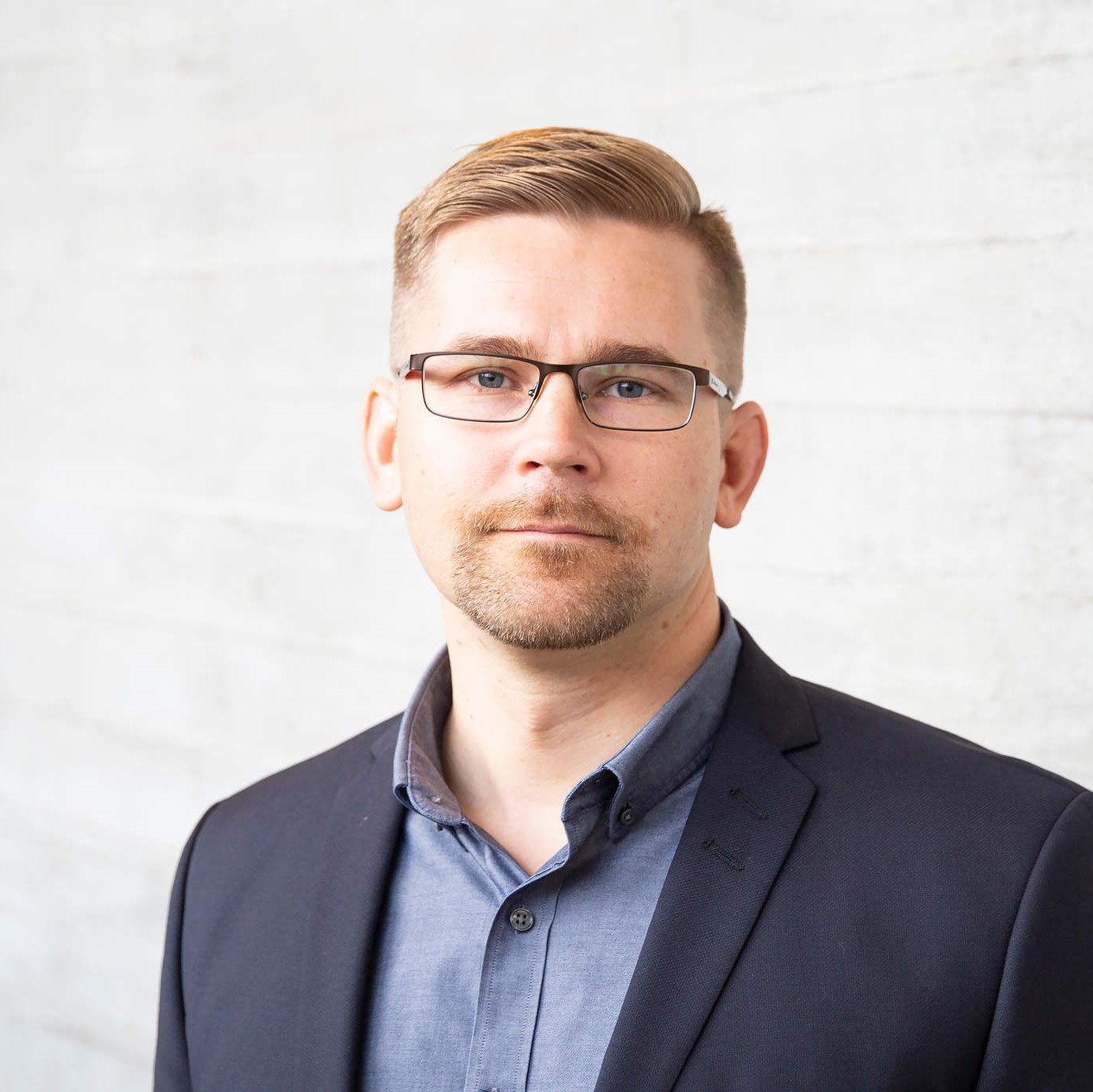
Professor Angelika Krehl serves as Professor for Economics, regional and sectoral structural policy and Director of the NIERS Institute (Lower Rhine Institute for Regional and Structural Research) at Niederrhein University of Applied Sciences since 2020. Her academic leadership spans regional economics, urban spatial structure analysis, and sustainability research within the Department of Economics. Her research focuses on theoretical foundations and empirical analysis methods of urban spatial structures, regional economics, economic geography, and GIS-based regional research with emphasis on sustainability aspects. Key methodologies include polycentricity measurement, density pattern analysis, and integrated spatial modeling using remote sensing data. Her work bridges urban morphology with economic development processes. Recent publications reveal strong trends in polycentric urban systems analysis, corporate regional responsibility frameworks, and sustainable land use economics. Over 70% of her recent work examines German metropolitan regions through morphological polycentricity lenses, with increasing focus on sustainability transitions and social innovation mechanisms since 2020. Methodological innovation in GIS integration and spatial metrics development characterizes her publication trajectory. Professor Krehl leads multiple major research initiatives including RediStar (diversity-sensitive startup funding), AUFBRUCH (sustainable bioeconomy transformation), R(h)einTex (textile recycling innovation), and R³ (corporate regional responsibility). Her institutional leadership extends to directing NIERS Institute and serving on the university's Advisory Board for Research and Transfer. As Director of NIERS Institute, she oversees collaborative research teams focused on regional structural policy, with particular emphasis on lignite phase-out governance, sustainable learning projects, and regional innovation ecosystems. Her work integrates academic research with practical policy implementation through close partnerships with regional stakeholders.