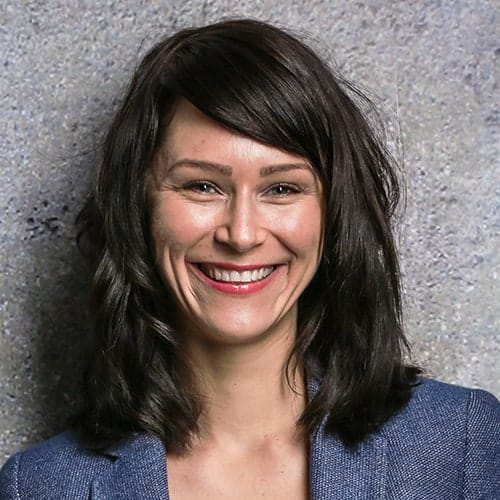
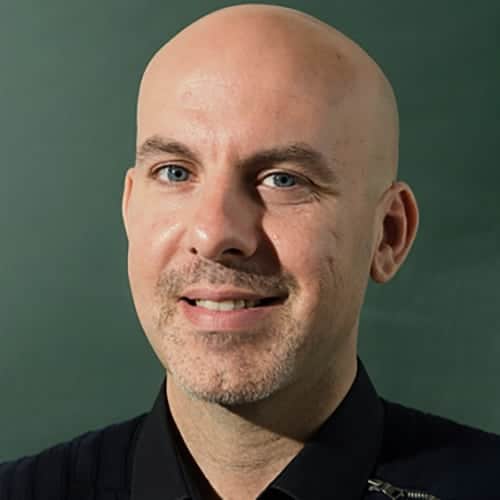
Kunihiko Kaneko is a Professor at the Niels Bohr Institute, University of Copenhagen, with a distinguished career in theoretical biophysics and complex systems. He received his PhD and MSc in Physics from the University of Tokyo, and has held leadership roles at the Universal Biology Institute and Center for Complex Systems Biology. PhD Physics, 1984 - University of Tokyo MSc Physics, 1981 - University of Tokyo His research spans five primary areas: Universal Biology, Evolutionary Constraints, Ecosystem Dynamics, Neural Cognition, and Universal Anthropology. He has published extensively on multi-level consistency principles, dimensional reduction in biological systems, and reciprocity between robustness and plasticity across scales. Recent publications show strong focus on microbial ecosystems (2025), evolutionary game theory (2025), neural modular architectures (2024), and dimensional reduction in cellular systems (2024). His work bridges physics and biology through dynamical systems theory applied to diverse phenomena from protocells to human societies.
Mikkel N. Schmidt is an Associate Professor in the Department of Applied Mathematics and Computer Science at the Technical University of Denmark (DTU). His research focuses on statistical modeling, Bayesian methods, and their applications in science and industry. He has held visiting roles at Columbia University (2007) and Cambridge University (2008-2009). His work integrates probabilistic modeling with computational inference to address complex problems in diverse fields such as molecular discovery, optical communication, and brain connectivity analysis. Education highlights include visiting scholar and postdoctoral experiences at top-tier institutions. Research interests span statistical methodology development, machine learning applications, and interdisciplinary problem-solving. Current projects involve Bayesian neural networks for molecular discovery and federated learning optimization. Advising efforts include supervising multiple PhD students in areas like molecular discovery and denoising diffusion models. Notable collaborations involve work on materials science, quantum communication, and medical signal processing. His contributions bridge theoretical advancements with practical industrial applications, emphasizing interdisciplinary innovation.
Jesper Fels Birkelund is a Tenure Track Assistant Professor at the Department of Sociology, University of Copenhagen. His research focuses on education systems, ethnic inequalities, and social mobility, leveraging advanced statistical methods on register and survey data. He teaches courses such as Basic Statistics, Sociology in Danish Society, and Advanced Welfare, Inequality, and Mobility. His work has been published in journals like Social Forces and European Sociological Review . His research on education examines how schooling impacts cognitive and social-psychological skills, influencing long-term labor market outcomes. He has shown vocational training enhances conscientiousness, yielding earnings comparable to academic tracks. In ethnic inequality studies, he analyzes high aspirations among immigrant students despite poor academic performance, proposing counterfactual models to assess systemic challenges for minority students. In social mobility research, he explores how parental resources (human, cultural, social, economic capital) shape children’s career trajectories, particularly when parents and children share the same field of study. He uses firm linkage data to study mechanisms like parental networks and inherited family businesses. Awards: 2022 ECSR Prize for Best PhD Thesis Teaching: Basic Statistics (BA), Sociology in Danish Society (BA), Education and Social Inequality (BA/MA), Advanced Welfare, Inequality, and Mobility (MA) His work integrates micro-class approaches with intergenerational transmission theories, contributing to debates on educational policy and labor market equity. Office hours for Spring 2025: Monday 15:00–16:00 in room 16.0.57.
Claudia Wagner is a full professor for Applied Computational Social Sciences at RWTH Aachen University and the Scientific Director of the Computational Social Science department at GESIS—Leibniz Institute for the Social Sciences. She is also an External Faculty member at the Complexity Science Hub Vienna. Her work bridges computer science and the social sciences to study algorithmic systems and their societal impacts. Her research focuses on socio-technical phenomena such as inequality, sexism, and perception bias in algorithmically infused societies. She investigates methodological challenges in using digital behavioral data to study human behavior, attitudes, and group dynamics. Her interests span computational social science, algorithmic fairness, network science, and AI ethics. The analysis of her recent publications reveals a strong emphasis on bias, fairness, and methodological rigor in digital data analysis. Her work spans AI psychometrics, gender inequality in online platforms, and validation frameworks for digital traces. She frequently publishes in top-tier venues such as Nature , Science , and AAAI conferences. DOC-fFORTE fellowship from the Austrian Academy of Sciences Four best paper awards at international conferences (ICWSM, CSCW, WWW, AAAI) Associate Editor, EPJ Data Science Steering Committee Member, International AAAI Conference on Web and Social Media Board Member, International Society for Computational Social Science Claudia Wagner has led and co-led substantial research projects funded by national and international agencies. She mentors a diverse group of PhD students working on topics like algorithmic bias, data quality, and dehumanization. She has organized training events such as the CSS Methods Summer School and delivered keynotes globally on inequality and computational social science. She leads the Computational Social Science department at GESIS and collaborates with interdisciplinary teams at RWTH Aachen and the Complexity Science Hub. Her group develops tools for measuring algorithmic impacts and visualizing disparities in socio-technical systems, such as the 'Planets of Disparity' dashboard.
Francisco Camara Pereira is a Professor and Head of Section at the Department of Technology, Management and Economics at the Technical University of Denmark (DTU). His research focuses on Intelligent Transportation Systems, Machine Learning, and Data-Driven Decision-Making in transportation contexts. He actively contributes to advancing transportation science through interdisciplinary approaches combining simulation, optimization, and AI techniques. His work addresses challenges in public transport analysis, charging infrastructure planning, and multimodal demand prediction. Recent projects include developing graph-based optimization methods for electric vehicle networks and causal discovery frameworks for transportation systems. He supervises multiple PhD students in areas like federated learning for cyclist safety, causal graph neural networks, and socially aware AI models. Key contributions include publications on smart card data analysis for travel surveys, stochastic infrastructure expansion models, and transfer learning for bike-share systems. His research aligns with UN Sustainable Development Goals related to sustainable cities and innovation. Dr. Pereira collaborates internationally on transportation policy and infrastructure projects. His lab focuses on translating theoretical advancements into practical solutions for urban mobility challenges.
Erwin Schoof is an Associate Professor at the Department of Biotechnology and Biomedicine , Technical University of Denmark. He leads the Cell Diversity Lab and focuses on advancing proteomics and mass spectrometry technologies. Expertise in single-cell proteomics , stem cell niches , and bioinformatics . Active in myelofibrosis and leukemia research , with applications in UN Sustainable Development Goals . Research Trends from 2025–2024 include: Machine learning-driven peptide sequencing (InstaNovo, InstaNexus). Single-cell resolution tools for mapping hematopoietic stem cells and tumor microenvironments . Biomarker discovery in chronic diseases and respiratory conditions . Supervision : Mentors multiple PhD students on single-cell proteomics , omics data analysis , and biotherapeutic production . Labs & Collaborations : Collaborates with international teams on plasma proteomics , 3D bioengineering , and advanced mass spectrometry workflows .
Tom Brughmans serves as Associate Professor in Classical Archaeology at Aarhus University's School of Culture and Society, where he pioneers the application of network science and computational modeling to archaeological questions. His work bridges theoretical archaeology with complexity science, focusing on long-term economic dynamics in the Roman Empire through quantitative analysis of material culture distribution. His research centers on developing methodological frameworks for archaeological network analysis, with specific expertise in Roman economic integration, amphorae trade networks, and agent-based simulation of ancient economies. Brughmans advocates for computational reproducibility and open-science practices, creating accessible tools that transform complex archaeological data into analyzable network structures while challenging traditional interpretations of Roman market systems. Brughmans' publication trajectory reveals three dominant trends: advancing theoretical foundations of archaeological network science through handbooks and methodological guides; empirical investigations into Roman economic complexity using big-data approaches to amphorae distributions; and development of public-facing simulation platforms that translate academic research into interactive experiences. His work consistently integrates computational techniques with archaeological evidence to model socio-economic processes across centuries. His scientific recognition includes prestigious competitive fellowships: Leverhulme Early Career Fellowship (2017-2019) for the MERCURY project Marie-Curie Individual Fellowship (2019-2020) for SIMREC Brughmans directs multiple major research initiatives including the Past Social Networks Project (an open repository for ancient network data), NEFLARA (a Marie-Curie project developing landscape archaeology frameworks), and MINERVA (focused on Roman economic functioning). He has secured substantial funding from the Leverhulme Trust, Marie-Curie Actions, and ERASMUS+ for projects advancing computational archaeology, while actively promoting collaborative research through platforms like FORVM that make economic modeling accessible to broader audiences. As a core member of Aarhus University's Centre for Urban Network Evolutions (UrbNet), he contributes to interdisciplinary investigations of ancient urban connectivity. His leadership extends to developing international research networks through the Oxford Handbook of Archaeological Network Research and creating open educational resources that democratize access to network analysis methodologies in archaeology.
Alex Arenas is a Full Professor in the Department of Computer Engineering and Mathematics at Universitat Rovira i Virgili (URV), Tarragona, Spain. He is also an External Faculty member at the Complexity Science Hub in Vienna and Chief of Complex Systems Science at the Pacific Northwest National Laboratory, USA. His research spans complex systems, network science, computational epidemiology, and multilayer dynamics, with applications in public health, neuroscience, and social systems. Research Interests: His work focuses on the physics of multilayer networked systems, particularly the interplay between structure and function in complex networks. Key areas include synchronization, epidemic modeling, network medicine, the physics of the microbiome, and higher-order interactions in spreading processes. He investigates dynamic transitions using functional multilayer frameworks and develops models for real-world systems like urban mobility and misinformation diffusion. The recent articles highlight a strong trend in computational epidemiology, especially post-COVID modeling of vaccination strategies, rebound dynamics, and wastewater surveillance. There is also significant work on synchronization in oscillator networks, chimera states, and higher-order network effects, reflecting a deep engagement with nonlinear dynamics and theoretical network science. Applications span medicine, urban planning, and social systems. Scientific Awards: Fellow, American Physical Society (2018) Fellow, Network Science Society (2020) ICREA Academia (2011, 2017, 2022) Narcís Monturiol Medal (2022) Web Science Trust Test of Time Award (2024) Complex Systems Society Senior Award (2024) Advising and Grants: Arenas has supervised numerous PhD students and postdoctoral researchers, though specific names are not listed. He has been Principal Investigator on 47 research projects, including EU FP7 projects, a James S. McDonnell Foundation grant, and Horizon Europe's CREXDATA project. He has served as an editor for Physical Review E , Journal of Complex Networks , and Network Neuroscience , and has reviewed for major funding agencies including ERC, MINECO, and international bodies. Labs and Teams: He leads the Alephsys Lab at URV, which develops tools like Radatools for network analysis and community detection. His team focuses on interdisciplinary modeling of real-world complex systems using data-driven and theoretical approaches.
Professor Peter Feldhütter is a faculty member at the Department of Finance, Copenhagen Business School (CBS), where he has held the position since 2017. He earned his PhD from CBS and previously worked at the London Business School. His research focuses on fixed income markets, particularly examining how prices are influenced by illiquidity, credit risk, and supply-demand imbalances. Notable contributions include studies on U.S. corporate bond market liquidity and credit spread dynamics. Key research areas include empirical asset pricing, credit risk, fixed income analysis, and liquidity risk. He has authored influential papers such as The Myth of the Credit Spread Puzzle and Corporate Bond Liquidity Before and After the Subprime Crisis . Received awards: Jack Treynor Prize, Wharton’s Outstanding Paper Award, and Nykredit’s Talented Researcher Award. External advisory roles: Legal advice for NTC Parent, Shell, and FourWorld Capital Management; academic advising for Copenhagen Economics. Teaching: External faculty at London Business School and University College London. His recent work explores ESG investing’s impact on capital structure and pricing of sustainability-linked bonds. Ongoing projects include studies on financial market liquidity and corporate bond valuation frameworks.
Niels Richard Hansen is a Professor at the Department of Mathematical Sciences , University of Copenhagen, leading research at the intersection of Artificial Intelligence and Statistics . He co-founded the Copenhagen Causality Lab and focuses on automating causal explanation discovery from data using Bayesian networks, stochastic processes, predictive models, and machine learning. His work emphasizes creating interpretable and robust AI systems capable of generalizing across domains. His research has produced over 56 publications spanning causal inference , graphical modeling , stochastic processes , and machine learning . Recent work includes: Predictive and causal learning (2018 keynote) High-dimensional regression solutions (2016 lecture) Interdisciplinary applications in actuarial science , environmental statistics , and neuroscience He actively contributes to scientific communication through media appearances and public explanations of statistical concepts, including analyses of: Gaussian correlation inequality proofs Daylight saving time and blood clots Mathematical approaches to lotteries Climate change vs lunar effects
Erik Bjørnager Dam is a Professor in the Machine Learning section at the Department of Computer Science, University of Copenhagen (UCPH). His research spans theoretical foundations of machine learning to practical applications in medical data analysis, sustainability, and materials science. His key research interests include: Small-scale and resource-efficient deep learning Medical image analysis and segmentation Sustainable and environmentally conscious AI development Graph neural networks for materials science Resource-constrained AI systems Professor Dam's recent publications demonstrate a strong focus on making AI more accessible and sustainable while maintaining high performance standards. His work on 'Performance Per Resource Unit' metrics addresses critical challenges in deploying AI in resource-limited environments, particularly in healthcare applications. His research bridges theoretical machine learning with practical implementations across multiple domains. His notable professional activities include: Co-founding Cerebriu A/S (since 2018) Co-founding Biomediq A/S (since 2008) Delivering lectures on AI's role in green transition (April 24, 2023) Media contributions on deep learning applications in plant research (September 13, 2018) With 74 documented research outputs, Professor Dam maintains an active research profile with significant contributions in 2023-2025 across medical imaging, sustainable AI, and materials science applications.
Grethe Winther is a Professor and Head of Section in the Department of Civil and Mechanical Engineering at the Technical University of Denmark (DTU), specializing in Materials and Surface Engineering. Her research is centered on the analysis and modeling of microstructure and mechanical properties of metals, with a strong emphasis on dislocation structures, deformation textures, and recrystallization processes. Her research interests include: Dislocation structures and boundary analysis in deformed metals Crystal plasticity modeling using synchrotron data (3DXRD) Orientation relationships in recrystallization Prediction of mechanical properties in industrial metal forming Multiscale modeling of plastic deformation and surface roughening The recent articles (2025) highlight a consistent focus on advanced characterization techniques like dark-field X-ray microscopy and discrete dislocation dynamics simulations. These works explore the formation of geometrically necessary boundaries, dislocation cell evolution, and multiscale surface deformation, reflecting a strong integration of experimental and computational methods in materials science. Key themes include plastic deformation mechanisms, microstructure evolution, and predictive modeling in metallic systems. Grethe Winther actively supervises multiple PhD projects, including those on dislocation dynamics, X-ray microscopy, and ductile failure simulations. She collaborates extensively with researchers such as H.F. Poulsen and C.V. Nielsen. Her work is supported by ongoing research projects at DTU, focusing on fundamental and applied aspects of metal deformation and microstructure. She is affiliated with the Materials and Surface Engineering section at DTU, where she leads research efforts combining advanced experimental techniques with theoretical modeling to understand and predict metal behavior under deformation.
Philip Bille is a Professor and Head of the Algorithms, Logic and Graphs section at the Department of Applied Mathematics and Computer Science, Technical University of Denmark (DTU), College of Engineering. His research centers on the design and analysis of efficient algorithms, particularly for string processing, compressed data, and data structures. His research interests lie at the intersection of theoretical computer science and practical applications. He focuses on algorithms , data structures , string indexing , pattern matching , and compressed computation . His work enables efficient querying and processing of large-scale, repetitive data, with applications in bioinformatics, intrusion detection, and green computing. The recent publications reflect a strong trend in developing space-efficient and fast algorithms for modern computational challenges. Key themes include compressed data structures , sliding window indexing , finite automata compression , and energy-aware matrix operations . These works demonstrate expertise in balancing theoretical rigor with practical performance. Philip Bille actively supervises multiple PhD students and leads several research projects. He contributes to advancing sustainable computing aligned with UN SDGs. His work integrates algorithmic theory with real-world efficiency. Supervises PhD projects on hierarchical compression, adaptive computation, and vector processor algorithms. Involved in research on green computing, compressed formats, and efficient data models. He is affiliated with the Algorithms, Logic and Graphs group at DTU, a hub for theoretical and applied algorithmic research. The team explores fundamental problems in data representation and processing, pushing the boundaries of what is computationally feasible in terms of time and space.
Professor David E. Gloriam is a leading expert in G protein-coupled receptors (GPCRs) at the University of Copenhagen , Department of Drug Design and Pharmacology. Recognized as a top 1% Clarivate Highly Cited Researcher, he leads GPCRdb, a major database with >50,000 annual users, and develops computational tools like GPCRgraphs for drug discovery. His innovation roles include Senior Scientific Expert at Kvantify A/S and applications in pharmaceutical industry tools with patent citations. Education: Ph.D. in Medicine (Uppsala University, 2006), M.Sc. in Pharmaceutical Sciences (Uppsala University, 2003) Leadership: Head of GPCRdb (2014–), EU COST Actions member (2014–17), and institutional leadership roles in Pharmaceutical Data Science unit and Research Leadership Forum Research Interests: His work spans computational modeling of GPCR dynamics, virtual screening methods for inaccessible receptors, pharmacogenomics (PGxDB platform), and biased signaling for safer drugs. He integrates structural biology, data science, and bioinformatics to advance pharmaceutical discovery. Awards: Clarivate Highly Cited Researcher (2022) IUPHAR Analytical Pharmacology Award (2023) Lars Arge Prize for Big Data (2021) UCPH Forward Talent Program (2019) ERC Starting Grant (2014) Teaching & Supervision: Teaches Molecular Pharmacology and AI in Drug Discovery , and supervises 3 current PhD students. He has mentored 13 PhDs and 14 Postdocs, with former members attaining tenured academic or industry roles.
Mads Leth Jakobsen is an Associate Professor at the Department of Political Science , Aarhus University, specializing in Public Leadership , Leadership Development , and Bureaucracy and Debureaucratization . He serves as a member of the King Frederik Center for Public Leadership management team, focusing on leadership for public value creation and handling complex social challenges like the climate crisis. Academic Rank: Associate Professor Primary Research: Public Leadership, Distributed Leadership, Climate Governance Teaching: Public Leadership and Governance on political science programs Key Projects: Public Value Leadership (2022), Distributed Leadership (2012-2016) His research explores paradox leadership , organizational responses to climate challenges, and leadership credibility. Recent publications examine municipal climate strategies, bureaucratic dynamics, and leadership development frameworks. He emphasizes the interplay between leadership practices and employee outcomes in public sector organizations. Scientific awards and student supervision details are not listed in the available information. His articles highlight a strong focus on reconciling performance regimes with organizational learning, leadership credibility, and innovative governance models in public sector contexts.