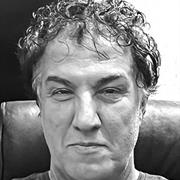
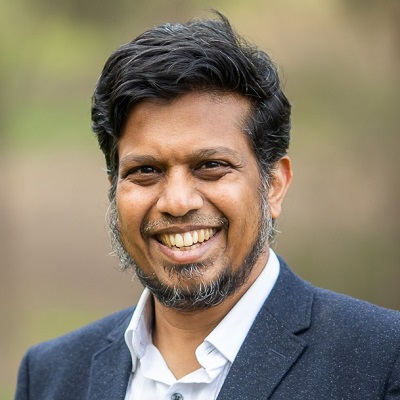
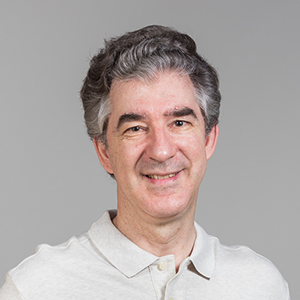
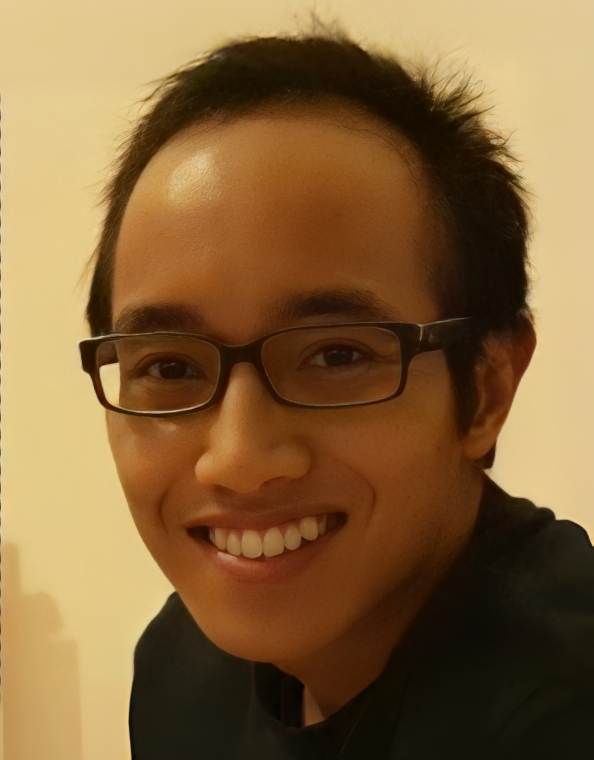
Sławomir Nowaczyk is a Professor at Halmstad University affiliated with the School of Information Technology . His research focuses on Artificial Intelligence , Machine Learning , and Data Mining , particularly for Streaming Big Data and Self-aware Systems . Current research areas: XAI, diagnostics, knowledge representation, and interdisciplinary AI applications Teaching: Artificial Intelligence , Data Mining , and Operating Systems His work emphasizes data-driven fault detection in distributed systems, with applications in Intelligent Vehicles and Healthcare . He develops adaptive interestingness metrics for real-time data analysis and promotes resource-bounded AI for practical environments. Recent publications reflect expertise in hybrid modeling (physics + data-driven), graph neural networks , and cross-modal diagnostic systems . Collaborations span automotive and smart grid industries through projects like VPMS , FuelFEET , and EVE . PhD Supervision : Current: Yuantao Fan, Pablo del Moral, Ece Calikus, Awais Ashfaq, Shiraz Farouq, Alexander Galozy, Kunru Chen, Ghaith Taghiyar, Zahra Taghiyar Past: Rune Prytz (Volvo), Iulian Carpatorea, Hassan Nemati Projects: ReDi2Service, VPMS, InnoMerge, FuelFEET, EIS-IGS Smart Grids, Science without Borders, In4Uptime, ARISE, IMedA, SeMI, HEALTH, BIDAF, EVE
Stefan Bruckner is Professor of Visualization at the University of Bergen, specializing in biomedical visualization, volume rendering, and visual data exploration. His work develops novel techniques for analyzing complex scientific datasets across meteorology, medicine, and materials science. Dr. Bruckner's research group develops interactive visual analytics tools for weather forecasting, medical diagnostics, and ensemble data analysis. His methodological innovations include GPU-accelerated rendering, visual parameter exploration, and uncertainty visualization. He received the 2011 Eurographics Young Researcher Award for contributions to illustrative visualization. Professional service includes program committee roles for IEEE VIS, Eurographics, and ECRTS conferences. His pedagogical contributions span visualization, computer graphics, and programming languages at institutions including École normale supérieure and École polytechnique.
Distinguished Professor Jie Lu is Associate Dean (Research Excellence) in the Faculty of Engineering and Information Technology at the University of Technology Sydney (UTS), where she also serves as Director of the Australian Artificial Intelligence Institute (AAII). With over two decades of academic service at UTS, she has held progressively senior roles including Professor since 2007, Head of School of Software (2011-2014), and Director of the Centre for Artificial Intelligence (2017-2020) before assuming her current leadership positions. Professor Lu earned her PhD from Curtin University in 2000 and joined UTS the same year. Her academic journey progressed from Lecturer (2000-2001) to Senior Lecturer (2002-2004), Associate Professor (2005-2007), and ultimately Professor (2017-present). Professor Lu's research spans computational intelligence with particular expertise in decision support systems, fuzzy transfer learning, concept drift, and recommender systems. Her work bridges theoretical innovation with practical applications across transportation, telecommunications, healthcare, and education sectors. She has pioneered approaches in data-driven decision making that deliver tangible economic benefits and risk management solutions for industry partners. Her recent publications demonstrate continued leadership in AI research, with a focus on addressing challenges in non-stationary environments, out-of-distribution detection, cross-domain recommendation, and healthcare applications. Her work increasingly integrates large language models with specialized domain knowledge for enhanced decision support. Officer of the Order of Australia (2022) 2023 NSW Premier's Prize for Excellence in Engineering or Information & Communication Technology Australian Laureate Fellow (2019) IEEE Fellow for contributions to fuzzy machine learning and decision making (2018) Fellow of International Fuzzy Systems Association (2017) Australia's Most Innovative Engineer Award (2019) Multiple IEEE Transactions Outstanding Paper awards Professor Lu has supervised over 50 PhD students to completion, with half pursuing academic careers and half working in industry. She has secured over A$10 million in research funding as lead Chief Investigator, including 10 highly competitive ARC Discovery Projects. Her industry collaborations include significant projects with Optus, Sydney Trains, Domain Holdings, and healthcare organizations. As Director of the Australian AI Institute, Professor Lu leads Australia's largest AI research hub with over 250 researchers and PhD students. Under her leadership, AAII has secured 47 ARC grants and over 110 industry projects since 2017. She also serves as Editor-in-Chief of Knowledge-Based Systems, a leading journal in the field.
Prof. Zahir Tari is a leading international expert in Computer Science, currently serving as a Professor at the School of Computing Technologies at RMIT University. He holds a prominent role as Research Director of the Centre of Cyber Security Research and Innovation (CCSRI) and has been appointed to the ARC College of Experts (2022-2024). Research Interests : Prof. Tari specializes in designing innovative solutions for large-scale systems including Cloud, Edge, and IoT environments, with particular emphasis on cybersecurity, performance optimization, and reliability of critical systems like SCADA and Smart Grids. His work integrates mathematical models with computational approaches to address complex security and scalability challenges. Research Trends : Recent publications highlight his leadership in blockchain-based energy trading privacy, cross-domain access control systems, IoT security frameworks, and federated learning approaches for vulnerability detection. His work combines theoretical rigor with practical implementations in domains ranging from healthcare to military applications. Scientific Recognition : Member, ARC College of Experts (2022-2024) Supervision & Funding : Prof. Tari has successfully supervised 31 PhD students to completion and secured over AUD 21 million in research funding through prestigious grants including an ARC Research Hub, CRC-P, multiple ARC Discovery Projects, and industry partnerships with organizations like Siemens. His research has produced 279 publications with an h-index of 49 and over 10,800 citations.
Moe Thandar is a prominent academic researcher in the field of Process Mining and Business Process Management. Their work spans over 160 publications from 2012 to 2025, focusing on advancing methodologies for process analysis, data quality, and automation in healthcare, business, and cybersecurity domains. They have collaborated with leading institutions globally, contributing to standards like the IEEE XES format for process event data. Key areas of expertise: Event log analysis, data-driven process improvement, robotic process automation (RPA), and privacy-preserving techniques. Notable contributions include frameworks like xPM for integrating exogenous data and SwiftMend for repairing process logs. Active in conferences such as BPM, CAiSE, and ICPM, often serving as editor or co-author in proceedings. Research emphasizes practical applications in healthcare (e.g., patient flow optimization), aviation safety, and cost-effective process management. Their work bridges theoretical advancements with real-world implementations, addressing challenges like data quality, scalability, and ethical considerations.
Zahidul Islam is a Professor of Computer Science and Associate Dean (Research) at Charles Sturt University's Faculty of Business, Justice and Behavioural Sciences (FOBJBS). With a PhD in Computer Science from the University of Newcastle and over 150 peer-reviewed publications, his research focuses on data mining, cybersecurity, and AI applications across health, agriculture, and social systems. BSc in Civil Engineering (RUET, Bangladesh) Graduate Diploma in Information Science (UNSW, Australia) PhD in Computer Science (University of Newcastle, Australia) His research spans advanced domains like privacy-preserving data mining , federated learning , and cross-domain security threats . Recent work addresses AI applications in agri-food supply chains, malware detection across platforms, and collaborative learning frameworks for medical data. Key scientific achievements include: Cyber Security Researcher of the Year 2021 (AISA) Innovation Award 2017 (NSW Agency for Clinical Innovation) 2024 Excellence Award (CSU) Stanford University - Elsevier World Top 2% Scientists (2024) $11M+ in competitive research funding
Roger Zimmermann is a Full Professor at the School of Computing, National University of Singapore (NUS), where he is also a Co-PI at the Grab-NUS AI Lab and leads the Location AI project. He previously served as Deputy Director of the NUS Smart Systems Institute (SSI) and Co-Director of the Centre of Social Media Innovations for Communities (COSMIC), both funded by Singapore’s National Research Foundation (NRF). Before joining NUS, he was a Research Area Director and Research Assistant Professor at the University of Southern California (USC). Ph.D. in Computer Science, University of Southern California (1998) M.S. in Computer Science, University of Southern California (1994) His research focuses on multimedia systems , spatio-temporal data management , streaming media architectures (especially DASH), machine learning applications , AR/VR , and location-based services . He leads the Media Management Research Lab (MMRL) at NUS, which conducts cutting-edge work in distributed multimedia and intelligent systems. His work combines theoretical depth with real-world applications in urban computing, smart mobility, and immersive media. The recent publications reflect a strong trend toward multimodal learning , spatio-temporal AI , adaptive streaming , and urban intelligence . His team explores zero-shot learning, 3D scene understanding, traffic forecasting, and open-vocabulary audio-visual segmentation, often leveraging foundational models and deep neural architectures. There is a clear emphasis on real-time, scalable systems for smart cities and immersive experiences. Dr. Zimmermann has received numerous accolades, including: DASH-IF Excellence in DASH Award (multiple years) Best Paper Awards at ACM SIGSPATIAL, IEEE ICME, and ACM MMSys Silver Award at ACM MMSys 2020 Grand Challenge IEEE Communications Society Best Editor Award (2017) ACM Distinguished Member (2017) Top 1% Publons Reviewer in Computer Science (2018) He has advised numerous students and led major research initiatives funded by MOE, NRF, A*STAR, NSF, and industry partners like Seagate, Intel, and HP. He has served as General Chair for IEEE MIPR 2023, ACM Multimedia 2020, and IEEE ISM 2015, and as TPC Co-Chair for several top-tier conferences. His editorial roles include Associate Editor for IEEE Transactions on Multimedia (TMM), ACM TOMM, and IEEE OJ-COMS. He leads the Media Management Research Lab (MMRL) , which focuses on intelligent multimedia systems, spatiotemporal data mining, and immersive media technologies. The lab develops scalable solutions for real-world challenges in urban computing, smart transportation, and interactive media.
Ferdian Jovan is an Assistant Professor (Lecturer) at the University of Aberdeen, affiliated with the Aberdeen - South China Normal University Joint Institute within the School of Natural and Computing Sciences. He is also a visiting research fellow at the Faculty of Engineering, University of Bristol. PhD in Computer Science, University of Birmingham (2019) MSc in Computational Logic, Technische Universitaet Dresden (2014) BSc in Computer Science, Universitas Indonesia (2010) His research focuses on mobile robotics, multimodal learning, and time series analysis , with applications in service robotics, energy, healthcare, and extreme environments. He is particularly interested in AI systems that function efficiently in dynamic, resource-constrained settings. His expertise bridges statistical machine learning and real-world robotic deployment. His recent publications show a strong trend in applied AI for robotics and health , including work on digital biomarkers for Parkinson’s disease, battery health prediction, multirobot windfarm maintenance, and adaptive planning. These works have been presented at top venues like KDD, IAAI, and published in journals such as Autonomous Robots and Journal of Field Robotics. DAAD AInet Fellow for Human Centered AI (2023) Ferdian advises PhD students and is actively involved in research collaborations across the UK and internationally. He has held research positions at the University of Bristol, Royal Holloway University of London, and the University of Oxford. His work often involves interdisciplinary teams and real-world data, emphasizing robust and deployable AI solutions. He is associated with the Department of Computer Science at the Meston Building, University of Aberdeen, and leads research in intelligent systems for extreme and dynamic environments.
Brecht Vermeulen is a Postdoctoral Researcher at Ghent University's Faculty of Engineering and Architecture, Department of Information Technology. He works within the Internet Technology and Data Science Lab, focusing on networking, video quality assessment, and energy-efficient systems. Research Areas: Quality of Experience (QoE), Dynamic Spectrum Sharing, Video Coding, Interoperability Testing, Federated Experimentation. Key Collaborations: IMEC, FIRE initiative, EU-US/South Korea partnerships. Research Focus: Vermeulen's work spans scalable video coding, distributed CORBA monitoring, and energy efficiency in telecommunications. He applies genetic programming to video quality metrics and explores AI-driven radio systems for spectrum sharing. Publication Trends: His recent articles address zero vulnerability computing hypotheses, healthcare robotics during pandemics, and federated testbed architectures. Earlier works focus on QoE for video, thin client power efficiency, and tunnel setup mechanisms.
Floriano Scioscia is a researcher at the Polytechnic University of Bari, Department of Electrical Engineering and Information Technology, with extensive contributions to the Semantic Web, Internet of Things, and knowledge-based systems. His work focuses on developing frameworks for semantic reasoning, resource discovery, and intelligent systems in ubiquitous computing environments. His research interests span multiple domains within computer science: Semantic Web technologies and ontology reasoning Internet of Things and Cyber-Physical Systems Cloud-Edge computing architectures Knowledge representation and semantic matchmaker systems Mobile and ubiquitous computing applications Analysis of his recent publications (2023-2025) reveals a strong focus on edge-based semantic reasoning, with significant work on the Tiny-ME and Cowl frameworks for lightweight OWL reasoning on resource-constrained devices. His research has increasingly incorporated blockchain technologies into IoT systems and explored the concept of "Internet of Conscious Things" with social capabilities for smart objects. The interdisciplinary nature of his work bridges computer science with healthcare applications, particularly in clinical decision support systems. Dr. Scioscia has collaborated extensively with researchers including Michele Ruta, Eugenio Di Sciascio, Giuseppe Loseto, and Filippo Gramegna across numerous projects spanning more than 15 years of research output.
Yu Cao, Ph.D., is a tenured full professor at the Miner School of Computer & Information Science, University of Massachusetts Lowell, where he also serves as Director of the UMass Center for Digital Health. His academic journey includes faculty positions at The University of Tennessee (2010-2013) and California State University (2007-2010), followed by a Visiting Fellowship at Mayo Clinic. Dr. Cao holds a Ph.D. in Computer Science from Iowa State University (2007), where he also earned his M.S. (2005), along with an M.Eng. from Huazhong University of Science and Technology (2000) and a B.Eng. from Harbin Engineering University (1997), all in Computer Science. His educational background includes: Visiting Fellow, Biomedical Engineering, Mayo Clinic (2007) Ph.D., Computer Science, Iowa State University (2007) M.S., Computer Science, Iowa State University (2005) M.Eng., Computer Science, Huazhong University of Science and Technology, China (2000) B.Eng., Computer Science, Harbin Engineering University, China (1997) Dr. Cao's research spans multiple domains of knowledge discovery from complex data, with particular focus on Medical Imaging, Multimodal Deep Learning, Computer Vision, Artificial Intelligence, and Digital Health. His work emphasizes intelligent, multi-modal, and data-intensive medical image analysis and retrieval; motion tracking, analyzing, and visualization; and intelligent data analysis for electronic medical records and pervasive healthcare monitoring. His research program has produced over 150 peer-reviewed publications with more than 8,000 citations and an h-index of 40+, appearing in top venues including IEEE CVPR, IJCAI, ICLR, ACM MM, and IEEE ICME, as well as prestigious journals like IEEE TNNLS, TBME, TPAMI, TSC, and JBHI. Analysis of Dr. Cao's recent publications reveals a strong focus on applying deep learning techniques to medical imaging problems, particularly in endoscopy and diagnostic imaging. His work spans multiple subfields including polyp detection in colonoscopy videos, tuberculosis detection in chest X-rays, diabetic retinopathy analysis, and food recognition systems for dietary assessment. The publications demonstrate a consistent pattern of applying cutting-edge AI techniques to solve practical healthcare challenges, with increasing emphasis on multimodal approaches and real-world deployment considerations. Dr. Cao has received numerous accolades for his work, including Best Paper Awards from ACM/IEEE CHASE (2023), IEEE IJCNN (2020), and IEEE NAS (2015). His paper was the most downloaded from Smart Health Journal by Elsevier (2017-2018), and he was recognized for having the highest number of peer-reviewed publications among faculty members in the College of Sciences (2017-2018). He was named a Senior Member of IEEE in 2013, an honor granted to only 8% of IEEE members worldwide. His research has been supported by dozens of NSF/NIH/Industry sponsored grants totaling approximately $10 million. Notable projects include NIH/NSF Award #1R01EB021900 ($1.29 million) as Principal Investigator, NSF Award #1547428 ($500,000) as Co-PI, and NSF Award #1541434 ($1 million) as Co-PI. Dr. Cao has successfully mentored numerous graduate and undergraduate students, with current advisees working on medical image retrieval, data analysis for body sensor networks, and motion tracking and visualization. He has served on organizing committees for over 30 international conferences and workshops, demonstrating strong leadership in the academic community. As Director of the UMass Center for Digital Health, Dr. Cao leads a multidisciplinary team focused on developing innovative solutions for healthcare challenges using digital technologies. His lab maintains active collaborations with medical institutions including Mayo Clinic, Harvard Medical School, and Erlanger Hospital, facilitating the translation of research findings into clinical practice. The center's work spans multiple research areas including medical video/image analysis, motion tracking and visualization, context-aware data analysis for body area sensor networks, and risk analysis for acute coronary syndromes.
Rajesh Buch serves as Professor of Practice at Arizona State University's Thunderbird School of Global Management while holding key leadership roles including Director of Business Development for the Rob & Melani Walton Sustainability Solutions Service, Circular Economy Practice Lead, and Director of Sustainability Practice with ASU’s International Development office. He is additionally affiliated with the Biodesign Center for Sustainable Macromolecular Materials and Manufacturing and maintains an active research profile connecting academic innovation with real-world sustainability challenges. Buch's research centers on ethical circular economy frameworks, with specialization in waste management systems, sustainable business models, and urban resource flows. He integrates engineering principles with social equity considerations to develop inclusive solutions, particularly focusing on cooperative structures for waste pickers, plastic recycling innovation, and built environment sustainability. His work consistently bridges technical analysis and community engagement across municipal, national, and international contexts. Analysis of his publication record reveals a strategic evolution from foundational engineering research toward applied circular economy solutions. Recent work increasingly incorporates AI-driven analysis for textile sustainability and solid waste prediction, while maintaining strong emphasis on practical implementation through micro-factories, cooperative business models, and policy frameworks. His scholarship demonstrates consistent alignment with UN Sustainable Development Goals, particularly in responsible consumption and climate action. Buch has successfully secured substantial research funding including a $2.75 million City of Phoenix RISN program, $1.6 million ABOR grant for recycling innovation, and multiple USAID projects exceeding $600,000. His funding portfolio spans municipal governments, federal agencies like USDA and Office of Naval Research, international development organizations, and private sector partners including Mitsubishi Chemical Holdings. As an academic advisor, Buch has mentored six graduate students through thesis completion since 2014, with recent work focusing on ethical circular economy frameworks, life cycle assessment limitations, and construction waste leverage points. His students consistently address practical implementation challenges while contributing to academic discourse in sustainability science. He leads the Rob & Melani Walton Sustainability Solutions Service, a university-based practice connecting ASU researchers with public and private sector partners to co-create sustainability solutions. This initiative operates as a hybrid knowledge and discovery platform with physical presence in the RISN Incubator and international reach through USAID partnerships, fostering innovation in circular economy implementation at multiple scales.
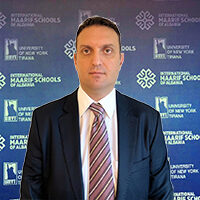
Marenglen Biba is a Full Professor and Dean of the Faculty of Engineering and Architecture at the University of New York Tirana, where he also chairs the Department of Computer Science. His academic journey includes a Ph.D. in Computer Science from the University of Bari, Italy (2009), and a Laurea degree cum laude from the same institution (2004). His research spans: Core AI/ML : Machine learning algorithms, statistical relational learning, pattern recognition Language technologies : NLP for Albanian, stemming, morphological analysis Applied domains : Computational biology, social network mining, emotion detection Recent publications (2018–2021) focus on NLP for low-resource languages, deep learning surveys, and emotion-aware data mining. Award highlights include: ICT Academic of the Year 2012 (Albania) Best Paper Award at ILP 2008 Multiple University of Bari research grants He has led EU-funded projects like ADRIATinn (€4.6M budget) and maintains collaborations with the University of Washington, University of Bari, and Asian universities. Administrative leadership includes decade-long oversight of UNYT's Computer Science department and current deanship.
Kiril Kirilov serves as an Assistant Professor in the Department of Biological Sciences at New Bulgarian University (NBU) since 2022, following 15 years of research at the Institute of Molecular Biology, Bulgarian Academy of Sciences (IMB-BAS) where he completed his PhD dissertation on bacterial and mitochondrial codon usage. His academic foundation includes specialized bioinformatics training at Italy's International Centre for Genetic Engineering and Biotechnology (2003) and Canada's Carleton University (2013). His educational milestones feature: Master's degree in Engineer Biotechnologist from the University of Chemical Technology and Metallurgy, Sofia (2001) PhD in Molecular Biology from the Institute of Molecular Biology, Bulgarian Academy of Sciences (2014) Kirilov's research operates at the intersection of computational and experimental biology, with three dominant thematic clusters emerging from his publication record. His foundational work in bioinformatics focuses on codon usage patterns across bacterial and mitochondrial genomes, developing specialized algorithms for genomic analysis. A significant experimental stream investigates glycation processes in aging and disease, examining molecular interactions between compounds like L-lysine and proteins such as histone H1. Most recently, his work has expanded into neurodegenerative disease mechanisms , exploring neurotensin analogs for Parkinson's disease and novel galantamine derivatives for Alzheimer's treatment, often incorporating nutraceutical approaches like lycopene analysis. His publication trajectory reveals a strategic evolution from pure molecular genetics toward translational biomedical applications, consistently applying computational rigor across diverse biological systems. The 2023 Parkinson's disease study exemplifies this integration, combining receptor pharmacology with animal model validation. Patent development for chemistry education tools further demonstrates his commitment to knowledge transfer beyond traditional academic boundaries. At NBU, Kirilov teaches GENB093 History of Science while maintaining active research collaborations across Bulgarian academic institutions, with email correspondence facilitated through kkirilov@nbu.bg.