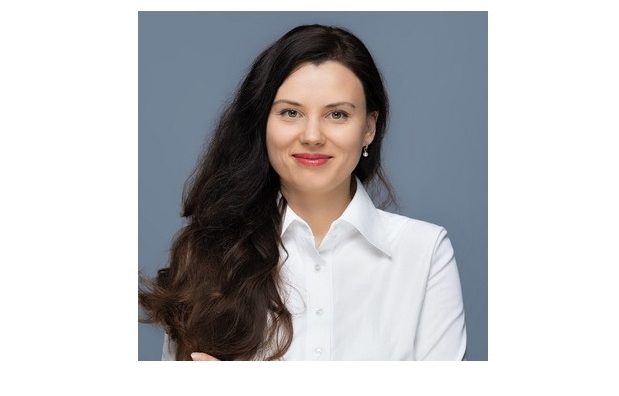
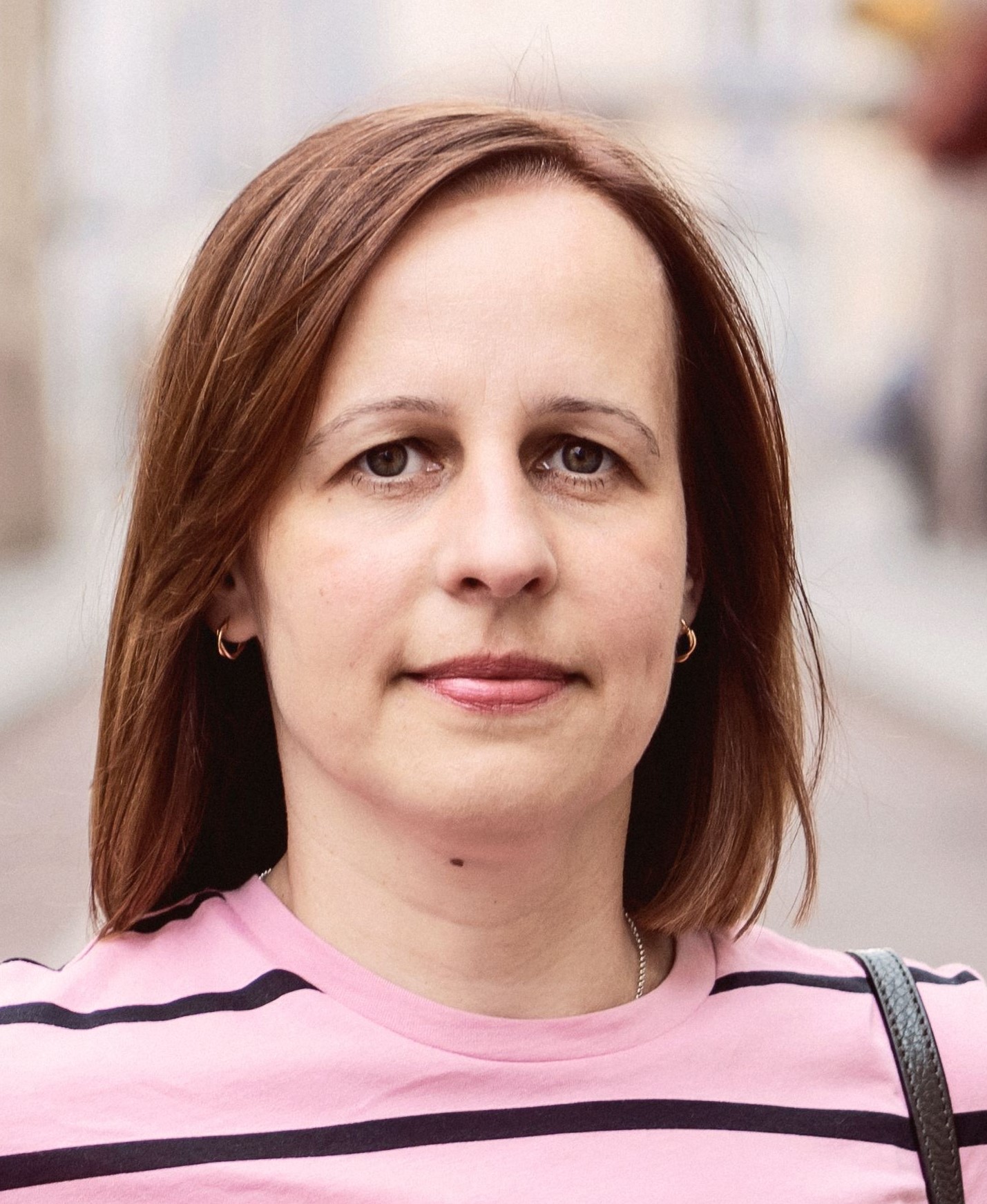
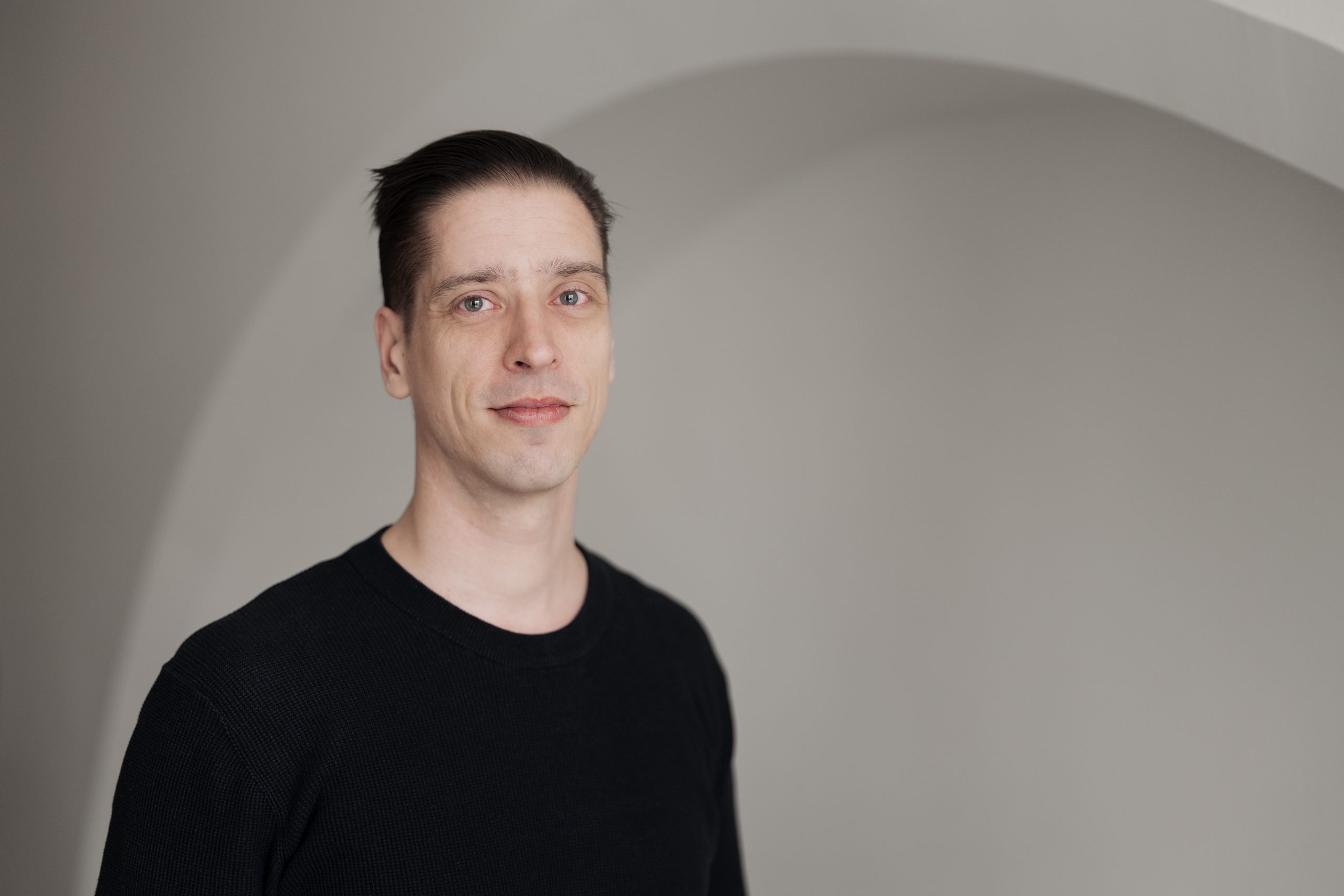
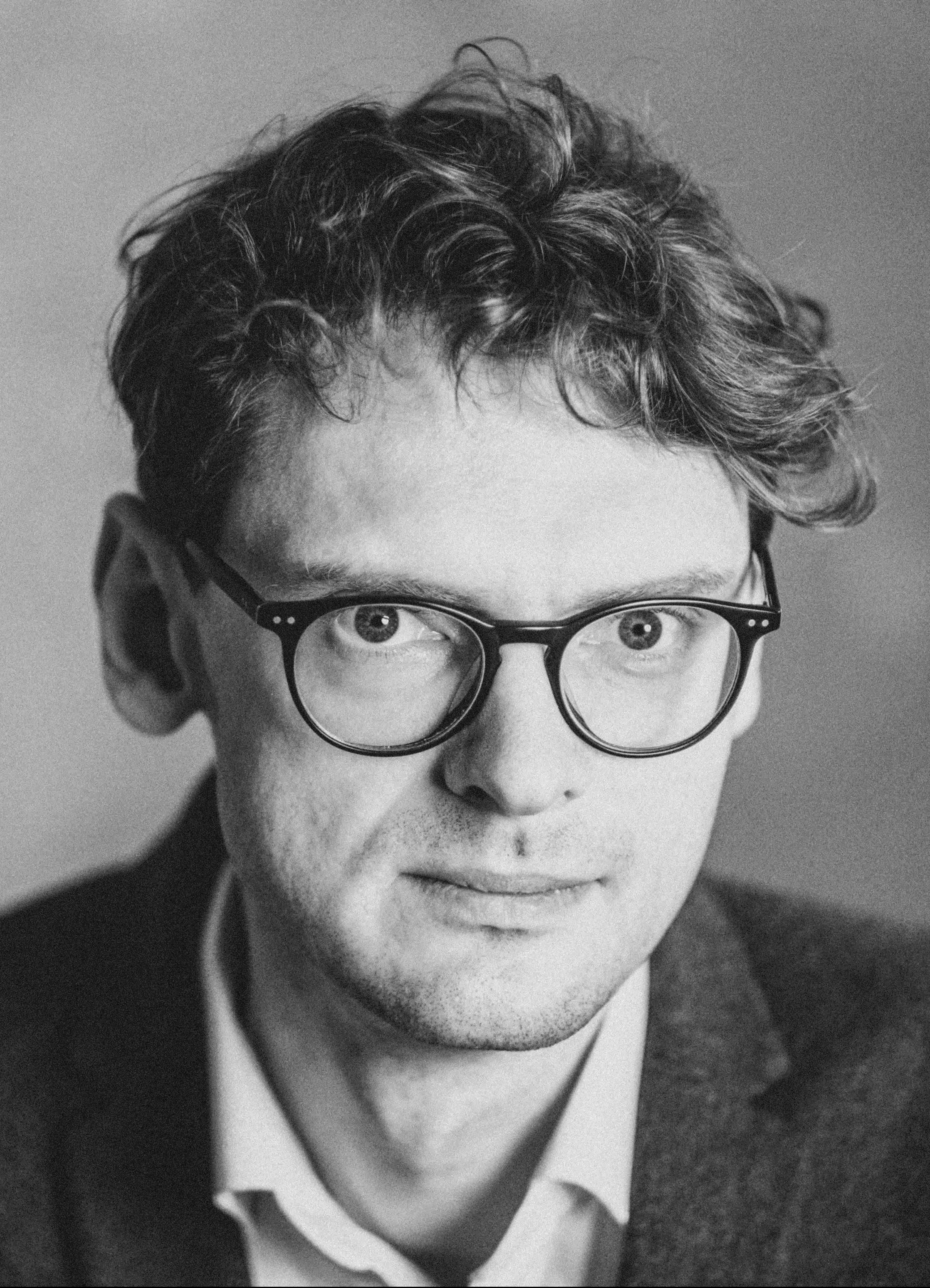
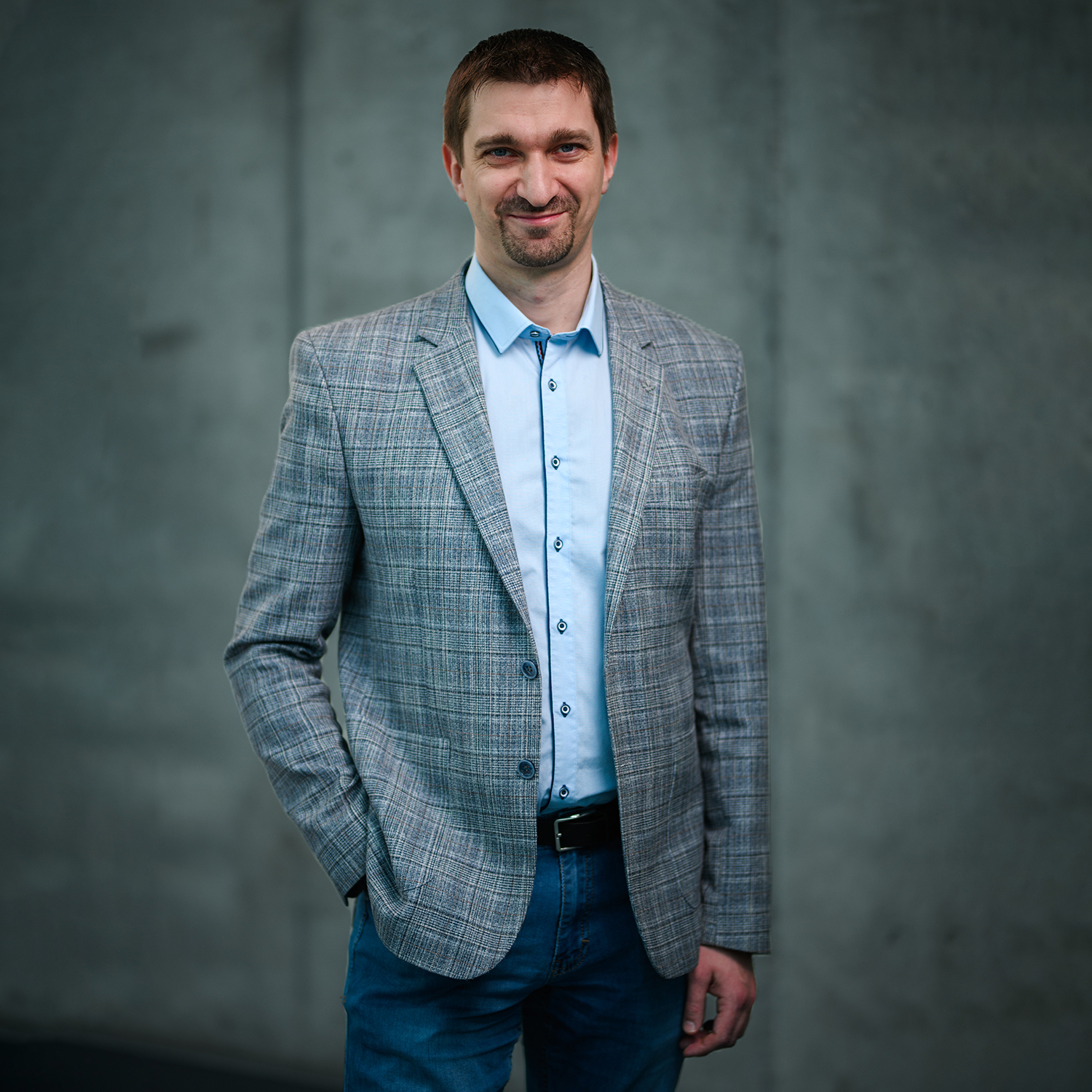
Katažyna Bogdzevič is a Professor at Mykolas Romeris University (MRU) Law School, specializing in Private International Law , European Law , Human Rights , and Environmental Law . She leads the MRU Human Rights LAB and contributes to the Environmental Management Research LAB, focusing on legal frameworks for ecosystem services, climate change mitigation, and stakeholder engagement. Key Research Themes: Integration of Private International Law with Environmental Law , analysis of legal conflicts in nature-based solutions, and name rights under international human rights conventions. Policy Engagement: Serves as advisor to Lithuania's Minister of Justice Ewelina Dobrowolska , emphasizing knowledge transfer to legislative and judicial practices. Email: roffice@mruni.eu
Prof. Dr. Vita Akstinaitė is a Professor and Vice-Rector for Research and Faculty at ISM University of Management and Economics (Lithuania). She leads the Master's program 'Global Leadership and Strategy' and the Executive Master's module on rhetoric/communication. As a Visiting Researcher at IDIAP (Switzerland) and Visiting Fellow at the University of Lausanne, she bridges academic and applied research. Her work focuses on leadership dynamics, hubris, linguistic markers, and AI applications in leadership assessment. Education: MSc Organizational Psychology (King's College London) and PhD in Business (University of Surrey), with research on linguistic markers of hubris. She co-founded The Hubris Hub and Knowledge4Hubris initiatives, fostering interdisciplinary collaboration. Notable projects include EU-funded AI leadership research (2021) and NordForsk's remote work study (2023-2026, €99k+). Research emphasizes innovative methods like AI-driven text analysis to evaluate leadership behaviors. Key areas include: executive hubris measurement, AI's role in leadership skill assessment, and ethical leadership frameworks. Her work spans international collaborations with institutions like Umeå University (Sweden), Murdoch University (Australia), and the London School of Economics. Awards include ISM Research Communicator of the Year (2023), Murdoch Teaching Excellence (2021), and EU research grants. Her publications explore topics like linguistic predictors of hubris, AI in leadership diagnostics, and pandemic leadership failures. Recent articles address data-driven executive role transformations and ethical leadership in AI contexts. Grants include €59k for AI leadership research (2021-2023) and €99k NordForsk funding. Active in conferences such as British Academy of Management and interdisciplinary leadership symposia. She advises on leadership development and serves as a module leader for global leadership courses. Labs/Teams: Co-leads The Hubris Hub research collective and directs ISM's executive communication initiatives. Current work explores AI ethics in leadership assessment and cross-industry sustainability leadership preferences.
Prof. Dr. Valentina Dagienė serves as a Professor and Senior Researcher at the Educational Systems Group within the Institute of Data Science and Digital Technologies at Vilnius University, Lithuania. Her academic career spans several decades with significant contributions to informatics education globally, particularly through her leadership in the international Bebras contest initiative. Her research focuses on computational thinking education through constructionist learning approaches, with particular emphasis on task design that promotes deep conceptual understanding in K-12 settings. Prof. Dagienė has pioneered methods for integrating computational thinking into primary education curricula while addressing cultural differences in learning approaches. Her work bridges theoretical frameworks with practical classroom implementations, making complex informatics concepts accessible to young learners through engaging short tasks. Analysis of her recent publications reveals a clear progression toward interdisciplinary integration of computational thinking with STEAM education and digital competence frameworks. Her research increasingly addresses assessment methodologies for computational thinking skills and explores the connections between computational and algebraic thinking. The Bebras contest serves as both a research platform and practical implementation vehicle for her educational theories. Prof. Dagienė has established herself as a key figure in international informatics education through her editorial work, conference organization, and cross-national collaborations. She has fostered partnerships between educators and researchers across Europe and beyond, creating sustainable communities around computational thinking education. Her leadership in the Bebras International Contest has engaged millions of students worldwide in computational problem-solving activities. Through her work with the Educational Systems Group, Prof. Dagienė has developed comprehensive teacher training programs that support educators in implementing computational thinking concepts in diverse classroom settings. Her research on student approaches to problem-solving has informed the design of learning environments that accommodate different learning styles and cultural backgrounds.
Dr. Olga Kurasova is a Professor and Senior Researcher at Vilnius University's Institute of Data Science and Digital Technologies, where she leads research in the Cognitive Computing Group. Her work focuses on developing advanced computational methods for real-world applications. Her primary research explores machine learning paradigms including deep learning for cybersecurity (keystroke dynamics, adversarial attacks), medical image analysis (pancreatic cancer detection), industrial monitoring, and explainable AI. She maintains strong collaborations across disciplines, particularly in healthcare and security domains. Analysis of her recent publications (2023-2025) reveals three dominant themes: (1) Advanced biometric authentication systems using behavioral analysis and deep learning, (2) Medical AI applications focusing on pancreatic cancer detection through CT image analysis, and (3) Theoretical advancements in explainable AI methodologies for high-stakes domains. Significant scientific recognition includes: 2021 Lithuanian Science Prize for the cycle 'From Data Science to Artificial Intelligence Technologies' 2024 Vilnius University Rector's Science Prize She has led multiple national research projects, including a 2024-2027 LMT-funded initiative on 'adversarial machine learning for cybersecurity' and coordinated interdisciplinary teams for projects on cognitive computing capabilities and optimal data mining solutions. She directs research within the Cognitive Computing Group, focusing on developing intelligent systems for data analysis, visualization, and decision support across healthcare, cybersecurity, and industrial applications.
Dr. Mantas Martišius is an Associate Professor at the Faculty of Communication, Vilnius University, specializing in the Centre for Journalism and Media Research. His work focuses on information warfare, propaganda dissemination, political communication, and media studies. He holds a PhD in Information Warfare from Vilnius University (2007), with a dissertation analyzing the impact of information warfare during the Second Chechen War. His research explores topics such as Russian information warfare tactics, media market transformations, and the role of media in conflict zones. He has contributed to peer-reviewed journals like Informacijos mokslai and Žurnalistikos tyrimai . Martišius frequently engages in science promotion, discussing media literacy and information warfare on platforms like LRT Radijo and Bernardinai.lt . He has served on doctoral defense committees for studies addressing topics like the influence of Russian media on Baltic perceptions and the analysis of Soviet-era films in Lithuanian media. His work emphasizes the societal impact of media narratives and the need for critical media literacy in combating misinformation.
Prof. Dr. Audronė Jakaitienė is a Senior Researcher and Group Leader at the Interdisciplinary Statistical Research Group of Vilnius University’s Institute of Data Science and Digital Technologies. She supervises doctoral students in Computer Science Engineering (T 007) and Informatics (N 009) , focusing on topics like machine learning in neuro-oncology and genetic variation analysis. Her research spans education systems benchmarking, biomedical statistics, and big data applications in healthcare. Education : Ph.D. in Economics (2010), Vilnius University Teaching : Courses in Nonlinear Statistical Models (Doctoral), Biostatistics (Medicine), and Multivariate Statistics with R (Master’s) Her recent work examines multimorbidity patterns , COVID-19 modeling , and educational effectiveness through international collaborations like the European Joint Program on Rare Diseases and eduBEST project. She employs advanced statistical methods (R packages, DEA, PCA) for analyzing large-scale datasets. Scientific Awards European Social Fund (2018-2022) - EFECTAS project Research Council of Lithuania (2015-2017) - Education System Modeling European Social Fund (2011-2014) - LITGEN project She has advised 4 doctoral students and contributed to 30+ publications, including studies on hypertrophic cardiomyopathy , educational equity , and prediabetes monitoring . Her methodological expertise includes data envelopment analysis and multidimensional scaling.
Dalius Gudeika is a Researcher at Vilnius University's Institute of Data Science and Digital Technologies, affiliated with the Educational Systems Group. His work is based at Akademijos Street 4, Vilnius. His research spans computational chemistry and materials science with focus areas: Computational Chemistry Materials Science Quantum Chemistry Organic Electronics Theoretical Chemistry Photophysics Specializing in density functional theory applications, he designs symmetric and asymmetric TADF (Thermally Activated Delayed Fluorescence) emitters for organic light-emitting diodes. His computational approach optimizes molecular structures for enhanced photophysical properties in OLED technologies. No scientific awards or honors were documented in available sources. There is no recorded information regarding doctoral students, research grants, or specialized laboratory teams. His current affiliation remains with the Educational Systems Group within the Institute of Data Science and Digital Technologies.
Darius Plikynas is a Senior Researcher at the Smart Technologies Research Group within the Institute of Data Science and Digital Technologies at Vilnius University . His research integrates computational intelligence methods with agent-based simulation to model cognitive and social processes. Position: Senior Researcher, Chief Researcher in the Project Address: Akademijos St. 4, room 224, Vilnius Contact: +370 5 210 9333, +370 620 95101 Email: darius.plikynas@mif.vu.lt Personal page: http://www.dariusplikynas.eu Dr. Plikynas' research spans interdisciplinary domains including neuroscience, physics methods, complexity theory, and distributed cognitive systems. He led the 2017–2019 project "Development of a metric, conceptual and simulation model of the social impact of cultural processes" under the LMT Research Group Funding Program. His recent publications (2016–2025) reflect trends in combining machine learning with social science questions (fake news analysis, propaganda detection) and agent-based modeling of cultural/social capital dynamics. Key collaborations include Leonidas Sakalauskas, Rimvydas Laužikas, and Arunas Miliauskas. Scientific supervision includes doctoral students: Andrius Budrionis (University of Tromsø, Norway) Ieva Rizgelienė (PhD topic: "Propaganda detection and classification in social media using hybrid deep learning") He also serves as an expert at Vilnius University and has contributed to projects involving: 2D financial market visualization Neural oscillation-based cognitive modeling Indoor navigation for blind individuals Cultural participation impact on social capital
Florian Rabitz is a Professor in the Department of International Relations at Vilnius University's Institute of International Relations and Political Science (VU TSPMI). His work focuses on global environmental politics , international institutions , and the governance implications of new and emerging technologies in sustainability contexts. He holds a PhD in Political Science from the Free University of Brussels. Education : PhD in Political Science (Free University of Brussels) Rabitz's research explores the intersection of technology and global governance, particularly in areas like space resource utilization , gene drive organisms , and solar radiation management . His recent publications analyze the formation of international regimes for space resources and the equity challenges of asteroid mining. He contributes to global policy discussions through his role as a Senior Research Fellow at the Earth System Governance Project and as a member of the Ad Hoc Technical Expert Group on Synthetic Biology under the Convention on Biological Diversity. His methodological approaches include social network analysis and topic modeling to map complex governance systems. Key Affiliations : Earth System Governance Project Convention on Biological Diversity (Expert Group) Rabitz has presented his research at major international conferences, including the European Consortium for Political Research General Conference and the Toronto Conference on Earth System Governance.
Vincas Grigas is an Associate Professor at the Department of Digital Cultures and Communication , Faculty of Communication , Vilnius University. His work focuses on media and information literacy, book piracy dynamics, scholarly communication, and digital culture transformations. He holds a PhD and has extensive international collaboration through ERASMUS programs and research visits to institutions like HTWK Leipzig and the University of Osijek. Research Interests: Media and Information Literacy Book Piracy Mechanisms Scholarly Publishing Practices Digital Transformation of Publishing Accessibility in Publishing Recent work analyzes digital piracy's societal impacts, challenges in small-language publishing ecosystems, and the transition from print to digital scholarly journals. He co-authored Lithuanian Scientific Periodical Publishing: From Printed Journals to Digital Ecosystems (2024) and has published in Publishing Research Quarterly , Information & Media , and LOGOS . Awards : Recognized as the Best Lithuanian Young Librarian (2011) and winner of the EU Journalist Award for Diversity (Lithuania) . Holds roles in professional bodies like the Lithuanian Library Council and Crossref Board.
Dr. Benas Gabrielis Urbonavičius serves as Associate Professor at Kaunas University of Technology (KTU) within the Department of Physics, Faculty of Mathematics and Natural Sciences. He also holds positions as Researcher at the Institute of Metrology in the Faculty of Electrical and Electronics, and serves as Head of Study Programmes at the Dean's Office of the Faculty of Mathematics and Natural Sciences. His research spans multiple disciplines including radiation physics, medical physics, metrology, and materials engineering. Dr. Urbonavičius leads several major research projects including Project INP2025/10, Project SV3240187, and Project SV3240240, all within the Department of Physics. His scientific work focuses on radiation and medical physics as well as metrology and measurement technologies, with particular expertise in polymer gel dosimeters, radiation detection systems, and precision measurement applications in medical and industrial contexts. His extensive publication record demonstrates significant contributions to radiation dosimetry, medical physics, and metrology, with recent work exploring innovative applications of 3D printing in radiation therapy, plasmonic sensors for medical dosimetry, and advanced measurement techniques in petroleum logistics. His research bridges theoretical physics with practical engineering applications across medical and industrial domains. Dr. Urbonavičius teaches several specialized courses including Radiation Physics, Medical Radiation Physics, Radiation Detectors and Registration Methods, and Imaging Equipment and Methods in Medicine, reflecting his interdisciplinary expertise spanning physics, engineering, and medical applications. As Head of Study Programmes, he plays a key leadership role in academic administration while maintaining an active research program that integrates fundamental physics with practical applications in radiation medicine and precision measurement technologies.
Dr. Kaie Maennel, Dr. Agnė Brilingaitė, and Linas Bukauskas are cybersecurity education researchers who have co-authored studies on multidimensional approaches to Cyber Defense Exercises (CDX). Their work emphasizes integrating psychological safety , intrinsic motivation , and cognitive agility into cybersecurity training frameworks. They have contributed to understanding how behavioral aspects and educational theory can enhance technical skill development and team coordination during large-scale exercises like Locked Shields and Amber Mist. Key areas of focus include: Applying Self-Determination Theory (SDT) to improve participant motivation and learning outcomes. Developing adaptive performance metrics that evaluate non-technical skills such as communication and decision-making under stress. Advancing slow education techniques to scaffold technical and soft skill development in cyber operators. They have secured significant funding through the EEA Grants project ADVANCES , which aims to personalize cybersecurity competence development. Their research has been published in journals like Computers & Security and International Journal of Cyber Warfare and Terrorism , influencing pedagogical practices in hybrid cybersecurity exercises and incident response training.
Danguolė Kalinauskaitė is a Lecturer at Vytautas Magnus University , affiliated primarily with the Department of Lithuanian Studies under the Faculty of Humanities . She also collaborates with the Faculty of Informatics and the Research Institute of Natural and Technological Sciences , contributing to the Digital Language Data and Intelligent Technologies cluster. Since 2019, she holds a Doctor of Sciences degree and actively engages in academic activities. Research Interests : Her work spans Linguistics , Philology , and Lithuanian Language studies, with a focus on Digital Humanities and Language Technology . She applies computational methods to linguistic data analysis within the university's interdisciplinary research cluster. Contact Information : Email: danguole.kalinauskaite@vdu.lt Languages : Lithuanian (Native) English (Proficient) Basic proficiency in German, Spanish, Latvian, and Russian
Professor Hone-Jay Chu is a faculty member at the Department of Geomatics, National Cheng Kung University, where he has been employed since 2011. He earned his PhD from National Chiao Tung University in 2008, focusing on artificial intelligence and optimization for water resource management, followed by postdoctoral work (2008–2011) with Professor YP Lin on spatial environmental monitoring and land use change models. Education : PhD in Environmental Engineering (2008) from National Chiao Tung University His research integrates geospatial technologies with machine learning to address complex environmental challenges. Key domains include groundwater dynamics , land use/cover change , landslide detection , and air pollution analysis , leveraging big data , remote sensing , and environmental resilience frameworks. Recent publications highlight applications of deep learning (e.g., LSTM networks) and random forest models in predicting meteorological droughts, groundwater changes, and climate impacts. The work spans interdisciplinary collaboration, with co-authors from institutions in Bangladesh, Austria, and Turkey.
Kęstutis Jankauskas is an Associate Professor and Head of Department at the Faculty of Informatics , Kaunas University of Technology , Lithuania. His professional focus spans core areas within computer science and informatics. Research Interests: His work aligns with modern informatics disciplines, including but not limited to software development, data analysis, and network security. Contact: Email: kestutis.jankauskas@ktu.lt