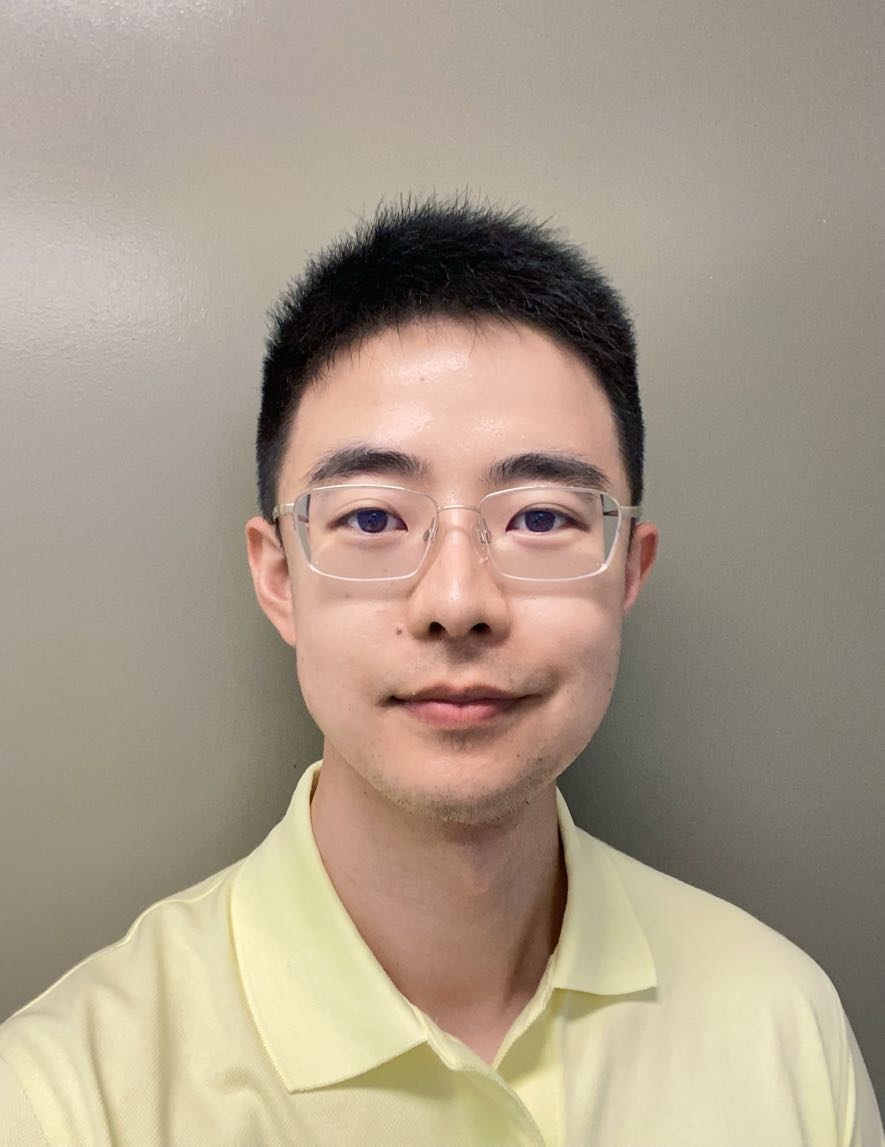
Kevin F. Kellyمشاهده پروفایل
دانشیار
Kevin F. Kelly is an Associate Professor in the Department of Electrical and Computer Engineering at Rice University. He was formerly the Chair of the Applied Physics Program and is affiliated with the Smalley-Curl Institute. Additionally, he has been a member of the Penn State Center for Nanoscale Science and the Mid-Infrared Technologies for Health and the Environment (MIRTHE) Center at Princeton University. Dr. Kelly co-founded Inview Technology Corporation as its Chief Scientist, focusing on commercializing compressive imaging technologies. He has also consulted for the Baker Institute for Public Policy regarding photovoltaics and taught courses in anthropology and history at Rice. Dr. Kelly holds a B.S. in Engineering Physics from the Colorado School of Mines (1993), followed by an M.S. (1996) and Ph.D. (1999) in Applied Physics from Rice University. His postdoctoral work included fellowships at the Institute for Materials Research in Sendai, Japan, and the Chemistry Department at Penn State University. His research interests span Optics and Photonics, Imaging and Spectroscopy at the nanoscale, and the role of mathematics in image acquisition. He develops Scanning Probe Microscopy techniques and studies Electronic Materials such as graphene and topological insulators. A major focus is Compressive Hyperspectral Imaging systems, including single-pixel camera innovations and advanced microscopy methods. He also pioneers molecular machines like the Nanocar and investigates charge transport in polymer photovoltaics. Over recent years, his work emphasizes interdisciplinary applications, such as integrating compressive sensing with neural networks for machine vision and exploring technological disaster analysis through history courses. His contributions have been recognized with awards like the IEEE Fellow (2022) and Technology Review’s Top 10 Emerging Technologies (2007). In addition to academic roles, Dr. Kelly has co-founded Inview Technology and contributed to grants and collaborations through his involvement in the MIRTHE Center and other institutes. While no formal advisees are listed, his teaching includes courses on nanotechnology since 2009 and he actively engages in policy consultations for photovoltaic commercialization. His lab at Rice and collaborations with the Smalley-Curl Institute drive advancements in nanotechnology and imaging, with a particular emphasis on practical applications of compressive sensing and molecular-scale devices.