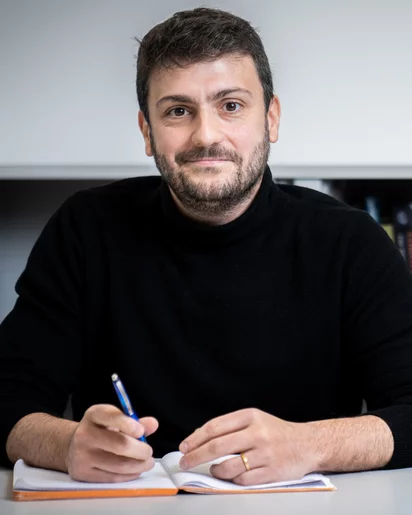
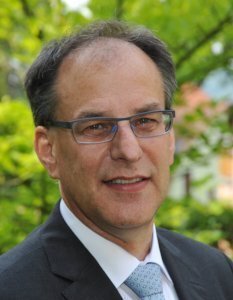
Danielle Butler is a Visiting Fellow at the National Centre for Epidemiology and Population Health, Australian National University, and a part-time General Practitioner/Researcher at the Institute of Urban Indigenous Health. With 20+ years clinical experience and a PhD (2018), her work focuses on healthcare access equity for underserved populations through linked data analysis, mixed-methods research, and telehealth evaluation. Current projects: Enhancing Safe Telehealth , Patient-Centered Medical Homes , Primary Care Data Linkage Key collaborations: ANU, IUIH, Australian Institute of Health and Welfare Her research combines multilevel modeling of administrative data with participatory action research to evaluate primary care innovations. Recent work examines telehealth impacts , out-of-pocket costs , and Aboriginal health service models . Publications span BMJ Open , BMC Health Services Research , and Health Policy , with emphasis on systematic reviews , linked data methodology , and health equity metrics . Research fingerprint shows dominant themes: Primary Health Care (100%), Aboriginal and Torres Strait Islander Health (66%), Health Services Research (49%), and Telehealth (100%).
John Harry Evans is the III Katz Alumni Professor of Accounting at the Department of Accounting, Katz School of Business, University of Pittsburgh. His research focuses on economic perspectives of accounting phenomena, analytical models of incentives, experimental studies in managerial and tax reporting, and empirical investigations of healthcare incentives. He teaches courses in Financial Accounting, Financial Statement Analysis, Managerial Accounting, and Strategic Cost Management. Research spans incentive design, corporate governance, healthcare accounting, and empirical methodologies. Recent publications address CEO turnover, physician compensation, tax reporting ethics, and organizational incentive structures. Awarded multiple honors including the Outstanding Management Accounting Paper Award (2012), Provost Award for Excellence in Mentoring (2011), and multiple Best Paper Awards across journals. Active in professional service as a financial consultant to the Department of Defense and expert witness in legal cases. Designed financial analysis training programs for healthcare managers at University of Pittsburgh Physicians and Highmark Insurance Company.
Mike Wood is an Assistant Professor at the Moss Landing Marine Laboratories (MLML) with a joint appointment in the Department of Computer Science at San José State University (SJSU). His research focuses on ice-ocean-biology interactions and sea level rise dynamics related to the Greenland Ice Sheet, utilizing satellite observations, numerical ocean models, and in situ measurements. He leads the Computational Oceanography lab at MLML. Research Themes : Ice-ocean interactions, climate change impacts on polar regions, satellite remote sensing, and computational modeling. Academic Affiliation : MLML (Computational Oceanography) and SJSU Computer Science Department. Methodologies : Numerical modeling, satellite data analysis, and field observations in Greenlandic fjords. His recent publications reveal a focus on Greenland glacial meltwater dynamics, fjord-scale oceanography, and bathymetric mapping. Mike enjoys surfing and climbing when not engaged in academic work.
Jonas Eliasson is a Visiting Professor at Linköping University's Department of Science and Technology (ITN), focusing on Communications and Transport Systems. He concurrently serves as Director of Transport Access at the Swedish National Transport Administration and chairs the Planning & Construction committee of the Royal Academy of Engineering Sciences. Previously, he was Director of the Stockholm City Transportation Administration (2016–2019) and a professor at the Royal Institute of Technology (KTH) from 2007 to 2016. His research emphasizes transport policy design and evaluation, including cost-benefit analysis, transport pricing, railway capacity allocation, and public acceptability of policies. He advises governments on sustainable transport planning, congestion pricing, and socio-economic appraisals. His work bridges theoretical frameworks and practical implementation, with a focus on accessibility, equity, and climate targets. Key research themes include infrastructure cost overruns, traffic demand reduction strategies, and the integration of passenger and freight transport systems. Recent publications analyze policy impacts, forecasting methods, and carbon-neutral transportation systems. His interdisciplinary approach addresses both technical and socio-political dimensions of transport challenges. Eliasson collaborates with research groups like Railway and Public Transport and contributes to initiatives like the 'Next Generation Smart Transportation Systems' project. Despite extensive professional roles, no formal student advisees are listed. His work is disseminated through journals like Transportation Research Part A and policy reports for national and regional governments.
Jesper Fels Birkelund is a Tenure Track Assistant Professor at the Department of Sociology, University of Copenhagen. His research focuses on education systems, ethnic inequalities, and social mobility, leveraging advanced statistical methods on register and survey data. He teaches courses such as Basic Statistics, Sociology in Danish Society, and Advanced Welfare, Inequality, and Mobility. His work has been published in journals like Social Forces and European Sociological Review . His research on education examines how schooling impacts cognitive and social-psychological skills, influencing long-term labor market outcomes. He has shown vocational training enhances conscientiousness, yielding earnings comparable to academic tracks. In ethnic inequality studies, he analyzes high aspirations among immigrant students despite poor academic performance, proposing counterfactual models to assess systemic challenges for minority students. In social mobility research, he explores how parental resources (human, cultural, social, economic capital) shape children’s career trajectories, particularly when parents and children share the same field of study. He uses firm linkage data to study mechanisms like parental networks and inherited family businesses. Awards: 2022 ECSR Prize for Best PhD Thesis Teaching: Basic Statistics (BA), Sociology in Danish Society (BA), Education and Social Inequality (BA/MA), Advanced Welfare, Inequality, and Mobility (MA) His work integrates micro-class approaches with intergenerational transmission theories, contributing to debates on educational policy and labor market equity. Office hours for Spring 2025: Monday 15:00–16:00 in room 16.0.57.
Dr. Kristen Lindquist is an incoming Professor and Robert K. and Dale J. Weary Chair in Social Psychology at The Ohio State University. She holds a A.B. in Psychology and English from Boston College (2004) and a Ph.D. in Psychology from Boston College (2010). Her research focuses on the psychological and neural basis of emotions, integrating tools from social cognition, neuroscience, and big data. She previously served as an Assistant Professor (2012–2018) and Associate Professor (2018–2022) at the University of North Carolina at Chapel Hill before being promoted to Professor in 2022. Her work emphasizes how emotions emerge from interactions between bodily states, cultural learning, and neural processes across the lifespan. She leads the Affective Science Lab, exploring cultural influences on emotion perception and the role of language in shaping emotional experiences. Lindquist’s research has been featured in Science , NeuroImage , and Trends in Cognitive Sciences , among others. Education: A.B. in Psychology and English, Boston College, 2004 Ph.D. in Psychology, Boston College, 2010 Research Interests: Lindquist investigates emotion construction theory, the neurobiological underpinnings of affect, interoception, and cultural influences on emotion semantics. Her work bridges cognitive, social, and developmental psychology with neuroscience, emphasizing interdisciplinary methods. Recent studies explore how language shapes emotional understanding and the impact of aging on physiological-emotional linkages. Key Contributions: Developed the theory of constructed emotion, challenging traditional discrete emotion models. Conducted large-scale meta-analyses mapping brain networks underlying emotion. Explored cultural variation in emotion semantics using linguistic and neuroimaging data. Labs/Teams: Her Affective Science Lab at OSU will continue investigating emotion’s neural and cultural foundations, with a focus on translational applications in mental health and education.
Prof. Annette Jackle is a Professor of Survey Methodology and Deputy Director of Understanding Society - the UK Household Longitudinal Study at the University of Essex. Her research focuses on innovative data collection methods, including mobile device integration, sensor data, and data linkage consent processes. She leads methodological experiments in longitudinal studies to improve participation rates and data quality. Key projects include the Understanding Society Innovation Panel, which explores event-triggered data collection, mobile app-based expenditure measurement, and consent mechanisms for administrative data linkage. Her work addresses barriers to participation, mode effects, and bias reduction in surveys. Recent studies analyze digital trace data during the pandemic, mobile app efficacy in probability/nonprobability panels, and the impact of question placement on consent decisions. Her research informs best practices for survey design in rapidly evolving technological landscapes. Jackle collaborates with institutions like ISER and the ESRC Research Centre on Micro-Social Change. She advises on survey methodology for large-scale studies and contributes to policy-relevant research through Understanding Society's extensive dataset.
Dr. Imad El Haddad serves as Group Head of the Molecular Cluster and Particle Processes group at the Laboratory of Atmospheric Chemistry (LAC), part of the Center for Energy and Environmental Sciences at Paul Scherrer Institute (PSI), Switzerland, since 2018. Previously, he held positions as Tenured Scientist and Deputy Head (2018-2019), Senior Scientist in the Smog Chamber group (2015-2018), and Postdoctoral Fellow (2011-2015) at PSI. His research aims to quantify how anthropogenic emissions alter atmospheric pollutant composition and impact Earth's climate and public health through molecular-level analysis using advanced mass spectrometry techniques. His academic background includes: Ph.D. in Atmospheric Chemistry, University of Provence, Marseille (2007-2011) Master's in Environmental Sciences (with distinction, rank 1/9), University of Provence (2006-2007) Master's in General Chemistry (with distinction, rank 1/10), Saint-Joseph University of Beirut (2005-2006) Bachelor of Science in Chemistry (with distinction, rank 1/14), Saint-Joseph University of Beirut (2002-2005) El Haddad's work centers on molecular fingerprinting of atmospheric aerosols , utilizing mass spectrometry (GC/MS, HPLC/APCI-MS2, HPLC/ESI-MS2) to identify primary and secondary molecular markers. He conducts smog chamber experiments to characterize emissions from wood burning, traffic, and cooking processes, determining secondary organic aerosol potential and oxidation state evolution. His group also studies in-cloud aqueous-phase aging and collaborates with global modelers to link aerosol composition to climate forcing and health outcomes like oxidative stress. Recent publications (2025-2024) reveal three dominant trends: (1) rigorous molecular-scale analysis of secondary aerosol formation under varying humidity/temperature, (2) source apportionment breakthroughs in diverse regions (India, Europe, Arctic) using 14C and AMS data, and (3) quantification of health-relevant aerosol properties such as oxidative potential through DTT assays. High-resolution mass spectrometry is a consistent methodological thread across these studies. His scientific awards include: MENRT research fellowship from French ministry of research (2007-2010) Excellence Scholarship (top 1% student, University of Saint Joseph, 2005) Distinction Prize (best student, University of Saint Joseph, 2005) As Group Head, El Haddad oversees the Molecular Cluster and Particle Processes group's research direction and mentorship of junior scientists. While specific grant details are absent from the text, his leadership in multi-institutional publications (e.g., CERN CLOUD, iCUPE) implies active grant management and international collaboration. The group's work bridges laboratory simulations, field deployments, and health/climate modeling to address air pollution complexities. The Molecular Cluster and Particle Processes group develops cutting-edge online/offline mass spectrometers for 1 Hz-resolution atmospheric analysis. They deploy instruments in laboratory smog chamber experiments and global field studies, focusing on molecular marker identification, emission source characterization, and aging process quantification. Collaborations with biochemists and climate modelers extend their impact beyond pure aerosol physics into health risk assessment and policy-relevant climate science.
Assoc Prof Siok Kuan Tambyah is an Associate Professor at the National University of Singapore (NUS) Business School and a Fellow at The College of Alice & Peter Tan, NUS. She holds a PhD in Business from the University of Wisconsin-Madison. Her research focuses on consumer behavior, consumer culture theory, services marketing, and happiness/quality-of-life studies. She has authored/co-authored five books and numerous articles in leading journals such as the Journal of Consumer Research and Journal of Service Research . Her teaching spans undergraduate and graduate levels, including courses on Principles of Marketing, Consumer Behavior, and The Pursuit of Happiness. She has supervised over 60 undergraduate research projects and advised two PhD students. Her pedagogical research emphasizes interdisciplinary learning and residential college environments, highlighted in works like Student Growth and Development in New Higher Education Learning Spaces . A/P Tambyah’s work on Singapore’s quality of life and well-being has positioned her as a leading expert. Key publications include Happiness and Wellbeing in Singapore: Beyond Economic Prosperity (2023) and Drivers of Sustainability and Consumer Well-Being (2022). Her research often bridges consumer behavior with societal issues, such as immigrant inclusion and economic hardship impacts. She is an award-winning educator, recognized for innovative teaching methods in residential colleges and executive education programs. Her contributions to interdisciplinary learning and community engagement are further detailed in her writings on reflective practices and community-based research models.
Uwe Cantner is a Full Professor of Economics at Friedrich Schiller University Jena and holds a professorship at the University of Southern Denmark/Odense. He has held significant roles such as Vice President for Young Researchers and Diversity Management at FSU Jena (2014–2024), Chairman of the German Federal Government's Commission of Experts for Research and Innovation (EFI), and Spokesman of the DFG-GRK 1411 Research Training Group. His work focuses on the economics of innovation, evolutionary economics, industrial economics, productivity measurement, and public finance. Education : Dipl.oec. in Business Administration/Economics (1985) from University of Augsburg; MA in Economics (1984) from Wayne State University; Dr.oec.publ. (1990) and Dr.rer.pol.habil. (1996) from Ludwig-Maximilians-University Munich. Cantner's research bridges theoretical and empirical analyses of innovation systems, technological sovereignty, and entrepreneurial ecosystems. He has contributed to debates on missions-oriented innovation policy, productivity dynamics in global value chains, and the role of institutional transparency in regional development. His recent publications analyze industrial policy frameworks (2023), digitalization challenges in European higher education (2022), and corruption-innovation linkages (2020). Articles span evolutionary economics, environmental economics, and policy analysis, with cross-cutting themes in sustainability, governance, and regional development. Cantner actively shapes academic discourse as President of the International Joseph A. Schumpeter Society (since 2015) and editorial roles in journals like the Journal of Evolutionary Economics . He has directed graduate programs and contributed to EU energy transition research through expert surveys.
Marco Letta is a Tenure-Track Assistant Professor at the Department of Social and Economic Sciences , Sapienza University of Rome. His research focuses on economic development , regional economics , policy evaluation , and applied econometrics , with a strong emphasis on climate change impacts, food security, and machine learning applications in economic policy. University: Sapienza University of Rome Department: Department of Social and Economic Sciences Email: marco.letta@uniroma1.it His recent work explores the climate migration nexus , household resilience , and policy targeting , often leveraging machine learning and empirical econometric methods . Publications span topics such as local inequalities during the COVID-19 crisis , temperature shocks in rural Tanzania , and machine learning applications in state aid regulation . Notable trends in his research include: Integration of machine learning with traditional econometric techniques Focus on climate resilience and migration patterns Analysis of policy impacts in developing economies Investigation of local mortality estimates during global crises Development of cross-country empirical frameworks Current projects include assessing agrifood system vulnerabilities and refining counterfactual policy evaluation methodologies.
John Van Reenen holds the Ronald Coase School Professorship at the London School of Economics (LSE), serves as a Digital Fellow at MIT, and directs the Programme for Innovation and Diffusion (POID). His primary academic affiliation remains with LSE where he maintains an active research profile with publications extending into 2025. Van Reenen's research centers on innovation economics, labor markets, and productivity with deep expertise in management practices and firm dynamics. His work examines resource misallocation effects in developing economies like Mexico, structural transformation impacts on labor concentration, and spillover mechanisms from superstar firms. Key contributions span industrial organization, development economics, and technology policy, often utilizing firm-level data to analyze innovation diffusion and organizational resilience. Recent publications (2021-2025) reveal consistent focus on management-productivity linkages, structural economic transformation, and innovation systems. His research increasingly addresses climate-related business resilience, military innovation dynamics, and cross-border spillovers from foreign direct investment. Methodologically, he combines rigorous econometric approaches with subjective expectation data and firm-to-firm transaction analysis. Major recognitions include: 2009 Yrjö Jahnsson Award (European equivalent of Bates Clark Medal) 2014 European Investment Bank Prize for Excellence in Economic and Social Research 2017 Order of the British Empire (OBE) 2022 Honorary Foreign Membership in the American Economic Association No specific student advising or grant information appears in the source material, though his POID leadership implies research coordination responsibilities. As Director of the Programme for Innovation and Diffusion, Van Reenen oversees a research initiative investigating innovation drivers and diffusion mechanisms across global firms and economies, fostering collaboration between LSE, MIT, and international policy institutions.
Bryce McLeod, Ph.D., serves as Professor and Director of the Child/Adolescent Concentration within the Clinical Psychology Program at Virginia Commonwealth University's Department of Psychology. Tenured faculty member with active research leadership directing the CREATE Lab focused on community-based mental health implementation science. Education: Ph.D. in Psychology, University of California, Los Angeles (2004) Dr. McLeod's research centers on implementation science for evidence-based practices in youth mental health, specializing in treatment integrity measurement, implementation sustainment factors, and community-school intervention development. His CREATE Lab develops pragmatic tools for measuring treatment fidelity, optimizes training/consultation strategies, and creates flexible interventions for real-world settings serving youth with behavioral and emotional challenges. Current work emphasizes school-based prevention systems and community mental health implementation frameworks. His publication record (2011-2022) reveals consistent focus on measurement innovation for implementation science, particularly treatment integrity instruments and therapeutic alliance assessment in youth contexts. Key trends include developing locally-managed data systems for schools, cross-treatment fidelity measurement approaches, and mechanistic models for training effectiveness - all targeting practical implementation barriers in community settings. Scientific Awards: VCU Department of Psychology Outstanding Service Award (2016) VCU Department of Psychology Outstanding Research Award (2011) NIH Clinical Research Loan Repayment Award Renewal (2011-2013) NIH Clinical Research Loan Repayment Award (2006-2008) As dedicated mentor, Dr. McLeod trains graduate students in applied implementation research through CREATE Lab projects, emphasizing community-engaged scholarship. His NIH-funded research portfolio supports multiple active grants including CEDARS, PRISM, and Sustainment of Evidence-Based Programs in Schools initiatives. Current funding focuses on optimizing measurement-based care systems and identifying key fidelity indicators for community implementation. Dr. McLeod leads the CREATE Lab conducting community-based implementation research across multiple funded projects including CEDARS, PRISM, and CHILD initiatives. The lab develops practice elements for flexible interventions, creates pragmatic fidelity measures, and tests implementation strategies in school and community mental health settings through active collaborations with local agencies and school systems.
Matt Nowinski is a Collegiate Associate Professor in the Department of Mechanical Engineering at Virginia Tech's College of Engineering. His professional roles include advisory board memberships and leadership positions within the department. He holds multiple degrees including a Ph.D. in Mechanical Engineering from ETH Zurich (1999), an M.S. in Computer Science from Syracuse University (2022), and prior mechanical/aerospace engineering degrees from Virginia Tech. His research focuses on asteroid dynamics (particularly D-type and V-type asteroids), gas turbine engines, aeroelasticity, and education technology. Notable areas include lightcurve analysis, surface mineralogy modeling, and machine learning applications in astronomy. His work bridges aerospace engineering with astrophysics, leveraging both experimental and computational methods. Dr. Nowinski has over 24 years of industry experience as a Boeing subject matter expert in military communications systems, complemented by academic roles at George Mason University and University of Chicago. He is a recipient of the John Jones Faculty Fellowship and Society of Distinguished Alumni honor. His research contributions span asteroid characterization, turbine blade flutter mechanisms, and telescope instrumentation. Current work emphasizes observational astronomy through the Stone Edge Observatory and Slack-based collaborative platforms. He actively contributes to advancing STEM education through innovative curricula and research integration.
Inigo Flores Ituarte is a Research Professor at Tampere University's Faculty of Engineering and Natural Sciences, affiliated with the Automation Technology and Mechanical Engineering department. He leads the Digital Design and Manufacturing (D2M) research lab, focusing on sustainable manufacturing and twin-transition strategies integrating digital and green technologies. His work emphasizes optimization-driven design, additive manufacturing innovations, and AI-driven expert systems to enhance energy efficiency and reduce environmental impacts. Key research pillars include: Pillar 1: Twin-transition in Engineering Design and Manufacturing Processes, addressing sustainable manufacturing and intelligent systems Pillar 2: Development of open D2M systems and Process-Structure-Property-Performance (PSPP) linkages in advanced materials His research explores multi-disciplinary optimization combining model-based simulations and data-driven techniques. Notable contributions include generative AI integration in CAD systems, cognitive manufacturing systems, and cost-effective process monitoring using CNN-based methods. Inigo's work emphasizes environmental sustainability, with a focus on reducing manufacturing's energy consumption (54% of global use) and CO2 emissions. He advocates for interconnected material systems, smart manufacturing processes, and AI-assisted decision-making to achieve cognitive intelligence in industrial operations. His D2M lab's overarching goal is to maximize product/process performance while improving cost-effectiveness and minimizing environmental footprints. Recent projects include railway bogie demonstrators via multi-material deposition and sensor systems leveraging IoT and ChatGPT integration.