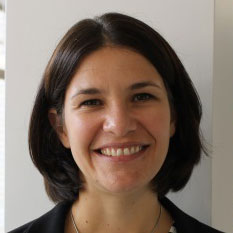
Dr. Kimberly Schonert-Reichl is a Professor in the Department of Educational and Counselling Psychology, and Special Education within the Faculty of Education at the University of British Columbia. A world-renowned expert in social and emotional learning (SEL), her research focuses on fostering empathy, compassion, and resiliency in children through classroom-based interventions and interdisciplinary biological investigations. Her academic journey includes an MA in Educational Psychology from the University of Chicago, a Ph.D. from the University of Iowa, and postdoctoral training as an NIMH Fellow at the University of Chicago and Northwestern University Medical School. Prior to academia, she worked as a middle school teacher and at an alternative high school for at-risk adolescents. Dr. Schonert-Reichl's research spans SEL program evaluation (Roots of Empathy, MindUp), neurobiological mechanisms of learning, and population-level well-being assessment through the Middle Years Development Instrument (MDI). Recent work reveals growing emphasis on teacher adaptation in SEL implementation, trauma-informed approaches, and compassion training's neural correlates, with increasing international collaboration across 6+ countries. Her scientific contributions are recognized through: 2015 Joseph E. Zins Distinguished Scholar Award 2009 Paz Buttedahl Career Achievement Award 2007 UBC Killam Teaching Prize Fellowships with Mind and Life Institute and Botin Foundation 2004 Vancouver School Board Recognition Award She actively shapes policy as advisor to BC Ministry of Education, OECD Education 2030, CASEL Board Member, and Chair of Hawn Foundation's Scientific Research Advisory Board. Her public engagement includes 300+ presentations to educators and media appearances in The New York Times , CBC , and NPR . Leading the MDI project team, she coordinates cross-sector collaboration with researchers, policymakers, and educators across British Columbia, Australia, Germany, UK, and Croatia to transform child well-being measurement into actionable policy insights at population scale.